A phase-field model for diffusion-limited crystal growth is formulated that is capable of handling highly anisotropic interfaces. It uses a Willmore regularization that yields corners of finite size. An asymptotic analysis reveals that Herring’s law is recovered for the advancing surfaces. The model is validated by conducting simulations of dendritic growth for low anistorpies and comparing the results to the data from the literature. The model makes it possible to simulate high anisotropy dendrites for which the standard phase-field models are ill-posed. In this regime, the interplay between a Herring instability on the dendrite flanks and the corner regularization creates zig-zag shaped corrugations and leads to a non-monotonic trend of tip velocity as a function of anisotropy strength.
One of the most widely used active materials for phase-change memories (PCM), the ternary stoichiometric compound Ge2Sb2Te5 (GST), has a low crystallization temperature of around 150 degrees C. One solution to achieve higher operating temperatures is to enrich GST with additional germanium. This alloy crystallizes into a polycrystalline mixture of two phases, GST and almost pure germanium. In a previous work [R. Bayle et al., J. Appl. Phys. 128, 185 101 (2020)], this crystallization process was studied using a multi-phase field model (MPFM) with a simplified thermal field calculated by a separate solver. Here, we combine the MPFM and a phase-aware electrothermal solver to achieve a consistent multi-physics model for device operations in PCM. Simulations of memory operations are performed to demonstrate its ability to reproduce experimental observations and the most important calibration curves that are used to assess the performance of a PCM cell. (c) 2024 Author(s). All article content, except where otherwise noted, is licensed under a Creative Commons Attribution (CC BY) license (https://creativecommons.org/licenses/by/4.0/).
During the intercalation of lithium in layered host materials such as graphite, lithium atoms can move within the plane between two neighboring graphene sheets, but cannot cross the sheets. Repulsive interactions between atoms in different layers lead to the existence of ordered phases called "stages," with stage n consisting of one filled layer out of n, the others being empty. Such systems can be conveniently described by a multilayer Cahn-Hilliard model, which can be seen as a mean-field approximation of a lattice-gas model with intra- and interlayer interactions between lithium atoms. In this paper, the dynamics of stage formation after a rapid quench to lower temperature is analyzed, both by a linear stability analysis and by numerical simulation of the full equations. In particular, the competition between stages 2 and 3 is studied in detail. The linear stability analysis predicts that stage 2 always grows the fastest, even in the composition range where stage 3 is the stable equilibrium state. This is borne out by the numerical simulations, which show that stage 3 emerges only during the nonlinear coarsening of stage 2. Some consequences of this finding for the charge-discharge dynamics of electrodes in batteries are briefly discussed.
A methodology is built to model and simulate the dynamics of domain coarsening of a two-phase ternary liquid with an arbitrary phase diagram. High numerical performance is obtained through the use of the phase field-method for interface capturing, a lattice Boltzmann method numerical scheme for all the model equations, and a portable, parallel simulation code running on multiple GPUs. The model is benchmarked against an analytic solution for a ternary diffusion couple. It also reproduces the well-known power law for droplet coarsening during Ostwald ripening without fluid flow. Large-scale simulations with flow illustrate the effects of momentum transport and buoyancy, as well as droplet coalescence and sedimentation.
A self-consistent model for the simulation of Gerich Ge 2 Sb 2 Te 5 phase change memories is presented. Combining the multi-phase field model and a phase-aware electro-thermal solver, it reproduces the multi-physics behavior of the material. Simulations of memory operations are performed to demonstrate its ability to reproduce experimental observations.
In recent experiments on the solidification of the binary eutectic alloy succinonitrile-(D)camphor carried out on board of the International Space Station (ISS), a transition from rod to lamellar patterns was observed for low growth velocities. The transition was interpreted in terms of a competition between a propagative instability of lamellae and a drift induced by a transverse temperature gradient. Phase-field simulations of a symmetric model alloy support this scenario: for a fixed transverse temperature gradient, the transition from rods to lamellae occurs for a critical composition at fixed velocity, and for a critical velocity at fixed composition. Since the alloy and control parameters used in experiments and simulations are different, our results strongly suggest that this morphological transition is generic for eutectic alloys.
Graphite is today the most common negative electrode material in commercial cells, alone or blended with silicon, thanks to its relatively high specific capacity of 372 mAh·g−1, its excellent cycling stability, its low thermodynamic potential, and relatively low cost compared to alternative materials. The increase in the energy densities, power capabilities, and durability of lithium-ion batteries using this conventional cost-effective active material is possible through an optimization of the electrode and material designs. Such optimization requires, however, knowledge of the fundamental mechanisms that govern both the lithium transport inside graphite particles and the electrochemical transfer at the electrolyte / active material interface. Graphite has an ideal lamellar structure made of graphene sheets. During intercalation, the lithium atoms insert between the graphene planes, with almost no lithium transport across the graphene sheets. The interactions between lithium atoms in adjacent galleries leads to the formation of structures with filled layers separated by a number of empty layers, known as stages. Given this phenomenon, graphite active material undergoes phase separation between successions of several stable phases during lithium intercalation. This staging phenomenon influences the critical properties of graphite like its equilibrium potential, lithium diffusion or lithium insertion kinetics. In the present work, we use a Cahn-Hilliard type model, adapted to multi-layered materials1 and study the influence of the parameters in the underlying free-energy models. We focus first on the intra-layer and inter-layer lithium interaction contributions. Free-energy models with increasing complexity of inter-layer interactions are introduced and discussed based on their corresponding phase diagrams. In particular, we show that occurrence of fractional 3/2 stage, observed for potassium or rubidium intercalation in graphite at high pressure, requires an interlayer interaction effective at second neighbor, while a continuous screening effect of the intercalant is necessary to predict the occurrence of stages greater than 2 without the occurrence of the fractional 3/2 stage, as observed for lithium2. The kinetics of stage formation and evolution is also greatly affected by the interaction parameters of the free-energy model. A linear stability analysis (LSA) is performed to investigate the impact of the free energy model parameters on the stage formation dynamics and growth rates. In particular, the LSA shows that stage 2 grows the fastest, even for low lithium filling fraction. In accordance with this result, simulations of spinodal decomposition from moderate homogeneous lithium filling fraction (c=0.3) shows the formation of stage 2 at early times before an evolution towards stage 3 (See figure 1). This higher growth rate of stage 2 seems to have an impact on lithium intercalation pathway. Indeed, during simulations of lithium intercalation in a graphite particle at different C-rates, stage 2 tends to form very early at the electrolyte/particle interface, even when stage 3 and dilute stage 1 dominates inside the particle. The simulation of lithium intercalation also provides access to the effective exchange current density as function of the averaged surface concentration. The presence of the stages at the surface of the particles directly affects this averaged exchange current density. It results in non-symmetric exchange current density profiles, in coherence with operando X-ray micro-diffraction measurement in thick graphite electrodes3. Figure 1: Snapshots of a spinodal decomposition at different times. The initial average filling fraction is c=0.3 and the system has six layers. For each subfigure, top: lithium content in each layer, bottom: coefficients of the Fourier transform used to track the stages Smith, R. B. et al. Intercalation Kinetics in Multiphase-Layered Materials. J. Phys. Chem. C 121, 12505–12523 (2017). Chandesris, M., et al. Thermodynamics and Related Kinetics of Staging in Intercalation Compounds. J. Phys. Chem. C 123, 23711–23720 (2019) Tardif, S. et al. Combining operando X-ray experiments and modelling to understand the heterogeneous lithiation of graphite electrodes. J. Mater. A 9, 4281–4290 (2021) Figure 1
We review recent in situ solidification experiments using nonfaceted model transparent alloys in science-in-microgravity facilities onboard the International Space Station (ISS), namely the Transparent Alloys (TA) apparatus and the Directional Solidification Insert of the DEvice for the study of Critical Liquids and Crystallization (DECLIC-DSI). These directional-solidification devices use innovative optical videomicroscopy imaging techniques to observe the spatiotemporal dynamics of solidification patterns in real time in large samples. In contrast to laboratory conditions on ground, microgravity guarantees the absence or a reduction of convective motion in the liquid, thus ensuring a purely diffusion-controlled growth of the crystalline solid(s). This makes it possible to perform a direct theoretical analysis of the formation process of solidification microstructures with comparisons to quantitative numerical simulations. Important questions that concern multiphase growth patterns in eutectic and peritectic alloys on the one hand and single-phased, cellular and dendritic structures on the other hand have been addressed, and unprecedented results have been obtained. Complex self-organizing phenomena during steady-state and transient coupled growth in eutectics and peritectics, interfacial-anisotropy effects in cellular arrays, and promising insights into the columnar-to-equiaxed transition are highlighted.
The ternary mixture of uranium, oxygen and zirconium is investigated as a minimal model for corium, the mixture that forms after the meltdown of a nuclear reactor. Like corium, U-O-Zr exhibits a liquid–liquid phase separation between a metal-rich and an oxide-rich phase at high temperatures. A CALPHAD database built on an associate model is used to set up a ternary Cahn–Hilliard model, which can describe two-phase patterns in U-O-Zr. The interface structure and properties, which depend on the choice on the gradient energy coefficients in the free-energy functional, are studied in detail. It is found that interface adsorption is generally present due to the diffuse character of the interface, but that its magnitude is small, such that the model remains a robust and useful tool for future simulations of corium pool stratification dynamics.
The kinetic equation for anisotropic motion-by-curvature is ill posed when the surface energy is strongly anisotropic. In this case, corners or edges are present on the Wulff shape, which span a range of missing orientations. In the sharp-interface problem the surface energy is augmented with a curvature-dependent term that rounds the corners and regularizes the dynamic equations. This introduces a new length scale in the problem, the corner size. In phase-field theory, a diffuse description of the interface is adopted. In this context, an approximation of the Willmore energy can be added to the phase-field energy so as to regularize the model. In this paper, we discuss the convergence of the Allen-Cahn version of the regularized phase-field model toward the sharp-interface theory for strongly anisotropic motion-by-curvature in three dimensions. Corners at equilibrium are also compared to theory for different corner sizes. Then we investigate the dynamics of the faceting instability, when initially unstable surfaces decompose into stable facets. For crystal surfaces with trigonal symmetry, we find the following scaling law L∼t^{1/3}, for the growth in time t of a characteristic morphological length scale L, and coarsening is found to proceed by either edge contraction or cube removal, as in the sharp-interface problem. Finally, we study nucleation of crystal surfaces in a two-phase system, as for a terrace-and-step surface. We find that, as compared with saddle-point nucleation, ridge crossing is dynamically favored. However, the induced nucleation mechanism, when a facet induces at its wake formation of additional facets, is not evidenced with a type-A dynamics.
During a severe accident in a nuclear reactor, the melting of the core may lead to the formation of a multiphase liquid pool (corium) in the vessel lower head. The heat transfer at the boundary with the vessel is affected by diffusive and convective mass fluxes. In particular, the development of Rayleigh-Taylor instabilities influence the thickness of the top metallic layer and therefore the "focusing effect" of the heat flux, which is the main risk for the vessel integrity. We use a Cahn-Hilliard pseudo-binary model to describe the uranium/oxygen/zirconium/ iron mixture. The diffusion and the convection are governed by the Cahn-Hilliard equation and the Navier-Stokes equations under the Boussinesq approximation. In this work, the model is isothermal and the buoyancy force is only due to the gradient of chemical composition. The model is solved in three dimensions with a pseudospectral code. The initial configuration consists of a light layer of iron-rich fluid above a heavy layer of uranium/ oxygen/zirconium mixture. A thin layer of heavier metallic phase lays at the interface and eventually triggers a Rayleigh-Taylor instability. The metallic phase forms a plume which falls downward and then breaks up into droplets due to the Rayleigh-Plateau instability. The phenomenon is alimented by diffusion which generates the heavy metallic phase at the interface. The droplet formation observed in an experiment of corium stratification transient from the literature is qualitatively captured. The mobility, the viscosity and the surface tension are shown to have an influence on the mass transfer.
At equilibrium, the shape of a strongly anisotropic crystal exhibits corners when for some orientations the surface stiffness is negative. In the sharp-interface problem, the surface free energy is traditionally augmented with a curvature-dependent term in order to round the corners and regularize the dynamic equations that describe the motion of such interfaces. In this paper, we adopt a diffuse interface description and present a phase-field model for strongly anisotropic crystals that is regularized using an approximation of the Willmore energy. The Allen–Cahn equation is employed to model kinetically controlled crystal growth. Using the method of matched asymptotic expansions, it is shown that the model converges to the sharp-interface theory proposed by Herring. Then, the stress tensor is used to derive the force acting on the diffuse interface and to examine the properties of a corner at equilibrium. Finally, the coarsening dynamics of the faceting instability during growth is investigated. Phase-field simulations reveal the existence of a parabolic regime, with the mean facet length evolving in t , with t the time, as predicted by the sharp-interface theory. A specific coarsening mechanism is observed: a hill disappears as the two neighbouring valleys merge.
The ternary alloy GeSbTe is widely used as material for phase-change memories. Thanks to an optimized Ge-rich GeSbTe alloy, the crystallizion temperature of the alloy is increased and the stability requirements of high working temperature required for automotive applications are fullfilled, but the crystallization of the Ge-rich alloy proceeds with a composition change and a phase separation. We have developed a multi-phase-field model for the crystallization of the Ge-rich GeSbTe alloy and we have coupled it to an electro-thermal solver. This model is able to capture both the emergence of a two-phase polycristalline structure starting from an initially amorphous material, and the melting and recrystallization during the device operations.
The ternary alloy of germanium, antimony, and tellurium (GST) is widely used as a material for phase-change memories. In particular, the stoichiometric compound Ge2Sb2Te5 exhibits a rapid congruent crystallization. To increase the temperature at which spontaneous crystallization erases the stored information, alloys that are enriched in germanium have been investigated. Their crystallization is accompanied by segregation and eventually the nucleation of a new, germanium-rich phase. In order to model the redistribution of alloy components and the time evolution of the microstructure during device operations, we develop a multi-phase-field model for the crystallization of GST that includes segregation and couple it with orientation fields that describe the grain structure. We demonstrate that this model is capable to capture both the emergence of a two-phase polycrystalline structure starting from an initially amorphous material, and the melting and recrystallization during the SET and RESET operations in a memory cell of the “wall” type.
We analyze the effect of interphase boundary anisotropy on the dynamics of lamellar eutectic solidification fronts, in the limit that the lamellar spacing varies slowly along the envelope of the front. In the isotropic case, it is known that the spacing obeys a diffusion equation, which can be obtained theoretically by making two assumptions: (i) the lamellae always grow normal to the large-scale envelope of the front, and (ii) the Jackson-Hunt law that links lamellar spacing and front temperature remains locally valid. For anisotropic boundaries, we replace hypothesis (i) by the symmetric pattern approximation, which has recently been found to yield good predictions for lamellar growth direction in presence of interphase anisotropy. We obtain a generalized Jackson-Hunt law for tilted lamellae, and an evolution equation for the envelope of the front. The latter contains a propagative term if the initial lamellar array is tilted with respect to the direction of the temperature gradient. However, the propagation velocity of the propagative wave modes are found to be small, so that the dynamics of the front can be reasonably described by a diffusion equation with a diffusion coefficient that is modified with respect to the isotropic case.
The interplay between the diffusion-controlled dynamics of a solidification front and the trajectory of a grain boundary groove at the solid-liquid interface is studied by means of thin-sample directional solidification experiments of a transparent alloy, and by numerical simulations with the phase-field method in two dimensions. We find that low-angle grain boundaries (subboundaries) with an anisotropic interfacial free energy grow tilted at an angle θt with respect to the temperature gradient axis. θt remains essentially equal to its value imposed at equilibrium as long as the solidification velocity V remains low. When V increases and approaches the cellular instability threshold, θt decreases, and eventually vanishes when a steady-state cellular morphology forms. The absence of mobility of the subboundary in the solid is key to this transition. These findings are in good agreement with a recent linear-stability analysis of the problem.
The scientific issue of this paper is the formation of the initial surface roughening during black silicon (b-Si) preparation by maskless SF6/O2 plasma texturing. In detail, the authors investigate a novel approach whether merely substrate temperature dependent surface mechanisms and plasma particle diffusion are sufficient to theoretically obtain anisotropic etching. For that, a quasi-2D model is developed including the relevant mechanisms such as (i) etching, (ii) the deposition of the masking layer SiOxFy, (iii) plasma particle transport, and (iv) heat diffusion. Further on, a linear stability analysis is applied, firstly, to reveal theoretical conditions for anisotropic etching and, secondly, to qualitatively evaluate the impact of the model parameters on the texturing range. The evaluation shows that plasma particle diffusion along the surface is the main factor for nano-roughening. Additionally, the experimentally expected strong dependency of the texturing on the substrate temperature is confirmed and other extracted dependencies can be correlated to experimental observations. With that, a novel model is introduced explaining the initial b-Si roughening without taking into account surface removal by directed ions.
The thermodynamics of strongly anisotropic crystalline surfaces is analogous to that of a binary mixture exhibiting phase separation. On a metastable planar surface, formation of stable orientations requires a nucleation process, in which the energy associated with the presence of corners must be considered. In this context, a nucleation event corresponds to the formation of a critical shape for the crystalline surface before the system enters the growth regime. We first derive the Euler-Lagrange equation for crystal surface nucleation, in two dimensions, and show that the saddle-point condition corresponds to a vanishing chemical potential along this critical surface. We then perform numerical simulation of the equation of motion for the crystal surface and show that, as compared with saddle point nucleation, ridge crossing is dynamically favoured.
We compare two versions of the phase-field theory for polycrystalline solidification, both relying on the concept of orientation fields: one by Kobayashi et al. [Physica D 140 (2000) 141] [15] and the other by Henry et al. [Phys. Rev. B 86 (2012) 054117] [22]. Setting the model parameters so that the grain boundary energies and the time scale of grain growth are comparable in the two models, we first study the grain coarsening process including the limiting grain size distribution, and compare the results to those from experiments on thin films, to the models of Hillert, and Mullins, and to predictions by multiphase-field theories. Next, following earlier work by Gránásy et al. [Phys. Rev. Lett. 88 (2002) 206105; Phys. Rev. E 72 (2005) 011605] [17,21], we extend the orientation field to the liquid state, where the orientation field is made to fluctuate in time and space, and employ the model for describing of multi-dendritic solidification, and polycrystalline growth, including the formation of “dizzy” dendrites disordered via the interaction with foreign particles.
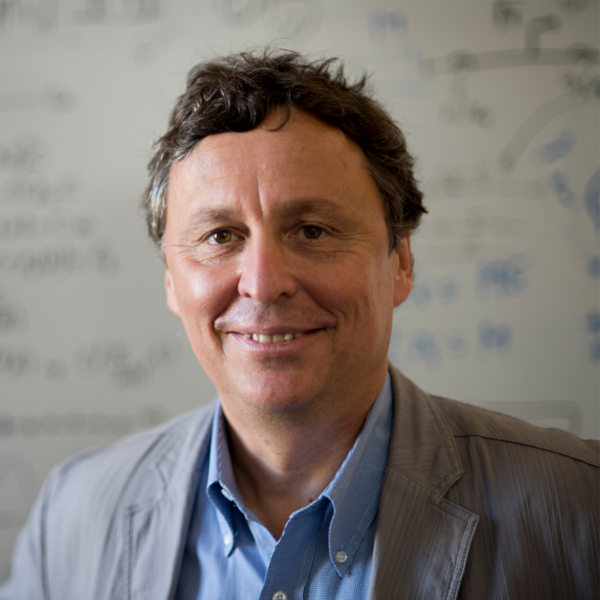 Alain Karma合作论文数Center for Interdisciplinary Research on Complex Systems, College of Science, Northeastern University19
 Herve Henry合作论文数Lab Phys Mat Condensee, CNRS17
 Silvere Akamatsu合作论文数INSP13
 Sabine Bottin-Rousseau合作论文数INSP10
 Gabriel Faivre合作论文数9
 J.-F. Gouyet合作论文数Laboratoire de Physique de la Matière Condensée, CNRS Ecole Polytechnique7
 Supriyo Ghosh合作论文数Singapore Management, Univ Sch Informat Syst Singapore Singapore5
 Thomas Philippe合作论文数5R Folch合作论文数4
 Balint Korbuly合作论文数4Tamás Pusztai合作论文数4
 Cueto O合作论文数4
 László Gránásy合作论文数Department of Experimental Solid State Physics, Hungarian Academy of Sciences4
 Andrea Parisi合作论文数Lancaster University;Universidade de Lisboa4
 Melis Şerefoğlu合作论文数Dept Mech Engn, Koc Univ3
 Choudhury Abhik合作论文数IAM-ZBS, Karlsruhe Institute of Technology (KIT),3Romain Le Tellier合作论文数3
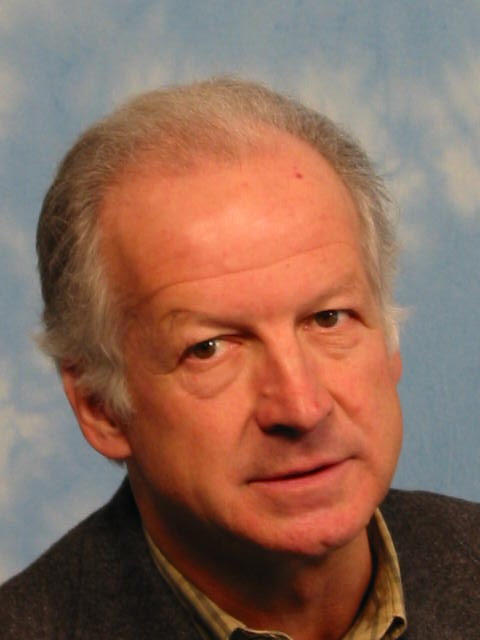 Wilfried Kurz合作论文数EPFL3
 Mikael Perrut合作论文数3Jesper Mellenthin合作论文数2H. Jarry合作论文数2
 Esteban Meca合作论文数Weierstrass Inst2Philippe Thomas合作论文数2
 Britta Nestler合作论文数Institut für Angewandte Materialien, Karlsruhe Institute of Technology2Benoit Sklenard合作论文数2
 James A. Warren合作论文数Material Measurement Laboratory, National Institute of Standards and Technology2thomas cabout合作论文数2
 Bruno Andreotti合作论文数University of Paris-Diderot2
 Rohit Trivedi合作论文数College of Engineering, Iowa State University2S Dobler合作论文数2
 Lynda Amirouche合作论文数École Polytechnique, CNRS2
 Victor T. Witusiewicz 合作论文数ACCESS, RWTH Aachen University2M.-O. Bernard合作论文数2
 Th. U. Kaempfer合作论文数2
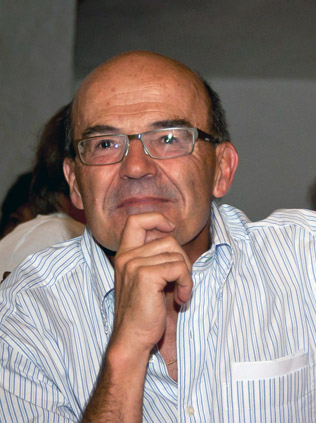 Michel Rappaz合作论文数Ecole Polytechnique Federale de Lausanne2Serge Blonkowski合作论文数ST Microelectronics2Philippe Claudin合作论文数Service de Physique de l'Etat Condense2M. Chandesris合作论文数Laboratoire de Modélisation et Développement Logiciels, CEA Grenoble2
 Ingo Steinbach合作论文数Department of Scalebridging Thermodynamic and Kinetic Simulation, Interdisciplinary Centre For Advanced Materials Simulation, Ruhr-Universitat Bochum;Central South University;Materials Research Department, Ruhr-Universitat Bochum2
 Gerard L. Vignoles合作论文数University Bordeaux2Matteo Nicoli合作论文数2Alain Cartalade合作论文数CEA2Ulrike Hecht合作论文数2a marrocco合作论文数1F.L. Mota合作论文数1
 Amina Younsi合作论文数1
 E. S. Nani合作论文数1F. Dunlop合作论文数1Marcus Dejmek合作论文数1




