Purpose: Published data on therapeutic plasma exchange (TPE) in patients with heparin induced thrombocytopenia (HIT) prior to left ventricular assist device (LVAD) implantation is limited. Here we describe a case series of patients with acute HIT who underwent TPE prior to LVAD implantation allowing the use of intraoperative heparin.
Introduction In August 2022, Valoctocogene roxaparvovec (AAV5-hFVIII-SQ) received conditional marketing authorization from the European Medicines Agency for the treatment of severe hemophilia A in adult patients without a history of factor VIII inhibitors and without detectable antibodies to adeno-associated virus serotype 5 (AAV5). Stable and durable annualized bleed control superior to prior prophylaxis was previously demonstrated through 2 years post gene transfer. For the first time, we will report the latest findings from the Year 3 analysis of the ongoing GENEr8-1 study (NCT03370913).
Background: Congenital thrombotic thrombocytopenic purpura (cTTP) is an ultra-rare thrombotic disorder caused by an inherited deficiency of the von Willebrand factor-cleaving enzyme ADAMTS13.Aims: To synthesize knowledge on the disease burden experienced by patients with cTTP.Methods: A systematic review of observational studies published between January 01, 2010 and February 11, 2022 was conducted in accordance with the PICOTS ( population, intervention, comparator, outcomes, timing, setting) criteria.The target population comprised patients with cTTP.Outcomes of interest included acute episodes, complications, mortality, patient-reported outcomes, and disease management.Indexed publications (Ovid ® MEDLINE and Embase) were searched, supplemented by pragmatic searches of the grey literature and snowballing of references lists.Case reports, clinical trials, and non-clinical/experimental studies were excluded.Two reviewers independently conducted the study selection and data extraction.Results: Twenty eligible sources were identified.Median time between first symptoms and cTTP diagnosis was 13.4 (range: 0-70) years (1 source).The incidence rate of acute episodes ranged from 0.19-0.77/person-yearacross 4 publications based on an international registry (Table 1).The most common triggers of acute episodes were infection and pregnancy (4 sources).Disease-related complications included stroke/transient ischemic attack, kidney disease, neurocognitive disorders, and cardiac injury (7 sources; Table 2).Mortality was observed in up to 14.2% of patients across different populations and follow-up periods (10 sources).A reduced ability to work and/or study, financial distress, and a negative impact on mental health were reported by patients as important outcomes of cTTP (1 source).The number of patients who received regular plasma prophylaxis ranged between 45.5% and 80% (5 sources). Conclusion(s):Based on limited data, patients with cTTP appear to experience a high burden of illness, including acute episodes, multiple complications, and mortality.Timely diagnosis of cTTP and improved patient management can potentially reduce this disease burden.
Conclusion(s):We succeeded in producing FVIII expressing platelets and partially corrected HemA phenotype in mice via IN delivery of G-F8-LVs in the lung.FVIII expression and storage in platelet α-granules can protect FVIII from naturalizing antibodies and decrease the risk of inducing inhibitory antibodies.The IN delivery of LVs encoding FVIII gene targeting lung would be a promising option for therapeutic treatment of hemophilia patients.
Although hemorrhagic cystitis (HC) is a common complication of allogeneic hematopoietic cell transplantation (alloHCT), its risk factors and effects on survival are not well known. We evaluated HC in a large cohort (n=1321, 2003–2012) receiving alloHCT from all graft sources, including umbilical cord blood (UCB). We compared HC patients with non-HC (control) patients and examined clinical variables at HC onset and resolution. Of these 1321 patients, 219 (16.6%) developed HC at a median of 22 days after alloHCT. BK viruria was detected in 90% of 109 tested HC patients. Median duration of HC was 27 days. At the time of HC diagnosis, acute GVHD, fever, severe thrombocytopenia and steroid use were more frequent than at the time of HC resolution. In univariate analysis, male sex, age <20 years, myeloablative conditioning with cyclophosphamide and acute GVHD were associated with HC. In multivariate analysis, HC was significantly more common in males and HLA-mismatched UCB graft recipients. Severe grade HC (grade III–IV) was associated with increased treatment-related mortality but not with overall survival at 1 year. HC remains hazardous and therefore better prophylaxis, and early interventions to limit its severity are still needed.
In haemophilia patients with well-established high-titer inhibitors, even seemingly minor acute bleeding episodes or surgical procedures may become refractory to treatment and transform into limb- or life-threatening situations. In the absence of evidence-based treatment guidelines, this article presents 10 cases of difficult to control acute and surgical bleeding and offers consensus opinions regarding their management from a panel of experienced haemophilia treaters.
Acute haemorrhage treatment in patients with congenital haemophilia with inhibitors (CHwI) has transitioned to home. Patient/caregiver perceptions of bleeding symptoms and reasons for starting/stopping treatment were investigated. Frequently bleeding CHwI patients (≥ 4 episodes in 3 months) prescribed recombinant factor VIIa (rFVIIa) as first-line therapy, or their caregivers, completed daily diaries for 3-6 months capturing bleeding symptoms and treatment decisions. Thirty-eight patients reported 131 joint, 19 muscle and 44 other bleeding events. Symptoms (all/joint/muscle haemorrhages) included pain (78.9%/90.1%/89.5%), joint swelling (44.8%/65.6%/5.3%), decreased mobility (41.2%/48.9%/68.4%), local warmth (21.1%/26.0%/15.8%), other swelling (16.0%/6.9%/47.4%), irritability (14.9%/16.8%/10.5%), visible bleeding (12.4%/7.6%/5.3%) and redness (10.3%/6.1%/10.5%). Most patients/caregivers recognized when bleeds started (58.4%/58.0%), but were less clear when bleeds stopped (43.5%/33.3%). Medication was commonly started by patients/caregivers when bleeds were identified (73.7%/47.4%) or when concerned bleeds might start (32.9%/27.6%). Common reasons for delays in starting medication by patients included 'I thought it might not be a bleed' (48.9%), 'I wanted to see if the bleed progressed' (46.8%) and 'I thought it was just joint pain' (44.7%). Common reasons for caregivers were: 'I wanted to see if it progressed' (37.9%), 'I didn't have medication' (20.7%) and 'I thought it might not be a bleed' (17.2%). Reasons for stopping medication for patients/caregivers were pain cessation/stabilization (93.9%/54.7%), arrest of swelling progression (60.6%/46.9%) and improved mobility (50.0%/35.9%). Patients/caregivers have difficulty in determining bleed onset and particularly resolution, both quite necessary for treatment decisions and clinical trials. Caregivers' inability to assess resolution in children may lead to longer treatment duration seen in the Dosing Observational Study in Haemophilia (DOSE).
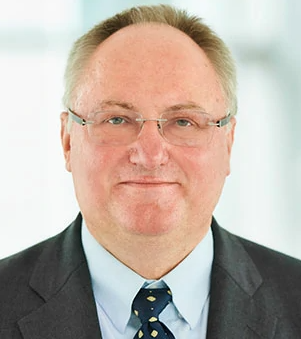 Johannes Oldenburg合作论文数Institut für Experimentelle Hämatologie und Transfusionsmedizin, Universitäts-Klinikum Bonn6
 Kenet Gili合作论文数4
 Doris Quon合作论文数Orthopaedic Hemophilia Treatment Center, Luskin Orthopaedic Institute for Children4
 Christine Kempton合作论文数Department of Hematology and Medical Oncology, School of Medicine, Emory University4L. Rusen合作论文数3
 Annette Von Drygalski合作论文数Department of Medicine, School of Medicine, University of California, San Diego3K. Hansen合作论文数3M. Escobar合作论文数3V. Rescia合作论文数3
 Liana Todorova Gercheva合作论文数3Maas Enriquez M合作论文数3
 Flora Peyvandi合作论文数Dipartimento di Fisiopatologia Medico-Chirurgica e dei Trapianti, Università degli Studi di Milano3
 Johnny Mahlangu合作论文数Department of Molecular Medicine and Haematology, University of the Witwatersrand, Johannesburg3
 Hong Walter合作论文数3Ghinea Mihaela Maria合作论文数Clinic of Internal Medicine3Toshko Lissitchkov合作论文数Specialized Hospital for Active Treatment of Haematological Diseases Sofia3Stefan Goranov合作论文数3Philip Kuriakose合作论文数3Giancarlo Castaman合作论文数3M. Manco-Johnson合作论文数3Leonard A. Valentino合作论文数3V. Uscatescu合作论文数3B. Madan合作论文数2Tara M Robinson合作论文数2R. Chan合作论文数2
 Mingjun Wang合作论文数2S. Valluri合作论文数2D. Bonzo合作论文数2
 Sanjay Ahuja合作论文数2
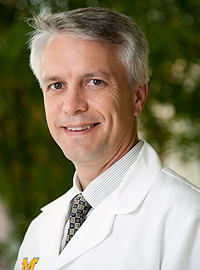 Steven W. Pipe合作论文数Department of Pathology, Medical School, University of Michigan, Ann Arbor2David L Cooper合作论文数2
 Amy Dunn合作论文数2
 Mike Laffan合作论文数Department of Immunology and Inflammation, Faculty of Medicine, Imperial College London2Shadan Lalezari合作论文数2
 Maissaa Janbain合作论文数Tulane University School of Medicine2
 Mauricio Sanabria合作论文数2Mason J A合作论文数2
 Herve Chambost合作论文数2Christopher E. Walsh合作论文数2
 Andrew Leavitt合作论文数2David K. Okita合作论文数2Tadashi Matsushita合作论文数2
 Margareth Castro Ozelo合作论文数Hematology and Hemotherapy Center, State University of Campinas2Bianca M. Conti-Fine合作论文数University of Minnesota2Oya Tugal合作论文数2K. Meijer合作论文数2Guy Young合作论文数2
 Susan E Shapiro合作论文数2
 Jerry S Powell合作论文数School of Medicine, University of California, Davis2




