Introduction: Chimeric antigen receptor (CAR) T-cell therapies have radically changed the treatment paradigm of patients (pts.) with relapsed/refractory (r/r) hematologic malignancies. Despite their remarkable efficacy, health care disparities can impact outcomes of pts. in the real-world setting. Living in a disadvantaged neighborhood has been associated with inferior outcomes after allogenic hematopoietic stem cell transplantation (HSCT), independent from individual-level socioeconomic (SE) factors. Our study aimed to identify the impact of neighborhood adversity on survival outcomes of recipients of CAR T-cell therapies, as this has not been yet described. Methods: We retrospectively identified consecutive adult pts. with r/r B-cell non-Hodgkin lymphoma (B-NHL) and multiple myeloma (MM) who received CAR T-cell therapies at our center from May 2018- January 2023. Neighborhood disadvantage was defined by Area Deprivation Index (ADI), a validated tool that allows for ranking of census block groups based on SE domains (income, education, employment, and housing quality) at a national level. The 2021 national ADI percentile ranks (1-100) were obtained for each pt. using the 9-digit zip code of place of residence, with a higher rank corresponding to higher level of disadvantage. We compared overall survival (OS) and progression free survival (PFS) between pts. with high vs. low ADI. We also examined survival outcomes in relation to estimated distance from place of residence to treatment center (DTC). Time dependent outcomes were calculated from date of CAR T infusion. Pts. with B-NHL and MM were analyzed separately. Baseline variables were compared between groups using chi-squared, t-test, and Wilcoxon rank sum tests as appropriate. Survival estimates were calculated with Kaplan-Meier method, and hazard ratios were generated using cox proportional hazards model. Results: CAR T therapy was administered in 124 and 45 pts. with B-NHL and MM, respectively. Median ages were 65 and 62 yrs., 68% and 51% were male, 94% and 84% were White, 47% and 20% had high-risk disease (based on IPI/MIPI for B-NHL, and FISH for MM), 30% and 69% had prior HSCT, and median number of prior therapies were 3 (range 1-6) and 6 (range 4-14), among pts. with B-NHL and MM, respectively. B-NHL subtypes included DLBCL (84%), MCL (6%), FL (5%), and PMBCL (5%), and CAR T products for B-NHL were axi-cel (52%), tisa-cel (24%), liso-cel (18%) and brexu-cel (6%). Ide-cel (82%) and cilta-cel (18%) were used in pts. with MM. We treated pts. from 169 census block groups over 8 states, although 89% pts. were from Ohio. For the entire cohort, median ADI rank was 62.5 (range 1-100) and median DTC was 42.5 (range 1-4559) miles (m). Pts. were categorized (based on median) as having high (> 62.5) or low (≤ 62.5) ADI, and long (> 42.5m) or short (≤ 42.5m) DTC. Longer DTC was significantly associated with higher ADI ( p<0.001). Baseline characteristics (age, sex, prior therapies, prior HSCT, high risk disease, CAR T product) were similar across groups with low vs. high ADI and short vs. long DTC. Median follow up time up was 12 (range 4-60) and 9 (range 4-22) months for living pts. with B-NHL and MM, respectively. For pts. with B-NHL, objective response rates (ORR) (85% vs. 80%; p=0.4), relapse rates (RR) (66% vs. 66%; p=0.9), median OS (19 vs. 14 months; HR of death: 1.2; 95% CI 0.7-1.8; p=0.5) ( Fig.1), and median PFS (10 vs. 5 months, HR of relapse: 1.1, 95% CI 0.7-1.7; p=0.6) were similar for pts. with low vs. high ADI. For pts. with MM, there were no differences in ORR (77% vs. 87%; p=0.3), RR (77% vs. 70%; p=0.5), median OS (14 vs. 18 months; HR of death: 0.8; 95% CI: 0.3-2; p=0.6) ( Fig.2), and median PFS (7 vs. 9 months, HR of relapse: 0.7, 95% CI 0.3-1.4; p=0.3) between those with low vs. high ADI. There were no differences in median OS of pts. with short vs. long DTC for NHL (19 vs. 14 months; HR: 1.2, 95% CI 0.7-1.9, p=0.4) or MM (14 vs. 20 months; HR: 0.9, 95% CI 0.3-2.5; p=0.9), or when DTC was analyzed as a continuous variable. Conclusion: In patients with r/r B-NHL and MM who received CAR T-cell therapies, response rates and survival outcomes were comparable regardless of neighborhood disadvantage level or distance to treatment center. Pts. living in more disadvantaged neighborhoods travelled longer distances for treatment. These findings prompt future investigation into referral patterns and access barriers to cellular immunotherapy, especially in disadvantaged neighborhoods.
6561 Background: Cytomegalovirus (CMV) is a major infectious complication after allogeneic hematopoietic cell transplantation (HCT). Letermovir prophylaxis (ppx) effectively reduces clinically significant CMV infection (csCMVi) within 100 days, but csCMVi after ppx discontinuation occurs in 7–16%. Extended letermovir ppx has been proposed for high-risk patients, though optimal patient selection is uncertain. Our study aims to define the incidence, risk factors, and outcomes for post-ppx csCMVi to guide extended ppx strategies. Methods: We analyzed adult CMV-seropositive (+) HCT recipients at Cleveland Clinic who received ≥45 days of Letermovir primary ppx between 1/1/2018-12/31/2024. The primary outcome was post-ppx csCMVi, defined as CMV disease or asymptomatic viremia requiring preemptive therapy. Secondary outcomes included overall and non-relapse mortality. Patients with csCMVi during standard ppx were excluded. Associations with csCMVi were evaluated using competing-risk models accounting for mortality, with multivariable Cox analyses adjusting for age, sex, Karnofsky score. Results: Among 311 CMV+ recipients of HCT, 62% were donor-CMV negative and 50% were male. Median age was 59 (47-67) years. HCT was most commonly for AML (48%), with matched unrelated donors (54%), peripheral blood graft (76%), myeloablative conditioning (45%), and GVHD ppx with post-transplant cyclophosphamide (PTCy) (63%). Grade ≥2 acute GVHD (36%), chronic GVHD (53%), and relapse (22%) were common in the cohort. Post-ppx infection occurred in 64 patients (21%), including 8 (13%) with tissue-invasive disease. Median duration of Letermovir was 75 days, typically initiated on day 28 post-transplant. Median time to csCMVi was 123 days from transplant. Cumulative incidence of post-ppx csCMVi was 9% at 60 days, 11% at 90 days, and 12% at 180 and 360 days. Risk factors included older age (HR 1.04 per year, 95% CI=1.01-1.07, p=0.014), female sex (HR 3.3, 95% CI=1.5-7.1, p=0.003), chronic GVHD (HR 9.9, 95% CI=1.2-5.6, p=0.024), and GVHD treated with steroids (HR 9.86, 95% CI=1.4-71.5, p=0.024) or ruxolitinib (HR 2.8, 95% CI= 1.3-6.3, p=0.011). Primary disease, donor CMV status, donor relationship, graft source, conditioning intensity, ATG, and PTCy were not associated with csCMVi. All-cause mortality was high in the cohort (37%), particularly in the late csCMVi group (52%). Post-ppx csCMVi was associated with increased non-relapse (HR 2.36, 95% CI= 1.37-4.07, p=0.002) and overall mortality (HR 2.41, 95% CI= 1.43-4.06, p<0.001) in multivariable analysis adjusted for age and sex. Conclusions: Late csCMVi occurs in 12% of CMV+ HCT recipients after prophylaxis discontinuation and may confer additional mortality risk. These findings support risk-adapted surveillance and extended prophylaxis in high-risk groups, particularly recipients who are older, female, and have chronic GVHD requiring immunosuppression.
Introduction Post-transplant cyclophosphamide (PTCy) requires intravenous fluid (IVF) hydration for bladder protection, introducing the risk of fluid overload (FO). FO has been described as a contributor to non-relapse mortality (NRM) in allogeneic hematopoietic cell transplantation (allo-HCT) by Rondon, et al (BBMT 2017). PTCy IVF management protocols remain inconsistent across centers. Our institutional standard is to administer continuous IVF (NaCl 0.9%) 250 mL/hr for 56 hr (rate preemptively reduced to 150 mL/hr for patients with LVEF <50% or history of FO). We reviewed our experience with this standard. Objectives The primary objective was to determine FO incidence. Secondary objectives included incidence of hemorrhagic cystitis (HC) by D+30, IVF rate reductions or early discontinuation, and 100-day NRM. Methods We conducted a retrospective cohort analysis of adult patients (≥18 yrs) undergoing first allo-HCT receiving PTCy at Cleveland Clinic from January 2020 - August 2024. FO incidence was assessed for 7 days post IVF initiation; grading followed modified Rondon criteria (Figure 1), incorporating percent weight gain, diuretic use, IVF adjustments, and organ dysfunction. Descriptive statistics were used to summarize patient characteristics and outcome frequencies. Wilcoxon rank-sum was utilized for NRM analysis. Results A total of 212 patients were included, with a median age of 65 years (range 27-79 years); 59% were male, and 96.3% had LVEF >50%. Most patients (85%) received reduced toxicity myeloablative, reduced intensity, or non-myeloablative conditioning. 143 (67%) patients had at least one missing weight measurement during the 7-day monitoring period. FO of any grade occurred in 75% of patients (n=158), with 42%, 12%, 11%, and 10% developing grade 1, 2, 3, and 4 FO, respectively. Ten patients (5%) required ICU admission due to FO. Incidence of pulmonary edema/effusions, new oxygen requirements, acute kidney injury, and LVEF decrease >10% from baseline were 13%, 12%, 6% and 2%, respectively. Day 100 NRM was 6.6%; there was no association with NRM and ≥2 FO identified (p=0.63). 47% (n=99) of patients required early discontinuation and/or IVF rate reduction. 67% (n=142) of patients required diuresis. HC incidence was 13% in all patients and 15% in patients who had IVF rates reduced. HC incidence was 15% in patients who received IVF at a preemptively reduced rate of 150 ml/hr. Conclusion FO represents a frequent and clinically significant complication of PTCy-based regimens. Limitations in institutional weight documentation may have led to underestimation of the true FO burden. Given no observed difference in HC incidence in patients with preemptive rate reductions, our institution reduced the standard IVF rate to 150 mL/hr to mitigate FO while maintaining IVF to minimize HC risk. Additional studies are warranted comparing hyperhydration practices with PTCy.
Sexual dysfunction (SD) is reported as one of the most distressing survivorship concerns of cancer patients, impacting quality of life, intimate relationships, and overall well-being. Despite significant evidence that survivors of allogeneic hematopoietic cell transplant (HCT) experience SD, there are significant gaps in addressing sexual health and supportive interventions. The Cleveland Clinic Blood and Marrow Transplant program collects patient-reported data including SD symptoms at Day 100, 1 year, 2 years and 5 years post-HCT. This single institution study aims to describe the prevalence of SD in our HCT patient population, number of patients who underwent further evaluation of SD, and referral and treatment of SD symptoms.Patient reported SD symptoms collected include: difficulty getting/maintaining an erection, difficulty with ejaculation and difficulty with libido/desire (male) and difficulty with libido/ desire and vaginal dryness or pain (female). Referrals included: urology, gynecology, endocrinology, and fertility clinic. Hormonal evaluation included testosterone, FSH, LH, Estradiol-17B, and anti-mullerian hormone. Treatments include phosphodiesterase 5 (PDE5) inhibitor, hormone replacement therapy (HRT), and prescription topicals.We identified 104 adult patients who underwent first allogeneic HCT between July 2019 and March 2022 and had at least one survivorship clinic visit containing patient-reported SD data entered into our RedCap database. Of these, 58 were male and 46 female. Median age at time of transplant was 63 years (range 20-76). SD data was available for 97 patients at Day 100, 69 at 1 year, 43 at 2 years and 16 at 5 years post-HCT.Overall, 30% (N=31) of female patients and 39% (N=47) of male patients reported having at least one or more symptoms of SD. Vaginal dryness or pain was the most common symptom in females (23%). Difficulty getting or maintaining an erection was the most reported male symptom (39%) (Table 1). Except for male patients at 5 years post-transplant, patient-reported SD symptoms increased over timeConsult to gynecology, including women’s sexual health subspecialities, was recommended for 52% of patients who did not have a GYN exam in the last year regardless of symptoms and in 45% of female patients reporting 1 or more SD symptoms. Consult to men’s urology was recommended in 43% of male patients reporting 1 or more SD symptoms. 32% of female patients and 30% of male patients with 1 or more symptoms was started or continued on a therapy. Hormone labs were rarely drawn, including patients reporting symptoms.In this study, we report a significant number of patients who report SD dysfunction post transplant. Despite the use of patient-reported symptom assessment of SD, there are still several gaps in addressing these issues. Further work to improve evaluation and referral to SD care, tracking outcomes, and the development of carepaths is needed.
Background: Compared to the potent efficacy of autologous hematopoietic cell transplantation (AutoHCT) on multiple sclerosis (MS) lesion activity, benefit on disability progression is less clear. Paramagnetic rim lesions (PRLs) are imaging biomarkers associated with progression.Objectives: Evaluate effect of AutoHCT on PRLs using 7T magnetic resonance imaging (MRI).Methods: A single rater evaluated PRLs before/after AutoHCT on 7T MRI at an MS referral center.Results: Seven participants were included with mean age 38.9 years and median disease duration 9 years. Median PRL count pre-transplantation was 2. Post-AutoHCT (median 15 months in 5 participants) none of the PRLs resolved.Conclusion: These results provide low-level evidence that PRLs do not resolve following AutoHCT.
Abstract Newer approaches to control alloreactivity may produce similar transplant outcomes using HLA-mismatched donors vs HLA-matched unrelated donors (MUD). However, prospective comparisons are lacking. BMT CTN 1702 used a donor search prognosis score to assign patients to an 8/8 HLA MUD or the center’s preference of haploidentical related donors (HAPLO), mismatched unrelated donors (MMUD), or umbilical cord blood (UCB). Outcomes of MUD were compared to HAPLO, MMUD, and UCB transplantation after adjusting for covariates. Patients (n = 1179 [93% adults]) underwent transplantation with MUD (n = 772), HAPLO (n = 254), MMUD (n = 112), and UCB (n = 41) at a median of 3.7, 3.4, 3.9, and 3.8 months from enrollment. Posttransplant cyclophosphamide (PTCy) was used in 23.9%, 83.9%, 65.2%, and 0% of MUD, HAPLO, MMUD, and UCB. In multivariate analyses, compared to MUD, survival was lower for UCB (hazard ratio [HR], 2.65; P< .001) but not statistically different for HAPLO and MMUD (HRs, 1.08 and 1.18, respectively). Relapse risk was not significantly different by donor, but treatment-related mortality (HR, 3.31; P< .001) and disease-free survival (HR, 1.99; P = .002) were inferior for UCB but not different for HAPLO and MMUD than MUD. In patients who received PTCy, HAPLO and MMUD were associated with increased grade 3 or 4 acute graft-versus-host disease (GVHD; HR, 2.39 [P = .017] and 2.53 [P = .038], respectively) and chronic GVHD (HR, 1.71 for both; P = .028 and .080) than MUD, but other outcomes were not different. HAPLO or MMUD may be used to expedite transplantation when finding MUD is unlikely. This study was registered at www.clinicaltrials.gov as NCT03904134.
Introduction Over one-third of Americans are obese, yet guidance on chemotherapy dosing in this population is limited. Melphalan remains the standard conditioning agent for autologous hematopoietic cell transplant (AHCT) in multiple myeloma (MM). In 2012, the American Society for Clinical Oncology recommended actual body weight (ABW) dosing for obese solid-tumor patients, while the American Society for Transplantation and Cellular Therapy endorsed this for melphalan in 2014, acknowledging limited evidence. Many clinicians now use adjusted body weight (AdjBW) to reduce toxicity. Prior studies have been confounded by comparing obese to non-obese patients. Objective We conducted a real-world analysis of AHCT outcomes in exclusively overweight and obese patients before and after our institution’s protocol change from ABW to AdjBW dosing. Methods We included 617 patients with BMI ≥25 kg/m² who received melphalan conditioning for AHCT between January 2015 and March 2024. Patients treated before August 4, 2020 received ABW-based dosing, and those after received AdjBW-based dosing (25% correction: AdjBW = [0.25 × (Actual − Ideal)] + Ideal). Engraftment was defined as ANC >500 cells/µL for 3 consecutive days or platelet count >20,000/µL for 7 days without transfusion support. Overall survival (OS) and progression-free survival (PFS) were estimated by Kaplan-Meier method and log-rank testing. Fisher’s exact and Wilcoxon rank-sum tests compared outcomes. Results Of 617 patients, 332 received ABW-based and 285 AdjBW-based dosing. Median BMI was similar (30.7 vs 30.5 kg/m²). PFS at 12 months (89% both) and at 3 years (67% vs 68%, p=0.74) were comparable. Median PFS was 89.8 months (95% CI: 67.0–NA). OS at 12 months (95% vs 96%) and 3 years (84% vs 87%, p=0.29) showed no difference. Median OS was not reached; 1-year OS was 96% (95% CI: 94–97%) and 3-year OS 85% (95% CI: 82–88%). Median time to neutrophil recovery was 11 days in both (p=0.83), and platelet engraftment occurred at 18 vs 19 days (p=0.07).Notably, gastrointestinal toxicities occurred significantly more frequently in the ABW group (8.7% vs 3.9%, p=0.01). Infection rates were comparable (44.9% vs 36.8%, p=0.1), including bacterial (21.0% vs 15.1%), viral (22.9% vs 19.3%) and Clostridium difficile (6.3% vs 4.6%, p=0.38). Hospital stay was also similar (12 days, p=0.13). Conclusion In this retrospective analysis of overweight and obese patients undergoing AHCT for MM, there was no survival advantage to melphalan dosing by ABW compared to AdjBW. However, patients receiving ABW-based dosing experienced significantly higher rates of GI toxicity. This suggests that AdjBW may offer a safer and equally effective strategy in this population. With increasing obesity rates and the need to balance efficacy with tolerability, our results support reconsideration of universal ABW-based melphalan dosing in favor of more individualized approaches.
Introduction Post-transplant cyclophosphamide (PTCy) is now a standard and commonly used graft versus host disease (GVHD) prevention approach in both HLA matched and mismatched allogeneic hematopoietic cell transplantation (allo-HCT). There remains conflicting evidence regarding the association of PTCy with adverse cardiovascular events (CVE). Objectives We aim to describe the incidence of, and factors associated with CVE in patients receiving PTCy at our institution. We aim to compare CVE incidence in patients who received PTCy to a cohort of patients who received non-PTCy GVHD prophylaxis. Methods This is a retrospective analysis of patients who underwent first allo-HCT between October 2016 and July 2020 with and without PTCy GVHD prophylaxis. Patients who did not receive PTCy were propensity matched on age, sex, primary disease, donor type and conditioning regimen and underwent HCT between February 2012 and March 2019. The primary outcome was a composite outcome of CVE: atrial fibrillation/flutter (AF), heart failure (HF), myocardial infarction (MI), cerebrovascular accident (CVA), ventricular tachycardia (VT), and cardiovascular death (CV death). Cumulative incidence of CVE was analyzed from time of allo-HCT and compared between PTCy and non-PTCy cohorts using Cox proportional hazards regression. Results A total of 333 patients were identified, 189 patients who received PTCy and 144 who did not receive PTCy. Patient characteristics are summarized in Table 1. Median time to follow up was 33 months (IQR: 10, 61). Fifty-eight of 189 patients (31%) in the PTCy cohort experienced one or more CVE versus 36 of 144 (25%) in the non-PTCy cohort experienced one or more CVE. The 1- and 5- year cumulative incidence of CVE was 23% (95% CI: 18%, 30%) and 36% (95% CI: 29%, 45%) in the PTCy group; and 12% (95% CI: 7%, 19%) and 26% (95% CI: 18%, 36%) in the non-PTCy. Types of cardiovascular events are summarized in Table 2, with the most common being Afib and HF in both cohorts. Interestingly there were 10 CVA events in the PTCy group, and none in the non-PTCy group. In univariate analysis, use of PTCy (HR = 1.67, 95% CI: 1.07, 2.60, p = 0.023); male sex (HR = 1.56, 95% CI: 1.01, 2.39, p= 0.043), and mismatched HLA status HR = 1.69 (95% CI: 1.10, 2.60, p= 0.016) were associated with increased risk of CVE. Conclusion This preliminary analysis suggests PTCy may be associated with an increased risk of early and late CVE. Analysis to further elucidate the impact of confounding pre-HCT and peri-HCT risk factors and events (e.g. comorbidities, infection, graft-versus-host disease) is ongoing.
Background T-cell engaging bispecific antibodies (BsAbs) have shown promising activity in patients with relapsed/refractory (r/r) B-cell non-Hodgkin lymphoma (NHL) and multiple myeloma (MM), including those that have progressed after chimeric antigen receptor (CAR) T-cell therapy. Bispecific antibodies have unique side effect profiles related to robust activation of the immune system. Although the rates of severe cytokine release syndrome (CRS) and neurotoxicity are significantly lower with BsAbs than CAR T, hematological toxicity is increasingly recognized as a common adverse event, with reported rates of grade ≥ 3 neutropenia ranging from 15 to 65% in pivotal trials. We sought to further characterize the incidence of cytopenias in patients receiving BsAbs, evaluate their impact on outcomes and identify predisposing risk factors. Methods We collected baseline, treatment and outcome information from our institutional databases, identifying patients with r/r NHL or MM treated with a BsAb as a single agent between 2020–2024. To test differences between groups, Wilcoxon rank sum test was used on numerical variables, and Fisher's exact test or Pearson's Chi-squared test for categorical variables. Overall survival (OS) and progression-free survival (PFS) were analyzed using Kaplan–Meier methods, with log-rank test used for comparisons between groups. Median follow-up time was estimated using the reverse Kaplan-Meier method. All tests were performed as two-tailed tests, with p < 0.05 considered statistically significant. “Cytopenia” was defined as any grade neutropenia and/or grade ≥3 anemia/thrombocytopenia. Results We identified 199 patients treated with single-agent BsAb, 56 (28%) NHL and 143 (72%) had MM. BsAbs prescribed included teclistamab (n = 80, 40%), talquetamab (n = 38, 19%), epcoritamab (n = 34, 17%), elranatanab (n = 25, 13%), mosunetuzumab (n = 14, 7%), odronextamab (n = 6, 3%) and glofitamab (n = 2, 1%). Median age at initiation of therapy was 68 years (IQR 61 – 76 years), 45% of patients were women, 74% were White, and 22% were Black. Cytopenia was observed in 152 patients (76%). Neutropenia (any grade) occurred in 125 (63%) patients, severe neutropenia (SN; ANC <500 cells/µL) in 51 (26%), grade ≥3 anemia in 84 (34%) and grade ≥3 thrombocytopenia in 66 (34%). The incidence of cytopenia was similar among patients on all BsAbs (p=0.4), ranging from 62% with epcoritamab to 100% with glofitamab. Pre-treatment characteristics associated with development of cytopenia included lower albumin (median 3.7 vs. 3.95 g/dL, p <0.05), higher CRP (median 2.2 vs. 0.4 mg/L, p <0.05), and lower baseline WBC (median 4.4 vs. 6.7x10³/µL, p < 0.05), ANC (2.7 vs. 4.5x10³/µL, p < 0.05), hemoglobin (9.7 vs. 12.4 g/dL, p < 0.05) and platelets (median 136 vs. 207 x103/µL, p<0.05), when compared to the group with no cytopenias. Previous CAR T cell treatment was not associated with higher incidence of cytopenia (79% vs. 77%, p=0.79), even when CAR T was received in the preceding six months (p = 0.99). Patients experiencing severe neutropenia (SN) had higher rates of CRS (75% vs. 54%, p=0.01), longer time on BsAb therapy (median 5.8 vs. 2.7 months, p=0.01), and higher overall response rate (91% vs. 73%, p=0.01). However, we observed a numeric trend towards higher rates of treatment discontinuation due to BsAb toxicity in patients with SN (25 vs. 14%, p = 0.06). Median follow-up did not differ between patients with SN (13.4 mo, 95% CI 9.9 - 24.8) and no SN (12.6 mo, 95% CI 10.7 - 15.9). The presence of SN was not associated with statistically significant differences in survival outcomes [median PFS: SN 10.4 mo (95% CI 8.1-25.4) vs. no SN 8 mo (95% CI 4.6-12.9); and median OS: SN 24.9 mo (95% CI 14.5-not reached) vs. no SN 14.1 mo (95% CI 11.4-27.4)]. Conclusions In our cohort of patients with r/r NHL and MM treated with a variety of single agent T-cell engaging BsAbs we observed a high incidence of all-grade and severe cytopenias. Higher rates of CRS and disease response in patients experiencing SN suggest the mechanism underlying hematologic toxicity is related to immune activation and possibly anti-tumor immune response. The absence of improved survival outcomes could be due to higher rates of toxicity-related treatment discontinuation. Future studies aimed at prevention and mitigation of BsAb-associated cytopenias while avoiding impacting disease control could improve outcomes of patients treated with this modality.
PURPOSE:The likelihood of finding a human leukocyte antigen (HLA)-matched unrelated donor (MUD) for hematopoietic cell transplantation can be predicted using a donor search prognosis score. Patients without a MUD may use alternative donors (haploidentical related, mismatched unrelated, or umbilical cord blood). METHODS:This multicenter biological assignment trial was conducted by the Blood and Marrow Transplant Clinical Trials Network (BMT CTN 1702). Eligibility criteria were broad to mirror clinical practice. The primary end point was 2-year survival from evaluability and compared between those Very Likely (>90%) and Very Unlikely (<10%) to find a MUD. All other patients, Less Likely to find a MUD, were enrolled in an observational arm. Transplant outcomes were compared for all three groups. RESULTS:A total of 1,751 evaluable patients at 47 centers were Very Likely (54.7%), Less Likely (29.5%), and Very Unlikely (15.8%) to identify a MUD. Survival did not differ in univariate (hazard ratio [HR], 1.00 [95% CI, 0.82 to 1.21]; P = .98) or multivariate (HR, 1.07 [95% CI, 0.86 to 1.33]; P = .56) analyses between the Very Unlikely and Very Likely groups, measured through 2 years from the beginning of a search for a MUD or alternative donor. Of the transplanted patients (n = 1,179), MUD was used for 94% of the Very Likely, 38% of Less Likely, and 9% of Very Unlikely patients. Multivariate analyses showed no differences in relapse, treatment-related mortality, disease-free survival, and acute and chronic graft-versus-host diseases for the three search prognosis groups after transplantation. CONCLUSION:Using a donor search prognosis strategy to prioritize an alternative donor for patients Very Unlikely to find a MUD resulted in survival and transplant outcomes that were not statistically different compared with those Very Likely to find a MUD.
Survivors of allogeneic hematopoietic cell transplant (allo-HCT) have a significantly higher risk of developing atherosclerotic cardiovascular disease (ASCVD) and a lower age of onset compared to the general population (PMID: 27590105). Risk calculators are used to estimate risk and aid clinical decision-making for primary prevention of CVD, but their utility in HCT recipients is unclear. The Pooled Cohort Equation (PCE) calculates the 10-year risk of ASCVD for individuals 40-79 years using age, sex, race, cholesterol, blood pressure, diabetes, smoking, and hypertension treatment status. The Predicting Risk of CVD EVENTs (PREVENT) Equations improve upon the PCE with inclusion of glomerular filtration rate, lipid-lowering medication status, body mass index, and hemoglobin A1C. The PREVENT equations provide 10-year risk estimates of ASCVD and heart failure (HF) for individuals 30-79 years. This retrospective study identified patients without pre-existing ASCVD or HF who underwent allo-HCT for any indication between 10/2016-7/2023 and survived at least 1 year post HCT without relapse. Risk estimates were calculated at 1 year post HCT. Patients were grouped into low (<5%), borderline (5 to <7.5%), intermediate (7.5% to <20%), and high (≥20%) risk groups according to American Heart Association guidelines. Primary outcome was time to first ASCVD or HF event from 1-year post-HCT. Univariate and multivariate Cox proportional hazards regression was used to evaluate PCE and PREVENT scores as predictors of cardiac events alone and in combination with patient, disease and transplant characteristics. Due to patients with parameters outside of criteria of risk scores (age, BMI, or cholesterol values), sensitivity analyses were conducted with and without inclusion of these patients. 316 patients who met inclusion criteria were identified, and of those, 250 patients had complete data for risk score calculation. Median age was 61 (range: 22 – 78) and 49% were female. The most frequent indication for transplant was AML (N=108, 43%) and most patients (N=132, 53%) received reduced intensity conditioning. Most patients (N = 157, 63%) received grafts from matched unrelated donors (MUD). 121 patients (48%) received PTCy-based GVHD prophylaxis. Median follow up time was 30.3 months (IQR: 16.1, 49.6). Of 250 patients, 187 (75%) had data within validated parameters of PCE and 191 (77%) for PREVENT. According to PCE, 65 (35%) of 187 patients were low risk, 26 (14%) borderline, 58 (31%) intermediate, and 38 (20%) high. For PREVENT ASCVD risk, 103 (54%) of 191 were low risk, 41 (22%) borderline, 47 (25%) intermediate, and none were high. For PREVENT HF risk, 106 (56%) patients were low risk, 33 (17%) borderline, 50 (26%) intermediate, and 2 (1%) high risk. The median follow-up was 30.3 months. A total of 13 ASCVD events occurred during follow-up. The estimated event rate for ASCVD was 0.8%. (95% CI 0%, 2%) at 1 year, and 1.18% (95% CI 4.2%, 18.8%) at 5 years. PCE risk groups were not significantly associated with ASCVD. In multivariate analysis, intermediate PREVENT risk group was associated with higher risk of ASCVD than low risk (p=0.029), but borderline was not. In multivariate analysis, patients with a MUD donor were at significantly lower risk of ASCVD (HR = 0.22, 95% CI 0.05, 0.88, p = 0.032). Sensitivity analysis including patients who were outside parameters of risk scores for age, BMI or cholesterol did not impact the predictive value of PCE or PREVENT. A total of 15 HF events occurred during follow-up. The estimated event rate for HF at 1 year was 1.7% (95% CI 0, 34%) and 11.4% (95%CI 4.3%, 18%) at 5 years. In multivariate analysis, the intermediate risk was associated with significantly higher risk of HF compared to the low-risk group (HR = 6.4, 95%CI 1.22, 33.69). Sensitivity analysis demonstrated a difference with inclusion of patients with parameters outside of PREVENT parameters for HF, with the high-risk group associated with increased risk of HF (p = 0.001) but not the intermediate group (p = 0.0999). The results of this study suggest that the PREVENT risk calculator may be a useful tool to predict ASCVD and HF risk in an allo-HCT population. The significance of donor type is unclear but could potentially be related to donor age and clonal hematopoiesis, and further analysis is ongoing. Given limitations of sample size and length of follow up, additional study is needed to validate these models in HCT recipients.
Background Allogeneic hematopoietic cell transplant (allo-HCT) is the only potentially curative treatment for myelofibrosis (MF) and chronic myelomonocytic leukemia (CMML). Older age, comorbidities, and often advanced disease make patient selection and optimal transplant timing challenging. This study sought to understand allo-HCT outcomes for these myeloproliferative neoplasms in a contemporary era, including molecular data, to define a uniform transplant approach. Methods Retrospective analysis was performed on patients with MF or CMML who received allo-HCT at the Cleveland Clinic between January 1, 2010 and April 1, 2023. All donor types and graft sources were included. MF and CMML outcomes were analyzed separately. Results Fifty-nine MF and 33 CMML patients were included. JAK2 V617F was detected in 57.6% of MF patients; only 34 (57.6%) had next-generation sequencing (NGS) performed. Most MF transplants were reduced intensity (RIC; 69.5%) and peripheral blood stem cell (PBSC; 91%). At median follow-up of 41 months, 28/59 (47.5%) MF patients were alive. MF patients who were JAK2+ with additional cytogenetic changes or concurrent mutations had better overall survival. In CMML, 69.7% had myeloid NGS, with ASXL1 identified in 51.9% of cases. Most transplants were RIC (66.7%) and PBSC (72.7%). At median follow-up of 46.8 mos, 13/33 (39.4%) patients were alive. Relapse accounted for 9/20 CMML deaths; 8 of these received RIC. Mutational signature did not significantly impact survival, though the presence of any cytogenetic aberrancy was associated with worse OS (12 mos, 95% CI, 7.13–NA vs. 24.2 mos, 9.6–NA; P = 0.19). Conclusion For MF and CMML, older patients (≥65) and RIC transplants trended toward worse survival. Strategies to reduce relapse and optimize patient selection utilizing molecular and cytogenetic data should be considered.
Background: The relationship between obesity and graft-versus-host disease (GVHD) has been studied in both preclinical and clinical studies with varying results. Objectives: We aimed to investigate the impact of obesity, as measured by body mass index (BMI), on the incidence, severity, and response to therapy of GVHD in a contemporary cohort. Study design: We conducted a retrospective study of patients undergoing allogeneic hematopoietic cell transplant (HCT) for acute myelogenous leukemia and myelodysplastic syndrome between January 2010 and December 2021 at the Cleveland Clinic. Incidence, grade, organ involvement, and response to therapy of acute and chronic GVHD were compared between patients with obesity (BMI >= 30) and without obesity. Secondary outcomes included relapse, nonrelapse mortality (NRM), and overall survival (OS). Results: 531 patients were identified, with a median follow-up of 19 months (range, 7-49). Mean (SD) BMI at time of HCT was 29.1 (6.3) kg/m(2). There was no significant difference in demographic and HCT characteristics between patients with obesity (N = 199) and without obesity (N = 332). Development of any acute (42% versus 43%) or chronic (29% versus 30%) GVHD was similar in patients with and without obesity. Patients with obesity were less likely to have gastrointestinal involvement from chronic GVHD (28% versus 48%, P = .01). Skin (64% versus 56%), mouth (45% versus 35%) and eye (35% versus 27%) involvements were higher in patients with obesity, although statistically not significant. There were no significant differences in OS, NRM, or relapse. Conclusion: There were no significant differences in incidence of GVHD among patients with and without obesity. Additional studies are needed to further understand potential differences in organ involvement. (c) 2025 The Authors. Published by Elsevier Inc. on behalf of The American Society for Transplantation and Cellular Therapy. This is an open access article under the CC BY-NC- ND license (http://creativecommons.org/licenses/by-nc-nd/4.0/)
Study Rationale. Relapse remains a major cause of treatment failure following allogeneic hematopoietic cell transplantation (alloHCT) in patients with acute myeloid leukemia (AML), with rates approaching 40%. Mutations in IDH1 are prevalent in approximately 7-14% of AML, MDS, and CMML cases. Presence of these high risk mutations have been associated with increased rates of post-transplant relapse. Olutasidenib, a selective oral inhibitor of mutant IDH1 (mIDH1), has demonstrated clinical activity and safety in patients with relapsed/refractory mIDH1+ AML in prior phase 1/2 studies. This trial investigates the role of olutasidenib as maintenance therapy post-alloHCT to prevent relapse and improve leukemia-free survival (LFS) in patients with mIDH1+ myeloid malignancies. Design and Methods. This is a single-arm, investigator-initiated pilot trial (NCT06543381) evaluating the safety, feasibility, and preliminary efficacy of olutasidenib maintenance following alloHCT in patients with mIDH1+ AML, MDS, or CMML. A total of 15 patients will be enrolled over a 3-year period. Olutasidenib will be administered at 150 mg orally twice daily for up to 24 months, beginning between days +50 to +120 post-transplant. Patients will be monitored for toxicity, disease relapse, and graft-versus-host disease (GVHD) outcomes. The primary objective will be to assess the safety and tolerability of olutasidenib as post-transplant maintenance therapy in patients with mIDH1+ AML, MDS, or CMML. The secondary objectives will include; i) Evaluation of overall survival (OS) and leukemia-free survival (LFS) at 1 and 2 years; ii) estimate cumulative incidence of relapse (CIR), non-relapse mortality (NRM), and GVHD-free relapse-free survival (GRFS); and iii) Characterize incidence of acute (grades 2–4 and 3–4) and chronic GVHD. The exploratory objectives will include, i) assessment of measurable residual disease (MRD) status at initiation and during therapy via multiparameter flow cytometry and IDH1-specific NGS-PCR; ii) Measure mIDH1 variant allele fraction (VAF) using ddPCR BEAMing technology at defined intervals. For eligibility, patients must have confirmed mIDH1+ AML, MDS, or CMML at diagnosis, have undergone alloHCT, and demonstrate morphologic remission (≤5% blasts). Patients must have ECOG ≤2 or KPS ≥70 and adequate organ function. Exclusion criteria include active grade II–IV GVHD requiring systemic steroids and uncontrolled infections. For statistical analysis, a Bayesian toxicity monitoring rule will be used to suspend accrual for excessive toxicity. The study includes three cohorts of five patients each, with a maximum acceptable probability of dose-limiting toxicity of 20%. This study is actively enrolling participants. No data are yet available for analysis. As of August 5, 2025, five pts have been screened, with three successfully enrolled and on study. In summary, this trial aims to establish the safety and feasibility of olutasidenib maintenance post-alloHCT in patients with mIDH1+ myeloid malignancies. Given the high risk of relapse in this population and the promising activity of olutasidenib, this study may provide critical groundwork for larger prospective maintenance strategies in the post-transplant setting.
Background Bispecific antibodies (BsAbs) targeting B-cell maturation antigen (BCMA) and G-protein receptor class C, group 5, member D (GPRC5D) have transformed the therapeutic landscape of relapsed/refractory multiple myeloma (RRMM). With multiple BsAbs approved, patients (pts) can receive sequential BsAbs after progression, although the efficacy and safety of this strategy is not defined. We retrospectively analyzed the outcomes and toxicities associated with BsAb sequencing in heavily pretreated RRMM. Methods We identified 31 pts with RRMM who received two sequential BsAbs (1st BsAb= BsAb#1, 2nd BsAb=BsAb#2), including teclistamab (Tec), talquetamab (Tal) or elranatamab (Elran) in any order. Patient demographics, treatment history and BsAb details including sequence, response, outcomes, and toxicities were collected. Kaplan-Meier methods were used to estimate progression-free survival (PFS) and overall survival (OS) after individual BsAb treatments. Baseline characteristics and toxicity were analyzed using Fisher's exact or chi-square tests. Results Median age at initiation of BsAb#1 was 64 (range: 39-82) yrs; 52% pts. were female, and 74% were White. 55% pts had extramedullary disease, 1 pt had CNS involvement, and 1 pt had concomitant AL amyloidosis. Pts were heavily pre-treated with a median of 7 (range: 3-12) prior lines of therapy before BsAb#1, and 58% pts received prior CAR T. The median time from last BCMA CAR T exposure to BsAb#1 was 9.7 (range: 4.7-16) months. Most common BsAb#1 agent was Tec (74%), followed by Tal (23%). Median time on BsAb#1 was 119 (IQR 42–283) days (d). Best responses to BsAb#1 included CR (16%), VGPR (35%), PR (16%), and SD (10%), yielding an overall response rate (ORR) of 68% and ≥ VGPR rate of 51%. Median PFS (mPFS) from BsAb#1 was 162 d (95% CI: 64–258), and median OS was 608 d (95% CI: 411–NR). Outcomes did not significantly differ based on prior CAR T exposed vs non-exposed (mPFS 128 vs. 168 d, p=1.0; mOS 637 vs. 452 d, p=1.0). There was no difference based on the sequencing of BCMA →GPRC5D vs GPRC5D → BCMA (mPFS 165 vs. 114 d, p= 0.3; mOS 452 d vs. NR, p= 0.9). All pts received a BsAb#2 following progression. The most common BsAb#2 was Tal (74%), followed by Tec (19%). Most common sequences of use were Tec→Tal (71%), followed by Tal→Tec (16%), followed by Tal→Elran (6.5%). Median interval between last exposure to BsAb#1 and initiation of #2 was 22 d (IQR 12–99), and median time on BsAb#2 was 93d (range: 2-419). ORR for BsAb#2 was 55% [CR (16%), VGPR (13%), and PR (26%)]. A third of the pts. (33%) had r/r disease (PD/SD) in response to BsAb#2. mPFS2 from BsAb#2 was 111 d (95% CI: 77–247), and mOS2 was 241 d (95% CI: 160–not reached). Neither PFS2 nor OS2 differed significantly by BsAb sequence or initial BsAb class. mPFS2 for BCMA→GPRC5D BsAb vs. vice-versa sequencing was 106 d vs. NR (p=0.4) and mOS2 was 268 vs. 147 d (p=0.9). Cytokine release syndrome (CRS) occurred in 58% and 52% (grade≥2: 28% and 31%) in pts. on BsAb#1 and BsAb#2, respectively. Most CRS was managed with tocilizumab (BsAb#1: 78%; BsAb#2: 83%); dexamethasone was added in 17% of cases each. Development of CRS on BsAb#1 was associated with increased risk of CRS on BsAb#2 (72% of pts with CRS with BsAb#1 had recurrence with BsAb#2; p=0.007). ICANS occurred in 16% of pts. with each course of BsAb. Prior ICANS did not predict recurrence (p>0.9). Neutropenia of any grade occurred in 81% (BsAb#1) and 65% (BsAb#2) pts; median ANC nadirs were 0.86 and 0.81 ×10⁹/L, respectively. Time to resolution of neutropenia was 27d and 35d with BsAb#1 and BsAb#2, respectively. Only 1 pt in each cohort experienced ANC <500 for >7 d. Hypogammaglobulinemia occurred in 52% (BsAb#1) and 44% (BsAb#2), with 65–74% receiving IVIG. Infections within 90 d occurred in 55% (BsAb#1) and 48% (BsAb#2). 2 pts (6%) died due to treatment-related toxicity following BsAb#2. Conclusions Sequential BsAb therapy yields meaningful responses in heavily pretreated RRMM, with ORRs exceeding 50% with both BsAb#1 & 2. mPFS and OS were modestly but not significantly influenced by the sequence of BsAb class. CRS, ICANS, and cytopenias remain common and often recur upon re-exposure. A prior episode of CRS may predict future events, highlighting the need for toxicity risk stratification. These findings support the feasibility of sequential BsAb use and underscore the need for prospective studies to guide optimal sequencing and supportive care strategies.
 Daniel Weisdorf合作论文数Division of Hematology, Oncology and Transplantation, Department of Medicine, Medical School, University of Minnesota;Clinical and Translational Science Institute, University of Minnesota200
 John Wagner合作论文数Division of Blood and Marrow Transplant & Cellular Therapy, Department of Pediatrics, University of Minnesota;Medical School, University of Minnesota163
 Todd E. Defor合作论文数University of Minnesota122
 Jeffrey Miller合作论文数Division of Hematology, Oncology and Transplantation, Medical School, University of Minnesota85
 Bruce Blazar合作论文数Division of Pediatric Blood and Marrow Transplantation & Cellular Therapy, Department of Pediatrics, Medical School, University of Minnesota;Center for Translational Medicine, University of Minnesota72
 Erica Warlick合作论文数65
 Qing Cao合作论文数University of Minnesota Blood and Marrow Transplant Program62
 Michael Verneris合作论文数School of Medicine, University of Colorado;Children's Hospital Colorado;University of Minnesota62
 Mukta Arora合作论文数Botany Department, Ahir College, Rewari61Nelli Bejanyan合作论文数55
 Veronika Bachanova合作论文数Division of Adult and Pediatric Hematology, Oncology, and Transplantation, University of Minnesota Cancer Center54Margaret L. Macmillan合作论文数Department of Pediatrics, University of Minnesota49
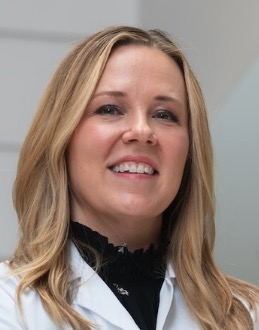 Shernan Holtan合作论文数Department of Medicine, Roswell Park Comprehensive Cancer Center;Blood and Marrow Transplantation Section, Roswell Park Comprehensive Cancer Center;Jacobs School of Medicine and Biomedical Sciences, State University of New York at Buffalo40
 Celalettin Ustun合作论文数Department of Medicine, Medical College of Georgia36
 David McKenna合作论文数Department of Laboratory Medicine and Pathology, Medical School, University of Minnesota;Division of Transfusion Medicine, University of Minnesota34
 John Rogosheske合作论文数Department of Pharmacy, Fairview University Medical Center33
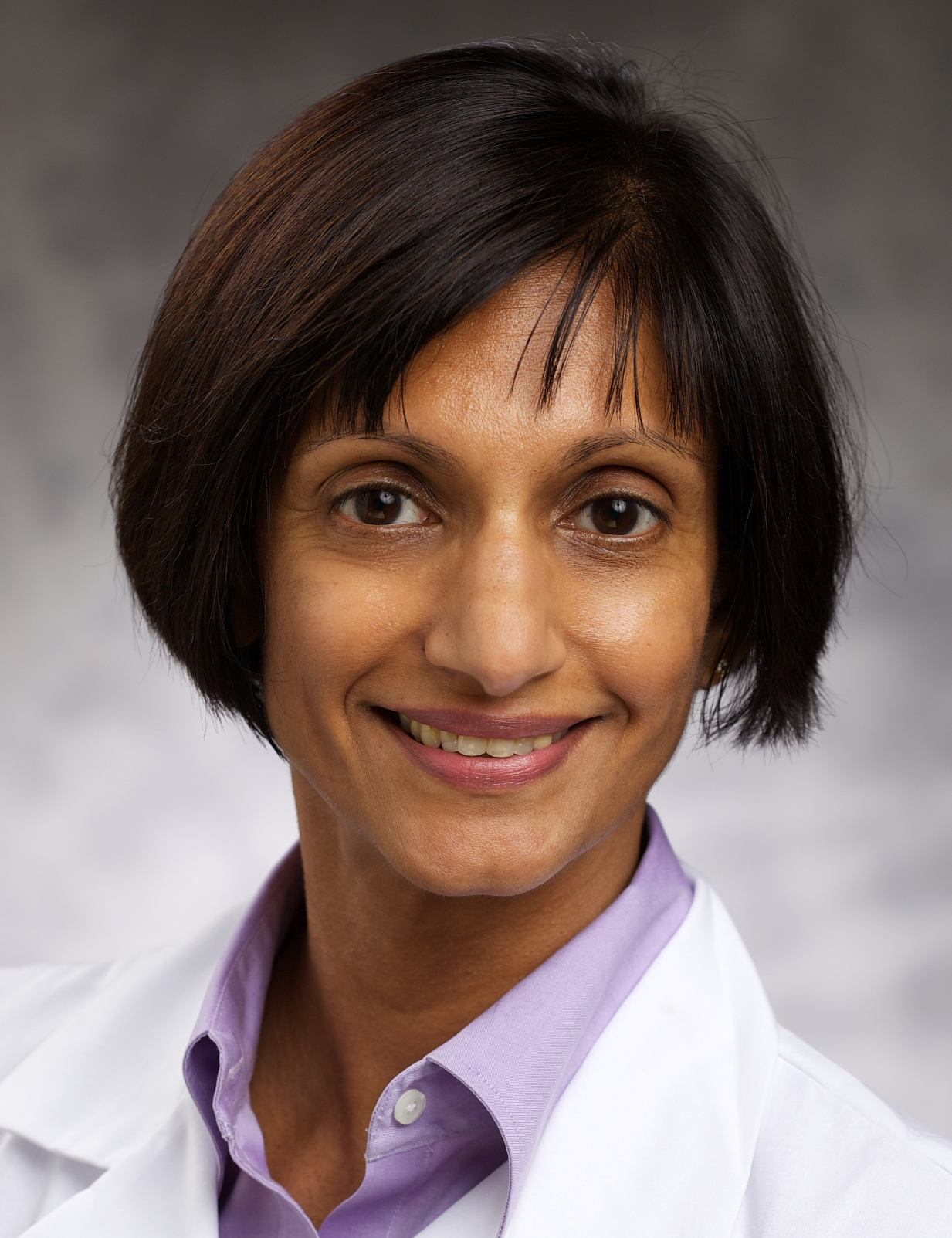 Mary Eapen合作论文数Medical College of Wisconsin/Center for International Blood and Marrow Transplant Research31
 Betty K. Hamilton合作论文数Department of Medicine, School of Medicine, Case Western Reserve University;Case Comprehensive Cancer Center, Case Western Reserve University;Department of Hematology and Medical Oncology, Cleveland Clinic28Najla El Jurdi合作论文数Department of Medicine, University of Minnesota28
 Armin Rashidi合作论文数26
 Aleksandr Lazaryan合作论文数26Shanley Ryan合作论文数25Sauter Craig合作论文数24Sarah Cooley合作论文数24
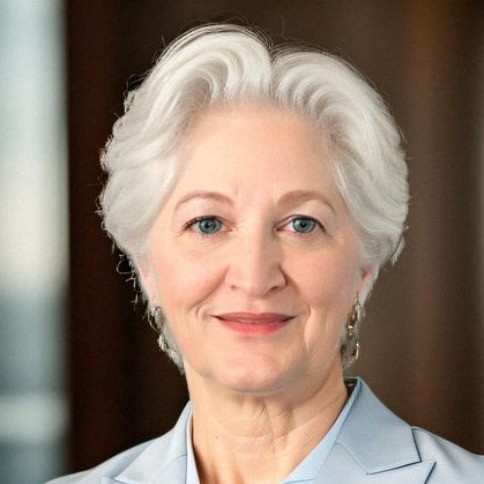 Linda Burns合作论文数Center for International Blood & Marrow Transplant Research24
 Navneet Majhail合作论文数Sarah Cannon;Tristar Division, HCA Healthcare23
 Philip B. Mcglave合作论文数University of Minnesota Blood and Marrow Transplant Clinic;Division of Hematology, Oncology and Transplantation, University of Minnesota Medical School23
 Juliet Barker合作论文数NewYork-Presbyterian Hospital;Weill Cornell Medical College, Cornell University23
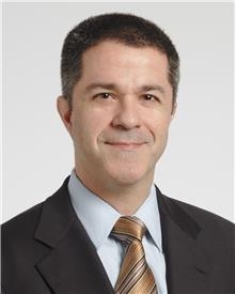 Matt Kalaycio合作论文数Department of Hematology and Medical Oncology, Cleveland Clinic22Pamala A. Jacobson合作论文数21
 Ronald Sobecks合作论文数Department of Hematologic Oncology and Blood Disorders, Taussig Cancer Institute, Cleveland Clinic;Transplantation Center, Division of Surgery, Cleveland Clinic;Cleveland Clinic Lerner College of Medicine, Case Western Reserve University20
 Ephraim Fuchs合作论文数Department of Oncology, Johns Hopkins Medicine;School of Medicine, Johns Hopkins University18
 Corey Cutler合作论文数Center for Hematologic Oncology, Dana-Farber Cancer Institute;Division of Hematologic Oncology, Department of Medical Oncology, Dana-Farber Cancer Institute;Harvard Medical School17Darin Sumstad合作论文数17Mei-Jie Zhang合作论文数16
 Mary M. Horowitz合作论文数Center for International Blood and Marrow Transplant Research, Medical College of Wisconsin;Division of Hematology and Oncology, Medical College of Wisconsin;Cancer Center, Froedtert Hospital16Curtsinger Julie M合作论文数15
 Steven Devine合作论文数Be The Match BioTherapies13
 Brent R. Logan合作论文数Division of Biostatistics, Department of Data Science Institute, Medical College of Wisconsin;Health Research Center, Medical College of Wisconsin;Clinical & Translational Science Institute, Medical College of Wisconsin13Marcie Tomblyn合作论文数13
 Paul V O'Donnell合作论文数13
 Joseph P. McGuirk合作论文数University of Kansas Medical Center;The University of Kansas Health System13
 Fiona He合作论文数12
 Eliane Gluckman合作论文数Department of Hematology Hôpital St Louis12Brian McClune合作论文数12
 Mitchell Eric Horwitz合作论文数Division of Hematologic Malignancies and Cellular Therapy, Department of Medicine, School of Medicine, Duke University;Duke Regeneration Center;Duke Cancer Institute11Hippen Keli L合作论文数11Rezvani Andrew R合作论文数11
 Betts Brian合作论文数Dept Blood & Marrow Transplantat, H Lee Moffitt Canc Ctr & Res Inst11




