This case describes a presentation of a patient with clinical features of acromegaly, elevated growth hormone (GH) concentrations, a pituitary adenoma but with normal insulin-like growth factor-1 (IGF-1) concentrations in the context of previously undiagnosed liver cirrhosis. In this case, a diagnosis of acromegaly was made based on clinical grounds and failure of GH to suppress during oral glucose tolerance testing despite a normal IGF-1 screening test. Following liver transplantation, the patient's IGF-1 concentrations rose significantly in keeping with a diagnosis of active acromegaly. This case demonstrates the importance of history, physical examination and clinical judgement in the diagnosis of this rare disease. It also highlights the vital role played by the liver in the GH/IGF-1 axis.
IntroductionAmiodarone-induced thyrotoxicosis (AIT) is a serious complication of amiodarone therapy, associated with high morbidity and mortality. Standard medical therapies are often insufficient in refractory cases, and therapeutic plasma exchange (TPE) has been proposed as a bridge to definitive thyroidectomy, although protocols for its use vary and detailed descriptions and definitions of response to therapy are limited. Case presentationWe report four cases of severe refractory AIT, prepared for thyroidectomy with TPE. Patients underwent three to five sessions using either albumin with saline, or combinations including fresh frozen plasma, as replacement fluids. TPE produced variable biochemical effects: free thyroxine (FT4) levels consistently fell during sessions but rarely normalised, while total thyroxine (TT4) normalised in some cases. In most patients, thyroid-stimulating hormone (TSH), previously suppressed for months, rose to detectable levels after only one to two sessions, suggesting a rapid reduction in biologically active thyroid hormone (TH) concentration. TPE was well tolerated overall, although transient coagulopathy and thrombocytopaenia occurred in two cases. All patients proceeded to successful thyroidectomy and achieved post-operative euthyroidism. ConclusionTPE may provide temporary biochemical improvement and clinical stabilisation in refractory AIT, facilitating safe progression to thyroidectomy. However, its biochemical effects can be inconsistent and transient, and complications such as coagulopathy must be anticipated. Our experience supports the use of TPE as a valuable adjunct in selected patients with refractory AIT but illustrates that thyroidectomy should not be unnecessarily delayed in pursuit of complete TH normalisation or rigid biochemical targets.
Androgen excess in postmenopausal women presents a challenging clinical conundrum. A crucial component in management involves identification of the underlying etiology with a focus on detection of potentially malignant pathology or underlying genetic syndromes. A basic understanding of androgen physiology in women and the associated alterations during the menopausal transition is required to accurately risk stratify this cohort and streamline investigations. Over the course of this article, we will propose an approach to investigation and management of postmenopausal androgen excess that focuses on clinical, biochemical, and radiological cues. Additionally, we will suggest an algorithmic approach to clinical and biochemical diagnostics that is underpinned by identification of red flag features of the underlying pathology.
Robotic adrenalectomy offers several technical advantages over conventional laparoscopy, particularly for lesions located adjacent to major vascular structures. However, data regarding the establishment of new robotic adrenalectomy programmes remains limited. This study aimed to evaluate the safety, feasibility, and early outcomes of implementing the first robotic adrenalectomy programme in the Republic of Ireland. A retrospective review of the first 50 consecutive patients who underwent robotic adrenalectomy between November 2021 and December 2024 at a tertiary endocrine surgery referral centre was performed. Clinical, pathological, and perioperative outcomes were analysed. Continuous variables were compared using Student’s t-test or Mann–Whitney U test, and multivariable linear regression was used to assess factors associated with operative duration. The mean age was 58.3 years, and 72
Rationale: Alpha-1 Antitrypsin Deficiency (AATD) is the only established cause of chronic obstructive pulmonary disease (COPD). Sex differences have been reported in the pathophysiology and clinical presentation of both conditions. Previous work from our group has described circadian and circannual variation in AAT levels, an effect much stronger in men compared to women. There have also been reports of different clinical presentation of AATD in males versus females. The aim of this work was to determine if sex hormones affect AAT production in the Pi[asterisk]ZZ liver. Methods: HepG2 cells were modified using CRISPR/Cas9 to express the mutant Z form of the AAT protein (ZZ-HepG2s). Cells were grown in phenol-free DMEM supplemented with 10% charcoal-depleted FBS and plated @4x10⁵/ml. ZZ-HepG2s were stimulated at varying concentrations of 17β-estradiol (E2) or dihydrotestosterone (DHT) for 48 hours (n=3), or stimulated with 10nM E2/DHT for 24 hours then 100ng/ml IL-6 for 24 hours (n=9). AAT production in supernatants was measured by ELISA and intracellular AAT by flow cytometry. Results: Both hormones significantly reduced intracellular AAT (Figure 1A), even at low concentrations. There was also a dose-dependent decrease in AAT release, particularly in oestrogen-treated cells (Figure 1C). IL-6 stimulation significantly increased intracellular AAT, and this effect was stronger in cells grown in DHT (Figure 1B). Conversely, cells pre-treated with E2 released more AAT after IL-6 stimulation than IL-6 alone. There were no significant differences in cell viability with any of the treatments tested. Conclusions: Sex hormones reduce AAT production from ZZ-HepG2s. Investigations are underway to determine if these hormones can reduce ER-stress seen in AATD liver cells, and if similar effects are seen in healthy (MM) HepG2 cells.
Rationale: Alpha-1 Antitrypsin (AAT) is an acute phase protein which maintains the protease/anti-protease balance in the lungs. Previous work from our group has reported circadian and circannual variation in AAT levels in the Irish population. These rhythms are only evident in males, while females maintain consistently higher circulating AAT. To investigate whether this is a sex-hormone effect, we sought to examine AAT levels in male and female cohorts with sex hormone abnormalities. Methods: Serum was collected from several male and female cohorts and AAT levels were measured using immune turbidimetry. The OBS group contains 20 men with primary or secondary hypogonadism treated with transdermal (daily) or intramuscular injection (every 3 months) of testosterone. The IC2 cohort contains 20 men with prostate cancer undergoing androgen deprivation therapy with gonadotropin-releasing hormone (GnRH) analogues and androgen receptor (AR) antagonists as per routine clinical practice. The DIMOXIS study is examining the role of once daily oral dehydroepiandrosterone (DHEA, 150mg) in women with polycystic ovary syndrome (PCOS, n=10). The REFUEL study investigates the effects of oral bicalutamide (an AR blocker, 50mg q.d.), in women with PCOS over 28 days (n=8). Fasted serum was taken between 7 and 8am before and after the specified treatment. Ethical approval was obtained from Beaumont Hospital Research and Ethics Committee. Sex/steroid hormone levels in these groups were measured by mass spectrometry and/or clinical laboratory assay. Results: There were no significant correlations with AAT and hormone levels in the pre- or post-intervention visits in the male (OBS & IC2) cohorts. AAT levels did increase in the testosterone replete group (OBS), but not in those receiving androgen deprivation therapy. (IC2, Figure 1). Similarly, in the female DIMOXIS/PCOS group there was a significant increase in circulating AAT levels after DHEA treatment (Figure 1), but not in the bicalutamide-treated cohort. DHEAS was significantly correlated with AAT at the pre-intervention visit in the DIMOXIS group, but not afterwards. There were additional increases in androgens and CRP in this cohort, but not in total protein. Conclusions: These results suggest that AAT levels can be modulated by androgen treatment/supplementation. Investigations are underway in additional cohorts to determine the pathways affected and in-vitro work will determine how these hormones are linked to AAT production.
Summary We describe a case of a 42-year-old gentleman, 5 years post-transsphenoidal surgery (TSS) for pituitary-dependent Cushing’s disease, initially presenting with malignant hypertension. Despite an initial improvement in his blood pressure post-TSS, he was found to be persistently hypertensive on follow-up despite no clinical or biochemical evidence of recurrence of hypercortisolism. His blood pressure remained elevated despite five antihypertensive agents. His renin concentration was <5 mIU/L (9–103.5) and aldosterone concentration was 877 pmol/L (0–670). A subsequent CT of the adrenals showed a 1.2 cm left adrenal nodule. He was not suitable for adrenal vein sampling (AVS) at this time due to difficult-to-control hypertension. Biochemistry was difficult to interpret in the context of a multitude of interfering medications, which were necessary given his difficult-to-control hypertension and hypokalaemia. Once suitable, his initial AVS was unsuccessful due to failure to cannulate the right adrenal vein. He was given the further options of repeat AVS vs 11 C-metomidate PET vs medical management of his blood pressure. He proceeded with a repeat AVS, with successful cannulation of both adrenal veins. This showed evidence of hyperaldosteronism on the left side, with a lateralisation index of 39.5 and a contralateral suppression index of 0.28. He proceeded with a robotic left adrenalectomy, leading to significant improvement in his blood pressure, dropping from a mean reading of 142/85 during daytime and 150/88 mmHg at nighttime on five antihypertensive agents to normotensive levels of 114/77 mmHg on two agents. Learning points It is important to consider a broad differential for uncontrolled hypertension. It must be considered that patients can present with multiple, isolated endocrinopathies. There are diagnostic challenges with primary aldosteronism, with medication regimens regularly effecting suitability of testing and interpretation of results. AVS can be a challenging procedure, leading to diagnostic challenges in the lateralisation of primary aldosteronism; however, it or another form of lateralisation is essential to guide management options.
The management of pituitary disorders in pregnancy presents a unique challenge for maternal medicine specialists and endocrinologists. Advances in assisted reproductive technologies (ART) mean that women with hypopituitarism are increasingly able to conceive. The pituitary undergoes significant physiological changes during pregnancy. Pituitary hormone replacement regimens must therefore be adjusted throughout pregnancy in an attempt to mimic these changes. Close clinical and biochemical follow-up and collaboration across specialties is essential to ensure optimal maternal and fetal outcomes. Although many women with hypopituitarism will have a normal pregnancy, rates of miscarriage, labour induction and caesarean sections are higher than the general population. Most women with hypopituitarism are diagnosed prior to pregnancy; however, some pituitary disorders including lymphocytic hypophysitis, Sheehan's syndrome and pituitary apoplexy have a predilection to arise during pregnancy or the postpartum period. Prompt recognition of these disorders is essential to prevent potentially fatal complications and optimise maternal and fetal wellbeing.
 Christopher Thompson合作论文数University of Washington113
 Michael O'Reilly合作论文数School of Clinical and Experimental Medicine, University of Birmingham70
 Paul M. Stewart合作论文数University of Leeds58
 J. Gibney合作论文数34
 Wiebke Arlt合作论文数Department of Metabolism and Systems Science, University of Birmingham;Queen Elizabeth Hospital Birmingham, Birmingham Health Partners Centre for Endocrinology, Diabetes and Metabolism34Garrahy Aoife合作论文数31
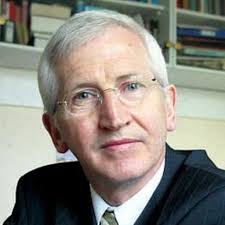 William Tormey合作论文数Department of Chemical Pathology, Beaumont Hospital31Lucy Ann Behan合作论文数31
 Angela E Taylor合作论文数Institute of Metabolism and Systems Research, College of Medical and Dental Sciences, University of Birmingham25Rosemary Dineen合作论文数23James Gibney合作论文数23
 Diarmuid Smith合作论文数23Amar Agha合作论文数23Julie Martin-Grace合作论文数22
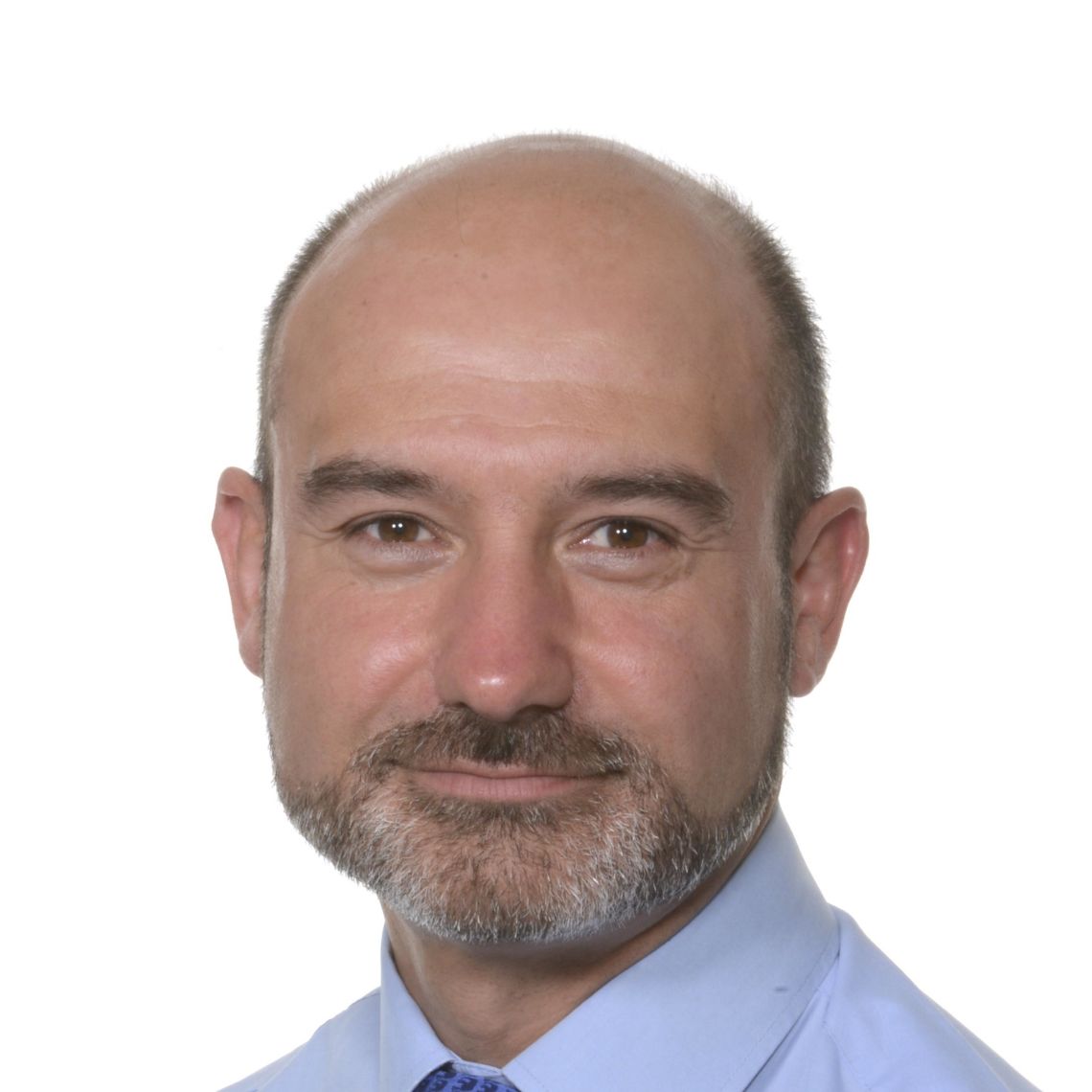 Jeremy Tomlinson合作论文数Radcliffe Department of Medicine, Medical Sciences Division, University of Oxford;Keble College, University of Oxford19Tara McDonnell合作论文数18
 Anne Marie Hannon合作论文数18G. Boran合作论文数18
 Gareth Lavery合作论文数Department of Biosciences, Nottingham Trent University;Department of Metabolism and Systems Science, University of Birmingham18A. Gunness合作论文数16
 Maria Tomkins合作论文数15
 Crowley Rachel K合作论文数15R. Dineen合作论文数14
 Martin Cuesta Hernandez合作论文数14Hannon Mark J合作论文数Academic Department of Endocrinology, Beaumont Hospital/RCSI Medical School13
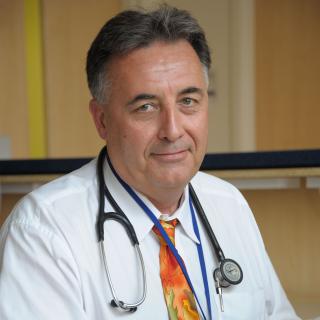 Kevin C. Conlon合作论文数Center for Cancer Research, National Cancer Institute13Agnieszka Pazderska合作论文数12Darran Mc Donald合作论文数Dept Endocrinol, St Vincents Univ Hosp12Andrew A. Toogood合作论文数12A M Hannon合作论文数11Govender Pradeep合作论文数11Behan Lucy Ann合作论文数11
 stuart morgan合作论文数the PD MED Collaborative Group, for10
 Zaki Hassan-Smith合作论文数Institute of Metabolism and Systems Research, College of Medical and Dental Sciences, University of Birmingham10Colm Magee合作论文数9b rogers合作论文数9
 Kawser Ahmed合作论文数IICT9
 Mohsen Javadpour合作论文数Department of Neurosurgery, The Walton Centre for Neurology and Neurosurgery9Beverly A Hughes合作论文数8
 Pazderska Agnieszka合作论文数8Arnold D Hill合作论文数8
 Leanne Cussen合作论文数8
 Delia Bogdanet合作论文数8
 Joanne Feeney合作论文数School of Psychology and Institute of Neuroscience, Trinity College8
 Marie Mcilroy合作论文数Endocrine Oncology Research Group;Department of Surgery;Royal College of Surgeons;UCD Conway Institute;School of Medicine and Medical Science;St Vincent ' s University Hospital;University College Dublin8
 Richard Costello合作论文数Department of Medicine, Royal College of Surgeons in Ireland8
 Raoul Reulen合作论文数Institute of Applied Health Research, College of Medical and Dental Sciences, University of Birmingham8A Aragon Alonso合作论文数7




