Sociocultural ecosystem services of fisheries, ranging from social cohesion to sense of place, render their contribution to social wellbeing particularly significant especially at local and regional levels. However, this contribution has not received adequate attention among policy-makers since marine management focuses primarily on provisioning services, and conventional economic indicators used to track performance and inform management, do not allow integration of sociocultural parameters. In our analysis, we draw lessons from small-scale fisheries and discuss in more detail attempts and methodologies to capture such aspects and identify avenues through which they can feed into marine management with an emphasis on spatial planning. The inherent difficulty in capturing sociocultural dimensions along with limited efforts to do so thus far, add to a missed opportunity to improve management and advance spatial planning efforts. In this context, we explore the importance of sociocultural ecosystem services in small-scale fisheries along with attempts and methods to capture and incorporate them into management and planning with a focus in the Mediterranean. We argue that sociocultural ecosystem services of small-scale fisheries constitute an essential element of sustainable development and key factor of enhancing the resilience of coastal communities.
The expansion and intensification of marine uses have severe cumulative impacts on marine ecosystems and human well-being, unless they are properly managed with an ecosystem-based management approach. A systematic conservation planning approach, using marxan with zones, was applied to generate alternative marine spatial plans for the Aegean Sea. Relevant human uses were included and their cumulative impact on a wide set of key biodiversity features was considered in the analysis. Different cost scenarios were developed to gain insight on the effects of the approaches used to assess socio-economic factors, and their potential impact on spatial plans. The spatial plans generated differed greatly depending on the method used to estimate opportunity costs and evaluate human activities in monetary terms. The vulnerability weights (the relative vulnerability of ecological features to specific human activities and their impacts) that were estimated based on a cumulative impact assessment, allowed the assessment of each zone in contributing to the achievement of conservation targets, through a transparent planning approach. Results indicate that special care should be given to how socio-economic activities, their impact on the ecosystems, and related costs are incorporated into planning. The proposed approach demonstrates how EU member states may effectively comply with the new Biodiversity Strategy 2030 targets, while planning for the sustainable use of their marine resources.
The multi-species/multi-gear nature of the Mediterranean fisheries, the high number and dispersion of landing points, and the varying motivations for discarding make regulation enforcement in the basin challenging. In this study, reasons for explaining discarding are initially explored and then the main focus is on identifying potential incentive mechanisms and other measures that could reduce unwanted catches in Mediterranean trawl fisheries, in the face of the recent landing obligation. Both literature review and stakeholder engagement are employed, while special emphasis is put on the role of socio-economic tools to influence fishers' behavior. Results show that although discarding is mainly driven by market demand, a number of factors have a synergistic effect which is sometimes difficult to disentangle and capture. Regarding measures, evidence from involved stakeholders (marine scientists and fishers) shows that economic incentives but also "social measures" such as more involvement of the industry and raising awareness are offering common ground. However, specific concerns have been also expressed on measures applicability. Overall, reducing discards is a complex issue and solutions should involve a combination of management measures designed for specific fleets and regions. However, irrespective of the synthesis of the management options, it is important to create a framework of action that takes into account human behavior as a source of variability. In this context, actions that for example encourage, engage, and enable can incentivize behavioral change in order to achieve specific outcomes.
In the last decades the interaction between marine users is becoming more complex as there are growing needs of different sectors competing for the limited sea space. EU has adopted new institutional structures such as the Marine Strategy Framework Directive (MSFD) and the Maritime Spatial Planning (MSP) Directive promoting the sustainable management of marine and coastal areas. A key aim of these structures in line with “Blue Growth” objectives is the sustainable use of maritime space following an ecosystem-based approach. This study explores interactions among existing human activities in the Aegean Sea (Greece) so as to identify areas which would be mostly benefited by spatial planning. Conflicts between existing uses are discussed along with the cumulative impacts of these uses on a key priority habitat, the seagrass Posidonia oceanica that provides important services to human well-being. Then the study links impacts with the value of a key service provided by seagrasses, carbon sequestration. Finally, it discusses the potential of such a joint analysis to support prioritization of areas or stressors of concern. In this context, limitations and challenges arising due to the inherent complexity of the involved factors and parameters are acknowledged.
Participatory management is a working method of paramount importance based on the principles of knowledge sharing and accountability for addressing the sustainable management of the fishery sector. To approach this multidimensional problem we applied two Multi Criteria Decision Analysis (MCDA) methods, the Analytic Hierarchy Process (AHP), and the Non-Structural Fuzzy Decision Support System (NSFDSS), which were applied incorporating uncertainty to generate probabilistic rankings. The NSFDSS technique was applied for the first time to address a fishery problem. Two surveys were carried out among Mediterranean Advisory Council (MEDAC) stakeholders with different backgrounds. By the two surveys we: (i) made an AHP test for exploring stakeholders' perception of the objectives and indicators used in the monitoring of the stocks, ecosystem, and fisheries, and (ii) introduced the NSFDSS technique, gathering feedback on stakeholders' preferences on management options for improving fishery sustainability (e.g., reducing discards, improving ecosystem state, and economic yield in the long term). In the AHP the respondents were asked to evaluate the importance of one objective against another according to a scale of semantic scores from 1 to 5, whereas a simpler scoring scale, with only three possible options, was used in the NSFDSS. The two MCDA methods were proven to be useful to elicit stakeholders' view on the potential effects of key issues on economic and environmental fishery sustainability. The results showed stakeholders' awareness of the fact that the reproductive potential should be secured by checking mortality and/or fishing intensity. Consistently, among the ecological indicators that are tracking the fisheries policy objectives, a higher rank was attributed to "mean size of the spawners," while cost efficiency was considered to be essential for improving profits. Regarding the economic indicators, stakeholders gave higher priority to "revenue" in comparison to 'production (catches)," which is a sign of awareness that increasing fish production does not necessarily turn into increased revenue. Among the different management strategies, "fleet withdrawal" (scraping) was considered as the worst option, while the "combination of measures" was considered to be the best alternative for achieving a sustainable fishery in the long term.
Socio-economics in an ecosystem-based Marine Spatial Planning (MSP) process cover a wide range from specifying socio-economic objectives, respective indicators, organising stakeholder engagement, to data, methods and tools (e.g., environmental valuation and cost-benefit analysis) for example to identify issues, assess ecosystem services, provide an insight on human behaviour and compare alternative marine plans with potentially competing goals. In addition, social principles such as that of social equity have an important role to play in achieving sustainability in marine management. However, the use of socio-economics in making the ecosystem-based MSP framework operational, poses certain challenges to researchers, regulators and policy-makers. The purpose of this paper is first to present a brief overview of socio-economic input needs, with a special emphasis on the role of environmental valuation related to ecosystem services as a mean to integrate the ecosystem approach into marine planning and management, and related challenges as identified by planners and researchers. Then, conclusions and recommendations are offered overall regarding socio-economic input and in particular environmental valuation. Finally, it is noted that although, the focus of the paper is mainly European, most of the issues discussed apply equally to other locations.
There is an increasing recognition of the importance of cultural ecosystem services of marine habitats for supporting the management of the marine environment. However, these services are still largely unknown compared to other ecosystem services (e.g. provisioning services) owing to the challenge of quantifying and valuing them. Linking human welfare to marine ecosystem services can contribute to the sustainable development of marine areas and use of marine resources. Coralligenous bioconstructions represent a key habitat of the Mediterranean continental shelf because of their structural and functional importance, as well as for their high aesthetic value. In this study, we considered SCUBA diving frequentation in the Apulia region (Mediterranean Sea, Italy) and the generated revenue related to the existence of coralligenous habitat. A market impact of (sic)4.7 M in 2014 was estimated through a survey questionnaire distributed to diving centers across the area (about 1000 km of coastline). Despite the assessment underestimates the impact of coralligenous habitat, it highlights the magnitude of importance of this habitat and the opportunities it provides to local economy. The results emphasise also the potential of including economic analysis to increasing awareness among stakeholders, including the general public and decision makers, in setting priorities for conservation and coastal management decisions. (C) 2017 L&H Scientific Publishing, LLC. All rights reserved.
This chapter presents the methodology employed for the Integrated Socio-Economic Assessment (MISEA) of different designs of Multi-Use Offshore Platforms (MUOPs). The methodology allows for the identification, the valuation and the assessment of the potential impacts and their magnitude. The analysis considers a number of feasible designs of MUOP investments, and the likely responses of those impacted by the investment project. The approach provides decision-makers with a valuable tool to assess whether a MUOP project increases the overall social welfare and hence should be undertaken. This is performed under alternative specifications regarding platform design, the discount rate and the stream of net benefits, if a Cost-Benefit Analysis (CBA) is to be followed or a sensitivity analysis of selected criteria in a Multi-Criteria Decision Analysis (MCDA) framework. The methodology can support the implementation of policies aiming at achieving a good environmental status of the EU's marine waters and the protection of the resource base upon which marine-related economic and social activities depend.
Nonstructural coastal risk mitigation options that deal with society-centered instruments have the potential to contribute jointly to coastal settlement safety through vulnerability reduction and resilience enhancement. The paradigmatic characteristics of vulnerability reduction approaches and resilience enhancement approaches are described. Thereafter, vulnerability reduction measures associated with the use of insurance-based, land use planning-based, business recovery plan-based, communication plan-based, postflood management-based, and evacuation plan-based approaches are presented in terms of guidelines for implementation. Resiliency analysis of these approaches is conducted in parallel. This analysis leads to additional recommendations for implementing specific risk-reducing measures. The authors conclude by stressing the importance of three overarching characteristics of nonstructural mitigation options. The first element that is central to all options lies in the need to adopt approaches that mobilize stakeholders in the implementation process. The second element that is central to all nonstructural mitigation options is the fact that they increase safety through a direct reduction in the consequences of flooding. A third element that nonstructural mitigation options share is the obvious fact that they interact strongly, showing the potential to transcend the sum of their individual contributions.
The case study area is presented in this chapter. The study area comprises the river and estuary of Asopos and the lagoon of Oropos northeast of Attica. Along the Asopos river human activities, mainly agriculture and industrial take place. Industrial and agricultural effluents pollute the river, the aquifers and the soils of the area, making it a negative example of the impacts to humans and environment that arise from non sustainable use of natural resources. The chapter starts by presenting the geographical distribution of the river system and the water bodies of the catchment. The chapter presents also a review of the related legislation that has contributed to its current situation. Then the current water status of the catchment is described, while the pressures and related impacts in the catchment are examined. Afterwards the focus is on the social and environmental functions and values of Asopos River and Oropos Lagoon. Identifying the main social, economic and environmental impacts of degradation in the area provides the background for the analysis that follows in the subsequent chapters.
Insurance against natural perils such as flooding can be considered a significant element in coastal management. It can offer not only much-needed support to accelerate economic and social recovery following a disaster (coastal resilience) but also contribute to impact limitation by using pricing or restrictions on availability of coverage to discourage new development in hazard-prone areas. Insurance can affect the redistribution of damage costs across the population and through time, both in the short and long term. Policies of damage reduction are linked to mitigation measures for the properties (old or new buildings) by changing the depth–damage relationship while the long-run risk impacts could affect the overall damage function by discouraging new buildings in high risk areas. This paper will provide an overview of the main theoretical perspectives on insurance in flood risk management. Four different European contexts will be analysed. Data are derived from surveys and interviews conducted in France, United Kingdom, Italy and Spain.
This chapter puts the emphasis on the economic characterization of Asopos River Basin (RB) in order to identify the members of the society that will bear the cost of improvements and will benefit from its implementation. Following the first step of Directive's implementation, requiring the economic characterization of the river basin, there is the need to evaluate the economic significance of water in the region, identify key economic drivers influencing pressures and water uses, examine how these economic drivers will evolve over time and will influence pressures and how will water demand and supply evolve over time. Hence, an important objective of this chapter is to identify the economic significance of water uses, focusing on Asopos experience, considering primarily industrial and agricultural uses since residential and tourist related uses are the focus of Chap. 4.
Following Water Framework Directive’s (WFD) implementation a national water policy that provides the institutional background to achieve the goals of the suggested policy is required. This Chapter emphasizes on the issues of water policy that should be addressed and provides reform options that could lead to the sustainable use of water resources. Efficient use of water is an important issue in Europe; however poor governance seems to hinder effectiveness of the designed policies. After a review of the Greek experience with water reforms, the “state oriented” regime in Greece is presented along with the legislative frame and institutions that it entails. Then institutional improvements are discussed. In particular, the institutional reforms move away from water policies that favor fragmentation and lack of coordination among the involved actors in the decision making process. These reforms also embrace and promote the growing concerns on environmental aspects and “sustainable” water management suggesting integrated approaches. In the suggested framework of action the transfer of competencies from the state to the utility and to other actors, induced by the WFD, makes more imperative the existence and enforcement of a legislative and administrative framework that could accelerate the co-operation among the involved parties. The chapter closes with commenting on how the case of Asopos is related to the other Greek basins that are at risk of failing to meet WFD’s obligations.
In order to make possible an economic estimation of industrial pollution, which is one of the main polluters in the Asopos River Basin (RB), another method that of Benefit Transfer (BT) was applied and is presented in this chapter. The fact that gathering primary site-specific data is costly and time-consuming has made BT a more and more popular alternative for the valuation of ecosystem goods and services and it offers a considerable potential in the light of the EU Water Framework Directive (WFD) implementation. In a broad sense, BT method uses existing economic value estimates from one location to another similar site in another location. In this context, the objective of this chapter is to present an empirical application of the methodology of transfer value. A number of valuation studies in the European territory that have explored the impact of industry on water degradation are reviewed in order for a suitable ‘match’ to be made between the Asopos RB and a suitable existing valuation study from which to source economic value information and hence perform the valuation exercise. The chapter closes with conclusions and recommendations for policy design.
This paper scrutinises the use of ecosystem service valuation for marine planning. Lessons are drawn from the development and use of environmental valuation and cost-benefit analysis for policy-making in the US and the UK. Current approaches to marine planning in both countries are presented and the role that ecosystem service valuation could play in this context is outlined. This includes highlighting the steps in the marine planning process where valuation can inform marine planning and policy-making as well as a discussion of methodological challenges to ecosystem service valuation techniques in the context of marine planning. Recommendations to overcome existing barriers are offered based on the synergies and the thinking in the two countries regarding the application of ecosystem service valuation to marine planning.
The valuation method of Choice Experiments (CEs) is often used for the economic valuation of natural areas with several nonmarket features that are either degraded or under-degradation. This method can be used to obtain estimates of Willingness-to-Pay (WTP) for the sustainability of several features of natural ecosystems. In particular, the CE method is a survey-based nonmarket valuation technique which can be used to estimate the total economic value of an environmental good in the form of a stock or a service flow as well as the value of its component attributes. Particularly, the bundle of improvements that have been valued in the Asopos water catchment and presented in this chapter is a mixture of use and non-use values. These include: (a) environmental conditions described in terms of ecological status in all water bodies of the catchment, (b) impact on the local economy in terms of tourism/recreation, demand for local production and cost of living for households and (c) impact on human health described as availability of water with a quality and quantity sufficient for satisfying different local uses. It should be also noted that the survey has been administered in samples of respondents from both the Asopos catchment area (more rural) and the Athens area (more urban), since there is the belief that residents of the Asopos River Basin (RB) are not the only ones who would benefit from the environmental improvements taking place in Asopos area. From a broader policy perspective the goal is to derive estimates of values to inform a cost-effectiveness analysis for the determination of the optimal program of measures as suggested in the content of Article 11 of Water Framework Directive (WFD).
Science in 2008 to bring together international expertise on economics, finance, geography, the environment, international development and political economy to
This chapter aims to simulate residential water demand in order to explore the importance of water for residential use. In addition, data on the water cost of supplying water in the residents of Asopos area from local distributors were collected. In order to capture the importance of water use specific parameters are examined and are used as indexes of water use. Some of these indexes are the population of the catchment, the number of households connected to the public water distribution system, m(3) of water consumption per year to cover household needs etc. The chapter closes with recommendations for designing and applying a program of measures for the efficient water resources management as described by Article 11 of Water Framework Directive (WFD).
 Phoebe Koundouri合作论文数Research Laboratory on Socio-Economic and Environmental Sustainability, Athens University of Economics and Business;Department of Technology, Management and Economics, Technical University of Denmark15
 Osiel González Dávila合作论文数Department of Economics, School of Oriental and African Studies, London, WC1H 0XG UK6
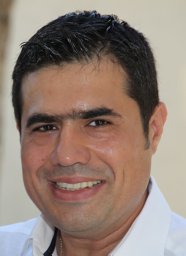 Papandreou Nikos C合作论文数Faculty of Biology, University of Athens4
 Campbell Danny合作论文数Stirling Management School, University of Stirling4
 Stephen Hynes合作论文数Whitaker Institute, National University of Ireland4
 Vassiliki Vassilopoulou合作论文数4
 Nabil Touili合作论文数Versailles Saint-Quentin-en-Yvelines University3
 Francois Hissel合作论文数3
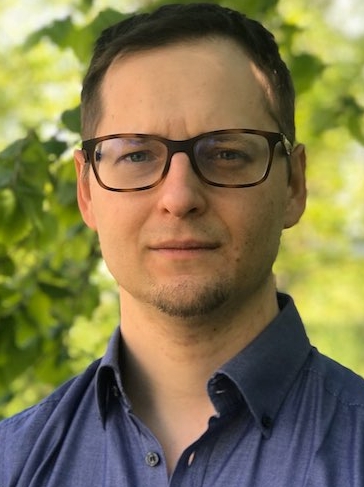 Gianluca Pescaroli合作论文数Institute for Risk and Disaster Reduction, Faculty of Maths & Physical Sciences, University College London3
 Riccardo Scarpa合作论文数Department of Business Economics, University of Verona3
 Bénédicte Rulleau合作论文数Université Montesquieu-Bordeaux IV3
 Edmund Penning-Rowsell合作论文数School of Geography and Environment, University of Oxford;Flood Hazard Research Centre, Middlesex University3
 Luca Pietrantoni合作论文数Università di Bologna;Dipartimento di Scienze dell ' Educazione;Dipartimento di Scienze dell ' Educazione, Università di Bologna3
 Pertti Ala-aho合作论文数2A. Mousoulides合作论文数2K. Vasiliou合作论文数2kalle reinikainen合作论文数2
 Giuseppe Lembo合作论文数2ioannis anastasiou合作论文数2tracey coates合作论文数2theodoros mavrogiorgis合作论文数2yannis anastasiou合作论文数2
 Bjørn Kløve合作论文数Water, Energy and Environmental Engineering Unit, Faculty of Technology, University of Oulu2riku eskelinen合作论文数Water Resources & Environm Engn Res Grp, Univ Oulu2
 Simal, Pedro Diaz合作论文数Universidad de Cantabria;c;Universidad de Cantabria2
 Nick Hanley合作论文数Institute of Biodiversity, Animal Health & Comparative Medicine, University of Glasgow2
 Jean Paul Vanderlinden合作论文数Universite de Versailles Saint-Quentin-en-Yvelines, Universit�� de Versailles2
 Jose M Bellido合作论文数Centro Oceanográfico de Murcia, Instituto Español de Oceanografia2
 Juan Baztan合作论文数2
 Daniel Norton合作论文数Department of Civil Engineering and Environmental Change Institute, National University of Ireland2Loraine Mcfadden合作论文数2
 Eleni Gkadolou合作论文数2
 Gabriele Prati合作论文数Università di Bologna;Dipartimento di Scienze dell ' Educazione;Dipartimento di Scienze dell ' Educazione, Università di Bologna2
 Manuel Pulido-Velazquez合作论文数Departamento de Ingeniería Hidráulica y Medio Ambiente, Universidad Politécnica de Valencia2Eva Kougea合作论文数2Antonios Antypas合作论文数2
 Edel Doherty合作论文数Department of Economics;National University of Ireland;Department of Economics, National University of Ireland2
 Cathal Buckley合作论文数Rural Economy Research Centre2
 Dennis John Parker合作论文数2
 Pekka M. Rossi合作论文数Finnish Forest Research Institute;Suonenjoki Research Station;Suonenjoki Research Station, Finnish Forest Research Institute2
 Timo Karjalainen合作论文数Finnish Forest Research Institute;Joensuu Research Centre;Joensuu Research Centre, Finnish Forest Research Institute2Dimitris Troianos合作论文数1
 Raul Guanche合作论文数1Kostas Tsiboukas合作论文数1
 Giacomo Zanni合作论文数1
 Nikoletta Koukourouvli合作论文数1Vasiliki Vassilopoulou合作论文数1Ilaria Dalle Mura合作论文数1Teresa García-Jiménez合作论文数1




