BackgroundAccess to healthcare is a fundamental determinant of public health sustainability. Current literature on healthcare access tends to focus largely on vulnerable groups and objective indicators where access is defined through service utilization. When the literature on “perceived access to healthcare” is examined, it is observed that perceived access is generally treated as a determining factor explaining health outcomes or behaviors. However, the investigation of the socioeconomic, self-rated health, health literacy and spatial features that shape this perception itself within a holistic framework remains a less focused area in the literature. Methodologically, perceived access to healthcare is often defined with a limited number of variables or specifically within particular disease groups. Especially in regions such as Trabzon, where rugged topography and geographical barriers are intertwined with socio-cultural dynamics, analyzing the factors shaping the individual’s perception of access within a comprehensive framework will offer a significant contribution to the literature. This study aims to integrate multidimensional factors -including socioeconomic status (SES), self-rated health, health literacy, health-seeking behavior, and travel time-into a comprehensive structural framework for the first time in the literature; to validate their effects through Structural Equation Modeling (SEM), and to uncover the spatial dependence patterns in access.MethodsThis reearch was conducted with 1,491 adults. Data were analyzed using Structural Equation Modeling (SEM) to evaluate multidimensional pathways, and geospatial analysis was performed to determine spatial dependence patterns.ResultsThe results of the research demonstrate that health literacy and professional health-seeking behavior are the primary elements strengthening the perception of access, whereas online health-seeking and increased travel time weaken this perception. One of the most original findings of the study is that the direct negative effect of SES on access is balanced through health literacy; this indicates that cognitive capacity can mitigate socioeconomic disadvantages. Spatial models confirm that while the general perceived access to healthcare is shaped by personal factors, the “accessibility” dimension exhibits a spatial dependence tied to local topography within a 1-km radius.ConclusionConsequently, these findings scientifically support that health planning should shift from macro-scale strategies toward micro-spatial interventions aimed at minimizing physical barriers at the neighborhood and street levels. Integrating approaches that improve health literacy with interventions that minimize travel barriers will play a fundamental role in reducing health inequalities.
Despite the increasing scientific data on the causes and effects of the global climate crisis, it is seen that the perceptions, approaches, practices, views and opinions of both governments, some organizations and institutions, and individuals and societies are divided. In order to clearly reveal this situation, this study develops a global climate crisis risk perception scale. A methodological research was carried out in 8 stages: determining the boundaries of the concept/structure; creating of the item pool; submitting the item pool to expert opinion; pilot study; preparation of the data collection tool; main application with large group; test-retest application; statistical analysis and finalization of GCCRP-S. The draft scale was applied at face-to-face interviews with 749 participants. Content, Face, Construct and Concurrent Validity were evaluated to determine validity. Internal consistency and stability tests were used to determine reliability. A five-factor structure emerged that explained 69.40% of the variance. Goodness of fit indices were within the values reported in the literature. The Cronbach’s alpha coefficient, which shows the internal consistency, was 0.957. The intraclass correlation coefficient, indicating the stability, was 0.940. The GCCRP-S provides an initial multidimensional framework for examining global climate crisis risk perception in adults. Following validation in independent and more diverse populations, it may support future research and provide contextual evidence for climate-risk communication and policy discussions.
This study employs a multi-method approach - bibliometric analysis, knowledge mapping, BERTopic modeling, and content analysis - to map the evolving research landscape on climate change and water-related diseases (WRDs) from 1995 to 2025. Our analysis reveals a marked increase in publications post-2007, peaking in 2024, yet this growth is characterized by significant geographic concentration. The United States, China, and the United Kingdom dominate scholarly output, while a centralized collaboration network sidelines many high-risk regions, creating a critical evidence gap. Thematic mapping shows an intensive focus on malaria and dengue, collectively constituting over two-fifths of the literature, though emerging interest in risk modeling and vector habitat suitability signals a methodological shift. Content analysis of the most-cited studies highlights the expanding geographic range and seasonality of WRDs, intensified by extreme floods and droughts, with disproportionate impacts on children, the elderly, and low-income communities. A persistent implementation gap remains between identifying climate-health risks and enacting effective adaptation. We conclude that bridging this gap necessitates urgent, strategic investment in climate-integrated early warning systems, resilient water and sanitation infrastructure, and targeted public health interventions to translate scientific knowledge into tangible protection for vulnerable populations.
Co-endemic zoonoses may occur in the same broad geographic settings but not necessarily the same communities or time periods. This study investigated whether Crimean–Congo hemorrhagic fever (CCHF) and brucellosis exhibit convergent or divergent spatiotemporal patterns across geographic scales in a livestock-dependent, CCHF-endemic province of Türkiye. This retrospective study analyzed confirmed human CCHF and brucellosis cases reported to the national infectious disease surveillance system between 2011 and 2024. Temporal analyses, kernel density estimation, settlement-level random labeling, and within- and cross-disease Knox tests were performed. Among the 611 eligible cases, CCHF (n = 442; 72.3%) and brucellosis (n = 116; 19.0%) accounted for 91.3%. CCHF was strongly seasonal, with 99.3% of cases occurring between April and September, whereas brucellosis occurred throughout the year. Although broad density surfaces partially overlapped, same-settlement co-occurrence was substantially lower than expected (O/E = 0.37; p < 0.001) and remained so in the sensitivity analysis (O/E = 0.74; p = 0.001). Cross-disease analysis showed no evidence that CCHF and brucellosis occurred closer together in both space and time than expected. Annualized CCHF concentration peaked in 2020–2021, whereas brucellosis peaked in 2022–2024. Integrated surveillance may use shared regional infrastructure, but interventions should be tailored to disease-specific settlements, transmission pathways, and periods of risk.
Toxic substances in seafood can accumulate in consumers and cause serious health problems. The purpose of this research was to evaluate the levels of 11 essential and toxic elements (arsenic, copper, mercury, zinc, iron, cadmium, chromium, lead, nickel, selenium and titanium) in nail samples from fishermen who frequently consumed seafood and control groups who consumed them less frequently. This study was conducted in the Marmara Sea coastal cities of Istanbul, Kocaeli, Tekirda & gbreve; and Yalova. 352 individuals were enrolled, 263 fishermen and 89 controls. A questionnaire was administered to the individuals, then fingernail samples were collected. Nail samples were digested by the addition of HNO3 and H2O2, then the element levels was measured by ICP-MS. Zinc and iron levels in fishermen's nails were higher than in controls. Positive correlations were observed between levels of arsenic, mercury, iron, cadmium, chromium, lead, nickel, selenium, and titanium in the fishermen's nails and monthly seafood consumption. Mean nail zinc and copper levels were lower than expected in both groups. Other elements were at expected levels. In conclusion, consuming seafood caught in this region does not result in element exposure sufficient to represent a risk, but may increase in the burdens of some elements.
BACKGROUND AND OBJECTIVES:The aim of this study is to determine the direct medical costs of adult cases diagnosed with Covid-19 and hospitalized at Karadeniz Technical University Faculty of Medicine Farabi Hospital (KTUFMFH). METHODS:This is a cost of illness study. The direct medical costs of adult cases who were hospitalized and treated for Covid-19 at KTUFMFH between 13.03.2020-12.03.2021 were examined. The study was retrospectively, on hospital perspective, using a prevalence-based approach and a bottom-up costing method. Per case costs, distribution of costs, and factors were examined for 113 cases. The determinants of the costs were evaluated via logistic regression analysis. RESULTS:The median cost per case was 263.55 (min: 28.30 - max: 18,947.60) USD [229.55 (min: 23.90 - max: 15,633.67) EUR]. One-day increase in hospitalization (O.R. = 2.600 and %95 C.I. = 1.576-4.289), the presence of chronic disease (O.R. = 15.130 and %95 C.I. = 1.644-139.216) and receiving oxygen inhalation therapy (O.R. = 15.238 and %95 C.I. = 1.784-130.157) have been identified to increase medical cost of Covid-19 inpatients. CONCLUSION:Covid-19 hospital costs are of significant economic burden. The actions in order to lower the severity of the disease may play role to lower the medical costs in future coronavirus related pandemics.
Leptospirosis is a public health problem in T & uuml;rkiye with cases occurring sporadically and occasionally in outbreaks. In this study we aimed to retrospectively map leptospirosis cases in Rize Province, T & uuml;rkiye during 2016-2022 using a geographic information system (GIS) in order to inform leptospirosis control efforts. Data regarding numbers and locations of leptospirosis cases in the study province were obtained from an Infectious Disease Surveillance and Early Warning System and entered into GIS software and examined for spatial patterns. A total of 97 subjects were included in the study, 59% males. The mean (+/- standard deviation) age of study subjects was 59 (+/- 11) years. During the study period, the year with the largest number of leptospirosis cases was 2018 (n = 37) (p<0.001) and the month of the year during the study period with the most cases was September (n = 32) (p<0.001). The incidence of cases was highest during June-October (n = 85) (p<0.001). The districts in Rize Province where the most leptospirosis cases occurred were the 3 contiguous coastal districts of Merkez (n = 31), & Ccedil;ayeli (n = 16) and Pazar (n = 12) (p<0.001). Cases were also reported in G & uuml;neysu District (n = 11) (p<0.001). The other cases of leptospirosis were distributed sporadically. In summary, leptospirosis cases in Rize Province occurred primarily in clusters in 3 contiguous provinces during the study period and were more common during 2018 and during September. We conclude these patterns need to be taken into consideration by efforts to reduce the incidence of leptospirosis in the study area. Further studies are needed to determine why there are more cases in these specific districts during September and if they have preventable origins in order to improve leptospirosis control efforts in Rize Province, T & uuml;rkiye.
The aim of the study was to evaluate the prevalence of alcohol use, prevalence of alcohol use disorders, and risk factors among university students in Trabzon province. This study was a cross-sectional study conducted on undergraduate and associate degree students studying at universities. The questionnaire was administered to 6492 undergraduate students to ensure a representative sample of 33201 students from all faculties and grade levels. The prevalence of alcohol use disorder was determined with the Alcohol Use Disorders Identification Test. Alcohol use disorder is defined as a score of eight points and above on the Alcohol Use Disorders Identification Test. Multivariate logistic regression analyses were performed to examine factors associated with alcohol use and alcohol use disorder. The prevalence of alcohol use was 24.1% (95% CI 23.0–25.2) and the prevalence of alcohol use disorder was 4.9% (95% CI 4.3–5.4) among 6213 students included in the analysis. Among 6213 students included in the analysis, the prevalence of alcohol use was 24.1% (95% CI 23.0–25.2) and the prevalence of alcohol use disorder was 4.9% (95% CI 4.3–5.4). The results show that the rate of alcohol use among university students is significantly higher than that of the general population. Residing separately from the family, students using any tobacco product, parents using alcohol, and close friends using alcohol were found to be risk factors.
The purpose of this research was to perform bibliometric and content analyses of research articles in the field of COVID-19-related public health published in 2020. Keywords (“COVID-19” or “coronavirus disease 2019” or “2019-nCov” or “2019 Novel Coronavirus” or “SARS-CoV-2”) determined in the Web of Science database and filtering resulted in 2949 articles being identified, and following application of inclusion and exclusion criteria, 1553 research articles were subjected to bibliometric and content analyses. These analyses were performed on Microsoft Excel, VOSviever 1.6.2, and Python 3.10 and scikit-learn 1.5 software. Bibliometric and contents analyses of the 1553 research articles revealed 113 countries, 2706 institutions, and 8703 authors, with 3471 different keywords being employed, and papers being published in 179 scientific journals. The most productive country was the USA. Four themes were revealed using the keywords, and 20 using the abstract sections. Evaluated as a whole, studies from different countries, institutions, and authors concerned the subjects of the COVID-19 “disease agent, mortality and associated factors, information, attitudes, and behaviors concerning the disease, and its effects on mental and psychological health”.
This study examines research on the impact of climate change (CC) on non-communicable diseases (NCDs) using bibliometric analysis, topic modeling, and content analysis. Articles published in the Web of Science database between 2000 and 2024 were analyzed. VOSviewer and Biblioshiny were used for bibliometric analysis and Python for topic modeling. In addition, the 50 most cited articles were content analyzed. The results show that there has been an increasing number of publications over time and that the research originates predominantly from high/very high Human Development Index (HDI) countries, especially China and the United States, rather than from low HDI countries. These countries also have strong international cooperation networks. Topic modeling shows that high/very high HDI countries work on a balanced range of topics, while low HDI countries focus primarily on environmental impacts. Thematic analysis shows that research topics are evolving, diversifying, and deepening. As a result, the literature on CC-NCDs is expanding and deepening, thus providing evidence-based information for global public health interventions. However, in countries with low HDI and the most vulnerability to the impacts of climate change, the volume of publications, thematic diversity, and international cooperation are significantly low. Unfortunately, from a public health policy perspective, global climate change is far from being a problem that any country can solve alone. Global cooperation is, therefore, essential.
Objective This study investigated the effects of concurrent psychiatric disorders and psychosomatic syndromes on the functional impairment of patients with fibromyalgia. Methods The study included two hundred patients diagnosed with fibromyalgia and treated at the Karadeniz Technical University Medical Faculty Physical Medicine and Rehabilitation Department. All patients were evaluated using a sociodemographic data form, the Fibromyalgia Impact Questionnaire (FIQ), Symptom Checklist-90 Revised (SCL-90R), Diagnostic Criteria for Psychosomatic Research (DCPR), and the Diagnostic and Statistical Manual of Mental Disorders, Fifth Edition (DSM-5). Results Somatic Symptom Disorder (SSD) diagnostic criteria according to DSM-5 were met by 27.5 % of the patients, and illness anxiety disorder (IAD) criteria by 3 %. According to DCPR, 26 % of the participants were diagnosed with persistent somatization, 16 % with disease phobia, 3.5 % with health anxiety, and 17.5 % with thanatophobia. Diagnoses of both SSD and persistent somatization were associated with an increase in SCL-90-R somatization symptom severity and FIQ scores. At the same time, no significant relationship was determined between these diagnoses and anxiety, obsessive-compulsive, or depression symptom severity. Multivariate logistic regression analysis revealed that DCPR persistent somatization and disease phobia affected high FIQ scores independently of SSD, depressive disorder, and demoralization. Conclusions Defining health anxiety and pathological illness anxiety among the DSM-5 criteria as distinct diagnoses from SSD may increase the functional usefulness of DSM-5 in patients with fibromyalgia.
Purpose: The physical and psychological loads that physiotherapists working in the field of pediatric rehabilitation are exposed to during therapy sessions can lead to limitations in body structure and functions that exceed the stress threshold. Examining the relationship of pediatric physiotherapists' body awareness with body structures and functions can reveal the effects of loads they are exposed to on their body-mind connection. This study aims to examine the relationship of body awareness of physiotherapists working in pediatric rehabilitation with their body structure and functions. Method: The study included 100 pediatric physiotherapists. The participants' level of body awareness was assessed by the Body Awareness Questionnaire (BAQ). The exposed forces, mental functions and dynamic balance were evaluated using the Physiotherapist Occupational Injury Questionnaire (POIQ), the Warwick Mental Well-Being Scale (WEMWBS), and the Functional Reach Test (FRT), respectively. Trunk, upper extremity, chest cage flexibility were assessed and Body Mass Index (BMI) were also calculated. Results: The participants had a mean age of 28.25±3.715 (min-max:23-41). A significant relationship was found between the levels of body awareness and mental well-being (r=0.217; p=0.003). The BAQ, BAQ-1 and BAQ-2 and WEMWBS scores were correlated (p0.05). Conclusion: The levels of body awareness among pediatric physiotherapists, who work in a profession relying on both mental and physical strength, are directly associated with their mental well-being.
Introduction: Subacute thyroiditis (SAT) is typically a self-limiting, inflammatory disease. Patients can experience hypothyroidism during or after an episode. We examined the clinical characteristics based on laboratory and imaging studies in patients with SAT and possible factors contributing to the development of permanent hypothyroidism after SAT. Material and methods: We retrospectively examined the medical records of patients diagnosed with SAT at one medical facility in Turkey. Patients known to have previous thyroid disease, those with < 6 months of follow-up after resolution of SAT, and those who lacked sufficient data for analysis were excluded. Of the 283 patients identified, 119 met all the inclusion criteria. We extracted data on demographics, laboratory tests, neck pain and other symptoms, ultrasonography findings, medication use, and SAT recurrence. We examined the relationships between these variables and the development of permanent hypothyroidism. Results: The patients were 42 years old on average, and 78% were women. Most patients (70%) described flu-like symptoms before neck pain started; accordingly, 57% had initially visited a specialty other than endocrinology before SAT was diagnosed, and 28% had received antibiotics for misdiagnosed upper respiratory tract infection. In all, 10 (8.4%) patients developed permanent hypothyroidism after SAT. These patients had received steroids significantly longer than those without permanent hypothyroidism (mean 17.7 weeks vs. 8.9 weeks; p = 0.021). Development of hypothyroidism was significantly lower among patients with thyrotoxicosis. Conclusions: The diagnosis of SAT can be challenging. Patients who require longer-term steroids after SAT and who have recurrent SAT should be closely monitored for development of hypothyroidism.
ABSTRACT Objective: The aim of the study was to assess the knowledge, attitudes and experiences of students in a medical school about telehealth. Method: The data of this descriptive study were collected through face-to-face questionnaire interviews. A total of 603 medical faculty students selected by convenience sampling method were included in the study by completing the survey form completely. Results: 89.1% of the students had no telehealth experience during medical education. The mean score of the telehealth attitude questionnaire of the medical students participating in the study was 46.7 ± 9.4 (9.0-79.0). Attitude questionnaire scores of preclinical students were significantly higher than those of clinical students (p=0.018). The perceived telehealth knowledge level, which was stated by the students on a scale of 1-10, was 1.9 ± 1.4 on average. Conclusion: This study shows that medical students' knowledge about telehealth is insufficient and almost all of the students didn’t experience telehealth during their medical faculty education. It’s thought that students' telehealth attitudes will be an important determinant of their use of telehealth in clinical practice. This study will benefit the educational interventions that can be made to medical students in terms of showing which methods used in the field of telehealth are known.
The communication of medical students with patients/patient relatives is very important in the diagnosis and treatment of health problems. The better the patient/relatives feel understood in communication, the more positive improvement can be achieved in the treatment process. It is thought that one of the factors affecting students' communication with patients/patient relatives is the COVID-19 pandemic. The aim of this study is to examine medical school students' COVID-19 risk perception levels and their attitudes towards health communication during the pandemic period. 903 students were included. An online survey method was used because it was thought that face-to-face data collection would not be appropriate during the pandemic. The mean COVID-19 risk perception scores of students who had a disease or risk factor related to the respiratory system, who hadn’t had SARS-CoV-2 infection, who followed the daily COVID-19 case table, and who encountered a patient with suspected or confirmed SARS-CoV-2 infection were statistically significantly higher (p values 0.009; 0.041;
Objective: In this study, it was aimed to determine occupational health and safety practices in workplaces in COVID-19 pandemic and assess these practices from the perspective of occupational health and safety professionals. Methods: In this study, questionnaire-based and in-depth interview was used were used concomitantly. In the quantitative part, an electronic survey form was applied to 363 professionals. In the qualitative part, in-depth interviews were conducted with 24 professionals using a semi-structured interview form and the data were analyzed with MAXQDA. Results: When the measures taken for mask use, social distancing and hygiene in workplaces during the pandemic were questioned, measures taken at the highest rate were related to mask use. In-depth interviews were grouped under three themes: difficultiess, strengths and the effects of the pandemic. It was emphasized that difficulties were encountered in occupational health and safety implementation areas and the empowering role of professionals in the management of the process was emphasized. The disruption of routine OHS practices as a negative impact of the pandemic and the increase in OHS awareness as a positive impact were the most emphasized issues. Conclusion: The highest precaution taken in workplaces was the use of masks. In in-depth interviews, almost all participants emphasized the difficulties encountered in occupational health and safety practices, the supportive role of professionals in the process, and the many positive and negative effects of the pandemic on practices. Keywords: COVID-19; pandemics; occupational health; occupational safety
Background: Pregnancy is an important process that affects the body's daily water requirements through various mechanisms. Adequate fluid intake also plays a critical role in pregnancy. This research aimed to determine levels of water/fluid intake and influencing factors among pregnant women presenting to a university hospital in Trabzon, T & uuml;rkiye. Methods: A total of 1,082 pregnant women were included in this cross-sectional research. A questionnaire was used during the faceto-face interviews to collect data. SPSS version 23.0 software was employed during data analysis, and logistic regression was applied to identify factors that affect adequate daily fluid intake. Results: The pregnant women in this study consumed a daily mean amount of water amounting to 1.8 +/- 0.9 liters and had a mean fluid intake of 2.3 +/- 0.9 liters. Results showed that daily fluid intake was inadequate in 557 (51.5%) participants. At the same time, logistic regression analysis revealed higher rates of sufficient daily fluid intake among pregnant women who were informed about water intake by their physicians and women with higher total monthly household incomes. Conclusions: Fluid intake was lower than the recommended amount for pregnant women in approximately half of the study's participants. High levels of education, household income, and information about water intake provided by a physician were identified as important factors related to adequate daily fluid intake.
Elektrik alan ve manyetik alanın birleşimiyle oluşan elektromanyetik alana maruz kalmanın sağlık üzerine çok çeşitli etkileri söz konusudur. Bu çalışmanın amacı, elektrik-elektronik mühendislerinin ve bu bölümde eğitim gören öğrencilerin, çok düşük frekanslı elektromanyetik alan (ÇDF-EMA)'nın insan sağlığı üzerine olumsuz etkileri hakkındaki düşüncelerini, mevcut sağlık sorunları/semptomları ile ÇDF-EMA’yı nasıl ilişkilendirdiklerini ve ÇDF-EMA’ya neden olan cihazların kullanımı ile ilgili davranışlarını incelemektir. Katılımcıların %58,8’inin günlük hayatta elektromanyetik alana çok fazla maruz kaldıklarını düşündükleri ve %44,8’inin elektromanyetik alanların zararlı olduğu düşüncesiyle endişelendikleri tespit edilmiştir. Sağlık etkileri hakkındaki düşünceleri incelendiğinde, ÇDF-EMA’nın sağlık üzerine olumsuz etkisi olduğunu düşünenlerin oranı %40,8 olarak belirlenmiştir. Aktif çalışan mühendisler arasında ÇDF- EMA’nın sağlık üzerinde olumsuz etkileri olduğunu düşünenlerin oranı (%51,8), lisans ve lisansüstü öğrencileri arasında sağlık üzerinde olumsuz etkileri olduğunu düşünenlere göre (%39,4) istatistiksel açıdan önemli bir şekilde yüksek bulunmuştur (p=0,008). Benzer şekilde, ikinci sınıf ve üstü öğrenciler arasında ÇDF-EMA’nın sağlık üzerine olumsuz etkileri olduğunu düşünenlerin oranı (%42,6) birinci sınıf öğrencilerine göre (%35,4) istatistiksel açıdan önemli bir şekilde yüksek bulunmuştur (p=0,043). ÇDF-EMA’nın sağlık üzerine olumsuz etkileri olduğunu düşünenlerin ÇDF-EMA kaynağı cihazların kullanımına yönelik davranış puanları (21,7±3,7) ile etkisi olmadığını düşünenlerin puanları (21,8±3,7) arasında istatistiksel açıdan önemli bir fark bulunmamıştır (p=0,368). ÇDF-EMA’nın sağlık üzerine olumsuz etkileri olduğu düşüncesinin, ÇDF-EMA kaynağı cihazların kullanımına yönelik olumlu davranış üzerinde etkili olmadığı belirlenmiştir.
Background: MPOWER strategies are employed to combat tobacco use in Turkey. However, no decrease in the prevalence of use among university students has been achieved. In research conducted among university students, only smoking was generally questioned. The purpose of the present research is to evaluate the prevalence of tobacco product use and associated risk factors among university students in Trabzon, northeast of Turkey, following the restrictions imposed due to the COVID-19 pandemic. Methods: This cross-sectional study was conducted with 6445 students between December 2021 and June 2022. Data analysis was performed with chi-square test and logistic regression test backward method. Results: The prevalence of tobacco use is 26.9% in university students in Trabzon. The most frequently consumed tobacco product was cigarettes (25.0%), followed by hand-rolled cigarettes (6.5%), waterpipes (5.0%), and e-cigarettes (1.0%). Students’ tobacco use was statistically significantly associated with male gender, attending a vocational school, maternal tobacco use, paternal tobacco use, and romantic partner/close friend tobacco use. Conclusion: The prevalence found is higher than in many previous studies. Priority should be given to women as well as men in intervention programs to fight against tobacco. Programs should begin in vocational school and include students' close friends, romantic partners, or parents
Purpose/Objective(s) High stress levels and anxiety during cancer therapy may cause higher rates of side effects. Adaptive radiotherapy modalities in a closed bore MR Linac with significantly long treatment times may cause excessive stress in patients which calls for supportive measures. One of these measures is animal assisted activity support program. In the literature, results of therapy dog supportive programs are very limited. There is no study concerning therapy dog supported radiotherapy with MR Linacs. Materials/Methods During therapy dog visits, patients had time with the therapy dog for 15 minutes in a room prepared for this purpose, before their therapy sessions in MR-Linac device. In this study, Border Collie, Golden Retriever, French Bulldog, Labrador Retriever breeds dogs, carrying therapy dogs’ properties were used. Patients had activities with therapy dog such as playing games, walking together, or patting under supervision of the dog handler. Patients responded to the Profile of Mood States (POMS) questionnaire's Turkish version and Visual Analogue Scale to Evaluate Fatigue Severity (VAS-F) questionnaire in the first day of radiotherapy before and after meeting the therapy dog. During 2 more radiotherapy sessions, the questionnaires were repeated after patient's time with therapy dog. In addition to behavioral and mood state evaluation, heart rate, respiratory rate and blood pressure of the patients were recorded before and after therapy dog visits. All test results and physiologic parameters before and after meeting the dog were compared accordingly. Results Eight (26.7 %) females with the median age of 59.5 (45-70) and 22 (73.3%) males with the median age of 61.0 (28-83) were included to this study. Vigor activity results were significantly (p = 0.0005) higher after therapy dog visits in all 3 sessions comparing to results before the visit. VAS energy scores were higher after dog visits comparing to scores before the visit (p = 0.03). Tension anxiety one of the negative parameters of POM's test were in highest level before therapy dog visit and gradually decreased after all 3 visits and the results were statistically significant (p = 0.0005). Depression-dejection, Anger-hostility, Confusion-bewilderment and Fatigue-inertia showed significant decrease after dog visits (p<0.05). VAS fatigue scores were significantly lower after interaction with the dogs (p<0.05). Overall POMS values were significantly better after each 3 visits comparing to pre visit values (p<0.05). Heart rates of patients found to be lower after dog visits (p<0.05). Diastolic blood pressure recorded significantly lower after 2nd and 3rd dog visits (p<0.05). Conclusion Our results support that animal-assisted activity in patients with cancer who are undergoing radiation therapy in MR Linac had positive impact on patients’ stress anxiety and depression also improved physiological parameters.
 Gamze Can合作论文数KTU Medical Faculty, Department of Preventive Medicine and Public Health, 61080 Trabzon, Turkey62
 Nazım Ercüment Beyhun合作论文数52
 Abdulkadir Gunduz合作论文数Faculty of Medicine, Karadeniz Technical University20Irem Dilaver合作论文数17Serdar Karakullukcu合作论文数17
 Ahmet Menteşe合作论文数Sağlık Hizmetleri Meslek Yüksekokulu, Karadeniz Technical University14Kubra Sahin合作论文数Fac Med, Karadeniz Tech Univ13
 S. Caner Karahan合作论文数School of Medicine, Karadeniz Technical University13Asuman Yavuzyilmaz合作论文数12Busra Parlak Somuncu合作论文数12Sertac Cankaya合作论文数12G. Can合作论文数12
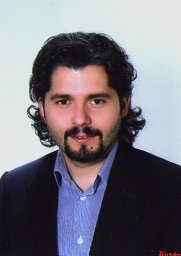 Suleyman Turedi合作论文数Faculty of Medicine, Karadeniz Technical University12Sevil TURHAN合作论文数10Camur Derya合作论文数10Nese Kaklikkaya合作论文数School of Medicine, Karadeniz Technical University10
 Erhan Capkin合作论文数Medical School Department of Physical Medicine and Rehabilitation, Karadeniz Technical University10Nalan ÖZEN合作论文数9Şehbal Yeşilbaş Üçüncü合作论文数9Yusuf Demirtaş合作论文数9
 Goker Zeynep合作论文数Ankara Pediatric &Child and Adolescent Psychiatry Department, Pediatric Hematology Oncology Training and Research Hospital;Child and Adolescent Psychiatry Department, Ankara Pediatric &Pediatric Hematology Oncology Training and Research Hospital9
 Huseyin Ilter合作论文数9Cevriye Ceyda Kolayli合作论文数8Oztuna Funda合作论文数8
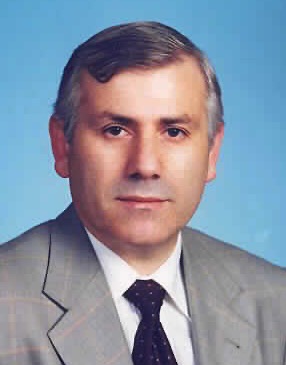 Cihangir Erem合作论文数Karadeniz Technical University8
 Bekir Bulut合作论文数Faculty of Medicine, Karadeniz Technical University8Umit Cobanoglu合作论文数Faculty of Medicine, Karadeniz Technical University8Sukru Ozgun合作论文数7Medine Gozde Ustundag合作论文数7Servet Kerimoğlu合作论文数Dept Orthopaed & Traumatol, Karadeniz Tech Univ7
 Celal Tekinbas合作论文数Faculty of Medicine, Karadeniz Technical University7Mehmet Sonmez合作论文数School of Medicine, Karadeniz Technical University7
 Hulya Ulusoy合作论文数Faculty of Medicine, Karadeniz Technical University7Esin Yulug合作论文数School of Medicine, Karadeniz Technical University7
 İftahar Köksal合作论文数Enfekder;Acibadem Healthcare Group7Orhan Deger合作论文数6Perihan Simsek合作论文数6Kucuktulu Eda合作论文数6
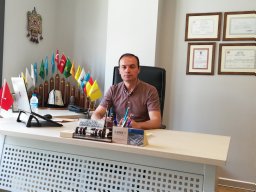 Ahmet Altin合作论文数Department of Environmental Engineering, Zonguldak Karaelmas University6
 Emine Can合作论文数Department of Physics, University of Kocaeli6
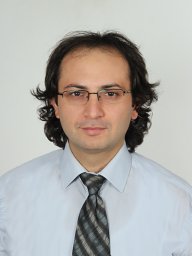 Murat Karkucak合作论文数School of Medicine, Karadeniz Technical University6
 Kemal Sayar合作论文数Karadeniz Teknik Üniv6
 Tevfik Ozlu合作论文数6
 Suha Turkmen合作论文数Faculty of Medicine, Karadeniz Technical University6Mustafa Emir合作论文数5Haşim Cakirbay合作论文数5
 Inan Anaforoglu合作论文数Div Endocrinol & Metab, Acibadem Univ5
 Ahmet Tiryaki合作论文数Psikiyatri AD. Trabzon, Kradeniz Teknik U Tip Fak.5Kosucu M合作论文数5




