Flagellate stages of green microalgae such as Trebouxia are only partially characterised, with recent evidence suggesting that they are involved in both sexual and asexual reproduction. Conventional methods based on fixed samples in light, confocal, or electron microscopy provide only static observations and prevent real-time monitoring of living cells. To overcome this limitation, we have developed a simple and cost-effective protocol for observing Trebouxia flagellate cells over several days by coating microscopy slides with Bold’s basal medium. The method preserves cell viability and allows repeated imaging of motile cells in the same areas so that their behaviour and development can be continuously observed. In this way, qualitative observations, such as flagellate cell release, motility, and gamete fusion, can be combined with quantitative analyses of cell morphology. The protocol has proven to be robust and reproducible and was applied to several Trebouxia species. Compared to existing techniques, it allows the monitoring of dynamic processes and provides a powerful tool to study specific life stages not only in Trebouxia but also in other unicellular and colonial green algae.
Graphene-related materials (GRMs) are revolutionizing sectors such as electronics, energy storage, agriculture, and biomedicine due to their exceptional properties. However, concerns are emerging about their environmental impact, particularly regarding their persistence, potential toxicity to aquatic ecosystems, and challenges in safe disposal. These issues highlight the need for more robust sustainable-by-design and risk-assessment strategies. In this context, this research investigated the influence of GRMs on lignin peroxidase (LiP) and laccase (Lac), key enzymes involved in lignin breakdown with significant potential in bioremediation. These enzymes are crucial for degrading complex molecules, and understanding their interaction with GRMs could provide valuable insights into the degradation of 2D nanomaterials, particularly graphene oxide (GO), few-layer graphene (FLG), and reduced graphene oxide (rGO). In vitro enzymatic assays conducted with varying GRMs concentrations (12.5, 25.0, and 50.0 µg/mL) revealed that Lac remained unaffected, while LiP exhibited a noteworthy reduction in catalytic activity, particularly in the presence of GO at the highest concentration. A sequestration study to quantify the bioavailable fraction confirmed these effects, indicating significant enzyme loss, notably with GO at 50 µg/mL. These findings prompted a mechanistic exploration of enzyme inhibition dynamics, revealing the complex nature of GRM-catalytic enzyme processes. By considering factors such as zeta potential (electrostatic forces), hydrophobicity, dispersion stability, and oxidation state, this study addresses a key knowledge gap and provides a foundation for understanding these interactions, offering crucial insights into the environmental fate of GRMs and guiding their sustainable use and management.
The large-scale production, marketing and disposal of polymer-based graphene products can lead to the dispersal of graphene-enriched plastic particles into terrestrial ecosystems, where they might accumulate if not degraded by organisms. The objective of this work is to test the degradability and compatibility of one polyamide-6 polymer reinforced with reduced graphene-oxide (PA6-rGO) and its base constituents (polyamide-6, PA6; reduced graphene oxide, rGO) using mono- and co-cultures of two lignin-degrading fungi (Bjerkandera adusta and Morchella esculenta) grown under different nutrient conditions. Fungal (co-)cultures were exposed to pure rGO or abraded powders of PA6 and PA6-rGO in two different liquid media, and monitored over time for biomass growth, H2O2 production, and activity of two lignolytic enzymes (i.e, Laccase, Lac, and Lignin peroxidase, LiP). The changes in polyamide structure were evaluated by proton nuclear magnetic resonance and mass spectrometry, and changes in rGO were evaluated by Raman spectroscopy. The materials had no effect on fungal growth. PA6 increased Lac secretion only in low nutrient medium, while PA6-rGO slightly suppressed LiP activity. Only M. esculenta promoted polyamides oxidation when cultured in a low nutrient medium, as evidenced by a change in mass distribution values (m/z: 400-420) and the appearance of a new resonance peak (at 5.37 ppm). Lignolytic exudates in co-cultures low in nutrients caused a greater change in rGO, as shown by the increase in the ID/IG ratio. The degradation of rGO, PA6 and PA6-rGO depended on culture conditions.
In this contribution, new data concerning algae, bryophytes, fungi and lichens of the Italian flora are presented. It includes new record and confirmations for the algal genera Chara, Closterium, and Ulva, the bryophyte genera Buxbaumia, Campylopus, Crossidium, Cryphaea, Dicranella, Dicranum, Flexitrichum, Geheebia, Grimmia, Lewinskya, Ptychostomum, Riccia, Schistidium, and Taxiphyllum, the fungal genera Clavaria, Inocybe, Lepiota, Phacopsis, Phloeomana, Tremella, and Zyzygomyces, and the lichen genera Anema, Bagliettoa, Cladonia, Gyalecta, Lepraria, Phaeophyscia, Polyblastia, Porina, Psilolechia, Scytinium, Swinscowia, Synalissina, and Thyrea.
The thallus-substrate relationship of Tephromela atra var. calcarea was investigated to determine whether the colonisation of carbonate-rich rock can be related to a "superficial decalcification" of the substrate, as claimed by some authors. Fragments of thalli still adhering to the substrate from the TSB herbarium were embedded in epoxy resin to obtain cross-sections, which were analysed by FPA-FTIR microspectroscopy in reflection mode to acquire chemical imaging data reflecting the spatial distribution of molecular components. The cross-sections were then stained with periodic acid-Schiff, and the percentage of hyphal spread was measured in selected areas of 2 mm2 at fixed distances along vertical transects from the thallus-substrate interface to the hyphal-free substrate. X-ray diffraction (XRD) was performed on additional fragments to detect any biomineralization products present. The hyphae of T. atra penetrated all calcareous substrates to a maximum depth of 0.8 mm, also piercing single calcite clasts. Hyphal spread varied greatly between substrates, with a minimum in compact limestone and a maximum in porous limestone. XRD analyses showed the presence of the biominerals whewellite and weddellite in varying amounts, and confirmed the presence of calcite in all samples, except in one occurring on Roman brick. High-resolution FTIR chemical maps showed the presence of calcite in medium/high to high concentration at the thallus-substrate interface. No evidence of calcite depletion was observed. These results do not support a significant carbonate depletion of the surface of the carbonate-rich rock colonised by T. atra, whose hyphae can actively penetrate the calcite clasts.
The increasing production and use of two-dimensional nanomaterials (2D-NMs) in commercial products raise concerns about their release into the environment and their potential impact on ecosystems, including possible effects on the plant life cycle. In this study we investigated the effects of three engineered 2D-NMs (graphene oxide, GO; hexagonal boron nitride, hBN; molybdenum disulphide, MoS2) and one naturally occurring 2D-NM (muscovite mica) on the sexual reproduction of two wind-pollinated plants, Cannabis sativa (hemp) and Corylus avellana (hazel). Flowers were exposed to 2D-NMs at environmentally relevant concentrations by brush application and aerosol (gravity and direct spraying) after characterization of the aerodispersed 2D-NMs in terms of particle size distributions and estimation of dry deposition velocity. The time-dependent effects of 2D-NMs on the stigma surface and their internalization into stigma tissue were examined by environmental scanning electron microscopy (ESEM) and transmission electron microscopy (TEM). Artificial pollination was performed to assess possible effects of deposited 2D-NMs on pollen germination and fertilization. 2D-NMs adhered to the stigma surface in both species without causing visible damage. Neither penetration of 2D-NMs into the intercellular spaces nor internalization into the cells was observed. Pollen germination decreased significantly over time in both species under spray application, with the strongest effects observed at the 24-hour interval. Inhibition was considerably stronger under brush exposure. In both cases, however, the effects of the three engineered 2D-NMs were comparable to those of mica, the naturally occurring 2D-NM, placing 2D-NMs toxicity within the broader range of particulate stressors affecting plant reproduction.
Graphene is the first 2D atomic crystal, and its isolation heralded a new era in materials science with the emergence of several other atomically thin materials displaying multifunctional properties. The safety assessment of new materials is often something of an afterthought, but in the case of graphene, the initial isolation and characterization of the material was soon followed by the assessment of its potential impact on living systems. The Graphene Flagship project addressed the health and environmental aspects of graphene and other 2D materials, providing an instructive lesson in interdisciplinarity - from materials science to biology. Here, the outcomes of the toxicological and ecotoxicological studies performed on graphene and its derivatives, and the key lessons learned from this decade-long journey, are highlighted.
In lichens, accurate description of thallus water status is required to understand growth and photosynthesis dynamics. A recent model suggested that myco- and photobiont layers could have a different water energy status (i.e. a different water potential, Ψ) during thallus desiccation, but data supporting this hypothesis were presented only for one chlorolichen. We compared water relations and maximum photosystem II (PSII) efficiency during desiccation in the tripartite lichen Peltigera britannica and its axenically cultured photobionts, the green alga Coccomyxa sp. and the cyanobacterium Nostoc sp. To assess whether myco- and photobiont layers had different Ψ values during desiccation, we expected that (i) water relation parameters differ between cultured photobionts and entire thalli and (ii) Ψ values inducing a significant drop in PSII efficiency are lower for entire thalli than for cultured photobionts. We found that photobionts had very different water relation parameters than entire thalli, i.e. lower water potential at the turgor loss point and higher cell wall elasticity, irrespective of the photobiont type, potentially underlying a different drought tolerance. PSII efficiency in entire thalli and cultured photobionts started to decrease below Ψ values, inducing turgor loss. Importantly, PSII efficiency in entire thalli decreased at Ψ values significantly more negative than those inducing turgor loss in cultured photobionts. These data support the hypothesis of decoupled Ψ between myco- and photobionts in lichens during desiccation. A higher Ψ ensured to the photobiont layer might represent a key adaptation to prolong photosynthesis during desiccation.
Graphene-related materials (GRMs) are used in many innovative applications for their outstanding physicochemical properties. Their possible release could have critical consequences for the environment. According to a European Union regulation, one of the test guidelines (TG) that must be applied to check the environmental hazard of new substances is the OECD TG 201 - Algae and Cyanobacteria Growth Inhibition Test. It was developed for water-soluble substances, whereas GRMs are not: dispersed in aqueous media, they tend to aggregate and settle, changing their bioavailability. This work aims to evaluate the applicability of the TG 201 to GRMs by investigating the stability of GRMs dispersions (GDS) in the TG 201 medium, focusing on the stability criterion of TG 201, i.e. maintaining +/- 20 % of the nominal initial concentration. Based on flow-cytometry, Turbiscan and Utermohl sedimentation chamber measurements, the following factors were tested: (i) particle composition and (ii) concentration; (iii) application of turbulence; (iv) addition of dispersants; (v) presence/ absence of the target organism. Strong agglomeration/aggregation and sedimentation phenomena were observed for all materials under all tested conditions, thus the stability criterion of TG 201 was not met. Nevertheless, this can be satisfied by allowing an adequate period of time (approx. 6 h) for the GRM dispersion to stabilize after its preparation. Only then, a detailed physico-chemical characterization of the suspended material is required, which must be reiterated at the end of the test.
In this contribution, new data concerning algae, bryophytes, fungi and lichens of the Italian flora are presented. It includes new records, confirmations or exclusions for the algal genera Cladophoropsis, the bryophyte genera Bryum, Cinclidotus, Dicranella, and Pulvigera, the fungal genera Ascocoryne, Calycina, Echinoderma, Hohenbuehelia, Laccaria, Lasiosphaeria, Leucocoprinus, Neodasyscypha, Propolis, Psathyrella, and Sclerococcum, and the lichen genera Acarospora, Bryoplaca, Caloplaca, Candelariella, Catapyrenium, Cladonia, Lecanora, Lepra, Monerolechia, Mycobilimbia, Pertusaria, Pycnora, Spilonema, Thelopsis, and Xylopsora.
The lichen Pseudevernia furfuracea consists of two varieties, furfuracea and ceratea, which differ in secondary metabolites and geographical distribution. The aim of this work is to test the hypothesis that they also differ in altitudinal distribution possibly because they differ in some physiological responses to climatic factors. An extensive sampling was carried out in the South-eastern Alps, from 760 to 2100 m above sea level (a.s.l.), which showed that var. ceratea (with olivetoric acid, OA, as major and physodic acid, PA, as minor) is restricted to the highest altitudes, between 1500 and 2100 m, while var. furfuracea (with PA) is still widespread at the lowest altitudes. Subsequently, three areas (A-C) with different precipitation levels (A
Although the Antarctic continent represents one of the most hostile environments on earth, microbial life has adapted to cope with these extreme conditions. Lichens are one of the most successful groups of organisms in Antarctica, where they serve as unique niches for microbial diversification. We have selected eight epilithic lichen species growing in Victoria Land (three cosmopolitan and five endemic to Antarctica) to describe with amplicon sequencing the diversity of the associated fungal and bacterial communities. The lichen mycobiota is predominantly composed of Ascomycota belonging to the classes Chaetothyriomycetes and Dothideomycetes, while a few key representative taxa were recognised as basidiomycetous yeasts. Bacteria associated with lichens were represented by Pseudomonadota, Cyanobacteria, and Bacteroidota in which psychrophilic genera were identified. The microbiota was diverse among the lichen species, and their variation was driven by the lichen species itself and their endemic or cosmopolitan distribution. There was a strong association of the microbial communities linked to the lichen itself, rather than to the specific characteristics of the collecting site. The lichen thallus, thus, plays an important role in microbial diversification and may potentially act as a selective biodiversity filter in which different fungal and bacterial communities thrive in it.
In this contribution, new data concerning algae, bryophytes, fungi and lichens of the Italian flora are presented. It includes new records, confirmations or exclusions for the algal genera Chara, Hildenbrandia, Pleurotaenium, and Spirogyra, the bryophyte genera Braunia, Buxbaumia, Crossidium, Dicranum, Flexitrichum, Tortella and Ulota, the fungal genera Agaricus, Coltricia, Cortinarius, Gliophorus, Leucocoprinus, Leucotelium, Microbotryum, Phaeocalicium, Phragmidium, and Polycoccum, and the lichen genera Anisomeridium, Arthonia, Chaenotheca, Cladonia, Graphis, Leptochidium, Melanelia, Rinodina, Scoliciosporum, Synalissa, Toninia and Trapelia.
Lichens are a mutualistic symbiosis between a fungus and one or more photosynthetic partners. They are photosynthetically active during desiccation down to relative water contents (RWCs) as low as 30% (on dry mass). Experimental evidence suggests that during desiccation, the photobionts have a higher hydration level than the surrounding fungal pseudo-tissues. Explosive cavitation events in the hyphae might cause water movements towards the photobionts. This hypothesis was tested in two foliose lichens by measurements of ultrasonic acoustic emissions (UAEs), a method commonly used in vascular plants but never in lichens, and by measurements of PSII efficiency, water potential, and RWC. Thallus structural changes were characterized by low-temperature scanning electron microscopy. The thalli were silent between 380% and 30% RWCs, when explosive cavitation events should cause movements of liquid water. Nevertheless, the thalli emitted UAEs at ~5% RWC. Accordingly, the medullary hyphae were partially shrunken at ~15% RWC, whereas they were completely shrunken at <5% RWC. These results do not support the hypothesis of hyphal cavitation and suggest that the UAEs originate from structural changes at hyphal level. The shrinking of hyphae is proposed as an adaptation to avoid cell damage at very low RWCs.
In this contribution, new data concerning algae, bryophytes, fungi and lichens of the Italian flora are presented. It includes new records and confirmations for the algal genera Chara and Nitella, the bryophyte genera Brachythecium, Didymodon, Fissidens, Physcomitrium, and Riccia, the fungal genera Biatoropsis, Cantharellus, Coprinellus, Dacrymyces, Inosperma, Nigropuncta, Urocystis, and Xanthoriicola, and the lichen genera Arthonia, Bellemerea, Circinaria, Lecania, Lecanora, Lecidella, Mycobilimbia, Naetrocymbe, Parmelia, Peltigera, Porpidia, Scytinium, and Usnea.
Two-dimensional (2D) materials have attracted tremendous interest ever since the isolation of atomically thin sheets of graphene in 2004 due to the specific and versatile properties of these materials. However, the increasing production and use of 2D materials necessitate a thorough evaluation of the potential impact on human health and the environment. Furthermore, harmonized test protocols are needed with which to assess the safety of 2D materials. The Graphene Flagship project (2013-2023), funded by the European Commission, addressed the identification of the possible hazard of graphene-based materials as well as emerging 2D materials including transition metal dichalcogenides, hexagonal boron nitride, and others. Additionally, so-called green chemistry approaches were explored to achieve the goal of a safe and sustainable production and use of this fascinating family of nanomaterials. The present review provides a compact survey of the findings and the lessons learned in the Graphene Flagship.
In this contribution, new data concerning algae, bryophytes, fungi and lichens of the Italian flora are presented. It includes new records, confirmations or exclusions for the algal genera Chara and Tolypella, the bryophyte genera Pogonatum, Pseudephemerum, and Riella, the fungal genera Arrhenia, Arthonia, Buchwaldoboletus, Dacampia, Hebeloma, Inocybe, and Trechispora, and the lichen genera Aspicilia, Bellemerea, Cladonia, Hypotrachyna, Maronea, Parvoplaca, Polyozosia, Schismatomma, Solenopsora, Trapelia, and Zwackhia.
This Special Issue is dedicated to Professor Pier Luigi Nimis on the occasion of his 70th birthday and retirement. It was our aim to publish papers addressing the three major research fields that Pier Luigi dealt with during his career: systematics and taxonomy, biomonitoring and ecology, and data resources and digitization. The papers in this Special Issue provide a vivid overview of the state of the art in the three research fields, and they reflect on Pier Luigi's outstanding contribution to lichenology. They offer a wide array of different methodologies, from the traditional approaches investigating lichen diversity and taxonomy by means of morpho-anatomical analyses, culture isolations and phylogenetic systematics, to the most modern sequencing techniques, and to the development of computer-aided tools and databases for facilitating lichen identification.
The "Herbarium Universitatis Tergestinae" (TSB), with a total of ca. 50,000 specimens, includes the largest modern collection of lichens in Italy, with 25,796 samples collected from all over the country since 1984, representing 74% of all taxa known to occur in Italy. Almost all specimens have been georeferenced “a posteriori”. The dataset is available through GBIF, as well as in ITALIC, the Information System of Italian Lichens.The TSB Herbarium hosts the largest modern lichen collection in Italy, with a total of ca. 50,000 specimens. This dataset contains all of the 25,796 specimens collected within the administrative borders of Italy. Amongst them, 98% are georeferenced and 87% have the date of collection. The dataset includes several type specimens (isotypes and holotypes) and exsiccata.
Graphene oxide can be degraded by ubiquitous fungal enzymes alternative to lignin peroxidase, inhibited by the nanomaterial.
 Fabio Candotto Carniel合作论文数Dipartimento di Scienze della Vita, Università di Trieste55
 Lorenzo Fortuna合作论文数Department of Chemistry and Pharmaceutical Sciences, University of Trieste28
 Roberto Bargagli合作论文数Dipartimento Di Scienze Fisiche, Della Terra e Dell'ambiente, Universita di Siena22
 Simonetta Giordano合作论文数Dipartimento di Biologia Vegetale, Universita 'Federico II'22
 Maurizio Prato合作论文数Department of Chemical and Pharmaceutical Sciences, University of Trieste;Ikerbasque, Basque Foundation for Science20
 Paola Adamo合作论文数20
 Lucia Muggia合作论文数Institute of Plant Sciences, Karl-Franzens-Universität Graz18
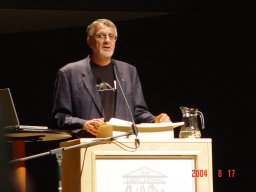 Pier Luigi Nimis合作论文数Department of Biology, University of Trieste17
 Stefano Bertuzzi合作论文数16Ester Vazquez合作论文数15Renato Benesperi合作论文数Biologia Vegetale, Università degli Studi di Firenze14
 Sonia Ravera合作论文数13
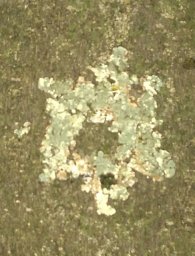 Fiore Capozzi合作论文数Dipartimento di Biologia, Università degli Studi di Napoli Federico II12
 Valeria Spagnuolo合作论文数Dipartimento di Biologia Strutturale e Funzionale Via Cinthia, Complesso Universitario Monte Sant’Angelo12Guido Incerti合作论文数Dipartimento di Scienze della Vita, University of Trieste11Elva Cecconi合作论文数10
 Juri Nascimbene合作论文数Department of Biology, University of Trieste10
 Emmanuel Flahaut合作论文数Centre Inter-universitaire de Recherche et d’Ingénierie des Matériaux, Centre National de la Recherche Scientifique/Centre Inter-universitaire de Recherche et d’Ingénierie des Matériaux, Université Toulouse III - Paul Sabatier10P. Modenesi合作论文数9
 Danijela Kodnik合作论文数9Josef Hafellner合作论文数9Laurence Baruffo合作论文数9E Pittao合作论文数8
 Domenico Puntillo合作论文数8
 Alice Montagner合作论文数Dept Life Sci, Univ Trieste8
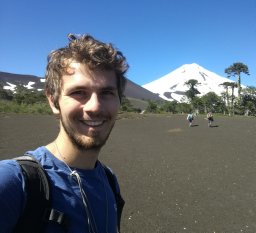 Luca Di Nuzzo合作论文数Dept Biol, Univ Florence8
 Davide Zanelli合作论文数8
 Andrea Nardini合作论文数Department of Life Sciences, University of Trieste8Sergio E. Favero-Longo合作论文数8Luca Paoli合作论文数8
 Massimo Piccotto合作论文数Dipartimento di Scienze della Vita, Università degli Studi di Trieste8
 Elisa Pellegrini合作论文数7Gabriele Gheza合作论文数7
 Paolo Giordani合作论文数DIFAR, University of Genoa7
 Elisa Banchi合作论文数Research and Innovation Centre, Fondazione Edmund Mach7
 Alberto Pallavicini合作论文数Biology Department, University of Padova7Gianpiero Adami合作论文数7Paola Crisafulli合作论文数7
 Alberto Bianco合作论文数Institut de Biologie Moléculaire et Cellulaire, CNRS7Silvia Ongaro合作论文数6
 Ilse Kranner合作论文数Department of Botany, Universitat Innsbruck;Institut für Botanik, Universität Innsbruck6
 Giacomo Lorenzini合作论文数Dipartimento di Coltivazione &Difesa Specie Legnose, Università degli Studi, Pisa;Dipartimento di Coltivazione & Difesa Specie Legnose, Università degli Studi6
 Savi Tadeja合作论文数Dipartimento Sci Vita, Univ Trieste6
 Stefano Martellos合作论文数Dipartimento di Biologia;Universita di Trieste;Dipartimento di Biologia, Universita di Trieste6
 Cristina Nali合作论文数Dept. of Tree Science, Entomology and Plant Pathology “Giovanni Scaramuzzi”,, University of Pisa6
 Alfredo Vizzini合作论文数Department of Life Sciences and Systems Biology, Universita di Torino6
 Deborah Isocrono合作论文数Department of Plant Biology, University of Torino6
 Ralf Reski合作论文数Plant Biotechnology Lab, Faculty of Biology, Albert-Ludwigs-Universität Freiburg;Freiburg Institute for Advanced Studies, Albert-Ludwigs-Universität Freiburg6F Monaci合作论文数5




