Abstract Exotic pests and pathogens pose a major threat to forest ecosystems. Early detection of newly introduced organisms is critical for implementing effective eradication measures before they become established. Citizen science platforms have emerged as promising sources of biodiversity data for detecting invasive pests and pathogens, yet their integration into formal biosecurity surveillance remains limited. Using France as a case study, we surveyed 101 professionals involved in forest and urban tree management and pest surveillance to assess their knowledge of regulated tree pests and pathogens and their attitudes towards online citizen science platforms for biosecurity applications. We focused on ten focal species representing different regulatory statuses under EU legislation. We assessed the knowledge professionals have of these species and their regulatory status, and explored sources of variation in their opinions regarding the use of citizen science platforms as a tool for post-border biosecurity. Experts involved in mandatory surveillance of regulated organisms (SORE experts) demonstrated consistent knowledge of quarantine pests, whereas other professionals’ knowledge varied by species, with greater familiarity for non-quarantine, widely distributed pests. Half of respondents used citizen science platforms, predominantly to consult species distribution rather than to contribute observations. Professionals’ receptivity to citizen science increased significantly when species were perceived as easy to identify, but they expressed more confidence in citizen science for monitoring established pests than for the early detection of quarantine species. The survey reveals that while citizen science platforms are known and valued as information sources, they remain underutilized as mechanisms for sharing field observations, even among surveillance professionals.
The genus Agrilus includes two species, Agrilus planipennis and A. anxius, that are of particular phytosanitary concern and that are regulated by the European Union legislation. This implies that phytosanitary agencies of all EU countries are obliged to establish specific surveillance programmes to verify the absence of these species from their territory. These activities commonly consist of the use of green-coloured traps, which are, however, attractive not only for A. planipennis and A. anxius, but also for a wide range of other Agrilus species. For this reason, much time and expertise is required to sort and identify specimens to species, impeding an efficient rapid response. In this study, we tested the efficacy of the Entomoscope, a low-cost, open-source photomicroscope that uses high-resolution digital imaging and allows a pre-trained Convolutional Neural Networks (CNN) model to accurately detect, image and classify insect specimens, for automatic identification of 13 Agrilus species, including A. planipennis and A. anxius. We benchmarked models from three different CNN architectures and selected YOLOv8l as the most robust performer; this model achieved a Top-1 accuracy of 90.2% on a “real-world” test set (i.e. a dataset simulating real surveillance conditions). For most species, including A. planipennis and A. anxius, either no errors or only a few errors were made, whereas for a few native species, misidentifications were more common. These results provided proof of concept for an AI-driven surveillance system that can strongly aid in surveillance activities of Agrilus species.
In recent decades, the average crown defoliation of European beech (Fagus sylvatica) in Central Europe has been steadily increasing, resulting in a decline in tree vitality. This study aimed to identify the key factors contributing to this deterioration. Forty healthy and 40 damaged European beech trees were felled on a systematic 16 x 16 km grid, and all tree parts were sampled for fungi and insects. Additionally, soil samples were collected for Phytophthora testing. Of 6400 cultured samples, 5828 fungal cultures were classified into 251 morphotypes. The twenty most frequent morphotypes from each tree part were selected for further molecular identification, revealing 44 different fungal taxa. The most frequently isolated fungal species were Neonectria coccinea, Neohendersonia kickxii, Apiognomonia errabunda and Aureobasidium pullulans-all well-known and common endophytes. Surprisingly, Phytophthora species were detected in only three of the 80 soil samples. The most frequent insect species were Orchestes fagi, Phyllaphis fagi, Psilocorsis reflexella and Phyllonorycter maestingella. The results indicate that the decline of European beech in Central Europe is driven by a multifaceted interplay of biotic and abiotic factors, with fungi playing the most significant role. Analysis revealed distinct differences in fungal and insect communities across sampled tree parts, but not between healthy and damaged trees. This finding is crucial, as it shows that healthy trees host endophytes that can exhibit pathogenic traits under external stress factors. Therefore, resilience and sustainability of beech will depend on mitigation of stressors and implementation of adaptive management strategies that address the evolving environmental challenges.
Invasive forest pests represent a major threat to ecosystems and the economy. They are often first detected in urban forests, making these environments strategic for early warning and global forest protection efforts. Although early detection is crucial to the success of eradication measures, the surveillance capacity of official authorities is limited. Citizen science can help bridge this gap—provided that citizens are aware of the stakes and prepared to play an active role. In this context, mainstream media may serve as a key channel to raise public awareness. We surveyed mainstream media coverage of 14 native, invasive alien non-regulated, and quarantine forest pests across 15 European countries, mostly over the 2011-2024 period. Searching for the scientific or common name of these pests in each national language returned more than 16,000 outputs. While quarantine species were mentioned less frequently than native pests, they were more likely to be mentioned in countries where they have occurred, remain present, or have been eradicated. Interestingly, we also found references to quarantine pests in countries where they were not officially reported. This last finding highlights the potential of mainstream media to attract public attention to tree pests before the surge of an outbreak—an opportunity that should be more systematically leveraged to support early detection and citizen engagement, particularly in cities where the risk of introduction and the potential for early detection is the highest.
Wild bees (Hymenoptera: Anthophila) and hoverflies (Diptera: Syrphidae), the two major groups of insect pollinators, are undergoing alarming declines worldwide, including Europe. The lack of accessible and verified spatial and temporal occurrence records currently challenges efforts to understand and mitigate this decline. Here, we compiled datasets from diverse sources, including taxonomists, national experts, public repositories, museum collections, published literature, verified open-access platforms, and aggregated datasets from previous European projects. The collected data were standardised, cleaned and validated by taxonomists and national experts. This collective effort resulted in two databases comprising more than 4.34 million and 1.04 million records for wild bees and hoverflies, respectively. The databases cover 97% of the European bee fauna (2,083 species out of 2,138 recorded in Europe) and 97% of the European hoverfly fauna (886 species out of 913 recorded in Europe). These standardised databases constitute essential resources for future assessments of status and trends, habitat associations, and other research and conservation initiatives to protect and understand wild pollinators on the European continent.
In the last few decades, bark beetle outbreaks have increased in European forests, triggered by extreme weather events, such as drought and windstorms. A core element of integrated pest management to control outbreaks are salvage logging and sanitation felling, i.e., the timely removal or treatment of potential brood material and already infested trees after disturbance events. Associated with these management operations as well as with regular, planned thinning and cutting, felling residues, such as treetops, branches and stumps that remain in the forest provide potentially suitable breeding material for bark beetles and may trigger further outbreak events. Although felling residue management is part of regular forest management in most of Europe, no overview exists on its use throughout the continent. To fill this gap, we gathered forest health experts from 20 European countries and used a questionnaire to provide information on felling residue management in the context of forest protection in managed forests. Relevant legislation in these countries was reviewed for regulations concerning this topic. We found that most countries have felling residue management in their legislation and/or perform it in practice. In 12 of the 20 countries, felling residue management is being applied to manage bark beetles, particularly in areas that have experienced large-scale outbreaks in the last few decades. Felling residues are mainly managed in forests dominated by Norway spruce (Picea abies L. Karst) and pines (Pinus spp.) (in 19 and 17 of the countries, respectively). The most frequently used management methods on a European level were piling or mulching of felling residues. These methods were used in 14 and 16 of the countries, respectively. Besides bark beetle management, use of residues for bioenergy (4 countries) and biodiversity conservation (6 countries) was reported. The diversity of felling residue management practices across Europe may reflect differences in forest policies and climatic gradients that are affecting bark beetle outbreak risks. This overview presents the variety of felling residue management applied across 20 European countries, highlighting the reasons for and implications of its use, as well as further research needs.
Landscape structure and species traits both shape butterfly assemblages, but their joint effects, and how landscapes restructure trait space independently of richness, remain less understood. We surveyed butterflies at 50 semi-natural grasslands (Serbia) and modelled species richness (SR) with GAMs using two sets of landscape predictors within 2-km buffers: composition (% cover of grassland, forest, complex agriculture) and configuration (distance to the nearest natural patch, nearest natural-patch size, edge density). We included community-weighted mean (CWM) of two traits: wingspan (WS) and host-plant specificity (HPS) and fit landscape-only models, trait-additive models and pre-specified trait-landscape interactions per set (HPS and complex agriculture; WS and distance to the nearest natural patch). To test whether these gradients restructure trait space, we modelled functional divergence (FDiv) as a complementary response. The only landscape predictor of SR was complex agriculture, which increased richness but reduced FDiv. Beyond landscape composition, HPS consistently improved SR models in both sets, with richness peaking at intermediate-to-narrow diet breadth and declining towards extremes. Isolation increased SR only in large-winged communities (WS x distance to the nearest natural patch), and FDiv increased with isolation, evidencing greater representation of trait extremes. Crucially, landscape effects on FDiv persisted after conditioning on SR, showing that landscapes filter which traits persist, not just how many species occur. Butterfly assemblages are driven by resource-based and movement-based filtering rather than landscape structure alone. Our key novelty shows that the same landscape gradients decouple taxonomic from functional diversity; agricultural complexity adds species while compressing trait breadth, whereas isolation benefits large-winged communities and expands trait dispersion. Conservation should therefore track functional structure as well as counts, maintaining diverse larval host-plants and stepping-stone connectivity to sustain both species richness and the functional breadth that underpins resilience.Read the free for this article on the Journal blog. & Icy; & scy;& tcy;& rcy;& ucy;& kcy;& tcy;& ucy;& rcy;& acy; & pcy;& rcy;& iecy;& dcy;& iecy;& lcy;& acy; & icy; & ocy;& scy;& ocy;& bcy;& icy;& ncy;& iecy; & vcy;& rcy;& scy;& tcy;& acy; & ucy;& tcy;& icy;& chcy;& ucy; & ncy;& acy; & scy;& acy;& scy;& tcy;& acy;& vcy; & vcy;& rcy;& scy;& tcy;& acy; & lcy;& iecy;& pcy;& tcy;& icy;& rcy;& acy;, & acy;& lcy;& icy; & jsercy;& iecy; & mcy;& ncy;& ocy;& gcy;& ocy; & mcy;& acy;& njcy;& iecy; & pcy;& ocy;& zcy;& ncy;& acy;& tcy;& ocy; & kcy;& acy;& kcy;& acy;& vcy; & jsercy;& iecy; & njcy;& icy;& khcy;& ocy;& vcy; & zcy;& acy;& jsercy;& iecy;& dcy;& ncy;& icy;& chcy;& kcy;& icy; & iecy;& fcy;& iecy;& kcy;& acy;& tcy; & icy; & ncy;& acy; & kcy;& ocy;& jsercy;& icy; & ncy;& acy;& chcy;& icy;& ncy; & pcy;& rcy;& iecy;& dcy;& iecy;& lcy;& icy; & mcy;& iecy;& njcy;& acy;& jsercy;& ucy; & rcy;& acy;& scy;& pcy;& ocy;& rcy;& iecy;& dcy; & fcy;& ucy;& kcy;& ncy;& tscy;& icy;& ocy;& ncy;& acy;& lcy;& ncy;& icy;& khcy; & ocy;& scy;& ocy;& bcy;& icy;& ncy;& acy; & ucy; & zcy;& acy;& jsercy;& iecy;& dcy;& ncy;& icy;& tscy;& icy; & lcy;& iecy;& pcy;& tcy;& icy;& rcy;& acy; & ncy;& iecy;& zcy;& acy;& vcy;& icy;& scy;& ncy;& ocy; & ocy;& dcy; & scy;& acy;& mcy;& ocy;& gcy; & bcy;& rcy;& ocy;& jsercy;& acy; & vcy;& rcy;& scy;& tcy;& acy;. & Ncy;& acy; 50 & pcy;& ocy;& lcy;& ucy;& pcy;& rcy;& icy;& rcy;& ocy;& dcy;& ncy;& icy;& khcy; & scy;& tcy;& acy;& ncy;& icy;& shcy;& tcy;& acy; & ucy; & Scy;& rcy;& bcy;& icy;& jsercy;& icy; & icy;& dcy;& iecy;& ncy;& tcy;& icy;& fcy;& icy;& kcy;& ocy;& vcy;& acy;& lcy;& icy; & scy;& mcy;& ocy; & lcy;& iecy;& pcy;& tcy;& icy;& rcy;& iecy; & icy; & acy;& ncy;& acy;& lcy;& icy;& zcy;& icy;& rcy;& acy;& lcy;& icy; & bcy;& ocy;& gcy;& acy;& tcy;& scy;& tcy;& vcy;& ocy; & vcy;& rcy;& scy;& tcy;& acy; (SR) & pcy;& ocy;& mcy;& ocy;& tshcy;& ucy; GAM & mcy;& ocy;& dcy;& iecy;& lcy;& acy;. & Acy;& ncy;& acy;& lcy;& icy;& zcy;& icy;& rcy;& acy;& ncy;& acy; & scy;& ucy; & dcy;& vcy;& acy; & acy;& scy;& pcy;& iecy;& kcy;& tcy;& acy; & pcy;& rcy;& iecy;& dcy;& iecy;& lcy;& acy; & ucy; & rcy;& acy;& dcy;& icy;& jsercy;& ucy;& scy;& ucy; & ocy;& dcy; 2 km: (1) & kcy;& ocy;& mcy;& pcy;& ocy;& zcy;& icy;& tscy;& icy;& jsercy;& acy; (& pcy;& rcy;& ocy;& tscy;& iecy;& ncy;& acy;& tcy; & lcy;& icy;& vcy;& acy;& dcy;& acy;, & shcy;& ucy;& mcy;& acy; & icy; & mcy;& ocy;& zcy;& acy;& icy;& chcy;& ncy;& iecy; & pcy;& ocy;& ljcy;& ocy;& pcy;& rcy;& icy;& vcy;& rcy;& iecy;& dcy;& iecy;) & icy; (2) & kcy;& ocy & Tcy;& iecy;& scy;& tcy;& icy;& rcy;& acy;& lcy;& icy; & scy;& mcy;& ocy; & mcy;& ocy;& dcy;& iecy;& lcy;& iecy; & scy;& acy; & scy;& acy;& mcy;& ocy; & pcy;& rcy;& iecy;& dcy;& iecy;& ocy;& ncy;& icy;& mcy; & vcy;& acy;& rcy;& icy;& jsercy;& acy;& bcy;& lcy;& acy;& mcy;& acy;, & scy;& acy; & dcy;& ocy;& dcy;& acy;& vcy;& acy;& njcy;& iecy;& mcy; & fcy;& ucy;& ncy;& kcy;& tscy;& icy;& ocy;& ncy;& acy;& lcy;& ncy;& icy;& khcy; & ocy;& scy;& ocy;& bcy;& icy;& ncy;& acy; & icy; & scy;& acy; & ucy;& ncy;& acy;& pcy;& rcy;& iecy;& dcy; & dcy;& iecy;& fcy;& icy;& ncy;& icy;& scy;& acy;& ncy;& icy;& mcy; & icy;& ncy;& tcy;& iecy;& rcy;& acy;& kcy;& tscy;& icy;& jsercy;& acy;& mcy;& acy; (HPS x & kcy;& ocy;& mcy;& pcy;& lcy;& iecy;& kcy;& scy;& ncy;& acy; & pcy;& ocy;& ljcy;& ocy;& pcy;& rcy;& icy;& vcy;& rcy;& iecy;& dcy;& acy;; WS x & icy;& zcy;& ocy;& lcy;& acy;& tscy;& icy;& jsercy;& acy;). & Dcy;& acy; & bcy;& icy;& scy;& mcy;& ocy; & icy;& scy;& pcy;& icy;& tcy;& acy;& lcy;& icy; & dcy;& acy; & lcy;& icy; & pcy;& rcy;& iecy;& dcy;& iecy;& lcy;& icy; & mcy;& iecy;& njcy;& acy;& jsercy;& ucy; & fcy;& ucy;& ncy;& kcy;& tscy;& icy;& ocy;& ncy;& acy;& lcy;& ncy;& icy; & pcy;& rcy;& ocy;& scy;& tcy;& ocy;& rcy; & zcy;& acy;& jsercy;& iecy;& dcy;& ncy;& icy;& tscy;& iecy;, & kcy;& acy;& ocy; & dcy;& ocy;& pcy;& ucy;& ncy;& scy;& kcy;& ucy; & zcy;& acy;& vcy;& icy;& scy;& ncy;& ucy; & pcy;& rcy;& ocy;& mcy;& iecy;& ncy;& ljcy;& icy;& vcy;& ucy; & mcy;& ocy;& dcy;& iecy;& lcy;& ocy;& vcy;& acy;& lcy;& icy; & scy;& mcy;& ocy; & icy;& ncy;& dcy;& iecy;& kcy;& scy; & fcy;& ucy;& ncy;& kcy;& tscy;& icy;& ocy;& ncy;& acy;& lcy;& ncy;& iecy; & dcy;& icy;& vcy;& iecy;& rcy;& gcy;& iecy;& ncy;& tscy;& icy;& jsercy;& iecy; (FDiv). & Mcy;& ocy;& zcy;& acy;& icy;& chcy;& ncy;& acy; & pcy;& ocy;& ljcy;& ocy;& pcy;& rcy;& icy;& vcy;& rcy;& iecy;& dcy;& acy; & jsercy;& iecy; & bcy;& icy;& lcy;& acy; & jsercy;& iecy;& dcy;& icy;& ncy;& icy; & pcy;& rcy;& iecy;& dcy;& icy;& kcy;& tcy;& ocy;& rcy; & kcy;& ocy;& jsercy;& icy; & jsercy;& iecy; & pcy;& ocy;& vcy;& iecy;& tshcy;& acy;& ocy; & bcy;& ocy;& gcy;& acy;& tcy;& scy;& tcy;& vcy;& ocy; & vcy;& rcy;& scy;& tcy;& acy;, & acy;& lcy;& icy; & jsercy;& iecy; & icy;& scy;& tcy;& ocy;& vcy;& rcy;& iecy;& mcy;& iecy;& ncy;& ocy; & scy;& mcy;& acy;& njcy;& icy;& lcy;& acy; FDiv. & Pcy;& ocy;& rcy;& iecy;& dcy; & tcy;& ocy;& gcy;& acy;, & ucy;& kcy;& ljcy;& ucy;& chcy;& icy;& vcy;& acy;& njcy;& iecy; HPS & jsercy;& iecy; & dcy;& ocy; & Ncy;& acy;& jsercy;& vcy;& acy;& zhcy;& ncy;& icy;& jsercy;& iecy;, & iecy;& fcy;& iecy;& kcy;& tcy;& icy; & pcy;& rcy;& iecy;& dcy;& iecy;& lcy;& acy; & ncy;& acy; FDiv & scy;& ucy; & ocy;& pcy;& scy;& tcy;& acy;& lcy;& icy; & icy; & ncy;& acy;& kcy;& ocy;& ncy; & kcy;& ocy;& ncy;& tcy;& rcy;& ocy;& lcy;& iecy; & zcy;& acy; SR, & shcy;& tcy;& ocy; & pcy;& ocy;& kcy;& acy;& zcy;& ucy;& jsercy;& iecy; & dcy;& acy; & pcy;& rcy;& iecy;& dcy;& iecy;& lcy;& icy; & fcy;& icy;& lcy;& tcy;& rcy;& icy;& rcy;& acy;& jsercy;& ucy; & kcy;& ocy;& jsercy;& iecy; & fcy;& ucy;& ncy;& kcy;& tscy;& icy;& ocy;& ncy;& acy;& lcy;& ncy;& iecy; & ocy;& scy;& ocy;& bcy;& icy;& ncy;& iecy; & ocy;& pcy;& scy;& tcy;& acy;& jsercy;& ucy;, & acy; & ncy;& iecy; & scy;& acy;& mcy;& ocy; & kcy;& ocy;& lcy;& icy;& kcy;& ocy; & vcy;& rcy;& scy;& tcy;& acy; & jsercy;& iecy; & pcy;& rcy;& icy;& scy;& ucy;& tcy;& ncy;& ocy;. & Zcy;& acy;& jsercy;& iecy;& dcy;& ncy;& icy;& tscy;& iecy; & lcy;& iecy;& pcy;& tcy;& icy;& rcy;& acy; & scy;& iecy; & ocy;& bcy;& lcy;& icy;& kcy;& ucy;& jsercy;& ucy; & pcy;& ocy;& dcy; & ucy;& tcy;& icy;& tscy;& acy;& jsercy;& iecy;& mcy; & fcy;& icy;& lcy;& tcy;& rcy;& icy;& rcy;& acy;& njcy;& acy; & zcy;& acy;& scy;& ncy;& ocy;& vcy;& acy;& ncy;& ocy;& gcy; & ncy;& acy; & lcy;& acy;& rcy;& vcy;& acy;& lcy;& ncy;& icy;& mcy; & rcy;& iecy;& scy;& ucy;& rcy;& scy;& icy;& mcy;& acy; (HPS) & icy; & dcy;& icy;& scy;& pcy;& iecy;& rcy;& zcy;& icy;& jsercy;& icy; (WS), & acy; & ncy;& iecy; & icy;& scy;& kcy;& ljcy;& ucy;& chcy;& icy;& vcy;& ocy; & pcy;& ocy;& dcy; & ucy;& tcy;& icy;& tscy;& acy;& jsercy;& iecy;& mcy; & scy;& tcy;& rcy;& ucy;& kcy;& tcy;& ucy;& rcy;& iecy; & pcy;& rcy;& iecy;& dcy;& iecy;& lcy;& acy;. & Pcy;& ocy;& kcy;& acy;& zcy;& acy;& lcy;& icy; & scy;& mcy;& ocy; & dcy;& acy; & icy;& scy;& tcy;& icy; & pcy;& rcy;& iecy;& dcy;& iecy;& ocy;& ncy;& icy; & gcy;& rcy;& acy;& dcy;& icy;& jsercy;& iecy;& ncy;& tcy;& icy; & rcy;& acy;& zcy;& dcy;& vcy;& acy;& jsercy;& acy;& jsercy;& ucy; & tcy;& acy;& kcy;& scy;& ocy;& ncy;& ocy;& mcy;& scy;& kcy;& icy; & icy; & fcy;& ucy;& ncy;& kcy;& tscy;& icy;& ocy;& ncy;& acy;& lcy;& ncy;& icy; & dcy;& icy;& vcy;& iecy;& rcy;& zcy;& icy;& tcy;& iecy;& tcy;: & mcy;& ocy;& zcy;& acy;& icy;& chcy;& ncy;& acy; & pcy;& ocy;& ljcy;& ocy;& pcy;& rcy;& icy;& vcy;& rcy;& iecy;& dcy;& acy; & pcy;& ocy;& vcy;& iecy;& tshcy;& acy;& vcy;& acy; & bcy;& rcy;& ocy;& jsercy; & vcy;& rcy;& scy;& tcy;& acy; & acy;& lcy;& icy; & scy;& & Scy;& tcy;& ocy;& gcy;& acy; & zcy;& acy; & ocy;& chcy;& ucy;& vcy;& acy;& njcy;& iecy; & lcy;& iecy;& pcy;& tcy;& icy;& rcy;& acy; & ncy;& icy;& jsercy;& iecy; & dcy;& ocy;& vcy;& ocy;& ljcy;& ncy;& ocy; & pcy;& rcy;& acy;& tcy;& icy;& tcy;& icy; & scy;& acy;& mcy;& ocy; & bcy;& rcy;& ocy;& jsercy; & vcy;& rcy;& scy;& tcy;& acy;, & vcy;& iecy;& tshcy; & icy; & fcy;& ucy;& ncy;& kcy;& tscy;& icy;& ocy;& ncy;& acy;& lcy;& ncy;& ucy; & scy;& tcy;& rcy;& ucy;& kcy;& tcy;& ucy;& rcy;& ucy; & zcy;& acy;& jsercy;& iecy;& dcy;& ncy;& icy;& tscy;& iecy;, & ucy;& zcy; & ocy;& chcy;& ucy;& vcy;& acy;& njcy;& iecy; & rcy;& iecy;& scy;& ucy;& rcy;& scy;& acy; (& rcy;& acy;& zcy;& ncy;& ocy;& vcy;& rcy;& scy;& ncy;& icy;& khcy; & bcy;& icy;& ljcy;& acy;& kcy;& acy; & dcy;& ocy;& mcy;& acy;& tshcy;& icy;& ncy;& acy;) & icy; & pcy;& ocy;& vcy;& iecy;& zcy;& acy;& ncy;& ocy;& scy;& tcy;& icy; & pcy;& rcy;& iecy;& dcy;& iecy;& lcy;& acy;, & kcy;& acy;& kcy;& ocy; & bcy;& icy; & scy;& iecy; & ocy;& dcy;& rcy;& zhcy;& acy;& lcy;& ocy; & icy; & bcy;& ocy;& gcy;& acy;& tcy;& scy;& tcy;& vcy;& ocy; & vcy;& rcy;& scy;& tcy;& acy; & icy; & fcy;& ucy;& ncy;& kcy;& tscy;& icy;& ocy;& ncy;& acy;& lcy;& ncy;& acy; & shcy;& icy;& rcy;& icy;& ncy;& acy; & kcy;& ocy;& jsercy;& acy; & jsercy;& iecy; & kcy;& ljcy;& ucy;& chcy;& ncy;& acy; & zcy;& acy; & ocy;& tcy;& pcy;& ocy;& rcy;& ncy;& ocy;& scy;& tcy; & zcy;& acy;& jsercy;& iecy;& dcy;& ncy;& icy;& tscy;& iecy;.Read the free for this article on the Journal blog.
Recent increases in forest damage across Europe have challenged national forestry sectors and threatened progress toward Europe's climate and bioeconomy goals. Although developments in remote sensing now allow large-scale wall-to-wall monitoring of forest conditions, reliable damage assessments still require robust terrestrial data. Yet, existing data often remain inconsistent and fragmentarily distributed across institutions and countries. Based on consultations with national experts, we here provide an evaluation of national forest damage survey programmes in 19 European countries, identify obstacles that hinder more effective use of data, and formulate recommendations to overcome these barriers. We examined five aspects of national forest damage surveys: (i) legal and institutional frameworks, (ii) data acquisition methods, (iii) damage attribution, (iv) data quality and consistency, and (v) data accessibility. We found that half of the examined programs have changed protocols since 2000 and only 53 % of countries currently have survey programs covering their entire forest area. In 26 % of countries, legal constraints hamper data accessibility to the broader international community, while in 89 % data are available only in the respective national languages. In 84 % of countries, the absence of adequate metadata hinders the usability of the data without inside knowledge. Some of Central European countries operate the most consistent and open systems, while western and northern countries generally exhibited lower levels of openness and consistency. The implementation of coordinated structural changes in national programs that would enable consistent monitoring of forest damage at European level is unrealistic in the foreseeable future. However, certain critical gaps in data coverage, completeness, and consistency can be addressed through extensive data post-processing and integration with remote sensing. Overcoming barriers, such as limited awareness of the importance of transnational assessments, requires improved communication efforts and targeted funding programs. Establishing a coordination unit by leveraging existing policy processes in Europe appears essential to advancing these efforts.
Ambrosia beetles of the subfamily Scolytinae (Coleoptera: Curculionidae) have successfully invaded many parts of the world and are increasingly being introduced to new areas, primarily through international trade. The number of non-native species recorded in Slovenia is also increasing. During the national survey of quarantine species in 2024, a new non-native scolytine beetle, Cnestus mutilatus, was recorded for the first time in Slovenia. Two specimens were trapped at Radmožanci, a location in northeastern Slovenia. New data on two other species recently recorded in Slovenia, Anisandrus maiche and Xylosandrus compactus, are also presented.
The aim of this study was to determine whether opportunistic citizen science can support the detection of life history traits in invasive insects. Using the invasive leaf-mining micromoth Macrosaccus robiniella (Clemens 1859) (Lepidoptera: Gracillariidae) as a model species, we analyzed data from iNaturalist submitted by citizen scientists to assess the variability in its leaf mines on its native host, Robinia pseudoacacia L., 1753 (Fabaceae), across both the moth’s invaded (Europe, North America–Eastern United States) and native range (North America–Southern and Western Unites States, Eastern Canada). We examined 86,489 photographs collected over the past 20 years to compare the occurrence and proportions of different M. robiniella leaf mine types between invaded and native ranges using three search variants: (I) M. robiniella, (II) all endophagous invasive insects associated with R. pseudoacacia, and (III) the host plant itself. The first two datasets revealed differences in the ratio of leaf mine types between Europe and North America (when analyzed separately for native and invaded areas), whereas the third dataset showed no significant differences in either the presence or proportion of mine types between invaded and native ranges. Leaf mine types atypical of M. robiniella, which resemble damage caused by other invasive insects such as Parectopa robiniella Clemens, 1863 (Lepidoptera: Gracillariidae) and Obolodiplosis robiniae (Haldeman, 1847) (Diptera: Cecidomyiidae)—also associated with R. pseudoacacia—have been observed in Europe for at least a decade. Our main conclusion is that, when investigating the life history traits of invasive herbivorous insects, focusing data collection on the host plant rather than on the insect species alone can reduce biases associated with opportunistic citizen science and help reveal true ecological patterns.
Biological invasions are a major threat to biodiversity, ecosystem functioning and nature's contributions to people worldwide. However, the effectiveness of invasive alien species (IAS) management measures and the progress toward achieving biodiversity targets remain uncertain due to limited and nonuniform data availability. Management success is usually assessed at a local level and documented in technical reports, often written in languages other than English, which makes such data notoriously difficult to collect at large geographic scales. Here we present the first European assessment of how managers perceive trends in IAS and the effectiveness of management measures to mitigate biological invasions. We developed a structured questionnaire translated into 18 languages and disseminated it to local and regional managers of IAS in Europe. We received responses from 1928 participants from 41 European countries, including 24 European Union (EU) Member States. Our results reveal substantial efforts in IAS monitoring and control, with invasive plants being the primary focus. Yet, there is a general perception of an increase in the numbers, occupied areas, and impacts of IAS across environment and taxonomic groups, particularly plants, over time. This perceived increase is consistent across both EU and non-EU countries, with respondents from EU countries demonstrating more certainty in their responses. Our results also indicate a lack of data on alien vertebrates and invertebrates, reflecting a need for more targeted monitoring and knowledge sharing between managers and policymakers and between countries. Overall, our study suggests that Europe's current strategies are insufficient to substantially reduce IAS by 2030 and hence to meet the Kunming-Montreal Global Biodiversity Framework target.
An increase in biotic interactions towards lower latitudes is one of the most consistent patterns in ecology. Higher temperatures and more stable climatic conditions at low latitudes are thought to enhance biotic interactions, accelerating biological evolution and leading to stronger anti-herbivore defences in plants. However, some studies report contradictory findings, highlighting the need for further investigation into the underlying mechanisms. We used a combination of field observations and feeding trials in controlled environments to investigate the effect of climate on chemical defences and insect herbivory in pedunculate oak (Quercus robur L.) throughout most of its geographic range in Europe, while controlling for physical defences. The concentration of lignin, flavonoids, and total phenolics increased significantly with temperature, whereas both field herbivory and weight of spongy moth (Lymantria dispar L.) larvae were negatively influenced by temperature. Lignin concentration positively influenced the weight of spongy moth larvae whereas it had no effect on field herbivory. We found no evidence of strong positive relationships between insect herbivory and larvae growth with leaf defences. Our study underscores the complexity of plant–herbivore interactions along climatic gradients and highlights the need for further research to disentangle these intricate relationships.
Ongoing shifts in climate and land use have altered interactions between trees and insect herbivores, changing biotic disturbance regimes. However, as these changes are complex and vary across host species, insect taxa, and feeding guilds, they remain poorly understood. We compiled annual records of forest insect disturbance from 15 countries in temperate and boreal Europe, spanning the period from 2000 to 2022. The dataset comprises 1361 time series characterizing the dynamics of 50 herbivorous insects. We used this dataset to test whether insect disturbance has systematically changed during the 23-year period across host trees and feeding guilds, whether it varies along latitudinal and climatic gradients, and whether synchrony exists among species in the same guild or among species sharing the same host. Since 2000, borer disturbance was predominantly concentrated on gymnosperms, while defoliators impacted gymnosperms and angiosperms more evenly. While 85.8% of gymnosperm disturbance was inflicted by a single species, Ips typographus, the majority of disturbances to angiosperms were caused by six different species. Borer impact on gymnosperms has increased in the 21st century, while defoliator impact has decreased across both clades. In contrast to diverging temporal trends, disturbance was consistently greater in warmer and drier conditions across feeding guilds and host types. We identified significant synchrony in insect disturbance within host types and feeding guilds but not between these groups, suggesting shared drivers within guilds and host types. Increasing insect disturbance to gymnosperms may catalyze adaptive transformations in Europe's forests, promoting a shift from historical conifer-dominated management to broadleaved trees, which are less affected by insect herbivores. Our findings reveal a diversity of trends in insect herbivory, underscoring the need to strengthen monitoring and research in order to better understand underlying mechanisms and identify emerging threats that may not be apparent in currently available data.
Bark beetle outbreaks have caused large-scale tree mortality and damage in recent decades, primarily following an increase in large-scale forest disturbances induced by climate change. After tree logging operations, leftover branches are traditionally piled to make the potential brood material less suitable for bark beetles, thereby lowering the risk of subsequent attacks on surrounding trees. On the other hand, the residues could prove valuable to biodiversity by supplementing important habitat, given the apparent decline in deadwood in European forests and its associated saproxylic fauna. Our aim was to identify the most successful method of logging residue management for both bark beetle management and biodiversity. We focussed on Norway spruce felling residues, their associated bark beetle pests and saproxylic insect orders, beetle families, and Cerambycidae species. We prepared four treatments: (i) logging residues in piles, (ii) scattered logging residues, (iii) logging residues removed, and (iv) a control plot with no felling activity. Five plots per treatment were established at each site. In total, three sites were selected: one at a high elevation and two at lower elevations in different parts of Slovenia. The catch was counted to the order level, the attracted beetles were identified to the family level, and Cerambycidae and Scolytinae to the species level. We found that the treatments with residues attracted the highest diversity of insect orders and the most beetles across different families, including Cerambycidae. Furthermore, we found that the species composition differed between control and residue treatments, although no difference was observed in species richness. More bark beetles and a higher number of bark beetle species were attracted to both piled and scattered residues. Thick branches were more frequently attacked in scattered residues. There was no difference in the number of attacked trees (within a plot) one month after treatment. Hence, leaving logging residues in the forest could represent an interesting compromise between pest management and biodiversity conservation. Conflicting aims, such as increasing biodiversity or controlling bark beetles, should be carefully considered in the management decisions.
 Nikica Ogris合作论文数Department of Forest Protection, Slovenian Forestry Institute37
 Tine Hauptman合作论文数Dept Forest Protect, Slovenian Forestry Inst19
 Barbara Piskur合作论文数Biotechnical Faculty, University of Ljubljana19Andreja Kavcic合作论文数Department of Entomology, National Institute of Biology17Marija Kolšek合作论文数14
 Gyorgy Csoka合作论文数Hungary Forest Research Institute12Lado Kutnar合作论文数Department of Forest Ecology, Slovenian Forestry Institute12
 Aleksander Marinsek合作论文数Institute of Biology, Scientific Research Centre of the Slovenian Academy of Sciences and Arts11
 Elena Tricarico合作论文数Dipartimento di Biologia Animale e Genetica “Leo Pardi”10
 Meta Virant-Doberlet合作论文数National Institute of Biology10
 Mitja Ferlan合作论文数10
 Gernot Hoch合作论文数10
 Primoz Simoncic合作论文数Slovenian Forestry Institute10
 Andrej Verlic合作论文数9
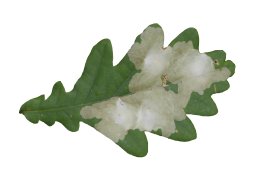 Castagneyrol Bastien合作论文数BIOGECO, Univ Bordeaux9
 Dinka Matosevic合作论文数Forest Research Institute, Jastrebarsko9
 Ursa Vilhar合作论文数9
 Milka Glavendekic合作论文数9Dusan Jurc合作论文数9
 Katharina Lapin合作论文数Austrian Res Ctr Forests BFW8
 Milica Zlatkovic合作论文数Institute of Lowland Forestry and Environment (ILFE),, University of Novi Sad8
 Johanna Witzell合作论文数Southern Swedish Forest Research Centre, Swedish University of Agricultural Sciences8
 Helen E Roy合作论文数NERC Centre for Ecology and Hydrology – Monks Wood8
 Martin Gossner合作论文数Swiss Federal Research Institute WSL;ETH Zurich7Jana Kus Veenvliet合作论文数7
 Anze Japelj合作论文数7
 Katarina Flajsman合作论文数7Eschen René合作论文数7
 Richard O Hanlon合作论文数Department of Life Sciences, University of Limerick7
 Natalia Kirichenko合作论文数UR0633 Zoologie Forestière, INRA;Sukachev Institute of Forest SB RAS, Akademgorodok 50/28, 660036, Krasnoyarsk, Russia;Siberian Federal University;Sukachev Institute of Forest SB RAS, Siberian Federal University7
 Mitja Skudnik合作论文数Department of Forest and Landscape Planning and Monitoring, Slovenian Forestry Institute7
 Michelle Cleary合作论文数Uppsala BioCenter, Swedish University of Agricultural Sciences7
 Marjana Westergren合作论文数7
 Michael J. O. Pocock合作论文数Ctr Ecol & Hydrol, Wallingford, Oxon, England7
 Angeliki F Martinou合作论文数7
 Dimitrios N Avtzis合作论文数Institut für Forstentomologie;Forstpathologie & Forstschutz der Boku Wien;Der Kupferstecher Pityogenes;Institut für Forstentomologie, Der Kupferstecher Pityogenes7
 Tim Adriaens合作论文数INBO, Research Institute for Nature and Forest7
 Csaba Bela Eotvos合作论文数Forest Research Institute, University of Sopron6
 Iva Franic合作论文数Swiss Fed Inst Forest Snow & Landscape Res WSL6
 Jonathan Jeschke合作论文数Leibniz Institute of Freshwater Ecology and Inland Fisheries;Institute of Biology, Department of Biology, Chemistry, Pharmacy, Freie Universitat Berlin6
 Alain Roques合作论文数Institut National de la Recherche Agronomique6
 Sven Bacher合作论文数Department of Biology, Faculty of Science and Medicine, University of Fribourg6
 M. Jurc合作论文数Biotechnical Faculty, University of Ljubljana6
 Simone Prospero合作论文数Snow and Landscape Research WSL, Swiss Federal Institute for Forest6Andrej Cokl合作论文数6H. Tuğba Doğmuş-Lehtijärvi合作论文数5Amani Bellahirech合作论文数5Daniel Žlindra合作论文数5
 Flavius Balacenoiu合作论文数National Institute for Research and Development in Forestry, Transilvania University of Brasov5




