BACKGROUND:Clinical competence is essential for paramedicine graduates, who must make rapid, high-stakes decisions in unpredictable environments. Ensuring students reach a practice-ready standard requires structured, evidence-informed assessment strategies. Although simulation-based education is widely used, few studies have explored how high-frequency simulation combined with structured performance-based assessment (PBA) tracking supports competence development over time. AIM:The aim was to determine the effect of high-frequency simulation with structured formative assessment on developing simulation-based clinical competence and summative practical exam outcomes in paramedicine education. METHODS:This secondary analysis examined 2024 performance data from 2 undergraduate paramedicine courses at Griffith University. High-frequency simulation was combined with graded formative PBAs to support competence development. Weekly simulations were assessed using the Clinical Competence Assessment Tool (CCAT), providing real-time grading and structured feedback. Associations between formative performance and summative practical exam outcomes were analyzed using paired t tests, mixed ANOVA, and hierarchical regression. Ethics approval was granted (GUHREC: 2024/073). RESULTS:Students completed an average of 4.6 simulations (SD=1.4 and 1.7), with 222 simulations recorded in second year (n=48) and 187 in third year (n=41). Both cohorts showed significant improvement in mean practice scores over time, with higher final exam scores observed (P<0.05). Practice frequency had incremental effects on performance over time (P<0.05) and was an independent predictor of exam outcome (B=3.46, P<0.05). CONCLUSIONS:High-frequency simulation with structured PBA tracking significantly improves competence and exam performance. This scalable formative strategy supports accreditation standards in paramedicine education.
Paramedics handle diverse medical and trauma cases, where any lapse in competency can compromise patient safety. Student paramedics must meet high standards set by oversight bodies to protect both the profession and the public. Growing evidence indicates that simulation facilitates attainment and reinforcement of clinical competencies. However, limited evidence explores the impact of simulation and debriefing on developing clinical competence in undergraduate paramedicine students. This study aimed to evaluate the association between weekly practice session performance and summative practical exam outcomes, assessing how simulation-based practice supports the development of clinical competence among paramedicine students. A retrospective analysis of performance-based assessment data (2019–2024) in a university paramedicine program evaluated the role of high-frequency simulation. Second-year students participated in weekly three hour simulated practice sessions and a summative practical exam, with performance assessed using the Clinical Competence Assessment Tool (CCAT). Practice session data were grouped into tertiles to assess trends. Pearson’s correlation measured the association between practice frequency and exam outcomes, paired samples t-tests evaluated performance progression, and hierarchical regression identified significant predictors of exam outcomes. Data from 305 students and 1,243 practice scenarios revealed a significant positive correlation between practice frequency and exam performance (r = 0.257, p < 0.001). Clinical competence scores improved progressively across the trimester, with the strongest correlation observed in the final tertile (r = 0.229, p < 0.001). Earlier tertiles showed weaker but statistically significant correlations (p < 0.05). A performance dip in 2020 due to reduced simulation exposure during COVID-19 further highlighted the critical role of consistent, high-frequency practice in fostering competence and exam success. This study demonstrates the value of structured, high-frequency simulation and debriefing in enhancing clinical competence and exam performance. The findings underscore the importance of consistent practice, particularly in the final trimester weeks, supporting its integration into paramedicine curricula to ensure readiness for real-world practice and sustained competence.
Paramedics worldwide have a higher prevalence of PTSD, anxiety, and depression than the general population. Paramedicine students predominately enter the profession without preventative techniques to manage stress, depression and fatigue. The objective of this study was to examine the effect of Transcendental Meditation (TM) on the well-being and resilience of paramedicine students. A pilot randomised control trial (RCT) spanning 4 weeks assessed the efficacy of TM on paramedicine students (n = 5) compared to a control group (n = 5). A set of questionnaires were distributed pre- and post-intervention to determine the effect of TM. Post-intervention, TM participants had significantly higher results in mental clarity (t = 3.347, p = 0.010), trait resilience (t = 2.630, p = 0.030), lower stress (t=-3.667, p = 0.008), and less depression, (t=-2.617, p = 0.035) with large effect sizes, as well as less fatigue (Z=-2.060, p = 0.039) than the control group. A significant negative relationship between stress and trait resilience was found. This is the first international study to examine the effect of TM on the well-being and resilience of paramedicine students. The findings suggest that students who undertook TM had reduced levels of stress, depression, fatigue, and increased mental clarity and trait resilience post TM intervention compared to the control group. This trial was retrospectively registered with the Australian New Zealand Clinical Trials Registry (ANZCTR), ACTRN12625000240448 on 03/04/2025. Available at https//www.anzctr.org.au/Trial/Registration/TrialReview.aspx? id=389,147&isReview=true.
Taking patient experience into consideration is integral to providing high-quality healthcare. Paramedicine is developing rapidly and understanding what patients experience during a paramedic intervention is essential to the development of practice and the profession. The objective of this research is to explore patients' experience of paramedic interventions from their perspective. Qualitative, lived experience data were collected through semi-structured interviews and analysed through phenomenological thematic analysis. This allowed participants to express their experience in their own words. Data analysis was carried out alongside collection to assist with identification of data saturation and therefore sample size. Patients' lived experience of paramedic interventions is characterised by four themes: action conquers fear; stop my pain; the journey starts here; and treat me as a person. Participants recognised that paramedic intervention is part of a journey of care. Patients of paramedics desire humane treatment, including pain reduction. They also place a high value on conspicuous action being taken, which reduces anxiety. Clinical competence and speed of response did not appear to feature in the data.
IntroductionThe retention of resuscitation skills is a widespread concern, with a rapid decay in competence frequently following training. Meanwhile, training programmes continue to be disconnected with real-world expectations and assessment designs remain in conflict with the evidence for sustainable learning. This study aimed to evaluate a programmatic assessment pedagogy which employed entrustment decision and the principles of authentic and sustainable assessment (SA).MethodsWe conducted a prospective sequential explanatory mixed methods study to understand and address the sustainable learning challenges faced by final-year undergraduate paramedic students. We introduced a programme of five authentic assessments based on actual resuscitation cases, each integrating contextual elements that featured in these real-life events. The student-tutor consensus assessment (STCA) tool was configured to accommodate an entrustment scale framework. Each test produced dual student led and assessor scores. Students and assessors were surveyed about their experiences with the assessment methodologies and asked to evaluate the programme using the Ottawa Good Assessment Criteria.ResultsEighty-four students participated in five assessments, generating dual assessor-only and student-led results. There was a reported mean score increase of 9% across the five tests and an 18% reduction in borderline or below scores. No statistical significance was observed among the scores from eight assessors across 420 unique tests. The mean student consensus remained above 91% in all 420 tests. Both student and assessor participant groups expressed broad agreement that the Ottawa criteria were well-represented in the design, and they shared their preference for the authentic methodology over traditional approaches.ConclusionIn addition to confirming local sustainability issues, this study has highlighted the validity concerns that exist with conventional resuscitation training designs. We have successfully demonstrated an alternative pedagogy which responds to these concerns, and which embodies the principles of SA, quality in assessment practice, and the real-world expectations of professionals.
Introduction The paramedic role carries inherent risk to practitioner health, due to a combination of work characteristics and the employment practices of different organizations. Emerging evidence suggests that paramedics worldwide may face a range of negative health outcomes. The purpose of this article was to systematically review the literature of paramedic health outcomes in the Australian and New Zealand context. Methods A systematic search of key databases and gray literature was conducted to identify all available studies reporting on quantitative health outcomes for paramedics working in Australia or New Zealand. The review was conducted using the JBI methodology for prevalence studies and uses a narrative synthesis approach to reporting. Results There were k = 20 studies that met inclusion criteria, and most used Australian samples. Results indicated between 57.3-66.5% of paramedics studied were classified as overweight or obese, while up to 80% reported poor sleep, and 55.6% reported fatigue. Incidence rates per 100,000 full-time equivalent (FTE) included 26.62 for completed suicide, 5.46 for drug-caused death, and 9.3 for workplace fatalities. The most recent incidence per 1,000 FTE for injury compensation claims was 141.4. Conclusions Australian and New Zealand paramedics demonstrate poor health according to several metrics. Our sample demonstrated considerably worse health than the general population or similar occupations. There is a minimal amount of trend data available; therefore, it was difficult to ascertain if rates are changing. The range of health outcomes studied was limited, and correlations between different health outcomes were rarely considered by authors. Data relating to specific rates for gender and sexuality, location of work, and First Nations status or ethnicity was often not available. SYSTEMATIC REVIEW REGISTRATION NUMBER (PROSPERO) CRD42021232196
Introduction In 1994, the first Australasian paramedicine tertiary program commenced as an off-campus offering not required as an entry-to-practice qualification A quarter of a century later, university programs have proliferated with tertiary qualifications becoming mandatory to acquire Australian Health Practitioner Regulation Agency registration. Despite this progression, concerns have been voiced regarding student enrolment volume and sustainability of the paramedicine academic workforce. To date, a census of the sector and the workforce has not been conducted, limiting capacity for data-informed strategic planning. The aim of this study was to profile the Australasian paramedicine tertiary sector and describe the academic workforce working in it. Methods A cross-sectional study was conducted in May 2022 using an online survey designed specifically for this research. The participants were discipline leaders from 19 universities or polytechnics offering entry-to-practice courses in Australia and New Zealand. Participants were asked to provide data on their course structure, organisational position, student enrolment loads and academic and non-academic staffing profiles. Simple descriptive statistics were generated to describe these data. Results Of the 19 eligible programs, 18 participated (response rate 90%). All but one course was at the undergraduate level; of the undergraduate courses, all but one were 3 years in duration. The academic workforce comprised 161 full-time or fractional and 727 casual paramedicine academics. Of the full-time academics, 131/161 were registered, with 45% of those holding ‘non-practicing’ status. Twenty-nine paramedicine academics (18%) had PhDs. There was 1 Professor and 10 Associate Professors, whilst 65% overall were Lecturers or Associate Lecturers. Conclusion This analysis represents the first description of the Australasian paramedicine tertiary sector. It reveals a diverse sector with large student enrolments and diverse course structures. The seniority of the academic workforce is skewed substantially towards lower academic levels; this shortfall in senior academics creates risk for the sector and may be symptomatic of a workforce sustainability issue.
Background Although bullying and harassment among academic staff has been well researched, research on students bullying and harassing academic teaching staff (ie, contrapower harassment) is less common. Contrapower harassment has been on the rise in academia over the last decade, partly attributable to changes in the student-faculty staff relationship. This study aimed to understand better the extent and impact of students’ contrapower harassment on paramedic academic teaching staff within Australian universities, as well as actions and interventions to address it. Methods This study used a two-phase mixed methods design. In phase 1, a convenience sample of paramedic teaching academics from 12 universities in Australia participated in an online questionnaire. In phase 2, an in-depth interview was conducted with nine participants from phase 1. Results Seventy-six academic teaching staff participated in the study. Survey results showed that most academics surveyed had experienced harassment from paramedic students, with the highest incidence of harassment occurring during student assessment periods. Alarmingly, over 30% of the academics surveyed had been ‘stalked’ by a student and over 50% had felt powerless and helpless when students had attacked them on social media. Problematic students were identified as those who presented with an over-inflated sense of entitlement or with psychological states and traits that find it challenging to accept feedback and failure, and look to externalise their failures. Reasons for increases in contrapower harassment included a complex mix of consumer and demand-driven education, on-demand (and demanding) instant gratification and degree self-entitlement, and an increase in social media and online learning (particularly during the COVID-19 pandemic of 2020). Conclusion Although most of the academics in this study experienced contrapower harassment by students, they also report that most students are level-headed and supportive, and do not carry out this type of harassment. Promoting student professionalism and reassessing student evaluations are starting points for addressing this type of harassment. Further research on the broader systemic issues that influence the contributors to contrapower harassment is needed.
Objective Rapid sequence intubation (RSI) is used to secure the airway of some patients with stroke. Recent observational studies suggest that RSI is associated with poorer survival, and that decreases in systolic blood pressure (BP) following RSI could be a cause of worse survival. The present study aims to find if decreased systolic BP after paramedic RSI is associated with poorer survival in stroke patients transported by ambulance. Methods The present study was a retrospective analysis of all stroke patients who received paramedic RSI attended by Ambulance Victoria, Australia. Logistic regression predicted the survival for strokes that had received RSI. The change in systolic BP during paramedic care was the main predictor. Results Of 43 831 patients with stroke, 882 (2%) received RSI. Almost 48% of RSI had a decline in systolic BP of more than 20% from baseline, and the decline in systolic BP after RSI was largest for intra-cerebral haemorrhage (-22.7 mmHg) compared to ischaemic strokes (-10.1 mmHg) or subarachnoid haemorrhage (-15.6 mmHg) (P= 0.001). Sixteen percent of the RSI group had an episode of hypotension anytime during the out-of-hospital care. For each 10 mmHg decrease in systolic BP with RSI for intra-cerebral haemorrhage an increase of 11% in the odds of survival is apparent (P = 0.04); for subarachnoid haemorrhage an increase of 17% (P= 0.02) and for ischaemic strokes a non-significant decrease of 7% (P= 0.26). Conclusions Paramedic RSI-related decrease in systolic BP is associated with improved survival in those with intra-cerebral or subarachnoid haemorrhage but not ischaemic stroke.
Caring for COVID-19 patients at home is a global challenge. This study aimed to review recommendations put forward on home care for patients with suspected COVID-19 presenting with mild clinical features. This is a review of the scientific literature covering COVID-19 and home care from the medical electronic databases such as PubMed, ProQuest, Google Scholar, and CINAHL. The electronic databases were searched from the beginning of 2019 to the end of August 2020. The search terms included home care, COVID-19, coronavirus disease 2019, caring, and nursing care. Articles were included if they reported on aspects of home care for managing patients with mild clinical features of COVID-19. Articles were excluded if they reported on management within healthcare facilities, were about therapeutic management not possible in home care, and non-study type articles. Reference lists of retrieved journals were also reviewed. There was a total of 1,970 identified articles; 950 studies were duplicates and were removed, after which 500 titles and abstracts remained for review. Review of the title and abstracts found 60 articles which met the inclusion criteria. After analysis of the full text articles, 12 articles were included in this study. The main areas covering home care can be summarized as home-based quarantine, management of contacts, early diagnosis at home, control of clinical features (i.e. fever and cough), appropriate nutrition and adequate fluid intake, establishment of a monitoring center, psychological support, and telemedicine. The use of home quarantine for people with mild clinical features of COVID-19 is possible with support services and will assist in reducing the demand on hospitals.
Background Rapid sequence intubation (RSI) is used to secure the airway of stroke patients. Randomized controlled trial evidence exists to support the use of paramedic RSI for traumatic brain injury (TBI), but cannot necessarily be applied to stroke RSI because of differences between the stroke and TBI patient. To understand if the TBI evidence can be used for stroke RSI, we analysed a retrospective cohort of TBI and strokes to compare how survival is impacted differently by RSI when comparing strokes and TBI. Methods This study was a retrospective analysis of 10 years of in-hospital and out-of-hospital data for all stroke and TBI patients attended by Ambulance Victoria, Australia. Logistic regression predicted the survival for ischemic and haemorrhagic strokes as well as TBI. The constituents of RSI, such a medications, intubation success and time intervals were analysed against survival using interactions to asses if RSI impacts survival differently for strokes compared to TBI. Results This analysis found significant interactions in the RSI-only group for age, number of intubation attempts, atropine, fentanyl, pulse rate and perhaps scene time and time- to-RSI. Such interactions imply that RSI impact survival differently for TBI versus strokes. Additionally, no significant difference in survival for TBI was found, with a − 0.7% lesser survival for RSI compared to no-RSI; OR 0.86 (95% CI 0.67 to 1.11; p = 0.25). Survival for haemorrhagic stroke was − 14.1% less for RSI versus no-RSI; OR 0.44 (95% CI 0.33 to 0.58; p = 0.01) and was − 4.3%; OR 0.67 (95% CI 0.49 to 0.91; p = 0.01) lesser for ischemic strokes. Conclusions Rapid sequence intubation and related factors interact with stroke and TBI, which suggests that RSI effects stroke survival in a different way from TBI. If RSI impact survival differently for strokes compared to TBI, then perhaps the TBI evidence cannot be used for stroke RSI.
This commentary aims to provide an overview of the current state and territory ambulance service cardiac arrest management recommendations to paramedics during the COVID-19 pandemic and highlight relevant risks to personnel.
Prehospital emergency care nurses experience severe workplace violence. However, despite the widespread violence they experience, this phenomenon has not been well studied among these nurses. Therefore, the purpose of this study was to explore the experiences of Iranian nurses working in prehospital setting regarding workplace violence with a focus on the factors leading to such violence. In this qualitative descriptive study, 23 prehospital nurses participated purposefully. The data were collected by individual face-to-face semistructured interviews and analyzed using content analysis methodology. Data analysis led to the identification of 4 main themes, including job competency mismatch, inadequate resources, criticality of the situation and circumstances, and inadequate awareness and misplaced expectations of society. These nurses have not completed specialized training courses, work in a system that is in a critical situation, and face many barriers and deficiencies in terms of intra- and interorganizational coordination. On the other hand, people in the community do not have sufficient awareness about the duties and services provided by prehospital nurses and thus have unrealistic expectations to receive services. The results showed that there was a deep gap between the prehospital emergency realities and public expectations, leading to workplace violence. Therefore, efforts to improve the working conditions of nurses with an emphasis on teaching specialized prehospital emergency courses, especially violence control courses, promoting intra- and interorganizational coordination, and increasing the equipment and personnel of ambulances for special missions, as well as raising the public awareness and outlining more realistic expectations, may reduce the prevalence of violence against prehospital nurses.
The aim of this commentary is to outline a case for student paramedics as a potential solution to the operational resource issues ambulances services and other healthcare institutions are expected to experience during high demand situations, such as pandemics.
As we enter a new decade, the direction the Australasian Journal of Paramedicine (AJP) took at the start of 2019 to change to continuous publishing (instead of four issues per year) appears to have been successful. In 2019, the AJP published two editorials, 33 research articles, 10 literature reviews, two education articles, two commentaries and two sets of conference abstracts. This is more than the journal has published in previous years.
Introduction Mathematical ability and numeracy skills are fundamental requirements for healthcare professionals undertaking patient management in a range of healthcare settings. The objective of this study was to ascertain the mathematical and drug calculation ability of undergraduate paramedic students at an Australian university in the state of Queensland. Methods This study utilised a cross-sectional study design with a previously used paper-based questionnaire to elicit responses about a range of mathematical calculations. A total of 185 Bachelor of Paramedicine students were eligible for this study. The drug calculations were provided using common pre-hospital management scenarios plus additional basic mathematical calculations. Students had no knowledge of the study before receiving the questionnaire at the end of a lecture. Descriptive and inferential statistics were used to report on demographic information and comparisons. Results There were 139 (75.1%) students who participated. Females comprised 59% of the total students with most students less than 25 years of age. Three (2.2%) students answered all questions correctly, however 75 (54.0%) students scored 50% or less. There were 102 (73.4%) conceptual errors, 111 (79.9%) arithmetical errors, and 29 (20.9%) computational errors. There was no statistically significant difference between females and males for the total of correct answers or the types of calculation errors. Conclusion Results from this study demonstrate that paramedic students from an Australian university struggle to solve basic mathematical calculations unaided in a classroom environment. Universities need to ensure mathematical capability with mastery testing, so they are safe when administering drugs on entering the workforce. Keywords student paramedic , ambulance service , paramedic education , drug calculations
Endotracheal intubation is an advanced airway procedure performed in the ED and the out-of-hospital setting for acquired brain injuries that include non-traumatic brain pathologies such as stroke, encephalopathies, seizures and toxidromes. Controlled trial evidence supports intubation in traumatic brain injuries, but it is not clear that this evidence can be applied to non-traumatic brain pathologies. We sought to analyse the impact of emergency intubation on survival in non-traumatic brain pathologies and also to quantify the prevalence of intubation in these pathologies. We conducted a systematic literature search of Medline, Embase and the Cochrane Library. Eligibility, data extraction and assessment of risk of bias were assessed independently by two reviewers. A bias-adjusted meta-analysis using a quality-effects model pooled prevalence of intubation in non-traumatic brain pathologies. Forty-six studies were included in this systematic review. No studies were suitable for meta-analysis the primary outcome of survival. Thirty-nine studies reported the prevalence of intubation in non-traumatic brain pathologies and a meta-analysis showed that emergency intubation was used in 12% (95% CI 0-33) of pathologies. Endotracheal intubation was used commonly in haemorrhagic stroke 79% (95% CI 47-100) and to a lesser extent for seizures 18% (95% CI 10-27) and toxidromes 25% (95% CI 6-48). This systematic review shows that there is no high-quality clinical evidence to support or refute emergency intubation in non-traumatic brain pathologies. Our analysis shows that intubation is commonly used in non-traumatic brain pathologies, and the need for rigorous evidence is apparent.
Aim To explore the experiences of Iranian nurses working in pre-hospital emergency care services and the strategies used to manage of workplace violence. Background Pre-hospital emergency nurses are subject to workplace violence; however, little research addresses their experiences, particularly related to their strategies in dealing with workplace violence. Methods A descriptive qualitative study that involved nineteen male nurses who were working in pre-hospital services collected data using semi-structured interviews and analysed it using qualitative content analysis. Results Data analysis yielded four descriptive categories including no reaction to violence (tolerance and acceptance as common workplace conflicts), situational management (patient and scene management), confrontation (direct and indirect) and escaping the scene. Patient management was the dominant strategy used and had the best outcomes related to both patient and personnel safety. Conclusion This study showed that pre-hospital nurses use different strategies to manage violence and patient management was a common and useful strategy for managing workplace violence. However, the pre-hospital nurses have little training, insufficient support and are poorly prepared to manage workplace violence. Implications for Nursing Management The development of context-based guidelines, continuing education, better-equipped ambulances that include medical and defence equipment, as well as better coordination of the police force in ambulance operations, can help to reduce workplace violence.
Introduction Ambulance transport of patients with stroke is common, with rapid sequence intubation (RSI) to secure the airway used regularly. Randomised controlled trial evidence exists to support the use of RSI in traumatic brain injuries (TBIs), but it is not clear whether the RSI evidence from TBI can be applied to the patient with stroke. To this end, we analysed a retrospective stroke dataset to compare survival of patients with RSI compared with patients that did not receive RSI. Methods This study was a retrospective analysis of 10 years of in-hospital and out-of-hospital data for all patients with stroke attended by Ambulance Victoria, in Victoria Australia. Generalised boosted logistic regression was used to predict propensity scores, with initial vital signs, age and demographic variables as well as measures of illness severity and comorbidity included in the prediction model. This analysis employed a 1:1 nearest-neighbour matching which was applied to generate a dataset from which we calculated the OR of survival to hospital discharge of patients receiving RSI versus no-RSI. The sensitivity of these results to unmeasured confounding was assessed with deterministic sensitivity analysis. Results The propensity score-matched cohort showed a decreased survival for RSI in strokes with an OR 0.61 (95% CI 0.45 to 0.82; p=0.001) when compared with no-RSI. A subgroup analysis showed no significant survival difference for ischaemic strokes: OR 0.66 (95% CI 40 to 1.07; p=0.09). The survival for haemorrhagic stroke was OR 0.60 (95% CI 0.41 to 0.90; p=0.01) lesser for RSI. Results were likely robust to unmeasured confounding and missing data. Conclusions Our retrospective analysis shows a decrease in survival when RSI is utilised by paramedics for stroke. Since RSI is commonly used for strokes, controlled trial evidence to support this practice is urgently needed.
The Australasian Journal of Paramedicine (the AJP) has been in its current format since it was resurrected from the Journal of Emergency Primary Health Care in 2013. The aim at that time was to ensure that Paramedics Australasia – the publisher of the AJP – could publish four issues per year with four research-related articles per issue. We have achieved this, and more. Since 2013 the number of manuscripts submitted to the AJP has increased steadily. This has meant that recently, some authors are waiting months after their manuscript has been accepted before it is actually published. With Volume 16 of the AJP commencing in 2019, the AJP editorial team (with the approval of Paramedics Australasia) made the decision to move the AJP to ‘continuous publishing’, a move that will benefit authors, readers and fellow researchers. In order to make this move, the issue numbering of the AJP has now been removed. This change will allow for manuscripts to be published within a few weeks of being accepted for publication.
 Brett Williams合作论文数Department of Paramedicine, School of Primary and Allied Health Care, Monash University75
 Ted Brown合作论文数Department of Occupational Therapy, School of Primary and Allied Health Care, Monash University27
 Lisa Mckenna合作论文数22
 Claire Palermo合作论文数Faculty of Medicine, Nursing and Health Sciences, Southern Clinical School13
 Frank Archer合作论文数10
 Molloy Andrew合作论文数10
 Belinda Lewis合作论文数9Jaime Wallis合作论文数9Liz Molloy合作论文数9
 Kathryn Eastwood合作论文数School of Public Health and Preventive Medicine, Monash University9
 Richard Brightwell合作论文数School of Medical Sciences, Edith Cowan University7
 Linda Ross合作论文数Department of Paramedicine, School of Primary and Allied Health Care, Monash University7
 Scott Devenish合作论文数Fac Hlth, Queensland Univ Technol6
 Graham Munro合作论文数6
 Peter F O'Meara合作论文数la trobe university6
 Paul Jennings合作论文数Department of Community Emergency Health and Paramedic Practice, Monash University6
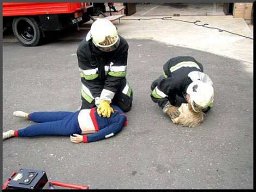 Winship Christian合作论文数School of Primary Health Care, Monash University6Coles Jan合作论文数6
 Virginia Plummer合作论文数School of Nursing, Monash University6
 Stella Koritsas合作论文数6
 Vanessa Webb合作论文数5Pieter F Fouche合作论文数5
 Erin Smith合作论文数5
 Gavin Smith合作论文数5
 Karen Smith合作论文数Ambulance Victoria;School of Primary and Allied Health Care, Monash University5
 Stephen Bernard合作论文数Knox Private Hospital/Alfred Hospital/Ambulance Victoria/Monash University5
 Ziad Nehme合作论文数School of Public Health and Preventive Medicine, Monash University5lynsey smit合作论文数4
 Elizabeth Molloy合作论文数Department of Medical Education, Melbourne Medical School, Faculty of Medicine, Dentistry and Health Sciences, The University of Melbourne4
 Hendrik Gutwirth合作论文数4
 Bill Lord合作论文数Department of Community Emergency Health and Paramedic Practice;Monash University;Department of Community Emergency Health and Paramedic Practice, Monash University4
 Michael John Mccall合作论文数3
 Steve Whitfield合作论文数Griffith Univ Paramed3
 Janet Stanley合作论文数Melbourne Sustainable Society Institute, The University of Melbourne3
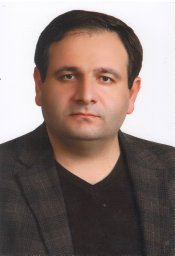 Hassankhani Hadi合作论文数Fac Nursing & Midwifery, Tabriz Univ Med Sci3
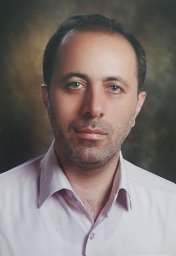 Dadashzadeh Abbas合作论文数3
 Fiona Constance McCook合作论文数3McMullen Paula合作论文数3
 Louise Mccall合作论文数3Simon Dousek合作论文数2stuart howard合作论文数2emma flavell合作论文数2
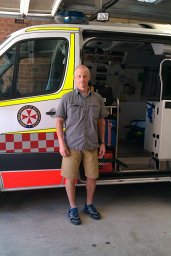 Alexander MacQuarrie合作论文数Paramed Program, Bldg G01,Room 1-22, Southport, Qld 4211, Australia2
 Suryanto合作论文数University of Brawijaya2peter hartley合作论文数2
 Suzanne Campbell合作论文数School of Nursing, Faculty of Applied Science, The University of British Columbia2
 Morgans Amee合作论文数Ambulance Victoria2
 Stephen Burgess合作论文数2
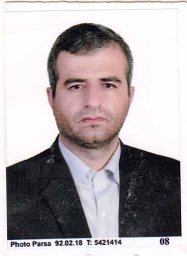 Azad Rahmani合作论文数School of Nursing and Midwifery, Tabriz University of Medical Sciences2




