OBJECTIVES:To report estimates of cancer incidence (1982-2016) and mortality (1980-2020) in the Health Watch cohort after four decades of follow-up. METHODS:Health Watch is a prospective cohort study of 18 040 (16 666 men, 1374 women) employees recruited between 1981 and 2000.Personal data were linked to national and state cancer and death registries. Standardised mortality ratios (SMRs) and standardised incidence ratios were calculated using national population rates adjusted for age, sex and calendar period. RESULTS:All-cause mortality was reduced compared with Australian population rates (men: SMR 0.79, 95% CI 0.77 to 0.82; women: SMR 0.70, 95% CI 0.59 to 0.83). CONCLUSIONS:Lower mortality likely reflects the healthy worker effect. Persistent excesses of mesothelioma, melanoma and prostate cancer may reflect ongoing occupational risks warranting targeted prevention and surveillance. In particular, melanoma risk underscores the need to minimise both occupational and recreational ultraviolet exposure.
Purpose Firefighters face sleep disruption and repeated trauma exposure, contributing to insomnia, psychological distress and PTSD - often interrelated conditions. Around 70% of individuals with PTSD report co-occurring sleep issues. Alarmingly, Australian emergency service workers have higher rates of suicidal thoughts and plans than the general population. This study examined whether insomnia is associated with suicidality in firefighters, independent of PTSD symptoms and psychological distress.Design/methodology/approach A cross-sectional survey was completed by 578 Metropolitan Fire Service firefighters. Participants self-reported insomnia, PTSD symptom severity, psychological distress and suicidality. Logistic regression assessed whether insomnia was associated with suicidality after controlling for PTSD symptoms and psychological distress. Cluster analysis identified profiles of firefighters most at risk.Findings Nine percent of participants reported suicidality in the previous 12 months. Insomnia was initially associated with suicidality; each one-point increase on the insomnia index was linked to 1.42 times greater odds of suicidality. However, this association was no longer significant after accounting for PTSD symptoms and psychological distress. Firefighters with high levels of insomnia, PTSD symptoms and psychological distress had the greatest risk of suicidality.Practical implications Interventions targeting insomnia may be beneficial, but a more holistic mental health approach is likely to be more effective in reducing suicide risk.Originality/value Findings highlight that while insomnia is associated with suicidality in firefighters, this appears to be part of a broader pattern involving PTSD and psychological distress.
BACKGROUND:Classified as carcinogenic to humans by the International Agency for Research on Cancer, aluminum production has been transitioning towards lower polycyclic aromatic hydrocarbon-emitting prebake smelters. This study explored the risk of cancer and mortality over 20 years follow-up among a cohort of aluminum prebake smelter workers. METHOD:Time-weighted average estimated exposure to the following airborne contaminants was available: total fluoride, sulfur dioxide, asbestos, oil mist, inhalable dust, benzene (a) pyrene (BaP), and benzene soluble fraction (BSF). Data about diagnosed cancers were accessed from the Australian Cancer Database and deaths and cause of deaths from the National Death Index, updating a previous linkage 9 years earlier. RESULTS:The cohort included 4495 male smelter workers. Mesothelioma was associated with historic asbestos exposure. BaP/BSF exposure were found associated with stomach cancer (10-year lag RR = 2.89 (1.19-6.98) [BaP], 2.88 (1.21-6.87) [BSF]), liver and prostate cancers, and Alzheimer's disease mortality. Oil mist exposure was associated with chronic obstructive pulmonary disease (COPD) mortality. There was no association between any smelter exposure and incidence of either lung or bladder cancer. CONCLUSION:In this updated linkage of aluminum prebake smelter workers' data, the association between respiratory cancer and fluoride, inhalable dust and BaP exposure (found in the 2002 linkage analysis) was not confirmed. There was also no increased incidence of bladder cancer. However, compared with the earlier linkage, a stronger association was found for stomach cancer and BaP/BSF exposure. The strong association between mesothelioma and asbestos exposure, found in earlier linkages, remains. Other associations identified will require further investigation.
OBJECTIVES:While injuries/illnesses among emergency responders during extreme bushfires in Victoria, Australia, are well-documented, the impact of bushfire periods on return-to-work (RTW) outcomes is less understood. This study investigates whether workers' compensation claims lodged during extreme bushfire periods are associated with slower RTW, more lost work time and time-off-work relapse. METHODS:Workers' compensation claims made by emergency responders in Victoria (Australia), 2005-2023, were analysed. Claims for injuries/diseases occurring during bushfire periods were compared with those made during non-bushfire periods. Time to first full RTW was determined from income compensation payments as time until first payment cessation of ≥10 days. RTW was analysed using Cox regression models. Compensated workdays and time-off-work relapse occurrences were modelled using generalised linear models and logistic regression, respectively. RESULTS:Among 11 773 claims, 398 (3.4%) were lodged during extreme bushfires. Extreme bushfire period claims were associated with longer time to RTW (HR of 0.81, 95% CI 0.73 to 0.91). In extreme bushfire periods, median compensated days per claim were 74 (IQR 20, 346) versus 58 (18, 212) in other time periods. In the adjusted modelling, the count ratio for extreme bushfire periods (vs other time periods) was 1.13 (95%CI 1.01 to 1.27): a 13% increase in expected compensated days. Time-off-work relapse occurrence was not significantly affected by extreme bushfire periods. CONCLUSION:In emergency responders, bushfire period claims were associated with increased duration of time off work. Tailored RTW programmes that proactively gauge claim complexity associated with exposure to extreme bushfires, as well as provision of targeted services, should be considered.
Bushfires (also known as wildland or forest fires) expose emergency responders to occupational hazards under exceptional circumstances. Whilst the health impacts of structural firefighting have been studied, less is known about the non-respiratory health impacts or risk of mortality amongst bush firefighters, who can be volunteers. More information about health risks is needed to generate effective prevention strategies. To critically evaluate and synthesise the published evidence about the non-respiratory health risks and risk of mortality associated with bushfire fighting. A systematic literature search was conducted in Medline, Scopus, and Embase to identify studies evaluating morbidity or mortality or associated risk factors among bushfire fighters. The quality of included studies was evaluated twice independently using a specific quality assessment tool. Twenty-seven studies were included. 11(41
BACKGROUND:The fabrication and installation of artificial (engineered) stone countertops is a relatively new cause of silicosis. Our aim was to investigate silicosis rates in Victoria, Australia, and the association with stone countertop industry work. METHODS:Workers' compensation claims for silicosis from January 1, 1991 to December 31, 2022 were analyzed across 8-year time periods. Incidence rates per 100,000 persons were calculated by time period, age, and sex. Additionally, incident silicosis cases were reported to a clinical registry by respiratory physicians from May 1, 2019 to December 31, 2022, and analyzed by referral source and occupational history. RESULTS:Over 32 years, there were 536 workers' compensation claims for silicosis (98.9% male, median age 40 years). In total, 482 (89.9%) were received between 2015 and 2022, a 27-fold increase from the previous 8-year period. The incidence rate for silicosis claims in the adult population increased from 0.12 per 100,000 in 1991-1998 to 2.38 per 100,000 in 2015-2022. In the clinical registry there were 210 incident cases between 2019 and 2022; 97% worked in the countertop industry, 95% with artificial stone. Almost all (89%) cases had been referred following participation in a government screening program for stone countertop industry workers. CONCLUSION:There has been a major rise in compensation claims for silicosis in Victoria. Active screening of stone countertop workers led to the diagnosis of almost all registered incident silicosis cases. This underscores the risk to stone countertop workers and highlights the potential for under-recognition of silicosis without screening at-risk workers, especially in countries where artificial stone has become popular.
BACKGROUND:Silicosis has re-emerged in middle- and high-income countries globally due to high silica exposures from manufacturing and fabrication of artificial stone countertops. No studies have reported the costs of workers' compensation claims for silicosis; we therefore examined cost trends in Victoria, Australia, and projected claim costs to 2031. METHODS:Data from the WorkSafe Victoria Compensation Research Database were used to identify all silicosis compensation claims among males from 2019 to 2024, and claim rates were estimated per year and age group. Using Poisson regression model estimates, claim cost projections were calculated for 2025-2031, separately for statutory (no-fault) and common law (fault-based) payments. RESULTS:From 2019 to 2024, there were 663 silicosis compensation claims made by 356 males aged 15-74 years in Victoria. Cumulative costs totaled AU $111.78 million. Annual cost projections suggest an increase over time, with a total of AU $29.88 million per year by 2031. Most claims remained active for over a year, particularly those by workers aged 25-54 years. Within 4-year follow-up, common law (fault-based) payments accounted for approximately 30% of total costs but dominated younger workers' claims. Projected 2031 costs were highest for claims by workers aged 35-44 years. CONCLUSIONS:This study presents the first comprehensive estimate of projected workers' compensation costs for silicosis, highlighting a sustained financial burden driven by ongoing claims among younger workers. As artificial stone continues to be used internationally, these findings underscore the need for regulatory action to prevent a foreseeable health and economic burden.
OBJECTIVES:To identify the silicosis research priorities of people living with silicosis, workers at risk of silicosis, their partners and caregivers, and of health professionals and researchers. STUDY DESIGN:Research priority setting exercise; modified James Lind Alliance framework for research priority setting partnerships, comprising an online survey followed by two forums in which thematic analysis and nominal group analysis were used to establish a list of research priorities. SETTING, PARTICIPANTS:People with or at risk of silicosis, their partners or caregivers (survey, online forum) and health care professionals, researchers, health and safety professionals (survey, in-person forum), recruited 14 April - 19 December 2023. MAIN OUTCOME MEASURES:Research priorities in four pre-identified areas: prevention, screening and diagnosis, treatment, and living with and managing the impact of silicosis. RESULTS:A total of 164 survey respondents (105 medical or research professionals, 34 workers currently or formerly at risk of silicosis, eleven people with confirmed silicosis, and fourteen partners or caregivers) identified 47 key research topics. Fifty-three health care professionals and thirteen people with or at risk of silicosis and their caregivers then ranked the research topics and developed research questions at the two forums. The highest ranked research priorities were research into assessment and optimisation of the hierarchy of controls, compliance and regulation, establishing minimum standards and developing innovative screening methods, early diagnosis, development of effective treatments, identification of biomarkers for risk of progression, developing an optimal care model that includes mental health care, and estimating the economic impact of silicosis. Both participant groups agreed that research into workplace controls is important, as is improving education and awareness, compliance with preventive measures, and screening and diagnosis, including nationally consistent screening and diagnosis practices. The professional participants rated research into silicosis pathogenesis and biomarkers and technological considerations higher than workers and their carers, who focused more on the barriers for and attitudes of workers, specific treatments, and managing symptoms. CONCLUSIONS:Research into eliminating exposure to silica, early diagnosis of silicosis, preventing disease progression, and reducing the impact of disease were the top research priorities for people with professional or personal interests in silicosis. Our findings should guide research directions and inform policy development.
BACKGROUND:In 2014, a bushfire ignited the Hazelwood coalmine in regional Victoria, Australia, shrouding nearby communities in smoke for 6 weeks. In this study, we examined whether survival decreased among people with cancer in smoke-exposed areas. METHODS:We identified cancers diagnosed between January 2009 and February 2014, the start of the coalmine fire, from the Victorian Cancer Registry. Tumours were grouped by location as well as subtypes for breast and lung cancers. Smoke exposure was determined by the daily average of PM2.5 per 10 µg/m3 attributable to the mine fire at Statistical Area level 2. Survival effects were analysed using a Cox proportional hazards frailty model. RESULTS:There was no detectable effect of fire-related PM2.5 on overall cancer survival. There was weak evidence that fire-related PM2.5 exposure reduced survival among women with breast cancer (HR: 1.18, 95% CI 1.00 to 1.38 per 10 µg/m3 of PM2.5). No other effects were detectable. CONCLUSION:We found limited evidence that smoke from the Hazelwood coal mine fire reduced survival among people living with cancer. The association with reduced survival among women with breast cancer may be a chance finding. However, this does not rule out an effect and further analyses should follow when more data become available or following other similar disasters.
Anomalous ambient temperatures elevate the risk of occupational injuries and illnesses (OIIs). However, the associated economic burden is underexplored internationally. This study establishes an Australian profile of heat- and cold-attributable OIIs and their costs. OIIs and costs from seven Australian capital cities in July 2005 to June 2018 were modelled against daily maximum wet bulb globe temperature. 2,321,602 OIIs comprising AU$43 billion in total payouts were included for analysis. 1.66 % (95 % empirical confidence interval [eCI]: 1.38-1.94 %) and 0.66 % (95 % eCI: 0.45-0.89 %) of OIIs were heat-attributable and cold-attributable, respectively, representing 38,540 heat-attributable and 15,409 cold-preventable OIIs. 1.53 % (95 % eCI: 0.77-2.27 %) and 1.33 % (95 % eCI: 0.66-1.97 %) of costs were heat- and cold-attributable, respectively, collectively representing AU$94 million annually and increased costs per OII with colder temperatures. In 2050 (2036-2065) under Representative Concentration Pathway 8.5, 2.10 % (95 % eCI: 1.50-2.70) and 0.21 % (95 % eCI:-0.11 to 0.54 %) of OIIs were heat-attributable and cold- preventable, respectively, and 0.05 % (95 % eCI:-1.84 to 1.83) and 0.76 % (95 % eCI: 0.08-1.43) of costs were heat- and cold-attributable, respectively. Anomalous temperatures pose a substantial occupational morbidity and cost burden. OIIs and their costs do not necessarily share the same temperature-attributable relationship, especially during colder temperatures. Both heat and cold adaptation are important to reduce OII-associated costs.
Extreme bushfires are devastating and costly and are predicted to increase in frequency. This project investigated emergency responders' (ER) compensable injury/disease costs associated with extreme bushfire periods compared with the general workforce. Workers' compensation claims data for Victoria, Australia, were sourced for ER and controls (10% of the general workforce) from January 2005 to April 2021 (encompassing two extreme bushfires). Using generalised linear models, claims from ambulance officers, career firefighters, police, and controls were compared across extreme bushfires, other summers, and all other periods. In total, ER made 749/24,008 (3.1%) claims in extreme bushfire periods, compared to 1254/49,484 (2.5%) in the controls. The study group overall (including both ER and the general workforce control group) experienced significantly higher income compensation costs/claims during extreme bushfire periods, with a 31% increase. ER' costs/claims were highest for mental illness, burns and cancer. After accounting for bushfire impacts on the general workforce, total claims costs were increased by 67% among firefighters in extreme bushfire periods, largely attributable to fatality payments (other non-medical expenses). These results highlight the need for targeted injury prevention for fatal and non-fatal injuries among ERs and measures that address the broader socio-economic impacts on ERs and the general workforce.
Background Cases of the occupational lung disease silicosis have been identified in workers processing artificial stone in the stone benchtop industry (SBI). In the Australian state of Victoria, the Regulator commissioned a screening program for all workers in this industry. Objective To facilitate systematic data collection, including high-quality exposure assessment, an electronic data capture tool (EDCT) was developed. Methods A multidisciplinary team developed an EDCT using Research Electronic Data Capture (REDCap; Vanderbilt University). The needs of the EDCT were (1) data entry by multiple clinicians and the workers attending for screening and (2) systematic collection of data for clinical and research purposes. The comprehensibility and utility of the tool were investigated with a sample of workers, and the EDCT was subsequently refined. Results The EDCT was used in clinical practice, with capacity for data extraction for research. Testing of comprehension and utility was undertaken with 15 workers, and the refined version of the Occupational Silica Exposure Assessment Tool (OSEAT) was subsequently developed. Conclusions The refined OSEAT has been determined to be comprehensible to workers and capable of collecting exposure data suitable for assessment of risk of silicosis. It was developed for workers in the SBI in Australia and is adaptable, including translation into other languages. It can also be modified for SBI workers in other countries and for use by workers from other industries (mining, construction) at risk of silica exposure, including in lower-income settings.
BACKGROUND:The link between chronic exposure to ambient PM2.5 and lung cancer is well established. However, there is limited evidence on the effects of acute, high-level exposure such as that resulting from the 2014 Hazelwood coal mine fire in regional Australia. We investigated the effects of PM2.5 from this fire on cancer incidence 8.5 years later. METHODOLOGY:We obtained Victorian Cancer Registry data linked to 2,872 Hazelwood Health Study Adult Cohort members, from August 2014 to December 2022 and analysed all cancers combined and cancer subtypes. Individual fire-related PM2.5 exposure was estimated by blending time-location diaries with spatial and temporal air pollution modelling data. To evaluate cancer risk from fire-related PM2.5 exposure, we used a competing risks survival model, specifically the Fine-Gray subdistribution hazard model for deaths from causes other than the cancer outcome being analysed, and to adjust for confounders including demographics, occupational exposures, and socioeconomic factors. RESULTS:In the post-mine fire period, 295 people (14.3/1000 person-years) were diagnosed with 332 new cancers (12.7/1000 person-years). No significant association was found between fire-related PM2.5 exposure and the overall incidence of cancer (hazard ratio = 1.00, 95 % confidence interval: 0.90-1.11). Additionally, no associations were identified with any specific cancer subtypes, including lung cancer. CONCLUSIONS:We found no evidence that this coal mine fire increased cancer incidence. However, it would be premature to rule out potential carcinogenic effects. Cancer has a long latency period, which means it will be necessary to analyse new data as they become available to more conclusively determine the effects of medium-duration, high-level smoke exposure.
PURPOSE:This study aimed to use workers' compensation (WC) data to explore the impact of the extreme bushfires on injury/disease claim rates amongst first responders (FR) compared with other occupations and off-seasons. METHODS:Data on WC claims for FR (ambulance officers, paramedics, firefighters, police) and other occupations were obtained from WorkSafe Victoria 2005-2022. Negative binomial regression models adjusting for age, gender and number of employed people were used to estimate incident rate ratios of all injury/disease, mental, musculoskeletal and respiratory claims among FR in summer and extreme bushfires compared to off-season/summer and other occupations. RESULTS:There were 120,022 claims in 2005-2022; 54% were musculoskeletal injuries. Claims rates were significantly higher for all injuries/diseases, mental, musculoskeletal and respiratory conditions in FR than other occupations across off-season, summers and extreme bushfires. FR were 1.5-3.9 times more likely to claim for mental health conditions during extreme bushfires than off-season compared with other occupations. Firefighters were at increased risk of all injury/disease and mental and musculoskeletal injury claims during summer and extreme bushfires than off-seasons. Ambulance officers and paramedics had the highest claim rates, particularly in off-seasons, with a higher risk of all injury/disease and mental claims in extreme bushfires than in summers. Respiratory and mental claims were increased amongst police and other occupations during extreme bushfires. CONCLUSION:Extreme bushfire events were associated with increased mental claims rates in all FR, with the highest in firefighters. Strategies to better prevent and manage injury/disease risk in FR are urgently required, particularly for mental health conditions.
Background and ObjectiveChest x-ray (CXR) remains a core component of health monitoring guidelines for workers at risk of exposure to crystalline silica. There has however been a lack of evidence regarding the sensitivity of CXR to detect silicosis in artificial stone benchtop industry workers.MethodsPaired CXR and high-resolution computed tomography (HRCT) images were acquired from 110 artificial stone benchtop industry workers. Blinded to the clinical diagnosis, each CXR and HRCT was independently read by two thoracic radiologists from a panel of seven, in accordance with International Labour Office (ILO) methodology for CXR and International Classification of HRCT for Occupational and Environmental Respiratory Diseases. Accuracy of screening positive (ILO major category 1, 2 or 3) and negative (ILO major category 0) CXRs were compared with identification of radiological features of silicosis on HRCT.ResultsCXR was positive for silicosis in 27/110 (24.5%) workers and HRCT in 40/110 (36.4%). Of the 83 with a negative CXR (ILO category 0), 15 (18.1%) had silicosis on HRCT. All 11 workers with ILO category 2 or 3 CXRs had silicosis on HRCT. In 99 workers ILO category 0 or 1 CXRs, the sensitivity of screening positive CXR compared to silicosis identified by HRCT was 48% (95%CI 29-68) and specificity 97% (90-100).ConclusionCompared to HRCT, sensitivity of CXR was low but specificity was high. Reliance on CXR for health monitoring would provide false reassurance for many workers, delay management and underestimate the prevalence of silicosis in the artificial stone benchtop industry. The use of CXR to screen artificial stone benchtop industry workers for silicosis has low sensitivity compared to HRCT chest, especially for early-stage disease. Reliance on chest x-ray for screening will fail to identify many workers with artificial stone silicosis and underestimate the prevalence of respiratory disease in this industry.
BACKGROUND:Aluminium industry workers are at risk of long-term health consequences. AIMS:To investigate mortality and cancer incidence in bauxite mine and alumina refinery workers. METHODS:A pre-existing cohort of workers was re-linked with the Australian National Death Index, and the Australian Cancer Database to provide additional death (7 years) and cancer (9 years) data. Standardized mortality ratios (SMRs) and standardized incidence rates (SIRs) were estimated by job category, duration of employment and time since first employment. RESULTS:Linkage was performed for 6935 (6207 male) workers. Compared with the general population, there was a reduced or similar risk of death for mine/refinery workers for all causes except mesothelioma which was increased amongst male production workers [SMR 2.42, 95% CI 1.11-4.60]. Mesothelioma incidence was also increased amongst males [SIR 2.50, 95% CI 1.60-3.71]. Male office workers had a greater incidence of prostate cancer [SIR 1.30, 95% CI 1.06-1.57] and thyroid cancer [SIR 3.47, 95% CI 1.66-6.38]. Melanoma incidence was increased in female office workers [SIR 2.27, 95% CI 1.36-3.54]. Lip cancer incidence was increased in male maintenance/production workers [SIR 2.04, 95% CI 1.02-3.65]. Overall cancer incidence was otherwise similar to the general Australian population. CONCLUSIONS:Overall risk of death and incidence of cancer for bauxite mine and alumina refinery workers was similar to the general population. Incidence and risk of death from mesothelioma were higher, likely due to historic asbestos exposure in this and other industries. The increased risk of melanoma, lip, prostate and thyroid cancers requires further investigation.
Using population-level cancer diagnosis data, we compared cancer incidence in locations affected by smoke from a six week-long open cut coal mine fire in regional Victoria, Australia, up to seven years following the event. There was no detectable effect on cancer incidence overall. While several subgroups exhibited changes, these were more likely due to statistical chance rather than real effects. These findings may be limited by low statistical power and short duration of follow up. To confirm the influence of open cut coal mine fires on cancer incidence, further research and an extended follow-up duration are necessary.
 Michael Abramson合作论文数School of Public Health & Preventive Medicine, Monash University95
 Helen Kelsall合作论文数74
 Deborah C Glass合作论文数School of Public Health and Preventive Medicine, Monash University71
 Geza Benke合作论文数School of Public Health and Preventive Medicine, Monash University58
 Christina Dimitriadis合作论文数46Anthony Del Monaco合作论文数45
 Lin Fritschi合作论文数Faculty of Health Sciences, Curtin School of Population Health, Curtin University43Jillian Ikin合作论文数39Dean P. Mckenzie合作论文数Monash Medical Centre, Monash University36
 Yuming Guo合作论文数School of Public Health and Preventive Medicine, Monash University29
 Alexander Mcfarlane合作论文数School of Medicine, College of Health, Adelaide University;University of Queensland;Flinders University28
 Caroline Gao合作论文数Australia Eastern Health Clinical School, Monash University28Martine Dennekamp合作论文数28
 Nick De Klerk合作论文数Telethon Institute for Child Health Research27
 Andrew Forbes合作论文数School of Public Health and Preventive Medicine, Monash University27Stella M. Gwini合作论文数27G Benke合作论文数26Andrew B Forbes合作论文数24
 Ewan MacFarlane合作论文数School of Public Health and Preventive Medicine, Monash University24
 Karen Walker-Bone合作论文数School of Public Health and Preventive Medicine, Monash University22
 Donna Urquhart合作论文数School of Public Health and Preventive Medicine, Monash University;Run Antarctica22
 Ryan Hoy合作论文数19
 Fiona Hore-Lacy合作论文数Department of Allergy, Immunology and Respiratory Medicine (AIRmed),, Alfred Hospital18
 Peter M Smith合作论文数Epidemiology Division, Institute for Work & Health, Dalla Lana School of Public Health, University of Toronto17
 Alex Collie合作论文数School of Public Health and Preventive Medicine, Monash University17
 Victor Hoe合作论文数16
 Pei Yu (于佩)合作论文数15Creamer Mark合作论文数13
 Rory Wolfe合作论文数Monash University13
 Matthew Carroll合作论文数12
 Carl Gibbons合作论文数12
 R.C.H. (Roel) Vermeulen合作论文数Institute for Risk Assessment Sciences, Utrecht University;Data- En Kennishub Gezond Stedelijk Leven12
 Anthony D LaMontagne合作论文数Institute for Health Transformation, School of Health & Social Development, Deakin University;Melbourne School of Global & Population Health, University of Melbourne;University of Massachusetts Lowell12Judi Walker合作论文数12
 Fay Johnston合作论文数Menzies Institute for Medical Research, University of Tasmania;Department of Health and Human Services, Tasmania12Jolley Damien J合作论文数11Smith Catherine L合作论文数11David M. Clarke合作论文数11Andrea Hinwood合作论文数Centre for Ecosystem Management, Edith Cowan University11David Brown合作论文数10Keith Dear合作论文数10
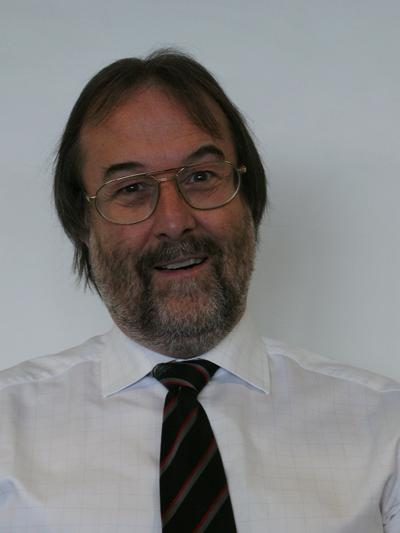 David Coggon合作论文数MRC Lifecourse Epidemiology Unit, University of Southampton10
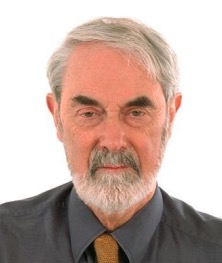 Derek Sleeman合作论文数The School of Natural and Computing Sciences, University of Aberdeen;Department of Computing Science, University of Aberdeen10
 Karen Smith合作论文数Ambulance Victoria;School of Primary and Allied Health Care, Monash University10
 Rongbin Xu (徐荣彬)合作论文数School of Medicine, Chongqing University10
 John Kinsella合作论文数Anaesthesia Section, University of Glasgow10Elisabeth Cardis合作论文数10
 Emily Berger合作论文数Faculty of Education, School of Psychological Sciences, Monash University10
 Dino Pisaniello合作论文数School of Public Health, University of Adelaide9




