Introduction: The American Heart Association recently added sleep to Life’s Essential 8 key measures for cardiovascular health. As middle age is a period when women’s risk for cardiovascular disease increases, we investigated the contributions of sociodemographic, biological, mental and lifestyle characteristics on sleep health among middle-aged women. Hypothesis: Adverse levels of these characteristics are associated with poorer sleep health and associations will vary by domain of sleep. Methods: We analyzed correlates of sleep health of 567 women using cross-sectional data from the Coronary Artery Risk Development in Young Adults sleep ancillary study at year 35, a prospective cohort study which enrolled Black and White individuals aged 18 to 30 years at baseline (1985-86). Outcomes were sleep regularity index, fragmentation, duration, and sleep percentage determined using the wrist-worn Actiwatch TM accelerometer. Values for each participant were averaged across the number of days they wore the device (min 4, max 7). The following categories of correlates were measured using questionnaires and examinations: sociodemographic (marital status, education, number of people in household, having a bed partner, retirement status); biological (BMI, waist circumference, menopausal symptoms); mental (social support, quality of life, depression, loneliness, social network); lifestyle (physical activity, alcohol use, smoking status). We used linear regression models to generate effect estimates for each of the characteristics and the 4 sleep health outcomes adjusted for age, cardiovascular disease and study center. Given known differences in sleep health by race, we chose a priori to carry out stratified analyses by race. Results: The mean age of participants was 61.3 years (SD= 3.6) and 44.8% were Black. The mean value for sleep percentage was 90.4% (SD=4.5), sleep regularity was 79.7% (SD=11.0), sleep fragmentation was 19.8% (SD =7.4), and sleep duration was 415.8 minutes (SD =59.9). Lifestyle was the only category that was associated with sleep health. Black women who were current or former smokers had less favorable sleep health (Table 1). More physical activity was associated with more favorable sleep health in White women. The characteristics we investigated were not associated with sleep duration. Conclusions: We observed a contribution of lifestyle behaviors with measures of sleep health that reflect sleep regularity and quality.
Introduction: It is unknown how comorbid diagnoses affect patients’ disease-specific knowledge or how patients’ health literacy or numeracy affects this relationship. In patients with atrial fibrillation (AF), comorbidities can be quantified by the CHA 2 DS 2 -VASc score. We explore the association of AF/stroke knowledge with CHA 2 DS 2 -VASc score, health literacy, and numeracy for usual care participants in the multi-center Randomized Evaluation of Decision Support Interventions for Atrial Fibrillation (RED-AF) trial evaluating decision aids to initiate (initiation cohort) or continue (monitor cohort) oral anticoagulation (OAC) in AF patients. Methods: This study was conducted at six academic medical centers in the United States. Participants were aged ≥18, diagnosed with non-valvular AF, and at risk for stroke (CHA 2 DS 2 -VASc ≥1 for men, ≥2 for women). Patient demographics were obtained via questionnaires after a baseline clinical encounter; knowledge was evaluated by patient responses to 7 questions about OAC and AF. Health literacy was measured by a validated self-reported screening tool; numeracy by a validated subjective numeracy scale; CHA 2 DS 2 -VASc was calculated from medical records. We applied generalized estimating equations for a binomial outcome to jointly relate patient knowledge to CHA 2 DS 2 -VASc score, health literacy and numeracy, controlling for 5 additional patient factors and accounting for clustering by clinician. Results: We report on 306 patients randomized to the usual care group across six participating sites. Average age 68.7 9, 61.6% male, mean CHA 2 DS 2 -VASc 2 1.5. Patient knowledge was independently associated with numeracy (5% higher odds of correct response per 1 unit increase in numeracy, 95% CI 0-10%, p=0.05) and membership in the monitor cohort (40% odds of correct response, 4-89%, p=0.03) but not health literacy or increased stroke risk. Conclusion: In the RED-AF study , although health literacy and increasing stroke risk were not independently associated with patient knowledge about AF, numeracy had a minimal positive association. Those already on OAC had greater disease knowledge than patients newly starting OAC. These results suggest a need to broadly increase patient education regardless of baseline comorbidity burden and degree of health literacy. Future studies should be performed to better understand other factors that drive patient knowledge regarding AF and stroke.
Introduction: Lifestyle change programs (LCPs) are effective in helping people adopt healthy lifestyles and maintain healthy weight for disease prevention. LCPs are known to be underutilized, but the nuances surrounding women's interest in using these programs for disease prevention need to be further explored so that enrollment and retention in these programs can be improved.Methods: The purpose of this study was to explore women's interest in and knowledge of LCPs and identify their motivators and barriers to joining these types of programs through a survey. The survey was administered both online and in person. The survey had 22 questions and included demographics, medical and family history, knowledge and interest in LCPs, and barriers and motivators to participating in LCPs.Results: Participants in this study included 1,606 women from 40 to 74 years of age. We found that respondents had limited knowledge about the benefits of LCPs in reducing risks of specific diseases, such as breast cancer and osteoarthritis. Respondents reported low-to-moderate interest in LCPs. We found that their interest in these programs was negatively associated with their weekly physical activity and positively associated with their body mass index (BMI) and the number of reported barriers to joining LCPs. The most common barriers cited were cost, location, time, and too many meetings. In addition, we found that respondents who had or were unsure about their family history of diabetes were more interested in LCPs compared with individuals who had no family history of diabetes. We did not find significant differences in respondent interest in LCPs across ethnicity.Conclusions: Our study suggests that specific barriers to LCPs-including women's knowledge of such programs-will need to be addressed before enrollment and retention in LCPs are increased.
PURPOSE:This exploratory study examines differences in parents' quality of life by treatment decision and the child's survival outcome in the context of life-threatening congenital heart disease (CHD).DESIGN AND METHODS:Parents of a fetus or neonate diagnosed with severe CHD enrolled in the observational control group of a clinical trial (NCT04437069) and completed quality of life (i.e., contact with clinicians, social support, partner relationship, state of mind), mental and physical health survey measures. Comparisons were made between parents who chose comfort-directed care or surgery and between those whose child did and did not survive.RESULTS:Parents who chose surgery and their child did not survive reported the most contact with their clinicians. Parents who chose comfort-directed care reported lower social support than parents who chose surgery and their child did not survive as well as poorer state of mind compared to parents who chose surgery.CONCLUSIONS:Some aspects of parents' quality of life differed based on their treatment decision. Parents who choose comfort-directed care are vulnerable to some negative outcomes.PRACTICE IMPLICATIONS:Decision support tools and bereavement resources to assist parents with making and coping with a complex treatment decision is important for clinical care.
Introduction Cognitive dysfunction, a leading cause of mortality and morbidity in the USA and globally, has been shown to disproportionately affect the socioeconomically disadvantaged and those who identify as black or Hispanic/Latinx. Poor sleep is strongly associated with the development of vascular and metabolic diseases, which correlate with cognitive dysfunction. Therefore, sleep may contribute to observed disparities in cognitive disorders. The Epidemiologic Study of Disparities in Sleep and Cognition in Older Adults (DISCO) is a longitudinal, observational cohort study that focuses on gathering data to better understand racial/ethnic sleep disparities and illuminate the relationship among sleep, race and ethnicity and changes in cognitive function. This investigation may help inform targeted interventions to minimise disparities in cognitive health among ageing adults.Methods and analysis The DISCO study will examine up to 495 individuals aged 55 and older at two time points over 24 months. An equal number of black, white and Hispanic/Latinx individuals will be recruited using methods aimed for adults traditionally under-represented in research. Study procedures at each time point will include cognitive tests, gait speed measurement, wrist actigraphy, a type 2 home polysomnography and a clinical examination. Participants will also complete self-identified assessments and questionnaires on cognitive ability, sleep, medication use, quality of life, sociodemographic characteristics, diet, substance use, and psychological and social health.Ethics and dissemination This study was approved by the Northwestern University Feinberg School of Medicine Institutional Review Board. Deidentified datasets will be shared via the BioLINCC repository following the completion of the project. Biospecimen samples from the study that are not being analysed can be made available to qualified investigators on review and approval by study investigators. Requests that do not lead to participant burden or that conflict with the primary aims of the study will be reviewed by the study investigators.
Background. Parents with a fetus diagnosed with a complex congenital heart defect (CHD) are at high risk of negative psychological outcomes. Purpose. To explore whether parents’ psychological and decision-making outcomes differed based on their treatment decision and fetus/neonate survival status. Methods. We prospectively enrolled parents with a fetus diagnosed with a complex, life-threatening CHD from September 2018 to December 2020. We tested whether parents’ psychological and decision-making outcomes 3 months posttreatment differed by treatment choice and survival status. Results. Our sample included 23 parents (average Age [years] : 27 ± 4, range = 21–37). Most were women ( n = 18), non-Hispanic White ( n = 20), and married ( n = 21). Most parents chose surgery ( n = 16), with 11 children surviving to the time of the survey; remaining parents ( n = 7) chose comfort-directed care. Parents who chose comfort-directed care reported higher distress ([Formula: see text] = 1.51, s = 0.75 v. [Formula: see text] = 0.74, s = 0.55; Mdifference = 0.77, 95% confidence interval [CI], 0.05–1.48) and perinatal grief ([Formula: see text] = 91.86, s = 22.96 v. [Formula: see text] = 63.38, s = 20.15; Mdifference = 27.18, 95% CI, 6.20–48.16) than parents who chose surgery, regardless of survival status. Parents who chose comfort-directed care reported higher depression ([Formula: see text] = 1.64, s = 0.95 v. [Formula: see text] = 0.65, s = 0.49; Mdifference = 0.99, 95% CI, 0.10–1.88) than parents whose child survived following surgery. Parents choosing comfort-directed care reported higher regret ([Formula: see text] = 26.43, s = 8.02 v. [Formula: see text] = 5.00, s = 7.07; Mdifference = 21.43, 95% CI, 11.59–31.27) and decisional conflict ([Formula: see text] = 20.98, s = 10.00 v. [Formula: see text] = 3.44, s = 4.74; Mdifference = 17.54, 95% CI; 7.75–27.34) than parents whose child had not survived following surgery. Parents whose child survived following surgery reported lower grief (Mdifference = −19.71; 95% CI, −39.41 to −0.01) than parents whose child had not. Conclusions. The results highlight the potential for interventions and care tailored to parents’ treatment decisions and outcomes to support parental coping and well-being. Highlights Question: Do the psychological and decision-making outcomes of parents differ based on their treatment decision and survival outcome following prenatal diagnosis with complex CHD? Findings: In this exploratory study, parents who decided to pursue comfort-directed care after a prenatal diagnosis reported higher levels of psychological distress and grief as well as higher decisional conflict and regret than parents who decided to pursue surgery. Meaning: The findings from this exploratory study highlight potential differences in parents’ psychological and decision-making outcomes following a diagnosis of complex CHD for their fetus, which appear to relate to the treatment approach and the treatment outcome and may require tailoring of psychological and decision support.
BACKGROUND:Shared decision making (SDM) improves the likelihood that patients will receive care in a manner consistent with their priorities. To facilitate SDM, decision aids (DA) are commonly used, both to prepare a patient before their clinician visit, as well as to facilitate discussion during the visit. However, the relative efficacy of patient-focused or encounter-based DAs on SDM and patient outcomes remains largely unknown. We aim to directly estimate the comparative effectiveness of two DA's on SDM observed in encounters to discuss stroke prevention strategies in patients with atrial fibrillation (AF). METHODS:The study aims to recruit 1200 adult patients with non-valvular AF who qualify for anticoagulation therapy, and their clinicians who manage stroke prevention strategies, in a 2x2 cluster randomized multi-center trial at six sites. Two DA's were developed as interactive, online, non-linear tools: a patient decision aid (PDA) to be used by patients before the encounter, and an encounter decision aid (EDA) to be used by clinicians with their patients during the encounter. Patients will be randomized to PDA or usual care; clinicians will be randomized to EDA or usual care. RESULTS:Primary outcomes are quality of SDM, patient decision making, and patient knowledge. Secondary outcomes include anticoagulation choice, adherence, and clinical events. CONCLUSION:This trial is the first randomized, head-to-head comparison of the effects of an EDA versus a PDA on SDM. Our results will help to inform future SDM interventions to improve patients' AF outcomes and experiences with stroke prevention strategies.
INTRODUCTION:Parents who receive the diagnosis of a life-threatening, complex heart defect in their fetus or neonate face a difficult choice between pursuing termination (for fetal diagnoses), palliative care or complex surgical interventions. Shared decision making (SDM) is recommended in clinical contexts where there is clinical equipoise. SDM can be facilitated by decision aids. The International Patient Decision Aids Standards collaboration recommends the inclusion of values clarification methods (VCMs), yet little evidence exists concerning the incremental impact of VCMs on patient or surrogate decision making. This protocol describes a randomised clinical trial to evaluate the effect of a decision aid (with and without a VCM) on parental mental health and decision making within a clinical encounter.METHODS AND ANALYSIS:Parents who have a fetus or neonate diagnosed with one of six complex congenital heart defects at a single tertiary centre will be recruited. Data collection for the prospective observational control group was conducted September 2018 to December 2020 (N=35) and data collection for two intervention groups is ongoing (began October 2020). At least 100 participants will be randomised 1:1 to two intervention groups (decision aid only vs decision aid with VCM). For the intervention groups, data will be collected at four time points: (1) at diagnosis, (2) postreceipt of decision aid, (3) postdecision and (4) 3 months postdecision. Data collection for the control group was the same, except they did not receive a survey at time 2. Linear mixed effects models will assess differences between study arms in distress (primary outcome), grief and decision quality (secondary outcomes) at 3-month post-treatment decision.ETHICS AND DISSEMINATION:This study was approved by the University of Utah Institutional Review Board. Study findings have and will continue to be presented at national conferences and within scientific research journals.TRIAL REGISTRATION NUMBER:NCT04437069 (Pre-results).
BACKGROUND AND OBJECTIVES:Little data exist on provider perspectives about counselling and shared decision-making for complex CHD, ways to support and improve the process, and barriers to effective communication. The goal of this qualitative study was to determine providers' perspectives regarding factors that are integral to shared decision-making with parents faced with complex CHD in their fetus or newborn; and barriers and facilitators to engaging in effective shared decision-making.METHODS:We conducted semi-structured interviews with providers from different areas of practice who care for fetuses and/or children with CHD. Providers were recruited from four geographically diverse centres. Interviews were recorded, transcribed, and analysed for key themes using an open coding process with a grounded theory approach.RESULTS:Interviews were conducted with 31 providers; paediatric cardiologists (n = 7) were the largest group represented, followed by nurses (n = 6) and palliative care providers (n = 5). Key barriers to communication with parents that providers identified included variability among providers themselves, factors that influenced parental comprehension or understanding, discrepant expectations, circumstantial barriers, and trust/relationship with providers. When discussing informational needs of parents, providers focused on comprehensive short- and long-term outcomes, quality of life, and breadth and depth that aligned with parental goals and needs. In discussing resources to support shared decision-making, providers emphasised the need for comprehensive, up-to-date information that was accessible to parents of varying situations and backgrounds.CONCLUSIONS:Provider perspectives on decision-making with families with CHD highlighted key communication issues, informational priorities, and components of decision support that can enhance shared decision-making.
IMPORTANCE In March 2020, US public buildings (including schools) were shut down because of the COVID-19 pandemic, and 42% of US workers resumed their employment duties from home. Some shutdowns remain in place, yet the extent of the needs of US working parents is largely unknown. OBJECTIVE To identify and address the career development, work culture, and childcare needs of faculty, staff, and trainees at an academic medical center during a pandemic. DESIGN, SETTING, AND PARTICIPANTS For this survey study, between August 5 and August 20, 2020, a Qualtrics survey was emailed to all faculty, staff, and trainees at University of Utah Health, an academic health care system that includes multiple hospitals, community clinics, and specialty centers. Participants included 27 700 University of Utah Health faculty, staff, and trainees who received a survey invitation. Data analysis was performed from August to November 2020. MAIN OUTCOMES AND MEASURES Primary outcomes included experiences of COVID-19 and their associations with career development, work culture, and childcare needs. RESULTS A total of 5030 participants completed the entire survey (mean [SD] age, 40 [12] years); 3738 (75%) were women; 4306 (86%) were White or European American; 561 (11%) were Latino or Latina (of any race), Black or African American, American Indian, Alaska Native, and Native Hawaiian or Pacific Islander; and 301 (6%) were Asian or Asian American. Of the participants, 2545 (51%) reported having clinical responsibilities, 2412 (48%) had at least 1 child aged 18 years or younger, 3316 (66%) were staff, 791 (16%) were faculty, and 640 (13%) were trainees. Nearly one-half of parents reported that parenting (1148 participants [49%]) and managing virtual education for children (1171 participants [50%]) were stressors. Across all participants, 1061 (21%) considered leaving the workforce, and 1505 (30%) considered reducing hours. Four hundred forty-nine faculty (55%) and 397 trainees (60%) perceived decreased productivity, and 2334 participants (47%) were worried about COVID-19 impacting their career development, with 421 trainees (64%) being highly concerned. CONCLUSIONS AND RELEVANCE In this survey of 5030 faculty, staff, and trainees of a US health system, many participants with caregiving responsibilities, particularly women, faculty, trainees, and (in a subset of cases) those from racial/ethnic groups that underrepresented in medicine, considered leaving the workforce or reducing hours and were worried about their career development related to the pandemic. It is imperative that medical centers support their employees and trainees during this challenging
Background: More than 10% of US adults are living with type 2 diabetes. The Centers for Disease Control and Prevention established the National Diabetes Prevention Program (National DPP) in 2010 in an effort to delay or prevent this disease among individuals at high risk. Unfortunately, enrollment and retention rates are low. This qualitative study aims to understand barriers and facilitators to enrolling and completing the National DPP among women, and to provide recommendations for improvement. Methods: Semistructured interviews were conducted with the following: (1) women who were eligible for the National DPP, but declined to enroll (n=11); (2) women who enrolled in the National DPP, but did not complete the program (n=12); and (3) clinicians who treat women eligible for the National DPP (n=12). Transcripts of the interviews were coded using content analysis. Results: The 35 interviews (23 patients and 12 clinicians) provided further insight into known barriers, such as the cost of the program, the time that it takes, and inconvenient locations. The study also identified previously undiscovered barriers, including the program not meeting participants' expectations and facilitating referrals. Furthermore, improved communication between clinicians, patients, and National DPP staff could ensure that both clinicians and National DPP staff are aware of patients' goals and their individual barriers to success. Conclusions: Enrollment and retention in the National DPP may be improved with additional communication, more training for National DPP staff to work more closely with participants, adding better incentives to participation, and making the program more accessible through flexibility in time and/or locations.
Since its emergence in late 2019, severe acute respiratory syndrome coronavirus 2 (SARS-CoV-2), the virus responsible for the coronavirus disease 2019 (COVID19), has infected over 14 million individuals worldwide. This unprecedented pandemic has forced clinicians to rethink how health care can be delivered to minimize the risk of disease transmission and promote patient safety while still meeting the general health needs of patients. As a result, telehealth visits (either by telephone or telehealth audio and video platforms) have become the preferred mode for many encounters. It seems increasingly likely that such telehealth visits will persist long after the pandemic has abated, resulting in the need to assess the impact of this change on clinical care and patientcentered research. Shared decision making (SDM) refers to the process by which clinicians and patients work through clinical problems together to arrive at decisions that make emotional, practical, and intellectual sense for the patient. This process is highly dependent on clear and unhurried communication. Effective SDM is essential to patientcentered care and is recommended by many professional societies when confronted with particular medical decisions. However, how to best implement SDM remains unknown. Strategies that rely on decision aids or patienteducation materials have been developed, but uptake of these tools remains low in clinical practice. What does the current shift toward telehealth in care delivery mean for SDM? Can technology be leveraged to facilitate effective SDM? Will this shift minimize or exacerbate health care disparities? What does this change mean for how researchers study SDM? In this commentary, we explore these questions from the perspectives of clinicians and researchers.
 Elissa M. Ozanne合作论文数Massachusetts General Hospital Institute for Technology Assessment11
 Angela Fagerlin合作论文数Department of Population Health Sciences, School of Medicine, University of Utah9
 Delaney Rebecca K合作论文数West Virginia University7
 Nelangi M Pinto合作论文数6
 Alistair Thorpe合作论文数University of Essex5Lisa M. Hansen合作论文数4Linda M. Lambert合作论文数4
 Kenzie A Cameron合作论文数Department of Medical Education, Feinberg School of Medicine, Northwestern University3Cavanaugh Kerri L合作论文数3Anthony Ariotti合作论文数2
 Adriana Guzman合作论文数2Monika M Schmidt合作论文数2Michelle Karasawa合作论文数2
 Rod S Passman合作论文数Department of Medicine, Feinberg School of Medicine, Northwestern University2
 Preeti Kansal合作论文数Cardiology, Department of Medicine, Feinberg School of Medicine, Northwestern University2
 Kristen L Knutson合作论文数Ken & Ruth Davee Department of Neurology, Feinberg School of Medicine, Northwestern University;Department of Preventive Medicine, Feinberg School of Medicine, Northwestern University2
 Geoffrey Barnes合作论文数Center for Bioethics and Social Sciences in Medicine, Medical School, University of Michigan-Ann Arbor2
 Victor M. Montori合作论文数Department of Internal Medicine, Mayo Clinic;Division of Endocrinology, Mayo Clinic2
 Peter A. Noseworthy合作论文数Department of Cardiovascular Medicine, Mayo Clinic;Department of Business Development, Mayo Clinic2
 Mercedes Carnethon合作论文数Department of Preventive Medicine, Feinberg School of Medicine, Northwestern University2
 Elizabeth A. Jackson合作论文数Department of Cardiology, University of Michigan Health System2Louisa A. Stark合作论文数1Stephen G Miller合作论文数1Katharine Harrington合作论文数1
 Juan P Brito合作论文数1Shaina J Alexandria合作论文数1Angela Sivly合作论文数1Madeleine M. McCarty合作论文数Department of Psychology, George Mason University1
 Benjamin Haaland合作论文数1
 Lingzi Zhong合作论文数Huntsman Cancer Institute, University of Utah;Department of Communication, University of Utah;Huntsman Cancer Institute;University of Utah, University of Utah1Aubrey E Jones合作论文数Dept Pharmacotherapy, Univ Utah1Mandy Wong合作论文数1
 Sabra M Abbott合作论文数The Ken & Ruth Davee Department of Neurology, Feinberg School of Medicine, Northwestern University1
 Bradley Marino合作论文数Cleveland Clinic Lerner College of Medicine, Case Western Reserve University;Department of Pediatric Cardiology, Cleveland Clinic;Pediatric and Adult Congenital Heart Center, Cleveland Clinic;Feinberg School of Medicine, Northwestern University1
 Angira Patel合作论文数Department of Medical Education, Feinberg School of Medicine, Northwestern University1Cai Xuan合作论文数1
 Diana A Chirinos合作论文数1 Behavioral Medicine Research Center, University of Miami1
 Holly Witteman合作论文数Dept Family & Emergency Med, Univ Laval1
 Baucom Katherine J W合作论文数Department of Psychology, University of California, Los Angeles1Freer Phoebe E合作论文数From the Department of Radiology, Massachusetts General Hospital1
 Michelle Debbink合作论文数University of Michigan1
 Pamela Schreiner合作论文数Division of Epidemiology & Community Health, School of Public Health, University of Minnesota;Center to Study Human Animal Relationships and Environments, University of Minnesota1
 Locke Amy B合作论文数1
 Thanh-Huyen Vu合作论文数Department of Preventive Medicine, Feinberg School of Medicine, Northwestern University1Thokala Praveen合作论文数Sch Hlth & Related Res ScHARR, Univ Sheffield1Hargraves Ian合作论文数Knowledge and Evaluation Research Unit, Mayo Clinic1
 Tom H. Greene合作论文数University of Utah1
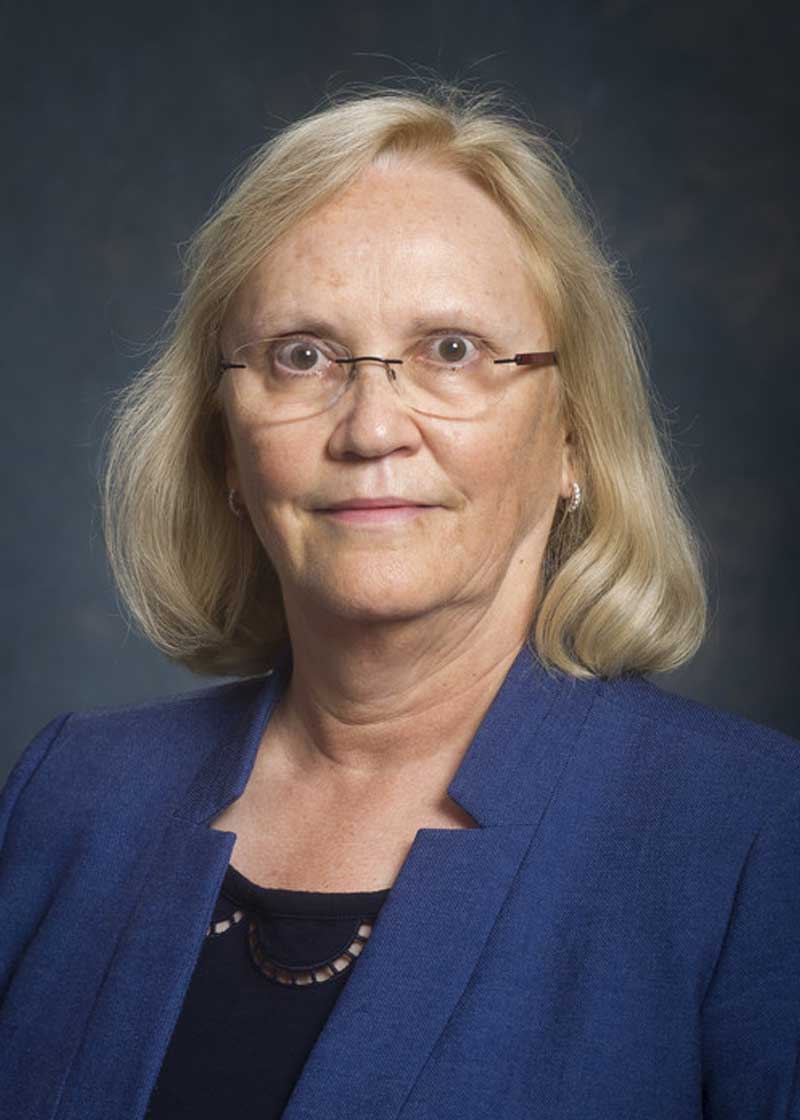 Cora E. Lewis合作论文数Department of Epidemiology, School of Public Health, University of Alabama at Birmingham;Nutrition Obesity Research Center, University of Alabama at Birmingham1
 Phyllis C Zee合作论文数Department of Neurology, Feinberg School of Medicine, Northwestern University;Division of Sleep Medicine, Northwestern Medicine;Center for Circadian and Sleep Medicine, Feinberg School of Medicine, Northwestern University1




