Supplementary Figure S3. Mutation prevalence in specified pathways for anal cancer (A);alterations noted in more commonly altered pathways (B).
Supplementary Figure S2. Total counts of mutation types among all pretreatment anal cancers (A); TMB per patient (B); median PFS (C) and OS (D) according to TMB status.
Hepatocellular Carcinoma (HCC) arising from Metabolic Dysfunction-Associated Steatotic Liver Disease (MASLD) is an increasing public health burden with high mortality, highlighting the need for improved early detection strategies. Current surveillance tools, including Alpha-fetoprotein (AFP) and ultrasound, lack sufficient sensitivity for early-stage HCC detection. We analyzed serum samples from 131 patients, including 58 with cirrhosis and 73 with MASLD-related HCC (42 early-stage, 31 late-stage), using an nLC-stepped HCD-PRM-MS/MS workflow for targeted N-glycome profiling of glycopeptides derived from haptoglobin and vitronectin. Combining targeted glycopeptides with AFP significantly improved HCC detection compared with AFP alone. The optimal panel for all HCC versus cirrhosis (AFP + VTNC_169_A2G2F0S1 + VTNC_242_A3G3F2S2) achieved an AUC of 0.859 and 76.7% sensitivity at 90% specificity. For early-stage HCC, AFP + HP_184_A3G3F1S3 + VTNC_169_A2G2F0S1 yielded an AUC of 0.890 with 66.7% sensitivity at 1% specificity. A SHAP-selected Gaussian Naive Bayes model based on seven molecular/glycopeptide features, without demographic variables, further improved performance, achieving ROC-AUC values of 0.9985 in training and 1.0000 in independent testing cohorts, with accuracies of 98.1% and 100.0%, respectively. GRAPHICAL ABSTRACT:
Radiotherapy-based metastasis-directed therapy (MDT) has emerged as a treatment strategy for oligometastatic clear cell renal cell carcinoma (ccRCC). However, optimal integration of MDT with immune checkpoint inhibition (ICI) is unclear, especially in light of the M1 no evidence of disease subgroup analysis of KEYNOTE-564. We undertook an exploratory cohort study of two previously reported trials evaluating either MDT+ICI (NCT02855203) or MDT (NCT03575611) for oligometastatic ccRCC. The objective was primarily to compare RECIST-defined progression-free survival (PFS) and secondarily to compare peripheral immune populations. Among the 150 patients included in the analysis (MDT+ICI: 30; MDT: 120), the MDT+ICI cohort had more metastases (median 3 vs 1) and was slightly younger (median 62 vs 66) than MDT. After a median follow-up time of 34 mo, there was evidence for longer PFS after MDT+ICI vs MDT that did not reach statistical significance (hazard ratio, 0.57; 95% confidence interval: 0.32-1.02; p = 0.058). Interaction testing demonstrated greater PFS benefit with MDT+ICI among patients with previous receipt of systemic therapy. Immediate systemic induction of activated CD8+ T cells (ICOS+) was more common after MDT+ICI, as were decreases in less functional CD8+ T cell subsets. Taken together, this study provides evidence that adding maintenance ICI to MDT improves clinical outcomes for patients with oligometastatic ccRCC. MDT+ICI-evoked immunomodulatory signals are promising and support the observed superiority in clinical outcomes. The A Randomized Trial of Maintenance Systemic Therapy After Radiation for Oligometastatic Renal Cell Carcinoma (ASTROs) trial (NCT06004336) has been initiated to test the hypotheses generated by the present study.
Supplementary Table S1. Clinical features and biopsy analysis according to clinical outcome with study treatment for each participant.
Supplementary Figure S1. Differentially expressed genes for according to PFS and OS (A), and immunologic genes with higher expression in association with prolonged PFS (B) and OS (C).
PURPOSE We tested the hypothesis that adding metastasis-directed therapy (MDT) to standard-of-care (SOC) systemic therapy improves progression-free survival (PFS) among patients with oligometastatic disease. METHODS EXTEND was a multicenter randomized phase II trial. Patients with 1-5 metastases were randomly assigned to MDT + SOC versus SOC in one of the six baskets (breast, pancreas, kidney, two prostate baskets, and an other basket) with basket-specific stratification and powering. PFS, the primary end point, was prespecified in the per-protocol set within each basket, across all baskets, and across all baskets excluding the prostate baskets. Exploratory end points included circulating tumor DNA (ctDNA) and immune profiling. RESULTS From 2018 through 2023, 521 patients were screened, 350 were randomly assigned, and 334 were analyzed per protocol (MDT + SOC, n = 166; SOC, n = 168). Radiotherapy was used as MDT for 98% of metastases (370/379). Overall, after a median follow-up of 53 months, PFS was improved with MDT + SOC (hazard ratio [HR], 0.54 [95% CI, 0.41 to 0.72], P < .001). Similarly, PFS was improved when excluding the prostate baskets (HR, 0.60 [95% CI, 0.40 to 0.89]). Within each basket, PFS superiority was identified for the pancreas, prostate, and other baskets, whereas the breast and kidney baskets were inconclusive. At enrollment, detectable ctDNA correlated with shorter PFS and survival; by contrast, ctDNA clearance 3 months postenrollment correlated with improved survival. MDT + SOC-induced systemic immune activation was most pronounced among baskets demonstrating PFS superiority. CONCLUSION The phase II EXTEND trial supports the addition of MDT to SOC for oligometastatic disease. Histology-specific efficacy signals were identified for phase III testing. Translational insights suggest the potential for optimizing the definition of oligometastasis using ctDNA and point to systemic immune responses as a possible mechanism of benefit from MDT.
Supplementary Figure S5. Unsupervised clustering according to SBS type (A); Kaplan Meier curves for PFS (B) and OS (C) according to cluster; PFS according to SBS31 signature level (D).
Supplementary Table S3. Univariable Cox regression models for Progression-free survival.
BACKGROUND:Dabrafenib (BRAF inhibitor) plus trametinib (MEK inhibitor) is approved for BRAF V600E-mutated anaplastic thyroid cancer (ATC), but ∼60% of tumors do not harbor BRAF V600E, leaving these patients without effective treatment options. METHODS:This was a phase 2 study of patients with BRAF wild type ATCs treated with concurrent lenvatinib 20 mg po daily and pembrolizumab 400 mg IV Q6 weeks. Those at high risk of bleeding could start on a reduced dose of lenvatinib. The primary endpoint was median OS and secondary endpoints were response rate and PFS. With a historical median OS of 3 months with single agent lenvatinib, the trial aimed to improve OS by an additional 3 months. RESULTS:Twenty-five patients with a median age of 62 years were enrolled, of which 64% were men. All patients had distant metastases at study entry. With a median follow-up time of 18.5 months (range 12-47.1) for alive patients, the median OS and PFS were 13 (95% CI: 7.8-35.6; p < 0.01), and 5.4 months (95% CI: 3.8-11.0), respectively. Best overall response in target lesions was 36%, including 1 complete and 8 partial responses. CONCLUSION:Lenvatinib + pembrolizumab demonstrates clinically meaningful OS in patients with metastatic, non-BRAF mutated ATC, a population with historically poor outcomes, supporting its use as an active therapeutic option. NCT04171622.
PURPOSE:The Pancreatic Cancer Detection Consortium (PCDC) performed a blinded Early Detection Research Network-defined phase II biomarker bakeoff study of blood-based biomarker panels. The aims were to evaluate panel performance, to compare the panels' performance with that of cancer antigen 19-9 (CA19-9) alone, and to evaluate the performance of new combinations of the individual biomarkers. EXPERIMENTAL DESIGN:Ten biomarkers representing eight biomarker panels and CA19-9 were evaluated using plasma, serum, and germline DNA from 140 stage I to IV pancreatic ductal adenocarcinoma (PDAC) cases and 140 controls from three tertiary care institutions, with controls frequency matched to cases on age and sex. LASSO regression was employed to explore new biomarker combinations. The primary metric was area under the receiver operating characteristic curve (AUC). RESULTS:The study population was 51% female, with median age 67.3 (minimum: 45, maximum: 90) years. Biomarker panel AUCs ranged from 89.9 to 96.3; the AUC for serum CA19-9 alone was 91.7 [95% confidence interval (CI), 87.8-95.6]. Two panels had significantly higher AUCs than serum CA19-9 alone, the CA19-9/FUT2/3 panel (AUC = 96.3, P = 0.002), and the tissue factor pathway inhibitor/tenascin C (TFPI/TNC-FNIII-C) panel (AUC = 95, P = 0.01). Exploratory models to recombine biomarkers retained all but two biomarkers [optimism-corrected AUC = 96.4 (94-98.9)]. CONCLUSIONS:The CA19-9/FUT2/3 panel was the best performing panel in this biomarker bakeoff. Its evaluation in larger studies is warranted. Biomarker bakeoffs are an effective strategy for comparing the performance of promising biomarkers for pancreatic cancer early detection, and the PCDC is well poised to conduct such studies. Recommendations for performing such studies are provided.
For first-in-human dose-finding trials, to protect patient safety, regulatory agencies may enforce strict within-cohort staggering rules that require delaying treatment of each patient in the first cohort at an untried dose until dose-limiting toxicities (DLTs) of all previously treated patients have been evaluated. Consequently, many new patients may face therapy delays, which reduces their probability of achieving a response due to disease progression, or be treated off-protocol, which may significantly extend trial duration. To address this, we propose a Bayesian phase 1-2 design, Adaptive Stagger, that reduces delays while protecting patients by making adaptive within-cohort staggering decisions. Adaptive Stagger exploits the relationship between the number of low-grade toxicities and DLT, and accounts for the risk of disease progression. A utility function is used to quantify the tradeoff between DLT and response, with a patient's treatment delayed only if it has greater expected utility than immediate treatment at the current recommended dose, or the current dose fails a safety requirement. Otherwise, the patient is treated without delay at the current dose. Simulations show that, compared to a design with strict within-cohort staggering rules, Adaptive Stagger improves safety slightly, increases the optimal dose selection rate, and substantially shortens trial duration. The design is illustrated by a trial of CD70 natural killer cells for treating hematologic malignancies. Supplementary materials for this article are available online, including a standardized description of the materials available for reproducing the work.
Cigarette smoke promotes bladder tumor growth by enhancing cancer cell survival and proliferation through smoke mediated carcinogens. FASN, a key enzyme in fatty acid synthesis, is dysregulated in many cancers and correlates with aggressive phenotypes. In this study, we demonstrate elevated fatty acid levels and FASN specifically in smokers with bladder cancer. Elevated FASN under smoke exposure imparted epigenetic alterations, particularly histone acetylation, impacts DNA repair and DNA-binding transcription factors which regulate metabolic pathways. Under cigarette smoke, bladder cancer cells undergo a metabolic shift, utilizing glutamine as a major carbon source through reductive carboxylation to fuel fatty acid biosynthesis via FASN. Genetic and pharmacological inhibition of FASN significantly reduced tumor growth in a Chicken embryo Chorio-allantoic Membrane model exposed to smoke. FASN inhibitors such as TVB-2640, currently in clinical trials, may represent an effective therapeutic strategy for smokers with bladder cancer exhibiting high FASN levels.
1138 Background: Inflammatory breast cancer (IBC) is a rare, aggressive subtype with poor outcomes and limited immunotherapy data. Preclinical studies suggest MAPK inhibition enhances antitumor immunity and synergizes with checkpoint blockade. We report results from a phase Ib/II trial of atezolizumab (A), cobimetinib (C), and eribulin (E) in metastatic IBC with integrated molecular profiling. Methods: Patients (pts) with metastatic/recurrent IBC received ACE (cohort 1, n=17). Following cobimetinib supply discontinuation, an exploratory cohort received AE (cohort 2, n=10). Primary endpoint: objective response rate (ORR) per RECIST v1.1. Secondary endpoints: safety, progression-free survival (PFS), overall survival (OS), and correlative genomic, transcriptomic, spatial immune, and circulating tumor DNA (ctDNA) analyses. Results: ACE achieved ORR 50% (7/14; 3 patients were unevaluable for response), disease control rate (DCR) 71% (10/14), median PFS 3.7 months (mo), and median OS 10.6 mo, with 2 exceptional responders achieving >5-year survival. AE showed limited activity (ORR 10%, median OS 7.8 mo). No grade 4/5 toxicities occurred. Molecular profiling revealed distinct response states: responders demonstrated immune-activated, epithelial-like transcriptional programs with CD8+ T-cell infiltration; non-responders exhibited metabolically hyperactive, immune-excluded phenotypes with KRAS pathway activation, T-reg enrichment, CD8+ T-cell exclusion, VEGFA/GSDMB upregulation, and elevated ctDNA. Conclusions: ACE demonstrated encouraging activity in metastatic IBC with durable benefit in two pts. Resistance was associated with metabolic reprogramming and stromal immune exclusion, supporting rational development of metabolism-targeting, stroma-modifying, or T-reg/macrophage-directed combinations in this high-risk population. Clinical trial information: NCT03202316 .
 Ignacio I. Wistuba合作论文数Department of Translational Molecular Pathology, The University of Texas MD Anderson Cancer Center;Department of Pathology, The University of Texas MD Anderson Cancer Center37
 J. Jack Lee合作论文数Division of Discovery Science, Department of Biostatistics, University of Texas MD Anderson Cancer Center29
 Woodman Scott E合作论文数26
 Waun Ki Hong合作论文数The University of Texas MD Anderson Cancer Center23Yuan Ying合作论文数22Haifeng Zhu合作论文数Univ Texas MD Anderson Canc Ctr, Houston, TX 77030 USA20Tsao Anne S合作论文数20
 Roy S. Herbst合作论文数Yale Cancer Center, School of Medicine, Yale University20
 Scott M. Lippman合作论文数School of Medicine, University of California, San Diego20
 David Stewart合作论文数Division of Medical Oncology, Department of Internal Medicine, Faculty of Medicine, University of Ottawa;Research Institute, Ottawa Hospital19
 Edwin R. Parra合作论文数MD Anderson Cancer Center19Sun Baohua合作论文数18Kim Edward S合作论文数18
 Michael J Overman合作论文数Department of Gastrointestinal Medical Oncology, Division of Cancer Medicine, The University of Texas MD Anderson Cancer Center17Ximing Tang合作论文数17
 Armeen Mahvash合作论文数16
 John V. Heymach合作论文数Department of Thoracic-Head & Neck Med Onc, Division of Cancer Medicine, The University of Texas MD Anderson Cancer Center;Graduate School of Biomedical Sciences, The University of Texas MD Anderson Cancer Center16Christine Alden合作论文数15
 Priya Bhosale合作论文数Department of Abdominal Imaging, Division of Diagnostic Imaging, The University of Texas MD Anderson Cancer Center15
 Hai T. Tran合作论文数Department of Thoracic-Head & Neck Med Onc, Division of Cancer Medicine, The University of Texas MD Anderson Cancer Center15Mark Knafl合作论文数13Blumenschein George R合作论文数13
 Li Mao (毛力)合作论文数Sciclone Pharmaceuticals13
 Andy Futreal合作论文数Department of Genomic Medicine, Division of Cancer Medicine, The University of Texas MD Anderson Cancer Center13
 Cathy Eng合作论文数Ingram Cancer Center, Vanderbilt University Medical Center13
 Kanwal Pratap Singh Raghav合作论文数12
 Daniel M Halperin合作论文数12Davis Suzanne E合作论文数12
 Merrill S. Kies合作论文数University of Texas MD Anderson Cancer Center12Frank V. Fossella合作论文数12
 Renata Ferrarotto合作论文数11
 James C. Yao合作论文数Department of Gastrointestinal Medical Oncology, Division of Cancer Medicine, The University of Texas M.D. Anderson Cancer Center11Jeremy J. Erasmus合作论文数11
 Marshall E. Hicks合作论文数Division of Diagnostic Imaging, Department of Interventional Radiology, The University of Texas MD Anderson Cancer Center11
 Chad Tang合作论文数Department of Radiation Oncology, Division of Radiation Oncology, The University of Texas MD Anderson Cancer Center11Anneleis Willett合作论文数10
 Sanjay Gupta合作论文数The James and Eillen Dicke Urology Research Laboratory, Department of Urology, School of Medicine, Case Western Reserve University10
 Alexander D Sherry合作论文数Department of Radiation Oncology, Vanderbilt University Medical Center10Bryan Fellman合作论文数The University of Texas MD Anderson Cancer Center10
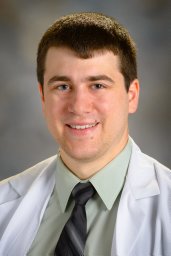 Ludmir Ethan B合作论文数Duke Cancer Institute, Duke University Medical Center10Cheuk Hong Leung合作论文数Univ Texas MD Anderson Canc Ctr, Dept Biostat, Houston, TX 77030 USA9Reddy Jay P合作论文数Department of Molecular &Cellular Biology, Baylor College of Medicine;Department of Molecular & Cellular Biology, Baylor College of Medicine9
 Subrata Sen合作论文数Department of Translational Molecular Pathology, Division of Pathology;Lab Medicine, The University of Texas MD Anderson Cancer Center9Lixia Diao合作论文数MD Anderson Cancer Center, The University of Texas9
 Michelle D. Williams合作论文数Department of Pathology, Division of Pathology/Lab Medicine, The University of Texas MD Anderson Cancer Center9Pierre Saintigny合作论文数Service d’Oncologie Médicale, Hôpital Avicenne9




