The emergence of coronavirus disease 2019 (COVID-19) has triggered research into its impact on male reproductive health. However, studies exploring the effects of severe acute respiratory syndrome coronavirus 2 (SARS-CoV-2) on semen quality in infertile men remain limited. Herein, we enrolled 781 male infertile patients who recovered from COVID-19 and analyzed their semen and blood samples collected at different time points. We found that SARS-CoV-2 RNA was undetectable in semen samples. Compared with pre-COVID-19 status, total sperm count, sperm concentration, vitality, motility, and percentage of sperm cells with normal morphology decreased significantly in the first month post-COVID-19. However, these alterations were reversed in the third month. Furthermore, seminal plasma samples exhibited reduced proinflammatory cytokine levels and notable changes in amino acid, nucleic acid, and carbohydrate metabolism by the third month compared with those in the first month. By contrast, no significant alterations in reproductive hormone levels were found. Vitality, progressive motility, and total motility negatively correlated with body temperature when it was above 38°C. In conclusion, semen quality initially decreases post-COVID-19 but reverses after approximately 3 months, with a decline related to inflammatory and fever. These findings may provide guidance to infertile male patients who need assisted reproductive technology.
BACKGROUND:Non-obstructive azoospermia represents the most severe form of male infertility. The heterogeneous nature of focal spermatogenesis within the testes of non-obstructive azoospermia patients poses significant challenges for accurately predicting sperm retrieval rates. OBJECTIVES:To develop a machine learning-based predictive model for estimating sperm retrieval rates in patients with non-obstructive azoospermia. MATERIALS AND METHODS:This multi-center study included more than 2800 men with non-obstructive azoospermia who underwent microdissection testicular sperm extraction. Preoperative clinical variables were used to train, test, and validate multiple machine learning models. The predictive performance of eight models was assessed with several metrics, including area under the receiver operating characteristic curve, overall accuracy, etc. RESULTS: Of the eight models evaluated, Extreme Gradient Boosting, Random Forest, and Light Gradient Boosting Machine consistently outperformed the others. Extreme Gradient Boosting, which achieved the highest mean area under the receiver operating characteristic curve (0.9183), was selected to power SpermFinder-an online calculator for sperm retrieval rates prediction. The model maintained strong discriminatory ability in both validation sets, with an area under the receiver operating characteristic curve of 0.8469 in the internal cohort and 0.8301 in the external cohort. DISCUSSION AND CONCLUSION:By leveraging routine clinical features and machine learning-powered models, we developed a web-based platform that reliably predicts sperm retrieval outcomes in men with non-obstructive azoospermia. The predictive tool could provide valuable insights for preoperative assessments, and patients with a lower probability of success could gain the opportunity to make informed decisions.
Chlorocholine chloride (CCC) is a commonly used plant growth regulator. It was shown that CCC exposure could lead to decreased testosterone biosynthesis, delayed puberty onset, and damaged spermatogenesis in pubertal rodents, but the underlying mechanism is still not well understood. The testosterone level is determined not only by the functional activity of Leydig cell but also by its number and maturational status. To identify the critical developmental stage at which CCC impairs Leydig cell maturation and elucidate its underlying mechanisms, pubertal rats were exposed to 0, 75, 137.5, and 200 mg/kg bw/day CCC from PND14 (progenitor Leydig cells, PLCs) to PND28 (immature Leydig cells, ILCs) and from PND28 to PND56 (adult Leydig cells, ALCs) respectively. The results showed that, for exposure from PLCs stage, CCC exposure at 137.5 and 200 mg/kg bw/day led to histopathological changes of rat testes and impaired Leydig cell lineage specification in rats. CCC exposure at 200 mg/kg bw/day significantly decreased the mRNA expression of Star, Lhcgr, Cyp17a1, and Hsd17b3. Hormonal measurement and proteomic analysis revealed that both the disruption of the hypothalamic-pituitary-testis axis and the aberrant activation of the PI3K/AKT signaling pathway contribute to the impairment of Leydig cell lineage specification. For exposure from ILCs stage, Leydig cell development was not affected, but serum and testicular testosterone levels decreased resulting from the down-regulation of StAR, CYP11A1, and HSD3B1. In conclusion, our study found that CCC exposure could delay the development process of rat Leydig cells by disruption of Leydig cell differentiation during early developmental stage, which might lead to decreased testosterone level.
目的 探究非梗阻性无精子症(NOA)患者行TESA手术结局的预测模型.方法 我们对2021年1月到12月在北京大学第三医院男科门诊就诊的患者进行了回顾性调查.一共有166例患者的临床资料纳入研究.他们都接受TESA手术治疗,其中取精阳性组(38例),阴性组(128例).比较各组之间的精液参数以及生殖激素水平的差异,采用二元逻辑回归分析探究NOA患者行TESA手术结局的预测模型,并且采用ROC曲线评估TESA预测模型的准确性.结果 在TESA结局分组中,阳性组的血清FSH、LH和INHB水平要高于阴性组(P<0.05),血清T和AMH水平要低于阴性组(P<0.05).通过对年龄,睾丸体积,以及生殖激素进行二元逻辑回归分析,发现只有AMH和T与TESA的阳性结果相关,AMH具有正相关性(OR=1.143,95%CI:1.027~1.271,P=0.014),T具有负相关性(OR=0.009,95%CI:0.990~1.192,P=0.011).其余参数无显著相关性.ROC曲线验证模型的准确度,曲线下面积0.868,约登指数0.655,敏感度84.2%,特异度81.25%,cutoff值0.27.结论 NOA患者中,血清AMH和T对TSEA阳性结局具有一定预测作用.
目的 探索男科医生显微外科技术培训模式的量化评估方式,探讨男科医生显微外科技术培训模式.方法 选择至北京大学第三医院男科进行显微手术培训的30名学员作为研究对象.采取理论和实践教学相结合的培训模式,培训后及时进行考核,并且采取意见反馈方式来评估培训效果.结果 全部学员均掌握显微器械的正确操作方式,并熟练地掌握了基本的显微操作技巧.第一天考核的输精管-输精管吻合的成功率达93.3%,第二天补考的学员也全部通过.对于较难的输精管-附睾吻合的成功率,第一天考核成功率为83.3%,第二天补考后成功率为93.3%.参加培训的所有学员均给予了最高的满意度反馈.结论 我们采取操作培训和动物实验的分阶段考核方式,量化考核标准,以此提高显微培训水平,该男科医生显微外科技术培训模式值得推广.
Background: The lack of clinically useful biomarkers for predicting micro-TESE outcomes in males with idiopathic NOA. To find clinically reliable serum reproductive hormone markers to predict the outcome of sperm retrieval in men with idiopathic NOA undergoing micro-TESE. Methods: We analyzed the clinical data of 168 men with idiopathic NOA treated with micro-TESE. The clinical predictors of a successful sperm retrieval were put to the test using logistic regression analysis. The clinical net benefit was calculated using a decision-curve analysis, and the predictive power of each variable was assessed using the ROC-derived area under the curve. Result: Between positive group and negative group for sperm retrieval, there was a statistically significant difference in INHB, AMH, and INHB/AMH. AMH, INHB, and INHB/AMH were each independent predictors of successful sperm retrieval, with INHB (OR1.02, p = 0.03), AMH (OR0.85, p = 0.01), INHB/AMH (OR1.08, p < 0.01). The ROC curve determined the optimal cut-off values for serum INHB and INHB/AMH in positive sperm retrieval patients undergoing micro-TESE. 21.51 pg/mL was the cut-off value for INHB. The cut-off value for INHB/AMH was 3.19, which had a 86.3% sensitivity and a 53.8% specificity. Using INHB and INHB/AMH prior to micro-TESE sperm retrieval in idiopathic NOA patients improved the net benefit of positive sperm retrieval, and the net benefit score of INHB/AMH was better than that of INHB, according to decision analysis curves. Conclusion: Serum INHB have predictive value for sperm retrieval outcomes in idiopathic NOA patients undergoing micro-TESE. Combining INHB and AMH, INHB/AMH seems to be a better predictor.
To investigate the factors affecting the sperm retrieval rate of microdissection testicular sperm extraction (micro-TESE) in patients with nonmosaic Klinefelter syndrome (KS), 64 patients with nonmosaic KS who underwent micro-TESE in the Center for Reproductive Medicine of Peking University Third Hospital (Beijing, China) between January 2016 and December 2017 were included in the study. Data on medical history, physical examination and laboratory examination results, and micro-TESE outcomes were collected. Patients were divided into two groups according to micro-TESE outcomes. The following factors were compared between the two groups by the Mann‒Whitney U test or Student's t-test based on the distribution (nonnormal or normal) of the factors: age, testicular size, follicle-stimulating hormone level, luteinizing hormone level, testosterone level, and anti-Müllerian hormone level. The overall success rate of sperm retrieval was 50.0%. Correlation analysis showed that testicular volume was positively correlated with testosterone level. Using a logistic regression model, age and anti-Müllerian hormone levels were found to be better predictors for the sperm retrieval rate than the other parameters.
BACKGROUND:The coronavirus disease 2019 (COVID-19) outbreak has had a widespread and profound impact on people's mental health. The factors associated with mental symptoms among men diagnosed with infertility, a disease closely related to psychological conditions, remain unclear. The aim of this study is to investigate the risk factors associated with mental symptoms among infertile Chinese men during the pandemic.RESULTS:A total of 4,098 eligible participants were recruited in this cross-sectional, nationwide study, including 2,034 (49.6%) with primary infertility and 2,064 (50.4%) with secondary infertility. The prevalence of mental health conditions was 36.3%, 39.6%, and 6.7% for anxiety, depression, and post-pandemic stress, respectively. Sexual dysfunction is associated with a higher risk with adjusted odds ratios (ORs) of 1.40 for anxiety, 1.38 for depression, and 2.32 for stress. Men receiving infertility drug therapy displayed a higher risk for anxiety (adjusted OR, 1.31) and depression (adjusted OR, 1.28) symptoms, while those receiving intrauterine insemination had a lower risk of anxiety (adjusted OR, 0.56) and depression (adjusted OR, 0.55) symptoms.CONCLUSION:The COVID-19 pandemic has had a significant psychological impact on infertile men. Several psychologically vulnerable populations were identified, including individuals with sexual dysfunction, respondents receiving infertility drug therapy, and those experiencing control measures for COVID-19. The findings provide a comprehensive profile of the mental health status of infertile Chinese men during the COVID-19 outbreak and provide potential psychological intervention strategies.
近年来,伴随着网络信息科技的不断进步,其应用也逐渐深入到社会的方方面面,并且不断地促进相关领域的发展.在医学教育中,网络课程建设和教学评估也逐渐引起了学校和授课教师们的重视和关注.通过对传统课堂学习方式进行改革,利用互联网信息技术构建以学生自主学习为主的混合式课堂教学模式成为当下教学改革的重要方向之一.目前,我国大部分高校已开展了大量的在线教育实践活动,其中不乏成功案例,取得了较好成效.与此同时,突如其来的新型冠状病毒肺炎疫情虽然扰乱了正常教学秩序,但为以网络为载体的线上教育新模式的普及创造了条件.本研究结合本课题组在疫情中的教学实践工作,对疫情中的线上带教经验进行总结,以期为探讨网络环境下医学教学模式的确立与评估提供借鉴.
Background Testicular sperm aspiration (TESA) is widely used in the diagnosis and management of nonobstructive azoospermia. However, its ability for predicting microdissection testicular sperm extraction in nonobstructive azoospermia (NOA) patients with AZFc deletion remains uncertain. To investigate whether TESA affected the sperm retrieval rate (SRR) in NOA patients with AZFc deletion, a retrospective analysis of the clinical data of NOA patients with AZFc deletion who underwent microdissection testicular sperm extraction (micro-TESE) was conducted. The effects of age, testicular volume, follicle-stimulating hormone (FSH) levels, luteinizing hormone (LH) levels, testosterone (T) levels and TESA on the SRR were analyzed in this group of patients. Results A total of 181 individuals had their sperm successfully collected and underwent micro-TESE, with an SRR of 67.4%. The patients were separated into two groups based on their micro-TESE results (sperm acquisition and nonsperm acquisition), with no significant variations in age, testicular volume, FSH levels, LH levels, or T levels between the two groups. There was no significant difference in the SRR between any of the groups into which patients were classified based on reproductive hormone reference value ranges. Binary logistic regression was used to explore the absence of significant effects of age, testicular volume, FSH levels, LH levels, and T levels on sperm acquisition in patients undergoing micro-TESE. In the preoperative testicular diagnostic biopsy group, the sperm acquisition and nonsperm acquisition groups had SRRs of 90.1% and 65.1%, respectively. More significantly, there was no significant difference in the SRR between the negative preoperative testicular diagnostic biopsy group and the nonpreoperative testicular diagnostic biopsy group (65.1 vs. 63.8%, p = 0.855). Conclusion There is a high probability of successful sperm acquisition in the testis of men undergoing micro-TESE. In this group of patients, age, testicular volume, FSH levels, LH levels, and T levels may have little bearing on the micro-TESE outcome. In patients whose preoperative TESA revealed the absence of sperm, the probability of obtaining sperm by micro-TESE remained high (65.1%); negative TESA results appeared to not influence the SRR (63.8%) in patients undergoing micro-TESE.
Microdissection testicular sperm extraction (micro-TESE) is widely used to treat nonobstructive azoospermia. However, a good prediction model is required to anticipate a successful sperm retrieval rate before performing micro-TESE. This retrospective study analyzed the clinical records of 200 nonobstructive azoospermia patients between January 2021 and December 2021. The backward method was used to perform binary logistic regression analysis and identify factors that predicted a successful micro-TESE sperm retrieval. The prediction model was constructed using acquired regression coefficients, and its predictive performance was assessed using the receiver operating characteristic curve. In all, 67 patients (sperm retrieval rate: 33.5%) underwent successful micro-TESE. Follicle-stimulating hormone, anti-Müllerian hormone, and inhibin B levels varied significantly between patients who underwent successful and unsuccessful micro-TESE. Binary logistic regression analysis yielded the following six predictors: anti-Müllerian hormone (odds ratio [OR] = 0.902, 95% confidence interval [CI]: 0.821–0.990), inhibin B (OR = 1.012, 95% CI: 1.001–1.024), Klinefelter's syndrome (OR = 0.022, 95% CI: 0.002–0.243), Y chromosome microdeletion (OR = 0.050, 95% CI: 0.005–0.504), cryptorchidism with orchiopexy (OR = 0.085, 95% CI: 0.008–0.929), and idiopathic nonobstructive azoospermia (OR = 0.031, 95% CI: 0.003–0.277). The prediction model had an area under the curve of 0.720 (95% CI: 0.645–0.794), sensitivity of 65.7%, specificity of 72.2%, Youden index of 0.379, and cut-off value of 0.305 overall, indicating good predictive value and accuracy. This model can assist clinicians and nonobstructive azoospermia patients in decision-making and avoiding negative micro-TESE results.
目的 探索新媒体平台在男科继续医学教育(CME)线上基于问题的教学法(PBL)中的适用性.方法 于2022年4月招募162例研究对象,利用微信和腾讯会议新媒体平台分别对其实施管理与男科CME线上授课,发布PBL相关授课信息、问题和互动.授课后调查认知、态度和教学效果等情况.结果 162例研究对象中,80.25%(130例)愿意采用线上CME学习模式,70.99%(115例)表示线上学习收获颇丰,84.57%(137例)、78.40%(127例)、84.57%(137例)认为在线学习有助于增强临床诊疗水平、专业领域内的科研水平和学术水平.96.30%(156例)"乐意"接受这种教学法方式.授课后考核发现研究对象对于第二性征、睾丸体积及测量、阴囊触诊等知识掌握程度较低,错误率为2% ~77%.结论 利用微信和腾讯会议新媒体平台实施男科CME线上PBL的接受度、认可度和适用性均较高,切实可行,但是教学效果仍需结合线下面授教学进一步提高.
Background:Male reproductive health has become a serious public health concern, and semen quality is essential to male reproduction. We aimed to investigate geographical differences in the semen quality of sperm donors from northern and southern China by enrolling donors across the country.Methods:A total of 1,012 sperm donors were enrolled in this study between 2015 and 2019. Donors were first divided into two parts based on their birthplace according to the "Qinling-Huaihe" line, and secondly, by their residential latitude. Finally, donors were re-classified into two groups (typically north and south) which contained 667 samples.Results:Statistically significant differences in sperm concentration were observed among men from different latitudes in China (P=0.04). The sperm concentrations of males from 18° to 27° north latitude were significantly lower than those from 36° to 45° and 45° to 54° [median 131, 134, and 146, respectively, P=0.021 (18° to 27° vs. 36° to 45°) and P=0.01 (18° to 27° vs. 45° to 54°)].Conclusion:We hypothesize environmental pollution and mental stress due to the increased population size may be the main factors underlying differences in the sperm quality of men in northern and southern China.
Circular RNAs (circRNAs) are highly conserved and ubiquitously expressed noncoding RNAs that participate in multiple reproduction-related diseases. However, the expression pattern and potential functions of circRNAs in the testes of patients with non-obstructive azoospermia (NOA) remain elusive. In this study, according to a circRNA array, a total of 37 881 circRNAs were identified that were differentially expressed in the testes of NOA patients compared with normal controls, including 19 874 upregulated circRNAs and 18 007 downregulated circRNAs. Using quantitative real-time polymerase chain reaction (qRT-PCR) analysis, we confirmed that the change tendency of some specific circRNAs, including hsa_circ_0137890, hsa_circ_0136298, and hsa_circ_0007273, was consistent with the microarray data in another larger sample. The structures and characteristics of these circRNAs were confirmed by Sanger sequencing, and fluorescence in situ hybridization revealed that these circRNAs were primarily expressed in the cytoplasm. Bioinformatics analysis was used to construct the competing endogenous RNA (ceRNA) network, and numerous miRNAs that could be paired with circRNAs validated in this study were reported to be vital for spermatogenesis regulation. Gene Ontology and Kyoto Encyclopedia of Genes and Genomes pathway enrichment analyses indicated that genes involved in axoneme assembly, microtubule-based processes, and cell proliferation were significantly enriched. Our data suggest that there are aberrantly expressed circRNA profiles in patients with NOA and that these circRNAs may help identify key diagnostic and therapeutic molecular biomarkers for NOA patients.
In the treatment of infertile patients with non-obstructive azoospermia (NOA) caused by the deletion of the azoospermia factor c region (AZFc) on the Y chromosome, synchronous and asynchronous surgical strategies are discussed. Clinical data from NOA patients with the AZFc deletion who underwent micro-TESE were analyzed retrospectively. The sperm retrieval rate (SRR) and sperm utilization rate of synchronous and asynchronous operation groups were followed up and compared. The fertilization rate, high-quality embryo rate, clinical pregnancy rate, abortion rate, and cumulative live birth rate of ICSI in patients with successful sperm retrieval were compared between the two groups. The two groups had sperm utilization rates of 98.9% (93/94) and 50.0% (14/28), respectively. The asynchronous group's sperm consumption rates were much lower than those of the synchronous operation group. Fertilization rate, high-quality embryo rate, clinical pregnancy rate of fresh transfer cycle, abortion rate, and cumulative live birth rate of patients in the synchronous operation group with fresh sperm, and the asynchronous operation group with thawed sperm, respectively, were 30.6% vs 33.8%, 33.8% vs 40.7%, 40.0% vs 12.5%, 30.4% vs 7.1%. Between the two groups, there was no significant difference. This suggests that individuals with NOA caused by the AZFc deletion have a high possibility of successfully acquiring sperm using micro-TESE and ICSI to conceive their own offspring. Synchronous micro-TESE is recommended to improve sperm utilization rate and the cumulative live birth rate.
Abstract Objective: To investigate whether age, testicular volume, reproductive hormone, and preoperative diagnostic testicular biopsy affected sperm retrieval rate (SRR) in individuals with non-obstructive azoospermia (NOA).Patients and methods: Retrospective analysis of clinical data of NOA patients with AZFc deletion who had microdissection testicular sperm extraction (micro-TESE). The effects of age, testicular volume, FSH, LH, T, and preoperative diagnostic testicular biopsy on SRR were compared cross-sectionally in this group of patients.Results: A total of 181 individuals had their sperm successfully collected and underwent micro-TESE, with an SRR of 67.4 %. The results of micro-TESE were separated into two groups: sperm acquisition and non-sperm acquisition, with no significant variations in age, testicular volume, FSH, LH, and T between the two groups. Binary logistic regression explored the absence of significant effects of age, testicular volume, FSH, LH, and T on sperm acquisition in patients undergoing micro-TESE. Based on whether or not a preoperative diagnostic testicular biopsy was conducted, the above parameters were compared between the two groups. Testicular volume was higher in the group with preoperative diagnostic testicular biopsy than in the group without preoperative diagnostic testicular biopsy, while FSH and T were lower. In the preoperative testicular diagnostic biopsy group, the sperm acquisition and non-acquired sperm groups had SRR of 90.1 % and 65.1 %, respectively, with the sperm acquisition group being significantly higher than the non-acquired sperm group.Conclusion: There is a high probability of successful sperm acquisition in the testis with micro-TESE. In this group of patients, age, testicular volume, FSH, LH, and T may have little bearing on the micro-TESE outcome. In patients whose preoperative diagnostic testicular biopsy revealed no sperm, the probability of obtaining sperm by micro-TESE remained high (65.1%), while negative preoperative diagnostic testicular biopsy results appeared to not influence SRR by micro-TESE.
在科技文明取得极大进步的现代社会,性欲以及性生活的目的不单单是繁衍后代,相反,更多的时候我们要避免怀孕.在男女性活跃期的二三十年中,绝大部分时间我们需要有计划地避孕,只有一小部分时间的性生活是为了生育.所以我们发明了避孕套、避孕药等.
目的 观察显微精索静脉结扎术(MV)治疗精索静脉曲张(VC)患者的临床效果.方法 回顾分析2016年6月至2020年1月在北京大学第三医院生殖医学中心接受显微外科治疗的117例VC患者的临床资料,均在全麻下经腹股沟下途径行MV.选择随访至少12个月及以上的患者,统计和观察其术后并发症、症状缓解、精液参数改善及配偶妊娠情况.结果 获得随访1年以上的患者63例,因不育就诊者35例,因睾丸坠胀不适伴少、弱精等症状就诊者25例及原发性非梗阻性无精子症3例.术后并发症发生率为4.8%,主要包括术后阴囊水肿2例(3.2%)和复发1例(1.6%).睾丸疼痛症状术后总体改善率为94.9%,包括消失27例(69.2%)和减轻10例(25.6%),而无改善2例(5.1%).60例少、弱精症的患者手术3个月后精液参数与术前相比有升高趋势,但差异无统计学意义(P>0.05);6个月和12个月后精子浓度、活力和形态均较术前显著改善(P<0.05);精液质量改善的患者比例分别为61.7%和76.7%,精液恢复正常16例(26.7%).纳入妊娠统计的27例不育患者术后1年内自然妊娠8例(29.6%).结论 MV治疗VC可有效改善睾丸疼痛不适等症状、改善患者精液参数和提高配偶妊娠率.
OBJECTIVE:To analyze the clinical treatment results of male infertility caused by Y chromosome azoospermia factor c region(AZFc) deletion after synchronous micro-dissection testicular sperm extraction (micro-TESE) and intracytoplasmic sperm injection (ICSI) and to guide the treatment of infer- tile patients caused by AZFc deletion.METHODS:The clinical data of infertile patients with AZFc deletion who underwent synchronous micro-TESE in Peking University Third Hospitalfrom January 2015 to December 2019 were retrospectively analyzed. The clinical outcomes of ICSI in the patients who successfully obtained sperm were followed up and we compared the outcomes between the first and second synchronous procedures, including fertilization rate, high-quality embryo rate, clinical pregnancy rate, abortion rate and live birth rate.RESULTS:A total of 195 male infertile patients with AZFc deletion underwent micro-TESE. Fourteen patients were cryptozoospermia and their sperms were successfully obtained in all of them during the operation, and the sperm retrieval rate (SRR) was 100%(14/14). The remaining 181 cases were non obstructive azoospermia, and 122 cases were successfully found the sperm, the SRR was 67.4%(122/181). The remaining 59 patients with NOA could not found mature sperm during micro-TESE, accounting for 32.6% (59/181). We followed up the clinical treatment outcomes of the patients with successful sperm retrieved by synchronous micro-TESE and 99 patients were enrolled in the study. A total of 118 micro-TESE procedures and 120 ICSI cycles were carried out. Finally 38 couples successfully gave birth to 22 male and 22 female healthy infants, with a cumulative live birth rate of 38.4% (38/99). In the fresh-sperm ICSI cycle of the first and second synchronous operation procedures, the high-quality embryo rate, clinical pregnancy rate of the fresh embryo transfer cycle and live birth rate of the oocyte retrieve cycle were 47.7% vs. 50.4%, 40.5% vs. 50.0%, and 28.3% vs. 41.2%, respectively. The second operation group was slightly higher than that of the first synchronous operation group, but there was no significant difference between the groups.CONCLUSION:Male infertility patients caused by AZFc deletion have a high probability of successfully obtaining sperm in testis through micro-TESE for ICSI and give birth to their own offspring with their own biological characteristics. For patients who failed in the first synchronous procedure, they still have the opportunity to successfully conceive offspring through reoperation and ICSI.
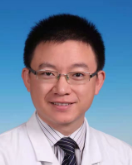 Lianming Zhao (赵连明)合作论文数Urology Department, Peking University Third Hospital66
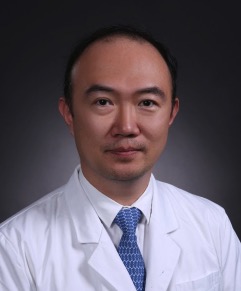 Kai Hong (洪锴)合作论文数Department of Urology, Peking University Third Hospital62
 Defeng Liu (刘德风)合作论文数Center of Reproductive Medicine, Peking University Third Hospital59
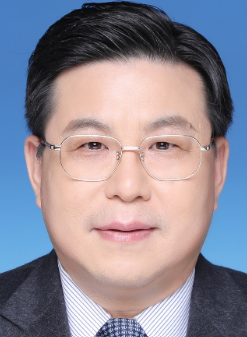 Hui Jiang (姜辉)合作论文数Peking University First Hospital;University of Texas Health Science Center at Houston57
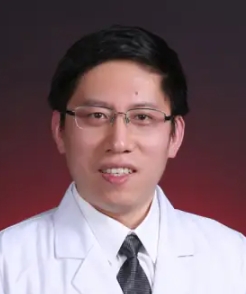 Wenhao Tang (唐文豪)合作论文数Department of Urology, Peking University Third Hospital52
 Haocheng Lin (林浩成)合作论文数Department of Urology, Peking University Third Hospital36
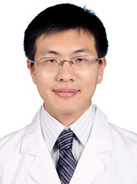 Zhe Zhang (张哲)合作论文数Peking University Third Hospital29
 Yuzhuo Yang合作论文数24
 Lulin Ma (马潞林)合作论文数Peking University Third Hospital20Hong-Liang Zhang合作论文数15
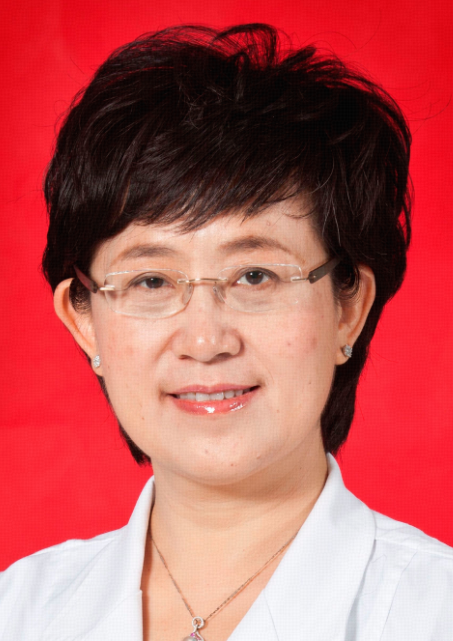 Jie Qiao (乔杰)合作论文数Health Science Center, Peking University;Beijing Advanced Innovation Center for Genomics, Peking University;Peking University Third Hospital15Haitao Zhang合作论文数Southeast University(Southeast University,Southeast Univ),Nanjing,China14Han Wu合作论文数11Chenyao Deng合作论文数9Ying Lian (廉颖)合作论文数7Zhuang Xinjie合作论文数7Yi Yang (杨译)合作论文数5Qiancheng Zhao合作论文数4
 Yu Xi (席羽)合作论文数School of Tropical Agriculture and Forestry, Hainan University4RenPei Yuan (袁人培)合作论文数4HuiYu Xu (许惠玉)合作论文数4
 Ping Liu (刘平)合作论文数Reproductive Medicine Center, Peking University Third Hospital;State Key Laboratory of Female Fertility Promotion, Peking University Third Hospital4Jiangman Gao合作论文数3Hongliang ZHANG (张洪亮)合作论文数3
 Ning Hou (侯宁)合作论文数School of Pharmaceutical Scinences, Guangzhou Medical University3Jue Wang (王珏)合作论文数Institute of Molecular Medicine, Peking University3
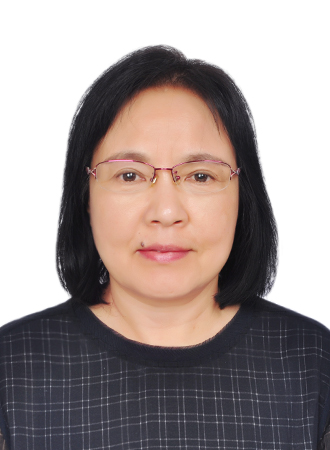 Xiuqin Zhang (张秀琴)合作论文数College of Future Technology, Peking University3
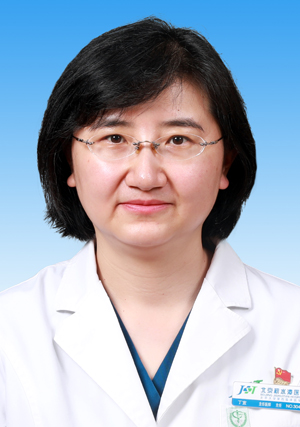 Yi Ding (丁宜)合作论文数Beijing Jishuitan Hospital3
 Yu Tian (田雨)合作论文数Department of Urology, Peking University Third Hospital3
 Xin Zhang (张欣)合作论文数School of Mathematics and Statistics, Xidian University3Yu-Long Chen合作论文数2Li Zhang合作论文数2Shi-De Song合作论文数2Xiang Huang (黄翔)合作论文数2YanBin Wang (王岩斌)合作论文数2ShanJie Zhou (周善杰)合作论文数2HaiTao Zhang (张海涛)合作论文数2Xiao Yao合作论文数2Yuli Liu合作论文数2Wen Zheng合作论文数2
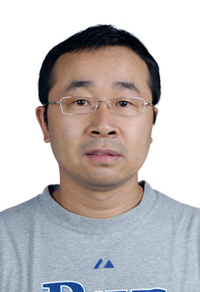 Shengli Lin (林胜利)合作论文数Key Laboratory of Assisted Reproduction Ministry of Education2
 Yuqing Liu (刘余庆)合作论文数Department of Urology, Peking University Third Hospital2
 Heping Cheng (程和平)合作论文数College of Future Technology, Peking University;Institute of Molecular Medicine, Peking University;National Biomedical Imaging Center, Peking University2
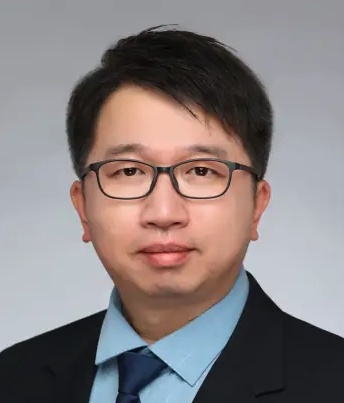 Yan Zhang (张岩)合作论文数School of Basic Medical Sciences, Peking University;Institute of Cardiovascular Sciences, Peking University Health Science Center;Institute of Molecular Medicine, Peking University2
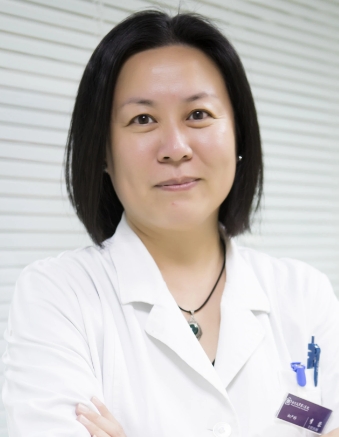 Rong Li (李蓉)合作论文数Peking University Third Hospital2
 Yutian Dai (戴玉田)合作论文数The Affiliated Hospital of Nanjing University Medical School2




