Colonial systems have sought to sever Kanaka ‘Ōiwi (Native Hawaiian) from ‘āina (land, that which feeds), undermining Indigenous flourishing and community wellness. Yet, the ‘ōlelo no‘eau (Hawaiian proverb) reminds us, i ka wā ma mua, ka wā ma hope, the future is in the past. This paper traces the journey of ‘āina relationships across time: from ancestral epistemological foundations, through colonial disruption, to contemporary revitalization, and toward futures grounded in collective autonomy, dignity, and liberation. ‘Āina represents far more than physical territory; it encompasses a living, reciprocal relationship between people and place that sustains Kanaka ‘Ōiwi for generations. Drawing on mo‘olelo (history, lore), ‘ōlelo no‘eau, mele (chants, songs), and scholarship, we examine how knowledge of ‘āina emerges through relational and genealogical frameworks, embodied learning, and place-based practices. We unravel how colonization systematically disrupted these relationships while highlighting contemporary initiatives that are (re)claiming and (re)vitalizing connections to ‘āina. We intentionally close by (re)weaving intimacies forward, envisioning what becomes possible when Kanaka ‘Ōiwi epistemologies are honored, when land and water are returned back to community, and when wellness is not about resilience to ongoing harm but thriving within restored intimacies with ‘āina.
BackgroundEquitable approaches to public and global health require grounding in diverse ontologies of wellbeing and decolonial theory. Indigenous wellbeing models and frameworks embed holistic values that support ecological thriving. In contrast, Western approaches often individualize and compartmentalize wellbeing, narrowing public and global health practice and contributing to persistent disparities. Despite the proliferation of Indigenous-developed frameworks, no scoping review has synthesized contributions in this area. This review aimed to identify models, frameworks, and theories of wellbeing developed by Indigenous communities and scholars from Turtle Island (North America) and Moananuiākea (the Pacific) to inform more culturally safe and decolonial approaches to public and global health.MethodsGuided by the PRISMA-ScR framework, both peer-reviewed publications and grey literature were sourced from five databases (PubMed, Web of Science, EBSCO Academic Search Complete, CINAHL, and ProQuest). Additional articles were hand-sourced. Included articles posed an original model, framework, or theory of wellbeing, developed for Indigenous people, families, or communities, by Indigenous authors from those respective lands in Turtle Island or Moananuiākea.ResultsA total of 1,473 database references and 89 additional references were identified for screening. After 61 full-text reviews, 33 manuscripts were included for analysis. Twenty-one publications originated from Moananuiākea (64%) and 12 originated from Turtle Island (36%). The most common method used to develop the models and frameworks was qualitative (52%). Synthesis of the data yielded seven themes: (1) holistic integration of all life domains; (2) spirituality and the ongoing presence of ancestors; (3) culture and preservation of tradition; (4) collective wellbeing and relationality; (5) reciprocal relationship with land as a source of identity, health, and responsibility; (6) use of place-specific Indigenous metaphors and language; and (7) empowerment and self-determination.ConclusionIndigenous communities globally are calling for a shift from conceptual discussion of wellbeing toward tangible application in public and global health systems. These findings hold several implications for decolonial theory-development and more equitable health systems. Future research should build on work which moves Indigenous wellbeing frameworks from theory to action.
Public Health serves a critical role in ensuring and maintaining population health by recognizing that health is influenced by individual, social, economic, environmental, structural, and political factors. Despite the core role that public health plays in communities, the field's workforce faces shortages which were already dire pre-pandemic. The Department of Public Health Sciences (DPHS) at the University of Hawai'i at Mānoa (UHM) provides bachelor, masters, and doctoral degrees and serves as an essential training ground for the public health workforce in Hawai'i. The purpose of this paper is to describe some of the ways DPHS is meeting the ever-growing demand for qualified health professionals, in local and global government and community health departments and organizations. Since the first graduating class in 1967, more than 7000 individuals have earned accredited degrees through DPHS, including over 500 diverse undergraduate and graduate alumni since Fall 2015. The quality of DPHS' program and instruction are consistently highly rated by students and alumni. The curriculum is continually enhanced through innovative programs, and actively engages students in advancing public health practice and gaining applied research skills through all steps of scholarship including publications. DPHS is proud to be part of the movement towards building and revitalizing the public health workforce through teaching, research, and service and continues to strive to foster practitioners who will represent and serve local communities, engage in meaningful research and service, and bridge connections across disciplines and geographies.
Introduction This inaugural column by the Indigenous Food Sovereignty Editorial Circle (IFSEC) in the Journal of Agriculture, Food Systems, and Community Development (JAFSCD) introduces a dedicated section of articles on Indigenous food sovereignty in partnership with First Nations Development Institute (FNDI). The column and the IFSEC reflect both our mission to work toward a more equitable and just food system, and JAFSCD’s long-standing commitment to Indigenous food sovereignty, illustrated by the 2019 special issue[1] on “Indigenous Food Sovereignty of North America.” An Indigenous-led editorial circle as part of JAFSCD, IFSEC uplifts Indigenous values and community food system aspirations in academic publishing. As an introduction to the IFSEC, this column will briefly outline the centrality of food, place, and learning in Indigenous lifeways, the main differences between Indigenous and Western approaches to the food system, and some thoughts on the role of Indigenous ways of knowing and being for the collective flourishing of humanity and all our relations, human and otherwise. The cycle of themes, along with other emergent topics related to Indigenous food systems, will thread throughout future columns. The current geographic focus includes the continental United States, Hawai’i, and Canada. The geographic scope is determined by the territorial affiliations of IFSEC members and may broaden to include other nations and regions over time. [1] See the special issue, JAFSCD volume 9, supplement 2, at https://doi.org/10.5304/jafscd.2019.09B.024
Background:Integrative health efforts typically offer clinical services of Western and non-Western origin in a biomedical context. Indigenous communities and other minoritized populations would benefit from improved equity efforts in integrative healthcare. Objective:As an approach to improve healthcare for Kānaka 'Ōiwi (Native Hawaiians), we explore multi-eyed seeing, an elaboration on two-eyed seeing, emphasizing decolonialism and adaptive use of healing traditions from multiple cultural backgrounds. We also discuss the ways multi-eyed seeing may be used to address challenges to integrative health inequities. Methods:Using the transformative paradigm and community-based participatory action research, we conducted 1 focus group and 38 in-depth interviews. Data were analyzed using grounded theory, a decolonial intersectionality method, ho'omana i nā leo (empowering the voices), and thematic analysis. To triangulate data, recruitment targeted 3 categories: mental and behavioral health providers who primarily serve Kānaka 'Ōiwi (n = 12), Kanaka 'Ōiwi clients who experienced depressive symptoms (n = 19), and Kanaka 'Ōiwi cultural leaders (n = 10). Results:Three primary themes emerged, suggesting that multi-eyed seeing: 1) supports Indigenous wellbeing at multiple levels; 2) necessitates unique spaces for healthcare and healing; 3) may illuminate similarities across cultures and underlying mechanisms for healing and health. Findings also include 2 secondary themes, 1 describing the potential role of multi-eyed seeing in idiographic and transdiagnostic approaches to behavioral and integrative healthcare and another describing potential barriers to multi-eyed seeing. Conclusions:By drawing upon strengths of Indigenous, Western, Eastern, and other pathways to wellbeing, a synergistic weaving may be stronger than the sum of its parts. At the levels of ontology, epistemology, axiology, and praxis, multi-eyed seeing provides approaches to equity in integrative healthcare. We offer critical reflections and analyses of the processes that may uplift the work of multi-eyed seeing as a decolonial approach and invite dialogue around this concept for future exploration.
Indigenous ways of knowing center on balance and holism, with an emphasis of learning through ancestral and intergenerational knowledge, which continue to be revitalized as a demonstration of the ongoing resilience of Indigenous Peoples. The Native Hawaiian and Indigenous Health (NHIH) Summer Health Academy (SHA) program was developed and implemented with an objective of increasing diversity, equity, and inclusion in higher education, fostering relationships at multiple levels, addressing gaps in education and academia, preparing students to work with and for Native and Indigenous communities, and changing the narrative of health and healing to better align with Native Hawaiian and Indigenous worldviews of health. Program activities included individualized mentoring, critical self-reflections through activities such as Indigenous photovoice, experiential opportunities to learn about social determinants of health, and community-engaged research projects. Overarching themes from the critical self-reflections included holistic and relational health, the importance of 'ohana (family), intergenerational relationships, and thriving 'Āina (land) as thriving health. Results of the pre and post-test surveys demonstrated the promise and success of the NHIH SHA course, with a statistically significant change in knowledge related to cultural humility, community-based research, Indigenous methodologies, and Indigenous frameworks of health. This program demonstrates the importance of creating a pathway of success for Native Hawaiian and Indigenous students to address gaps and disparities in higher education for Native Hawaiian and Indigenous communities at large, while increasing the pursuit of health-related fields by Native Hawaiian and other Indigenous students.
BACKGROUND:This study examined screening behaviors for breast, prostate, and cervical cancers among residents on several Native Hawaiian Homesteads. METHODS:From 2016 to 2020, a cross-sectional survey was administered to identify the most relevant and modifiable factors associated with participants' health behaviors. The participating Homestead communities are located on the Islands of O'okinaahu and Hawai'i. A mailed invitation letter was sent to 1,582 lessees and/or the listed resident in each Homestead community. Respondents were identified as the Homestead lessee, lessees' successor, and/or designee who were over age 18. Sociodemographic and economic variables, as well as cancer-related and cancer screening behaviors, were assessed using items derived from the Behavioral Risk Factor Surveillance Survey (BRFSS). Four items assessing the ability to perform daily activities were also included. Descriptive statistics were calculated, followed by frequencies and percentages for categorical variables, and means and standard deviations for continuous variables. A p-value of < .05 (two-tailed) was used to determine statistical significance. RESULTS:Out of 1,582 surveys sent, a total of 459 surveys (29%) were collected. Screening rates for several cancer sites (colon 72%, cervical 97%, breast 99%) were well-above average for Hawai'i and the U.S. CONCLUSION:These results may be a direct reflection of the strong engagement efforts cultivated by community-based researchers and their longstanding university-community partnership that utilizes community-based participatory research approaches for health promotion.
Introduction This inaugural column by the Indigenous Food Sovereignty Editorial Circle (IFSEC) in the Journal of Agriculture, Food Systems, and Community Development (JAFSCD) introduces a dedicated section of articles on Indigenous food sovereignty in partnership with First Nations Development Institute (First Nations). The column and the IFSEC reflect both our mission to work toward a more equitable and just food sys¬tem, and JAFSCD’s long-standing commitment to Indigenous food sovereignty, illustrated by the 2019 special issue on “Indigenous Food Sovereignty of North America.” An Indigenous-led editorial circle as part of JAFSCD, IFSEC uplifts Indigenous values and community food system aspirations in academic publishing. As an introduction to the IFSEC, this column will briefly outline the centrality of food, place, and learning in Indigenous lifeways, the main differences between Indigenous and Western approaches to the food system, and some thoughts on the role of Indigenous ways of knowing and being for the collective flourishing of humanity and all our relations, human and otherwise. The cycle of themes, along with other emergent topics related to Indigenous food systems, will thread throughout future columns. The current geographic focus includes the continental United States, Hawai’i, and Canada. The geographic scope is determined by the territorial affiliations of IFSEC members and may broaden to include other nations and regions over time.
The Brief COPE (Coping Orientation to Problems Experienced) Inventory is a standardized and widely used scale that enables researchers to measure coping responses of persons in relation to stressors. The psychometric properties of this scale, however, have not been assessed for communities in Hawai'i. This study investigated the psychometric properties of the Brief COPE for diverse women from a rural community on the island of O'ahu in Hawai'i. This study was conducted in a federally qualified health center (FQHC) with 161 women who were of a childbearing age between the ages of 18 to 38 years. Contrary to previous research, the factor structure of the final model suggested six factors: Behavioral Disengagement, Denial, Venting, and Self-Blame; Action Coping, Positive Reframing, Acceptance, and Planning; Humor; Substance Use; Social Support; and Religion. The final model demonstrated good model fit with an RMSEA of .07 and CFI of .95. The reduced factor structure may be a more robust measure of coping strategies, which may allow for better resources and interventions that adequately address the way women of childbearing ages from rural communities respond to stressful situations. Exploring coping mechanisms of diverse women will better our understanding of the way people respond to stress and develop strengths and mechanisms that mediate stressors including those that are linked to social and cultural determinants of health. Findings from this study may also inform future research and policy that aim to foster coping, and thus, resiliency of diverse women, particularly in rural settings.
Mauli ola, optimal health and wellbeing from a Hawaiian perspective, is achieved by being pono, or morally just and upright, and maintaining an intricate balance physically, mentally, spiritually, and emotionally through one’s relations. Cultural practices, including practices that foster a connection to the water, land, ocean, and natural environment, may serve as protective and resilience factors, thereby promoting health and wellbeing. This paper starts by sharing the genealogical foundations of cultural practices in Hawai‘i as the foundations of Native Hawaiian lifestyles and ways of knowing. The paper proceeds with data analyses that aim to better understand the role of cultural practices in relation to connectedness to ‘Āina (the land, nature, and the environment, which nourish our bodies) and Native Hawaiian health based on cross-sectional correlations and qualitative data. The findings demonstrate the importance of cultural practices, specifically ‘Āina practices, and identify ‘Āina protection, restoration, and conservation as major health priorities. The correlations demonstrate statistically significant relationships between cultural practices; a physical, mental, spiritual, and emotional connection to ‘Āina; and health outcomes. These findings continue to support literature and other declarations that support healthcare and medicine that are culturally grounded in Indigenous values and traditional systems of medicine.
Introduction:Native Hawaiian people have higher rates of illness and death related to cardiovascular disease (CVD) than non-Hispanic White people. Research in other populations has shown that individual-level CVD risk factors (ie, high-fat diet, physical inactivity, obesity, and tobacco use) are associated with neighborhood characteristics (ie, social cohesion, walkability, availability of healthy food, and safety). This association has yet to be examined among Native Hawaiians. Methods:We conducted a cross-sectional survey of community-dwelling Native Hawaiian people in 2020. Three multiple regression models and 1 logistic regression model were assessed. Each model included individual-level CVD risk factors, age, sex, education, income, and neighborhood characteristics. Results:The regression models for body mass index (BMI) and physical activity showed significant results. The BMI model (R2 = 0.22, F = 4.81, P < .001) demonstrated that age, sex, education level, physical activity, and percentage of fat in the diet were significantly related to BMI. The availability of healthy foods had a significant, independent relationship with BMI (standardized β = -1.47, SE = 0.53, P = .01). The physical activity model (R2 = 0.21, F = 4.46, P < .001) demonstrated that age, sex, education, and BMI were significantly related to physical activity. None of the neighborhood characteristics had significant, independent relationships to physical activity. Conclusions:We found that neighborhood-level factors improved the model's ability to explain variance in BMI. Efforts to decrease BMI would benefit from improving the availability of healthy foods in neighborhoods, a finding supported by research in other populations.
ObjectivesThe Historical Loss Scale (HLS) and Historical Loss Associated Symptoms Scale (HLASS) are standardized measures that have been accepted and previously validated among North American Indigenous communities and allow researchers to measure the impact of Historical Loss. Evidence of the psychometric properties of this instrument have not been assessed for Native Hawaiians, the Indigenous peoples of Hawai‘i. The purpose of this study is to investigate the psychometric properties of the adapted HLS (aHLS) and HLASS for adults from multiple Hawaiian Homestead Communities throughout Hawai‘i.MethodsData are based on cross-sectional surveys administered between 2014 and 2020. The final sample included 491 Native Hawaiian adults who were predominantly female (67.3%) and between the ages of 18–90 years, who were part of the larger study entitled the Hawaiian Homestead Health Survey. Factor analyses were conducted to determine the final model structures of each scale. Reliability and correlation matrices of items are also reported.ResultsThe final factor structure of the aHLS model suggested 3 factors: (1) General loss of culture or cultural loss, (2) Intergenerational loss, and (3) Distrust and destruction of traditional foods. The final HLASS model also suggested 3 factors: (1) Depression and Anger, (2) Shame and Anxiety, and (3) Re-experiencing, fear, and avoidance.ConclusionThese findings have implications for future research, practice, and education that explores the role of Historical Loss and associated symptoms in Native Hawaiians and Indigenous communities at large. In particular, measuring historical loss and associated symptoms in Hawaiian Homestead communities paves the way for quantitative assessments of historical trauma and healing in these communities.
Breast cancer disproportionately impacts Native Hawaiian and Pacific Islander communities in Hawai'i, as exemplified by high breast cancer prevalence and mortality rates. Breast cancer disparities are linked to socio-cultural determinants of health, signifying the importance of culturally-based interventions. This paper systematically reviewed breast cancer studies conducted in Hawai'i. The literature search yielded 813 published studies, with a final total of 13 peer-reviewed studies that met this paper's inclusion criteria. All but 1 study incorporated cultural components. By evaluating key intervention components and assessing the quality of each study, the research team aimed to analyze the importance of cultural values in health interventions. Family and spirituality in coping with a cancer diagnosis were key themes in patients' lived experiences. Other culturally-based components in these studies included community-engaged research and cultural training for health professionals. The collective findings suggest that breast cancer health interventions that incorporate cultural strengths, values, and worldviews may play a central role in reducing the overall breast cancer burden among these communities. The present review advocates for future research to take a more culturally-based strategy in addressing breast cancer health disparities among Native Hawaiian and Pacific Islanders in Hawai'i.
Advance Care Planning (ACP) is a communication process about serious illness decision making designed to inform patients of possible medical options. Native Hawaiians consistently have low rates of ACP and low use of palliative and hospice care services. Our multidisciplinary community and research group partnered to create I kua na'u "Let Me Carry Out Your Last Wishes," an ACP intervention featuring culturally tailored videos and are now testing its efficacy. Focus groups and informant interviews were conducted with Native Hawaiian com-munity members to ensure the curriculum honored the history, opinions, and culture of Native Hawaiians. Native Hawaiian culture has traditionally been an oral culture; the spoken word transmitted the moModified Letter Turned Commaolelo, stories, traditions, histories and genealogies, which merges seamlessly with video media. The I kua na'u intervention included multiple educational sessions enhanced with videos (informational and personal). The specific aims are to compare ACP knowledge (primary outcome) and readiness for ACP engagement, ACP preferences, decisional conflict, and ACP completion rates via electronic medical record review (secondary outcomes) in 220 Native Hawaiians over age 55 in: (a) a randomized controlled trial of 110 people recruited from ambulatory clinics, and (b) a pre-post study design among 110 people living on Hawaiian Homestead communities located on lands set aside for Native Hawaiians or assisted living.Our protocol aims to evaluate the efficacy of our video-based educational intervention for Native Hawaiians to support decision making in this community and decrease disparities in serious illness care.Clinical Trial Registration Number: NCT04771208
Optimal health from a Native Hawaiian worldview is achieved by being pono (righteous) and maintaining lōkahi (balance) with all our relations, including our relationships as Kānaka (humankind) with 'Āina (land, nature, environment, that which feeds) and Akua (spiritual realm). The purpose of this study is to explore the role of 'Āina connectedness in Native Hawaiian health and resilience to inform the development of the 'Āina Connectedness Scale. Qualitative methods were conducted with 40 Native Hawaiian adults throughout Hawai'i. Three themes emerged: (1) 'Āina is everything; (2) Connection to 'Āina is imperative to health; and (3) Intergenerational health, healing, and resilience are reflected through intergenerational connectedness with 'Āina. Qualitative findings, supplemented with a scoping review of land, nature, and cultural connectedness scales, led to the development of the 'Āina Connectedness Scale, which examined the degree to which people feel connected to 'Āina, with implications for future research. 'Āina connectedness may address concerns related to health disparities that stem from colonization, historical trauma, and environmental changes and better our understanding of Native Hawaiian health by fostering stronger ties to land. Resilience- and 'Āina-based approaches are critically important to health equity and interventions that aim to improve Native Hawaiian health.
OPINION article Front. Psychol., 26 January 2023Sec. Cultural Psychology Volume 13 - 2022 | https://doi.org/10.3389/fpsyg.2022.979109
In 2020, the American Public Health Association declared structural racism a public health crisis acknowledging the long-lasting and harmful effects of prejudice, including relatively high rates of morbidity and mortality in many communities of color. Critical Race Theory (CRT) has become an essential lens to view and reconsider education’s role in perpetuating racial and ethnic discrimination. Debates over integrating CRT in higher education with the intent to acknowledge and address racial equality and justice are more present than ever, and the discussions held in public health classrooms are no different. We present a case study of CRT integration into the Bachelor of Arts in Public Health (BAPH) program at the University of Hawaiʻi at Mānoa. In line with Solorzano’s framework of CRT in education, initial goals of integrating CRT in instruction and advising included fostering discussions of race and racism, using a social justice framework to highlight opportunities to reduce health inequities, and validating the experiential knowledge of people of color. By engaging in active discussions with community leaders and participating in experiential learning throughout the program, students develop empathy and many underrepresented and marginalized students engage actively in their home communities. Specific examples of CRT integrated in the curriculum and examples of student projects that integrate a CRT lens are provided for educators and researchers.
Kānaka 'Ōiwi (Native Hawaiians), the Indigenous Peoples of Hawai'i, have worldviews of health that emphasize the importance of being pono (ie, right and just) and maintaining balance with all our relations. Yet, the literature of health for Native Hawaiians often focuses on the disproportionate health disparities that affect the Native Hawaiian community. The purpose of this paper is to present 2 case studies that integrate Indigenous research methodologies with, for, and by Kānaka 'Ōiwi, moving beyond Community-Based Participatory Research (CBPR) approaches to respond to the health needs identified with, for, and by Native Hawaiian communities. The first case study, Mini Ahupua'a for Lifestyle and Mea'ai through Aquaponics (MALAMA), reports on the processes and outcomes for backyard aquaponics, which started with, for, and by the Waimānalo community and extended to include other Native Hawaiian communities. The second case study, Ke Ola O Ka 'Āina, reports on the development and pilot findings of the 'Āina Connectedness Scale, developed with, for, and by Native Hawaiian communities. Common themes resulting from the processes of these case examples include the importance of establishing relationships, protocols, and procedures for pono research, identifying community-based health priorities and solutions to address health disparities, and "walking in multiple worlds" to address the priorities of multiple stakeholders. Public health recommendations and implications, including lessons learned and academic policies that may counter Indigenous research methodologies, are further described.
 Joseph Keawe‘aimoku Kaholokula合作论文数Department of Native Hawaiian, John A. Burns School of Medicine, University of Hawaii at Manoa10
 Jane J. Chung‐Do合作论文数University of Hawaii at Mānoa7
 Claire Townsend Ing合作论文数Dept Nat Hawaiian Hlth, Univ Hawaii6
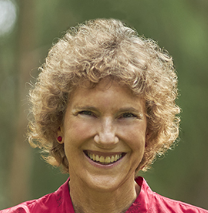 Kathryn L. Braun合作论文数Department of Public Health Sciences, Thompson School of Social Work & Public Health, University of Hawaiʻi at Mānoa6
 Samantha Keaulana合作论文数5Kuaiwi Laka Makua合作论文数4Dillard Adrienne合作论文数4Kevin Cassel合作论文数Cancer Information Service of Hawaii, University of Hawaii4
 Robin E. S. Miyamoto合作论文数Univ Hawaii Manoa3Dawn Kepa合作论文数2Kilauea Wilson合作论文数2Joseph Awa Kamai合作论文数2LeShay Keli‘iholokai合作论文数2
 Hyeong Jun Ahn合作论文数Department of Quantitative Health Sciences, John A. Burns School of Medicine, University of Hawaiʻi at Mānoa2Guangxiang Zhang合作论文数Stony Brook University Medical Center2H Ilima Ho-Lastimosa合作论文数1A Dillard合作论文数1
 Nicolette Teufel-Shone合作论文数1
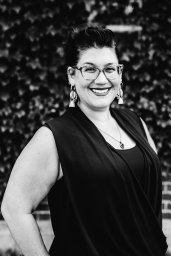 Antonia Alvarez合作论文数Sch Sodal Work, Portland State Univ1
 Melissa Kahili-Heede合作论文数John A Burns Sch Med, Univ Hawaii Manoa1
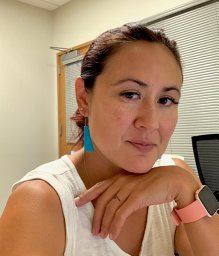 Lorinda Riley合作论文数Off Publ Hlth Studies, Univ Hawaii Manoa1Van Park合作论文数1
 Theodore J.K. Radovich合作论文数Trop Plant & Soil Sci Dept, Univ Hawaii Manoa1Harjo Lisa合作论文数1Knight Rebecca合作论文数1
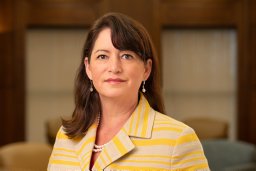 McElfish Pearl Anna合作论文数Department of Research, University of Arkansas for Medical Sciences-Northwest1Thomas A. Wills合作论文数1Deborah A. Goebert合作论文数1Linda Burhansstipanov合作论文数1Fumiaki Hamagami合作论文数1
 Priscilla Sanderson合作论文数1




