Abstract Plant invasions pose a threat to native biodiversity and are often mediated by below‐ground processes such as plant–soil feedback. Because induced defence responses can alter interactions between plants and soil biota, the strength may depend not only on plant origin but also on whether defence pathways have been activated during soil conditioning. We tested how induced resistance mediated by jasmonic acid and salicylic acid in conditioning‐phase plants influences soil‐legacy effects on five pairs of native and naturalized alien focal plant species. In the conditioning phase, we grew the 10 focal species and 5 additional nonfocal native species. To activate defence pathways that are naturally induced by herbivores and pathogens, we sprayed them with jasmonic acid, salicylic acid or water (control). Thereafter, the five pairs of focal species were planted on the conditioned soils to test soil‐legacy effects. Conditioned soils, particularly conspecific soils, pronouncedly reduced focal plant growth. In the absence of resistance induction in conditioning‐phase plants, native focal plants suffered stronger growth reductions than naturalized aliens. However, resistance induction largely mitigated this disadvantage, reducing differences in performance between native and naturalized alien plants. Synthesis . Our findings indicate that induced resistance can reshape soil legacies that reduce the disadvantage of native plants relative to aliens, revealing an overlooked mechanism through which defence pathways interact with soils to influence plant invasions.
Climate change forces species to adapt rapidly to avoid extinction. To directly observe rapid adaptation and extinction, we conducted synchronized evolution experiments with Arabidopsis thaliana in 30 locations across Western Europe, the Mediterranean, the Levant, and North America. Whole-genome pooled sequencing of ~70,000 surviving plants revealed repeatable allele frequency shifts in similar climates but divergent shifts across contrasting ones, indicating evolutionary adaptation. We identified genetic variants linked to climate adaptation, including genes involved in processes ranging from thermal-stress sensing to spring-flowering timing. Evolutionary trends were often predictable, but variable, across environments. In warmer climates, evolutionary predictability correlated with population survival over 5 years, whereas erratic changes preceded extinction. These results show that rapid climate adaptation is possible, but understanding its limits will be crucial for biodiversity forecasting.
Costs of reproduction arise when investments into current reproduction reduce future reproductive fitness. Studies on reproductive costs use diverse approaches, including the analysis of gene expression, physiology, trade-offs between reproduction and growth/survival, and the impact of reproductive investments on population growth. These studies demonstrate that reproductive trade-offs have far-reaching effects on plants, affect their fitness, and are therefore important for shaping the evolution of life histories. However, not all studies have detected costs of reproduction, and c. 90% of these were conducted in natural populations, where controlling for variation in plant resource status is challenging. For dioecious plants, there is a common perception that fruit production should result in greater costs of reproduction for females than males, but divergent reproductive costs between the sexes are not supported by studies of reproductive trade-offs in dioecious plants. Other aspects of reproductive costs remain poorly understood, including ecological costs of reproduction, the fitness effects of reproductive trade-offs involving growth or physiological processes, and how the male sex role influences reproductive costs. Progress will be enabled by the use of measurements that allow for easier comparisons across studies and by more clearly distinguishing between the processes that contribute to current vs future reproductive fitness.
Arabidopsis lyrata has become a useful system for the study of comparative genomics, hybridization, polyploidization, and evolutionary transitions from outcrossing to selfing. Previous studies of its mating system have used microsatellite loci, but low allelic diversity, particularly in self-compatible populations characterized by low levels of outcrossing, reduces the utility of these markers for more detailed studies. Here, we aimed to develop population-level SNP markers for A. lyrata ssp. lyrata sampled from a self-compatible population at Rondeau Provincial Park, Ontario, Canada. We performed de novo SNP discovery and identified 6808 putative SNPs from genome-wide sequences of 22 individuals originating from a highly selfing population. Further filtering and marker validation enabled the development of 17 SNP marker loci that can be visualized using standard PCR-RFLP protocols. These markers had average minor-allele frequencies of 0.40 in the target population, and four of seven markers were variable in a small sample from nine other A. lyrata populations. These PCR-RFLP markers have the potential to be useful for the analysis of mating patterns within and beyond the inbred self-compatible populations of A. lyrata studied here and enable the continued development of A. lyrata as a model for studying evolutionary transitions from outcrossing to selfing.
Climate change is threatening species with extinction, and rapid evolutionary adaptation may be their only option for population rescue over short ecological timescales. However, direct observations of rapid genetic adaptation and population dynamics across climates are rare across species. To fill this gap, we conducted a replicated, globally synchronized evolution experiment with the plant Arabidopsis thaliana for 5 years in over 30 outdoor experimental gardens with distinct climates across Europe, the Levant, and North America. We performed whole-genome sequencing on ~70,000 surviving reproductive individuals and directly observed rapid and repeatable adaptation across climates. Allele frequency changes over time were parallel in experimental evolution replicates within the same climates, while they diverged across contrasting climates-with some allele frequency shifts best explained by strong selection between -46% to +60%. Screening the genome for signals of rapid climate adaptation identified a polygenic architecture with both known and novel adaptive genetic variants connected to important ecological phenotypes including environmental stress responses, CAM5 and HEAT SHOCK FACTORs, and germination and spring flowering timing, CYTOCHROME P450s and TSF. We found evolutionary adaptation trends were often predictable, but variable across environments. In warm climates, high evolutionary predictability was associated with population survival up to 5 years, while erratic trends were an early warning for population extinction. Together, these results show rapid climate adaptation may be possible, but understanding its limits across species will be key for biodiversity forecasting.
Breakdown of self-incompatibility has frequently been attributed to loss-of-function mutations of alleles at the locus responsible for recognition of self-pollen (i.e. the S-locus). However, other potential causes have rarely been tested. Here, we show that self-compatibility of S1S1-homozygotes in selfing populations of the otherwise self-incompatible Arabidopsis lyrata is not due to S-locus mutation. Between-breeding-system cross-progeny are self-compatible if they combine S-1 from the self-compatible cross-partner with recessive S-1 from the self-incompatible cross-partner, but self-incompatible with dominant S-alleles. Because S1S1 homozygotes in outcrossing populations are self-incompatible, mutation of S-1 cannot explain self-compatibility in S1S1 cross-progeny. This supports the hypothesis that an S-1-specific modifier unlinked to the S-locus causes self-compatibility by functionally disrupting S-1. Self-compatibility in S19S19 homozygotes may also be caused by an S-19-specific modifier, but we cannot rule out a loss-of-function mutation of S-19. Taken together, our findings indicate that breakdown of self-incompatibility is possible without disruptive mutations at the S-locus.
Mating system shifts from outcrossing to selfing are frequent in plant evolution. Relative to outcrossing, selfing is associated with reduced parental conflict over seed provisioning, which may result in postzygotic, asymmetric, reproductive isolation in crosses between populations of different mating systems. To test the hypothesis that post-pollination reproductive isolation between populations increases with increasing differences in mating system and predicted parental conflict, we performed a crossing experiment involving all combinations of three self-compatible populations (with low outcrossing rates), and three self-incompatible populations (with high outcrossing rates) of the arctic-alpine herb Arabis alpina, assessing fitness-related seed and plant traits of the progeny. Predicted levels of parental conflict ("genome strength") were quantified based on strength of self-incompatibility and estimates of outcrossing rates. Crosses between self-compatible and self-incompatible populations yielded very small seeds of low viability, resulting in strong reproductive isolation. In 14 of 15 reciprocal between-population crosses, seeds were heavier when the paternal plant had the stronger genome, and seed mass differences between cross directions increased with an increased difference in parental conflict. Overall, our results suggest that, when sufficiently large, differences in mating system and hence in expected parental conflict may result in strong post-pollination reproductive barriers contributing to speciation.
Biological invasions may result from multiple introductions, which might compensate for reduced gene pools caused by bottleneck events, but could also dilute adaptive processes. A previous common-garden experiment showed heritable latitudinal clines in fitness-related traits in the invasive goldenrod Solidago canadensis in Central Europe. These latitudinal clines remained stable even in plants chemically treated with zebularine to reduce epigenetic variation. However, despite the heritability of traits investigated, genetic isolation-by-distance was non-significant. Utilizing the same specimens, we applied a molecular analysis of (epi)genetic differentiation with standard and methylation-sensitive (MSAP) AFLPs. We tested whether this variation was spatially structured among populations and whether zebularine had altered epigenetic variation. Additionally, we used genome scans to mine for putative outlier loci susceptible to selection processes in the invaded range. Despite the absence of isolation-by-distance, we found spatial genetic neighborhoods among populations and two AFLP clusters differentiating northern and southern Solidago populations. Genetic and epigenetic diversity were significantly correlated, but not linked to phenotypic variation. Hence, no spatial epigenetic patterns were detected along the latitudinal gradient sampled. Applying genome-scan approaches (BAYESCAN, BAYESCENV, RDA, and LFMM), we found 51 genetic and epigenetic loci putatively responding to selection. One of these genetic loci was significantly more frequent in populations at the northern range. Also, one epigenetic locus was more frequent in populations in the southern range, but this pattern was lost under zebularine treatment. Our results point to some genetic, but not epigenetic adaptation processes along a large-scale latitudinal gradient of S. canadensis in its invasive range.
Angiosperms are believed to have emerged initially in the tropics and expanded their distribution range poleward through diverse mechanisms, for example polyploidization-driven cold tolerance evolution. Reversed expansion from temperate to pan-tropic climates through a polyploidization-driven shift in heat tolerance remains largely unknown. Here, we found autopolyploidy in relation to the global expansion of Solidago canadensis from its temperate-climate native range in North American to hot-summer climate in an introduced range. Our cytogeographical study of 2,062 accessions from 471 locations worldwide demonstrates that ploidy levels correlate negatively with latitude and positively with average temperature. An isotherm-dependent shift of the climate niches at the threshold of 20 degrees-24 degrees C between geo-cytotypes can be attributed mainly to autopolyploidy-driven differentiation of heat tolerance; only polyploids and not diploids are able to complete sexual reproduction, germinate, and grow in the hot-summer climate of low latitudes. Ploidy-dependent fertility appears to play a key role in the hot-summer introduced range in the northern hemisphere through both pre-adaptation and rapid post-introduction adaptive evolution of delayed flowering and improved heat tolerance during embryo development. The MaxEnt model predicts continued expansion of this plant species under global change. These results provide new insights into the mechanisms governing autopolyploidy-driven backward range expansion of plant species from temperate origins.
The transition to self-compatibility from self-incompatibility is often associated with high rates of self-fertilization, which can restrict gene flow among populations and cause reproductive isolation of self-compatible (SC) lineages. Secondary contact between SC and self-incompatible (SI) lineages might re-establish gene flow if SC lineages remain capable of outcrossing. By contrast, intrinsic features of SC plants that reinforce high rates of self-fertilization could maintain evolutionary divergence between lineages. Arabidopsis lyrata subsp. lyrata is characterized by multiple origins of self-compatibility and high rates of self-fertilization in SC-dominated populations. It is unclear whether these high rates of selfing by SC plants have intrinsic or extrinsic causes. We estimated outcrossing rates and examined patterns of pollinator movement for 38 SC and 40 SI maternal parents sampled from an admixed array of 1509 plants sourced from six SC and six SI populations grown under uniform density. Although plants from SI populations had higher outcrossing rates (mean t m = 0.78 ± 0.05 SE) than plants from SC populations (mean t m = 0.56 ± 0.06 SE), outcrossing rates among SC plants were substantially higher than previous estimates from natural populations. Patterns of pollinator movement appeared to contribute to lower outcrossing rates for SC plants; we estimated that 40% of floral visits were geitonogamous (between flowers of the same plant). The relatively high rates of outcrossing for SC plants under standardized conditions indicate that selfing rates in natural SC populations of A. lyrata are facultative and driven by extrinsic features of A. lyrata , including patterns of pollinator movement.
Self-fertilization inherently restricts gene flow by reducing the fraction of offspring that can be produced by inter-population matings. Therefore, mating system transitions from outcrossing to selfing could result in reproductive isolation between selfing and outcrossing lineages and provide a starting point for speciation. In newly diverged lineages, for example after a transition to selfing, further reproductive isolation can be caused by a variety of prezygotic and post-zygotic mechanisms that operate before, during and after pollination. In animals, prezygotic barriers tend to evolve faster than post-zygotic ones. This is not necessarily the case for plants, for which the relative importance of post-mating, post-fertilization and early-acting post-zygotic barriers has been investigated far less. To test whether post-pollination isolation exists between populations of North American Arabidopsis lyrata that differ in breeding (self-incompatible versus self-compatible) and mating system (outcrossing versus selfing), we compared patterns of seed set after crosses made within populations, between populations of the same mating system and between populations with different mating systems. We found no evidence for post-pollination isolation between plants from selfing populations (self-compatible, low outcrossing rates) and outcrossing populations (self-incompatible, high outcrossing rates) via either prezygotic or early-acting post-zygotic mechanisms. Together with the results of other studies indicating the absence of reproductive barriers acting before and during pollination, we conclude that the transition to selfing in this study system has not led to the formation of reproductive barriers between selfing and outcrossing populations of North American A. lyrata.
Abstract Species losses and local extinctions are alarmingly common, frequently as a consequence of habitat destruction. Nevertheless, many intact habitats also face species losses, most likely due to environmental changes. However, the exact drivers, and why they affect some species more than others in apparently intact habitats, are still poorly understood. Addressing these questions requires data on changes in occurrence frequency of many species, and comparisons of the responses of those species to experimental manipulations of the environment. Here, we use historic (1911) and contemporary (2017) data on the presence–absence of 42 plant species in 14 seemingly intact Molinia meadows around Lower Lake Constance to quantify changes in occurrence frequency. Then, we performed a common‐garden experiment to test whether occurrence frequencies in 1911 and changes therein by 2017 could be explained by responses of the 42 species to nutrient addition and competition with the acquisitive generalist grass Poa pratensis. Within the 14 still intact Molinia meadows, 36 of the 42 species had declined since 1911. As expected, nutrient addition generally led to increased biomass production of the 42 target species, and competition with P. pratensis had a negative effect. The latter was stronger at high nutrient availability. The more frequent species were in 1911 and the more they declined in frequency between 1911 and 2017, the less above‐ground biomass they produced in our experiment. Competition with P. pratensis magnified this effect. Our work highlights that environmental change can contribute to local extinction of species in otherwise intact habitat remnants. Specifically, we showed that increased nutrient availability negatively affected formerly widespread Molinia‐meadow species in competition with P. pratensis. Our study thus identified a likely mechanism for the decline in occurrence frequency of species in the remaining Molinia meadows.
Invasive species frequently differentiate phenotypically in novel environments within a few generations, often even with limited genetic variation. For the invasive plants Solidago canadensis and S. gigantea , we tested whether such differentiation might have occurred through heritable epigenetic changes in cytosine methylation. In a 2‐year common‐garden experiment, we grew plants from seeds collected along a latitudinal gradient in their non‐native Central European range to test for trait differentiation and whether differentiation disappeared when seeds were treated with the demethylation agent zebularine. Microsatellite markers revealed no population structure along the latitudinal gradient in S. canadensis , but three genetic clusters in S. gigantea . Solidago canadensis showed latitudinal clines in flowering phenology and growth. In S. gigantea , the number of clonal offspring decreased with latitude. Although zebularine had a significant effect on early growth, probably through effects on cytosine methylation, latitudinal clines remained (or even got stronger) in plants raised from seeds treated with zebularine. Thus, our experiment provides no evidence that epigenetic mechanisms by selective cytosine methylation contribute to the observed phenotypic differentiation in invasive goldenrods in Central Europe.
An annual life history is often associated with the ability to self-fertilize. However, it is unknown whether the evolution of selfing commonly precedes the evolution of annuality, or vice versa . Using a 2-year common garden experiment, we asked if the evolution of selfing in the normally perennial Arabidopsis lyrata was accompanied by a shift towards the annual habit. Despite their very recent divergence from obligately outcrossing populations, selfing plants exhibited a 39% decrease in over-winter survival after the first year compared with outcrossing plants. Our data ruled out the most obvious underlying mechanism: differences in reproductive investment in the first year did not explain differences in survival. We conclude that transitions to selfing in perennial A. lyrata may be accompanied by a shift towards annuality, but drivers of the process require further investigation.
Premise The novel-weapons hypothesis predicts that some plants are successful invaders because they release allelopathic compounds that are highly suppressive to naive competitors in invaded ranges but are relatively ineffective against competitors in the native range. For its part, the evolution of enhanced weaponry hypothesis predicts that invasive populations may evolve increased expression of the allelopathic compounds. However, these predictions have rarely been tested empirically. Methods Here, we made aqueous extracts of roots and shoots of invasive (North American) and native (European)Brassica nigraplants. Seeds of nine species from North America and nine species from Europe were exposed to these extracts. As control solutions, we used pure distilled water and distilled water with the osmotic potential adjusted with polyethylene glycol (PEG) to match that of root and shoot extracts ofB. nigra. Results The extracts had a strong negative effect on germination rates and seedling root lengths of target species compared to the water-control. Compared to the osmolality-adjusted controls, the extracts had a negative effect on seedling root length. We found no differences between the effects ofB. nigraplant extracts from the invasive vs. native populations on germination rates and seedling root growth of target plant species. Responses were largely independent of whether the target plant species were from the invaded or native range ofB. nigra. Conclusions The results show thatB. nigracan interfere with other species through allelochemical interactions, but do not support predictions of the novel-weapons hypothesis and evolution of increased allelopathy.
Transitions from outcrossing to selfing have been a frequent evolutionary shift in plants and clearly play a role in species divergence. However, many questions remain about the initial mechanistic basis of reproductive isolation during the evolution of selfing. For instance, how important are pre-zygotic pre-pollination mechanisms (e.g. changes in phenology and pollinator visitation) in maintaining reproductive isolation between newly arisen selfing populations and their outcrossing ancestors? To test whether changes in phenology and pollinator visitation isolate selfing populations of Arabidopsis lyrata from outcrossing populations, we conducted a common garden experiment with plants from selfing and outcrossing populations as well as their between-population hybrids. Specifically, we asked whether there was isolation between outcrossing and selfing plants and their between-population hybrids through differences in (1) the timing or intensity of flowering; and/or (2) pollinator visitation. We found that phenology largely overlapped between plants from outcrossing and selfing populations. There were also no differences in pollinator preference related to mating system. Additionally, pollinators preferred to visit flowers on the same plant rather than exploring nearby plants, creating a large opportunity for self-fertilization. Overall, this suggests that pre-zygotic pre-pollination mechanisms do not strongly reproductively isolate plants from selfing and outcrossing populations of Arabidopsis lyrata.
Proline accumulation is a widespread response of plants to salt stress as well as drought and cold stress. In most plant species, two isoforms of pyrroline-5-carboxylate synthetase (P5CS) catalyze the first step in proline biosynthesis from glutamate. In Arabidopsis, these isoforms differ in their spatial and temporal expression patterns, suggesting sub-functionalization. P5CS1 has been identified as the major contributor to stress-induced proline accumulation, whereas P5CS2 has been considered important for embryo development and growth. In contrast to previous results, our analysis of P5CS1- and P5CS2-GFP fusion proteins indicates that both enzymes were exclusively localized in the cytosol. The comparison of the susceptibility of p5cs1 and p5cs2 mutants to infection with Pseudomonas syringae and salt stress provided novel information on the contribution of the two P5CS isoforms to proline accumulation and stress tolerance. In agreement with previous studies, salt-stressed p5cs1 mutants accumulated very little proline, indicating that P5CS1 contributed more to stress-induced proline accumulation, whereas its impact on stress tolerance was rather weak. Germination and establishment of p5cs2 mutants were impaired under ambient conditions, further supporting that P5CS2 is most important for growth and development, whereas its contribution to stress-induced proline accumulation was smaller than that of P5CS1. In contrast to p5cs1 mutants or wildtype plants, p5cs2 mutants were only weakly affected by sudden exposure to a high NaCl concentration. These findings show that proline content, which was intermediate in leaves of p5cs2 mutants, was not directly correlated with stress tolerance in our experiments. In rosettes of NaCl-exposed p5cs2 mutants, nearly no accumulation of Na+ was observed, and the plants showed neither chlorosis nor reduction of photosynthesis. Based on these data, we suggest a function of P5CS2 or P5CS2-mediated proline synthesis in regulating Na+ accumulation in leaves and thereby salt stress tolerance.
About half of all angiosperms have some form of molecular self-incompatibility to promote outcrossing. If self-incompatibility breaks down, inbreeding depression (δ) is the main barrier to the evolution of self-fertilisation (selfing). If inbreeding depression is lower than 50% (δ < 0.5), the inherent transmission advantage of selfers should theoretically drive the evolution of selfing. However, this does not always happen in practice. For example, despite frequent breakdowns of self-incompatibility in North American Arabidopsis lyrata, selfing has only evolved in few populations. This is surprising given that previous inbreeding-depression estimates were well below the 0.5 threshold. Here, we test whether this could be due to underestimation of true inbreeding depression in competition-free environments. Specifically, we tested whether direct competition between crossed and selfed siblings magnified inbreeding-depression estimates in A. lyrata. We found that this was neither the case for belowground nor for aboveground biomass. For reproductive traits, there was hardly any significant inbreeding depression regardless of competition. Combined with previous findings that drought stress and inducing defence also did not magnify inbreeding depression, our results suggest that the relatively low estimates of inbreeding depression for biomass are indeed realistic estimates of the true inbreeding depression in North American A. lyrata.
Analysis of population genetic structure has become a standard approach in population genetics. In polyploid complexes, clustering analyses can elucidate the origin of polyploid populations and patterns of admixture between different cytotypes. However, combining diploid and polyploid data can theoretically lead to biased inference with (artefactual) clustering by ploidy. We used simulated mixed-ploidy (diploid-autotetraploid) data to systematically compare the performance of k-means clustering and the model-based clustering methods implemented in STRUCTURE, ADMIXTURE, FASTSTRUCTURE and INSTRUCT under different scenarios of differentiation and with different marker types. Under scenarios of strong population differentiation, the tested applications performed equally well. However, when population differentiation was weak, STRUCTURE was the only method that allowed unbiased inference with markers with limited genotypic information (co-dominant markers with unknown dosage or dominant markers). Still, since STRUCTURE was comparatively slow, the much faster but less powerful FASTSTRUCTURE provides a reasonable alternative for large datasets. Finally, although bias makes k-means clustering unsuitable for markers with incomplete genotype information, for large numbers of loci (>1000) with known dosage k-means clustering was superior to FASTSTRUCTURE in terms of power and speed. We conclude that STRUCTURE is the most robust method for the analysis of genetic structure in mixed-ploidy populations, although alternative methods should be considered under some specific conditions.
Maintaining mitochondrial proteome integrity is especially important under stress conditions to ensure a continued ATP supply for protection and adaptation responses in plants. Deg/HtrA proteases are important factors in the cellular protein quality control system, but little is known about their function in mitochondria. Here we analyzed the expression pattern and physiological function of Arabidopsis thaliana DEG10, which has homologs in all photosynthetic eukaryotes. Both expression of DEG10:GFP fusion proteins and immunoblotting after cell fractionation showed an unambiguous subcellular localization exclusively in mitochondria. DEG10 promoter:GUS fusion constructs showed that DEG10 is expressed in trichomes but also in the vascular tissue of roots and aboveground organs. DEG10 loss-of-function mutants were impaired in root elongation, especially at elevated temperature. Quantitative proteome analysis revealed concomitant changes in the abundance of mitochondrial respiratory chain components and assembly factors, which partially appeared to depend on altered mitochondrial retrograde signaling. Under field conditions, lack of DEG10 caused a decrease in seed production. Taken together, our findings demonstrate that DEG10 affects mitochondrial proteostasis, is required for optimal root development and seed set under challenging environmental conditions, and thus contributes to stress tolerance of plants.
 Mark van Kleunen合作论文数Department of Biology, University of Konstanz;Max Planck Institute of Animal Behavior20
 Barbara Mable合作论文数Institute of Biodiversity, Animal Health & Comparative Medicine, College of Medicine, Veterinary & Life Sciences, University of Glasgow;School of Biodiversity, One Health & Veterinary Medicine, College of Medical, Veterinary & Life Sciences, University of Glasgow7
 Peter Van Tienderen合作论文数Faculty of Science, University of Amsterdam7
 Marcel E Dorken合作论文数Department of Plant Sciences;University of Oxford;Department of Plant Sciences, University of Oxford5
 Samuel Carleial合作论文数Dept Psychol Clin & Neuropsychol, Univ Konstanz4
 Yan Li合作论文数4
 Gorman Courtney E合作论文数Dept. of Ecology and Evolutionary Biology, University of Tennessee4Patrick Ollitrault合作论文数Centre de Coopération Internationale en Recherche Agronomique pour le Développement (CIRAD), Unité Propre de Recherche «Amélioration génétique d’espèces à multiplication végétative», Montpellier, 34398 France4Mourad Kamiri合作论文数4Yann Froelicher合作论文数4
 Jasmin Herden合作论文数3
 Andrew Tedder合作论文数3
 Silvia Eckert合作论文数3
 Ayub M.O. Oduor合作论文数Departamento de Ecología, Universidad de Granada3
 Jasmin Joshi合作论文数Institut für Umweltwissenschaften;Universität Zürich-Irchel;Geobotanisches Institut;Geobotanisches Institut, Universität Zürich-Irchel3Ikbal Srairi合作论文数3
 Peter Kuperus合作论文数3Dominique Dambier合作论文数3
 J. G. B. Oostermeijer合作论文数Institute for Biodiversity and Ecosystem Dynamics, University of Amsterdam3Pieternella C. Luttikhuizen合作论文数3
 Walter Durka合作论文数Helmholtz Zentrum f?r Umweltforschung(UFZ),3
 Detlef Weigel合作论文数Department of Molecular Biology, Max Planck Institute for Biology Tübingen;Salk Institute for Biological Studies;Computomics GmbH & Co. KG3Peter N. Hoebe合作论文数3
 Alfredo Garcia-Fernandez合作论文数2Christina Steinecke合作论文数2Agnieszka Rudak合作论文数2
 Lucas Czech合作论文数Heidelberg Inst Theoret Studies, Computat Mol Evolut Grp, Heidelberg, Germany2
 Moises Exposito-Alonso合作论文数Carnegie Inst Sci, Dept Plant Biol, 290 Panama St, Stanford, CA 94305 USA2
 Maciej Wódkiewicz合作论文数Faculty of Biology, University of Warsaw2
 Jake Alexander合作论文数Department of Environmental Systems Science, Eidgenossische Technische Hochschule Zurich2Snoek L Basten合作论文数Nematol Lab, Wageningen Univ2
 Martijn van Zanten合作论文数Inst Environm Biol, Univ Utrecht2
 Thomas E. Juenger合作论文数Department of Integrative Biology, College of Natural Sciences, The University of Texas at Austin;Department of Integrative Biology, College of Natural Sciences, University of Texas at Austin2
 Münzbergová Zuzana合作论文数Department of Population Ecology, Institute of Botany, CAS;Department of Botany, Faculty of Science, Charles University2
 Xavier Pico合作论文数2
 Francois Vasseur合作论文数Max Planck Institute for Developmental Biology2
 Kathleen Donohue合作论文数Nicholas School of the Environment, Duke University;Department of Biology, Trinity College of Arts & Sciences, Duke University2
 Johanna Schmitt合作论文数Schmitt Lab, Department of Evolution and Ecology, University of California, Davis;College of Biological Sciences, University of California, Davis2
 Carlos Lara-Romero合作论文数Departamento de Biología y Geología, Universidad Rey Juan Carlos2
 Gema Escribano-Avila合作论文数Departamento de Biología y Geología, Universidad Rey Juan Carlos2
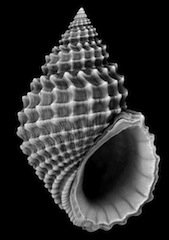 Ellinor Michel合作论文数Department of Zoology, The Natural History Museum2A Adam合作论文数2
 Mohamed Abdelaziz合作论文数Departmento de Genética Granada Spain, Universidad de Granada2
 Alexandros Galanidis合作论文数Biodiversity Conservation Laboratory, University of the Aegean Mytilene Lesbos2
 Juliette De Meaux合作论文数Department of Plant Breeding and Genetics, Max-Planck Institute for Plant Breeding Research2
 E. J. W. Visser合作论文数Radboud University Nijmegen2Belen Mendez-Vigo合作论文数2Gilles Costantino合作论文数2
 Oliver Bossdorf合作论文数Department of Community;Centre for Environmental Research;Department of Community|Centre for Environmental Research2




