BACKGROUND:Metabolic syndrome (MetS) is a significant public health issue in Chile, affecting approximately 40 % of the adult population and increasing the risk of chronic diseases. Although evidence from Mediterranean countries has shown benefits of the Mediterranean diet (MedDiet) improving metabolic parameters and reversing MetS, its impact in non-Mediterranean populations remains unclear. AIM:The CHILEan MEDiterranean (CHILEMED) study is evaluating MetS reversal effectiveness of a MedDiet, with or without well-being support, compared to a low-fat diet. METHODOLOGY:CHILEMED is an ongoing 1-year, parallel-group randomized controlled trial, and this report presents an interim analysis with preliminary findings at 6 months of follow-up. A total of 246 participants (men and women, middle-aged, with comparable baseline cardiometabolic risk profiles) diagnosed with MetS have been assigned to low-fat diet (control), MedDiet, or MedDiet with psychological well-being interventions. Participants received face-to-face and online nutritional counseling specific to their assigned dietary intervention. Clinical assessments, including anthropometry, biochemical parameters, and dietary adherence, were performed at baseline and 6 months. The primary outcome was MetS reversal, while secondary outcomes included changes in dietary adherence and MetS components. RESULTS:Preliminary analyses of 156 participants completing the 6-month follow-up showed a significantly greater increase in MedDiet adherence in the combined MedDiet (with and without psychological well-being intervention) groups compared with the low-fat diet group. Participants in the MedDiet group exhibited greater reduction in waist circumference, triglycerides, and glucose levels compared to the low-fat diet group. Notably, 36 % of individuals in the MedDiet intervention experienced MetS reversal, compared to only 11 % in the low-fat diet group (p < 0.01), with an adjusted hazard ratio of 3.84 for MetS reversal in the MedDiet versus the control group. CONCLUSIONS:These preliminary 6-month results from the ongoing 1-year randomized CHILEMED trial provides evidence supporting MedDiet's effectiveness in improving metabolic health and reversing MetS in Chilean adults. Given changing dietary patterns and rising prevalence of MetS-related conditions, promoting adherence to MedDiet may be a key strategy for chronic disease management and public health policies in Chile.
Medical education is undergoing significant transformations to better align with evolving healthcare needs. In 2015, the Pontificia Universidad Católica de Chile implemented a major curricular reform in its School of Medicine, shifting from a traditional 7-year program to an integrated, competency-based 6-year curriculum. This study aimed to assess the academic outcomes, clinical competencies, and differences in student well-being between both curricula. Methods: We conducted a prospective, longitudinal, comparative study of two cohorts: the last cohort under the traditional curriculum and the first cohort under the new curriculum. Three measurements were carried out along the study program: at the beginning, at the middle and at the last year of the program. Academic performance, professionalism, and clinical competencies were evaluated using standardized written tests, OSCEs and the National Medical Exam (EUNACOM). In addition, we compared the courses grades and attrition statistics along the studies. At these three points, students also answered a range of self-reporting instruments regarding distress, burnout, wellbeing, mindfulness, empathy and the educational environment. Results: Both cohorts achieved similar average grades and EUNACOM scores. The new curriculum cohort had a significantly lower course failure rate (7.6% vs 13%, p<0.01) and better outcomes in professionalism and communication. Final OSCE scores were slightly higher in Obstetrics/Gynecology and Family Medicine. Despite these improvements, both cohorts showed high and increasing levels of stress, burnout, and declining empathy, particularly in the final years. While the elevated levels of stress and anxiety observed among medical students are extensively documented in the literature, the COVID-19 pandemic may have exerted an additional influence on these outcomes. Conclusion: The new curriculum maintained academic performance while enhancing professionalism and reducing failure rates and training time. However, persistent mental health challenges underscore the need for stronger and more effective support systems. These findings reveal the value of competency-based education while highlighting the importance of holistic curricular evaluation.
Background: a healthy food intake pattern, specifically the Mediterranean diet (MedDiet), is a factor associated with reduced risk, lower prevalence, and better management of chronic diseases. However, there is limited information regarding how patients integrate proposals for adherence to this food pattern in their daily lives. Objective: to identify factors and conditions that influence adherence to the MedDiet in Chile. Methods: an exploratory qualitative study was applied in 35 to 65-year-old patients of both sexes who presented at least one diagnostic criterion of metabolic syndrome (MetS). Through in-depth interviews and focal groups, knowledge, assessment, attitudes, and practices associated with changes and maintenance of healthy eating habits, with emphasis on the MedDiet, were investigated. Information analysis was carried out under the grounded theory approach using the ATLAS.ti software. Results: participants recognized the value of healthy eating, including the MedDiet, but declared low knowledge (identification of single foods items) together with facilitators (variety of ingredients) and limiting factors (taste, availability/cost of some items, family dynamics) for its routine adoption. In addition, change in eating habits generates a high initial cognitive and emotional load that requires not only individual but also relational effort as it implies modifications of family and collective practices. Conclusions: information obtained on barriers and opportunities to adhere to healthy eating such as the MedDiet is key to design and implement nutritional interventions based on this food pattern and that can be sustainable in time for chronic disease management in Chile.
Introduction: There is evidence of burnout experienced by faculty due to the overload involved in combining the academic and research roles and the practice with patients. It is interesting to generate knowledge on initiatives that favor learning individual and institutional self-care strategies. The study aims to examine the implementation of the program "Scientific Basis of Well-Being and Self-Care Tools for Health Professionals" through burnout and well-being indicators. Material and methods: One hundred twenty participants from two cohorts completed questionnaires. Burnout, Mindfulness, Psychosocial Well-being, Vitality, and Affectivity indicators were measured. The quantitative study compared the measurements in two moments. Change t1-t2 was analyzed with W Wilcoxon-test and U Mann-Whitney-test. Cronbach's and McDonald's tests were used to analyze the instruments' reliability. Results: A five-week online program was implemented in the Moodle platform. Asynchronous individual activities and learning assessments were incorporated. Six tutors were trained in wellbeing and self-compassion. Levels of wellbeing and burnout changed post-program favorably (p-value < 0.01). The change is maintained when analyzing the variables separated by sex, profession, and cohort, except the depersonalization, personal accomplishment, and positive affectivity variables. Questionnaires achieved reliability > 0.7. Conclusion: A five-week self-care online program effectively reduced emotional exhaustion and promoted strategies that enhanced dispositional mindfulness and self-regulation. Short online courses that encourage learning self-care strategies could be part of programs that develop teaching competencies in health professionals. (c) 2023 The Author(s). Published by Elsevier Espa & ntilde;a, S.L.U. This is an open access article under the CC BY-NC-ND license (http://creativecommons.org/licenses/by-nc-nd/4.0/).
Resumen: Introducción: existe evidencia sobre el desgaste profesional experimentado por el profesorado del área de la salud producto de la sobrecarga que implica la combinación de los roles académico, investigador y asistencial. Es mandatorio generar conocimiento sobre iniciativas que promuevan su autocuidado a nivel individual e institucional. El objetivo del estudio es examinar a través de indicadores de desgaste profesional y bienestar subjetivo la implementación del programa «Bases científicas del bienestar y herramientas de autocuidado para profesionales de la salud». Material y métodos: se evaluó el síndrome de desgaste profesional, atención plena, bienestar psicosocial, vitalidad y afectividad de 120 participantes de 2 cohortes. El estudio cuantitativo comparó las mediciones en 2 tiempos. El cambio se analizó mediante las pruebas de Wilcoxon y Mann-Whitney. Cronbach y McDonald se utilizaron para evaluar la confiabilidad de los instrumentos. Resultados: se implementó un programa de 5 semanas que incluyó actividades individuales preferentemente asincrónicas, retroalimentación y evaluación sumativa. Seis tutores recibieron entrenamiento en bienestar y autocompasión. Los indicadores de bienestar y desgaste profesional cambiaron favorablemente al término del programa (valor p < 0,01). El cambio se mantuvo al analizar los indicadores separados por sexo, cohorte y carrera, excepto en despersonalización, realización personal y afectividad positiva. Los instrumentos alcanzaron una confiabilidad > 0,7. Conclusión: el programa de autocuidado fue efectivo para reducir el agotamiento emocional y promover las estrategias que mejoran la atención plena y la autorregulación. Cursos a distancia acotados que promuevan el aprendizaje de estrategias de autocuidado podrían formar parte de programas de desarrollo de las competencias docentes para profesionales de la salud. Abstract: Introduction: There is evidence of burnout experienced by faculty due to the overload involved in combining the academic and research roles and the practice with patients. It is interesting to generate knowledge on initiatives that favor learning individual and institutional self-care strategies. The study aims to examine the implementation of the program ''Scientific Basis of Well-Being and Self-Care Tools for Health Professionals'' through burnout and well-being indicators. Material and methods: One hundred twenty participants from two cohorts completed questionnaires. Burnout, Mindfulness, Psychosocial Well-being, Vitality, and Affectivity indicators were measured. The quantitative study compared the measurements in two moments. Change t1-t2 was analyzed with W Wilcoxon-test and U Mann-Whitney-test. Cronbach's and McDonald's tests were used to analyze the instruments’ reliability. Results: A five-week online program was implemented in the Moodle platform. Asynchronous individual activities and learning assessments were incorporated. Six tutors were trained in well-being and self-compassion. Levels of wellbeing and burnout changed post-program favorably (p-value < 0.01). The change is maintained when analyzing the variables separated by sex, profession, and cohort, except the depersonalization, personal accomplishment, and positive affectivity variables. Questionnaires achieved reliability > 0.7. Conclusion: A five-week self-care online program effectively reduced emotional exhaustion and promoted strategies that enhanced dispositional mindfulness and self-regulation. Short online courses that encourage learning self-care strategies could be part of programs that develop teaching competencies in health professionals.
High sense of purpose in life, a fundamental domain of eudaimonic well-being, has been consistently associated with lower risk for various obesity-related chronic diseases. Although this psychological feature correlates with some health behaviors as potential mediators, its association with healthy eating remains less explored. In addition, studies of these psycho-behavioral and health relationships in the South American population are lacking. This research sought to assess: (1) the cross-sectional association between self-reported purpose in life and overall healthy eating patterns, and (2) healthy food intake as a potential mediator of the inverse relationship between purpose in life and waist circumference. Data collected of 2060 US adults from the MIDUS study (5 ± 12 years, 55% women, mostly white people, and 42.5% obese) and 223 Chilean adults from the CHILEMED study (46.6 ± 9 years, 58.3% women, and 71.3% obese) were used. Anthropometric and sociodemographic variables were collected. Sense of purpose was assessed using the purpose in life subscale of the Ryff’s psychological well-being questionnaire. Diet quality was evaluated using healthy eating or low-fat diet indexes, according to extant food intake data in each cohort. The relationship between these variables was estimated by bivariate and multivariate linear regressions with appropriate adjustments. To establish whether a better diet quality could mediate a link of purpose in life and improved nutritional status (assessed by waist circumference), the association between these three variables was tested by bootstrapping-based mediation analysis. Our results show significant associations of sense of purpose with healthy eating and low-fat dietary patterns in both US and Chilean cohorts, respectively, even after adjusting for sociodemographic variables. According to the mediation analysis, the relationship between sense of purpose and waist circumference, as an indicator of abdominal obesity, appears to be partially mediated by healthier food intake in both samples. In conclusion, our findings suggest a plausible mechanism underlying the favorable impact of this well-being dimension on physical health. Given its protective effects, interventions aimed at increasing purpose in life may facilitate adherence to better dietary patterns, which, in turn, will reduce the risk for obesity-related chronic diseases.
Psychosocial status and lifestyle are key risk factors of non-communicable diseases (NCDs), which, in turn, are main drivers of healthcare costs and morbimortality worldwide, including Chile. Mediterranean diet (MedDiet) is one of the healthiest dietary patterns under study. However, its impact on high-risk conditions, such as metabolic syndrome (MetS), and NCDs outside the Mediterranean Basin remains mostly unexplored. Even though Central Chile has an environment, food production, and culinary traditions comparable to those present in Mediterranean countries, few studies -some with significant methodological limitations- have evaluated the effect of MedDiet on health and/or disease in Chilean subjects. Importantly, a Mediterranean lifestyle is a modus vivendi that integrates physical health with mental and social well-being. Psychological well-being (PWB) is associated with healthy behaviors, positive health outcomes, and longevity, thereby emerging as a novel healthcare goal. We report here an ongoing randomized controlled clinical trial in Chilean patients with MetS seeking to test whether (1) a PWB theory-based intervention facilitates induction to and increases long-term adherence to a locally adapted MedDiet, and (2) a MedDiet intervention -implemented alone or combined with well-being promotion- is more effective at reversing MetS compared to individuals following a low-fat diet without psychological support. The CHILEan MEDiterranean (CHILEMED) diet intervention study is a 1-year trial including patients with MetS living in Chile. Participants will be assigned randomly by a computer-generated random number sequence to one of the three intervention arms: a) low-fat diet as control group, b) MedDiet alone, and c) MedDiet plus well-being support. Patients will be followed-up by individual and/or group online nutritional sessions or phone cal as well as 6- and 12-month in-person re-assessment of medical history, medication use, food intake, PWB, anthropometrics/physical exam, and blood collection for laboratory analysis. The primary outcome of the trial will be the effect of the MedDiet -with or without PWB intervention- on overall reversal of MetS compared to low-fat diet alone. Based on a statistical superiority trial, expected impact, and patient loss, the estimated study sample is 339 subjects (113 individuals per arm in 3 equal-sized groups). Currently, we have enrolled 179 patients, predominantly women, evenly distributed by age (group means ranging from 45.7 to 48,9 years-old), 3/4 are obese with almost all of them showing abdominal obesity, 70% are hypertensive, whereas <10% exhibit diabetes. If findings turn out as expected (e.g., MedDiet -with or without PWB intervention- is better than the low-fat diet for reversion of MetS at 1-year follow-up), CHILEMED will provide further beneficial evidence of the MedDiet on NCD risk conditions beyond the Mediterranean region.
Introducción: la pandemia de coronavirus que comenzó en 2019 puso de relieve la necesidad de enseñar habilidades de autocuidado a los médicos y profesionales de la salud. Objetivo: describir el diseño e implementación de un programa para potenciar el autocuidado de estudiantes de Medicina y reportar la evaluación de éste por parte de los estudiantes. Métodos: diseño de un programa de autocuidado según el modelo de Kern. Este programa se incluyó en el currículo obligatorio de 4º año de la Escuela de Medicina de la Pontifica Universidad Católica de Chile y se dictó entre abril y mayo de 2020. Al final del programa, los estudiantes completaron la encuesta de evaluación de cursos. Resultados: el programa ‘Autocuidado, competencia esencial del médico actual’ constó de 8 módulos (5 online y 3 presenciales) orientados a promover el cultivo de la atención plena (mindfulness), la regulación emocional, las relaciones positivas y el sentido de vida. Debido al confinamiento, los talleres presenciales se convirtieron en sesiones sincrónicas a distancia y el programa se dictó íntegramente en modalidad online. Los estudiantes evaluaron favorablemente el programa, asignándole un puntaje global de 6,7 en una escala de 7 puntos. Conclusión: el programa “Autocuidado, competencia esencial del médico actual” es factible de impartir completamente online y fue bien valorado por los estudiantes de cuarto año de la carrera de Medicina, aunque queda por definir su impacto y efectividad sobre el bienestar estudiantil.
Objectives Many studies document the high prevalence of burnout among medical students. This syndrome may lead to depression, suicidal ideation, and increased academic dropout. However, there is a scarcity of evidence-based interventions to prevent it. The aim of this longitudinal study was to identify factors that may reduce students’ burnout and foster their well-being, and upon which effective interventions can be developed. Methods A total of 1,117 medical students from eight Chilean universities were asked to complete a set of validated scales in 2015 and 2 years later, in 2017. The measures included distress, burnout, positive mental health, academic engagement, and dispositional mindfulness. Using logistic regressions and a two-wave latent change score model, the predictive power of these variables on burnout and flourishing (an optimal state of mental health) was studied, as well as their covariance across time. Results In total, 639 (57.2%) students answered the questionnaires in T1 and T2; 54.4% reported burnout in T1 and 56.2% in T2. Levels of dispositional mindfulness (the ability to pay attention to one’s sensations, thoughts, and emotions in everyday life) predicted lower probabilities of burning out at 2 years, whereas having experienced burnout in T1 doubled these odds. Dispositional mindfulness, academic engagement, and flourishing at T1 predicted greater odds of flourishing 2 years later, while depression decreased these odds. Conclusions Dispositional mindfulness was the most powerful predictive factor of students’ burnout and flourishing. As dispositional mindfulness can be nurtured through practice, incorporating mindfulness training into undergraduate medical programs may help reduce burnout and promote students’ well-being as health professionals.
El aumento de la prevalencia de problemas de salud mental y burnout en estudiantes y profesionales de la salud en Chile y el mundo, asociado a la actual pandemia de COVID-19, ha visibilizado un viejo problema que urge abordar: el agotamiento crónico y los problemas de salud mental que sufren los estudiantes a lo largo de su formación. Para resolverlo, se requiere mucho más que mejorar el acceso a servicios de salud mental o propiciar iniciativas puntuales que promuevan el bienestar. Es preciso revisar la cultura institucional, remover las barreras al bienestar e introducir iniciativas que permitan la ‘seguridad psicológica’, característica de ambientes educacionales que favorecen el bienestar y el aprendizaje significativo. En un futuro cercano, las instituciones formadoras tendrán que demostrar que sus estudiantes y docentes tienen niveles adecuados de bienestar, y que implementan y evalúan regularmente el impacto de las políticas curriculares destinadas a asegurar este objetivo. En este artículo revisaremos la situación de salud mental de los estudiantes de medicina, particularmente del síndrome de agotamiento profesional o burnout y sus consecuencias; describiremos algunas evidencias de intervenciones exitosas para reducir el burnout, incluyendo una experiencia nacional, y analizaremos la relación entre la cultura médica y el bienestar estudiantil. Finalmente, reflexionaremos sobre las características de los ambientes educacionales que permiten un aprendizaje profundo y significativo, y que compatibilizan la excelencia académica con el bienestar de los aprendices.
BACKGROUND:Medical students experience high levels of psychological stress during clinical training. However, most medical curricula do not teach self-care skills. The COVID-19 pandemic has disrupted medical education causing increased distress among students.AIM:To report the implementation and impact of an eight-week multifaceted mindfulness-based self-care program on medical students' distress and well-being during the COVID-19 pandemic.MATERIAL AND METHODS:One hundred twenty-three fourth-year medical students attended the program as part of a mandatory course from April to May 2020, during the rising phase of COVID-19 in Chile. They were evaluated using validated tests before and immediately after the program. The measures included burnout, dispositional mindfulness, perceived stress, traumatic stress reactions, general well-being, resilience, and stress coping strategies.RESULTS:Burnout prevalence decreased from 48% to 24%, whereas students with high dispositional mindfulness increased from 25% to 44%. Burnout reduction was mostly due to decreased emotional exhaustion. Additionally, students reported lower levels of stress, self-blaming, and traumatic stress reactions alongside an increased use of active coping strategies and resilience levels after the program.CONCLUSIONS:A formal educational intervention, teaching self-awareness and self-regulation skills can help reduce medical students' distress and promote their well-being even amidst a pandemic.
Chile is currently experiencing a progressive epidemiological transition towards chronic diseases. In this country, >50% of annual deaths are attributed to cardiovascular disease and cancer. Moreover, health surveys have shown high prevalence of obesity, diabetes, hypertension, and elevated cardiovascular disease risk. In addition, mental health issues are also frequent among Chilean adults. On the other hand, the agri-food system contributes to 21–37% of greenhouse gases emissions worldwide. Overall, current health and food chain situation calls out for design and implementation of evidence-based feasible and effective nutritional interventions needed to promote physical and mental health along with addressing food sustainability in Chile. Nowadays, the Mediterranean diet is recognized as one of the healthiest dietary patterns based on observational and interventional studies linked to a wide variety of health outcomes. However, a Mediterranean lifestyle goes well beyond food intake: it includes promotion of psychosocial resources, community life as well as cultural traditions. Indeed, Mediterranean lifestyle is a true modus vivendi that integrally promotes physical, mental, and social well-being. In addition, the Mediterranean diet stands out for its environmental sustainability because it is characterized mainly as a plant-based dietary pattern with low carbon and water footprints. Remarkably, Central Chile has a Mediterranean-like setting with plant and animal food production and availability patterns comparable to those present in countries located around the Mediterranean Sea. Therefore, this article reviews how promotion of Mediterranean lifestyle adherence in Chile offers great potential for management of the ongoing epidemiological transition to chronic diseases as well to promote psychological well-being within a unique food system and dietary sustainability vision for this Latin American country.
Background: The burnout syndrome affects more than half of students and professionals involved in healthcare worldwide and is characterized by emotional exhaustion, depersonalization and a low perception of self-efficacy. Several studies indicate that when students are burnt-out, clinical work, professionalism and ethical behavior, as well as empathy, are negatively affected, while the risk of academic attrition, depression and suicidal ideation tend to increase. At a national level, recent information shows that one out of every two medical students suffer burnout at the beginning of the clinical cycle, a situation that does not improve after finishing undergraduate medical training. There is no consensus on which are the most appropriate strategies to face the problem of burnout in students and health-care professionals. Some studies indicate that the experience of medical and health educators may be key to the design of effective strategies to address this problem. Aim: To identify the burnout risk and protection factors of students at different medical schools. Material and Methods: In this study -in which 34 expert health educators from eight Chilean medical schools and other health-related schools participated- we used a qualitative methodology based on the appreciative inquiry to explore the key elements associated with the occurrence of burnout, identify protective and risk factors, as well as discuss possible effective interventions to prevent it. Results: There are personal, academic and contextual elements that act as protective or risk factors of burnout. In addition, the educators identified key elements to design organizational and curricular interventions to face the problem of burnout at a local level. Conclusions: Burnout is a serious problem in the formation of health care professionals. Teacher training aimed at promoting student'well-being must include the teaching of communication skills that consider both the generation gap and the profile of the professional medical schools intend to form.
Medical resilience is a dynamic capacity, which has the potential to improve the well-being of physicians and to enhance the quality of the clinical relationship. Strategies to promote resilience are important to achieve a sustainable medical practice and improve patient care. Mindfulness training has demonstrated to be an effective tool to promote resilience in physicians. This paper contextualizes the place of mindfulness in medical practice and describes the ways through which it can contribute to resilience in medicine. The concept of mindfulness, its relationship with health practice is reviewed and the benefits of the practice of mindfulness in the clinical relationship are described. We suggest that the benefits achieved through a mindfulness-based medical practice are mediated by two axes. One is the nonspecific and specific effect of mindfulness-based practices and the other is the integration of explicit and implicit knowledge of clinical practice. We conclude that medical practice that integrates mindfulness can contribute to the challenge of achieving greater levels of individual, staff and institutional resilience. There is a need to have continuing mindfulness training programs for health professionals and to integrate this concept in the curriculum of health care professionals.
Medical resilience is a dynamic capacity, which has the potential to improve the well-being of physicians and to enhance the quality of the clinical relationship. Strategies to promote resilience are important to achieve a sustainable medical practice and improve patient care. Mindfulness training has demonstrated to be an effective tool to promote resilience in physicians. This paper contextualizes the place of mindfulness in medical practice and describes the ways through which it can contribute to resilience in medicine. The concept of mindfulness, its relationship with health practice is reviewed and the benefits of the practice of mindfulness in the clinical relationship are described. We suggest that the benefits achieved through a mindfulness-based medical practice are mediated by two axes. One is the nonspecific and specific effect of mindfulness-based practices and the other is the integration of explicit and implicit knowledge of clinical practice. We conclude that medical practice that integrates mindfulness can contribute to the challenge of achieving greater levels of individual, staff and institutional resilience. There is a need to have continuing mindfulness training programs for health professionals and to integrate this concept in the curriculum of health care professionals.
The burnout syndrome affects more than half of students and professionals involved in healthcare worldwide and is characterized by emotional exhaustion, depersonalization and a low perception of self-efficacy. Several studies indicate that when students are burnt-out, clinical work, professionalism and ethical behavior, as well as empathy, are negatively affected, while the risk of academic attrition, depression and suicidal ideation tend to increase. At a national level, recent information shows that one out of every two medical students suffer burnout at the beginning of the clinical cycle, a situation that does not improve after finishing undergraduate medical training. There is no consensus on which are the most appropriate strategies to face the problem of burnout in students and health-care professionals. Some studies indicate that the experience of medical and health educators may be key to the design of effective strategies to address this problem.To identify the burnout risk and protection factors of students at different medical schools.In this study -in which 34 expert health educators from eight Chilean medical schools and other health-related schools participated- we used a qualitative methodology based on the appreciative inquiry to explore the key elements associated with the occurrence of burnout, identify protective and risk factors, as well as discuss possible effective interventions to prevent it.There are personal, academic and contextual elements that act as protective or risk factors of burnout. In addition, the educators identified key elements to design organizational and curricular interventions to face the problem of burnout at a local level.Burnout is a serious problem in the formation of health care professionals. Teacher training aimed at promoting student'well-being must include the teaching of communication skills that consider both the generation gap and the profile of the professional medical schools intend to form.
Chemical and electrical synapses are the two major communication systems that permit cell-to-cell communication within the nervous system. Although most studies are focused on chemical synapses (glutamate, gamma-aminobutyric acid, and other neurotransmitters), clearly both types of synapses interact and cooperate to allow the coordination of several cell functions within the nervous system. The pineal gland has limited independent axonal innervation and not every cell has access to nerve terminals. Thus, additional communication systems, such as gap junctions, have been postulated to coordinate metabolism and signaling. Using acutely isolated glands and dissociated cells, we found that gap junctions spread glycogenolytic signals from cells containing adrenoreceptors to the entire gland lacking these receptors. Our data using glycogen and lactate quantification, electrical stimulation, and high-performance liquid chromatography with electrochemical detection, demonstrate that gap junctional communication between cells of the rat pineal gland allows cell-to-cell propagation of norepinephrine-induced signal that promotes glycogenolysis throughout the entire gland. Thus, the interplay of both synapses is essential for coordinating glycogen metabolism and lactate production in the pineal gland.
Introducción: La formación médica incorpora gradualmente la participación de los estudiantes en centros de salud, lo que transforma el espacio tradicional de enseñanza-aprendizaje. En esta transición al aprendizaje clínico se ha observado un aumento en los niveles de estrés y mayores dificultades académicas en los estudiantes. Sin embargo, se desconoce qué hacen los estudiantes para adaptarse a este nuevo escenario. Objetivo: Describir las estrategias de adaptación que los estudiantes declaran utilizar para el aprendizaje de la clínica en nuevos ambientes de enseñanza. Método: Estudio descriptivo con enfoque cualitativo. Se realizaron 8 entrevistas grupales con estudiantes de tercer a sexto año de formación (n=54). Antes de comenzar la reunión, cada uno firmó el consentimiento informado validado por el comité de ética de la institución. Los datos fueron analizados a través de la generación de categorías, con una técnica de codificación abierta y axial propia de Teoría Fundamentada. Resultados: Las estrategias reportadas fueron contextuales y abarcan el ámbito académico y personal, presentándose actitudes diferenciales: algunos con una orientación más activa y otros más reactiva. Las estrategias se vinculan a la gestión del tiempo y actividades, a las relaciones con otros en el contexto académico, al control de necesidades en el ámbito personal. Se propone un modelo interpretativo para explicar el fenómeno de adaptación a la clínica y sus implicanciones en la formación.Estas consecuencias abarcan cinco ámbitos de acción: involucramiento en el aprendizaje, desarrollo habilidades clínicas, autonomía y responsabilidad, manejo del error y relaciones con otros. Conclusiones: Los estudiantes declaran diversas estrategias para afrontar este nuevo escenario de aprendizaje. Se considera que no todas ellas parecen ir en una dirección de cuidado vital. Se plantea que el uso de una u otras estrategias podrían influir en su preparación y logro para el ciclo siguiente de formación.
 Denisse Zuniga合作论文数26Nuria Pedrals合作论文数22
 Attilio Rigotti R.合作论文数Departamento de Nutricion, Pontificia Universidad Catolica de Chile19Padilla Oslando合作论文数18
 Guadalupe Echeverria合作论文数17
 Arnoldo Riquelme合作论文数Departamentos de Gastroenterolog ´ õa;Facultad de Medicina;Departamentos de Gastroenterolog ´ õa|Facultad de Medicina16
 Leiva Isabel合作论文数10
 Maribel Calderon合作论文数9Viviana Rojas合作论文数School of Medicine, Pontificia Universidad Católica de Chile8Beltrán Mena合作论文数8Margarita Pizarro合作论文数8Nancy Solis合作论文数7Horacio Rivera合作论文数6Herrera Cristian合作论文数6Muñoz Estrella合作论文数6Etcheberry Lorena合作论文数6Pía Nitsche合作论文数5
 Pia Nitsche合作论文数5Berkowitz Loni合作论文数5
 Barbara Samith合作论文数5Sarfatis Alberto合作论文数5
 Paola Viviani合作论文数Department of Public Health;Faculty of Medicine;Faculty of Mathematics;Pontificia Universidad Católica de Chile;Quality Assurance Project;University Research Co5Andrea von Schultzendorf合作论文数4Gonzalo Pérez合作论文数4rodrigo julio g合作论文数4Victoria Pinto合作论文数4
 Alvaro Huete合作论文数4
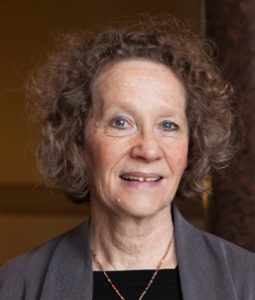 Carol Ryff合作论文数Department of Psychology, University of Wisconsin-Madison;Institute on Aging, University of Wisconsin-Madison4Marcela Cisternas合作论文数4
 Klaus Puschel合作论文数Institute of Legal Medicine;University of Hamburg;Institute of Legal Medicine, University of Hamburg4Alemka Tomicic合作论文数4
 Chiara Ruini合作论文数Department of Psychology, University of Bologna4Montserrat Lafuente G合作论文数4Ximena Martínez合作论文数3Camila Mateo合作论文数3Mariana Calzada合作论文数3
 Matias Gonzalez合作论文数3
 Manuel Torres-Sahli合作论文数Ctr Educ Med & Ciencias Salud, Pontificia Univ Catolica Chile3Rodrigo Moreno合作论文数3
 Marisol Sirhan合作论文数3
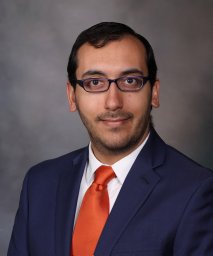 Arab Juan Pablo合作论文数School of Medicine, Pontificia Universidad Católica de Chile3Delfino Alejandro E合作论文数3
 Trinidad Olivos合作论文数3Harold Kalant合作论文数3J.Pablo Huidobro-Toro合作论文数3
 Gonzalo Torres合作论文数Department of Pharmacological and Physiological Science, St. Louis University School of Medicine3B Mena合作论文数2Arnoldo Riquelme Pérez合作论文数2María Trinidad Hoyl Moreno合作论文数2




