A crucial challenge in reinforcement learning is to reduce the number of interactions with the environment that an agent requires to master a given task. Transfer learning proposes to address this issue by re-using knowledge from previously learned tasks. However, determining which source task qualifies as the most appropriate for knowledge extraction, as well as the choice regarding which algorithm components to transfer, represent severe obstacles to its application in reinforcement learning. The goal of this paper is to address these issues with modular multi-source transfer learning techniques. The proposed techniques automatically learn how to extract useful information from source tasks, regardless of the difference in state-action space and reward function. We support our claims with extensive and challenging cross-domain experiments for visual control.
Labeling data can be an expensive task as it is usually performed manually by domain experts. This is cumbersome for deep learning, as it is dependent on large labeled datasets. Active learning (AL) is a paradigm that aims to reduce labeling effort by only using the data which the used model deems most informative. Little research has been done on AL in a text classification setting and next to none has involved the more recent, state-of-the-art Natural Language Processing (NLP) models. Here, we present an empirical study that compares different uncertainty-based algorithms with BERTbase as the used classifier. We evaluate the algorithms on two NLP classification datasets: Stanford Sentiment Treebank and KvK-Frontpages. Additionally, we explore heuristics that aim to solve presupposed problems of uncertaintybased AL; namely, that it is unscalable and that it is prone to selecting outliers. Furthermore, we explore the influence of the query-pool size on the performance of AL. Whereas it was found that the proposed heuristics for AL did not improve performance of AL; our results show that using uncertainty-based AL with BERTbase outperforms random sampling of data. This difference in performance can decrease as the query-pool size gets larger.
Sub-optimal control policies in intersection traffic signal controllers (TSC) contribute to congestion and lead to negative effects on human health and the environment. Reinforcement learning (RL) for traffic signal control is a promising approach to design better control policies and has attracted considerable research interest in recent years. However, most work done in this area used simplified simulation environments of traffic scenarios to train RL-based TSC. To deploy RL in real-world traffic systems, the gap between simplified simulation environments and real-world applications has to be closed. Therefore, we propose LemgoRL, a benchmark tool to train RL agents as TSC in a realistic simulation environment of Lemgo, a medium-sized town in Germany. In addition to the realistic simulation model, LemgoRL encompasses a traffic signal logic unit that ensures compliance with all regulatory and safety requirements. LemgoRL offers the same interface as the wellknown OpenAI gym toolkit to enable easy deployment in existing research work. To demonstrate the functionality and applicability of LemgoRL, we train a state-of-the-art Deep RL algorithm on a CPU cluster utilizing a framework for distributed and parallel RL and compare its performance with other methods. Our benchmark tool drives the development of RL algorithms towards real-world applications.
Background: The inclusion of facial and bodily cues (clinical gestalt) in machine learning (ML) models improves the assessment of patients' health status, as shown in genetic syndromes and acute coronary syndrome. It is unknown if the inclusion of clinical gestalt improves ML-based classification of acutely ill patients. As in previous research in ML analysis of medical images, simulated or augmented data may be used to assess the usability of clinical gestalt. Objective: To assess whether a deep learning algorithm trained on a dataset of simulated and augmented facial photographs reflecting acutely ill patients can distinguish between healthy and LPS-infused, acutely ill individuals. Methods: Photographs from twenty-six volunteers whose facial features were manipulated to resemble a state of acute illness were used to extract features of illness and generate a synthetic dataset of acutely ill photographs, using a neural transfer convolutional neural network (NT-CNN) for data augmentation. Then, four distinct CNNs were trained on different parts of the facial photographs and concatenated into one final, stacked CNN which classified individuals as healthy or acutely ill. Finally, the stacked CNN was validated in an external dataset of volunteers injected with lipopolysaccharide (LPS). Results: In the external validation set, the four individual feature models distinguished acutely ill patients with sensitivities ranging from 10.5% (95% CI, 1.3–33.1% for the skin model) to 89.4% (66.9–98.7%, for the nose model). Specificity ranged from 42.1% (20.3–66.5%) for the nose model and 94.7% (73.9–99.9%) for skin. The stacked model combining all four facial features achieved an area under the receiver characteristic operating curve (AUROC) of 0.67 (0.62–0.71) and distinguished acutely ill patients with a sensitivity of 100% (82.35–100.00%) and specificity of 42.11% (20.25–66.50%). Conclusion: A deep learning algorithm trained on a synthetic, augmented dataset of facial photographs distinguished between healthy and simulated acutely ill individuals, demonstrating that synthetically generated data can be used to develop algorithms for health conditions in which large datasets are difficult to obtain. These results support the potential of facial feature analysis algorithms to support the diagnosis of acute illness.
Sub-optimal control policies in intersection traffic signal controllers (TSC) contribute to congestion and lead to negative effects on human health and the environment. Reinforcement learning (RL) for traffic signal control is a promising approach to design better control policies and has attracted considerable research interest in recent years. However, most work done in this area used simplified simulation environments of traffic scenarios to train RL-based TSC. To deploy RL in real-world traffic systems, the gap between simplified simulation environments and real-world applications has to be closed. Therefore, we propose LemgoRL, a benchmark tool to train RL agents as TSC in a realistic simulation environment of Lemgo, a medium-sized town in Germany. In addition to the realistic simulation model, LemgoRL encompasses a traffic signal logic unit that ensures compliance with all regulatory and safety requirements. LemgoRL offers the same interface as the well-known OpenAI gym toolkit to enable easy deployment in existing research work. Our benchmark tool drives the development of RL algorithms towards real-world applications. We provide LemgoRL as an open-source tool at https://github.com/rl-ina/lemgorl.
Word embeddings are used as building blocks for a wide range of natural language processing and information retrieval tasks. These embeddings are usually represented as continuous vectors, requiring significant memory capacity and computationally expensive similarity measures. In this study, we introduce a novel method for semantic hashing continuous vector representations into lower-dimensional Hamming space while explicitly preserving semantic information between words. This is achieved by introducing a Siamese autoencoder combined with a novel semantic preserving loss function. We show that our quantization model induces only a 4% loss of semantic information over continuous representations and outperforms the baseline models on several word similarity and sentence classification tasks. Finally, we show through cluster analysis that our method learns binary representations where individual bits hold interpretable semantic information. In conclusion, binary quantization of word embeddings significantly decreases time and space requirements while offering new possibilities through exploiting semantic information of individual bits in downstream information retrieval tasks.
Critically ill patients constitute a highly heterogeneous population, with seemingly distinct patients having similar outcomes, and patients with the same admission diagnosis having opposite clinical trajectories. We aimed to develop a machine learning methodology that identifies and provides better characterization of patient clusters at high risk of mortality and kidney injury. We analysed prospectively collected data including co-morbidities, clinical examination, and laboratory parameters from a minimally-selected population of 743 patients admitted to the ICU of a Dutch hospital between 2015 and 2017. We compared four clustering methodologies and trained a classifier to predict and validate cluster membership. The contribution of different variables to the predicted cluster membership was assessed using SHapley Additive exPlanations values. We found that deep embedded clustering yielded better results compared to the traditional clustering algorithms. The best cluster configuration was achieved for 6 clusters. All clusters were clinically recognizable, and differed in in-ICU, 30-day, and 90-day mortality, as well as incidence of acute kidney injury. We identified two high mortality risk clusters with at least 60%, 40%, and 30% increased. ICU, 30-day and 90-day mortality, and a low risk cluster with 25–56% lower mortality risk. This machine learning methodology combining deep embedded clustering and variable importance analysis, which we made publicly available, is a possible solution to challenges previously encountered by clustering analyses in heterogeneous patient populations and may help improve the characterization of risk groups in critical care.
Despite having a similar post-operative complication profile, cardiac valve operations are associated with a higher mortality rate compared to coronary artery bypass grafting (CABG) operations. For long-term mortality, few predictors are known. In this study, we applied an ensemble machine learning (ML) algorithm to 88 routinely collected peri-operative variables to predict 5-year mortality after different types of cardiac operations. The Super Learner algorithm was trained using prospectively collected peri-operative data from 8241 patients who underwent cardiac valve, CABG and combined operations. Model performance and calibration were determined for all models, and variable importance analysis was conducted for all peri-operative parameters. Results showed that the predictive accuracy was the highest for solitary mitral (0.846 [95% CI 0.812-0.880]) and solitary aortic (0.838 [0.813-0.864]) valve operations, confirming that ensemble ML using routine data collected perioperatively can predict 5-year mortality after cardiac operations with high accuracy. Additionally, post-operative urea was identified as a novel and strong predictor of mortality for several types of operation, having a seemingly additive effect to better known risk factors such as age and postoperative creatinine.
In this paper, we propose a two-stage learning framework for visual navigation in which the experience of the agent during exploration of one goal is shared to learn to navigate to other goals. We train a deep neural network for estimating the robot’s position in the environment using ground truth information provided by a classical localization and mapping approach. The second simpler multi-goal Q-function learns to traverse the environment by using the provided discretized map. Transfer learning is applied to the multi-goal Q-function from a maze structure to a 2D simulator and is finally deployed in a 3D simulator where the robot uses the estimated locations from the position estimator deep network. In the experiments, we first compare different architectures to select the best deep network for location estimation, and then compare the effects of the multi-goal reinforcement learning method to traditional reinforcement learning. The results show a significant improvement when multi-goal reinforcement learning is used. Furthermore, the results of the location estimator show that a deep network can learn and generalize in different environments using camera images with high accuracy in both position and orientation.
In the quest for efficient and robust learning methods, combining unsupervised state representation learning and reinforcement learning (RL) could offer advantages for scaling RL algorithms by providing the models with a useful inductive bias. For achieving this, an encoder is trained in an unsupervised manner with two state representation methods, a variational autoencoder and a contrastive estimator. The learned features are then fed to the actor-critic RL algorithm Proximal Policy Optimization (PPO) to learn a policy for playing Open AI's car racing environment. Hence, such procedure permits to decouple state representations from RL-controllers. For the integration of RL with unsupervised learning, we explore various designs for variational autoencoders and contrastive learning. The proposed method is compared to a deep network trained directly on pixel inputs with PPO. The results show that the proposed method performs slightly worse than directly learning from pixel inputs; however, it has a more stable learning curve, a substantial reduction of the buffer size, and requires optimizing 88% fewer parameters. These results indicate that the use of pre-trained state representations has several benefits for solving RL tasks.
In Reinforcement learning, Q-learning is the best-known algorithm but it suffers from overestimation bias, which may lead to poor performance or unstable learning. In this paper, we present a novel analysis of this problem using various control tasks. For solving these tasks, Q-learning is combined with a multilayer perceptron (MLP), experience replay, and a target network. We focus our analysis on the effect of the learning rate when training the MLP. Furthermore, we examine if decaying the learning rate over time has advantages over static ones. Experiments have been performed using various maze-solving problems involving deterministic or stochastic transition functions and 2D or 3D grids and two Open-AI gym control problems. We conducted the same experiments with Double Q-learning using two MLPs with the same parameter settings, but without target networks. The results on the maze problems show that for Q-learning combined with the MLP, the overestimation occurs when higher learning rates are used and not when lower learning rates are used. The Double Q-learning variant becomes much less stable with higher learning rates and with low learning rates the overestimation bias may still occur. Overall, decaying learning rates clearly improves the performances of both Q-learning and Double Q-learning.
Reward shaping is an efficient way to incorporate domain knowledge into a reinforcement learning agent. Nevertheless, it is unpractical and inconvenient to require prior knowledge for designing shaping rewards. Therefore, learning the shaping reward function by the agent during training could be more effective. In this paper, based on the potential-based reward shaping framework, which guarantees policy invariance, we propose to learn a potential function concurrently with training an agent using a reinforcement learning algorithm. In the proposed method, the potential function is trained by examining states that occur in good and in bad episodes. We apply the proposed adaptive potential function while training an agent with Q-learning and develop two novel algorithms. One is APF-QMLP, which applies the good/bad state potential function combined with Q-learning and multi-layer perceptrons (MLPs) to estimate the Q-function. The other is APF-Dueling-DQN, which combines the novel potential function with Dueling DQN. In particular, an autoencoder is adopted in APF-Dueling-DQN to map image states from Atari games to hash codes. We evaluated the created algorithms empirically in four environments: a six-room maze, CartPole, Acrobot, and Ms-Pacman, involving low-dimensional or high-dimensional state spaces. The experimental results showed that the proposed adaptive potential function improved the performances of the selected reinforcement learning algorithms.
The Tsetlin Machine is a recent supervised machine learning algorithm that has obtained competitive results in several benchmarks, both in terms of accuracy and resource usage. It has been used for convolution, classification, and regression, producing interpretable rules. In this paper, we introduce the first framework for reinforcement learning based on the Tsetlin Machine. We combined the value iteration algorithm with the regression Tsetlin Machine, as the value function approximator, to investigate the feasibility of training the Tsetlin Machine through bootstrapping. Moreover, we document robustness and accuracy of learning on several instances of the grid-world problem.
Q-learning is a reinforcement learning algorithm that has overestimation bias, because it learns the optimal action values by using a target that maximizes over uncertain action-value estimates. Although the overestimation bias of Q-learning is generally considered harmful, a recent study suggests that it could be either harmful or helpful depending on the reinforcement learning problem. In this paper, we propose a new Q-learning variant, called Variation-resistant Q-learning, to control and utilize estimation bias for better performance. Firstly, we present the tabular version of the algorithm and mathematically prove its convergence. Secondly, we combine the algorithm with function approximation. Finally, we present empirical results from three different experiments, in which we compared the performance of Variation-resistant Q-learning, Q-learning, and Double Q-learning. The empirical results show that Variation-resistant Q-learning can control and utilize estimation bias for better performance in the experimental tasks.
Deep Reinforcement Learning (DRL) has the potential to surpass the existing state of the art in various practical applications. However, as long as learned strategies and performed decisions are difficult to interpret, DRL will not find its way into safety-relevant fields of application. SHAP values are an approach to overcome this problem. It is expected that the addition of these values to DRL provides an improved understanding of the learned action-selection policy. In this paper, the application of a SHAP method for DRL is demonstrated by means of the OpenAI Gym LongiControl Environment. In this problem, the agent drives an autonomous vehicle under consideration of speed limits in a single lane route. The controls learned with a DDPG algorithm are interpreted by a novel approach combining learned actions and SHAP values. The proposed RL-SHAP representation makes it possible to observe in every time step which features have a positive or negative effect on the selected action and which influences are negligible. The results show that RL-SHAP values are a suitable approach to interpret the decisions of the agent.
Counting the number of fruits in an image is important for orchard management, but is complex due to different challenging problems such as overlapping fruits and the difficulty to create large labeled datasets. In this paper, we propose the use of a data-augmentation technique that creates novel images by adding a number of manually cropped fruits to original images. This helps to increase the size of a dataset with new images containing more fruits and guarantees correct label information. Furthermore, two different approaches for fruit counting are compared: a holistic regression-based approach, and a detection-based approach. The regression-based approach has the advantage that it only needs as target value the number of fruits in an image compared to the detection-based approach where bounding boxes need to be specified. We combine both approaches with different deep convolutional neural network architectures and object-detection methods. We also introduce a new dataset of 1500 images named the Five-Tropical-Fruits dataset and perform experiments to evaluate the usefulness of augmenting the dataset for the different fruit-counting approaches. The results show that the regression-based approaches profit a lot from the data-augmentation method, whereas the detection-based approaches are not aided by data augmentation. Although one detection-based approach finally still works best, this comes with the cost of much more labeling effort.
Introduction Despite extensive research, the goal of unravelling patient heterogeneity in critical care remains largely unattained. Combining clustering analysis of routinely collected high-frequency data with the identification of features driving cluster separation may constitute a step towards improving patient characterization. Methods In this study, we analysed prospectively collected data from 743 patients including co-morbidities, clinical examination, and laboratory parameters. We compared four clustering methodologies – deep embedded clustering (DEC), hierarchical clustering with and without dynamic time warping, and k-means – and trained a classifier to predict and validate cluster membership. The contribution of different variables to the predicted cluster membership was assessed using SHapley Additive exPlanations values. Results DEC yielded better results compared to the traditional clustering algorithms, with the best Jaccard and entropy scores being achieved for 6 clusters. These clusters were characterized as medium to high co-morbidity patients with respiratory pathology and sepsis (cluster 1), patients with primarily acute and chronic cardiac conditions and surgical admission (cluster 2), patients with diverse disease etiology and poor outcomes (cluster 3), low co-morbidity neurological, neurosurgical, and trauma patients (cluster 4), medium co-morbidity patients with cardio-respiratory problems, and neuro-trauma patients with longer length of stay (cluster 5), and patients with sepsis and respiratory infections (cluster 6). All clusters differed in in-ICU, 30-day, and 90-day mortality, as well as incidence of acute kidney injury, and two clusters were categorized as having higher mortality risk, and one cluster as lower mortality risk. Conclusions This machine learning methodology, which we made publicly available, is a possible solution to challenges previously encountered by clustering analyses, and may help unravel patient heterogeneity in critical care.
•A novel One-vs-One classification method for deep neural networks is introduced.•The One-vs-One scheme is compared to the standard One-vs-All scheme on four datasets.•The results of two convolutional neural networks are better with the proposed method.•When fine-tuning pre-trained architectures, the One-vs-All method performs best.
In this paper, a novel racing environment for OpenAI Gym is introduced. This environment operates with continuous action- and state-spaces and requires agents to learn to control the acceleration and steering of a car while navigating a randomly generated racetrack. Different versions of two actor-critic learning algorithms are tested on this environment: Sampled Policy Gradient (SPG) and Proximal Policy Optimization (PPO). An extension of SPG is introduced that aims to improve learning performance by weighting action samples during the policy update step. The effect of using experience replay (ER) is also investigated. To this end, a modification to PPO is introduced that allows for training using old action samples by optimizing the actor in log space. Finally, a new technique for performing ER is tested that aims to improve learning speed without sacrificing performance by splitting the training into two parts, whereby networks are first trained using state transitions from the replay buffer, and then using only recent experiences. The results indicate that experience replay is not beneficial to PPO in continuous action spaces. The training of SPG seems to be more stable when actions are weighted. All versions of SPG outperform PPO when ER is used. The ER trick is effective at improving training speed on a computationally less intensive version of SPG.
The classification of DNA sequences is a key research area in bioinformatics as it enables researchers to conduct genomic analysis and detect possible diseases. In this paper, three state-of-the-art algorithms, namely Convolutional Neural Networks, Deep Neural Networks, and N-gram Probabilistic Models, are used for the task of DNA classification. Furthermore, we introduce a novel feature extraction method based on the Levenshtein distance and randomly generated DNA sub-sequences to compute information-rich features from the DNA sequences. We also use an existing feature extraction method based on 3-grams to represent amino acids and combine both feature extraction methods with a multitude of machine learning algorithms. Four different data sets, each concerning viral diseases such as Covid-19, AIDS, Influenza, and Hepatitis C, are used for evaluating the different approaches. The results of the experiments show that all methods obtain high accuracies on the different DNA datasets. Furthermore, the domain-specific 3-gram feature extraction method leads in general to the best results in the experiments, while the newly proposed technique outperforms all other methods on the smallest Covid-19 dataset
 Lambert Schomaker合作论文数Faculty of Science and Engineering, University of Groningen;Institute for Artificial Intelligence & Cognitive Engineering, University of Groningen29
 Madalina M. Drugan合作论文数Artificial Intelligence Lab, Vrije Univ Brussel17
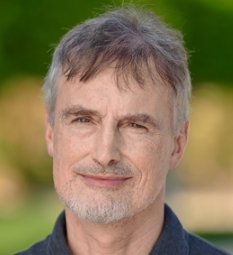 Jürgen Schmidhuber合作论文数NNAISENSE;Istituto Dalle Molle di Studi sull'Intelligenza Artificiale;Computer, Electrical and Mathematical Science and Engineering Division, King Abdullah University of Science and Technology;Faculty of Computer Science, University of Lugano16
 Olarik Surinta合作论文数Faculty of Informatics, Mahasarakham University13
 Emmanuel Okafor合作论文数Univ Groningen, Inst Artificial Intelligence & Cognit Engn, Groningen, Netherlands11
 Hado van Hasselt合作论文数Department of Computer Science, University College London;Google DeepMind11
 L. Schomaker合作论文数Artificial Intelligence & Cognitive Engineering, Faculty of Mathematics and Natural Sciences, University of Groningen11
 Mahir Faik Karaaba合作论文数8
 Amirhossein Shantia合作论文数7
 Matthia Sabatelli合作论文数Univ Liege, Dept Elect Engn & Comp Sci, Montefiore Inst, Liege, Belgium7
 Martijn Van Otterlo合作论文数Vrije Universiteit7
 Rafal Salustowicz合作论文数7
 Pornntiwa Pawara合作论文数Univ Groningen, Inst Artificial Intelligence & Cognit Engn ALICE, Nijenborgh 9, Groningen, Netherlands6Anne H Epema合作论文数Dept of Clinical Pharmacology, University of Groningen6
 Francesco Bidoia合作论文数5José Castela Forte合作论文数5
 Klaas Dijkstra合作论文数5
 Iwan van der Horst合作论文数Department Intensive Care Medicine, Maastricht UMC+;C1D1 Consultancy;NVVC5
 Azizi Abdullah合作论文数Department of Information and Computer Sciences, Utrecht University5
 Bart De Schutter合作论文数Delft Center for Systems and Control, Delft University of Technology4
 R.C. (Remco) Veltkamp合作论文数Department of Game and Media Technology, Faculty of Science, Utrecht University4
 Valeriu Codreanu合作论文数4Pieter P. Jonker合作论文数Department of Imaging Science and Technology;Delft University of Technology4
 Edwin D. De Jong合作论文数Quintiq4
 Leo Pape合作论文数IDSIA, University of Lugano4J. van de Loosdrecht合作论文数3
 Nil Stolt Anso合作论文数3Galiya Yeshmagambetova合作论文数3
 Mathijs Pieters合作论文数Artificial Intelligence3
 Anton Wiehe合作论文数Dept Neurol, Univ Med Ctr Hamburg Eppendorf3Mohammad Aslani合作论文数Univ Gavle, Dept Ind Dev IT & Land Management, Gavle, Sweden3
 Florin Schimbinschi合作论文数The University of Melbourne3
 Thomas Kaufmann合作论文数Department of Anesthesiology, University Medical Center Groningen3Shantia, A.合作论文数Dept. of Comput. Sci., Univ. of Groningen;c;Dept. of Comput. Sci., Univ. of Groningen3M. van der Ree合作论文数3
 Begue, E.合作论文数3
 Rudy Negenborn合作论文数Section of Transport Engineering & Logistics, Department of Maritime and Transport Technology, Delft University of Technology3
 Bart Hiemstra合作论文数3
 Ignace Hooge合作论文数Helmholtz Institute, Utrecht University;Department of Psychological Function, Utrecht University3
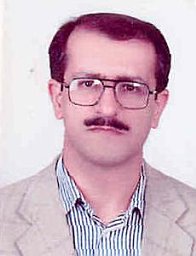 Saadi Mohammad Mesgari合作论文数Faculty of Geodesy and Geomatics Eng., K.N.Toosi University of Technology3
 Pierre Geurts合作论文数Department of Electrical engineering and Computer Science, University of Liège;Institut Montefiore, University of Liège3
 Frans A J Verstraten合作论文数Helmholtz Institute, Universiteit Utrecht3
 Stijn Oomes合作论文数Delft University of Technology;Delft University of Technology, Delft University of Technology3
 M. Poel (Mannes)合作论文数Department of Computer Science, Faculty of Electrical Engineering, Mathematics and Computer Science, University of Twente3Jelmer P. De Vries合作论文数Helmholtz Institute, Utrecht University3
 Gilles Louppe合作论文数Montefiore Institute, Department of Electrical Engineering and Computer Science, University of Liège;Faculty of Applied Sciences, University of Liège3
 Frans Groen合作论文数Institute of Informatics, University of Amsterdam;Science Department, University of Amsterdam3
 Stefan Seipel合作论文数Department of Industrial Development, IT and Land Management, Faculty of Engineering and Sustainable Development, University of Gävle3Michael R. Waldmann合作论文数2




