We present a first in human experience of transseptal balloon-assisted translocation of a mitral anterior leaflet (BATMAN) to facilitate transcatheter mitral valve replacement in a patient with severe mitral annular calcification who was at high risk of left ventricular outflow tract obstruction.
HomeCirculationVol. 149, No. 2Highlights From the Circulation Family of Journals Free AccessIn BriefPDF/EPUBAboutView PDFView EPUBSections ToolsAdd to favoritesDownload citationsTrack citationsPermissions ShareShare onFacebookTwitterLinked InMendeleyReddit Jump toFree AccessIn BriefPDF/EPUBHighlights From the Circulation Family of Journals Originally published8 Jan 2024https://doi.org/10.1161/CIRCULATIONAHA.123.068221Circulation. 2024;149:155–159The November highlights from the Circulation family of journals cover several fascinating topics in cardiology. Among young patients with hypertrophic cardiomyopathy, an association of storage disease and preexcitation is reported in Circulation Arrhythmia and Electrophysiology. The associations of coronary and cerebrovascular microvascular dysfunction, heart failure, and cognitive dysfunction are reported in Circulation: Heart Failure. The incorporation of cost-effectiveness evaluations in clinical cardiology guidelines is reported in Circulation: Cardiovascular Quality and Outcomes. Investigators report an association of pericardial enhancement on cardiac magnetic resonance imaging after cardiac surgery with low-grade inflammation in Circulation: Cardiovascular Imaging. Last, an analysis of cardiac computed tomography characteristics before redo transcatheter aortic valve replacement for the risk of coronary occlusion is reported in Circulation: Cardiovascular Interventions.Circulation: Arrhythmia and ElectrophysiologyHypertrophic Cardiomyopathy and Ventricular Preexcitation in the Young: Cause and Accessory Pathway CharacteristicsRobert Przybylski, MD; Sakethram Saravu Vijayashankar, MD, MRCPCH; Edward T. O’Leary, MD; Robyn J. Hylind, MS, CGC; Jennifer Noon, MSN, CPNP-PC; Audrey Dionne, MD; Elizabeth S. DeWitt, MD; Vassilios J. Bezzerides, MD, PhD; Dominic J. Abrams, MD, MRCP, MBCorrespondence to: Robert Przybylski, MD, Department of Pediatrics, Inova Fairfax Hospital, 3600 Gallows Rd Falls Church, VA. Email robert.przybylski@inova.orgBACKGROUND: The cause of hypertrophic cardiomyopathy (HCM) in the young is highly varied. Ventricular preexcitation (preexcitation) is well recognized, yet little is known about the specificity for any cause and the characteristics of the responsible accessory pathways (AP).METHODS: Retrospective cohort study of patients <21 years of age with HCM/preexcitation from 2000 to 2022. The cause of HCM was defined as isolated HCM, storage disorder, metabolic disease, or genetic syndrome. Atrioventricular AP (true AP) were distinguished from fasciculoventricular fibers (FVF) using standard invasive electrophysiology study criteria. AP were defined as high risk if any of the following were <250 ms: shortest preexcited RR interval in atrial fibrillation, shortest paced preexcited cycle length, or anterograde AP effective refractory period.RESULTS: We identified 345 patients with HCM and 28 (8%) had preexcitation (isolated HCM, 10/220; storage disorder, 8/17; metabolic disease, 5/19; and genetic syndrome, 5/89). Six (21%) patients had clinical atrial fibrillation (1 with shortest preexcited RR interval <250 ms). Twenty-two patients underwent electrophysiology study which identified 23 true AP and 16 FVF. Preexcitation was exclusively FVF mediated in 8 (36%) patients. Five (23%) patients had AP with high-risk conduction properties (including ≥1 patient in each etiologic group). Multiple AP were seen in 8 (36%) and AP plus FVF in 10 (45%) patients. Ablation was acutely successful in 13 of 14 patients with recurrence in 3. One procedure was complicated by complete heart block after ablation of a high-risk midseptal AP. There were significant differences in QRS amplitude and delta wave amplitude between groups. There were no surface ECG features that differentiated AP from FVF.CONCLUSIONS: Young patients with HCM and preexcitation have a high likelihood of underlying storage disease or metabolic disease. Nonisolated HCM should be suspected in young patients with large QRS and delta wave amplitudes. Surface ECG is not adequate to discriminate preexcitation from a benign FVF from that secondary to potentially life-threatening AP.Circ Arrhythm Electrophysiol. 2023;16:e012191. doi: 10.1161/CIRCEP.123.012191Circulation: Heart FailureMicrovascular Dysfunction as a Possible Link Between Heart Failure and Cognitive DysfunctionElizabeth Hillier, PhD; Jason Covone, MSc; Kady Fischer, PhD; Hao Yu Chen, PhD; Tarik Hafyane, PhD; Matthias G. Friedrich, MDCorrespondence to: Matthias G. Friedrich, MD, Department of Medicine and Diagnostic Radiology, McGill University, 1001 Decarie Blvd, Montreal, QC H4A 3J1, Canada. Email matthias.friedrich@mcgill.caBACKGROUND: Microvascular function in the brain and heart may play an important role in the course of patients with heart failure (HF), but its relationship with ventricular and cognitive function is not well understood. We hypothesized that microvascular function in HF is closely related to both, cardiac and cognitive function.METHODS: In healthy controls and symptomatic patients with HF (New York Heart Association functional class II or III), we used oxygenation-sensitive magnetic resonance imaging during a standardized breathing maneuver to determine the cerebral oxygenation reserve and the myocardial oxygenation reserve (MORE) as markers for microvascular function. A stepwise multivariable linear regression was performed to determine the variables that best predict changes in cerebral oxygenation reserve and MORE. We also measured cognitive function using the Montreal Cognitive Assessment test.RESULTS: Twenty patients with HF (age 64.4±8.3 years; 50% female sex), and 21 healthy controls (age 55.0±5.1 years; 62% female sex) were included in the analysis. In patients with HF, cerebral oxygenation reserve and MORE were lower than in healthy controls (MORE, −0.1±3.3 versus 5.0±4.2, cerebral oxygenation reserve: 0.43±0.47 versus 1.21±0.60, respectively) as were Montreal Cognitive Assessment score results (HF, 23.9±3.7; healthy, 27.8±1.5; P=0.002). The Montreal Cognitive Assessment score in patients was correlated with cardiac output (r=0.55, P=0.011) and MORE (r=0.46, P=0.040). In addition to the presence of HF, significant predictors of cerebral and myocardial oxygenation reserve were cardiac output and end-diastolic volume, respectively.CONCLUSIONS: Our results indicate that heart failure is an independent predictor of coronary and cerebral microvascular dysfunction as defined by a reduced response to a vasodilatory breathing maneuver. This impaired response was associated with reduced cognitive function.Circ Heart Fail. 2023;16:e010117. doi: 10.1161/CIRCHEARTFAILURE.122.010117Circulation: Cardiovascular Quality and OutcomesEvolution of Value in American College of Cardiology/American Heart Association Clinical Practice GuidelinesAndrea Luviano, MD, MPH; Ankur Pandya, PhDCorrespondence to: Andrea Luviano, MD, MPH, Department of Health Policy, Harvard University, Center for Health Decision Science, Harvard T.H. Chan School of Public Health, 718 Huntington Ave, 2nd Floor, Boston, MA 02115. Email andrealuviano@g.harvard.eduBACKGROUND: In January 2014, the American College of Cardiology/American Heart Association released a policy statement arguing for the inclusion of cost-effectiveness analysis (CEA) and value assessments in clinical practice guidelines. It is unclear whether subsequent guidelines changed how they incorporated such concepts.METHODS: We analyzed guidelines of cardiovascular disease subconditions with a guideline released before and after 2014. We counted the words (total and per page) for 8 selected value- or CEA-related terms and compared counts and rates of terms per page in the guidelines before and after 2014. We counted the number of recommendations with at least 1 reference to a CEA or a CEA-related article to compare the ratios of such recommendations to all recommendations before and after 2014. We looked for the inclusion of the value assessment system recommended by the writing committee of the American College of Cardiology/American Heart Association policy statement of 2014.RESULTS: We analyzed 20 guidelines of 10 different cardiovascular disease subconditions. Seven of the 10 cardiovascular disease subconditions had guidelines with a greater term per page rate after 2014 than before 2014. Across all 20 guidelines, the proportion of recommendations with at least 1 reference to a CEA changed from 0.44% to 1.99% (P<0.01). The proportion of recommendations with at least 1 reference to a CEA-related article changed from 1.02% to 3.34% (P<0.01). Only 3 guidelines used a value assessment system.CONCLUSIONS: The proportion of recommendations with at least 1 reference to a CEA or CEA-related article was low before and after 2014 for most of the subconditions, however, with substantial variation in this finding across the guidelines included in our analysis. There is a need to organize existing CEA information better and produce more policy-relevant CEAs so guideline writers can more easily make recommendations that incentivize high-value care and caution against using low-value care.Circ Cardiovasc Qual Outcomes. 2023;16:e010086. doi: 10.1161/CIRCOUTCOMES.123.010086Circulation: Cardiovascular ImagingPrevalence of Pericardial Late Gadolinium Enhancement in Patients After Cardiac Surgery: Clinical and Histological CorrelationsAnna Giulia Pavon, MD; Ruben Martinez Fernandez, MS; Dimitri Arangalage, MD, PhD; Luca Bergamaschi, MD; Niccolò Maurizi, MD; Sebastien Colombier, MD; Samuel Rotman, MD; Anna Nowacka, MD; Judith Bouchardy, MD; Juerg Schwitter, MD; Matthias Kirsch, MD; Pierre Monney, MD; Tobias Rutz, MDCorrespondence to: Anna Giulia Pavon, MD, Division of Cardiology, Cardiocentro Ticino Institute, Ente Ospedaliero Cantonale, Via Tesserete, 48, 6900 Lugano, Switzerland. Email annagiulia.pavon@eoc.chBACKGROUND: Pericardial late gadolinium enhancement (LGE) is usually associated with active pericarditis, but it is not infrequently found in patients after cardiac surgery even a long time after the intervention. The clinical relevance of this finding and its histological correlates are unknown. We sought to determine the prevalence of chronic pericardial LGE in patients after cardiac surgery.METHODS: All consecutive patients with previous cardiac surgery, who were referred to cardiovascular magnetic resonance between January 2017 and December 2021 were enrolled in the study. Cardiovascular magnetic resonance examination protocol was adapted to clinical indication but always included standard LGE acquisitions. Two independent observers blinded to clinical data assessed the presence of pericardial enhancement on LGE sequences. Fifteen patients underwent cardiac reintervention and pericardial biopsies were obtained. The primary study end point was to assess the prevalence of pericardial enhancement after cardiac surgery and identify possible determinants. The secondary end point was to correlate pericardial enhancement with clinical symptoms and histopathology.RESULTS: Two hundred four patients were included in the study. The median time between surgery and cardiovascular magnetic resonance was 160 months (35–226 months). Pericardial LGE was observed in 90 patients (44%). All patients were asymptomatic, and no specific treatment for pericarditis was started. All patients remained asymptomatic at a 1-year clinical follow-up. Pericardial LGE was significantly correlated with the number of previous surgeries (P=0.03). Pericardial fibrosis was detected in all 15 pericardial biopsy specimens; pericardial LGE was present in 7 patients (47%) who underwent biopsy. Histological signs of low-grade inflammation were detected in 6 patients (40%) with severe, circumferential pericardial LGE but in no patient without pericardial enhancement.CONCLUSIONS: Pericardial LGE is a frequent finding even several years after cardiac surgery. Its histological correlate is a chronic subclinical post–pericardiotomy inflammation.Circ Cardiovasc Imaging. 2023;16:e015606. doi: 10.1161/CIRCIMAGING.123.015606Circulation: Cardiovascular InterventionsFeasibility of Redo-transcatheter Aortic Valve Replacement in Sapien Valves Based on In-vivo Computed Tomography AssessmentMiho Fukui, MD, PhD; Atsushi Okada, MD, PhD; Kiahltone R. Thao, BA; Marcus R. Burns, DNP; Hideki Koike, MD, PhD; Cheng Wang, MD; Asa Phichaphop, MD; John R. Lesser, MD; Paul Sorajja, MD; João L. Cavalcante, MD; Vinayak N. Bapat, MDCorrespondence to: Vinayak N. Bapat, MD, Minneapolis Heart Institute at Abbott Northwestern Hospital, 800 E 28th St, Ste 300, Minneapolis, MN 55407. Email vnbapat@yahoo.comBACKGROUND: Our aim was to assess the feasibility of repeat transcatheter aortic valve (TAV) replacement for degenerated Sapien3 (S3) prostheses by simulating subsequent implantation of S3 or Evolut, using in vivo computed tomography–based sizing and the impact on coronary and patient-prosthesis mismatch risks.METHODS: Computed tomography scans from 356 patients with prior S3 TAV replacement implantation were analyzed. The in vivo sizing for second TAV based on averaged area of 3 levels of outflow, mid (narrowest) and inflow, was compared with in vitro recommendations, that is, same size as index S3 for second S3 and 1 size larger for Evolut. Risks of coronary obstruction and patient-prosthesis mismatch were determined by valve-to-aorta distance and estimated effective orifice area, respectively.RESULTS: Overall, the majority of patients (n=328; 92.1%) had underexpanded index S3 with an expansion area of 94% (91%–97%), leading to significant differences in size selection of the second TAV between in vivo and in vitro sizing strategies. Expansion area <89% served as a threshold, resulting in 1 size smaller than the in vitro recommendations were selected in 45 patients (13%) for S3-in-S3 and 13 (4%) for Evolut-in-S3, while the remaining patients followed in vitro recommendations (P<0.01, in vivo versus in vitro sizing). Overall, 57% of total patients for S3-in-S3 simulation and 60% for Evolut-in-S3 were considered low risk for coronary complications. Deep index S3 implantation (odds ratio, 0.76 [interquartile range, 0.67–0.87]; P<0.001) and selecting Evolut as the second TAV (11% risk reduction in intermediate- or high-risk patients) reduced coronary risk. Estimated moderate or severe patient-prosthesis mismatch risk was 21% for S3-in-S3 and 1% for Evolut-in-S3, assuming optimal expansion of the second TAV.CONCLUSIONS: Redo-TAV replacement with S3-in-S3 and Evolut-in-S3 could be feasible with low risk to coronaries in ≈60% of patients, while the remaining 40% will be at intermediate or high risk. The feasibility of redo-TAV replacement is influenced by sizing strategy, type of second TAV, native annular anatomy, and implant depth.Circ Cardiovasc Interv. 2023;16:e013497. doi: 10.1161/CIRCINTERVENTIONS.123.013497FootnotesCirculation is available at www.ahajournals.org/journal/circ eLetters(0) eLetters should relate to an article recently published in the journal and are not a forum for providing unpublished data. Comments are reviewed for appropriate use of tone and language. Comments are not peer-reviewed. Acceptable comments are posted to the journal website only. Comments are not published in an issue and are not indexed in PubMed. Comments should be no longer than 500 words and will only be posted online. References are limited to 10. Authors of the article cited in the comment will be invited to reply, as appropriate. Comments and feedback on AHA/ASA Scientific Statements and Guidelines should be directed to the AHA/ASA Manuscript Oversight Committee via its Correspondence page. Sign In to Submit a Response to This Article Previous Back to top Next FiguresReferencesRelatedDetails January 9, 2024Vol 149, Issue 2 Advertisement Article Information Metrics © 2024 American Heart Association, Inc.https://doi.org/10.1161/CIRCULATIONAHA.123.068221PMID: 38190450 Originally publishedJanuary 8, 2024 PDF download Advertisement
BACKGROUND:SAPIEN3 (S3) is a ubiquitous redo-transcatheter aortic valve (TAV) replacement alternative for degenerated Evolut valves, but S3 sizing for S3-in-Evolut remains unclear. We sought to compare the impact of in vivo computed tomography (CT)-sizing on redo-TAV feasibility for S3-in-Evolut with traditional bench-sizing. METHODS:CT scans of 290 patients treated using Evolut R/PRO/PRO+ between July 2015 and December 2021 were analyzed. S3-in-Evolut was simulated using S3 outflow/neoskirt plane (NSP) at node-6, -5, and -4. CT-sizing for S3 was determined by averaging 4 areas of the Evolut stent frame at NSP level and 3 nodes below. Redo-TAV was deemed feasible if the NSP was below the coronaries, or the narrowest valve (virtual S3)-to-aorta distance was >4 mm. Risk of prosthesis-patient mismatch was estimated using predicted indexed-effective orifice area. RESULTS:Compared with bench-sizing, CT-sizing yielded smaller S3 size in 82% at node-6, 81% at node-5, and 84% at node-4. Factors associated with CT-sizing less than bench-sizing were larger index Evolut size, underexpansion of index Evolut, and shallower implant depth (all P<0.05). CT-sizing increased redo-TAV feasibility by +8% at node-6, +10% at node-5, and +4% at node-4. Redo-TAV feasibility increased with annulus size, sinotubular junction dimensions, coronary heights, index Evolut size, deeper Evolut implant depth, and lower NSP levels (all P<0.05). CT-sizing had a slightly higher estimated risk of severe prosthesis-patient mismatch (9% at node-6, 7% at node-5, and 6% at node-4), which could be mitigated by changing the NSP. CONCLUSIONS:CT-sizing for S3-in-Evolut is associated with higher feasibility of redo-TAV compared with bench-sizing, potentially reducing the risk of excessive oversizing and S3 underexpansion. Further validation using real-world clinical data is necessary.
BACKGROUND:The use of oversizing in mitral valve-in-valve (MViV) procedures can lead to non-uniform expansion of transcatheter heart valves (THV). This may have implications for THV durability. AIMS:The objective of this study was to assess the extent and predictors of THV deformation in MViV procedures. METHODS:We examined 33 patients who underwent MViV with SAPIEN prostheses. The extent of THV deformation (deformation index, eccentricity, neosinus volume, asymmetric leaflet expansion and vertical deformation) and hypoattenuating leaflet thickening (HALT) were assessed using cardiac computed tomography (CT), performed prospectively at 30 days post-procedure. For descriptive purposes, the THV deformation index was calculated, with values >1.00 representing a more hourglass shape. RESULTS:Non-uniform underexpansion of THV was common after MViV implantation, with a median expansion area of 74.0% (interquartile range 68.1-84.1) at the narrowest level and a THV deformation index of 1.21 (1.13-1.29), but circularity was maintained with eccentricity ranging from 0.24 to 0.28. The degree of oversizing was a key factor associated with greater underexpansion and a higher deformation index (β=-0.634; p<0.001; β=0.594; p<0.001, respectively). Overall, the incidence of HALT on the 30-day postprocedural CT was 27.3% (9 of 33). Most patients (32 of 33) were on anticoagulation therapy, but the prothrombin time and international normalised ratio (PT-INR) at the time of the CT scan was <2.5 in 23 of 32 patients. Among patients with a PT-INR of <2.5, HALT was predominantly observed with a high THV deformation index of ≥1.18. CONCLUSIONS:THV deformation, i.e., underexpansion and an hourglass shape, commonly occurs after MViV implantation and is negatively affected by excessive oversizing. Optimising THV expansion during MViV could potentially prevent HALT.
BACKGROUND:TAVI is a widely accepted treatment for patients with severe aortic stenosis (AS). Despite the adoption of diverse therapies, opportunities remain to develop technologies tailored to provide optimal acute and potential long-term benefits, particularly around haemodynamics, flow and durability. AIMS:We aimed to evaluate the safety and feasibility of the DurAVR transcatheter heart valve (THV), a first-in-class biomimetic valve, in the treatment of patients with symptomatic severe AS. METHODS:This was a first-in-human (FIH), prospective, non-randomised, single-arm, single-centre study. Patients with severe, symptomatic AS of any surgical risk and who were eligible for the DurAVR THV prosthesis were recruited; they were assessed at baseline, 30 days, 6 months, and 1 year post-procedure for implant success, haemodynamic performance, and safety. RESULTS:Thirteen patients (73.9±6.4 years old, 77% female) were enrolled. The DurAVR THV was successfully implanted in 100% of cases with no device-related complications. One access site complication, one permanent pacemaker implantation, and one case of moderate aortic regurgitation occurred. Otherwise, no deaths, stroke, bleeding, reinterventions, or myocardial infarction were reported during any of the follow-up visits. Despite a mean annulus size of 22.95±1.09 mm, favourable haemodynamic results were observed at 30 days (effective orifice area [EOA] 2.00±0.17 cm2, and mean pressure gradient [MPG] 9.02±2.68 mmHg) and were sustained at 1 year (EOA 1.96±0.11 cm2, MPG 8.82±1.38 mmHg), resulting in zero patients with any degree of prosthesis-patient mismatch. Additionally, new valve performance measures derived from cardiovascular magnetic resonance displayed restoration of laminar flow, consistent with a predisease state, in conjunction with a mean coaptation length of 8.3±1.7 mm. CONCLUSIONS:Preliminary results from the FIH study with DurAVR THV demonstrate a good safety profile with promising haemodynamic performance sustained at 1 year and restoration of near-normal flow dynamics. Further clinical investigation is warranted to evaluate how DurAVR THV may play a role in addressing the challenge of lifetime management in AS patients.
HomeCirculation: Cardiovascular InterventionsVol. 16, No. 6Simple Maneuver to Improve TriClip Eligibility in Patients With Cardiac Implantable Electronic Device Leads No AccessCase ReportRequest AccessFull TextAboutView Full TextView PDFView EPUBSections ToolsAdd to favoritesDownload citationsTrack citationsPermissionsDownload Articles + Supplements ShareShare onFacebookTwitterLinked InMendeleyReddit Jump toSupplemental MaterialNo AccessCase ReportRequest AccessFull TextSimple Maneuver to Improve TriClip Eligibility in Patients With Cardiac Implantable Electronic Device Leads Paul Sorajja, Yashasvi Chugh, Marcus Burns, Nadira Hamid and Richard Bae Paul SorajjaPaul Sorajja Correspondence to: Paul Sorajja, MD, Roger and Lynn Headrick Family Chair, Valve Science Center, Minneapolis Heart Institute Foundation, 920 E 28th St, Ste 200, Minneapolis, MN, 55417. Email E-mail Address: [email protected] https://orcid.org/0000-0001-6401-854X Valve Science Center, Minneapolis Heart Institute Foundation, MN. Allina Health Minneapolis Heart Institute at AbbottNorthwestern Hospital, MN. Search for more papers by this author , Yashasvi ChughYashasvi Chugh https://orcid.org/0000-0001-9724-9088 Valve Science Center, Minneapolis Heart Institute Foundation, MN. Allina Health Minneapolis Heart Institute at AbbottNorthwestern Hospital, MN. Search for more papers by this author , Marcus BurnsMarcus Burns Valve Science Center, Minneapolis Heart Institute Foundation, MN. Allina Health Minneapolis Heart Institute at AbbottNorthwestern Hospital, MN. Search for more papers by this author , Nadira HamidNadira Hamid Valve Science Center, Minneapolis Heart Institute Foundation, MN. Allina Health Minneapolis Heart Institute at AbbottNorthwestern Hospital, MN. Search for more papers by this author and Richard BaeRichard Bae Valve Science Center, Minneapolis Heart Institute Foundation, MN. Allina Health Minneapolis Heart Institute at AbbottNorthwestern Hospital, MN. Search for more papers by this author Originally published20 Jun 2023https://doi.org/10.1161/CIRCINTERVENTIONS.123.012950Circulation: Cardiovascular Interventions. 2023;16FootnotesFor Sources of Funding and Disclosures, see page 400.Supplemental Material is available at https://www.ahajournals.org/doi/suppl/10.1161/CIRCINTERVENTIONS.123.012950.Correspondence to: Paul Sorajja, MD, Roger and Lynn Headrick Family Chair, Valve Science Center, Minneapolis Heart Institute Foundation, 920 E 28th St, Ste 200, Minneapolis, MN, 55417. Email paul.sorajja@allina.com Previous Back to top Next FiguresReferencesRelatedDetails June 2023Vol 16, Issue 6 Advertisement Article Information Metrics © 2023 American Heart Association, Inc.https://doi.org/10.1161/CIRCINTERVENTIONS.123.012950PMID: 37339235 Originally publishedJune 20, 2023 KeywordscatheterelectronicsfemaleheartinterferencePDF download Advertisement Subjects Catheter-Based Coronary and Valvular Interventions
BACKGROUND: Our aim was to assess the feasibility of repeat transcatheter aortic valve (TAV) replacement for degenerated Sapien3 (S3) prostheses by simulating subsequent implantation of S3 or Evolut, using in vivo computed tomography–based sizing and the impact on coronary and patient-prosthesis mismatch risks. METHODS: Computed tomography scans from 356 patients with prior S3 TAV replacement implantation were analyzed. The in vivo sizing for second TAV based on averaged area of 3 levels of outflow, mid (narrowest) and inflow, was compared with in vitro recommendations, that is, same size as index S3 for second S3 and 1 size larger for Evolut. Risks of coronary obstruction and patient-prosthesis mismatch were determined by valve-to-aorta distance and estimated effective orifice area, respectively. RESULTS: Overall, the majority of patients (n=328; 92.1%) had underexpanded index S3 with an expansion area of 94% (91%–97%), leading to significant differences in size selection of the second TAV between in vivo and in vitro sizing strategies. Expansion area <89% served as a threshold, resulting in 1 size smaller than the in vitro recommendations were selected in 45 patients (13%) for S3-in-S3 and 13 (4%) for Evolut-in-S3, while the remaining patients followed in vitro recommendations ( P <0.01, in vivo versus in vitro sizing). Overall, 57% of total patients for S3-in-S3 simulation and 60% for Evolut-in-S3 were considered low risk for coronary complications. Deep index S3 implantation (odds ratio, 0.76 [interquartile range, 0.67–0.87]; P <0.001) and selecting Evolut as the second TAV (11% risk reduction in intermediate- or high-risk patients) reduced coronary risk. Estimated moderate or severe patient-prosthesis mismatch risk was 21% for S3-in-S3 and 1% for Evolut-in-S3, assuming optimal expansion of the second TAV. CONCLUSIONS: Redo-TAV replacement with S3-in-S3 and Evolut-in-S3 could be feasible with low risk to coronaries in ≈60% of patients, while the remaining 40% will be at intermediate or high risk. The feasibility of redo-TAV replacement is influenced by sizing strategy, type of second TAV, native annular anatomy, and implant depth.
Figure 1. Transcatheter mitral valve repair after prior MitraClip therapy and atrial septal defect closure. A) Transoesophageal echocardiography (TEE) showing prior atrial septal occluder (ASO) and no space posterior to the ASO for safe transseptal puncture. B) Fluoroscopy showing a transseptal puncture through an ASO (arrow). C) Fluoroscopy showing predilatation with 12 × 40 mm balloon (arrow). D) TEE with three-dimensional (3D) imaging shows a steerable guide catheter through the ASO (arrow). E) Fluoroscopy showing deployment of an additional clip (arrow) through the ASO. F) TEE showing trivial MR (arrows) after additional clips. G) 3D-TEE showing new iatrogenic defect (arrow). H) ...
A 71-year-old Jehovah's witness woman with a past medical history significant for diabetes mellitus, hypertension, breast cancer, aortic stenosis, and coronary artery disease underwent three-vessel coronary artery bypass graft (CABG) and surgical aortic valve replacement (SAVR) with a 19 mm Sorin Mitroflow (Sorin Group, CO, USA) (True internal diameter 15.4 mm). Severe patient prosthesis mismatch (PPM) (EOAi: 0.30 cm2/m2) was diagnosed shortly after surgery with post-operative mean gradients of 40 mmHg by echocardiography. After an initial management strategy of observation, the patient was referred for redo AVR but was deemed high-risk for redo surgery. The heart team made a decision to proceed with transcatheter aortic valve replacement (TAVR) in combination with bioprosthetic valve fracture (BVF). 1 Allen K.B. Chhatriwalla A.K. Saxon J. et al. Bioprosthetic valve fracture to facilitate VIV TAVR: insights from a multicenter study. J Thorac Cardiovasc Surg. 2019; 158 (e1): 1317-1328 Abstract Full Text Full Text PDF PubMed Scopus (36) Google Scholar
Prospective investigations for the frequency of hypoattenuated leaflet thickening (HALT) and its clinical implications in transcatheter aortic valve implantation (TAVI) patients are limited. We initiated a prospective screening program of TAVI patients for HALT beginning in July 2015. Eligible patients were evaluated with gated, contrast-enhanced multidetector computed tomography within 30 days of TAVI, and examined for HALT and clinical outcomes. During the study period, 287 patients (81 +/- 8 years; 53% men) who underwent TAVI with commercially approved devices were examined. Overall, 26 patients (9.1%) had occurrence of HALT, and only one of these patients had detectable hemodynamic changes on echocardiography at diagnosis. Notably, 9 of 26 HALT patients had been receiving warfarin, however, the HALT patients more often had subtherapeutic international normalized ratio whereas using warfarin than patients without HALT on index multidetector computed tomography imaging (p = 0.01). Patients who developed HALT had lower baseline aortic gradient, valvuloarterial impedance, and peak aortic velocity, and more commonly had been treated with balloon-expandable valves (73% of all HALT cases) with a higher incidence among those who received larger prostheses. All patients with HALT were placed on anticoagulation at diagnosis, and valvular function remained unchanged at follow-up. Two patients with HALT (7.7%) experienced ischemic stroke. A statistical trend for more major adverse clinical events was present in HALT patients. In conclusion, HALT was detected in 9% of TAVI cases in this prospective observational cohort, with a greater frequency in patients with large, balloon-expandable prostheses. Prospective screening may be considered as early HALT is reversible by timely therapeutic anticoagulation. (C) 2018 Elsevier Inc. All rights reserved.
Background: To examine contemporary clinical and economic outcomes with the implementation of a minimalist program (MP) for transcatheter aortic valve replacement (TAVR) in patients with severe aortic stenosis. TAVR continues to evolve with the adoption of methods intended to maximize cost-savings while maintaining clinical effectiveness, patient safety, and satisfaction. Methods: A multidisciplinary collaboration was undertaken to develop a MP for transfemoral TAVR using conscious sedation anesthesia (CS) and resource optimization. Outcomes for 107 patients treated with MP were compared to 107 univariate-matched control patients who underwent TAVR with general anesthesia (GA). Results: There were no differences between the two groups with respect to demographics, aortic stenosis severity, morbidities, symptoms, or frailty. Procedural success, major adverse complications and quality of life were also comparable. During the use of MP, there were no conversions to GA. In comparison to control patients, those who had TAVR with MP had shorter median hospital length-of-stay (LOS) (2.0 days [1.6, 2.7] vs. 3.0 days [2.0, 5.1]; p < 0.001). Implementation of MP was associated with a significant decrease in total variable costs of 17.9%, an increase in patients with a positive contribution margin (from 30% in 2015 to 65% in 2017), and cumulative cost savings of $3.6 million over 2 years. Conclusions: The implementation of a multidisciplinary minimalist TAVR program is associated with significant reductions in LOS and hospital costs, without compromising clinical outcomes or quality of life.
 Sorajja Paul合作论文数24John R. Lesser合作论文数12
 Mario Gössl合作论文数Minneapolis Heart Institute Foundation10
 Vinayak Bapat合作论文数Allina Abbott Northwestern Hospital;Allina Health Minneapolis Heart Institute10Lynelle Schneider合作论文数8
 Miho Fukui合作论文数8Joao L. Cavalcante合作论文数7Nadira Hamid合作论文数7Niikura Hiroki合作论文数7
 Atsushi Okada合作论文数6Liang Tang合作论文数6Joao Cavalcante合作论文数5Kiahltone R. Thao合作论文数4
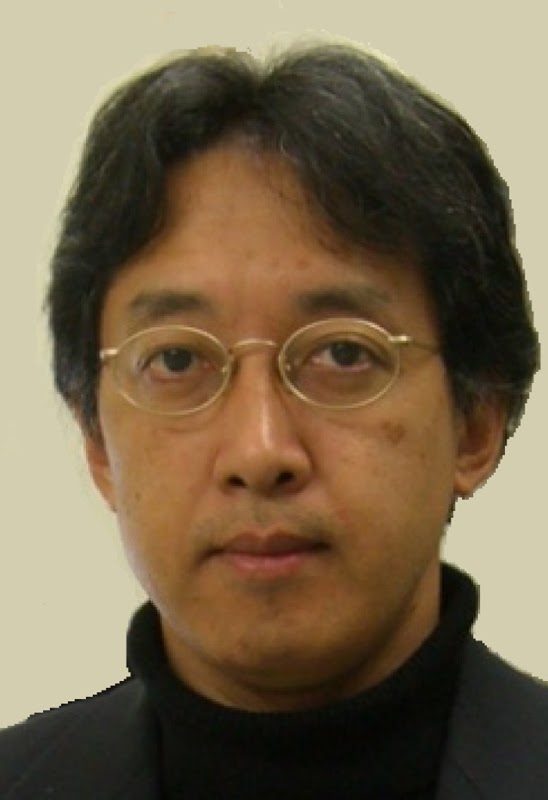 Hideki Koike (小池英樹)合作论文数Department of Computer Science, School of Computing, Tokyo Institute of Technology4
 Richard Bae合作论文数4Ross F. Garberich合作论文数4Asa Phichaphop合作论文数3
 Santiago Garcia合作论文数3
 Tjorvi Perry合作论文数Brigham and Women's Hospital, Harvard Medical School3
 Pankaj Garg合作论文数2
 Kari Feldt合作论文数2Mariana Nunes合作论文数2
 Janarthanan Sathananthan合作论文数Centre for Cardiovascular and Heart Valve Innovation, St. Paul's and Vancouver General Hospital2Poon Karl K合作论文数2Strauss Craig E合作论文数2Han B Kelly合作论文数2
 Michael Mooney合作论文数2
 Dawn Witt合作论文数2
 Tarek Helmy合作论文数College of Computer Science and Engineering, King Fahd University of Petroleum and Minerals2Christopher U. Meduri合作论文数2Robert Saeid Farivar合作论文数1Robert Farivar合作论文数1Evan Walser-Kuntz合作论文数1R Martinez合作论文数1Teona Zirakashvili合作论文数1Desmond B Jay合作论文数1Judah Askew合作论文数1
 Tarik Hafyane合作论文数1Desmond Jay合作论文数1Pam Rush合作论文数1Robyn J Hylind合作论文数1Jonathan G. Schwartz合作论文数1Susheel Kodali合作论文数1
 Ian Buysschaert合作论文数1Irakli Gorgorishvili合作论文数1George Katchakhidze合作论文数1Maia Zhividze合作论文数1
 Jason Covone合作论文数1




