Sediment-water exchange of dissolved organic matter (DOM) represents a critical yet poorly constrained component of the marine carbon cycle. Here, we combine quantitative, molecular, and carbon isotope (delta 13C and F14C) analyses to investigate the production, composition, and export of porewater DOM in the German Bight, North Sea, and evaluate its broader implications using a global data set. In the German Bight, transport-regulated diagenetic pathways govern porewater DOM signatures. Diffusion-limited fine-grained sediments act as "selective reservoirs", accumulating younger, terrestrially derived, and compositionally less refractory DOM via preferential remineralization of labile marine carbon. Conversely, permeable sands function as "biocatalytic filters" where advection-driven oxygen infiltration fosters rapid mineralization of fresh intermediates, leaving a transformed, refractory residual pool. Globally, sediment organic carbon (OC) exerts a first-order control on porewater dissolved organic carbon (DOC) concentration and F14C signatures, while its delta 13C is influenced by external inputs such as methane-derived carbon at seeps. Benthic fluxes export younger, reactive compounds that facilitate the molecular renewal of bottom-water DOM. By utilizing negative-pressure techniques to minimize sampling artifacts, we obtain diffusive DOC flux estimates (0.48 and 0.12 mol C m-2 yr-1 for shelf and slope/deep-sea sediments, respectively) that avoid the systematic overestimation inherent in post-freeze-thaw centrifugation. Collectively, these findings emphasize that porewater DOM is a dynamic intermediary, regulated by sediment transport regimes, that actively shapes the quantity, composition, and long-term cycling of the marine DOM reservoir.
Anaerobic oxidation of methane (AOM) has been proposed as a source of dissolved organic carbon (DOC) at marine cold seeps, but the underlying molecular mechanism for its production remains unknown. Here, we investigate the production and distribution of disaccharides in sediment and pore fluids from a methane-charged cold seep in Astoria Canyon (Oregon, USA) that we here name the Sable Seep. 16S rRNA gene sequences and 13 C-depleted membrane lipids (δ 13 C as low as −105‰) reveal a seep microbial consortium that primarily consisted of anaerobic methanotrophic archaea (ANME-2) and sulfate-reducing bacteria (SRB). Sediments contained up to 17.7 mg L −1 trehalose (δ 13 C as low as −78‰), which was sediment-bound, and 1 mg L −1 sucrose (δ 13 C as low as −66‰) in dissolved form, mirroring the geochemical concentration profiles and the abundance of genes and lipids of the microbial consortia. Sucrose in the porewater accounted for up to 4.6% of the DOC and corresponded to the minimum in 13 C-DOC (δ 13 C = −40‰). Stable isotope probing experiments showed AOM-dependent trehalose and sucrose biosynthesis, and both disaccharides were turned over more rapidly than diagnostic lipids, suggesting that these compounds are biomarkers of active AOM. During periods of low methane flux, these compounds may serve as alternative energy sources for the AOM community. Collectively, our results reveal a previously unrecognized disaccharide-mediated link between AOM and the DOC pool that may sustain microbial food webs and influence carbon cycling in methane-rich marine sediments.
Hydrothermal vents release substantial amounts of ancient carbon into the ocean, primarily as carbon dioxide, yet the extent to which this carbon is integrated into marine food webs remains poorly constrained. Here, we present a combination of bulk radiocarbon and stable carbon isotope measurements of particulate organic carbon from water column filters with compound-specific hydrogen and radiocarbon isotope analyses of fatty acids from surface sediments to trace carbon assimilation across benthic and pelagic realms in a low pH, shallow-water hydrothermal system off Taiwan. Isotope correlations indicate that vent-derived carbon dioxide constitutes a substantial fraction of the local microbial and faunal biomass through chemoautotrophic pathways (up to 30
Within crewed missions to Mars, microalgae could be used for the production of essential consumables. Their cultivation there could be less resource-intensive if the pressure inside bioreactors was reduced. However, whether this would decrease their growth is unclear; and how the composition of their lipidome would change (for instance, to compensate for the tendency of low pressure to increase membrane fluidity) is unknown. Here we demonstrate that the growth of Chlorella vulgaris is unaffected by a reduction in total pressure from 1000 hPa (ca. Earth at sea level) to 100 hPa if the partial pressure of carbon dioxide is constant. We then show that the microalga can grow vigorously, reaching above 1.5 g L- 1 within 4 days, under cultivations conditions analogous to these foreseen on Mars: a leachate of a Martian regolith simulant mixed with synthetic urine, under an atmosphere of 100 hPa of carbon dioxide. Conversely, a decrease in pressure altered the lipidome. Some changes may have helped preserve membrane viscosity: as an example, the MGDG-to-DGDG ratio increased. However, other alterations do not clearly point in that direction: the overall ratio of unsaturated-to-saturated fatty acids, as well as the average degree of unsaturation in thylakoid membrane lipids, for instance, only decreased with pressure when carbon dioxide (rather than carbonate) was the carbon source. Regardless, these alterations are small when compared to those induced by a change in the inorganic carbon source. Our results overall suggest that relying on a low pressure would benefit the resource-efficiency of microalgal cultivation on Mars.
High-energy sandy beach subterranean estuaries (STEs), where tide-introduced seawater mixes with terrestrial groundwater, are characterized by redox and salinity gradients that regulate groundwater composition and land-ocean solute exchange via submarine groundwater discharge (SGD). Dissolved organic matter (DOM) is central to carbon and nutrient cycling in these systems, yet the sources of DOM along deep (>5 mbgs) groundwater flow paths and the influence of redox, salinity, and seasonal hydrologic dynamics on its composition and turnover remain poorly constrained. Here, we present the first high-resolution molecular and isotopic analyses of solid-phase extractable DOM across salinity and redox gradients in an exemplary mesotidal, high-energy sandy beach STE on Spiekeroog Island (North Sea, Germany). Using ultrahigh-resolution mass spectrometry, fluorescence, and carbon isotopes (δ¹³C, Δ¹⁴C), we show that DOM from multiple sources is reworked into more recalcitrant, stable forms within high-energy beach aquifers before export to the ocean. Deep groundwater delivers aged, sulfurized terrestrial DOM from buried peats and paleosols, which is relatively resistant under subsurface conditions but can be degraded when exposed to sunlight and/or oxygen. Shallower flow paths carry younger, less sulfurized terrestrial DOM, while adjacent seawater contributes relatively younger, photodegraded marine DOM. In the supratidal, vegetation and beach wrack locally add nitrogen-rich DOM through rain- and seawater leaching. DOM composition varies more strongly on spatial than temporal scales, highlighting that position along the STE land-ocean gradient primarily controls DOM sources, chemical transformations, and degradation rates. Along the salinity gradient, terrestrial signatures and bulk DOC concentrations decline due to seawater dilution and DOM degradation. Molecular indices of recalcitrance increase along the transect, particularly in the upper saline plume (USP), where constant oxygen supply accelerates microbial turnover and selectively transforms labile compounds into more recalcitrant forms. In contrast, anoxic and brackish freshwater-influenced zones exhibit lower recalcitrance, with a mixture of partially degraded terrestrial and marine inputs, highlighting the strong influence of freshwater-seawater mixing on DOM composition and turnover. Compared with low-energy STEs, high-energy STEs accelerate labile DOM turnover in oxic zones via tidally driven seawater advection, exporting a reworked DOM pool to the ocean, while deeper anoxic layers in both systems preserve sulfurized terrestrial DOM as long-term carbon reservoirs. These findings highlight the critical yet underrecognized role of high-energy STEs in transforming DOM and influencing land-ocean carbon cycling and fluxes.
The full text of this preprint has been withdrawn by the authors in order to comply with an institutional policy on preprints. Therefore, the authors do not wish this work to be cited as a reference.
Deep marine sediments generate large amounts of methane, but most of this gas is consumed by the anaerobic oxidation of methane (AOM) mediated by microscopic consortia of anaerobic methane-oxidizing archaea (ANME) and sulfate-reducing bacteria (SRB). In this study, we investigated the AOM within a sulfate-methane transition zone (SMTZ) at a depth of ~9.6 m at the rim of the Ginsburg mud volcano in the Gulf of Cádiz. The SMTZ is supplied with sulfate from both overlying seawater and an underlying evaporitic deposit, and it coincides with a fracture zone that hosts a visible biofilm. Here, carbon dioxide shows the strongest 13C-depletion, indicating intense methane consumption. Metagenomic and lipid biomarker analysis of the biofilm revealed an exceptionally simple microbial community dominated by ANME-1b archaea (63%), which predominantly produce strongly 13C-depleted glycerol dialkyl glycerol tetraethers and, to a lesser extent, the less common macrocyclic archaeols. The putative partner bacterium Seep-SRB1c (Desulfobacterota) is less abundant (9%). Additionally, the biofilm contained five low-abundance heterotrophs that likely rely on biomass or metabolites released from the ANME-SRB consortium. Our study highlights the presence of active methanotrophic biofilms in subsurface sediments and suggests that these communities may play an overlooked role in mitigating seafloor methane emissions.
Consortia of archaea and partner bacteria couple the anaerobic oxidation of alkanes to sulfate reduction. While the catabolic pathways in anaerobic alkane-oxidizing archaea (ANKA) have been extensively studied, their anabolic capacities remain poorly understood. Here, we examined nine enrichment cultures dominated by ANKA and their partner bacteria for small-molecular compounds using solvent extraction and gas chromatographic analysis of derivatized extracts. All alkane-degrading cultures contained substantial amounts of disaccharides in their metabolite pools. Cold-adapted methane-oxidizing cultures dominated by ANME-2c and Seep-SRB2 contained up to 1.5 mg of trehalose per mg soluble protein. Trehalose was also abundant in ethane-oxidizing cultures of Candidatus Ethanoperedens and its distinct partner SRBs, accounting for up to 75% of the extracted metabolites. In contrast, thermophilic ANKA cultures dominated by ANME-1 or Candidatus Syntropharchaeum and Candidatus Desulfofervidus contained an abundant as-yet-unidentified hexose-containing disaccharide. Metagenomic analysis revealed widespread trehalose metabolism genes among partner Desulfobacterota and in ANME-2c and Ca. Ethanoperedens, but lower potential in ANME-1 and Ca. Syntropharchaeum, consistent with metabolite profiles. When exogenous trehalose was added to a thermophilic ethane-oxidizing enrichment, we observed rapid metabolization by heterotrophic microorganisms but poor assimilation by the Ca. Ethanoperedens/Ca. Desulfofervidus core community, indicating that ANKA/SRB consortia do not consume externally supplied trehalose. Instead, Ca. Ethanoperedens/Ca. Desulfofervidus, as well as other ANKA/SRB consortia, may use the disaccharides as energy-storage molecules, osmolytes, or components of the extracellular matrix. The disaccharides produced by the consortia also sustain ancillary heterotrophs, thereby linking alkane oxidation to broader sedimentary carbon cycling.
Chemoautotrophic Campylobacteria utilize the reductive tricarboxylic acid (rTCA) cycle for carbon uptake, a metabolic pathway that is more energy-efficient and discriminates less against 13C than the Calvin–Benson–Bassham cycle. Similar to other hydrothermal systems worldwide, Campylobacteria dominate the microbial community of the shallow-water hydrothermal system off Kueishantao (Taiwan). Compound-specific carbon stable isotope analyses of lipid-derived fatty acids were performed to understand the importance of rTCA and the transfer of fixed carbon to higher trophic levels in the vent area. Of these, C16:1ω7c, C18:1ω7c, and C18:1ω9c fatty acids were strongly enriched in 13C, indicating the activity of rTCA utilizing Campylobacteria. Isotopic fractionation was close to 0 ‰, likely caused by pH values as low as 2.88. Characteristic fatty acids were present not only in the vent fluids but also in adjacent sediments and water filters 20 m away from the vent orifice, albeit with decreasing abundance and diluted 13C signal. Furthermore, δ13C analysis of fatty acids from the tissue of Xenograpsus testudinatus, a crab endemic to this particular vent system, identified the trophic transfer of chemosynthetically fixed carbon. This highlights the interrelationship between chemoautotrophic microbial activity and life opportunities of higher organisms under environmentally harsh conditions at shallow-water hydrothermal systems.
Hydrothermal fluid flow not only shapes mineral deposition on the ocean floor but also creates ecological niches by altering temperature and energy availability. In these niches, microbial life thrives and has an additional, often unrecognized impact on mineral formation. In a newly discovered vent field in medium depths off Milos, Greece, we show how contrasting hydrothermal regimes host fundamentally different bacterial metabolisms. Diffusive flow fosters acidic, sulfate-rich conditions that promote kaolinization and pyrite formation. Fatty acid δ 13 C values down to −39‰ indicate acetyl-CoA-based sulfate reduction as the main metabolism, likely contributing to pyrite formation. In contrast, vigorous venting delivers hot, acidic, carbon-rich, and sulfate-depleted fluids that sustain the activity of sulfide-oxidizing chemoautotrophs. Fatty acid δ 13 C values of up to −4‰ and elemental sulfur accumulation provide evidence of their activity. Without such hydrothermal influence, little microbial activity and only quartz-rich sediments can be observed. Combined multivariate lipid analyses highlight Eh as the strongest environmental control, with increasing average chain length of fatty acids as an adaptation to (hydro-)thermal stress. These results illustrate how different types of fluid flow influence the activity of chemoautotrophic bacterial communities that are involved in the formation of characteristic sulfur minerals in hydrothermal environments.
Dust deposition to the ocean plays an indirect role in the carbon cycle due to stimulating the primary production by fertilisation. Additionally, it transports carbon to the ocean floor by acting as ballast for marine aggregates. Despite these recognized impacts, the direct influence of dust-seawater interactions on the carbon cycle remains poorly understood. Here, we study the effects of mineral dust on the dissolved organic carbon (DOC) concentration in seawater by performing sorption experiments through time series and stable carbon isotope analysis. We added two different amounts of dust to a solution of artificial seawater and 13C-labelled dissolved organic matter from Spirulina extract, creating a low and high dust-seawater ratio system. After 72 h, we observe a decrease in DOC for both systems, indicating the adsorption of DOC from the Spirulina extract onto dust particles. Analysis of the stable carbon isotope ratios of total organic carbon on the dust samples, before and after the sorption experiments, confirms these findings. Furthermore, our study shows that the net uptake of DOC on dust depends on the relative importance of adsorption, release and degradation of organic carbon. DOC release can become the dominant process based on the dust-seawater ratio and the initial organic carbon present on the dust, demonstrating that dust can act as both a sink and a source of organic carbon in the near-surface waters.
In cold seeps, anaerobic methanotrophic archaea (ANME) and sulphate-reducing bacteria (SRB) oxidise methane to inorganic carbon (IC) coupled to sulphate reduction. While catabolic pathways are well resolved, carbon flow into biomass as well as the functional roles of lipid biomarkers remain unclear. We conducted lipid stable isotope probing (lipid-SIP) experiments with Astoria Canyon sediments dominated by ANME-2/SRB consortia and incubated samples with either 13C-labelled methane (13CH4) or dissolved IC (DI13C). Lipid-specific δ13C analysis showed higher 13C incorporation from DI13C than from 13CH4. After 30 days, δ13C values were up to +417‰ in SRB-specific fatty acids (e.g., C16:1ω5c, cyC17:0ω5,6) and +126‰ in ANME-2-specific isoprenoid lipids (e.g., archaeol, crocetane). Based on these values, we calculated carbon assimilation rates and found that both partners primarily assimilate IC. Remarkably, IC assimilation in SRB lipids was eight times higher than in ANME lipids, suggesting that ANME may use additional yet-to-be-identified carbon sources, potentially produced by their partner SRB. By examining the stepwise 13C-enrichment of ANME- and SRB-derived lipids, we further delineate biosynthetic pathways for archaeal and bacterial diether lipid formation and highlight crocetane as a bilayer-modulating isoprenoid hydrocarbon potentially affecting membrane fluidity and proton permeability.
High-resolution geophysical surveys, complemented by chemical, physical, and visual data collected via the ROV MARUM-SQUID, revealed a previously undocumented intermediate-depth hydrothermal vent field (30-230 m) on the shelf of Milos Island, Greece. Three primary vent areas-Aghia Kiriaki, Paleochori-Thiorychia, and Vani-are aligned with ENE-WSW and NW-SE trending active faults, which define the SE coast of Milos and the Milos Gulf-Fyriplaka graben, deepening the Milos shelf up to 230 m. All areas exhibit a distinct bimodal vent distribution, with peaks at ~ 130 m and ~ 180 m; the Paleochori-Thiorychia region additionally hosts a cluster near 210 m. Shallow vents occur on flat, sandy substrates with white microbial mats and gas emissions, whereas deeper vents feature extensive microbial mats, CO₂-degassing chimneys, and actively boiling fluids exceeding 180 °C, indicative of persistent hydrothermal activity. Although the cause of the bimodal -and, in one case, trimodal-distribution remains uncertain, our findings offer a comprehensive, high-resolution characterization of the spatial distribution, morphology, and fluid characteristics of intermediate-depth hydrothermal venting on the Milos shelf.
The trophic strategy is one key principle to categorize microbial lifestyles, by broadly classifying microorganisms based on the combination of their preferred carbon sources, electron sources, and electron sinks. Recently, a novel trophic strategy, i.e., chemoorganoautotrophy—the utilization of organic carbon as energy source but inorganic carbon as sole carbon source—has been specifically proposed for anaerobic methane oxidizing archaea (ANME-1) and Bathyarchaeota subgroup 8 (Bathy-8). To further explore chemoorganoautotrophy, we employed stable isotope probing (SIP) of nucleic acids (rRNA or DNA) using unlabeled organic carbon and 13C-labeled dissolved inorganic carbon (DIC), i.e., inverse stable isotope labeling, in combination with metagenomics. We found that ANME-1 archaea actively incorporated 13C-DIC into RNA in the presence of methane and lepidocrocite when sulfate was absent, but assimilated organic carbon when cellulose was added to incubations without methane additions. Bathy-8 archaea assimilated 13C-DIC when lignin was amended; however, their DNA was derived from both inorganic and organic carbon sources rather than from inorganic carbon alone. Based on SIP results and supported by metagenomics, carbon transfer between catabolic and anabolic branches of metabolism is possible in these archaeal groups, indicating their anabolic versatility. We provide evidence for the incorporation of the mixed organic and inorganic carbon by ANME-1 and Bathy-8 archaea in the environment.
Organic matter (OM) transformations in marine sediments play a crucial role in the global carbon cycle. However, secondary production and priming have been ignored in marine biogeochemistry. By incubating shelf sediments with various 13 C-labeled algal substrates for 400 days, we show that ~65% of the lipids and ~20% of the proteins were mineralized by numerically minor heterotrophic bacteria as revealed by RNA stable isotope probing. Up to 11% of carbon from the algal lipids was transformed into the biomass of secondary producers as indicated by 13 C incorporation in amino acids. This biomass turned over throughout the experiment, corresponding to dynamic microbial shifts. Algal lipid addition accelerated indigenous OM degradation by 2.5 to 6 times. This priming was driven by diverse heterotrophic bacteria and sulfur- and iron-cycling bacteria and, in turn, resulted in extra secondary production, which exceeded that stimulated by added substrates. These interactions between degradation, secondary production, and priming govern the eventual fate of OM in marine sediments.
Significant amounts of organic carbon in marine sediments are degraded, coupled with sulfate reduction. However, the actual carbon and energy sources used in situ have not been assigned to each group of diverse sulfate-reducing microorganisms (SRM) owing to the microbial and environmental complexity in sediments. Here, we probed microbial activity in temperate and permanently cold marine sediments by using potential SRM substrates, organic fermentation products at very low concentrations (15-30 mu M), with RNA-based stable isotope probing. Unexpectedly, SRM were involved only to a minor degree in organic fermentation product mineralization, whereas metal-reducing microbes were dominant. Contrastingly, distinct SRM strongly assimilated 13C-DIC (dissolved inorganic carbon) with H2 as the electron donor. Our study suggests that canonical SRM prefer autotrophic lifestyle, with hydrogen as the electron donor, while metal-reducing microorganisms are involved in heterotrophic organic matter turnover, and thus regulate carbon fluxes in an unexpected way in marine sediments.
The Black Sea is a permanently anoxic, marine basin serving as model system for the deposition of organic-rich sediments in a highly stratified ocean. In such systems, archaeal lipids are widely used as paleoceanographic and biogeochemical proxies; however, the diverse planktonic and benthic sources as well as their potentially distinct diagenetic fate may complicate their application. To track the flux of archaeal lipids and to constrain their sources and turnover, we quantitatively examined the distributions and stable carbon isotopic compositions (δ13 C) of intact polar lipids (IPLs) and core lipids (CLs) from the upper oxic water column into the underlying sediments, reaching deposits from the last glacial. The distribution of IPLs responded more sensitively to the geochemical zonation than the CLs, with the latter being governed by the deposition from the chemocline. The isotopic composition of archaeal lipids indicates CLs and IPLs in the deep anoxic water column have negligible influence on the sedimentary pool. Archaeol substitutes tetraether lipids as the most abundant IPL in the deep anoxic water column and the lacustrine methanic zone. Its elevated IPL/CL ratios and negative δ13 C values indicate active methane metabolism. Sedimentary CL- and IPL-crenarchaeol were exclusively derived from the water column, as indicated by non-variable δ13 C values that are identical to those in the chemocline and by the low BIT (branched isoprenoid tetraether index). By contrast, in situ production accounts on average for 22% of the sedimentary IPL-GDGT-0 (glycerol dibiphytanyl glycerol tetraether) based on isotopic mass balance using the fermentation product lactate as an endmember for the dissolved substrate pool. Despite the structural similarity, glycosidic crenarchaeol appears to be more recalcitrant in comparison to its non-cycloalkylated counterpart GDGT-0, as indicated by its consistently higher IPL/CL ratio in sediments. The higher TEX86 , CCaT, and GDGT-2/-3 values in glacial sediments could plausibly result from selective turnover of archaeal lipids and/or an archaeal ecology shift during the transition from the glacial lacustrine to the Holocene marine setting. Our in-depth molecular-isotopic examination of archaeal core and intact polar lipids provided new constraints on the sources and fate of archaeal lipids and their applicability in paleoceanographic and biogeochemical studies.
AbstractIntense convective mixing in the central North Atlantic is a major gateway for dissolved organic matter (DOM) into the deep ocean, sustaining elevated dissolved organic carbon (DOC) concentrations. Rapid down‐slope transport on adjacent Irish and Hebrides Margins represents another, less‐explored mechanism contributing to the deep‐sea DOM reservoir. Our analyses of solid‐phase extractable DOM (SPE‐DOM) in bottom waters in this region showed 7–11 μM higher DOC concentration and 190–330 years youngerSPE‐DOM radiocarbon ages compared to similar depths in the open eastern North Atlantic. We estimated a down‐slope DOC flux of 43 Tg C yr−1 from the Irish and Hebrides shelves. During transport, conservative mixing, dominated by physical rather than biological/chemical processes, determined the molecular DOM composition, while minor particulate organic matter degradation introduced less‐refractory DOM with terrigenous characteristics. Thus, rapid down‐slope transport emerges as an efficient conduit for delivering fresh DOM into the deep ocean.
 Kai Uwe Hinrichs合作论文数Department of Geosciences, University of Bremen84
 Antje Boetius合作论文数Max Planck Institute for Marine Microbiology;Alfred Wegener Institute, Helmholtz Centre for Polar and Marine Research;MARUM Cluster of Excellence, University of Bremen34
 Verena B. Heuer合作论文数MARUM—Center for Marine Environmental Sciences, University of Bremen, Bremen, D-28359, Germany33
 Helge Niemann合作论文数18
 Julius Lipp合作论文数MARUM Center for Marine Environmental Sciences, University of Bremen;LCMS laboratory in Organic Geochemistry group, University of Bremen18
 Tina Treude合作论文数Department of Ecology and Evolutionary Biology, College of Life Sciences, University of California16
 Wendt Jenny合作论文数15
 Gunter Wegener合作论文数15
 Katrin Knittel合作论文数12
 Xiuran Yin合作论文数Max Planck Institute for Marine Microbiology, Bremen, Germany.11
 Michael Friedrich合作论文数Microbial Ecophysiology, Faculty of Biology;Chemistry &
MARUM, University of Bremen11
Michael Friedrich合作论文数Microbial Ecophysiology, Faculty of Biology;Chemistry &
MARUM, University of Bremen11 Erwin Suess合作论文数Division of Marine Biogeochemistry, GEOMAR Helmholtz Centre for Ocean Research Kiel;College of Earth, Ocean and Atmospheric Sciences, Oregon State University11John W. Pohlman合作论文数U.S. Geological Survey, Woods Hole Field Center11
 Lars-Peter Wörmer合作论文数MARUM Center for Marine Environmental Sciences, University of Bremen10
 Tim Richter-Heitmann合作论文数Microbial Genomics and Bioinformatics Research Group, Max Planck Institute for Marine Microbiology;Department of Microbiology, Max Planck Institute for Marine Microbiology;Max Planck Institute for Marine Microbiology, Max Planck Institute for Marine Microbiology10
 Andreas Teske合作论文数Department of Earth, Marine and Environmental Sciences, College of Art And Sciences, University of North Carolina at Chapel Hill10
 Yu-Shih Lin合作论文数10
 Kevin W. Becker合作论文数Woods Hole Oceanog Inst, Dept Marine Chem & Geochem, Woods Hole, MA 02543 USA9
 Tobias Goldhammer合作论文数9
 Matthias Zabel合作论文数Department of Geosciences, University of Bremen9
 Tina Loesekann合作论文数Dept Microbiol & Immunol, Univ Minnesota8
 Eberhard J Sauter合作论文数8Vladimir A. Samarkin合作论文数8
 Samantha (Mandy) Joye合作论文数Department of Marine Sciences, Franklin College of Arts and Sciences, University of Georgia8
 Marcos Yukio Yoshinaga合作论文数Instituto Oceanográfico, Universidade de Sao Paulo Praça do Oceanográfico8
 Heidi Taubner合作论文数8
 Hanni Vigderovich合作论文数Dept Earth & Environm Sci, Ben Gurion Univ Negev7
 David A Aromokeye合作论文数MARUM Ctr Marine Environm Sci, Univ Bremen7
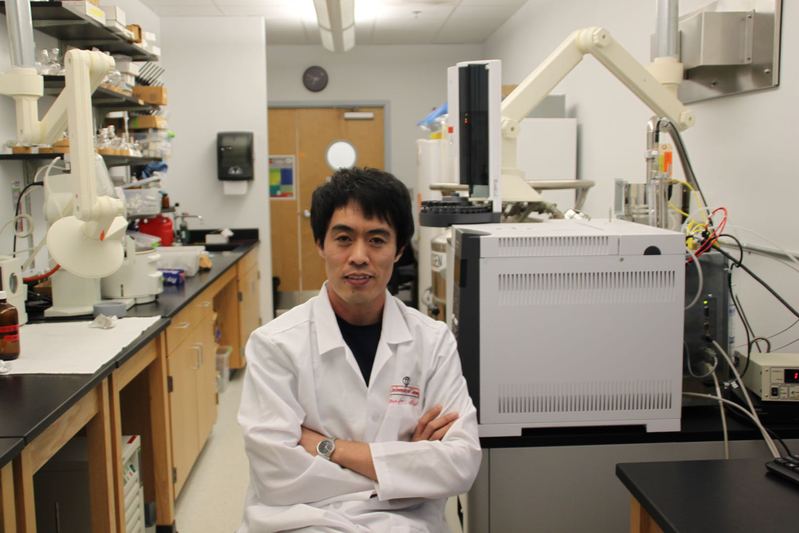 Guangchao Zhuang (庄光超)合作论文数College of Chemistry and Chemical Engineering, Ocean University of China7
 Orit Sivan合作论文数7
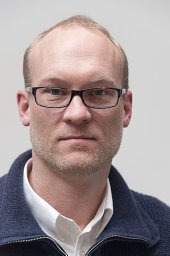 Enno Schefuß合作论文数Center for Marine Environmental Sciences, University of Bremen7
 Werner Eckert合作论文数Yigal Allon Kinneret Limnological Laboratory, Israel Oceanographic and Limnological Research Institute7
 Mark Lever合作论文数The University of Texas at Austin;Center for Geomicrobiology, Aarhus University6
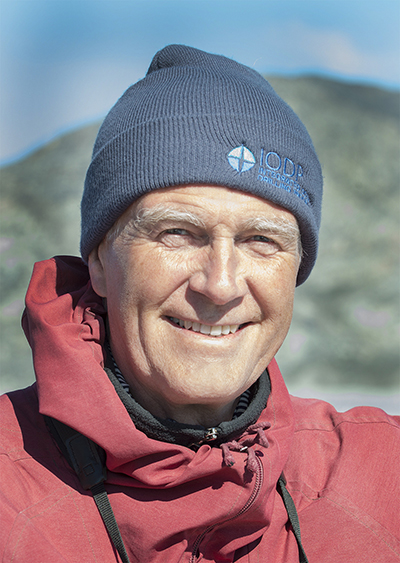 Bo Barker Jørgensen合作论文数Department of Biology, Aarhus University6
 Boris P. Koch合作论文数Alfred Wegener Institute for Polar and Marine Research6
 Cassandre Sara Lazar合作论文数6Marianne Nuzzo合作论文数6Thomas Holler合作论文数Max Planck Institute for Marine Microbiology, Celsiusstr.1, 28359 Bremen, Germany6
 Christian Hensen合作论文数IFM-GEOMAR, Leibniz-Institute of Marine Sciences6Xavier Prieto Mollar合作论文数5Mark Schmidt合作论文数5
 Susanne Alfken合作论文数Organ Geochem Grp, Univ Bremen5
 Ajinkya Kulkarni合作论文数Max Planck Institute for Dynamics and Self-Organization, Am Fassberg 17, 37077, Göttingen, Germany.5Nimzyk Rolf合作论文数5
 Solveig Irena Buhring合作论文数Department of Geosciences, Universität Bremen5
 Fumio Inagaki (稲垣史生)合作论文数World Premier International Research Center Initiative, Advanced Institute for Marine Ecosystem Change, Tohoku University & Japan Agency for Marine-Earth Science and Technology5Michael J. Whiticar (Michael Whiticar)合作论文数Earth Science Department, School of Earth and Ocean Sciences, University of Victoria;Utrecht University5
 Gerhard Bohrmann合作论文数Research Centre Ocean Margins, University of Bremen5
 Matthias Witt合作论文数Bruker Daltonik GmbH5




