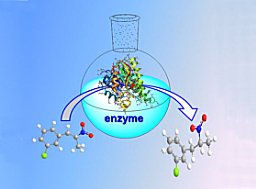
Biocatalytic fixation of CO2 into carboxylic acids offers a sustainable route to carbon capture and utilization. Microbial cofactor-free non-oxidative decarboxylases catalyze the reversible ortho-carboxylation of phenolic substrates under mild conditions in the presence of adequate concentrations of bicarbonate ions. The development of industrial biocatalysts based on immobilized DHDBs asks for a rapid method for the screening of immobilization techniques and optimization of carboxylation operating conditions. UV spectroscopy methods applied to DHDBs activity assay are scarce and not standardized, differing in solvent composition, wavelengths, and data analysis, while HPLC methods are more popular, as they are useful for substrate screening over a variety of phenols. The present contribution reports the development of a UV spectroscopic method for the analysis of both the carboxylation and decarboxylation reactions catalyzed by decarboxylases with 2,3-dihydroxybenzoic acid (2,3-DHBA) and catechol as substrates/products. Absorption spectra show which wavelengths provided the most significant differences among catechol and 2,3-DHBA, and the optimal ones were set to follow catechol and 2,3-DHBA concentration dynamics in the reaction mixture. The activity assay of 2,3-DHBD from Aspergillus oryzae was defined to the developed method with 0.05 g/L enzyme and 10 mM 2,3-DHBA. Further carboxylation tests of catechol proved the effectiveness of the method at relevant conditions for future optimization of 2,3-DHBD immobilization and continuous flow monitoring of phenols conversion by enzymatic carboxylation.
Enzymatic hydrolysis (EH) of lignocellulosic biomass (LB) is a central step in biorefinery saccharification, yet its large-scale implementation remains limited by unproductive enzyme adsorption on lignin and mass transfer constraints within biomass particles, both of which reduce sugar yields. The dosage of cellulases is crucial to achieve high conversion of polysaccharides and the amount of enzymes to the biomass is strongly affected by adsorption of enzymes on the biomass particles. In this study, a lab-scale packed-bed reactor was developed to investigate cellulases adsorption under continuous-flow conditions, to support the selection of enzyme dosage and in EH processes. The system enables the evaluation of enzyme partitioning between solid and liquid phases avoiding the limitations posed by mixing in stirred reactors at high-solids content. First, bovine serum albumin (BSA) was employed as an inert protein to set-up the apparatus and calibrate the on-line UV absorbance measurements. Then, the commercial cellulase cocktail Cellic® CTec2 was used as an industrially relevant biocatalyst to perform continuous adsorption tests with Cynara cardunculus and Arundo donax as reference biomass substrates. Breakthrough profiles and final protein partitioning showed an increase in adsorption capacity compared to data from batch adsorption tests in high-solids mixed systems. The study provides quantitative data for the design of heterogeneous biocatalytic processes relevant in the field of sugar-based biorefinery and opens opportunities to the study of multicomponent enzyme solutions on complex solid substrates.
CO2 absorption in aqueous alkaline solutions promoted by carbonic anhydrase (CA) has received increased attention as a solution for post-combustion CO2 capture. In particular, accelerated weathering has emerged as an alternative approach for CO2 capture, mimicking nature's way to sequestrate CO2. In this study, an evolved CA from Desulfovibrio vulgaris was immobilized on magnetic nanoparticles (MNPs) offering a promising solution for the effective enzyme separation and recovery from complex and heterogeneous reaction media. The immobilization yields were high (86-98 %) and MNPs-DvCA8.0 were characterized based on standardized CO2 release and CO2 absorption assays and compared to the free enzyme. As a following step, MNPs-DvCA8.0 were applied as promoter in the accelerated weathering of insoluble lime mud, originating as a residue from a paper and pulp industry. MNPs-DvCA8.0 could be efficiently separated, washed and reused for up to 10 consecutive reaction cycles, offering a biocatalyst productivity equal to 2.83 g captured CO2/g CA opposite to the free enzyme that offered only 1.01 g captured CO2/g CA. CA immobilization could offer a mitigation strategy for the non-selective adsorption of the free enzyme on lime mud particles during the CO2 capturing reaction. The highly reproducible and robust immobilization method, that provides material separation based on its magnetic properties, could be a viable solution for the recovery of enzyme and its separation from the lime mud slurry, aiding in obtaining a highly pure solution rich in bicarbonate, as product.
The deployment of sugar-based biorefineries is limited by the availability of feedstocks and by the cost of enzymes. Cynara cardunculus and Arundo donax are relevant non-food crops for the development of sugar-based biorefineries. Enzymatic hydrolysis of C. cardunculus and A. donax stalks have been optimized in terms of biocatalyst dosage and reuse. Optimal utilization of a commercial biocatalyst cocktail was achieved assessing the enzyme adsorption on the biomass slurry prior to the hydrolysis stage. The partitioning of cellulases between the liquid the substrate has been characterized for raw and pretreated biomasses. Enzyme uptakes up to 18 mg/g were recorded with 5 % biomass slurries and 0.2-3 g/L initial enzyme concentrations for both C. cardunculus and A. donax. The nearly irreversible nature of the enzyme adsorption allowed a partial recovery of the unbound biocatalyst and the polysaccharides hydrolysis by adsorbed biocatalysts. In the best condition, 89 % glucans conversion was obtained in pretreated cardoon with 4 mg/g loading of adsorbed cellulases (lower than the saturation level) and in giant reed with 13 mg/g. Notably, the residual activity of the unbound biocatalyst was sufficient to hydrolyse more than 65 and 75 % of glucans in pretreated cardoon and giant reed, respectively. The proposed method can be applied routinely to any biorefinery feedstock and both commercial and in-situ produced cocktails to minimize the enzyme dosage.
Objectives: The objective of this study was to investigate the effects of medium composition on CO fermentation by Clostridium carboxidivorans. The focus was to reduce the medium cost preserving acceptable levels of solvent production. Methods: Yeast extract (YE) concentration was set in the range of 0-3 g/L. Different reducing agents were investigated, including cysteine-HCl 0.6 g/L, pure cysteine 0.6 g/L, sodium sulphide (Na2S) 0.6 g/L, cysteinesodium sulphide 0.6 g/L and cysteine-sodium sulphide 0.72 g/L. The concentration of the metal solution was decreased down to 25 % of the standard value. Fermentation tests were also carried out with and without tungsten or selenium. Results: The results demonstrated that under optimized conditions, namely yeast extract (YE) concentration set at 1 g/L, pure cysteine as the reducing agent and trace metal concentration reduced to 75 % of the standard value, reasonable solvent production was achieved in less than 150 h. Under these operating conditions, the production levels were found to be 1.39 g/L of ethanol and 0.27 g/L of butanol. Furthermore, the study revealed that selenium was not necessary for C. carboxidivorans fermentation, whereas the presence of tungsten played a crucial role in both cell growth and solvent production. Conclusions: The optimization of the medium composition in CO fermentation by Clostridium carboxidivorans is crucial for cost-effective solvent production. Tuning the yeast extract (YE) concentration, using pure cysteine as the reducing agent and reducing trace metal concentration contribute to reasonable solvent production within a relatively short fermentation period. Tungsten is essential for cell growth and solvent production, while selenium is not required.
The cost of enzymes needed for the enzymatic saccharification of lignocellulosic biomass is critical to the economic feasibility of sugar-based biorefineries. Enzymatic hydrolysis is a heterogeneous process that proceeds along enzyme adsorption on the solid substrate, whose composition and microstructure depend on lignin, cellulose, and hemicellulose contents and distribution. The complex chemistry of enzyme-substrate interaction regulates the hydrolysis rate and the ultimate sugar yield. In this study, the adsorption of cellulases and the influence on the hydrolytic process has been investigated with reference to highly concentrated solids slurries of Arundo donax and cardoon stalks either raw or subjected to alkali pretreatment. Optimal dosage and recycling of the enzymes were assessed based on the maximum adsorption capacity (17.8 - 15.4 mg/g) and equilibrium data using a commercial cellulases cocktail. For alkali-pretreated cardoon, significant sugar yields (>90%) were obtained with a loading of adsorbed cellulases (4.3 mg/g) well below the saturation uptake.
The search for less energy-intensive processes is pushing toward a diversification of Carbon-Capture and Utilization/Sequestration (CCU/S) pathways. Biocatalytic processes offer sustainable solutions characterized by extremely mild operating conditions. Over the last decade, post-combustion CO2 capture based on enzymatic reactive absorption experienced remarkable growth from the laboratory to the demonstration scale. The present study explores a novel CCU concept based on phenol carboxylation catalyzed by cofactor-free decarboxylases. The design of the CCU process includes CO2 capture by alkaline solvents boosted by carbonic anhydrase followed by bicarbonate fixation via enzymatic phenol carboxylation. Phenols generated from fractional pyrolysis of biomass were assumed as carboxylation substrates. Two process layouts have been developed and modelled, and reliable experimental data and kinetic model supported the computations. Simulated best cases prove to be feasible options for integrating the enzyme cascade with the conventional CO2 absorption/desorption loop and lignocellulose biomass-derived substrates.
Light-dependent fatty acid photodecarboxylases (FAPs) hold significant potential for biotechnology, due to their capability to produce alka(e)nes directly from the corresponding (un)saturated natural fatty acids requiring light as the only reagent. This study expands the family of FAPs through cavity-based enzyme discovery methods. Thirty enzyme candidates with potential photodecarboxylation activity were identified by matching the cavities of four related template structures against the Protein Data Bank's flavoproteins, a library of proteins identified via the Foldseek Search Server, and homology models of sequences resulting from BLAST. Subsequent docking experiments narrowed this library to ten promising enzymes, which were expressed and assessed in vitro, identifying four photodecarboxylases. Out of these enzymes, the GMC oxidoreductase from Coccomyxa sp. Obi (CoFAP) was characterized in detail, which revealed high activity in the decarboxylation reactions of palmitic acid and octanoic acid and a broad pH tolerance (pH 6.5-9.5).
Leveraging renewable carbon -based resources for energy and chemical production is a promising approach to decrease reliance on fossil fuels. This entails a thermo/biotechnological procedure wherein bacteria, notably Clostridia, ferment syngas, converting CO or CO2 + H2 into Hexanol, Butanol and Ethanol (H -B -E fermentation). This work reports of Clostridium carboxidivorans performance in a stirred tank reactor continuously operated with respect to the gas and the cell/liquid phases. The primary objective was to assess acid and solvent production at pH 5.6 by feeding pure CO or synthetic syngas under gas flow differential conditions. Fermentation tests were conducted at four different dilution rates (DL) of the fresh medium in the range 0.034-0.25 h-1. The fermentation pathways of C. carboxidivorans were found to be nearly identical for both CO and syngas, with consistent growth and metabolite production at pH 5.6 within a range of dilution rates. Wash -out conditions were observed at a DL of 0.25 h-1 regardless of the carbon source. Ethanol was the predominant solvent produced, but a shift towards butanol production was observed with CO as the substrate and towards hexanol production with synthetic syngas. In particular, the maximum cell concentration (0.5 gDM/L) was obtained with pure CO at DL 0.05 h-1; the highest solvent productivity (60 mg/L*h of total solvent) was obtained at DL 0.17 h-1 by using synthetic syngas as C -source. The findings highlight the importance of substrate composition and operating conditions in syngas fermentation processes. These insights contribute to the optimization of syngas fermentation processes for biofuel and chemical production.
Biorefinery is a valid alternative to fossil-based processes through the transformation of lignocellulosic biomasses (LB) into a spectrum of chemicals and biofuels (Cherubini, 2010). The sugar-based platform consists of I) one or more biomass pretreatments aimed at modifying/removing lignin; II) cellulose and hemicellulose enzymatic hydrolysis; III) the fermentation of the released pentose and hexose sugars. Pretreatment of lignocellulosic biomass is a key step. Biochemical pretreatments may be the best alternative in terms of process sustainability. Laccases – multicopper oxidoreductases - are among the most proposed enzymes for this purpose. The present study reports the adsorption of a recombinant fungal laccase - PoxA1b, previously proposed for the delignification of several LBs - on coffee silverskin and Cardoon stalks. The milled and sieved biomasses (0.5 - 1 mm) were dispersed in PoxA1b solutions at several initial enzyme concentrations. The preliminary characterization pointed out two occurring phenomena: the adsorption of the laccases on the biomass surface, and its effect on the further adsorption of cellulases in the enzymatic hydrolysis step. Perspectives on future studies include tuning the adsorption-related phenomena and maximising the impact of the biochemical pretreatments in the delignification of LBs for biorefinery purposes.
The use of waste lignocellulose feedstock for sugar-based biorefineries is attracting the interest of the scientific and industrial communities. The aim is to develop efficient sustainable processes to produce fuels and chemicals via the biotechnological route. However, the rational design of processes aimed at fermentable sugar recovery from lignocellulosic wastes asks for reliable quantitative data of a wide spectrum of biomass. Waste biomasses from food industries are among the most studied potential carbon sources. In the present study, the kinetics of enzymatic hydrolysis of coffee silverskin has been characterized. Coffee silverskin is one of the most abundant fractions of the coffee industry waste and it has been already used for saccharification purposes. The experimental investigation provided kinetic parameters of a semi-mechanistic model of glucose production rate from coffee silverskin catalyzed by a commercial cellulase cocktail. In addition, the adsorption of the enzymes on the solid biomass substrate has been characterized according to a Langmuir type model. The effect of enzymes adsorption on cellulose conversion and the process dynamics have been highlighted by validation tests. The optimization of biocatalyst use has been provided via a two-step hydrolysis procedure. The developed procedure can be successfully applied in the future to several biomasses to describe a wide range of possible substrates.
A dynamic-kinetic model for gas fermentation of C. carboxidivorans is presented. The model described the acid/alcohol production in gas-fed stirred tank reactors (GFSTR) and in batch pressurized reactors. The model took into account gas–liquid mass transfer rate, carbon monoxide uptake rate and three conversion paths: cell growth associated with acid/alcohol production, alcohol production by acid conversion and direct alcohol production not associated to cell growth. The assessment of kinetic parameters/yields was carried out by regression of experimental data retrieved from the literature. The model was then used to study the effects of several process conditions on the fermentation performances. The sensitivity was analysed with respect to three operating variables (agitation speed, gas feeding flow-rate and bioreactor filling ratio) and also to the kinetic parameters/yields. The proposed model successfully reproduced the experimental data: the R2 of the investigated variable concentrations ranged between 0.769 and 0.885. Sensitivity analysis pointed out that: i) the model was significantly affected by parameters related to the growth kinetic whereas it was not impacted by parameters related to direct alcohol production; ii) fermentation performances could be improved tuning the operating conditions, in particular, the decrease of the mass transfer rate could increase the cell/metabolite production.
The biorefinery of lignocellulosic wastes allows decreasing the emission of greenhouse gases by the introduction of eco-friendly alternatives such as biofuels and bioproducts, reducing the cost of waste disposal and overcoming the environmental problems related to the production of first-generation biofuels by dedicated cultures. The enzymatic hydrolysis of waste biomasses is one of the crucial steps of the biorefinery process; it is aimed at obtaining fermentable sugars starting from the complex carbohydrates (cellulose and hemicellulose). Among the biomasses classified as lignocellulosic wastes, Coffee Silverskin (CSS) is one of the most abundant residues from the roasting process of the coffee industry. CSS is the external layer protecting the coffee beans and is composed almost by carbohydrates (˜40% w/w) and lignin (˜30% w/w). The present contribution is part of a study focused on the characterization of enzymatic hydrolysis kinetics of real wastes biomass. In particular, the initial rate of glucose production has been characterized in a bench scale stirred reactor (0.5 L) using a commercial cellulase cocktail (Cellic® CTec2). The experimental procedure included an enzyme adsorption step on CSS followed by the hydrolysis step. Initial glucose production rate was assessed at 10 and 15 min at different stirring rates, the results shows that the initial rate increased at increasing stirring speed with a more evident variability than that observed for initial hydrolysis rates assessed after 60 min in previous work (Procentese et al., 2020). This result agrees with the literature (Hou et al., 2016) because is likely due to the early changes in morphology and size of biomass granules occurring during the first hour of enzymatic conversion. Further investigation of the effect of biomass morphology and size on the initial rate of glucose production has been carried out by laser scatter analysis of particle size and scanning electron microscopy.
Intensive butanol production was carried out by immobilized cells of Clostridium acetobutylicum in a novel continuous fermentation system. The fermentation system consisted of four packed bed biofilm reactors (PBBR) connected in series. The novelty of the proposed system is: i) the use of a novel stagewise simulated moving bed (SMB) design/operational mode; ii) the integration of the reaction and the product recovery sections. The SMB operational mode was accomplished by equipping the PBBR with manifolds and time-actuated switching valves. PBBR integration with the product recovery section was also tested. An adsorption column was operated between the 3rd and 4th reactor of the series. The tuning of the PBBR system overall dilution rate (D-OV) allowed to maximize: i) sugar conversion (D-OV < 0.150 h(-1)); ii) butanol concentration (0.650 h(-1)); iii) butanol productivity (13.0 g/Lh at D-OV = 0.900 h(-1)). The PBBR system was upgraded by integrating it with an in-line adsorption column and it guaranteed a twofold increase in butanol productivity (up to 22 g/Lh) and an average butanol concentration close to 24.0 g/L.
Catalytic conversion of CO2 into fuels and valuable chemicals has gained large attention in the scientific and industrial research aimed at developing novel Carbon Capture and Utilization (CCU) processes. Among current uses of CO2, the Kolbe-Smith process allows the production of salicylic acid through carboxylation of phenol using CO2 at high pressure and temperatures. A biocatalytic route has been proposed and it is based on the enzymatic carboxylation of phenolic substrates (e.g. catechol and resorcinol) into ortho-hydroxybenzoic acids catalyzed by non-oxidative carboxylases. The main advantages of such biocatalytic carboxylation are related to good selectivity of the biocatalyst, absence of co-substrates, and the mild conditions of temperature and pressure typically applied in enzymatic bioconversions. Experimental studies on enzymatic carboxylation of phenols (Pesci et al., 2015; Meyer et al., 2018) provided data on thermodynamics and kinetics of the process in 1.8 – 2 M K2CO3 solutions. The present contribution addresses some process design issues related to the development of an enzymatic carboxylation process as a possible CO2 utilization route. The following points have been considered in the study: the use of phenolic substrates from pyrolytic bio-oils as renewable carbon source; the capture of CO2 in the form of bicarbonate in aq. solvents to provide the necessary bicarbonate source to carboxylation; the effect of phenolic substrates solubility on the maximum equilibrium conversion into carboxylic acids. These points have been analyzed by simulations with the ASPEN PLUS® software. In the simulations, a CO2 absorption column operated with K2CO3 solution and immobilized carbonic anhydrase as a promoter. The composition of the solvent from the absorption column has been used for equilibrium calculations of enzymatic carboxylation to assess the potential use of this bicarbonate enriched solvent as carbon vector in the enzymatic CCU process.
Reactive absorption into aqueous solutions promoted by carbonic anhydrase (CA, E.C. 4.2.1.1.) has been often proposed as a post-combustion CO2 capture process. The state of the art reveals the need for efficient biocatalyst based on carbonic anhydrase that can be used to further develop CO2 capture and utilization technologies. The present study is focused on the use of a thermostable CA-based biocatalyst. The carbonic anhydrase SspCA, from the thermophilic bacterium Sulfurihydrogenibium yellowstonense, was in vivo immobilized as membrane-anchored protein (INPN-SspCA) on the outer membrane of Escherichia coli cells. The dispersed biocatalyst, made by cell membrane debris, was characterized in terms of its contribution to the enhancement of CO2 absorption in carbonate/bicarbonate alkaline buffer at operating conditions relevant for industrial CO2 capture processes. The amount of immobilized enzyme, estimated by SDS-PAGE, resulted in about 1 mg enzyme/g membrane debris. The apparent kinetics of the biocatalyst was characterized through CO2 absorption tests in a stirred cell lab-scale reactor assuming a pseudo-homogeneous behaviour of the biocatalyst. At 298 K, the assessed values of the second-order kinetic constant ranged between 0.176 and 0.555 L.mg(-1).s(-1). Reusability of the biocatalyst after 24 h showed the absence of free enzyme release in the alkaline solvent. Moreover, the equilibration of dispersed cell membrane debris against the alkaline buffer positively affected the performances of the heterogeneous biocatalyst. These results encourage further studies on the in vivo immobilized SspCA aimed at optimizing the enzyme loading on the cell membrane and the handling of the biocatalyst in the CO2 absorption reactors.
Saccharification of lignocellulosic biomass is a fundamental step in the biorefinery of second generation feedstock. The physicochemical and enzymatic processes for the depolymerization of biomass into simple sugars has been achieved through numerous studies in several disciplines. The present review discusses the development of technologies for enzymatic saccharification in industrial processes. The kinetics of cellulolytic enzymes involved in polysaccharide hydrolysis has been discussed as the starting point for the design of the most promising bioreactor configurations. The main process configurations—proposed so far—for biomass saccharification have been analyzed. Attention was paid to bioreactor configurations, operating modes and possible integrations of this operation within the biorefinery. The focus is on minimizing the effects of product inhibition on enzymes, maximizing yields and concentration of sugars in the hydrolysate, and reducing the impact of enzyme cost on the whole process. The last part of the review is focused on an emerging process based on the catalytic action of laccase applied to lignin depolymerization as an alternative to the consolidated physicochemical pretreatments. The laccases-based oxidative process has been discussed in terms of characteristics that can affect the development of a bioreactor unit where laccases or a laccase-mediator system can be used for biomass delignification.
Syngas (CO, CO2, and H-2) has attracted special attention due to the double benefit of syngas fermentation for carbon sequestration (pollution reduction), while generating energy. Syngas can be either produced by gasification of biomasses or as a by-product of industrial processes. Only few microorganisms, mainly clostridia, were identified as capable of using syngas as a substrate to produce medium chain acids, or alcohols (such as butyric acid, butanol, hexanoic acid, and hexanol). Since CO plays a critical role in the availability of reducing equivalents and carbon conversion, this work assessed the effects of constant CO partial pressure (P-CO), ranging from 0.5 to 2.5 atm, on cell growth, acid production, and solvent production, usingClostridium carboxidivorans. Moreover, this work focused on the effect of the liquid to gas volume ratio (V-L/V-G) on fermentation performances; in particular, two V-L/V(G)were considered (0.28 and 0.92). The main results included-(a) P(CO)affected the growth kinetics of the microorganism; indeed,C. carboxidivoransgrowth rate was characterized by CO inhibition within the investigated range of CO concentration, and the optimal P(CO)was 1.1 atm (corresponding to a dissolved CO concentration of about 25 mg/L) for both V-L/V(G)used; (b) growth differences were observed when the gas-to-liquid volume ratio changed; mass transport phenomena did not control the CO uptake for V-L/V-G= 0.28; on the contrary, the experimental CO depletion rate was about equal to the transport rate in the case of V-L/V-G= 0.92.
 Antonia Marzocchella合作论文数Dipartimento di Ingegneria Chimica, dei Materiali e, Università degli Studi di Napoli Federico II77
 Giuseppe Olivieri合作论文数Chemical Engineering Department, University of Studies of Napoli “Federico II”,43
 Piero Salatino合作论文数Dipartimento di Ingegneria Chimica, Università degli Studi di Napoli Federico II35
 Alessandra Procentese合作论文数29
 Francesca Raganati合作论文数19P. Salatino合作论文数17
 Sara Peirce合作论文数10Clemente Capasso合作论文数9
 Roberto Fernández-Lafuente合作论文数ICP-CSIC7
 Mosè Rossi合作论文数Consiglio Nazionale delle Ricerche6
 Giovanni Sannia合作论文数Department of Organic Chemistry and Biochemistry, University of Naples “Federico II”,6Fabio Napoli合作论文数6
 Veymar G. Tacias-Pascacio合作论文数5
 Jose J. Virgenortíz合作论文数Bioengineering Laboratory, University of Colima;Faculty of Chemical Science, University of Colima;University of Colima, University of Colima5
 Federica Raganati合作论文数Istituto di Scienze e Tecnologie per l’Energia e la Mobilita Sostenibili4
 Saverio Niglio合作论文数3
 Pier Luca Maffettone合作论文数Dipartimento di Scienza dei Materiali ed Ingegneria Chimica, Politecnico di Torino3
 Alberto Di Donato合作论文数3Viviana De Luca合作论文数Institute of Protein Biochemistry, CNR3V Tigini合作论文数2Luigi Marra合作论文数2
 Hanna Katariina Knuutila合作论文数SINTEF Materials and Chemistry, N-7465 Trondheim, Norway2
 V. Cortes Corberan合作论文数Instituto. de Catálisis y Petroleoquimica, CSIC2Paola Giardina合作论文数Department of Organic Chemistry and Biochemistry, University of Naples “Federico II”,2
 Giovanna Cristina Varese合作论文数Department of Plant Biology, University of Turin2Valeria Prigione合作论文数Dipartimento di Biologia Vegetale, Università degli Studi di Torino2
 Piero Bareschino合作论文数Dipartimento di Ingegneria Chimica, Universita degli Studi di Napoli Federico II2
 Lars Rehmann合作论文数Department of Chemical Engineering, Queen's University2
 Erasmo Mancusi合作论文数Facoltà di Ingegneria, Università del Sannio2
 Montagnaro Fabio合作论文数Dipartimento Di Scienze Chimiche, Università degli Studi di Napoli Federico II2Ilaria Di Somma合作论文数Dipartimento di Ingegneria Chimica, Università degli Studi di Napoli “Federico II”,2F. Di Natale合作论文数1Christian C. Gruber合作论文数1
 Io Antonopoulou合作论文数1Rocío Bartolomé-Cabrero合作论文数1Ayanne de Oliveira Maciel合作论文数1Rosa Perfetto合作论文数1Marco Cespugli合作论文数1Stefan Simić合作论文数1Michael Hetmann合作论文数Austrian Ctr Ind Biotechnol1
 Miguel Capilla合作论文数1
 Valentina Jurkas合作论文数1Laura Fernandez-Lopez合作论文数1M. Simeone合作论文数INFN Napoli1Del Prete Sonia合作论文数Istituto di Bioscienze e Biorisorse, CNR1René H. Wijffels合作论文数Wageningen University & Research1Paul Christakopoulos合作论文数1Wolfgang Kroutil合作论文数Department of Chemistry Organic and Bioorganic Chemistry University of Graz1
 Riccardo Chirone合作论文数Istituto di Ricerche sulla Combustione, Consiglio Nazionale delle Ricerche;Eloop;Istituto di Scienze e Tecnologie per l'Energia e la Mobilità Sostenibili, Consiglio Nazionale delle Ricerche1




