Identifying predictive and resistance biomarkers remains one of the most relevant unmet needs in clinical cancer research. Artificial Intelligence (AI) represents a powerful tool to develop predictive algorithms tailored to individual patients. Thanks to its ability to process large quantities of heterogeneous, patient-level information, the AI-based approach is progressively fostering the growth of a data-driven paradigm to complement traditional, hypothesis-driven clinical research. However, the development of reliable AI models requires access to large, high-quality, and continuously updated datasets. Despite this necessity, no infrastructure currently exists to enable federated, multi-omic, standardized, prospective, and large-scale collection and analysis of real-world clinical and biological data in the context of lung cancer. We established the APOLLO11 consortium, a distributed, nationwide, updated Italian lung cancer network designed to build a decentralized, long-term, population-based, real-world data repository and a multilevel biobank, locally stored and centrally annotated. This strategy seeks to lay the foundation for the clinical implementation of data-driven research, ultimately advancing precision oncology.
Background:Platinum-based chemotherapy is the first-line treatment choice for advanced thymic epithelial tumors (TETs), with the expected objective response rate (ORR) ≈of 50% in thymoma and ≈20% in thymic carcinoma. Objective:To evaluate the impact of relative dose intensity (RDI) on first-line treatment outcomes in TET patients. Design:Retrospective cohort referred between 2016 and 2022 at the University of Naples Federico II, Italy. Methods:Advanced TETs treated with first-line platinum chemotherapy; RDI calculated as delivered/planned dose intensity and categorized as low (<85%) or high (⩾85%). Outcomes: ORR, time to next treatment (TTNT), overall survival (OS). Results:Thirty-three patients (15 thymoma, 18 carcinoma); 22 low RDI, 11 high RDI. RDI was not associated with ORR. High RDI showed longer TTNT (6.6 vs 5.0 months; p = 0.042) and numerically longer OS (86.4 vs 32.2 months; p = 0.361). Conclusion:Maintaining ⩾85% RDI during first-line platinum chemotherapy may offer clinical benefits and warrants further validation in larger cohorts.
3108 Background: ROS1 fusions are oncogenic drivers in various cancers. Multiple ROS1 tyrosine kinase inhibitors (TKIs) are available for ROS1 + non-small cell lung cancer (NSCLC); however, there are limited data on the activity of these agents in patients with other ROS1 + tumors. In patients with advanced ROS1 + NSCLC (TKI pretreated and TKI-naïve), zidesamtinib has demonstrated encouraging clinical activity, including in patients with CNS disease and/or ROS1 G2032R mutation, and a safety profile consistent with its highly ROS1-selective, TRK-sparing design. Here we report the first data on the activity of zidesamtinib in patients with other ROS1 + solid tumors. Methods: The global Phase 1/2 ARROS-1 study (NCT05118789) includes a cohort of patients with advanced/metastatic ROS1 + solid tumors other than NSCLC, whose disease has progressed on any prior therapy. Key endpoints are objective response rate (ORR, RECIST v1.1 by BICR), duration of response (DOR), and safety. Data cut: 22 September 2025. Results: 15 efficacy-evaluable patients with ROS1 + solid tumors (10 non-NSCLC tumor types) received zidesamtinib. Patients received a median of 2 prior anticancer therapies (range 1-6): 60% were ROS1 TKI-naïve, 40% were ROS1 TKI pre-treated (range 1-2), 73% had prior chemotherapy (range 1-4). ORR was 40% (6/15, including 1 PR pending confirmation), with no disease progression by BICR among responders (DOR range 3.9+ – 22.8+ months). Responses were observed across multiple tumor types, including cholangiocarcinoma, colorectal, gastric, inflammatory myofibroblastic tumor, ovarian, and pancreatic. 2 ROS1 TKI pre-treated patients had ROS1 resistance mutations (G2032R and F2004I/F2004V) at baseline and both achieved a PR (1 pending confirmation). Treatment-related adverse events (TRAEs) in ≥15% of patients were increased alanine aminotransferase, increased blood creatine phosphokinase, and dysgeusia (n=3 patients each). No patients discontinued due to TRAEs; 1 pt dose-reduced due to TRAE. Conclusions: Zidesamtinib demonstrated encouraging activity in patients with diverse ROS1 + solid tumors, including those refractory to standard-of-care therapies. Safety was consistent with its ROS1-selective, TRK-sparing design. Enrollment is ongoing. Clinical trial information: NCT05118789 .
BACKGROUND:Combining treatments with different mechanisms may improve immunosurveillance and outcomes in advanced/recurrent non-small cell lung cancer (NSCLC) after immunotherapy. ENTRÉE Lung (NCT03739710) is a phase 2, open-label platform trial utilizing a master protocol to investigate novel regimens versus standard of care (SoC) in separate sub-studies. Sub-study 1 investigated the immunoglobulin G4 inducible T-cell costimulator agonist antibody, feladilimab, plus docetaxel versus SoC, docetaxel monotherapy. PATIENTS AND METHODS:Patients with advanced/recurrent NSCLC who progressed on prior anti-programmed cell death (ligand)-1 and platinum-based combination chemotherapies were randomized to feladilimab (80 mg) plus docetaxel 75 mg/m2 (both intravenous) or docetaxel 75 mg/m2 every 3 weeks until progressive disease/unacceptable toxicity. The primary endpoint was overall survival (OS). Secondary endpoints included progression-free survival (PFS), tumor response (including overall response rate [ORR]), and safety. Exploratory endpoints included biomarkers. RESULTS:A total of 105 patients were randomized to feladilimab plus docetaxel (n = 70) or docetaxel (n = 35). Median OS was 7.8 months with feladilimab plus docetaxel versus 8.2 months with docetaxel; hazard ratio (HR) 1.5 (95% confidence interval [CI], 0.92, 2.44). Median PFS for feladilimab plus docetaxel versus docetaxel was 3.4 months versus 3.3 months, and ORR was 19% versus 11%; HR 0.84 (95% CI, 0.54, 1.32). Most frequently reported treatment-related adverse events included anemia (34% vs. 24%), nausea (34% vs. 15%), alopecia (27% vs. 21%), and asthenia (27% vs. 18%). CONCLUSION:Feladilimab plus docetaxel has an acceptable safety profile in the second-line treatment of advanced/recurrent NSCLC. No survival outcomes or tumor response advantages were observed with the addition of feladilimab to docetaxel in this setting.
Thymic epithelial tumors (TETs) are rare and diverse cancers with distinctive immune features, limited prospective evidence, and few systemic options. Their association with autoimmunity, especially thymomas, complicates treatment decisions. This review examines molecular profiling and predictive biomarkers in TET and explores new treatment strategies. We highlight priorities for future trials, global registries, and real-world data to expand access to expert, multidisciplinary care, charting a path toward precision-guided, combination-based treatments.
BACKGROUND:Immune checkpoint inhibitor (ICI) monotherapy is the standard first-line treatment for advanced non-small cell lung cancer (NSCLC) with PD-L1 ≥ 50%; however, up to 30% of patients experience early progression or death, including cases of hyperprogressive disease (HPD). High baseline levels (≥ 30.5%) of circulating CD10- low-density neutrophils (LDNs) have been associated with increased HPD occurrence. Emerging evidence suggests that combining ICI with platinum-based chemotherapy (PCT) may mitigate the risk of HPD. Currently, no prospective studies have addressed HPD prevention in this context. PATIENTS AND METHODS:HYPERBOLIC (NCT07274384) is a phase 2, randomized, open-label, multicenter, international trial evaluating whether adding 3 cycles of PCT to first-line cemiplimab reduces HPD rate in stage IV NSCLC with PD-L1 ≥ 50% and CD10- LDNs (identified by flow cytometry as CD15⁺CD11b⁺ within the PBMC fraction, with immature cells defined by loss of CD10) ≥ 30.5%. Seventy-four patients will be randomized (1:1 ratio) to receive cemiplimab alone or cemiplimab plus 3 PCT cycles, followed by cemiplimab maintenance. Randomization will be stratified by Lung Immune Prognostic Index. The first computed tomography scan at week 7 after treatment start will assess HPD occurrence, defined as RECIST v 1.1. disease progression with a delta tumor growth rate (ΔTGR) ≥ 50% and/or TGR ratio ≥ 2. The primary endpoint will be the combined rate of HPD and early death (death within 12 weeks with no radiological evaluation). Secondary endpoints will be HPD rate according to alternative definitions, overall survival, progression free survival, objective response rate, and safety. An extensive translational research platform will include spatial transcriptomics of tumor tissue, single-cell RNA sequencing of PBMCs, circulating-free DNA and plasma factors profiling, and saliva/stool microbiome genomics and metabolomics, to longitudinally explore tumor-host dynamic interactions during treatment. CONCLUSION:to our knowledge, HYPERBOLIC is the first prospective, biomarker-driven trial investigating early treatment escalation based on HPD risk in PD-L1-high NSCLC.
11072 Background: Artificial intelligence (AI) is increasingly applied in therapeutic discovery and has driven substantial investment in AI-native biotechnology firms. However, the extent to which AI-enabled assets have progressed into and through clinical development remains incompletely characterized. We performed an industry-wide descriptive analysis of AI-enabled therapeutic assets that have entered interventional clinical trials. Methods: We identified AI-enabled therapeutic assets that entered at least one Phase 1–3 interventional clinical trial through July 1, 2025. Assets were manually curated using industry databases, public disclosures, and trial registries. AI enablement was defined at the asset level and required evidence of AI contribution to discovery or design. Drug-, trial-, and company-level characteristics were summarized using descriptive statistics. Company characteristics were obtained from PitchBook and public sources. Results: A total of 117 AI-enabled therapeutic assets across 63 companies entered interventional clinical trials. Oncology accounted for 69 assets (59.0%), and most assets were small molecules (96/117; 82.1%). As of December 1, 2025, 60 assets (51.3%) had completed Phase 1 and 8 (6.8%) had completed Phase 2. Among assets with reported Phase 1 enrollment (n = 103), the median sample size was 50 participants (IQR, 24–76.5). Approximately 35.9% of assets targeted a novel biological target. At the company level, the median time from founding to Phase 1 entry was 6.5 years (IQR, 4.0–9.2; n = 44). Median total funding was $186.7 million (IQR, $48.1M–$595.0M; n = 57), and median employee count at clinical entry was 73 (IQR, 32–129; n = 35). Median operational intensity was $2.72 million per employee (IQR, $1.71M–$5.83M; n = 47). Conclusions: AI-enabled therapeutic assets are increasingly entering clinical development, particularly in oncology, but most remain early in the clinical pipeline, with few having completed Phase 2. AI-native biotechnology companies that have reached the clinic typically do so within several years of founding with relatively small employee counts and high operational intensity. These findings provide a transparent baseline for evaluating the clinical impact of AI-enabled drug discovery as this cohort matures.
Abstract Background The efficacy of single-agent immune checkpoint inhibitors as a first-line treatment for advanced non-small cell lung cancer (aNSCLC) patients with PD-L1 Tumor Proportion Score (TPS) < 50% remains variable. Network analysis is promising in addressing tumor biology and behavior, potentially predicting therapeutic response. Methods This study, based on the PEOPLE trial (NCT03447678) data, explores network analysis for predictive biomarker discovery in immunotherapy response. Utilizing circulating immune profiling (CIP) and gene expression profiling (GEP), key immune cells and gene interactions were identified. Results Our findings confirm the central role of natural killer (NK) cells, with elevated baseline levels associated with a favorable response. Differential co-expression network (DCN) analysis of GEP identified 23 hub genes, with enrichment analysis linking CD48 to immune-related processes. Patient similarity network (PSN) analysis identified two patient clusters with significantly different survival outcomes. The integrated model outperformed single-layer approaches, supporting the added value of combining GEP and CIP data. Conclusions Despite limitations such as a non-randomized design and small sample size, the study’s innovative network approach provides valuable insights. The results suggest that baseline NK cell subsets and specific gene evaluations could guide personalized treatment strategies, optimizing the use of pembrolizumab in aNSCLC patients with PD-L1 TPS < 50%.
INTRODUCTION:Rare cancers, individually uncommon but collectively significant, pose major challenges due to their heterogeneity, low incidence, and fragmented expertise. This review addresses the complexities of managing and researching rare cancers, highlighting the necessity for collaborative networks. AREAS COVERED:A systematic literature search was conducted using PubMed to identify peer-reviewed articles from 2010 to 2025 focusing on rare cancers, collaborative clinical networks, European Reference Networks (ERNs), and thymic malignancies. The review examines key obstacles such as limited patient populations, uneven expertise distribution, funding challenges, and explores models of collaboration including ERNs and the Italian TYME network. These networks exemplify integrated efforts to improve clinical care, research efficiency, and patient involvement through coordinated governance, registries, and multidisciplinary approaches. EXPERT OPINION:Sustainable, transparent, and inclusive collaborative networks like TYME and ERNs are essential to overcoming rare cancer research barriers. They enable standardized care, robust data sharing, and enhanced clinical trials, ultimately improving outcomes. Continued investment, policy support, and expansion of interoperable digital infrastructures are critical to fully realize the transformative potential of these network models in rare cancer care.
Foundation models (FMs) and large language models (LLMs) are transforming cancer AI by integrating heterogeneous data sources, including medical imaging, electronic health records, and molecular profiles. By learning from large-scale, unstructured, and label-free inputs, these models may support diagnosis, biomarker discovery, prognostic assessment, treatment personalization, and workflow automation. In this narrative review, we propose the paradigm of “Leave No Data Behind” to describe the promise that broad oncology data integration may generate clinically meaningful outputs. We critically assess whether this paradigm is supported by current evidence and identify the key challenges that must be addressed to harness the full potential of FMs and LLMs for clinical implementation in oncology.
Introduction: Treatment options are limited for patients with advanced NSCLC who progress on anti–programmed cell death-ligand 1 (anti–PD-L1) monotherapy. Second-line platinum-based chemotherapy provides a short progression-free survival (PFS) of approximately 3 to 4 months. The EMPOWER-Lung 1 study allowed continued cemiplimab with the addition of platinum-based chemotherapy after progression as a second-line treatment (cemiplimab beyond progression [CBP]). Here, we report long-term outcomes in this setting. Methods: Patients (N = 712) with advanced NSCLC were randomized 1:1 to cemiplimab or histology-appropriate chemotherapy. This exploratory analysis evaluated efficacy and safety in the CBP setting in 73 patients (of 357 in the cemiplimab arm) who had at least one scan after progression on cemiplimab and received at least one dose of chemotherapy plus cemiplimab. Responses were assessed by an independent review committee against a new baseline, defined as the last scan before the initial dose of chemotherapy. Results: In the CBP setting, the objective response rate was 27.4%, the median duration of response was 11.5 months (95% confidence interval: 6.0–19.3), and median PFS was 6.4 months (95% confidence interval: 6.1–9.1). Median overall survival from the time of randomization was 27.4 months (including 15.1 mo after the addition of chemotherapy). CBP treatment benefit was observed irrespective of histology, PD-L1 levels, or response to initial first-line cemiplimab monotherapy. Grade 3 or higher treatment-emergent adverse events occurred in 35.6% of patients, and immune-mediated adverse events occurred in 2.7% of patients. Conclusions: This exploratory analysis revealed the clinical benefit of continuing cemiplimab after progression with the addition of chemotherapy, without new safety signals.
Despite a decade of immunotherapy, treatment selection in non-small cell lung cancer (NSCLC) still relies on subgroup analyses and clinical scores. I3LUNG ( NCT05537922 ) is currently the largest international, real-world, multimodal, artificial intelligence (AI)-based trial, enrolling 2365 patients. We integrated real-world clinical data (RWD), computed tomography (CT) images, digital pathology (DP), and genomics (G) into machine learning early-fusion (MLEF) and deep-learning intermediate-fusion (DLIF) models. MLEF achieved consistent performance across outcomes (AUC≈0.74), with improved results in first-line patients (AUC up to 0.82). Multimodal models outperformed RWD in clinical-specific subgroups (AUCs up to 0.86). In the test set, AI models surpassed PD-L1, ECOG PS, NLR, LDH (all with p <0.01) and the LIPI score. The clinical usability study showed that expert and non-expert physicians could improve their prediction with the explainable AI (XAI) tool. The I3LUNG tool emerges as a clinically relevant decision-support system and is currently under prospective validation in >2,000 patients.
e20724 Background: Lorlatinib is highly effective for ALK-rearranged NSCLC but is associated with hyperlipidemia (HLD) and metabolic complications. Real-world data on the severity, timing and management of cardiometabolic consequences remain limited. Methods: Patients (pts) with ALK-rearranged NSCLC treated with lorlatinib at Rush University Medical Center from 2017–2025 were identified via prescription records. Clinical and laboratory data, including lipid profiles and lipid-lowering therapy use or intensification, were collected to identify severe HLD and cardiovascular events. Protocol was approved by IRB. Results: Thirty-seven pts started lorlatinib with median age of 59.8 years. Most were White (n=22, 59.5%) and had never used tobacco (n=25, 67.6%); 18 (48.6%) were female. Eleven pts died during the assessment period. Among pts with baseline or first on-treatment lipid values ≤14 days, HLD occurred early (median 85 days, table); total cholesterol (CHL) and LDL increased within 2–12 weeks (median change +60.5 mg/dL and +58.0 mg/dL respectively). Triglycerides (TG) increased from 131 to 258 mg/dL (median +136 mg/dL; p=0.04) while HDL remained stable. LDL showed a significant time-dependent increase of 32.9 mg/dL per 4 weeks (95% CI 16.5–49.3; p<0.001) in the first 3 months. CHL, TG and HDL showed greater variability with non-significant slopes. Among pts not on baseline lipid-lowering therapy, 17.2% (n=5) initiated statins within 90 days; PCSK9 inhibitors were used in 4 (10.8%). Coronary events (CAD/MI) and stroke/TIA occurred in 9 and 11 pts respectively. HLD frequently co-occurred with stroke/TIA (p=0.02, OR 5.8). Conclusions: Lorlatinib was associated with early, clinically meaningful increases in atherogenic lipids, particularly LDL, with delayed vascular and cardiac complications. Lipid derangements may be associated with downstream cerebrovascular risk, supporting early and systematic lipid monitoring with proactive cardio-oncology–guided risk mitigation. Analyte Paired N Baseline Median (IQR), mg/dL 2–12 Week Median (IQR), mg/dL Median Change (IQR), mg/dL Wilcoxon p-value Mixed-Effects Change per 4 Weeks (95% CI), mg/dL Mixed-Effects p-value Total Cholesterol 8 185 (178.2–217.8) 241.5 (209.5–313.2) +60.5 (−3.8 to 130.5) 0.24 +30.1 (−18.3 to 78.7) 0.22 LDL 5 111 (88–116) 152 (151–210) +58 (35–99) 0.13 +32.9 (16.5 to 49.3) <0.001 Triglycerides 8 131 (95.8–212.3) 258.5 (190.8–351) +136 (28.5 to 253) 0.04 +121.1 (−50.5 to 292.8) 0.17 HDL 8 49.5 (41.8–57.5) 47 (40.8–52) −2.5 (−8.3 to 4) 0.8 −1.1 (−6.3 to 4) 0.67 Outcome Baseline diagnosis n/N (%) Incident after lorlatinib n/N (%) Median time to incident days (range) Hyperlipidemia 10/37 (27.0%) 13/27 (48.1%) 85 (25–350) Coronary event 5/37 (13.5%) 9/32 (28.1%) 356 (27-2092) Stroke/TIA 10/37 (27.0%) 11/23 (47.8%) 301 (18–1619) Peripheral arterial disease 5/37 (13.5%) 2/32 (6.2%) 748 (136–1360)
 Giuseppe Lo Russo合作论文数88Ganzinelli Monica合作论文数73Proto Claudia合作论文数72Signorelli Diego合作论文数67
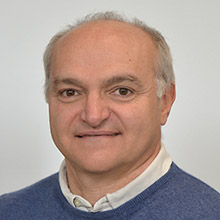 Valter Torri合作论文数Dipartimento di Ricerca Oncologia Clinica, Istituto Mario Negri61
 Braud Filippo Guglielmo Maria合作论文数Dipartimento di Oncologia ed Emato-Oncologia, Università degli Studi di Milano;Divisione di Oncologia Medica, Istituto Nazionale dei Tumori di Milano58
 Enriqueta Felip合作论文数Vall d'Hebron Institute of Oncology;Oncology Department, Vall d'Hebron University Hospital57
 Ferrara Roberto合作论文数50Prelaj Arsela合作论文数46
 Giulia Galli合作论文数44Alessandro De Toma合作论文数35
 Massimo Broggini合作论文数Lab Mol Pharmacol, Ist Ric Farmacolog Mario Negri IRCCS34Gabriella Farina合作论文数32
 Mirko Marabese合作论文数31Bestvina Christine M合作论文数29
 Marta Brambilla合作论文数28
 Solange Peters合作论文数Département d'Oncologie Clinique, Centre Hospitalier Universitaire Vaudois;Department of Oncology, University Hospital of Lausanne28
 Marcello Tiseo合作论文数Department of Medicine and Surgery, University of Parma26
 Julien Mazières合作论文数Université Paul Sabatier Toulouse III UFR PCA26
 Martin Reck合作论文数Department of Thoracic Oncology, Lung Clinic Grosshansdorf24
 Xuanmy Le合作论文数Univ Texas MD Anderson Canc Ctr, Houston, TX 77030 USA24
 Luis Gonzaga Paz-Ares Rodríguez合作论文数Departamento de Medicina, Facultad de Medicina, Universidad Complutense de Madrid;Medical Oncology Department, Hospital Universitario 12 de Octubre;National Oncology Research Center24
 Eliana Rulli合作论文数Clinical Research Laboratory, Istituto Mario Negri24
 Mario Occhipinti合作论文数Med Oncol Dept, Fdn IRCCS Ist Nazl Tumori23
 Ugo Pastorino合作论文数Fondazione IRCCS Istituto Nazionale dei Tumori22Teresa Beninato合作论文数21Fabbri Alessandra合作论文数21
 Gabriella Sozzi合作论文数Dipartimento di Oncologia Sperimentale e Medicina Molecolare, Fondazione IRCCS Istituto Nazionale dei Tumori21
 Laura Mazzeo合作论文数19Sara Manglaviti合作论文数19
 Heather Wakelee合作论文数Division of Oncology, Department of Medicine, Stanford University19Martina Imbimbo合作论文数19
 Delvys Rodríguez-Abreu合作论文数Departamento de Ciencias Médicas y Quirúrgicas, Universidad de Las Palmas de Gran Canaria;Medical Oncology Department, Hospital Universitario Insular of Gran Canaria19Niels Reinmuth合作论文数19
 Filippo de Marinis合作论文数Thoracic Oncology Division, Istituto Europeo di Oncologia;Postgraduate School, Sapienza University of Rome19
 Annalisa Trama合作论文数Fondazione IRCCS Istituto Nazionale Tumori19Giuseppe Viscardi合作论文数18
 La Verde Nicla合作论文数Oncology Department, Azienda Ospedaliera-Ospedale Fatebenefratelli e Oftalmico18Vitali Milena合作论文数18
 Emilio Bria合作论文数Dipartimento di Medicina e Chirurgia Traslazionale, Faculty of Medicine and Surgery, Università Cattolica del Sacro Cuore18Nicoletta Zilembo合作论文数18
 Elisa Caiola合作论文数18
 Edward B. Garon合作论文数Jonsson Comprehensive Cancer Center, University of California Los Angeles Health;Santa Monica Medical Center, University of California Los Angeles;David Geffen School of Medicine, University of California Los Angeles17
 Silvia Novello合作论文数Department of Oncology, University of Turin17
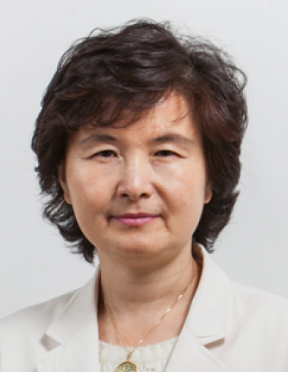 Myung Ju Ahn合作论文数Division of Hematology-oncology, Department of Medicine, Samsung Medical Center, Sungkyunkwan University School of Medicine;Department of Hematology & Oncology, Samsung Medical Center17
 Paul K. Paik合作论文数David H. Koch Center for Cancer Care, Memorial Sloan Kettering Cancer Center;Department of Medicine, Weill Cornell Medical College17Maximilian Hochmair合作论文数Department of Respiratory and Critical Care Medicine, Otto-Wagner Hospital17
 Rossana Berardi合作论文数Universita Politecnica delle Marche;Azienda Ospedaliero Universitaria delle Marche17Takayasu Kurata合作论文数17




