Beneficial rhizobacteria and viral pathogens can both alter host plant phenotypes, yet little is known about how their simultaneous presence influences plant metabolism and species interactions. We investigated how two rhizobacteria, Bradyrhizobium japonicum and Delftia acidovorans, together with bean pod mottle virus (BPMV), shape soybean metabolism and interactions with the BPMV vector Epilachna varivestis. Using a multifactorial experimental design, we combined metabolomics, transcriptomics, and pathway analyses with behavioral assays to assess the impacts of rhizobacteria inoculation and BPMV infection on soybean physiology and E. varivestis feeding preferences. Beetle adults preferred feeding on rhizobia-inoculated and virus-infected plants, and larvae gained more weight on these hosts. Rhizobacteria inoculation and BPMV infection both increased primary metabolites (e.g. beta-alanine, myo-inositol, amino acids, and organic acids) while reducing secondary metabolites (e.g. kaempferol, rutin, and other flavonoids). Transcriptome analyses revealed shifts in defense- and metabolism-related pathways, particularly under combined treatments. Our findings demonstrate that mutualistic and pathogenic symbionts reshape soybean metabolism in unique ways when they cocolonize the same host. These changes can alter symbiont fitness, as well as vector feeding behavior and performance in ways that enhance pathogen transmission.
Human-driven landscape change, particularly urbanization, is reshaping pollinator communities, yet the functional traits that mediate species persistence remain poorly understood. Dietary specialization is commonly used to predict species vulnerability. However, conventional measures based on taxonomic plant host breadth may not reflect pollinators' actual nutritional needs, especially in cities where exotic and native plants coexist. Because insects cannot synthesize sterols de novo, they must obtain these essential lipids from their diet, making sterol requirements a critical and overlooked axis for understanding pollinator persistence. Here, we analysed 22 sterols in 274 pollen provision samples and 1267 bee individuals from four common wild bee species, ranging from specialists to generalists, sampled following urban intensity gradients across five European cities. We reveal that regardless of host-plant specialization levels, all species relied on a shared set of four abundant sterols, commonly found in plant pollen, suggesting that sterol generalization may contribute to their urban persistence. Nonetheless, the full sterol profiles, both composition and concentration, varied between the bees' bodies and their pollen provisions, as well as across species and cities. This suggests that wild bees do not simply mirror their diet, but rather assimilate sterols in a species-specific manner. The most specialized bee, Chelostoma florisomne, showed more uniform sterol use and was often absent in highly urbanized areas, possibly due to frequent mowing of its main host, Ranunculus flowers. These findings underscore the limitations of using solely on plant host composition in pollen for predicting pollinator responses to urban intensity and highlight the importance of nutritional needs, such as sterols, in shaping ecological niches and guiding conservation strategies.Read the free for this article on the Journal blog. (sic)(sic)(sic)(sic)(sic)(sic)(sic)(sic)(sic)(sic)(sic), (sic)(sic)(sic)(sic)(sic)(sic)(sic)(sic), (sic)(sic)(sic)(sic)(sic)(sic)(sic)(sic)(sic)(sic)(sic).(sic)(sic), (sic)(sic)(sic)(sic)(sic)(sic)(sic)(sic)(sic)(sic)(sic)(sic)(sic)(sic)(sic)(sic)(sic)(sic)(sic)(sic)(sic)(sic)(sic)(sic)(sic)(sic)(sic)(sic)(sic).(sic)(sic)(sic)(sic)(sic)(sic)(sic)(sic)(sic)(sic)(sic)(sic)(sic)(sic)(sic)(sic)(sic)(sic)(sic)(sic).(sic)(sic), (sic)(sic)(sic)(sic)(sic)(sic)(sic), (sic)(sic)(sic)(sic)(sic)(sic)(sic)(sic)(sic)(sic)((sic)(sic)(sic)(sic)(sic)(sic)(sic)(sic)(sic))(sic)(sic)(sic), (sic)(sic)(sic)(sic)(sic)(sic)(sic)(sic)(sic)(sic)(sic)(sic)(sic)(sic)(sic)(sic), (sic)(sic)(sic)(sic)(sic)(sic)(sic)(sic)(sic)(sic)(sic)(sic)(sic)(sic)(sic)(sic)(sic)(sic)(sic)(sic)(sic). (sic)(sic)(sic)(sic)(sic)(sic)(sic)(sic)(sic)(sic), (sic)(sic)(sic)(sic)(sic)(sic)(sic)(sic)(sic)(sic)(sic)(sic)(sic)(sic)(sic)(sic)(sic)(sic)(sic)(sic).(sic)(sic), (sic)(sic)(sic)(sic)(sic)(sic)(sic)(sic)(sic)(sic)(sic)(sic)(sic)(sic)(sic)(sic)(sic)(sic)(sic)(sic)(sic)(sic)(sic), (sic)(sic)(sic)(sic)(sic)(sic)(sic)(sic)(sic)(sic)(sic)(sic)(sic)(sic)(sic).(sic)(sic)(sic)(sic)(sic)(sic)(sic)(sic)(sic)(sic)(sic)(sic), (sic)(sic)(sic)(sic)(sic)(sic)(sic)(sic)(sic)(sic)(sic)(sic)(sic)(sic)(sic)(sic)(sic)(sic)((sic)(sic)(sic)(sic)(sic)(sic)(sic)(sic)(sic)(sic)(sic)(sic)(sic))(sic)274(sic)(sic)(sic)(sic)(sic)(sic)(sic)(sic)1267(sic)(sic)(sic)(sic)(sic)(sic)(sic)(sic)22(sic)(sic)(sic). (sic)(sic)(sic)(sic)(sic)(sic)(sic)(sic)(sic)(sic), (sic)(sic)(sic)(sic)(sic)(sic)(sic)(sic)(sic)(sic)(sic)(sic)(sic)(sic)(sic)(sic)(sic)(sic)(sic)(sic)(sic)(sic)(sic)(sic)(sic)(sic)(sic).(sic)(sic)(sic)(sic)(sic)(sic)(sic)(sic)(sic)(sic)(sic)(sic)(sic)(sic), (sic)(sic)(sic)(sic)(sic)(sic)(sic)(sic)(sic)(sic)(sic)(sic)(sic)(sic)(sic)(sic)(sic)(sic)(sic)(sic)(sic)(sic)(sic)(sic)(sic)(sic)(sic)(sic)(sic)(sic)(sic)(sic)(sic)(sic).(sic)(sic), (sic)(sic)(sic)(sic)(sic)(sic), (sic)(sic)(sic)(sic)(sic)(sic)(sic)(sic)(sic)(sic)(sic)(sic)(sic)(sic)(sic)(sic)(sic)(sic)(sic)(sic)(sic)(sic)(sic)(sic)(sic), (sic)(sic)(sic)(sic)(sic)(sic)(sic)(sic)(sic)(sic)(sic)(sic)(sic)(sic)(sic)(sic)(sic)(sic)(sic).(sic)(sic)(sic)(sic)(sic)(sic)(sic)(sic)(sic)(sic)(sic)(sic)(sic)(sic)(sic)(sic)(sic)(sic)(sic)(sic)(sic)(sic).(sic)(sic)(sic)(sic)(sic)(sic)(sic)Chelostoma florisomne(sic)(sic)(sic)(sic)(sic)(sic)(sic)(sic)(sic)(sic)(sic)(sic)(sic), (sic)(sic)(sic)(sic)(sic)(sic)(sic)(sic)(sic)(sic)(sic)(sic)(sic)(sic)(sic), (sic)(sic)(sic)(sic)(sic)(sic)(sic)(sic)(sic)(sic)(sic)-(sic)(sic)(sic)(Ranunculus)(sic)(sic)(sic)(sic)(sic)(sic)(sic)(sic)(sic)(sic)(sic)(sic)(sic)(sic)(sic)(sic)(sic)(sic). (sic)(sic)(sic)(sic)(sic)(sic), (sic)(sic)(sic)(sic)(sic)(sic)(sic)(sic)(sic)(sic)(sic)(sic)(sic)(sic)(sic)(sic)(sic)(sic)(sic)(sic)(sic)(sic)(sic)(sic)(sic)(sic)(sic)(sic)(sic)(sic)(sic)(sic)(sic)(sic).(sic)(sic), (sic)(sic)(sic)(sic)(sic)(sic)(sic)(sic)(sic)(sic)(sic)((sic)(sic)(sic))(sic)(sic)(sic)(sic)(sic)(sic)(sic)(sic)(sic)(sic)(sic)(sic)(sic)(sic)(sic)(sic)(sic)(sic)(sic)(sic)(sic)(sic)(sic)(sic)(sic). Els canvis d'usos del s & ograve;l, en particular la urbanitzaci & oacute;, estan reestructurant les comunitats de pol & centerdot;linitzadors, i, no obstant aix & ograve;, els trets funcionals que influeixen en la persist & egrave;ncia de les esp & egrave;cies de pol & centerdot;linitzadors romanen poc estudiats. El grau d'especialitzaci & oacute; de la dieta & eacute;s una m & egrave;trica emprada habitualment per a predir la vulnerabilitat de les esp & egrave;cies. Tanmateix, les mesures convencionals, com les basades en l'amplitud de la dieta (nombre d'esp & egrave;cies de plantes usades), poden no reflectir les necessitats nutricionals dels pol & centerdot;linitzadors, en particular en ciutats, on coexisteixen tant esp & egrave;cies ex & ograve;tiques com aut & ograve;ctones de plantes. At & egrave;s que els insectes no poden sintetitzar esterols de zero, depenen de la seva dieta per adquirir aquests l & iacute;pids essencials. Conseg & uuml;entment, les necessitats d'esterols representen un eix cr & iacute;tic, i malgrat aix & ograve;, sovint passat per alt, per entendre la persist & egrave;ncia dels pol & centerdot;linitzadors. En aquest estudi, hem analitzat 22 tipus d'esterols en 274 provisions de pol & centerdot;len (de les larves d'abelles) i en 1,267 individus (els seus teixits corporals) pertanyents a quatre esp & egrave;cies comunes d'abelles silvestres. Aquestes quatre esp & egrave;cies inclouen tant esp & egrave;cies generalistes com especialistes, i van ser mostrejades seguint gradients d'intensitat urbana en cinc ciutats europees. Independentment del grau d'especialitzaci & oacute; i amplitud de la dieta, hem trobat que les quatre esp & egrave;cies d'abelles depenen en gran part de quatre esterols abundants, els quals s & oacute;n molt comuns en el pol & centerdot;len de les plantes, el que suggereix que les prefer & egrave;ncies generalistes d'esterols poden contribuir en la seva persist & egrave;ncia en ambients urbans. No obstant aix & ograve;, hem observat que la composici & oacute; i concentraci & oacute; de tots els esterols varia entre les provisions de pol & centerdot;len i els teixits de les abelles, aix & iacute; com entre esp & egrave;cies i ciutats. Aix & ograve; suggereix que les abelles silvestres assimilen esterols de manera espec & iacute;fica per a cada esp & egrave;cie. L'abella m & eacute;s especialista, Chelostoma florisomne, que ha mostrat un & uacute;s en els esterols m & eacute;s uniforme, es troba sovint absent en & agrave;rees altament urbanitzades, possiblement a causa de la sega freq & uuml;ent de la seva & uacute;nica font d'aliment, les flors del g & egrave;nere Ranunculus. Aquests resultats subratllen les limitacions d'utilitzar exclusivament la composici & oacute; de plantes en el pol & centerdot;len per predir les respostes dels pol & centerdot;linitzadors a la intensitat urbana i posen en relleu la import & agrave;ncia de les necessitats nutricionals, com els esterols, en la configuraci & oacute; dels n & iacute;nxols ecol & ograve;gics i en la guia d'estrat & egrave;gies de conservaci & oacute;. Los cambios de usos del suelo, en particular la urbanizaci & oacute;n, est & aacute;n reestructurando las comunidades de polinizadores, y, sin embargo, los disparos funcionales que influyen en la persistencia de las especies de polinizadores permanecen poco estudiados. El grado de especializaci & oacute;n de la dieta es una m & eacute;trica habitualmente empleada para predecir la vulnerabilidad de las especies. Aun as & iacute;, las medidas convencionales, como las basadas en la amplitud de la dieta (n & uacute;mero de especies de plantas recolectadas en el polen), pueden no reflejar las necesidades nutricionales de los polinizadores, en particular en ciudades, donde coexisten especies ex & oacute;ticas y aut & oacute;ctonas de plantas. Dado que los insectos no pueden sintetizar esteroles de cero, dependen de su dieta para obtener estos l & iacute;pidos esenciales. Consiguientemente, las necesidades de esteroles representan un eje cr & iacute;tico, y a pesar de esto, a menudo pasado por alto, para entender la persistencia de los polinizadores. En este estudio, hemos analizado 22 tipos de esteroles en 274 provisiones de polen (para las larvas) y en 1,267 individuos pertenecientes a cuatro especies comunes de abejas silvestres. Estas cuatro especies incluyen tanto especies generalistas como especialistas, y fueron muestreadas siguiendo gradientes de intensidad urbana en cinco ciudades europeas. Independientemente del grado de especializaci & oacute;n y la amplitud de la dieta, hemos encontrado que las cuatro especies de abejas dependen en gran medida de cuatro esteroles abundantes, muy comunes en el polen de las plantas, lo que sugiere que las preferencias generalistas de esteroles pueden contribuir a su persistencia en ambientes urbanos. Sin embargo, hemos observado que la composici & oacute;n y la concentraci & oacute;n de todos los esteroles var & iacute;an tanto entre las provisiones de polen y los tejidos de las abejas como entre especies y ciudades. Esto sugiere que las abejas silvestres asimilan esteroles de manera espec & iacute;fica para cada especie. La abeja m & aacute;s especialista, Chelostoma florisomne, que ha mostrado un uso de los esteroles m & aacute;s uniforme, est & aacute; ausente en & aacute;reas altamente urbanizadas, posiblemente debido a la siega frecuente de su & uacute;nica fuente de alimento, las flores del g & eacute;nero Ranunculus. Estos resultados subrayan las limitaciones de utilizar exclusivamente la composici & oacute;n de plantas en el polen para predecir las respuestas de los polinizadores a la intensidad urbana y ponen de relieve la importancia de las necesidades nutricionales, como los esteroles, en la configuraci & oacute;n de los nichos ecol & oacute;gicos y en la gu & iacute;a de estrategias de conservaci & oacute;n. Vom Menschen verursachte Landschaftsver & auml;nderungen, insbesondere die Urbanisierung, ver & auml;ndern die Best & auml;ubergemeinschaften. Doch die funktionellen Eigenschaften, die das Fortbestehen der Arten beeinflussen, sind noch immer kaum verstanden. Dabei wird h & auml;ufig die Spezialisierung der Ern & auml;hrung zur Vorhersage der Gef & auml;hrdung von Arten herangezogen. Herk & ouml;mmliche Messungen, die auf der taxonomischen Zusammensetzung der Wirtspflanzen basieren, spiegeln jedoch m & ouml;glicherweise nicht den tats & auml;chlichen N & auml;hrstoffbedarf der Best & auml;uber wider, vor allem in St & auml;dten, wo exotische und einheimische Pflanzen vorkommen. Da Insekten Sterole nicht selber synthetisieren k & ouml;nnen, m & uuml;ssen sie diese essenziellen Lipide & uuml;ber ihre Nahrung aufnehmen. Dadurch wird der Sterolbedarf zu einem entscheidenden und oft & uuml;bersehenen Faktor f & uuml;r das Verst & auml;ndnis des Fortbestands von Best & auml;ubern. Hier haben wir 22 Sterole in 274 Pollenproben und in 1.267 Bienenindividuen (d.h. von ihren K & ouml;rpern) von vier verbreiteten Wildbienenarten analysiert, die von Spezialisten bis zu Generalisten reichen und entlang st & auml;dtischer Intensit & auml;tsgradienten in f & uuml;nf europ & auml;ischen St & auml;dten gesammelt wurden. Wir zeigen, dass unabh & auml;ngig vom Grad der Spezialisierung alle Arten auf vier h & auml;ufig vorkommende Sterole zur & uuml;ckgreifen, die & uuml;blicherweise in Pflanzenpollen zu finden sind. Das deutet darauf hin, dass die Sterolgeneralisierung zu ihrem Fortbestand in st & auml;dtischen Gebieten beitr & auml;gt. Dennoch variierten die vollst & auml;ndigen Sterolprofile, sowohl hinsichtlich der Zusammensetzung als auch der Konzentration, zwischen den K & ouml;rpern der Bienen und ihren Pollenvorr & auml;ten sowie zwischen den Arten und St & auml;dten. Dies deutet darauf hin, dass Wildbienen die Sterole aus ihrer Nahrung nicht einfach unver & auml;ndert & uuml;bernehmen, sondern sie auf artspezifische Weise assimilieren. Die am st & auml;rksten spezialisierte Biene, Chelostoma florisomne, zeigte eine einheitlichere Sterolnutzung und war in stark urbanisierten Gebieten oft nicht anzutreffen, m & ouml;glicherweise aufgrund des Verschwindens ihrer einzigen Pflanzenwirte, Ranunculus spp. Diese Ergebnisse unterstreichen die Grenzen der ausschlie ss lichen Verwendung der taxonomischen Zusammensetzung der Wirtspflanzen zur Vorhersage der Reaktionen von Best & auml;ubern auf die st & auml;dtische Intensit & auml;t. Zus & auml;tzlich heben sie die Bedeutung von Ern & auml;hrungsbed & uuml;rfnissen, wie z. B. Sterolen, f & uuml;r die Gestaltung & ouml;kologischer Nischen und die Ausrichtung von Schutzstrategien hervor. I cambiamenti nell'uso del suolo, in particolare l'urbanizzazione, stanno ristrutturando le comunit & agrave; di impollinatori, ma le caratteristiche funzionali che determinano la persistenza delle specie di impollinatori rimangono poco studiate. Il grado di specializzazione alimentare & egrave; un parametro comunemente utilizzato per prevedere la grado di vulnerabilit & agrave; delle specie. Tuttavia, le misure comunemente utilizzate, come quelle basate sull'ampiezza della dieta (numero di specie vegetali utilizzate), potrebbero non riflettere i requisiti nutrizionali degli impollinatori, in particolare nelle citt & agrave;, dove coesistono specie esotiche e autoctone. Poich & eacute; gli insetti non sono in grado di sintetizzare gli steroli, essi dipendono dalle piante di cui si nutrono per acquisire questi lipidi essenziali. Di conseguenza, il fabbisogno di steroli rappresenta un aspetto critico, ma spesso trascurato, per comprendere la persistenza degli impollinatori. In questo studio, abbiamo analizzato 22 tipi di steroli in 274 provviste di polline destinate alle larve e 1.267 individui di api selvatiche appartenenti a quattro specie comuni. Queste quattro specie includono sia generalisti che specialisti e sono state campionate lungo gradienti di intensit & agrave; urbana in cinque citt & agrave; europee. Indipendentemente dal grado di specializzazione delle specie di api e dall'ampiezza della loro dieta, abbiamo scoperto che le quattro specie di api dipendono fortemente da quattro steroli abbondanti, molto comuni nel polline delle piante. Questo suggerisce che le preferenze generaliste a livello degli steroli possano contribuire alla persistenza delle specie di api studiate negli ambienti urbani. Tuttavia, abbiamo osservato che la composizione e la concentrazione di tutti gli steroli variano tra le provviste di polline e i tessuti delle api adulte, nonch & eacute; tra le specie e le citt & agrave;. Ci & ograve; suggerisce che le diverse specie di api selvatiche assimilano gli steroli in modo specifico. La specie con una dieta pi & ugrave; specializzata, Chelostoma florisomne, ha mostrato un uso pi & ugrave; uniforme degli steroli nelle aree altamente urbanizzate, da dove spesso & egrave; assente, forse a causa del frequente sfalcio della sua unica fonte di cibo, i fiori del genere Ranunculus. Questi risultati evidenziano i limiti dell'utilizzo esclusivo della composizione delle piante nel polline (dieta delle api) per prevedere le risposte degli impollinatori all'intensit & agrave; urbana e sottolineano l'importanza dei requisiti nutrizionali dei fiori, come gli steroli, nel plasmare le nicchie ecologiche delle specie di api e guidare le strategie di conservazione. Les changements dans l'utilisation des sols, en particulier l'urbanisation, restructurent les communaut & eacute;s de pollinisateurs, mais les facteurs fonctionnels qui influencent la persistance des esp & egrave;ces pollinisatrices restent peu & eacute;tudi & eacute;s. Le degr & eacute; de sp & eacute;cialisation alimentaire est un indicateur couramment utilis & eacute; pour pr & eacute;dire la vuln & eacute;rabilit & eacute; des esp & egrave;ces. Cependant, les mesures conventionnelles, telles que celles bas & eacute;es sur la diversit & eacute; alimentaire (nombre d'esp & egrave;ces v & eacute;g & eacute;tales butin & eacute;es), peuvent ne pas refl & eacute;ter les besoins nutritionnels des pollinisateurs, en particulier dans les villes, o & ugrave; coexistent des esp & egrave;ces v & eacute;g & eacute;tales exotiques et indig & egrave;nes. Comme les insectes ne peuvent pas synth & eacute;tiser de st & eacute;rols naturellement, ils d & eacute;pendent de leur r & eacute;gime alimentaire pour obtenir ces lipides essentiels. Par cons & eacute;quent, les besoins en st & eacute;rols repr & eacute;sentent un axe critique, mais souvent n & eacute;glig & eacute;, pour comprendre la persistance des pollinisateurs. Dans cette & eacute;tude, nous avons analys & eacute; 22 types de st & eacute;rols dans 274 r & eacute;serves de pollen (pour les larves) et dans 1 267 individus appartenant & agrave; quatre esp & egrave;ces communes d'abeilles sauvages. Ces quatre esp & egrave;ces comprennent & agrave; la fois des esp & egrave;ces g & eacute;n & eacute;ralistes et sp & eacute;cialis & eacute;es, et ont & eacute;t & eacute; & eacute;chantillonn & eacute;es selon des gradients d'intensit & eacute; urbaine dans cinq villes europ & eacute;ennes. Ind & eacute;pendamment du degr & eacute; de sp & eacute;cialisation et de la diversit & eacute; de leur r & eacute;gime alimentaire, nous avons constat & eacute; que les quatre esp & egrave;ces d'abeilles d & eacute;pendent largement de quatre st & eacute;rols abondants, tr & egrave;s courants dans le pollen des plantes, ce qui sugg & egrave;re que leurs pr & eacute;f & eacute;rences g & eacute;n & eacute;ralistes en mati & egrave;re de st & eacute;rols peuvent contribuer & agrave; leur persistance dans les environnements urbains. Cependant, nous avons observ & eacute; que la composition et la concentration de tous les st & eacute;rols varient autant entre les r & eacute;serves de pollen et les tissus des abeilles qu'entre les esp & egrave;ces et les villes. Cela sugg & egrave;re que les abeilles sauvages assimilent les st & eacute;rols de mani & egrave;re sp & eacute;cifique & agrave; chaque esp & egrave;ce. L'abeille la plus sp & eacute;cialis & eacute;e, Chelostoma florisomne, qui a montr & eacute; une utilisation plus uniforme des st & eacute;rols, est absente des zones fortement urbanis & eacute;es, peut-& ecirc;tre en raison de la fauche fr & eacute;quente de sa seule source de nourriture, les fleurs du genre Ranunculus. Ces r & eacute;sultats soulignent les limites de l'utilisation exclusive de la composition des plantes dans le pollen pour pr & eacute;dire les r & eacute;ponses des pollinisateurs & agrave; l'intensit & eacute; urbaine et mettent en & eacute;vidence l'importance des besoins nutritionnels, tels que les st & eacute;rols, dans la configuration des niches & eacute;cologiques et l'orientation des strat & eacute;gies de conservation.
Vector-borne pathogens frequently modify host-vector interactions, and their influence can be modulated by other microbial symbionts. We recently documented endosymbiont effects on aphid traits involved in plant virus transmission, showing that facultative endobacteria-particularly Hamiltonella defensa-enhanced transmission of pea enation mosaic virus. Here, we examine transmission steps and associated molecular signatures in winged and wingless aphid morphs. Consistent with our previous findings, we observed enhanced pea enation mosaic virus transmission, as well as elevated viral titer in wingless aphids harboring H. defensa. However, winged aphids with this endosymbiont displayed similar effects on virus titer but not transmission. Furthermore, whereas wingless aphids exhibited higher transmission than winged aphids when H. defensa was present, this pattern was reversed for aphids harboring only the obligate endosymbiont Buchnera aphidicola; in parallel, we observed no differences between morphs of lines harboring other facultative endosymbionts. Subsequent experiments comparing lines harboring H. defensa versus the obligate symbiont alone revealed divergent effects on winged and wingless morphs on (i) virus inoculation efficiency (i.e., delivery of acquired virus; H. defensa), (ii) key salivary proteins (carbonic anhydrases, CAs; both lines), and (iii) plant defense-related marker transcripts (PR-1, salicylic acid pathway; LOX, jasmonic acid pathway; both lines). The correspondence of these patterns to the observed transmission effects suggests that endosymbiont-mediated effects on transmission may reflect changes in salivary secretions and related feeding traits. Our findings highlight the role of vector endosymbionts in disease transmission and provide insights into candidate processes by which they may influence virus-vector-host interactions.
Nectar is a primary floral reward, which can also deter non-specialist pollinators; yet, the role of complex nectar composition in plant-pollinator interactions and its relationship to other floral traits remain understudied, particularly in natural communities. We profiled the nectar metabolome of 43 co-occurring species in an alpine grassland to evaluate relationships among nectar chemistry, phylogeny, floral display traits and pollinator visitation. Field observations revealed a dominant bee vs fly visitation gradient. Several aggregated nectar traits tracked this gradient independently of plant phylogeny, indicating functional convergence: specifically, bee visitation was associated with higher nectar sucrose proportion, greater compound richness, and more divergent profiles of uncommon sugars. Nectar traits exhibited variable relationships to floral display traits, suggesting partial inter-trait phenotypic integration. Together, these findings indicate that detailed features of nectar composition, including phytochemical diversity, play a functional role in floral phenotypes, with previously unappreciated implications for plant-pollinator community ecology.
Summary Glyphosate-tolerant Roundup Ready (RR) soybean, engineered with the CP4 EPSPS gene, is one of the world’s most widely cultivated GM crops, yet its ecological consequences under realistic multi-species biotic conditions remain poorly understood. We investigated how RR soybean and its near-isogenic non-GM counterpart respond to concurrent colonization by two rhizobacteria, Bradyrhizobium japonicum and Delftia acidovorans , infection by Bean pod mottle virus (BPMV), and feeding by the virus vector Epilachna varivestis . Using a fully factorial multi-species design, we combined LC-MS/GC-MS metabolomics, weighted co-expression network analysis (WGCNA), and herbivore performance bioassays to assess genotype-dependent shifts in soybean metabolism and their consequences for herbivore performance. Under baseline conditions, RR and non-GM plants were metabolically indistinguishable. Under concurrent microbial and viral stress, RR plants diverged markedly, prioritizing selective isoflavonoid accumulation and lipid remodeling over broad-spectrum defenses, and showing attenuated rhizobacteria-mediated benefits for herbivore survival. These genotype-specific effects were entirely absent in single-species treatments. Transgene effects on soybean metabolism and tritrophic interactions are cryptic under simplified experimental conditions but emerge clearly under ecologically realistic multi-species stress, with direct implications for how GM crops are evaluated in agricultural and regulatory contexts.
Climate change threatens the long-established synchronization of seasonal pollinator activity and flowering time. Bumble bees are particularly vulnerable to these shifts, with resource availability playing a significant role in colony establishment and success. Recently, we documented a mechanism whereby pollen-deprived bumble bees deliberately damaged plant leaves, speeding up the production of flowers in two different species. However, it is unknown whether bumble bees obtain a benefit through this behaviour, both on a spatial and temporal scale. In the current study, we evaluate the effects of pollen availability on colony development, behaviour and reproductive fitness in Bombus terrestris using semi-natural and laboratory experiments. We find that the close proximity of flowers has significant effects on reproductive investment and output of B. terrestris colonies in a small-scale rooftop experiment. Moreover, we find that small shifts in the timing of pollen availability (5 days) shape the behaviour and development of the first generation of offspring, with significant carry-over effects on reproductive fitness for B. terrestris microcolonies. This suggests that small changes in the distribution of food may have significant impacts on colony success that cannot be compensated for over the course of the season. Furthermore, our findings suggest bumble bee colonies can feasibly profit by altering the timing of pollen resources, even by a few days. ### Competing Interest Statement The authors have declared no competing interest.
Fire is a major global disturbance affecting the evolution of organisms and shaping plant and animal diversity, especially in fire‐prone regions like the Mediterranean. Yet its impacts on insect‐pollinator communities remain poorly understood. We conducted a 3‐year study on a Greek island, examining spatial and temporal impacts of fire on bee communities and species' functional traits. We compared bee diversity and population sizes in burnt and unburnt sites, by including in our analysis fire severity metrics using dNBR (differenced Normalized Burn Ratio) derived from satellite imaging. We show that fire initially led to increased bee abundance despite having a strong negative impact on floral resources. Burnt and unburnt communities differed significantly in species composition revealing that specific bee taxa drove post‐fire recovery. In post‐fire year 1, the population spike in burnt sites was driven by an increased abundance of below‐ground nesters, excavators and trophic generalists (polylectic); in contrast, the populations of trophic specialists (oligolectic) were negatively affected. By year 3, most differences between burnt and unburnt sites had been alleviated. Multivariate models incorporating fire severity, plant diversity and floral resources revealed that the heterogeneity of fire severity, even within small spatial scales, drove most of the variation in bee populations, followed by flower numbers. Our findings highlight the role of fire as an environmental filter, selecting species with specific traits and shaping distinct post‐fire communities. Notably, within 3 years, burnt bee communities started converging with the unburnt sites, suggesting a relatively rapid recovery of functional composition.
Climate change has had strong impacts on biodiversity, including well-documented shifts in the distributions and phenology of species. Reductions in body size represent a third pervasive biological response; it has garnered significantly less attention despite great ecological relevance. Theoretical frameworks-the temperature-size rule, Bergmann's rule, and James's rule-predict that warmer temperatures are associated with smaller body sizes in ectotherms. In contrast, empirical evidence concerning this pattern is mixed across both taxa and environments. In the present study, we applied computer vision techniques to historical data from two large butterfly museum collections, totaling 593 species across 10 terrestrial biomes over more than a century, in order to investigate long-term trends in butterfly body size. We measured forewing length through both manual image analyses and automated computer vision algorithms proxying body size and analyzed trends by using generalized additive models in order to consider a temporal, biome-specific pattern assessment. We have tested two hypotheses: that butterfly body size (1) declines over time, in conjunction with increasing ambient temperatures, in agreement with the temperature-size rule, and (2) its variation is more marked in warm, dry biomes. Results indicate a significant overall reduction in the body size of butterflies during the last century and that this reduction is indeed more pronounced in those biomes facing higher rises in temperature. These findings constitute large-scale evidence in support of the temperature-size rule and indicate a potential ecological impact of climate change on butterfly populations. ### Competing Interest Statement The authors have declared no competing interest.
AbstractClimate change threatens the long-established synchronization of seasonal pollinator activity and flowering time. Bumble bees are particularly vulnerable to these shifts, with resource availability playing a significant role in colony establishment and success. Recently, we documented a mechanism whereby pollen-deprived bumble bees deliberately damaged plant leaves, speeding up the production of flowers in two different species. However, it is unknown whether bumble bees obtain a benefit through this behaviour, both on a spatial and temporal scale. In the current study, we evaluate the effects of pollen availability on colony development, behaviour and reproductive fitness inBombus terrestrisusing semi-natural and laboratory experiments. We find that the close proximity of flowers has significant effects on reproductive investment and output ofB. terrestriscolonies in a small-scale rooftop experiment. Moreover, we find that small shifts in the timing of pollen availability (5 days) shape the behaviour and development of the first generation of offspring, with significant carry-over effects on reproductive fitness forB. terrestrismicrocolonies. This suggests that small changes in the distribution of food may have significant impacts on colony success that cannot be compensated for over the course of the season. Furthermore, our findings suggest bumble bee colonies can feasibly profit by altering the timing of pollen resources, even by a few days.
Phenological mismatches and resource limitations resulting from ongoing environmental change can have severe impacts on pollinator fitness. Recent findings show that bumblebee workers respond to pollen scarcity by damaging plant leaves in ways that can accelerate flowering, suggesting a mechanism by which direct information transfer from bees to plants might influence the timing of flower production. However, the ecological and adaptive significance of this interaction remains uncertain. Here we report that mated and unmated queens of Bombus terrestris also damage leaves, with similar effects on flowering. Furthermore, we document leaf damage by wild-caught queens from 12 species, spanning seven subgenera, indicating damaging behavior is widespread among Bombus species. Leaf damage by bumblebee queens may have particular relevance in the context of colony founding and early development, where the timely availability of local floral resources can be critical for colony success and fitness.
Environmental cues that predict increased risk of herbivory can prime plant defenses; however, few studies have explored how such cues elicit broader plant responses, including potential effects on plant growth and other resource allocations that may affect tolerance to herbivore damage. We exposed goldenrod plants ( Solidago altissima ) to varying concentrations of the putative sex pheromone of a gall-inducing herbivore, which has previously been implicated in defense priming. In experiments with two plant genotypes and three herbivore populations, any level of exposure to the pheromone enhanced tolerance of galling, rescuing flower production to levels observed for ungalled plants. Exposure to low doses of the pheromone elicited greater resistance to galling than exposure to high doses, with unexposed plants exhibiting intermediate resistance, suggesting a nonlinear relationship between exposure and defense priming. These findings suggest plant responses to environmental cues associated with biotic stressors are broader and more complex than previously appreciated.
There is increasing interest in the potential of plant growth-promoting rhizobacteria (PGPR) in agriculture to improve plant quality and control pests and diseases. Emerging evidence indicates that some PGPR can influence interactions between plants and their pathogens, while less work has explored whether PGPR may also influence interactions between plants and arthropod vectors. We address this issue in a major agricultural pathosystem involving wheat infection by barley yellow dwarf virus (BYDV), the most economically important aphid-transmitted viral disease of cereal crops. We found that plant association with the PGPR Azospirillum brasilense mitigated both viral effects on plant growth and population growth of the BYDV aphid vector, Rhopalosiphum padi . Although effects varied across A. brasilense strains, PGPR treatments that attenuated virus effects were also associated with reduced induction of salicylic acid in response to infection, suggesting PGPR inoculation may induce systemic resistance against BYDV. These findings suggest that PGPR may have significant capacity for application in the sustainable management of crop growth. However, further investigation of the complex interactions among PGPR, plants, pathogens and their vectors is needed to better understand this potential.
Aromatic plants occur in many plant lineages and have widespread ethnobiological significance. Yet, the ecological significance and evolutionary origins of aromatic volatile emissions remain uncertain. Aromatic emissions have been implicated in defensive interactions but may also have other important functions. In this Viewpoint article, we propose an ecologically relevant definition for the aromatic phenotype and evaluate available evidence relating to the ecological role of aromatic emissions, focusing specifically on their role in pollinator attraction. We synthesize available literature addressing the use of extrafloral volatiles by pollinators, including evidence that aromatic plant emissions are primary foraging cues for some species, and present new behavioral findings documenting bee attraction to the aromatic lemon thyme in the absence of flowers. We highlight recent ecological research showing that aromatic species are highly influential in Mediterranean plant-pollinator communities and their emissions predict key interactions, particularly with bees. Based on the available evidence, we hypothesize that aromatic plants represent a form of chemical aposematism, wherein high levels of constitutive defense enable signaling phenotypes that convey information to both potential antagonists and mutualists. Finally, we outline future research priorities to clarify the role of aromatic emissions in information ecology and explore their application in agricultural systems.
Unsustainable grazing is a major driver of biodiversity loss worldwide. Conservation actions such as grazing exclusion are effective strategies for halting such decline. However, we still know little how the long-term impact of grazing exclusion depends on plant–animal interactions such as those between encroaching unpalatable shrubs and ground arthropods. Here, we assessed how encroaching, unpalatable shrub species (Sarcopoterium spinosum) mediates the effects of grazing exclusion on the recovery of arthropod communities. We used a large-scale, long-term (15–25 years) grazing exclusion experiment complemented with local-scale treatments that consider the presence or absence of shrubs. We found that halting overgrazing supported the recovery of biodiversity in the long-term. Notably, the impacts of shrubs on arthropod diversity vary with grazing history. Shrubs decreased arthropod abundance by three folds, affecting particularly flies, butterflies, hymenopteran, and beetles in protected areas. Yet, shrubs had positive effects on animal diversity, particularly centipedes and millipeds in grazed areas. On the one hand, shrubs may enhance biodiversity recovery in overgrazed systems; on the other hand, shrubs may be detrimental in protected areas, in the absence of grazing. Understanding how plant–animal interactions vary with historical land-use change is key for biodiversity conservation and recovery and for integrated management of agroecosystems.
There is growing evidence that microbial plant symbionts shape interactions between plants and other organisms by modulating gene expression and metabolism. However, the detailed mechanisms mediating such effects are not well understood, particularly in systems where plants interact simultaneously with multiple symbionts and antagonists. In this study, we employed a multi-factorial design to explore the individual and combined effects of two plant-beneficial rhizobacteria ( Delftia acidovorans and Bradyrhizobium japonicum ) and a pathogen ( Bean pod mottle virus : BPMV) on gene expression and metabolite production by soybean plants, as well as downstream effects on plant interactions with a beetle vector of BPMV Epilachna varivestis . Our results document microbial effects on basic metabolism and defense pathways, resulting in increased levels of primary metabolites and depletion of secondary metabolites. These changes are consistent with the observed feeding preferences of beetles for rhizobia-inoculated and virus-infected plants. Together, our results indicate that BPMV infection and rhizobacteria colonization cause dramatic changes in plant metabolites related to nutrition and defense, with significant consequences for an agriculturally important pathosystem. ### Competing Interest Statement The authors have declared no competing interest.
Diversification of plant chemical phenotypes is typically associated with spatially and temporally variable plant-insect interactions. Floral scent is often assumed to be the target of pollinator-mediated selection, whereas foliar compounds are considered targets of antagonist-mediated selection. However, floral and vegetative phytochemicals can be biosynthetically linked and may thus evolve as integrated phenotypes. Utilizing a common garden of 28 populations of the perennial herb Arabis alpina (Brassicaceae), we investigated integration within and among floral scent compounds and foliar defense compounds (both volatile compounds and tissue-bound glucosinolates). Within floral scent volatiles, foliar volatile compounds, and glucosinolates, phytochemicals were often positively correlated, and correlations were stronger within these groups than between them. Thus, we found no evidence of integration between compound groups indicating that these are free to evolve independently. Relative to self-compatible populations, self-incompatible populations experienced stronger correlations between floral scent compounds, and a trend toward lower integration between floral scent and foliar volatiles. Our study serves as a rare test of integration of multiple, physiologically related plant traits that each are potential targets of insect-mediated selection. Our results suggest that independent evolutionary forces are likely to diversify different axes of plant chemistry without major constraints.
Livestock overgrazing causes environmental degradation, species invasion, biodiversity loss, and productivity decline, with profound consequences for ecological sustainability and human livelihoods. Habitat protection can mitigate such impacts, but we know little about how the long-term recovery of plant communities from livestock overgrazing depends on the presence of encroaching shrubs. Here, we explored how shrub encroachment mediates the effects of habitat protection (i.e., livestock exclusion and creation of UNESCO protected areas) on biodiversity recovery and ecosystem functioning (i.e., biomass productivity). We leveraged a long-term (15-25 years) experiment of livestock exclusion and complemented it with the removal of an encroaching shrub species in pasture areas and protected areas. We reveal that habitat protection has positive effects on patterns of recovery. Yet, the effects of habitat protection are mediated by shrub encroachment. Encroaching shrubs have net positive effects on plant diversity in pasture areas but inhibit biodiversity recovery in protected areas. The combination of habitat protection and the removal of encroaching shrubs best enhances the recovery of plant diversity and biomass productivity. A potential underlying mechanism is the shift in plant interactions from facilitation for recruitment and associated resistance to competition for water. Understanding species interactions is key to guiding conservation and restoration actions which can turn degraded ecosystems back into functional, species-rich communities. We study how different conservation actions affect the recovery of biodiversity and ecosystem functioning. We report that habitat protection has some good effects on biodiversity recovery, but livestock resistance can revert conservation efforts. Habitat protection along with the active removal of encroaching shrubs better support ecosystem resilience. image
Data for "An insect pheromone primes tolerance of herbivory in goldenrod plants" Data include all raw data necessary for the analyses of the manuscript. These include data on the growth, flower production, rhizome production, and gall induction of goldenrod plants (Solidago altissima) after exposure to a priming cue gradient and a specialist herbivore that is the source of the priming cue. It also contains data on female herbivore oviposition preference. Description of the data and file structure The data are divided into four sheets. The first contains data necessary for analyses presented in the main text. The second contains data for analyses presented in the supplement. The third presents data from a separate experiment presented in the supplement, and the fourth contains R code for the analyses performed. Sharing/Access information These data are currently only available on Zenodo.
The olive fruit fly (Bactrocera oleae) (Rossi) is the most economically important insect pest in many olive cultivation areas worldwide. However, levels of infestation by this pest show remarkable variability, even among orchards in close proximity to one another. While the factors driving this variability remain uncertain, there is evidence that the presence of native plants species can influence pest populations in agro-ecosystems via various mechanisms, suggesting that variation in the composition of understorey plant communities might plausibly play a role. In this study, we first used field trapping and plant community surveys to explore the effect of the native understorey plants Cistus creticus (Cistaceae), Lavandula stoechas (Lamiaceae), Origanum onites (Lamiaceae) and Sarcopoterium spinosum (Rosaceae) on the abundance of B. oleae across 40 olive orchards on Lesvos Island (Greece). These four plant species are widely spread in many olive orchards. Our results revealed a relationship between the plant community and the intensity of flies captured in McPhail traps, and identified the plant species C. creticus and S. spinosum whose presence was negatively correlated with fly abundance (estimate = -0.047, -0.091, respectively). The subsequent laboratory behavioural experiments revealed that exposure to olfactory cues from C. creticus and S. spinosum reduced fly attraction to odours from the olive host (Olea europaea) by 10%. These results thus reveal a relationship between the infestation levels by B. oleae and the composition of the plant community in olive orchards on Lesvos and suggest a plausible mechanism via which olfactory cues from native aromatic species might influence fly recruitment. More generally, these findings highlight the potentially important role of understorey communities in mediating resistance to B. oleae and other agricultural pests.
Parasitoids in the genus Lysiphlebus specialize on ant-tended aphids and have previously been reported to mimic the cuticular hydrocarbon (CHC) profiles of their aphid hosts to avoid detection by ants. However, the precise mechanisms that mediate reduced ant aggression toward Lysiphlebus spp. are not known, nor is it clear whether such mechanisms are broadly effective or specialized on particular aphid hosts. Here we explore the effects of wasp genotype and host environment on Lysiphlebus CHC profiles and ant aggression. Rearing asexual Lysiphlebus lines in different host aphid environments revealed effects of both wasp line and aphid host on wasp CHCs. However, variation in genotype and host affected different features of the CHC profile, with wasp genotype explaining most variation in linear and long-chain methyl alkanes, while aphid host environment primarily influenced short-chain methyl alkanes. Subsequent behavioural experiments revealed no effects of host environment on ant aggression, but strong evidence for genotypic effects. The influence of genotypic variation on experienced ant aggression and relevant chemical traits is particularly relevant in light of recent evidence for genetic divergence among Lysiphlebus parasitoids collected from different aphid hosts.
 Consuelo De Moraes合作论文数Department of Environmental Systems Science, Eidgenossische Technische Hochschule Zurich125
 Andrew Stephenson合作论文数Department of Biology, Eberly College of Science, The Pennsylvania State University21
 Kerry Elizabeth Mauck合作论文数The Pennsylvania State University17
 John F Tooker合作论文数Department of Entomology;University of Illinois at Urbana-Champaign;Department of Entomology, University of Illinois at Urbana-Champaign15
 Kariyat Rupesh R合作论文数The Pennsylvania State University, The Pennsylvania State University14
 Eric Haubruge合作论文数Department of Functional and Evolutionary Entomology;Gembloux Agricultural University;Department of Functional and Evolutionary Entomology, Gembloux Agricultural University12
 Francois Verheggen合作论文数University of Liege11
 Consuelo M. De Moraes合作论文数ASI Building Center, Penn State University11
 Pulido Hannier合作论文数9
 Eric C. Yip合作论文数7
 Stanczyk Nina M合作论文数Dept Dis Control, Univ London London7
 Anjel M. Helms合作论文数7
 Christopher J. Frost合作论文数Department of Entomology, Pennsylvania State University7
 John E. Carlson合作论文数School of Forest Resources and Huck Institutes of the Life Sciences, The Pennsylvania State University6
 Thomas Tscheulin合作论文数Laboratory of Biogeography and Ecology, University of the Aegean6
 Justin B. Runyon合作论文数Department of Entomology, Pennsylvania State University6
 Aphrodite Kantsa合作论文数Univ Aegean, Dept Geog, Lab Biogeog & Ecol, Mitilini 81100, Greece5
 James Buckley合作论文数School of Biological Sciences, University of Bristol5
 Sims James合作论文数School of Pharmacy, The University of Mississippi5
 Cesar Rodriguez-Saona合作论文数Department of Entomology, School of Environmental and Biological Sciences, Rutgers University5
 Chad T. Nihranz合作论文数School of Integrative Plant Sciences, Cornell University4Delphia Casey M合作论文数Department of Land Resources and Environmental Sciences, Montana State University4
 Jason Smith合作论文数Department of Materials, University of Oxford4
 Shapiro Lori R合作论文数Department of Entomology, Pennsylvania State University;Center for Infectious Disease Dynamics, University Park;Center for Infectious Disease Dynamics, Pennsylvania State University4
 Moshe Gish合作论文数Department of Evolutionary and Environmental Biology, University of Haifa4
 Theodora Petanidou合作论文数University of the Aegean Laboratory of Biogeography and Ecology, Department of Geography 81100 Mytilene Greece4
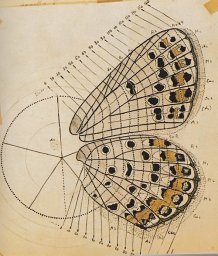 Melissa R L Whitaker合作论文数Dept Environm Syst Sci, Swiss Fed Inst Technol3Jennifer Dean合作论文数SUNY Albany, Coll Environm Sci & Forestry, New York Nat Heritage Program, Albany, NY USA3
 Alex Widmer合作论文数Department of Environmental Systems Science, Eidgenössische Technische Hochschule Zürich3
 Andrea Clavijo McCormick合作论文数Department of Biochemistry, Max Planck Institute for Chemical Ecology, 00745, Jena, Germany.3
 Gianalberto Losapio合作论文数Department of Biosciences, University of Milan3
 Lara Zirbes合作论文数3
 Foteini Pashalidou合作论文数Laboratory of Entomology, Wageningen University3
 Lucie Salvaudon合作论文数Laboratoire Ecologie , Systematique et Evolution;Univ Paris-Sud;Laboratoire Ecologie , Systematique et Evolution, Univ Paris-Sud3Sean B Hardison合作论文数2Heike S. Betz合作论文数2Jonathan Coppeta合作论文数2Beth I. Johnson合作论文数2consuelo demoraes合作论文数2Ariela I Haber合作论文数2Erica Smyers合作论文数2
 Edwin George Rajotte合作论文数Pennsylvania State University2Georgios Nakas合作论文数Geography, University of the Aegean Mytilene2
 Nakorn Pradit合作论文数Biodivers & Conservat Res Unit, Mahasarakham Univ2
 Corinne Hertaeg合作论文数Dept Environm Syst Sci, Swiss Fed Inst Technol2
 Mitzy Porras合作论文数Dept Entomol, Penn State Univ2DeWayne Shoemaker合作论文数Department of Entomology and Plant Pathology, University of Tennessee2
 Shaoli Wang (王少丽)合作论文数Institute of Vegetables and Flowers, Chinese Academy of Agricultural Sciences2
 Gary W. Felton合作论文数Department of Entomology, College of Agricultural Sciences, Pennsylvania State University2




