The application of artificial intelligence (AI) in clinical practice presents numerous ethical concerns. However, the attitudes of stakeholders toward its ethical impact have yet to be reviewed. We aimed to review the attitudes of stakeholders toward the ethical impact of applying AI in clinical practice. We undertook a literature search of Ovid Medline and Scopus. We included empirical studies of clinicians, patients, and caregivers that investigated their attitudes toward applying AI in clinical practice. We developed a methodology based on the four principles of bioethics—beneficence, non-maleficence, autonomy, and justice—plus explainability to determine if a study investigated ethical impact. 103 studies were included. Themes related to beneficence included improved efficiency, improved decision-making and health outcomes, and more patient-centered care. Themes related to non-maleficence included inefficiency, diminished decision-making and worse health outcomes, less patient-centered care, de-skilling, and data insecurity. Themes related to autonomy included patient consent, sharing AI-generated information, and respecting patient preferences. Themes related to justice included bias, healthcare access, and responsibility. Themes related to explainability included improved decision-making and better health outcomes as well as de-skilling. While all of the included studies queried at least one theme related to ethics, very few had the explicit objective of studying ethical attitudes. Moreover, few studies queried attitudes toward explainability. Further research is needed to address these gaps. Studies often reported conflicting attitudes, with stakeholders reporting that AI could harbor both ethical advantages and disadvantages for clinical practice. Further research is needed to address these ethical trade-offs.
Abstract Introduction Shift workers exhibit substantial individual variability in circadian response to work rosters . Light exposure has been shown to explain a considerable proportion of this variability during night shifts. This study aims to explore the predictive role of light exposure for circadian timing across diverse roster patterns. Methods Thirty-eight shift workers (37.16±9.06 years, 18 females) were monitored during a usual 6-day roster. Roster patterns included consecutive night shifts, consecutive early morning shifts, early morning-to-night rotations and night-to-early morning rotations. Sleep-wake timing was assessed using daily sleep diaries and wrist actigraphy. Circadian phase was assessed on the first and last day of the roster via 6-sulphatoxymelatonin (aMT6s) acrophase (peak) in urine. Light exposure was continuously measured via a lapel-worn light sensor. The difference in light intensity between the main phase advance (3-7h after acrophase) and phase delay zones (3-7h before acrophase) of the light circadian phase response curve was calculated across 6 days. Phase advance/delay zones were adjusted daily to account for individual phase shifts. Results Substantial individual variability was observed in the magnitude and direction of phase shifts across roster patterns (mean magnitude of shift = 1.76 ± 1.45 h; range = -6.57 to +3.21 h). Following consecutive night shifts, aMT6s phase shifts varied from -5.13 h to +1.17 h (mean = -1.81 ± 1.74 h, 10 delay, 1 advance). Following consecutive morning shifts, aMT6s phase shifts varied from -5.41 h to +3.21 h (mean = +0.70 ± 1.82 h, 7 advance, 2 delay). The difference in light exposure between the advance and delay zones across 6 days significantly predicted the degree of phase shift in either direction (β = 0.001, p = .01, R² = .16). Including diurnal preference improved the model to explain 31% of the variance (adjusted R² = .31). Conclusion Findings highlight that individual variability in circadian phase responses to various roster patterns was partly explained by differences in light exposure during the critical periods of the light phase response curve. This research supports the prediction of circadian timing to inform personalised interventions for shift workers. Support (if any) National Health and Medical Research Council (NHMRC) (APP 2001234).
Background: Prolonged wakefulness, restricted sleep, and circadian factors can impact driving performance and road safety. Currently, there are no effective objective roadside tests to detect the state of driver's sleepiness during or prior to driving, or predict future driving impairment risk. This paper reports on an extended wakefulness protocol used to determine if a portable virtual reality device to administer vestibular-ocular motor function (VOM) tests can effectively detect 1) driver's state of sleepiness during or just prior to driving, and 2) predict trait sleepiness and future driving risk. Methods: Fifty healthy adults with regular sleep within 9pm to 8am were recruited for an experimental laboratory procedure which involved two phases: an initial overnight sleep study, and a subsequent period of extended wakefulness lasting similar to 29 h. During the wakefulness phase, participants undertook neurobehavioural testing, a simulated driving test, and repeat assessments of VOM to establish if ocular markers can predict sleepiness state and sleepiness-related performance impairments (Trial registry ACTRN12621001610820). Discussion: This protocol outlined a study that aimed to establish the sensitivity of VOM test the effects of extended wakefulness and circadian phase on driver state and trait sleepiness and subsequent sleepiness-related driving impairment. Furthermore, the protocol aims to define the best VOM predictors to identify driver sleepiness state (road side testing and pre-drive assessments) and sleepiness trait (predicting future driving risk) to establish proof of concept for its potential application as a roadside, pre-drive and general sleepiness related fitness to drive test.
Purpose: To evaluate the short and long term cross sectional associations between COVID19 infection and multidimensional sleep health. Methods: Data from the COVID19 Outbreak Public Evaluation (COPE) initiative were used to examine the association between a novel multidimensional sleep health measure (COPE Multidimensional Sleep Health Scale, CMSHS) modeled from the RuSATED instrument and (1) COVID19 infection and (2) post acute sequelae of SARS CoV 2 infection (PASC). Results: Data from 11,326 respondents were used for this study. The cohort was comprised of 51% women, 61% non-Hispanic White, and 17% Hispanic adults. COVID 19 infection was more prevalent among participants who had not received a booster vaccination (55.4% vs. 30.2%, p<0.001); the number of comorbid conditions was higher among those who had been infected (2.2% vs. 1.7%, p<0.001). Participants with COVID 19 infection had significantly lower CMSHS scores indicative of worse sleep health compared with uninfected participants (3.52 ± 1.37 vs. 3.78 ± 1.30; p < 0.001). Participants with PASC had lower CMSHS scores in comparison to those without PASC (2.72 ± 1.30 vs. 3.82 ± 1.28, p<0.001). In adjusted models, a progressive decline in CMSHS scores was observed over 12 months following infection (3.52 ± 0.05 vs. 2.98 ± 0.04; p < 0.001 for <1 month vs. 6 to 12 months). Conclusion: Compared with uninfected individuals, multidimensional sleep health was worse among persons who had a COVID 19 infection. Individuals with PASC had greater and persistent reductions in sleep health for up to 12 months post-infection. ### Competing Interest Statement MDW reports institutional support from the US Centers for Disease Control and Prevention National Institutes of Occupational Safety and Health and Delta Airlines as well as consulting fees from the Fred Hutchinson Cancer Center and the University of Pittsburgh. MEC reported personal fees from Nychthemeron L.L.C. research grants or gifts to Monash University from WHOOP Inc. Hopelab Inc. CDC Foundation and the Centers for Disease Control and Prevention. SMWR reported receiving grants and personal fees from Cooperative Research Centre for Alertness Safety and Productivity receiving grants and institutional consultancy fees from Teva Pharma Australia and institutional consultancy fees from Vanda Pharmaceuticals Circadian Therapeutics BHP Billiton and Herbert Smith Freehills. SFQ has served as a consultant for Teledoc Bryte Foundation Jazz Pharmaceuticals Summus Apnimed SleepRes and Whispersom. He receives compensation as editor for Frontiers in Sleep. RR serves on medical or scientific advisory boards to Ouraring Ltd. Equinox Fitness Clubs the Institute for Healthier Living Abu Dhabi A-Life Alife S.r.l. Somnum Pharmaceuticals Takeda Pharmaceuticals and Willow Health. CAC serves as the incumbent of an endowed professorship provided to Harvard Medical School by Cephalon Inc. and reports institutional support for a Quality Improvement Initiative from Delta Airlines and Puget Sound Pilots education support to Harvard Medical School Division of Sleep Medicine and support to Brigham and Womens Hospital from Jazz Pharmaceuticals PLC Inc Philips Respironics Inc. Optum and ResMed Inc. research support to Brigham and Womens Hospital from Axome Therapeutics Inc. Dayzz Ltd. Peter Brown and Margaret Hamburg Regeneron Pharmaceuticals Sanofi SA Casey Feldman Foundation Summus Inc. Takeda Pharmaceutical Co. LTD Abbaszadeh Foundation CDC Foundation educational funding to the Sleep and Health Education Program of the Harvard Medical School Division of Sleep Medicine from ResMed Inc. Teva Pharmaceuticals Industries Ltd. and Vanda Pharmaceuticals personal royalty payments on sales of the Actiwatch 2 and Actiwatch Spectrum devices from Philips Respironics Inc personal consulting fees from Axome Inc. Bryte Foundation With Deep Inc. and Vanda Pharmaceuticals honoraria from the Associated Professional Sleep Societies LLC for the Thomas Roth Lecture of Excellence at SLEEP 2022 from the Massachusetts Medical Society for a New England Journal of Medicine Perspective article from the National Council for Mental Wellbeing from the National Sleep Foundation for serving as chair of the Sleep Timing and Variability Consensus Panel for lecture fees from Teva Pharma Australia PTY Ltd. and Emory University and for serving as an advisory board member for the Institute of Digital Media and Child Development the Klarman Family Foundation and the UK Biotechnology and Biological Sciences Research Council. CAC has received personal fees for serving as an expert witness on a number of civil matters criminal matters and arbitration cases including those involving the following commercial and government entities Amtrak Bombardier Inc. C&J Energy Services Dallas Police Association Delta Airlines/Comair Enterprise Rent-A-Car FedEx Greyhound Lines Inc./Motor Coach Industries/FirstGroup America PAR Electrical Contractors Inc. Puget Sound Pilots and the San Francisco Sheriffs Department Schlumberger Technology Corp. Union Pacific Railroad United Parcel Service Vanda Pharmaceuticals. CAC has received travel support from the Stanley Ho Medical Development Foundation for travel to Macao and Hong Kong equity interest in Vanda Pharmaceuticals With Deep Inc and Signos Inc. and institutional educational gifts to Brigham and Womens Hospital from Johnson & Johnson Mary Ann and Stanley Snider via Combined Jewish Philanthropies Alexandra Drane DR Capital Harmony Biosciences LLC San Francisco Bar Pilots Whoop Inc. Harmony Biosciences LLC Eisai Co. LTD Idorsia Pharmaceuticals LTD Sleep Number Corp. Apnimed Inc. Avadel Pharmaceuticals Bryte Foundation f.lux Software LLC Stuart F. and Diana L. Quan Charitable Fund. CACs interests were reviewed and are managed by the Brigham and Womens Hospital and Mass General Brigham in accordance with their conflict-of interest policies. The remaining authors have no relevant financial interests to disclose. ### Funding Statement This work was supported by the Centers for Disease Control and Prevention. Dr. M. Czeisler was supported by an Australian–American Fulbright Fellowship, with funding from The Kinghorn Foundation. The salary of Drs. C. Czeisler, Robbins and Weaver were supported, in part, by NIOSH R01 OH011773 and NHLBI R56 HL151637. Dr. Robbins also was supported in part by NHLBI K01 HL150339. ### Author Declarations I confirm all relevant ethical guidelines have been followed, and any necessary IRB and/or ethics committee approvals have been obtained. Yes The details of the IRB/oversight body that provided approval or exemption for the research described are given below: All procedures were in accordance with the ethical standards of Monash University Human Research Ethics Committee (Study #24036) and with the 1964 Helsinki declaration and its later amendments or comparable ethical standards. Informed consent was obtained electronically from all individual participants included in the study. I confirm that all necessary patient/participant consent has been obtained and the appropriate institutional forms have been archived, and that any patient/participant/sample identifiers included were not known to anyone (e.g., hospital staff, patients or participants themselves) outside the research group so cannot be used to identify individuals. Yes I understand that all clinical trials and any other prospective interventional studies must be registered with an ICMJE-approved registry, such as ClinicalTrials.gov. I confirm that any such study reported in the manuscript has been registered and the trial registration ID is provided (note: if posting a prospective study registered retrospectively, please provide a statement in the trial ID field explaining why the study was not registered in advance). Yes I have followed all appropriate research reporting guidelines, such as any relevant EQUATOR Network research reporting checklist(s) and other pertinent material, if applicable. Yes All data produced in the present study are available upon reasonable request to the authors
Defence personnel need to be agile and responsive in their assessment of strategic and tactical tasks. Sleep and circadian disruptions, however, can compromise personnel’s readiness. Digital health technologies have the potential to provide sleep and circadian health management advice but need to be designed with active involvement from stakeholders and communities. This study explored challenges with shift work in a cohort of defence personnel to identify end-user expectations for a sleep health smartphone application. Eight shift working Air Traffic Control personnel from the Australian Defence Force participated in 60-70-minute semi-structured online interviews. Informal discussions were also held with various defence stakeholders to determine requirements for an app. Defence personnel reported disruptions to their sleep, family, and social life due to environmental and operational circumstances, such as shift work, mental load, and unplanned schedules. They were highly receptive to a digital intervention and emphasised need for personalised support. Gamification, availability of the app via the defence forces, and high data security were recognised as key enablers. These insights should serve as theoretical foundation for further development, co-design, and testing of digital health tools in other shift worker cohorts, and to better examine and address the impacts of operational demands on their health and performance.
Objectives:The COVID-19 pandemic has disrupted sleep health globally. However, the relationship between prior SARS-CoV-2 infection and subjective restorative sleep, measured using validated instruments, remains underexplored. This study evaluated the association between prior SARS-CoV-2 infection and restorative sleep quality using Restorative Sleep Questionnaire (REST-Q) scores in a large, nationally representative U.S. sample. Methods:Data were obtained from the September-October 2022 wave of the COVID-19 Outbreak Public Evaluation (COPE) Initiative, a cross-sectional online survey of 4,982 adults approximating the U.S. population by age, sex, race, and ethnicity. Restorative sleep was measured using the 9-item REST-Q. COVID-19 infection status was self-reported and categorized as never infected, one infection, or ≥ 2 infections. General linear models and ordinal logistic regression assessed associations between infection status and REST-Q scores, adjusting for demographic, socioeconomic, comorbidity, sleep-related, and mental health variables (Patient Health Questionnaire-4). Results:Participants with prior COVID-19 infection had significantly lower REST-Q scores compared with those without infection (52.1±22.5 vs. 57.9±24.4, p<0.001). Prior COVID-19 infection was also associated with higher odds of reporting low restorative sleep (adjusted OR=1.15, 95% CI: 1.02-1.30, p=0.019). REST-Q scores decreased with increasing number of infections. In fully adjusted models including anxiety and depression, the association attenuated (p=0.078) but remained significant in sensitivity analyses accounting for infection recency. Conclusions:Prior COVID-19 infection is associated with reduced restorative sleep quality as measured by REST-Q scores, independent of multiple confounders. The association persists although is partly attenuated when adjusted for anxiety and depression. These findings suggest a potential long-term impact of COVID-19 on self-reported restorative sleep and highlight the need for mechanistic and interventional research to address post-COVID sleep impairment. Brief Significance Statement:This study is the first to examine the association between prior COVID-19 infection and restorative sleep using the validated Restorative Sleep Questionnaire (REST-Q) in a large, nationally representative U.S. sample. Findings demonstrate that individuals with a history of COVID-19 report significantly poorer restorative sleep, independent of multiple demographic, socioeconomic, and sleep-related factors, underscoring the need for targeted post-COVID sleep interventions.
Insomnia, poor sleep quality, and extremes of sleep duration are associated with COVID-19 infection. This study assessed whether these factors are related to post-acute sequelae of SARS-CoV-2 infection (PASC). Cross-sectional survey of a general population of 24,803 United States adults to determine the association of insomnia, poor sleep quality, and sleep duration with PASC. Three definitions of PASC were used based on post COVID-19 clinical features: COVID-19 Outbreak Public Evaluation Initiative (COPE) (≥ 3), National Institute for Health and Care Excellence (NICE) (≥ 1), and Researching COVID to Enhance Recovery (RECOVER) (scoring algorithm). Prevalence rates of PASC were 21.9
OBJECTIVE:To understand the factors that influence acceptance of a machine learning-based clinician decision support (MLCDS) tool to assist selection of a first antiseizure medication (ASM) in patients newly diagnosed with epilepsy. METHOD:A qualitative descriptive approach using interview and focus group methods was conducted in Australia. Using purposive sampling we conducted nine semi-structured interviews with people with epilepsy (PWE) as well as nine neurologists, and a focus group with five people with recently diagnosed epilepsy (within one year of diagnosis). A thematic analysis using a framework approach was performed. RESULTS:Results revealed three main themes: 1) Patient-clinician interaction is essential to MLCDS acceptance in the process of ASM selection; 2) Opportunities for MLCDS involvement in clinical decision-making; and 3) Apprehensions about the use of MLCDS in ASM selection. PWE and neurologists emphasised that the selection of ASM was complex and multifactorial and must be made with clinician oversight, input and authority. PWE highlighted the importance of trust and transparency in the patient-clinician relationship. CONCLUSION:PWE and neurologists were supportive of the prospects for MLCDS systems to improve ASM selection for people with epilepsy. However, their support was not unqualified and was often predicated on claims about the nature and role of these systems that are highly contested in the larger literature on the use of machine learning in medicine. In particular, the idea that systems that perform better than clinicians will remain sources of "advice", that machine learning will free up clinicians' time for longer conversations with patients, and that medical artificial intelligence will be "explainable", are all controversial. Our results suggest that much work remains to be done to discover how best to introduce MLCDS into clinical settings without jeopardizing stakeholders' support for these systems.
Adolescence and the journey to adulthood involves exciting opportunities as well as psychosocial stress for young people growing up. These normal experiences are potentially magnified for teenagers living with chronic illness or disability and their families. Advances in care have improved survival for children with a variety of serious chronic medical conditions such that many who may once have died in childhood now survive well into adulthood with ongoing morbidity. For those with highly complex needs, care is often provided at major paediatric hospitals with expertise, specially trained personnel, and resources to support young people and their families for the first decades of life. At the end of adolescence, however, it is generally appropriate and necessary for young adults and their caregivers to transition to the care of clinicians trained in the care of adults at general hospitals. While there are some well-managed models to support this journey of transition, these are often specific to certain conditions and usually do not involve intensive care. Many patients may encounter considerable challenges during this period. Difficulties may include the loss of established therapeutic relationships, a perception of austerity and reduced amenity in facilities oriented to caring for adult patients, and care by clinicians with less experience with more common paediatric conditions. In addition, there is a risk of potential conflict between clinicians and families regarding goals of care in the event of a critical illness when it occurs in a young adult with major disability and long-term health issues. These challenges present genuine opportunities to better understand the transition from paediatric to adult-based care and to improve processes that assist clinicians who support patients and families as they shift between healthcare settings.
To highlight the risk that the use of adaptive machine learning systems may result in clinicians spending more time on computers and less time caring for patients. Philosophical and ethical reflection on issues identified in the literature on human-computer interaction. Adaptive machine learning systems learn from data generated by their use. Managing the process by which these systems improve is likely to require that clinicians pay more attention to them than they do to other software. The call for “explainable AI” will create a new “hermeneutic burden” for clinicians when it comes to the use of these systems. Adaptive machine learning systems are likely to exacerbate problems associated with computers becoming the “third party in the room” during clinical consultations. A key challenge is to ensure that the application of adaptive learning enhances, rather than damages, the relationship between clinician and patient.
Cross-sectional studies suggest that obstructive sleep apnea (OSA) is a potential risk factor for incident COVID-19 infection, but longitudinal studies are lacking. Two surveys from a large general population cohort, the COVID-19 Outbreak Public Evaluation (COPE) Initiative, undertaken 147 ± 58 days apart were analyzed to determine whether the pre-existing OSA was a risk factor for the incidence of COVID-19. Of the 24,803 respondents completing the initial survey, 14,950 were negative for COVID-19; data from the follow-up survey were available for 2,325 respondents. Those with incident COVID-19 infection had a slightly higher prevalence of OSA (COVID-19+: 14.3 vs. COVID-19-: 11.5
SummarySleepiness‐related errors are a leading cause of driving accidents, requiring drivers to effectively monitor sleepiness levels. However, there are inter‐individual differences in driving performance after sleep loss, with some showing poor driving performance while others show minimal impairment. This research explored if there are differences in self‐reported sleepiness and driving performance in healthy drivers who exhibited vulnerability or resistance to objective driving impairment following extended wakefulness. Thirty‐two adults (female = 18, mean age = 33.0 ± 14.6 years) completed five × 60‐min simulated drives across 29‐hr of extended wakefulness. Subjective sleepiness (Karolinska Sleepiness Scale) and subjective driving performance ratings (nine‐point Likert scale) were assessed at 10‐min intervals while driving. Cluster analysis using simulator steering deviation and crash data categorised participants as vulnerable (n = 16) or resistant (n = 16) to driving impairments following extended wakefulness. No differences in self‐ratings between the vulnerable and resistant groups were observed except during the last drive (25 hr awake), where the vulnerable group reported higher sleepiness (p = 0.008) and worse driving performance (p = 0.001) than the resistant group. For each 1‐point increase on the Karolinska Sleepiness Scale and subjective driving scales, the vulnerable group showed about threefold greater steering impairment relative to resistant drivers. Although self‐reported sleepiness and driving performance were correlated with objective driving performance, vulnerable drivers reported similar sleepiness and driving performance as resistant drivers. Thus, self‐reported sleepiness and driving performance are not reliably sensitive to sleep loss effects on objective driving performance, which may impact the vulnerable driver's decisions to continue driving and delay engagement in countermeasures to reduce crash risk (e.g. napping), warranting further research.
Patient portals are secure online platforms that offer patients access to various functions such as personal health information. While patient portals are being increasingly offered by health services, there are limited data on their use for persons living with home mechanical ventilation (HMV) and/or long-term tracheostomy. This study, conducted at an Australian hospital's home mechanical ventilation and long-term tracheostomy services, aimed to explore the perspectives and attitudes of patients and carers regarding the introduction of a patient portal. There were 231 survey responses and 6 semi-structured interview participants. Interest in using a patient portal was high with 87% of survey respondents indicating that they would consider using a patient portal if it were offered. Those that were more likely to be interested were younger, had higher levels of education, and reported being confident with using technology and accessing health information. The functions of a patient portal that were of most interest were the ability to view their own health information including ventilation and/or tracheostomy information and the ability to order ventilation and tracheostomy-related equipment. This study is the first step of a user-centered design for the implementation of a patient portal for persons living with home mechanical ventilation and/or long-term tracheostomy.
Introduction Selection of antiseizure medications (ASMs) for newly diagnosed epilepsy remains largely a trial-and-error process. We have developed a machine learning (ML) model using retrospective data collected from five international cohorts that predicts response to different ASMs as the initial treatment for individual adults with new-onset epilepsy. This study aims to prospectively evaluate this model in Australia using a randomised controlled trial design.Methods and analysis At least 234 adult patients with newly diagnosed epilepsy will be recruited from 14 centres in Australia. Patients will be randomised 1:1 to the ML group or usual care group. The ML group will receive the ASM recommended by the model unless it is considered contraindicated by the neurologist. The usual care group will receive the ASM selected by the neurologist alone. Both the patient and neurologists conducting the follow-up will be blinded to the group assignment. Both groups will be followed up for 52 weeks to assess treatment outcomes. Additional information on adverse events, quality of life, mood and use of healthcare services and productivity will be collected using validated questionnaires. Acceptability of the model will also be assessed.The primary outcome will be the proportion of participants who achieve seizure-freedom (defined as no seizures during the 12-month follow-up period) while taking the initially prescribed ASM. Secondary outcomes include time to treatment failure, time to first seizure after randomisation, changes in mood assessment score and quality of life score, direct healthcare costs, and loss of productivity during the treatment period.This trial will provide class I evidence for the effectiveness of a ML model as a decision support tool for neurologists to select the first ASM for adults with newly diagnosed epilepsy.Ethics and dissemination This study is approved by the Alfred Health Human Research Ethics Committee (Project 130/23). Findings will be presented in academic conferences and submitted to peer-reviewed journals for publication.Trial registration number ACTRN12623000209695.
Abstract Introduction Minoritized groups in the United States experience discrimination that impacts their physical and mental well-being. People with multiple minoritized identities, such as being a racial/ethnic minority or sexual minority, often experience worsened health outcomes due to the intersectional nature of discrimination. The insidious nature of structural racism, classism, and genderism serves as a root cause of chronic disease disparities, including insomnia. This study aims to test the association of intersectional discrimination and symptoms of insomnia among minoritized populations with multiple marginalized identities. Methods In August 2022, US adults aged >18 years completed internet-based surveys. Demographic quota sampling was used to make the sample representative of the US 2020 population by age, sex, and race/ethnicity. Respondents answered questions assessing intersectional discrimination using the intersectional discrimination index (InDI). The InDi captures measures of three forms of discrimination: anticipated, everyday, and major. Symptoms of insomnia were measured via the Sleep Condition Indicator. Descriptive and logistic regression analyses were performed. Results Among respondents (n= 4,966), insomnia symptoms were more prevalent among women (21.3%) vs men (14.0%), among those who identified as multi-racial or other (24.5%) vs other racial and ethnic groups (Asian/Pacific Islander, 10.4%; non-Hispanic Black 12.1%; Hispanic 17.9%; and non-Hispanic White, 18.5%. Across all three subscales of the InDI (e.g., anticipated, every day, and major discrimination), intersectional discrimination was a better predictor for insomnia than those without InDi. Across race-by-gender interactions, individuals who are both racial/ethnic and gender minorities did not endorse higher symptoms of insomnia. Individuals who are other/multi race and a sexual minoritized group (e.g. non-heterosexual) OR= 1.7 (C.I. 0.68-2.02) and experienced discrimination were likely to endorse symptoms of insomnia. Conclusion In this study individuals who reported any form of discrimination were more likely to report symptoms of insomnia. While race or sex alone (except among Asian American/Pacific Islanders) are not predictors of insomnia, experiences of discrimination do predict insomnia. Individuals who are sexual minorities and of other racial minority groups might endorse high symptoms of insomnia. This study suggests that more research is needed to understand the unique role of how discrimination might increase insomnia for persons who sit at the margins of oppression. Support (if any)
Background: During the COVID-19 pandemic, caregiving responsibilities may have been associated with increased substance use.Objectives: To characterize substance use to cope with stress and willingness to seek help among (i) parents, (ii) unpaid caregivers of adults, and (iii) parent-caregivers.Methods: Data were analyzed for 10,444 non-probabilistic internet-based survey respondents of the COVID-19 Outbreak Public Evaluation (COPE) initiative (5227 females, 5217 males). Questions included new or increased substance use, substance use in the past 30 days to cope, insomnia, mental health, and willingness to seek help.Results: Nearly 20% of parents and unpaid caregivers of adults each reported new or increased use of substances to cope with stress or emotions; 65.4% of parent-caregivers endorsed this response. Compared to non-caregivers, all caregiver groups had higher odds of new or increased use of substances, with parent-caregivers showing the largest effect size (aOR: 7.19 (5.87-8.83), p < .001). Parent-caregivers had four times the adjusted odds of using drugs other than cannabis (aOR: 4.01 (3.15-5.09), p < .001) compared to non-caregivers.Conclusions: Caregivers may initiate or increase substance use as a coping strategy when under stress. The higher odds of substance use underscores the importance of efforts to screen for sleep disturbances and adverse mental health symptoms, particularly among parent-caregivers. Clinicians may consider asking patients about family situations more broadly to help identify people who may be experiencing stress related to caregiving and, if indicated, offer treatment to potentially alleviate some of the risks.
Objective examine the prevalence of driver distraction in naturalistic driving when implementing European New Car Assessment Program (Euro NCAP)-defined distraction behaviours. Background The 2023 introduction of Occupant Status monitoring (OSM) into Euro NCAP will accelerate uptake of Driver State Monitoring (DSM). Euro NCAP outlines distraction behaviours that DSM must detect to earn maximum safety points. Distraction behaviour prevalence and driver alerting and intervention frequency have yet to be examined in naturalistic driving. Method Twenty healthcare workers were provided with an instrumented vehicle for approximately two weeks. Data were continuously monitored with automotive grade DSM during daily work commutes, resulting in 168.8 hours of driver head, eye and gaze tracking. Results Single long distraction events were the most prevalent, with .89 events/hour. Implementing different thresholds for driving-related and driving-unrelated glance regions impacts alerting rates. Lizard glances (primarily gaze movement) occurred more frequently than owl glances (primarily head movement). Visual time-sharing events occurred at a rate of .21 events/hour. Conclusion Euro NCAP-described driver distraction occurs naturalistically. Lizard glances, requiring gaze tracking, occurred in high frequency relative to owl glances, which only require head tracking, indicating that less sophisticated DSM will miss a substantial amount of distraction events. Application This work informs OEMs, DSM manufacturers and regulators of the expected alerting rate of Euro NCAP defined distraction behaviours. Alerting rates will vary with protocol implementation, technology capability, and HMI strategies adopted by the OEMs, in turn impacting safety outcomes, user experience and acceptance of DSM technology.
 Shanthakumar Wilson Rajaratnam合作论文数Turner Institute for Brain and Mental Health, School of Psychological Sciences, Monash University72
 Melinda Jackson合作论文数Turner Institute for Brain and Mental Health, School of Psychological Sciences, Monash University44
 Mark É Czeisler合作论文数Harvard Med Sch, Francis Weld Peabody Soc, 25 Shattuck St, Boston, MA 02115 USA37
 Maree Barnes合作论文数33
 Clare Anderson合作论文数Turner Institute for Brain and Mental Health, School of Psychological Sciences, Monash University33
 David Berlowitz合作论文数Department of Medicine, The University of Melbourne;Division of Medicine, Dentistry and Health Sciences, The University of Melbourne;Institute for Breathing and Sleep, The University of Melbourne31
 Charles A. Czeisler合作论文数Division of Sleep Medicine, Harvard Medical School;Division of Sleep and Circadian Disorders, Departments of Medicine and Neurology, Brigham and Women's Hospital31
 Jennifer Cori合作论文数Institute for Breathing and Sleep;Monash University27
 Tracey Sletten合作论文数Turner Institute for Brain and Mental Health, School of Psychological Sciences, Monash University27
 Gerard Kennedy合作论文数School of Psychology, Victoria University25
 Matthew D. Weaver合作论文数School of Psychology, Victoria University of Wellington24
 Fergal J O'Donoghue合作论文数Austin Hlth, Inst Breathing & Sleep22Christine F McDonald合作论文数18
 Rebecca Robbins合作论文数a Department of Communication, Cornell University17
 Lane Rashon I合作论文数Centers for Disease Control and Prevention, National Center for Chronic Disease Prevention and Health Promotion16
 Linda Rautela合作论文数16Lauren A Booker合作论文数15
 Prerna Varma合作论文数Turner Inst Brain & Mental Hlth, Monash Univ14
 Wilson Danielle L合作论文数School of Psychological Science, La Trobe University14
 Laura K. Barger合作论文数Division of Sleep Medicine, Brigham and Women’s Hospital, 221 Longwood Avenue, BLI 438, Boston, MA 02115, USA14Anna Ridgers合作论文数13
 Michelle Magee合作论文数13Swann Philip合作论文数13
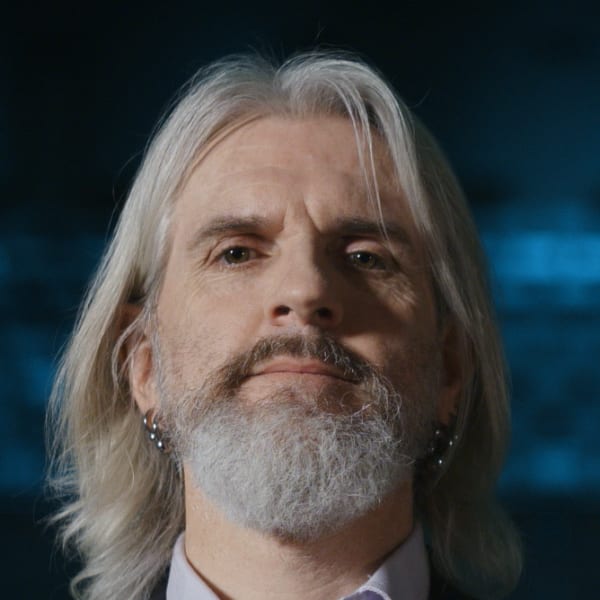 Robert Sparrow合作论文数Department of Philosophy, Monash University12
 Susan Walker合作论文数Dept of Maternal Fetal Medicine, University of Melbourne;Division of Medicine, Dentistry and Health Sciences, University of Melbourne;Obstetrics and Gynaecology Royal Women's Hospital12Justine Westlake合作论文数11
 Stuart Fun Quan合作论文数Division of Sleep Medicine, Harvard Medical School11Sheers Nicole合作论文数Victorian Respiratory Support Service (VRSS),, Austin Health11
 Michael G Lenne合作论文数Human Factors Group, Monash University Accident Research Centre11Liam M. Hannan合作论文数10r j pierce合作论文数10
 Megan D Mulhall合作论文数Turner Inst Brain & Mental Hlth, Monash Univ10Collins Allison合作论文数10Wilkinson Vanessa E合作论文数Institute for Breathing &Sleep, Department of Respiratory &Sleep Medicine, Austin Health10
 Joshua Wiley合作论文数Turner Institute for Brain and Mental Health, School of Psychological Sciences, Monash University10
 Steven W. Lockley合作论文数Department of Medicine, Brigham and Women's Hospital, Harvard Medical School10
 Andrew Vakulin合作论文数10
 Bronwyn Stevens合作论文数9
 Shamsi Shekari Soleimanloo合作论文数Institute for Social Science Research, Faculty of Humanities and Social Sciences, The University of Queensland9
 Brook Shiferaw合作论文数9
 Jonny Kuo合作论文数Monash University, Monash University9
 Caroline Chao合作论文数9
 Luke A. Downey合作论文数Brain Sciences Institute, Swinburne University of Technology9Alison M Fung合作论文数8Marcus McMahon合作论文数8
 Wolkow Alexander合作论文数Centre for Physical Activity and Nutrition Research, Deakin University;Bushfire Co-Operative Research Centre;Bushfire Co-Operative Research Centre, Deakin University8
 Leon Lack合作论文数College of Education, Psychology and Social Work, Flinders University8
 Nicole Lovato合作论文数School of Psychology, Flinders University8
 Rodney J. Croft合作论文数Brain Sciences Institute, Swinburne University of Technology8




