RATIONALE:Clinical interest in psilocybin-assisted rehabilitation for motor disorders is growing. However, psilocybin's motor effects are under-researched, and quantifying them is essential for assessing treatment risks and outcomes. OBJECTIVES:This study aims to clarify whether acute effects of psilocybin disrupt established patterns of manual dexterity and coordination. Specifically, we evaluate the impact of psilocybin on velocity, smoothness and kinematic manifold stability. METHODS:In a randomised, blinded trial, healthy participants received three doses of psilocybin (5-20 mg) administered one week apart. Manual dexterity was assessed using the Box and Block Test (BBT) at baseline and 1.5, 3, and 4.5 hours post-drug administration. Task performance was analysed using a Bayesian mixed-effects model. For kinematic analysis, 21 hand landmarks were tracked from video recordings obtained at baseline and 1.5 hours post-administration. Principal component analysis (PCA) was the basis for evaluating the stability and dimensionality of latent structure. RESULTS:BBT performance showed a modest biphasic dose-response pattern at higher doses (10-20 mg), with slight impairment during peak effects and slight improvement 4.5 hours post-administration relative to baseline. Effect sizes were small compared to inter-individual baseline variability. Kinematic analyses revealed no substantial changes in movement smoothness or velocity. Dimensionality metrics indicated a stable coordination structure, although finger movements showed a subtle increase in complexity. CONCLUSIONS:Low to moderate doses of psilocybin did not meaningfully disrupt manual dexterity or the latent structure of hand coordination. These findings support the feasibility of combining psilocybin administration with active motor rehabilitation.
PURPOSE:Non-invasive ventilation (NIV) improves quality of life and extends survival for people with motor neurone disease (pwMND); however, uptake in Australia remains modest. This study explored the factors that influence the uptake of NIV from the perspectives of pwMND, caregivers, and healthcare professionals. METHODS:Thirty-nine semi-structured interviews were conducted with pwMND (n = 8), family caregivers of pwMND (n = 4), and healthcare professionals (n = 27). A two-stage deductive-inductive analysis was performed to identify common themes that influence the uptake of NIV in MND. RESULTS:Twenty-six key influencing factors were identified, relating to three major themes: influences on the pwMND's decision to trial NIV; healthcare professional knowledge, beliefs and behaviors; and inequity and lack of responsiveness in the healthcare system. Inductive analysis also identified a fourth theme, disparities in NIV uptake. Within this theme, women, older people, and First Nations Australians were acknowledged as demographic groups experiencing challenges to NIV uptake that warrant further investigation. CONCLUSION:This research identified multiple modifiable factors influencing the uptake of NIV that can inform the design of targeted interventions to reduce inequitable access to NIV, increase uptake, and optimize quality of life for pwMND.
ObjectiveAustralian and New Zealand Guidelines for the Physiotherapy Management of People with Spinal Cord Injury recommend the use of inspiratory muscle training for people with spinal cord injury and respiratory muscle weakness. The aim of this study was to evaluate if tailored implementation strategies increased provision of inspiratory muscle training by physiotherapists.DesignA pre-post implementation study with baseline, post and follow-up measures.SettingThree spinal units in Sydney, Australia.ParticipantsTwenty-one physiotherapist-participants and 68 patient-participants across three spinal units.InterventionTailored, evidence-based, multi-faceted implementation strategies to improve physiotherapists' provision of inspiratory muscle training, delivered over a 6-week period (the implementation phase).Main measuresPhysiotherapists' provision of inspiratory muscle training was measured via a standardised audit tool. Medical records were audited at baseline, immediately after the implementation phase and then two months later to determine whether patients had been provided inspiratory muscle training.ResultsNinety-four medical records were audited of 68 patient-participants over the study period. Data at baseline indicated that inspiratory muscle training was only provided to 20% of eligible patient-participants. This improved to 91% immediately post the 6-week implementation phase but reduced to 72% two months later.ConclusionsTailored, evidence-based implementation strategies increased the provision of inspiratory muscle training by physiotherapists. These strategies can be adapted to different health care settings to improve physiotherapists' provision of inspiratory muscle training for the respiratory management of people with spinal cord injury.The study was prospectively registered with the Australian New Zealand Clinical Trials Registry (https://www.anzctr.org.au/. ACTRN: 12623001106628).
To determine whether capillary blood gas carbon dioxide values can substitute for arterial sampling to calibrate transcutaneous carbon dioxide during polysomnography. Participants underwent capillary (arterialized earlobe) and blood gas (radial artery) sampling at polysomnography commencement (Evening) and end (Morning). Participant and scientist sample preference, and participant pain were recorded. The transcutaneous offset from the corresponding arterial/capillary sample, and the transcutaneous electrode drift over the night were determined. Seventy-five people consented and 44 had complete paired timepoint data. Both the capillary and arterial carbon dioxide values were higher than the transcutaneous (capillary evening mean -0.9 ± standard deviation 2.8, capillary morning -2.5 ± 3.9, arterial evening -3.7 ± 2.7, arterial morning -5.6 ± 3.8 mmHg). Capillary and arterial measures were comparable for assessing transcutaneous carbon dioxide drift (mean difference -0.3 mmHg (95
Introduction Functional seizures (FS) are events that resemble epileptic seizures, but are not attributed to brain pathology and are instead thought to be due to psychological factors. A small, multisite, open-label, single-arm, pilot trial of a breathing intervention known as breathing control training (BCT) found it to be safe and effective in reducing seizure frequency in FS. We propose a protocol for a study to confirm these results.Methods and analysis A 24-week, multicentre, individually-randomised, assessor-blinded, two-arm, parallel-group efficacy and acceptability trial of BCT versus control (Befriending) in 220 participants ≥16 years of age with FS. Eligible participants will be randomly allocated to receive two sessions of either BCT or Befriending over a 4-week period. Sessions will be delivered by a respiratory physiotherapist at a clinical care site or via telehealth. They will complete assessments prior to commencing treatment and at 4, 12 and 24 weeks after their initial session of BCT/Befriending. The trial will be conducted alongside treatment as usual. An economic evaluation including cost-utility and cost-effectiveness analyses will be carried out from health sector and societal perspectives.Ethics and dissemination The study has been approved by The Austin Health Human Research Ethics Committee (HREC/84335/Austin-2022) and the New Zealand Central Health and Disability Ethics Committee (2022 FULL 12324). Findings will be reported to trial participants and consumers; presented at local, national and international conferences; and disseminated by a peer-reviewed scientific journal.
OBJECTIVES:Examine the effect of frailty on physical function recovery in people admitted to hospital who received a physiotherapy Early Rehabilitation program. METHODS:Observational cohort (1 January 2021 to 31 December 2021). Patients admitted to the acute site at Austin Health, Australia who received an Early Rehabilitation program (targeted physical rehabilitation to address goals aligned to physiotherapy intervention in parallel with acute medical treatment) were eligible. Frailty was measured with the Clinical Frailty Scale (CFS). The primary outcome was, across the CFS, magnitude of change from admission to discharge in physical function assessed with the modified Iowa Level of Assistance Scale (mILOA). Secondary outcomes were length of stay and discharge destination. Generalised additive models were used. RESULTS:There were 674 patients included in the study. Irrespective of frailty status, mean improvement in physical function from admission to discharge exceeded the minimal datable change of 5.8 points for the mILOA. Larger average improvements in mILOA were observed in patients with lower degrees of frailty (p < 0.001 overall effect), where a portion of patients with severe frailty did not make clinically meaningful gains in physical function following Early Rehabilitation. Mean improvement in physical function and predicted probabilities for discharge home were similar; where greater frailty severity was associated with a lesser chance of going home at acute hospital discharge (p = 0.002 overall effect). CONCLUSIONS:Validating the link between predictions for change in physical function and discharge home in people receiving early rehabilitation during acute hospitalisation would be of great clinical utility.
BACKGROUND:Motor functional neurological disorder (FND) is a common illness associated with significant functional impairment. There are no effective pharmacotherapies, and despite the early promise of physiotherapy studies, many suffer disabling symptoms in the long term. There is a theoretical rationale for combining psychedelics with physiotherapy; however, the potential benefit of this approach and optimal treatment model remains unexplored. Here, we present the protocol for the first study investigating the tolerability, feasibility, and potential efficacy of two distinct treatment regimens of psilocybin-assisted physiotherapy for refractory motor FND: a moderate dose that incorporates movement tasks during the acute drug effects versus a standard dose alone. METHODS:Twenty-four participants with refractory motor FND will be randomised in a 1:1 ratio to either (1) psilocybin 15 mg, with movement tasks conducted during the acute drug effects, or (2) psilocybin 25 mg alone. All participants will receive two sessions of FND-specific physiotherapy pre-dosing, six sessions of physiotherapy post-dosing, and undergo follow-up visits one week and four weeks following their final physiotherapy session. A battery of outcome measures will be completed as scheduled, assessing tolerability, feasibility, motor FND symptom severity, psychiatric and physical symptoms, quality of life, treatment expectations, intensity of the acute drug effects, personality, motor function, force-matching performance, resting-state and task-based brain imaging, and subjective experiences of the study treatment. DISCUSSION:These findings will assist the design of an adequately powered randomised controlled trial in this cohort. The findings may also inform the feasibility of psychedelic treatment in related functional and neuropsychiatric disorders.
PurposeThe aim of this study was to evaluate the feasibility of an alternative, rehabilitation-led model for managing obstructive sleep apnoea (OSA) in an Australian spinal cord injury (SCI) inpatient rehabilitation centre.MethodsThe mixed-methods evaluation included quantitative analysis of clinical data and qualitative interviews with staff and patients to assess reach, effectiveness, adoption, acceptability, implementation, and sustainability (RE-AIM framework) of the OSA care model.ResultsDuring the 12-month pilot, 48 inpatients were screened, 24 were assessed for OSA, 12 were diagnosed and recommended treatment, 6 commenced continuous positive airway pressure (CPAP) therapy, and 4 were discharged on CPAP. No adverse events were recorded. Clinical staff reported significant benefits to patient care and improved knowledge about sleep and respiratory issues. Insufficient staff time and skills resulted in significant barriers to initiating treatment with CPAP.ConclusionsThis is the first time an Australian SCI rehabilitation centre has implemented a rehabilitation-led OSA care model. Assessing and diagnosing OSA in the inpatient unit was feasible and sustainable but initiating treatment required additional staffing and ongoing training. Scaled implementation of rehabilitation-led OSA care could significantly improve access to OSA treatments and quality of life for people living with SCI.Implications for rehabilitationObstructive sleep apnoea (OSA) is the most common sleep disorder in spinal cord injury (SCI); yet it is under-diagnosed and under-treated.To improve access to care, an Australian SCI inpatient rehabilitation centre adapted and implemented an alternative, rehabilitation-led model of managing OSA.The alternative care model was safe, acceptable to staff and patients, and improved access to OSA assessments and treatments.Rehabilitation-led management of non-complicated OSA has the potential to improve outcomes for people living with SCI.To be sustainable, the rehabilitation-led care model should be adequately staffed with ongoing staff training opportunities available.
Abstract Background Non-invasive ventilation (NIV) uses positive pressure to assist people with respiratory muscle weakness or severe respiratory compromise to breathe. Most people use this treatment during sleep when breathing is most susceptible to instability. The benefits of using NIV in motor neurone disease (MND) are well-established. However, uptake and usage are low (~ 19%) and there is no consensus on how to best implement NIV in MND in Australia. Consequently, clinical practice models are highly variable. Our team has recently provided evidence that specific and individualised NIV titration using a sleep study (polysomnography; PSG) leads to better outcomes in people with MND. However, for this clinical practice model to result in sustained benefits, evidence of effectiveness across multiple sites, as well as culture and practice change, must occur. Methods A two-arm, assessor-blinded, individual participant randomised controlled trial in MND care centres across Australia will be undertaken. Two-hundred and forty-four participants will be randomised (1:1) to either the intervention group (PSG-assisted commencement of NIV settings; PSG) or a control group (sham PSG). Participants will be asked to use their NIV device for 7 weeks and will then return for follow-up assessments. Respiratory, sleep and patient-reported outcome measures will be collected at baseline and follow-up. The primary aim is to determine if the proportion of participants using NIV for > 4 h/day during the intervention period is higher in the PSG than the control group. A process evaluation, health economic evaluation and 12-month cohort follow-up will be undertaken and reported separately. Discussion The results of this trial will demonstrate the effects of PSG-assisted titration of NIV on usage of NIV in people with MND. We hypothesise that the PSG intervention will improve synchrony between the user and the machine, which will lead to greater NIV usage compared to the control group. Trial registration ClinicalTrials.gov NCT05136222. Registered on November 25, 2021.
OBJECTIVE:To estimate the causal effect of pneumonia on the length of stay (LOS) and associated costs during inpatient rehabilitation following an acute spinal cord injury (SCI). DESIGN:Prospective multicenter cohort study using a causal inference framework. SETTING:Ten centers specialized in SCI rehabilitation in high-income countries. PARTICIPANTS:Newly injured SCI patients with complete or incomplete lesions at cervical or thoracic levels (C1-T12) admitted for inpatient rehabilitation. The study included adults (N=486), predominantly men (76.1%), with a median age of 55 years, who were roughly evenly divided between paraplegia (46.5%) and tetraplegia (53.5%). INTERVENTIONS:Not applicable. MAIN OUTCOME MEASURES:Additional rehabilitation LOS and associated excess costs because of pneumonia. RESULTS:Experiencing at least 1 episode of pneumonia was associated with an 11% increase in rehabilitation LOS on average. The resulting excess LOS was 21.3 days (95% confidence interval (CI), 18.9-23.7). The additional LOS because of pneumonia costs, on average, $41,812.57 (standard deviation 20,909.73) per patient. Patients with motor complete tetraplegia had the longest rehabilitation LOS, both with and without pneumonia (256.0d; 95% CI, 226.7-285.2 vs 228.9d; 95% CI, 201.6-256.2) and subsequential higher costs. CONCLUSIONS:Our findings indicate that pneumonia increases the average rehabilitation length of stay by 21 days and incurs additional costs exceeding $41,000 per patient in individuals with acute SCI. Early screening and prevention are essential to manage these impacts, especially in patients with motor complete tetraplegia.
BACKGROUND:Patients who are 'complex' experience poorer outcomes during and after hospitalisation. At our health service, patients identified as complex are referred to a specialist transdisciplinary allied health pathway, but this process is subjective and predominantly based on clinical judgement. AIMS:To characterise patients referred to the complex pathway by describing their characteristics and outcomes and by developing a list of words clinicians associate with complexity to generate an electronic health record (EHR) complexity phenotype. METHODS:We performed a retrospective observational cohort study of all patients admitted to General Medicine at a metropolitan hospital in Melbourne over a 10-month period and a cross-sectional survey of clinicians (allied health, medical, nursing). We compared the demographics, clinical features and outcomes of the complex patients to their non-complex peers. Cohort outcomes included length of stay, readmissions, discharge destination, mortality and adverse event rates. The survey data scored the likelihood of words suggesting complexity from a clinician's perspective. RESULTS:In the cohort (n = 3061), 328 (11%) were complex. Complex patients were older, frail and more multimorbid. This group stayed longer in hospital, and more required rehabilitation, with increased mortality and readmissions (P < 0.01). Eighty clinicians (allied health (50%), medical (31%) and nursing (19%)) generated a library of 18 words that described a complex patient. CONCLUSION:Frailty, age and high hospital utilisation were associated with complexity across both studies. Combining clinical and demographic data with natural language processing of complexity words may allow prospective digital prediction of patients likely to benefit from complex care pathways.
BACKGROUND:We are undertaking a multicentre randomised controlled trial to determine the effectiveness of including a sleep study (polysomnography (PSG)) to assist the commencement of non-invasive ventilation (NIV) in people with motor neurone disease (MND): the Polysomnographic titration of non-invasive ventilation in motor neurone disease (PSG4NIVinMND; 3-three letter acronym; 3TLA) trial. A process evaluation will be conducted alongside the clinical trial to understand: (1) the implementation of the 3TLA intervention in the trial sites, including barriers and enablers, and (2) the mechanisms through which the 3TLA intervention produces change. This protocol paper describes the rationale, aims and methods of the 3TLA process evaluation. METHODS:To guide the design of the process evaluation, a logic model representing the 3TLA intervention, the likely mechanisms of impact, potential external contextual factors and assumptions, and the anticipated outcomes was developed by the researchers in collaboration with the 3TLA Trial Steering Committee. From this, five key process evaluation research questions were identified, a priori. The mixed-methods design is guided by three implementation frameworks: the Reach, Effectiveness, Adoption, Implementation and Maintenance (RE-AIM) framework, the Theoretical Domains Framework (TDF), and the Theoretical Framework of Acceptability (TFA). We will conduct semi-structured interviews with approximately 20-30 clinical trial participants (people with MND) and their carers, and focus groups and surveys with approximately 60 health professionals involved in delivering the intervention at each site. Quantitative process data will also be collected from the main clinical trial. Qualitative and quantitative data will be analysed iteratively throughout the trial, independent of the main trial outcome analyses. Process evaluation findings will be triangulated with the results of the clinical trial. DISCUSSION:This process evaluation incorporates a mixed-methods design and is informed by three theoretical frameworks. It will provide insights into how the 3TLA intervention was implemented, for whom and how the 3TLA intervention was (and was not) effective, and what adaptations may be needed to facilitate future implementation into routine clinical practice. TRIAL REGISTRATION:ClinicalTrials.gov NCT05136222. Registered on November 25, 2021.
Background:There is limited evidence describing the changing natural history of DMD in Australia. Methods:This retrospective cohort study collated information on clinical management and disease milestones from medical records of males with DMD attending a paediatric hospital between 1973 and 2019 and linked this to information from two adult tertiary hospitals. Data were stratified by decade of birth and Kaplan Meier analyses were conducted to describe median time to key disease milestones. Findings:The cohort included 356 individuals with DMD with year of birth ranging from 1958 to 2014 and median (interquartile range, IQR) follow up time from diagnosis of 10.5 (4.1, 15.7) years. Use of corticosteroids, angiotensin-converting enzyme inhibitors (ACE-I), echocardiography and respiratory support increased over time. Mean age of diagnosis decreased from 6.4 years in those born before 1970 to 3.4 years in those born 2010-2019. Median (IQR) survival increased over time from 18.2 (15.2, 20.4) years in those born before 1970 to 24.0 (20.3, 27.5) years in those born between 1990 and 1999. Increased life expectancy was observed in individuals using corticosteroids, ACE-I and respiratory support. Interpretation:Survival in individuals with DMD has increased over the last five decades, likely due to changes in clinical management. Given the increased population surviving to adulthood, there is a need to enhance clinical services and surveillance to support neuromuscular disease in Australia, especially in transitional care and adult populations. Funding:Independent Research Grant, Pfizer Australia.
PURPOSE OF REVIEW:Sleep disordered breathing (SDB) is a direct consequence of tetraplegic spinal cord injury (SCI), is highly prevalent in both tetraplegia and paraplegia, and is associated with worse daytime functioning and reduced quality of life. Despite this, most people with SCI are undiagnosed and untreated for the disorder. This narrative review summarises research from the last 5 years on the epidemiology, pathophysiology, and consequences of SDB in SCI, as well as the current approaches to screening, diagnosis, and treatment of SDB in this population. RECENT FINDINGS:Previous research predominantly focussed on SDB in tetraplegia, however recent studies have established that people with paraplegia also experience substantially higher prevalence than the general population. SDB risk screening questionnaires are not helpful because SDB in SCI is so prevalent, and questionnaires alone cannot exclude true negative cases. Alternative treatments, such as mandibular advancement devices, are feasible and likely effective, and alternative care models may improve rates of diagnosis and access to treatments. SUMMARY:Recent research into SDB in SCI has identified novel, emergent themes, however researchers must collaborate more to achieve sample sizes that can deliver impact in this relatively rare population.
Objective: Noninvasive ventilation (NIV) improves quality of life and extends survival in amyotrophic lateral sclerosis (ALS), yet NIV uptake among Australians with ALS has been estimated at 19%. This study aimed to identify demographic and disease-related factors associated with NIV uptake among people with ALS (pwALS). Methods: A national cross-sectional survey. PwALS (or their family caregivers) completed an online survey about their NIV use and healthcare experiences. Survey data were analyzed descriptively. Associations between demographic factors and three dichotomous NIV outcomes: "using NIV"; "offered and accepted NIV"; and "discussed NIV with a healthcare professional (HCP)" were investigated using multivariate logistic regression modeling. Results: A total of 224 responses were received, of which 201 completed the demographic questions. Mean (SD) age was 64 (11) years, 62% were male, and median (IQR) time since diagnosis was 2 (1-5) years. Forty-six percent were using NIV; 6% had started NIV and stopped; 4% had accepted a referral but not started; 3% had declined NIV; and 26% had never discussed NIV with a HCP. Demographic factors positively associated (p < 0.05) with at least one NIV outcome included: being male, age < 65 years, residing in a metropolitan/regional area, attending a ALS multidisciplinary clinic, and longer time since diagnosis. Conclusion: NIV uptake among Australians with ALS appears to have increased in the last decade, however this survey identified concerning disparities related to sex, age, and location of residence. Research exploring the underlying causes of these disparities is urgently required so that targeted interventions can be designed and implemented.
BACKGROUND:The coronavirus disease 2019 (COVID-19) pandemic resulted in an increased number of patients with COVID-19-related respiratory failure requiring prone positioning. To reduce pressure on nursing and medical staff in the intensive care unit (ICU), a physiotherapy-led intensive prone positioning (PhLIP) service was implemented. OBJECTIVES:The aim of this study was to explore the acceptability of the PhLIP service from the perspective of nurses and doctors working in the ICU and the physiotherapists who delivered the service. METHODS:A qualitative evaluation was conducted using semistructured interviews and focus groups, guided by the theoretical framework of acceptability (TFA). Participants included doctors, nurses, and physiotherapists who interacted with or delivered the PhLIP service. RESULTS:A total of 19 interviews (eight doctors and 11 physiotherapists) and four focus groups (13 nurses) were conducted. Eleven themes were identified within the eight domains of the TFA. Overall, the PhLIP team was highly valued and appreciated (TFA: affective attitude); enabled high-quality care and improved ICU efficiency (TFA: perceived effectiveness); reduced risks to patients and staff (TFA: perceived safety and risk); and was empowering for the clinicians involved (TFA: self-efficacy). Being in the PhLIP team was physically and mentally exhausting, and the service put strain on the physiotherapy department due to reallocation of staff (TFA: burden). Having trust in the physiotherapists leading the prone positioning service was a key influence on nursing and medical acceptance of the service. CONCLUSION:The PhLIP team delivered an acceptable service that improved clinical care and efficiency during the COVID-19 pandemic. Other ICUs should consider the availability, skills, and confidence in the team selected to implement an intensive prone positioning service, should the need arise again. Researchers using the TFA to explore acceptability of healthcare innovations should also consider the recipients' trust in those delivering the intervention.
Patient portals are secure online platforms that offer patients access to various functions such as personal health information. While patient portals are being increasingly offered by health services, there are limited data on their use for persons living with home mechanical ventilation (HMV) and/or long-term tracheostomy. This study, conducted at an Australian hospital's home mechanical ventilation and long-term tracheostomy services, aimed to explore the perspectives and attitudes of patients and carers regarding the introduction of a patient portal. There were 231 survey responses and 6 semi-structured interview participants. Interest in using a patient portal was high with 87% of survey respondents indicating that they would consider using a patient portal if it were offered. Those that were more likely to be interested were younger, had higher levels of education, and reported being confident with using technology and accessing health information. The functions of a patient portal that were of most interest were the ability to view their own health information including ventilation and/or tracheostomy information and the ability to order ventilation and tracheostomy-related equipment. This study is the first step of a user-centered design for the implementation of a patient portal for persons living with home mechanical ventilation and/or long-term tracheostomy.
Patient-ventilator asynchrony (PVA) is a significant challenge in mechanical ventilation, affecting approximately 25% of intensive care unit patients and increasing the risk of lung and diaphragm injury. Segmenting breathing cycles from long ventilation waveforms is essential for the reliable detection of PVA events. However, existing segmentation methods present several limitations: manual annotation is time-consuming; fixed-length window and rule-based segmentation methods lack adaptability to varying respiratory patterns; and supervised deep learning (DL) segmentation methods require large amounts of labelled data for training. To address these issues, we propose an unsupervised breathing cycle-aware segmentation method tailored for PVA detection. Leveraging the quasi-periodic nature of ventilation waveforms, the proposed segmentation method integrates frequency-adaptive clustering, periodicity hints validation, and dynamic segmentation to identify breathing cycle boundaries. We evaluate the proposed breathing cycle-aware segmentation method on a real-world dataset from Austin Health, Melbourne, Australia, where it outperforms baseline approaches on five out of six evaluation metrics. Furthermore, classification experiments using two state-of-the-art DL-based classification models confirm that accurate segmentation of breathing cycles enhances PVA detection performance. In the future, the proposed breathing cycle-aware segmentation method could be integrated into ventilation systems to support clinical decision-making and improve patient care.
STUDY DESIGN:Registry-based cohort study. OBJECTIVES:To evaluate the impact of the introduction of a new bladder management model of care at the Victorian Spinal Cord Service (VSCS) on the incidence of subsequent emergency department presentations and readmissions to hospital for urinary tract infection (UTI) in the first 2 years after injury. SETTING:VSCS, Austin Health, Melbourne, Australia. METHODS:A new model of care that prioritized intermittent self-catheterization was implemented at the VSCS on 1 August 2017. Data from the Victorian State Trauma Registry and Austin Health medical record were used to compare the rate of readmissions, emergency department (ED) presentations and hospitalisations for UTI in the first two years post-injury before and after practice was changed. RESULTS:A total of 333 cases were included; 149 cases pre-model of care change and 184 cases after. 143 males and 41 females with a mean (SD) age of 48.9 (19.7) were admitted to the VSCS following the change in model of care. The rate of any subsequent hospitalisation for UTI (ED presentation or admission) was lower following the introduction of the new bladder management model of care (Incidence rate ratio 0.30, 95% CI 0.12-0.73). CONCLUSIONS:Our data demonstrates the real-world impact of a change in bladder management after new SCI. These data strengthen the consensus recommendation in current practice guidelines.
 Marnie Graco合作论文数Northern Clinical Research Centre, Northern Health and The University of Melbourne42
 Sheers Nicole合作论文数Victorian Respiratory Support Service (VRSS),, Austin Health34Mark Howard合作论文数31
 Linda Rautela合作论文数19
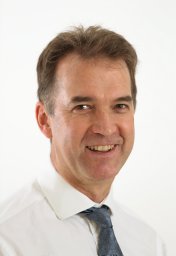 Mark E. Howard合作论文数Institute for Breathing and Sleep, Austin Health18Peter D Rochford合作论文数17
 Fergal J O'Donoghue合作论文数Austin Hlth, Inst Breathing & Sleep15Rachel Schembri合作论文数14
 Jo Spong合作论文数12Douglas J Brown合作论文数11
 Ruehland Warren R合作论文数Institute for Breathing and Sleep, Austin Health11Christine F McDonald合作论文数11Liam M. Hannan合作论文数9
 Jeanette Tamplin合作论文数Melbourne Conservatorium of Music, Faculty of Fine Arts and Music, The University of Melbourne9
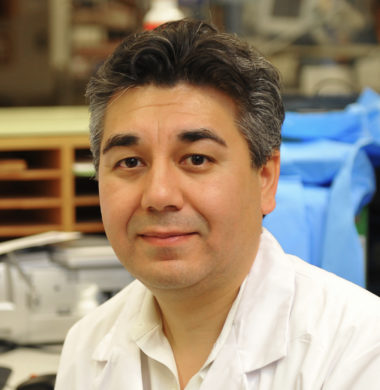 Najib T. Ayas合作论文数Department of Medicine, Faculty of Medicine, The University of British Columbia9Maree Barnes合作论文数9Brazzale Danny J合作论文数Department of Respiratory and Sleep Medicine, Austin Hospital and Institute for Breathing and Sleep8
 Melinda Jackson合作论文数Turner Institute for Brain and Mental Health, School of Psychological Sciences, Monash University8
 Anne Holland合作论文数Department of Immunology and Pathology, Central Clinical School, Monash University8
 Gabi Mueller合作论文数Dept . of Health and Environment;Urban Pest Advisory Service;Dept . of Health and Environment, Urban Pest Advisory Service8Sue Berney合作论文数7L. Hannan合作论文数Faculty of Medicine, Dentistry and Health Sciences, University of Melbourne;Department of Respiratory Medicine, Northern Health;Faculty of Medicine, Dentistry and Health Sciences, University of Melbourne7
 Sally Green合作论文数School of Public Health and Preventive Medicine, Monash University7
 Caroline Chao合作论文数7Amanda J. Piper合作论文数Department of Respiratory Medicine, Royal Prince Alfred Hospital7
 Wen Kwang Lim合作论文数Department of Medicine, Austin and Northern Health, University of Melbourne7Bruce Jackson合作论文数6C. Mcdonald合作论文数6
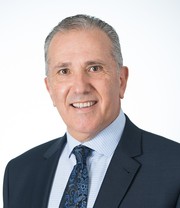 Peter Cistulli合作论文数School of Medicine, Faculty of Medicine and Health, The University of Sydney6
 Richard Kanaan合作论文数Department of Psychiatry, Faculty of Medicine, Dentistry and Health Sciences, The University of Melbourne6Raab Anja M合作论文数6
 Duncan Mortimer合作论文数Centre for Health Economics, Business School, Monash University6Natalie A. De Morton合作论文数6W. Ruehland合作论文数5Krisha Saravanan合作论文数5
 Martin Schubert合作论文数5
 Amy Jordan合作论文数Melbourne School of Psychological Sciences, Faculty of Medicine, Dentistry and Health Sciences, The University of Melbourne5
 Angela Burge合作论文数Monash University5Martin W. G. Brinkhof合作论文数5
 Danny Eckert合作论文数School of Biomedical Sciences, University of New South Wales5
 Xavier Jordan合作论文数5
 Gerard Kennedy合作论文数School of Psychology, Victoria University5R Schembri合作论文数4David Gobets合作论文数4Luke Andrew McDonald合作论文数4Lauren A Booker合作论文数4J. A. Palmer合作论文数4Susan Cross合作论文数4Abbey Sawyer合作论文数4




