The recent movement toward returning individual research results to study subjects/participants generates ethical and legal challenges for laboratories performing research on human biospecimens. The concept of an individual's interest in knowing the results of testing on their tissue is pitted against individual and systemic risks and an established legal framework regulating the performance of laboratory testing for medical care purposes. This article discusses the rationale for returning individual research results to subjects, the potential risks associated with returning these results, and the legal framework in the United States that governs testing of identifiable human biospecimens. On the basis of these considerations, this article provides recommendations for investigators to consider when planning and executing human biospecimen research, with the objective of appropriately balancing the interests of research subjects, the need for ensuring integrity of the research process, and compliance with US laws and regulations.
The recent movement toward returning individual research results to study subjects/participants generates ethical and legal challenges for laboratories performing research on human biospecimens. The concept of an individual's interest in knowing the results of testing on their tissue is pitted against individual and systemic risks and an established legal framework regulating the performance of laboratory testing for medical care purposes. This article discusses the rationale for returning individual research results to subjects, the potential risks associated with returning these results, and the legal framework in the United States that governs testing of identifiable human biospecimens. On the basis of these considerations, this article provides recommendations for investigators to consider when planning and executing human biospecimen research, with the objective of appropriately balancing the interests of research subjects, the need for ensuring integrity of the research process, and compliance with US laws and regulations. The recent movement toward returning individual research results to study subjects/participants generates ethical and legal challenges for laboratories performing research on human biospecimens. The concept of an individual's interest in knowing the results of testing on their tissue is pitted against individual and systemic risks and an established legal framework regulating the performance of laboratory testing for medical care purposes. This article discusses the rationale for returning individual research results to subjects, the potential risks associated with returning these results, and the legal framework in the United States that governs testing of identifiable human biospecimens. On the basis of these considerations, this article provides recommendations for investigators to consider when planning and executing human biospecimen research, with the objective of appropriately balancing the interests of research subjects, the need for ensuring integrity of the research process, and compliance with US laws and regulations. This article explores the issues pertaining to the return of individual research results, including raw data with or without interpretation, from the analysis of human biospecimens. The biomedical researcher engaged in research involving human subjects, especially through use of human biospecimens, will benefit from this article. This article may facilitate current research proposals by clearly distinguishing between existing regulations and proposed recommendations that would change the paradigm and may impact future research planning. Points for consideration and recommendations for returning results as a component of research activity are provided. The focus is limited to research as defined in the United States by the revised Common Rule of 2018 (Table 1): “systematic investigation, including research development, testing, and evaluation, that is designed to develop or contribute to generalizable knowledge.”1Code of Federal Regulations: Protection of Human Subjects, title 45 CFR 46 (2018).https://www.hhs.gov/ohrp/regulations-and-policy/regulations/45-cfr-46/index.htmlGoogle Scholar State, local, and institutional regulations are not considered; therefore, the recommendations are not inclusive of all possible scenarios. Investigators should apply their own professional judgment in consultation with their institution's human subjects’ protection infrastructure.Table 1Glossary of TermsBelmont ReportThe Belmont Report2National Commission for the Protection of Human Subjects of Biomedical and Behavioral ResearchThe Belmont Report: Office of the Secretary Ethical Principles and Guidelines for the Protection of Human Subjects of Research. April 18, 1979.http://www.hhs.gov/ohrp/regulations-and-policy/belmont-report/index.htmlGoogle Scholar was written in 1979 by the National Commission for the Protection of Human Subjects of Biomedical and Behavioral Research and outlines the basic ethical principles in research involving human subjects. The current US system of protection for human research subjects (Common Rule) is heavily influenced by the Belmont Report.BiobankA biobank is a system (including facilities, personnel, and procedures) for storing and retrieving biological samples, including tissue, blood, and urine; derived materials, such as cells, proteins, and nucleic acids; and pertinent demographic and clinical data. Biobanks typically exist to support medical and environmental research.Biospecimen (human)A human biospecimen is any natural material from the human body, such as tissue, blood, and urine, as well as derived materials, such as cells and cellular analytes, including nucleic acids, proteins, carbohydrates, and lipids.Biospecimen (identifiable)An identifiable biospecimen is a biospecimen for which the identity of the donor is or may readily be ascertained by the investigator or is associated with the biospecimen. A subset of identifiable biospecimens includes coded biospecimens (indirectly identifiable biospecimens). Such biospecimens are samples with the individually identifiable information removed and replaced with a unique code. Identifiable information is retained separately such that the code can be used to link the biospecimen back to the donor. As long as a link exists that is accessible to the study investigators, these biospecimens are considered indirectly identifiable. Note: The terms code, link, and key are often used interchangeably.Biospecimen (nonidentifiable)A nonidentifiable biospecimen is a biospecimen for which the identity of the donor cannot be ascertained by the investigator. If the key is not available to anyone on the research team, these specimens are considered nonidentifiable even if the key is held in the biobank. The determining factor is whether the research team has the ability to re-identify a specimen. Analysis of these specimens may be conducted in a CLIA-certified laboratory, but such tests are not to be considered conducted under CLIA testing regulations, as the specimen has been de-identified and does not meet CLIA requirements for specimen identification.Biospecimen (anonymized)An anonymized biospecimen is a nonidentifiable biospecimen for which no identifiable information was collected or, if collected, was not maintained and cannot be retrieved, such that there is no way to identify the donor.Biospecimen (de-identified)A de-identified biospecimen is a biospecimen for which all of the 18 identifiers defined by the HIPAA Privacy Rule have been removed.ClinGenClinGen is a resource funded by the NIH to define the clinical relevance of genes and gene variants for use in research and precision medicine.Common RuleThe Federal Policy for the Protection of Human Subjects or the Common Rule1Code of Federal Regulations: Protection of Human Subjects, title 45 CFR 46 (2018).https://www.hhs.gov/ohrp/regulations-and-policy/regulations/45-cfr-46/index.htmlGoogle Scholar is the standard of ethics by which government-funded research in the United States is held; nearly all US academic institutions hold their researchers to these statements of rights regardless of funding. It was first published in the Code of Federal Regulations in 1991 (45 CFR part 46) and codified in separate regulations by 15 federal departments and agencies. The Common Rule outlines the basic provisions for IRBs, informed consent, and Assurances of Compliance. The Common Rule was revised in 2018; 20 agencies (including HHS) intend to follow the revised Common Rule.Designated record setA group of records maintained by or for a covered entity. It includes the medical records and billing records about individuals maintained by or for a covered health care provider, as defined by HIPAA.Honest brokerAn honest broker is a neutral person or system that gathers pertinent information regarding tissue and its associated data, removes identifiers or replaces them with codes, and releases only coded information to researchers.Human subject/research subject/research participantRecently, it has been suggested3National Academies of Sciences, Engineering, and MedicineReturning Individual Research Results to Participants: Guidance for a New Research Paradigm. The National Academies Press, Washington, DC2018Google Scholar that the term research participants should replace research subjects. The authors have chosen to use the latter term because it is used in current regulations, such as the Common Rule. It is more precise because participants can include research investigators and health care providers who are also involved in the research study. Furthermore, for much biospecimen research, those donating specimens, although recognized for their important contribution, generally do not participate in the research process on an ongoing basis.These terms reference a living individual (see Common Rule) about whom an investigator (whether professional or student) is conducting research. Research is defined as obtaining information or biospecimens through intervention or interaction with the individual, and using, studying, or analyzing the information or biospecimens; or obtaining, using, studying, analyzing, or generating identifiable private information or identifiable biospecimens.Incidental findingAn incidental finding (also referred to as a secondary finding) is a previously undiagnosed abnormality or medical condition that is discovered unintentionally and is unrelated to the issues addressed in a research study.Investigational device exemptionAn administration approval conducted under the authority of 21 CFR 812, which allows a medical device (eg, a laboratory test) that otherwise would be required to comply with a performance standard or to have premarket approval to be shipped lawfully for the purpose of conducting investigations of that device.ResearchResearch is a systematic investigation that is designed to develop or contribute to generalizable knowledge.Secondary findingA secondary finding (also referred to as an incidental finding) is a previously undiagnosed abnormality or medical condition that is discovered unintentionally and is unrelated to the medical issues addressed in a research study.Secondary researchSecondary research is research that uses data and/or specimens that have been or will be collected for purposes unrelated to the (primary) study for which the specimen was collected.Utility (clinical)Clinical utility is the ability for a diagnostic procedure to provide information that can be used to guide medical or preventive care decisions.Validity (analytic)Analytic validity is a test's ability to accurately measure the analyte(s) of interest.Validity (clinical)Clinical validity is the ability of a test result to correlate with a clinical diagnosis or outcome, whether the information provides information useful for subsequent medical care or prevention measures.Validity (test)Test validity is the ability of a test to accurately measure what it is intended to measure (eg, the presence or absence of a mutation).Vulnerable populationA vulnerable population consists of individuals who are potentially susceptible to coercion or undue influence. Children are included in this group. Other vulnerable populations include those who have limited decision-making capacity, such as individuals experiencing dementia or mental illness, with an impaired ability to act with autonomy (eg, prisoners), who are economically or educationally disadvantaged; and/or homebound or confined to nursing homes.CLIA, Clinical Laboratory Improvement Amendments; HHS, US Department of Health and Human Services; HIPAA, Health Insurance Portability and Accountability Act; IRB, institutional review board. Open table in a new tab CLIA, Clinical Laboratory Improvement Amendments; HHS, US Department of Health and Human Services; HIPAA, Health Insurance Portability and Accountability Act; IRB, institutional review board. The authors have focused on the return of individual research results and have excluded discussion of the return of general research results—what the study found overall—to research subjects, as the issues involved in conveying general research findings are substantially different from those pertaining to returning individual research results. Neither recreational genomics results, such as geographic ancestry, because they are not research results, nor clinically meaningless data, such as raw data from single-cell RNA expression studies, are covered. Although the authors draw from a wide literature with diverse perspectives,4Clayton E.W. Steinberg K.K. Khoury M.J. Thomson E. Andrews L. Kahn M.J. Kopelman L.M. Weiss J.O. Informed consent for genetic research on stored tissue samples.JAMA. 1995; 274: 1786-1792Crossref PubMed Scopus (256) Google Scholar, 5Grizzle W. Grody W.W. Noll W.W. Sobel M.E. Stass S.A. Trainer T. Travers H. Weedn V. Woodruff K. Ad Hoc Committee on Stored Tissue, College of American PathologistsRecommended policies for uses of human tissue in research, education, and quality control.Arch Pathol Lab Med. 1999; 123: 296-300PubMed Google Scholar, 6Caulfield T. McGuire A.L. Cho M. Buchanan J.A. Burgess M.M. Danilczyk U. Diaz C.M. Fryer-Edwards K. Green S.K. Hodosh M.A. Juengst E.T. Kaye J. Kedes L. Knoppers B.M. Lemmens T. Meslin E.M. Murphy J. Nussbaum R.L. Otlowski M. Pullman D. Ray P.N. Sugarman J. Timmons M. Research ethics recommendations for whole-genome research: consensus statement.PLoS Biol. 2008; 6: e73Crossref PubMed Scopus (196) Google Scholar, 7Bevilacqua G. Bosman F. Dassesse T. Höfler H. Janin A. Langer R. Larsimont D. Morente M.M. Riegman P. Schirmacher P. Stanta G. Zatloukal K. Caboux E. Hainaut P. The role of the pathologist in tissue banking: European Consensus Expert Group Report.Virchows Arch. 2010; 456: 449-454Crossref PubMed Scopus (63) Google Scholar, 8Bledsoe M.J. Grizzle W.E. Clark B.J. Zeps N. Practical implementation issues and challenges for biobanks in the return of individual research results.Genet Med. 2012; 14: 478-483Abstract Full Text Full Text PDF PubMed Scopus (51) Google Scholar, 9Chan B. Facio F.M. Eidem H. Hull S.C. Biesecker L.G. Berkman B.E. Genomic inheritances: disclosing individual research results from whole-exome sequencing to deceased participants' relatives.Am J Bioeth. 2012; 12: 1-8Crossref PubMed Scopus (50) Google Scholar, 10Hull S.C. Chan B. Biesecker L.G. Berkman B.E. Response to open peer commentaries on genomic inheritances: disclosing individual research results from whole-exome sequencing to deceased participants' relatives.Am J Bioeth. 2012; 12: W9-W10Crossref PubMed Scopus (2) Google Scholar, 11Klitzman R. Appelbaum P.S. Fyer A. Martinez J. Buquez B. Wynn J. Waldman C.R. Phelan J. Parens E. Chung W.K. Researchers' views on return of incidental genomic research results: qualitative and quantitative findings.Genet Med. 2013; 15: 888-895Abstract Full Text Full Text PDF PubMed Scopus (91) Google Scholar, 12Ross L.F. Saal H.M. David K.L. Anderson R.R. Anderson R.R. American Academy of Pediatrics, American College of Medical Genetics and GenomicsTechnical report: ethical and policy issues in genetic testing and screening of children.Genet Med. 2013; 15: 234-245Abstract Full Text Full Text PDF PubMed Scopus (306) Google Scholar, 13Bledsoe M.J. Clayton E.W. McGuire A.L. Grizzle W.E. O'Rourke P.P. Zeps N. Return of research results from genomic biobanks: cost matters.Genet Med. 2013; 15: 103-105Abstract Full Text Full Text PDF PubMed Scopus (52) Google Scholar, 14Holm I.A. Savage S.K. Green R.C. Juengst E. McGuire A. Kornetsky S. Brewster S.J. Joffe S. Taylor P. Guidelines for return of research results from pediatric genomic studies: deliberations of the Boston Children's Hospital Gene Partnership Informed Cohort Oversight Board.Genet Med. 2014; 16: 547-552Abstract Full Text Full Text PDF PubMed Scopus (43) Google Scholar, 15Jarvik G.P. Amendola L.M. Berg J.S. Brothers K. Clayton E.W. Chung W. Evans B.J. Evans J.P. Fullerton S.M. Gallego C.J. Garrison N.A. Gray S.W. Holm I.A. Kullo I.J. Lehmann L.S. McCarty C. Prows C.A. Rehm H.L. Sharp R.R. Salama J. Sanderson S. Van Driest S.L. Williams M.S. Wolf S.M. Wolf W.A. Burke W. eMERGE Act-ROR Committee and CERC Committee; CSER Act-ROR Working GroupReturn of genomic results to research participants: the floor, the ceiling, and the choices in between.Am J Hum Genet. 2014; 94: 818-826Abstract Full Text Full Text PDF PubMed Scopus (292) Google Scholar, 16Weiner C. Anticipate and communicate: ethical management of incidental and secondary findings in the clinical, research, and direct-to-consumer contexts (December 2013 report of the Presidential Commission for the Study of Bioethical Issues).Am J Epidemiol. 2014; 180: 562-564.15Crossref PubMed Scopus (87) Google Scholar, 17Williams J.K. Cashion A.K. Brooks P.J. Return of anticipated and incidental results from next-generation sequencing: implications for providers and patients.NAM Perspect. 2015; (Discussion Paper. Washington, DC: National Academy of Medicine. https://doi.org/10.31478/201502i)Crossref Google Scholar, 18Fernandez C.V. O'Rourke P.P. Beskow L.M. Canadian research ethics board leadership attitudes to the return of genetic research results to individuals and their families.J Law Med Ethics. 2015; 43: 514-522PubMed Google Scholar, 19Beskow L.M. O'Rourke P.P. Return of genetic research results to participants and families: IRB perspectives and roles.J Law Med Ethics. 2015; 43: 502-513Crossref PubMed Scopus (17) Google Scholar, 20Tassé A.-M. Bledsoe M.J. Giepmans L. Rahimzadeh V. Legal and ethical implications of data sharing in international biobanking research: toward a global response.Biopreserv Biobank. 2016; 14: 193-194Crossref PubMed Scopus (4) Google Scholar, 21Bledsoe M.J. Ethical legal and social issues of biobanking: past, present, and future.Biopreserv Biobank. 2017; 15: 142-147Crossref PubMed Scopus (49) Google Scholar, 22Bledsoe M.J. The final common rule: implications for biobanks.Biopreserv Biobank. 2017; 15: 283-284Crossref PubMed Scopus (3) Google Scholar, 23Sobel M.E. Dreyfus J.C. Disruptive influences on research in academic pathology departments: proposed changes to the common rule governing informed consent for research use of biospecimens and to rules governing return of research results.Am J Pathol. 2017; 187: 4-8Abstract Full Text Full Text PDF PubMed Scopus (3) Google Scholar, 24ACMG Board of DirectorsLaboratory and clinical genomic data sharing is crucial to improving genetic health care: a position statement of the American College of Medical Genetics and Genomics.Genet Med. 2017; 19: 721-722Crossref PubMed Scopus (80) Google Scholar, 25Botkin J.R. Appelbaum P.S. Bakken S. Brown C. Burke W. Fabsitz R. Gamble V.N. Gonsalves G. Kost R. Leonard D.G.B. McGuire A. Nichols J.H. Patrick-Lake B. Wilkins C.H. Zikmund-Fisher B.J. Standardizing return of participant results.Science. 2018; 362: 759-760Crossref PubMed Scopus (5) Google Scholar, 26Evans B.J. HIPAA's individual right of access to genomic data: reconciling safety and civil rights.Am J Hum Genet. 2018; 102: 5-10Abstract Full Text Full Text PDF PubMed Scopus (18) Google Scholar, 27Dreyfus J.C. Sobel M.E. Concern about justifying the release of genomic data as a civil right.Am J Hum Genet. 2018; 103: 163-165Abstract Full Text Full Text PDF PubMed Scopus (4) Google Scholar, 28Wolf L.E. Beskow L.M. New and improved? 21st century cures act revisions to certificates of confidentiality.Am J Law Med. 2018; 44: 343-358Crossref PubMed Scopus (13) Google Scholar, 29Wong C.A. Hernandez A.F. Califf R.M. Return of research results to study participants: uncharted and untested.JAMA. 2018; 320: 435-436Crossref PubMed Scopus (40) Google Scholar some of which recommends statutory or regulatory changes, their perspective is grounded in current law, experience in research use of banked specimens and clinical laboratory operations, and positions previously espoused by the American Society for Investigative Pathology (http://asip.org/asip/assets/file/documents/asiplettertonasaugust2017letteronly.pdf, last accessed March 2020; http://asip.org/asip/assets/file/documents/asipfollowuplettertonas101817.pdf, last accessed March 2020). With these caveats, it is hoped through this document to clarify the practical, legal, and ethical landscape for researchers who derive data from individually identifiable biospecimens, drawing insight from the many authors who have previously explored the ethical and legal considerations surrounding research on human biospecimens.4Clayton E.W. Steinberg K.K. Khoury M.J. Thomson E. Andrews L. Kahn M.J. Kopelman L.M. Weiss J.O. Informed consent for genetic research on stored tissue samples.JAMA. 1995; 274: 1786-1792Crossref PubMed Scopus (256) Google Scholar, 5Grizzle W. Grody W.W. Noll W.W. Sobel M.E. Stass S.A. Trainer T. Travers H. Weedn V. Woodruff K. Ad Hoc Committee on Stored Tissue, College of American PathologistsRecommended policies for uses of human tissue in research, education, and quality control.Arch Pathol Lab Med. 1999; 123: 296-300PubMed Google Scholar, 6Caulfield T. McGuire A.L. Cho M. Buchanan J.A. Burgess M.M. Danilczyk U. Diaz C.M. Fryer-Edwards K. Green S.K. Hodosh M.A. Juengst E.T. Kaye J. Kedes L. Knoppers B.M. Lemmens T. Meslin E.M. Murphy J. Nussbaum R.L. Otlowski M. Pullman D. Ray P.N. Sugarman J. Timmons M. Research ethics recommendations for whole-genome research: consensus statement.PLoS Biol. 2008; 6: e73Crossref PubMed Scopus (196) Google Scholar, 7Bevilacqua G. Bosman F. Dassesse T. Höfler H. Janin A. Langer R. Larsimont D. Morente M.M. Riegman P. Schirmacher P. Stanta G. Zatloukal K. Caboux E. Hainaut P. The role of the pathologist in tissue banking: European Consensus Expert Group Report.Virchows Arch. 2010; 456: 449-454Crossref PubMed Scopus (63) Google Scholar, 8Bledsoe M.J. Grizzle W.E. Clark B.J. Zeps N. Practical implementation issues and challenges for biobanks in the return of individual research results.Genet Med. 2012; 14: 478-483Abstract Full Text Full Text PDF PubMed Scopus (51) Google Scholar, 9Chan B. Facio F.M. Eidem H. Hull S.C. Biesecker L.G. Berkman B.E. Genomic inheritances: disclosing individual research results from whole-exome sequencing to deceased participants' relatives.Am J Bioeth. 2012; 12: 1-8Crossref PubMed Scopus (50) Google Scholar, 10Hull S.C. Chan B. Biesecker L.G. Berkman B.E. Response to open peer commentaries on genomic inheritances: disclosing individual research results from whole-exome sequencing to deceased participants' relatives.Am J Bioeth. 2012; 12: W9-W10Crossref PubMed Scopus (2) Google Scholar, 11Klitzman R. Appelbaum P.S. Fyer A. Martinez J. Buquez B. Wynn J. Waldman C.R. Phelan J. Parens E. Chung W.K. Researchers' views on return of incidental genomic research results: qualitative and quantitative findings.Genet Med. 2013; 15: 888-895Abstract Full Text Full Text PDF PubMed Scopus (91) Google Scholar, 12Ross L.F. Saal H.M. David K.L. Anderson R.R. Anderson R.R. American Academy of Pediatrics, American College of Medical Genetics and GenomicsTechnical report: ethical and policy issues in genetic testing and screening of children.Genet Med. 2013; 15: 234-245Abstract Full Text Full Text PDF PubMed Scopus (306) Google Scholar, 13Bledsoe M.J. Clayton E.W. McGuire A.L. Grizzle W.E. O'Rourke P.P. Zeps N. Return of research results from genomic biobanks: cost matters.Genet Med. 2013; 15: 103-105Abstract Full Text Full Text PDF PubMed Scopus (52) Google Scholar, 14Holm I.A. Savage S.K. Green R.C. Juengst E. McGuire A. Kornetsky S. Brewster S.J. Joffe S. Taylor P. Guidelines for return of research results from pediatric genomic studies: deliberations of the Boston Children's Hospital Gene Partnership Informed Cohort Oversight Board.Genet Med. 2014; 16: 547-552Abstract Full Text Full Text PDF PubMed Scopus (43) Google Scholar, 15Jarvik G.P. Amendola L.M. Berg J.S. Brothers K. Clayton E.W. Chung W. Evans B.J. Evans J.P. Fullerton S.M. Gallego C.J. Garrison N.A. Gray S.W. Holm I.A. Kullo I.J. Lehmann L.S. McCarty C. Prows C.A. Rehm H.L. Sharp R.R. Salama J. Sanderson S. Van Driest S.L. Williams M.S. Wolf S.M. Wolf W.A. Burke W. eMERGE Act-ROR Committee and CERC Committee; CSER Act-ROR Working GroupReturn of genomic results to research participants: the floor, the ceiling, and the choices in between.Am J Hum Genet. 2014; 94: 818-826Abstract Full Text Full Text PDF PubMed Scopus (292) Google Scholar, 16Weiner C. Anticipate and communicate: ethical management of incidental and secondary findings in the clinical, research, and direct-to-consumer contexts (December 2013 report of the Presidential Commission for the Study of Bioethical Issues).Am J Epidemiol. 2014; 180: 562-564.15Crossref PubMed Scopus (87) Google Scholar, 17Williams J.K. Cashion A.K. Brooks P.J. Return of anticipated and incidental results from next-generation sequencing: implications for providers and patients.NAM Perspect. 2015; (Discussion Paper. Washington, DC: National Academy of Medicine. https://doi.org/10.31478/201502i)Crossref Google Scholar, 18Fernandez C.V. O'Rourke P.P. Beskow L.M. Canadian research ethics board leadership attitudes to the return of genetic research results to individuals and their families.J Law Med Ethics. 2015; 43: 514-522PubMed Google Scholar, 19Beskow L.M. O'Rourke P.P. Return of genetic research results to participants and families: IRB perspectives and roles.J Law Med Ethics. 2015; 43: 502-513Crossref PubMed Scopus (17) Google Scholar, 20Tassé A.-M. Bledsoe M.J. Giepmans L. Rahimzadeh V. Legal and ethical implications of data sharing in international biobanking research: toward a global response.Biopreserv Biobank. 2016; 14: 193-194Crossref PubMed Scopus (4) Google Scholar, 21Bledsoe M.J. Ethical legal and social issues of biobanking: past, present, and future.Biopreserv Biobank. 2017; 15: 142-147Crossref PubMed Scopus (49) Google Scholar, 22Bledsoe M.J. The final common rule: implications for biobanks.Biopreserv Biobank. 2017; 15: 283-284Crossref PubMed Scopus (3) Google Scholar, 23Sobel M.E. Dreyfus J.C. Disruptive influences on research in academic pathology departments: proposed changes to the common rule governing informed consent for research use of biospecimens and to rules governing return of research results.Am J Pathol. 2017; 187: 4-8Abstract Full Text Full Text PDF PubMed Scopus (3) Google Scholar, 24ACMG Board of DirectorsLaboratory and clinical genomic data sharing is crucial to improving genetic health care: a position statement of the American College of Medical Genetics and Genomics.Genet Med. 2017; 19: 721-722Crossref PubMed Scopus (80) Google Scholar, 25Botkin J.R. Appelbaum P.S. Bakken S. Brown C. Burke W. Fabsitz R. Gamble V.N. Gonsalves G. Kost R. Leonard D.G.B. McGuire A. Nichols J.H. Patrick-Lake B. Wilkins C.H. Zikmund-Fisher B.J. Standardizing return of participant results.Science. 2018; 362: 759-760Crossref PubMed Scopus (5) Google Scholar, 26Evans B.J. HIPAA's individual right of access to genomic data: reconciling safety and civil rights.Am J Hum Genet. 2018; 102: 5-10Abstract Full Text Full Text PDF PubMed Scopus (18) Google Scholar, 27Dreyfus J.C. Sobel M.E. Concern about justifying the release of genomic data as a civil right.Am J Hum Genet. 2018; 103: 163-165Abstract Full Text Full Text PDF PubMed Scopus (4) Google Scholar, 28Wolf L.E. Beskow L.M. New and improved? 21st century cures act revisions to certificates of confidentiality.Am J Law Med. 2018; 44: 343-358Crossref PubMed Scopus (13) Google Scholar, 29Wong C.A. Hernandez A.F. Califf R.M. Return of research results to study participants: uncharted and untested.JAMA. 2018; 320: 435-436Crossref PubMed Scopus (40) Google Scholar In recent years, there has been significant advocacy for disclosing individual research results to research subjects. Far-reaching discussions regarding the practical, legal, and ethical issues governing such disclosure have been recorded by the Secretary's Advisory Committee for Human Research Protections30Secretary's Advisory Committee on Human Research ProtectionsLetter to Secretary of Health and Human Services, the Honorable Sylvia Burwell. 2016 July 21, Attachment B: Return of Individual Research Results.http://www.hhs.gov/ohrp/sachrp-committee/recommendations/attachment-b-return-individual-research-results/index.htmlGoogle Scholar,31Secretary's Advisory Committee on Human Research ProtectionsLetter to Secretary of Health and Human Services, the Honorable Sylvia Burwell. Attachment C: Return of Individual Results and Special Consideration of Issues Arising from Amendments of HIPAA and CLIA. September 28, 2015.http://www.hhs.gov/ohrp/sachrp-committee/recommendations/2015-september-28-attachment-c/index.htmlGoogle Scholar (SACHRP) and the National Academies of Science, Engineering and Medicine3National Academies of Sciences, Engineering, and MedicineReturning Individual Research Results to Participants: Guidance for a New Research Paradigm. The National Academies Press, Washington, DC2018Google Scholar (NASEM). The ethical framework provided in the Belmont Report,1Code of Federal Regulations: Protection of Human Subjects, title 45 CFR 46 (2018).https://www.hhs.gov/ohrp/regulations-and-policy/regulations/45-cfr-46/index.htmlGoogle Scholar which provides much of the regulatory basis for research on humans and their biological material in the United States, emphasizes “respect for persons,” “beneficence,” and “justice” as criteria by which the ethical considerations regarding research may be understood. Respect for persons requires the recognition of an individual's autonomy (ie, their freedom of choice). For individuals capable of self-determination, respect for persons demands that individuals enter into research voluntarily after they are provided s
This Editorial from American Society for Investigative Pathology Executive Officer Emeritus, Dr. Mark E. Sobel, reflects on his time serving the society as Executive Officer (2001 to 2017).
Genomic medicine is transforming patient care. However, the speed of development has left a knowledge gap between discovery and effective implementation into clinical practice. Since 2010, the Training Residents in Genomics (TRIG) Working Group has found success in building a rigorous genomics curriculum with implementation tools aimed at pathology residents in postgraduate training years 1-4. Based on the TRIG model, the interprofessional Undergraduate Training in Genomics (UTRIG) Working Group was formed. Under the aegis of the Undergraduate Medical Educators Section of the Association of Pathology Chairs and representation from nine additional professional societies, UTRIG's collaborative goal is building medical student genomic literacy through development of a ready-to-use genomics curriculum. Key elements to the UTRIG curriculum are expert consensus-driven objectives, active learning methods, rigorous assessment and integration.
Academic pathology departments will be dramatically affected by proposed United States federal government regulatory initiatives. Pathology research will be substantially altered if proposed changes to the Common Rule (Code of Federal Regulations: Protection of Human Subjects title 45 CFR 46) and regulations governing the return of individual research results are approved and finalized, even more so now that the Precision Medicine initiative has been launched. Together, these changes are disruptive influences on academic pathology research as we know it, straining limited resources and compromising advances in diagnostic and academic pathology. Academic research pathologists will be challenged over the coming years and must demonstrate leadership to ensure the continued availability of and the ethical use of research pathology specimens.
Biobanks produce and distribute biospecimens, ensuring their fitness for purpose and accurately qualifying them before distribution. In their efforts toward professionalization, biobanks can nowadays seek certification or accreditation. One of the requirements of these standards is regular participation in Proficiency Testing (PT) programs. An international PT program has been developed and provided to biobanks and other laboratories that perform specific tests to qualify different types of biospecimens. This PT program includes biospecimen testing schemes, as well as biospecimen processing interlaboratory exercises. This PT program supports the development of biobank quality assurance by providing the possibility to assess biobank laboratory performance and useful insights into biobank laboratory method performance characteristics and thus fulfill the demands from accreditation authorities.
Biopreservation and BiobankingVol. 11, No. 4 ISBER CornerThe ISBER Biorepository Proficiency Testing Program: Two Successful Years Already, and New Features to ComeFay Betsou and Mark E. SobelFay BetsouIntegrated Biobank of Luxembourg, Luxembourg.Search for more papers by this author and Mark E. SobelAmerican Society for Investigative Pathology, Bethesda, MD.Search for more papers by this authorPublished Online:19 Aug 2013https://doi.org/10.1089/bio.2013.1143AboutSectionsView articleView Full TextPDF/EPUB ToolsPermissionsDownload CitationsTrack CitationsAdd to favorites Back To Publication ShareShare onFacebookTwitterLinked InRedditEmail View article"The ISBER Biorepository Proficiency Testing Program: Two Successful Years Already, and New Features to Come." , 11(4), pp. 255–256FiguresReferencesRelatedDetailsCited ByFrontiers in Medicine, Vol. 6The Canadian Tissue Repository Network Biobank Certification and the College of American Pathologists Biorepository Accreditation Programs: Two Strategies for Knowledge Dissemination in Biobanking1 February 2017 | Biopreservation and Biobanking, Vol. 15, No. 1Comparison of Different Matrices as Potential Quality Control Samples for Neurochemical Dementia DiagnosticsJournal of Alzheimer's Disease, Vol. 52, No. 1Quality assessment and preservation of RNA from biobank tissue specimens: a systematic review23 November 2015 | Journal of Clinical Pathology, Vol. 69, No. 3Quality Assurance in Biobanking for Pre-Clinical Research17 September 2016 | Transfusion Medicine and Hemotherapy, Vol. 43, No. 5The Shanghai Biobanking DNA Quality Control Program27 August 2014 | Biopreservation and Biobanking, Vol. 12, No. 4Viable Mononuclear Cell Stability Study for Implementation in a Proficiency Testing Program: Impact of Shipment Conditions23 June 2014 | Biopreservation and Biobanking, Vol. 12, No. 3 Volume 11Issue 4Aug 2013 InformationCopyright 2013, Mary Ann Liebert, Inc.To cite this article:Fay Betsou and Mark E. Sobel.The ISBER Biorepository Proficiency Testing Program: Two Successful Years Already, and New Features to Come.Biopreservation and Biobanking.Aug 2013.255-256.http://doi.org/10.1089/bio.2013.1143Published in Volume: 11 Issue 4: August 19, 2013PDF download
In preparing for the 100th anniversary of the formation of the American Society for Experimental Pathology (ASEP) this year, I have been reacquainting myself with the history of that organization, its merger in 1976 with the American Association of Pathologists and Bacteriologists (AAPB) to form the American Association of Pathologists (AAP), and the reincorporation of AAP as the American Society for Investigative Pathology (ASIP) in 1992. As we celebrate our centennial affiliation with the Federation of American Societies for Experimental Biology (FASEB), it is important to revisit our roots as well as look forward to what makes ASIP great and what challenges remain to overcome. ASIP represents an international group of scientists with membership from more than 30 countries. Our members specialize in varied areas of investigation: different biological systems, organizational levels (eg, molecular, subcellular, cellular, tissue/organ, and organism), or model systems (eg, prokaryotic, eukaryotic, animal, and human). Although the vast majority of our members are in academia, an increasing number work outside traditional pathology departments. Approximately half of our members have a Ph.D. or equivalent, half have a clinical degree (eg, M.D., D.V.D., or equivalent), and more than a quarter hold dual degrees (eg, M.D.-Ph.D.). Just as pathology departments in medical schools have a dual identity in basic science and clinical service, so do our members have split allegiances. This is further intensified by what some consider a lack of pathology identity in graduate education. These factors feed into why experimental pathologists appear to be in a constant state of identity crisis. As a diverse group, how do we define ourselves? We are experimental biologists with a particular interest in pathogenesis. To a great extent, our identity is the same as it was a century ago when ASEP was established to provide a pathology arm to FASEB. In fact, for the first three decades FASEB consisted of only four societies representing the physiologists, biochemists, pharmacologists, and pathologists; it was then expanded to include the nutritionists and immunologists. Today, in addition to ASIP, the Federation encompasses 25 societies, and many members of those societies are engaged in studying mechanisms of disease, thus qualifying them for ASIP membership. Indeed, a significant proportion of ASIP members are also members of other FASEB constituent societies, let alone other pathology organizations. So why are we ASIP members? I proffer that our unique interest in studying the mechanisms of disease and translating that information for the good of the public unifies us as a distinct entity with a particular goal of improving global health. “The mission of the Society is to promote the discovery, advancement, and dissemination of basic and translational knowledge in experimental pathology and related disciplines. This shall be achieved by fostering investigation into the pathogenesis, classification, diagnosis, and manifestations of disease through meetings, publications, and educational activities (American Society for Investigative Pathology, http://www.asip.org/about).” Nearly 9% of the dues of a regular ASIP member support the public policy initiatives of FASEB: increasing research funding, supporting career development, and educating the public on the critical role that basic science plays in underpinning medical research. ASIP provides particular expertise in the arena of human subject research protections, with the goal of ensuring that research on human subjects (including their biological materials) proceeds with appropriate safeguards but without insurmountable obstacles. ASIP also pursues public policy initiatives with our sister pathology societies to support pathology-centric issues. With the constant threat of funding cutbacks, as well as restrictions on funding for clinical service, ASIP must rise to the occasion by educating our political leaders and providing support to sustain our members so they can continue their research. One can partly divine the priorities of a society by realizing its relationships with other groups and coalitions. As evidenced by ASIP’s continued affiliation with five other FASEB societies that meet jointly at Experimental Biology each year, the Society’s relationship to these organizations is of paramount importance. ASIP is also affiliated with the Italian Society of Pathology and Translational Medicine (formerly, Italian Pathology Society), the American College of Veterinary Pathologists, and the American Society for Clinical Pathology, as well as with the societies it has managed (see Nurturing Related Disciplines: Ebb and Flow). In addition, ASIP is a charter member of the Intersociety Council for Pathology Information (ICPI), which publishes the annual Directory of Pathology Training Programs. ASIP and ICPI jointly fund several programs, including the ASIP Summer Research Opportunity Program in Pathology (which is on hiatus this year and will be revamped and reinvigorated in 2014); the publication of popular career brochures Pathology: A Career in Medicine (http://www.asip.org/Career/index.htm), Journey to Success: Career Pathways for Biomedical Scientists in Pathology and Laboratory Medicine (http://www.asip.org/Journey/index.html), and The Road to Becoming a Physician Scientist in Pathology and Laboratory Medicine (http://www.asip.org/CareerPath/index.htm); and various career development programs that are held at the ASIP Annual Meeting. ASIP is also a participating member of the Intersociety Pathology Council and the Council of Academic Societies of the American Association of Medical Colleges and is a cooperating society of the American Board of Pathology. Clearly, ASIP represents the interests of the research-oriented pathologist in groups dedicated to medical school education and postgraduate training in pathology. A core mission of ASIP is the dissemination of information about the pathogenesis, classification, diagnosis, and manifestations of disease. Since its inception in 1925, The American Journal of Pathology was the official journal of the AAPB and also became the official journal of ASEP before the merger of AAPB and ASEP to form AAP. In 1992, ASIP became the owner and self-publisher of the AJP, and an editorial office was organized within the Society office. When ASIP made the decision to partner with Elsevier effective January 2011, Elsevier became the publisher, but ASIP retained full editorial control and copyright. Even with the Elsevier arrangement, the editorial office has five full-time employees, and additional support for the Journal is provided by the ASIP Executive Officer and Chief Financial Officer, as well as administrative assistants. In 1998, The Journal of Molecular Diagnostics was launched, with support from ASIP and the AJP, as the official journal of the Association for Molecular Pathology (AMP, an ASIP affiliate society). The JMD continues to be co-owned by AMP and ASIP and managed through the AJP editorial office, though it, too, is published by Elsevier. The arrangement between AMP and ASIP to co-own and manage the JMD has been mutually beneficial to both societies. For several decades, the ASIP executive office has functioned as a multisociety office and has provided management expertise to other organizations with overlapping interests. Until 1990, ASIP shared its executive office exclusively with the Universities for the Advancement of Research and Education in Pathology (UAREP). Dr. Frances Pitlick, my predecessor as ASIP Executive Officer, was hired in 1987 to divide her time equally between ASIP and UAREP. In 1990, the Association of Pathology Chairs (APC) joined the office. In the 1990s, the North American Vascular Biology Organization (NAVBO), AMP, the Association for Pathology Informatics (API), and the International Society for Biological and Environmental Repositories (ISBER) were also organized in the ASIP/UAREP office. In 2000, the Intersociety Committee on Pathology Information (now known as the Intersociety Council for Pathology Information) moved from an independent location to the ASIP/UAREP office. Little did I know when I was preparing to become ASIP’s Executive Officer in 2001 that I would be directing eight organizations. ASIP has managed several pathology organizations through the years. In 2003, UAREP was dissolved and formal management agreements were established between ASIP and the remaining groups in the office (APC, AMP, API, ISBER, ICPI, and NAVBO). That same year, ASIP revised its Bylaws to establish Divisions, which were defined as semiautonomous organizations that were not separately incorporated and for which ASIP would have a fiduciary responsibility. API and ISBER were invited to join ASIP as Divisions and did so in 2004 and 2005, respectively. The Pulmonary Pathology Society (PPS) joined ASIP as a Division in 2006. NAVBO (which was never a Division and was independently incorporated) separated from ASIP management in 2006. My former colleague Richard Lynch (ASIP President from 1995 to 1996; deceased 2009) predicted that as ASIP helped these specialty organizations grow and develop, they would naturally want to become completely independent and would eventually separate from ASIP. Indeed, API chose to separate from ASIP in December 2008 and has become an independent organization. PPS followed suit the following year. As a Division of ASIP, ISBER membership increased 270%, attendance at its annual meeting increased 150%, corporate support increased nearly 600%, and its annual operating expenses nearly tripled, positioning ISBER to become financially independent. And as predicted, ISBER has decided to become independent and will separate from ASIP effective June 1 of this year. The independently incorporated societies managed by the ASIP office have also grown in size and complexity. AMP membership, for example, has grown from 254 in 1995 to greater than 2000 in 2012; meeting attendance has increased from less than 100 at the first molecular diagnostics workshop in 1992 to greater than 1500 in 2012; and the number of exhibit booths was an astounding 234 last year. Given the increasing complexity of managing the independently incorporated societies in the ASIP executive office and the consequent demand on executive staff to provide services, the ASIP leadership made a strategic decision in 2012 to encourage the development of independent office operations in the future. AMP is currently organizing a newly independent executive office, which will be operational in January of next year. (This is separate from the AMP-ASIP co-ownership of the JMD, which remains intact.) APC moved into its own office in January 2013. Thus, this centennial year is also a transition year for the ASIP executive office, in which we are positioning ourselves to dedicate full effort to ASIP core missions in 2014. (ASIP will continue to manage ICPI, including the Intersociety Pathology Council and the publication of the Directory of Pathology Training Programs as well as the annual meeting of the National Association of Medical Examiners.) The ASIP leadership has approved additional resources for the ASIP executive office for the development of enhanced membership programs and additional educational offerings. The challenges that ASEP, AAPB, and AAP faced in the 20th century are strikingly similar to those that ASIP confronts today. In the 1960s and 1970s, the leaders of AAPB and ASEP faced declining membership as newly formed specialty societies siphoned off members, and the remaining members complained that they were too busy or overburdened by financial challenges to attend multiple scientific meetings. Today in the 21st century, there has been a further balkanization of pathology societies. Funding for scientific research has waxed and waned over the decades. Periods of increased funding (eg, the Nixon war on cancer in the 1970s and the doubling of NIH funding in the late 1990s) have been followed by cutbacks to the detriment of scientific infrastructure, multiyear research projects, and the stable cultivation of the next generation of scientists to foster the scientific enterprise. Even with these challenges, ASIP is fortunate to have a solid membership base of dedicated and experienced experimental pathologists, including 21 scientists who have been ASIP members for at least 50 years and another 75 who have been members for at least 40 years. We have built sufficient financial resources to meet the challenges and opportunities of the next century by investing in the core missions of the Society so we can deliver enhanced membership services and expand our educational offerings. As summarized in Kevin Roth’s1Roth K.A. The American Journal of Pathology centennial project: the centennial celebration is over, but the science moves forward.Am J Pathol. 2013; 182: 1050-1051Abstract Full Text Full Text PDF PubMed Scopus (2) Google Scholar Editorial in this issue of the AJP, the ASIP membership can take advantage of innovative technologies in medicine and science to “build on the scientific foundation laid by our predecessor”1Roth K.A. The American Journal of Pathology centennial project: the centennial celebration is over, but the science moves forward.Am J Pathol. 2013; 182: 1050-1051Abstract Full Text Full Text PDF PubMed Scopus (2) Google Scholar,p1051 societies. ASIP will depend on the continued participation and expertise of its membership to sustain these efforts in our next hundred years.
Genomic technologies are dramatically changing the practice of medicine. Next-generation sequencing has allowed prognostic stratification of cancer patients, personalized drug therapy and the identification of genetic risk factors for a multitude of diseases. As the physicians who oversee tissue- and laboratory-based diagnostic testing, pathologists must understand and utilize this new technology for the benefit of patients; however, only a minority of pathology residency programs currently provide training in genomics. In response to this urgent need, the Training Residents in Genomics (TRIG) Working Group has made significant progress towards creating, implementing, evaluating and disseminating a national curriculum in genomic pathology. Although presented in the context of pathology training, the approach described in this review can serve as model for education in genomic medicine of students, trainees or professionals in other areas of healthcare.
This report of the Whole Genome Analysis group of the Association for Molecular Pathology illuminates the opportunities and challenges associated with clinical diagnostic genome sequencing. With the reality of clinical application of next-generation sequencing, technical aspects of molecular testing can be accomplished at greater speed and with higher volume, while much information is obtained. Although this testing is a next logical step for molecular pathology laboratories, the potential impact on the diagnostic process and clinical correlations is extraordinary and clinical interpretation will be challenging. We review the rapidly evolving technologies; provide application examples; discuss aspects of clinical utility, ethics, and consent; and address the analytic, postanalytic, and professional implications.
Until now, proficiency testing programs have not existed for the quality assessment of biospecimens that are used in basic, translational, and clinical research studies, yet the discovery, validation, and clinical evaluation of biomarkers necessary for the advancement of global health depend upon the availability of a large number of standardized specimens. To meet this void, ISBER has launched a biorepository Proficiency Testing (PT) Program in partnership with the Integrated Biobank of Luxembourg (IBBL). The ISBER PT Program belongs to the category of interlaboratory comparison ‘‘schemes’’ involving simultaneous participation of biorepository laboratories located in different countries. Randomly selected aliquots from a source material prepared at IBBL (the test items) are being distributed and tested concurrently by all registered participants. After the completion of the testing, the participants’ results will be returned to the Proficiency Testing provider (ISBER) and compared with the assigned value(s) derived from the reference laboratories to give an indication of the performance of the individual participants and of the group as a whole. The ISBER PT Program allows biorepositories performing quality control assays and/or characterization of the biospecimens to assess the accuracy of their testing and to compare their results with those obtained in other laboratories around the world. It has been designed to include four schemes: DNA quantification and purity, RNA integrity, cell viability, and tissue antigenicity. The first two schemes were open for participation in the latter part of 2011. The cell viability and tissue antigenicity schemes will be added to the program in 2012.
Molecular diagnostics is no longer a fledgling discipline, but it remains a quickly-evolving one, constantly adapting to new technologies and the changing needs of the science that it serves. Likewise, The Journal of Molecular Diagnostics, now in its thirteenth year of publication, has become an established and respected venue for the molecular diagnostics community while sharing the same characteristics of responsiveness and adaptation.
With this issue, The American Journal of Pathology carries a new designation: Published by Elsevier, Inc. This is the next in a long line of evolutionary changes for the Journal, changes that have enabled it to remain dynamic, responsive to, and reflective of our authors, readers, and Society members who comprise the research pathology community. Change is not new to the Journal or to its parent Society. The Journal has a rich publication history stretching back more than 100 years.1Madara J. A new editor on the occasion of the centennial celebration of the Journal (maybe).Am J Pathol. 2001; 159: 1183-1185Abstract Full Text Full Text PDF Scopus (3) Google Scholar Its roots can be found in The Journal of the Boston Medical Sciences, first published in 1896 and later published by Harvard University Press as The Journal of Medical Research beginning in 1901. The first issue bearing the name The American Journal of Pathology appeared in January 1925, published as the official journal of the American Association of Pathologists and Bacteriologists (AAPB). In 1976, the AAPB merged with the American Society for Experimental Pathology, a founding member of the Federation of American Societies for Experimental Pathology, to form the American Association of Pathologists (AAP). This was then reincorporated in 1992 as the current American Society for Investigative Pathology (ASIP). That same year, Nelson Fausto began his tenure as Editor-in-Chief of The American Journal of Pathology, and the Journal itself began its life as a self-published journal. I have had the opportunity to be part of the leadership of the Society since 1990. That was a banner year for me. I published my first article2Castronovo V. Colin C. Claysmith A.P. Chen P.H.S. Lifrange E. Lambottte R. Krutzsch H. Liotta L.A. Sobel M.E. Immunodetection of the metastasis-associated laminin receptor in human breast cancer cells obtained by fine-needle aspiration biopsy.Am J Pathol. 1990; 137: 1373-1381PubMed Google Scholar in the Journal and also attended my first ASIP Council meeting as Chair of the Education Committee. At that time, the Journal was published commercially by J. B. Lippincott Co. I was part of the leadership that decided to move the Journal to self-publication 19 years ago, and since then, as Council member, ASIP President, and now Executive Officer, I have witnessed and been proud to be an active force in the Journal's evolution and growth. As the Journal begins this next phase of its evolution, the question naturally arises: Was self-publication an experiment that failed? Hardly. Under the leadership of our appointed Editors (Nelson Fausto, James Madara, Jay McDonald, and now Michael Lisanti), in-house journal staff, and Publications Committees and other Society leadership, The American Journal of Pathology has experienced tremendous success in its tenure as a self-published journal. We have developed incredibly rich and deep expertise in the practices and policies surrounding biomedical publishing, enjoyed financial stability, and fortified the Journal's position as the premier resource and most-cited journal in research pathology. Our goal in embarking on this relationship with Elsevier is not because we are stepping back from our commitment to the Journal but because we want to ensure the continued focus by the Society on editorial quality, while also allowing a broader framework for dissemination of scientific discovery and introduction of technological enhancement. The decision to move to managed publication was not undertaken lightly. Scientific publishing is undergoing tremendous pressures from factors such as the Open Access movement, adoption of new publishing and discoverability technologies, and increased globalization of content. This changing climate has put traditional revenue streams such as institutional subscriptions at risk, while also demanding higher levels of diligence, investment, and innovation. While The American Journal of Pathology has had strong success as a self-published nonprofit society journal, ASIP wants to ensure that the Journal remains able to provide continued technological innovation and financial stability, while still ensuring the high editorial and production quality of published articles. So what does this mean? Under managed publishing, the Society still owns the Journal, maintains copyright, and retains full editorial control, but production, promotion, and other publishing support services are provided by the contract publisher. The American Journal of Pathology remains the official journal of the ASIP, and our commitment to the scientific mission of the Society and the Journal's role in fulfilling that commitment remains firm. Our journal website will continue to make publicly available those articles that were published more than 12 months previously. Society members will continue to receive the Journal online as a member benefit, and the surcharge for optional print issues will remain at its low cost (and in fact, will be less costly for international members than previously possible). Regular members of the Society who are corresponding authors of articles published in the Journal will continue to receive one free color figure as a benefit of membership. The rigorous quality peer review and editorial process will remain the same for authors submitting to and publishing in the Journal. We will continue to support full compliance with the enhanced public access requirements of the National Institutes of Health, Wellcome Trust, and other funding bodies by depositing final published articles on behalf of such authors in PubMed Central (PMC) and UKPMC for public release. You will notice a new look and a richer experience when you visit the Journal online. As Open Access policies and other scientific publishing practices evolve, we will be able to meet them effectively and always with an eye to maintaining the Society mission. All visitors to the Journal site will be able to preview CME test questions. Journal content will be housed not only on the main journal platform but will also be reachable through extended platforms such as ScienceDirect and JournalsConsult. Our commitment and expertise does not fade with a move to managed publishing. We consider this the next phase in our stewardship of the Journal, serving as advocates of the science as well as our constituents – the readers, authors, and Society members who comprise our scientific community. We remain as engaged as ever in the success of the Journal in fulfilling the scientific mission of the Society. Our goal in moving to managed publication is preservation and broadening of the same tenets that have made The American Journal of Pathology successful under self-publication, and we welcome Elsevier to join us in executing this trust.
Aims: microRNAs (miRNAs) are a class of small noncoding RNAs that can act as key modulators in tumorigenesis-related genes. Specifically, it has been suggested that miR-21 overexpression plays a role in the development and progression of breast cancer. So far, the role of miRNAs in pregnancy-associated breast cancer (PABC) has not been investigated. Methods and Results: We evaluated miR-21 expression by quantitative RT-PCR in 35 patients, 25 with PABC and 10 control breast cancer cases not pregnancy-associated with similar clinicopathological features. We then analyzed protein expression for PTEN, BCL2 and PDCD4 as miR-21 target genes by IHC, and finally correlated the results with patients' clinicopathological features. Significant overexpression of miR-21 in PABC tumors compared to normal adjacent tissue was found. Overexpression of miR-21 was frequently found in high grade tumors with loss of hormone receptor expression and was significantly associated with positive lymph nodes (p=0.025). In PABC patients, PTEN, BCL2 and PDCD4 target protein expression was decreased in 80%, 76% and 40% respectively. Conclusion: Our study supports the involvement of miR-21 in breast cancer progression and metastasis formation in PABC implying a role of this miRNA as a marker for poor prognosis in PABC patients.
This In Memoriam highlights the life of Dr. Richard (Dick) G. Lynch. This In Memoriam highlights the life of Dr. Richard (Dick) G. Lynch. The field of experimental immunopathology and the discipline of pathology lost a passionate scientist, leader, and educator with the passing of Richard (Dick) Gregory Lynch, M.D. on October 12, 2009. During his nearly 50-year scientific career, Dick made significant contributions to academic pathology as a researcher, as a Chair, as a mentor, and as a public spokesperson. He is survived by his beloved wife Nancy, his three adult children Alison, Brendan, and Matthew, and four grandchildren. Born on April 9, 1934 in Brooklyn, New York, Dick attended Brooklyn College and then served as a weatherman in the United States Navy from 1952 to 1956, during which time he participated in atomic bomb tests in the Marshall Islands at Bikini. Dick’s reflections of the Bikini atomic bomb tests are included in his memoirs, which were recently accepted for national publication. On his return from the Marshall Islands, Dick completed his education at the University of Missouri and The University of Rochester College of Medicine. Trained in experimental pathology by the late, great Paul Lacy at the Barnes-Jewish Hospital (Washington University, St. Louis, MO), Dick completed his pathology residency and fellowships at Washington University in the 1960s. After completing his formal training, he was appointed to increasingly important academic positions at Washington University, eventually becoming Director of National Institutes of Health (NIH) Training Programs in Immunology and Membranes before his departure in 1981. He then moved his research laboratory to the University of Iowa, where he was named the Clement T. and Sylvia H. Hanson Professor of Immunology and Chair of Pathology in 1981. He also served as interim dean of the University of Iowa College of Medicine from 1993 to 1994 and wrote the initial planning grant that resulted in NIH designation of the Holden Cancer Comprehensive Center. After stepping down as Chair in 1999, he devoted his efforts to his research laboratory. In 2004 he became Professor Emeritus at the University of Iowa, after which he concentrated on writing and mentoring, as well as personal pursuits, especially photographing wildlife and traveling to birding destinations. Dick had a productive research career that added greatly to our understanding of the pathogenesis of lymphoproliferative disorders. Particularly noteworthy is his seminal work on immunological regulation of plasmacytomas, mechanisms of immunodeficiency in multiple myeloma, and regulation of the Fc receptor. He was passionate about his research. Just a few weeks before his death, he sent me the photograph shown here, which as he himself put it, is an “earlier vintage Dick Lynch” with a background montage of electron micrographs of his own research on myeloma cells. Many of Dick’s scientific accomplishments are summarized in a review on the biology and pathology of lymphocyte Fc receptors published in The American Journal of Pathology in 1998, based on his Rous-Whipple Award Lecture, presented at the 1997 Annual Meeting of the American Society for Investigative Pathology (ASIP).1Lynch RG Rous-Whipple Award Lecture: the biology and pathology of lymphocyte Fc receptors.Am J Pathol. 1998; 152: 631-639PubMed Google Scholar When Dick Lynch accepted the Rous-Whipple Award, he noted that the award was especially meaningful to him because he had the “good fortune of being a student fellow in pathology at The University of Rochester during 1963–1964, a time when Dr. [George] Whipple, although officially retired, was still very active and a regular attendee at departmental conferences and a wonderful role model for pathologists of all ages.”1Lynch RG Rous-Whipple Award Lecture: the biology and pathology of lymphocyte Fc receptors.Am J Pathol. 1998; 152: 631-639PubMed Google Scholar Dick’s respect for the contributions to biomedical research by scientists who preceded us was a theme on which he expounded when he launched the “Milestones of Investigative Pathology” series for the ASIP Newsletter in 2000 (http://www.asip.org/pubs/milestones.htm). The Milestones articles briefly summarize seminal research findings of primarily the 20th century that have had an extraordinary impact on basic understanding of biological processes, approaches to disease diagnosis and treatment, and global health care. As a mentor, Dick displayed immense dedication. In addition to a substantial teaching load for the medical school and graduate school curriculum, he mentored nearly fifty graduate students and postdoctoral fellows. In addition, he mentored future leaders of academic pathology in public policy. He was proud to mentor Dr. Michael B. Cohen, his successor as Chair of Pathology at the University of Iowa. Dick Lynch served on numerous committees, academic search committees, study sections, advisory boards, and editorial boards. Dr. Alan Rabson, former deputy director of the National Cancer Institute, once stated that he knew of no one else in the country who had given more time to peer review for the NIH than Dick Lynch. He was Associate Editor of several well-respected journals, including The American Journal of Pathology from 1981 to 1992. Dick also made significant contributions to academic pathology organizations. The Association of Pathology Chairs awarded Dick Lynch its prestigious Distinguished Service Award in 2006. Dick served on the ASIP Council from 1993 to 1999 and was President of ASIP from 1995 to 1996. After serving as President, Dick continued to participate in ASIP Council meetings until 2009, serving as a trusted advisor to the elected leadership and as an active member of several committees. Dick also served as a member of the Federation of American Societies for Experimental Biology (FASEB) Board of Directors from 1992 to 1996. He represented ASIP and the discipline of pathology in the public affairs arena through the FASEB Public Affairs Committee and contributed to and edited FASEB’s Breakthroughs in Bioscience publications (http://www.faseb.org/News-and-Publications/Breakthroughs-in-Bioscience.aspx). Dick was at the forefront of academic pathology’s campaign in the 1990s to safeguard human tissue resources for research, where he was an ardent spokesperson for the development of a consensus among patient advocates, researchers, and the US Department of Health and Human Services, via a unit now known as the Office of Human Research Protections. Dick Lynch’s dedication to pathology and his sterling character serve as a shining example to which our discipline’s leaders should aspire. He was a model citizen and exemplary statesman for investigative pathology and for the larger community of biomedical science, known for his integrity and for his humanity.
 Maria J. Merino合作论文数Center for Cancer Research, National Cancer Institute, National Institutes of Health;Laboratory of Pathology, National Cancer Institute, National Institutes of Health16
 Lance Liotta合作论文数Center for Applied Proteomics and Molecular Medicine, College of Science, George Mason University;School of Systems Biology, College of Science, George Mason University8
 Bonita R. Bryant合作论文数7W. M. Linehan合作论文数5V. A. Valera Romero合作论文数4B. A. Walter Rodriguez合作论文数4
 Patricia S. Steeg合作论文数Women's Malignancies Branch, Center for Cancer Research, National Cancer Institute, National Institutes of Health4
 Vincenza Castronovo合作论文数4Jennifer C Dreyfus合作论文数3JD TERMINE合作论文数3
 Benoit De Crombrugghe合作论文数Department of Molecular Genetics, University of Texas MD Anderson Cancer Center3Sylvie Ménard合作论文数3
 Fay Betsou合作论文数3
 Marian Young合作论文数National Institute of Dental and Craniofacial Research3
 Generoso Bevilacqua合作论文数3
 Ira Pastan合作论文数Laboratory of Molecular Biology, Center for Cancer Research, National Cancer Institute, National Institutes of Health3Elda Tagliabue合作论文数3
 Gene Siegal合作论文数Department of Pathology, Heersink School of Medicine, The University of Alabama at Birmingham3Yvonne De Souza合作论文数2H Shimokawa合作论文数2E Ardini合作论文数2X. Sanjuan合作论文数2A Magnifico合作论文数2
 Katheryn Shea合作论文数2A Chiesa合作论文数2Ana Albuquerque合作论文数2Kelsey Dillehay McKillip合作论文数2Christi Kolarcik合作论文数2Mi Colnaghi合作论文数2
 Wayne Grody合作论文数David Geffen School of Medicine, University of California, Los Angeles2
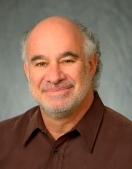 Adam Bagg合作论文数Department of Pathology and Laboratory Medicine, Perelman School of Medicine, University of Pennsylvania2
 Kristine Wadosky合作论文数Department of Pathology and Laboratory Medicine, University of North Carolina2
 Garry Ashton合作论文数2
 Domenico Coppola合作论文数Department of Pathology, Florida Digestive Health Specialists;Moffitt Cancer Center2Castronovo Vincenzo合作论文数2Sherrill L. Adams合作论文数2
 James E. Talmadge合作论文数Department of Pathology and Microbiology, College of Medicine, University of Nebraska Medical Center2Timothy J. O'Leary合作论文数2
 Fiorella Guadagni合作论文数San Raffaele Roma University2
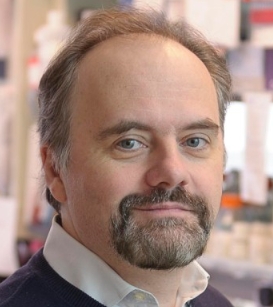 Marc Ladanyi合作论文数Memorial Sloan Kettering Cancer Center2
 Debra G B Leonard合作论文数Department ofBiochemistry;School ofMedicine, New YorkUniversity;Department ofBiochemistry, New YorkUniversity School ofMedicine2Angela M. Caliendo合作论文数2
 James Atkinson合作论文数University of California, Los Angeles Hospital System2Barbara Zehnbauer合作论文数2
 Christopher N Otis合作论文数2Richard L. Haspel合作论文数2Pascale Jackers合作论文数2
 William Muller合作论文数Rosalind and Morris Goodman Cancer Institute, Faculty of Medicine and Health Sciences, McGill University;Department of Biochemistry, School of Biomedical Sciences, McGill University2Wendy Prime合作论文数2




