Introduction Human papillomavirus-related (HPV + ) oropharyngeal squamous cell carcinoma (OPSCC) is increasing in incidence and presents diagnostic challenges given its unique clinical presentation. Objective The purpose of the present study is to characterize the impact of the unique clinical presentation of HPV-related OPSCC on delays in diagnosis. Methods Retrospective review of presenting symptoms and clinical characteristics of 284 patients with OPSCC treated from 2002-2014. Delay in diagnosis was defined as the presence of any of the following: multiple non-diagnostic fine needle aspirate (FNA) biopsies; two or more courses of antibiotic therapy; surgery with incorrect preoperative diagnosis; evaluation by an otolaryngologist without further workup; or surgery without definitive postoperative diagnosis. Results p16+ tumors demonstrated a distinct clinical presentation that more commonly involved a neck mass (85.1% versus 57.3% of p16-; p < 0.001) and less frequently included odynophagia (24.6% versus 51.7% of p16-; p < 0.001). Patients who experienced diagnostic delay were more likely to have p16+ tumors (77.7% delayed versus 62.8% not delayed; p = 0.006). p16+ primary tumors were more likely to be undetectable by physical examination of the head and neck including flexible laryngoscopy (19.0% versus 6.7% of p16-; p = 0.007) and more frequently associated with nondiagnostic FNA biopsies of a cervical nodal mass (11.8% versus 3.4% of p16-, p = 0.03). Conclusions Compared with non-HPV related OPSCC, the unique clinical presentation and characteristics of HPV+ OPSCC are associated with an increased incidence of diagnostic delay. Targeted education of appropriate care providers may improve time to diagnosis and treatment.
Objective:Recent literature studying the impact of blood transfusion on outcomes in patients with head and neck cancer (HNC) have shown that blood transfusions are associated with increased risk of death and higher wound infection rates. The purpose of this study was to implement a lower transfusion threshold while comparing outcomes of free flap patients following initiation of a new transfusion guideline. Methods:A retrospective study of all patients at a tertiary care academic center who underwent free tissue transfer after HNC resection between July 17, 2007 and June 7, 2021. Transfusion criteria were adjusted in 2014; the hematocrit threshold to transfuse was incrementally reduced from 30% in 2007 to 21% in 2017. The main outcomes of interest were overall survival (OS) and recurrence free survival (RFS). Results:A total of 346 patients met the criteria for inclusion in the study. Groups 1 (less strict protocol - 30%) and 2 (stricter protocol - 21%) consisted of 171 and 175 patients, respectively. Fewer units of packed red cells were transfused per patient in group 2 (0.26 vs. 2.87 in group 1, p < .001). Group 1 was associated with worse OS (p = .01; hazard ratio [HR] = 1.7) and RFS (p < .001; HR = 2.5). Comparing only patients with SCC between the two groups also demonstrated poorer OS (p = .01; HR = 1.8) and RFS (p = .006; HR = 2.1) in group 1. Conclusion:In HNC patients undergoing free tissue transfer, stricter transfusion criteria with threshold hematocrit of 21% was associated with improved OS, RFS, and complication rates with no negative impact on free flap survival. Level of Evidence:Level IV.
IC50 Values of CNL-Induced Decreases in Cell Viability at 48 hours in Seven HNSCC Cell Lines and Non-Transformed PGF Cells.
Supplemental Figure 1: CDT2 is overexpressed in HNSCCs;Supplemental Figure 2: Elevated CDT2 expression in HNSCC dose not correlate with overall disease survival;Supplemental Figure 3: Treatment of HNSCC cells with pevonedistat causes transient increases in the steady-state level of CRL4CDT2 substrates;Supplemental Figure 4: Transient exposure of Cal27 HNSCC cells to pevonedistat induces permanent growth inhibition;Supplemental Figure 5: Pevonedistat radiosensitizes HPV-ve HNSCC cells;Supplemental Figure 6: Ionizing radiation stimulates pevonedistat-induced rereplication in HPVve HNSCC cells.
Supplemental Table 1: The percent rescue of cell viability following IGF1R activation. Percent rescue was determined for each sensitive cell line by comparing cell viability following treatment with gefitinib and desIGF1 (Gef+IGF1) to gefitinib alone (Gef). Percentages displayed in bold represent significant rescue with p<0.05 as determined by Tukey test.
Purpose This study used ecological momentary assessment (EMA) to test the association between activity, location, and social company contexts with cancer caregivers’ in-the-moment affect to identify precisely when and where to deliver psychological interventions for caregivers. Methods Current cancer caregivers ( N = 25) received 8 EMA prompts per day for 7 consecutive days. At each prompt, caregivers reported their current positive affect and negative affect, as well as what they were doing, where they were located, and who they were with. Multilevel logistic regressions tested the associations between caregivers’ contexts with their own person-mean-centered state (concurrent momentary level) and trait (overall weekly average) positive or negative affect. Results Caregivers reported lower state negative affect, as well as higher state positive affect, when socializing ( p s < .001), when at a public location ( p s < .03), and when around their friends, family, spouse/partner, or care recipient (i.e., person with cancer, p s < .02), relative to when not endorsing the context. Caregivers also reported lower state negative affect when eating/drinking or engaging in leisure ( p s < .01; but no parallel effects for state positive affect). Caregivers reported higher state negative affect while working, when at their workplace, or when around work colleagues ( p s < .001) and lower state positive affect when at home or alone ( p s < .03). Conclusions Results suggest the pertinence of a behavioral activation framework to mitigate the emotional strain of caregiving. Interventions that facilitate caregivers’ ability to socialize with a range of friends and family, including their loved one with cancer, outside of the home may have the strongest positive emotional impact.
To the Editor: Merkel cell carcinoma (MCC) is a rare neuroendocrine skin tumor with a high risk of local and distant spread. Despite the increase in the use of sentinel lymph node biopsy as a result of recent National Comprehensive Cancer Network recommendations, there remains a paucity of data regarding outcomes in patients with clinically localized MCC with complete pathologic nodal microstaging.1 In MCC, disease relapse is a poor prognostic sign and efforts to prevent recurrences may result in improved survival.
Methylpyruvate Partially Rescues from CNL+CQ-driven Autophagic/Mitophagic Response in UNC-10 Cells
Inducing or Inhibiting Early Stage Autophagy Does Not Alter CNL-Induced Cell Death in HNSCC
Methylpyruvate Rescues from CNL+CQ-driven Oxidative Stress and Mitochondrial Function in UNC-10 Cells
Supplemental Figure 2: Knockdown of PRAS40 is insufficient to alter downstream signaling and therefore sensitivity to gefitinib or desIGF1. OSC19 cells were transfected with siRNA specific to PRAS40 (siRNA #1 and siRNA #2) or a scramble siRNA followed by treatment with desIGF1, gefitinib or the combination of both. (A) Immunoblot representation and quantification of PRAS40, phospho-S6 and S6 48 hours after siRNA transfection. (B) OSC19 cell viability as measured by CyQUANT 72 h following transfection and drug treatment. (C) Relative expression of TRAIL (left panel) and PINK (right panel) 48 hours after transfection and 6 hours post drug treatment as quantified by qPCR. Data represents results from at least 3 biological replicates. Asterisks represent significant changes with p<0.05 as determined by Tukey test.
OBJECTIVE: Journal clubs are a fundamental part of medical training that allow residents and faculty to critically analyze literature, keep up-to-date with new advancements, and implement evidence-based medicine. The aim of this study was to describe one otolaryngology residency program's efforts towards reformatting its journal club, evaluate how well the re-designed format enabled participants to achieve journal club goals compared to the prior format, and assess faculty and resident qualitative perceptions of both formats. DESIGN: An 11-question survey was sent to all department faculty and residents to obtain feedback regarding the original journal club format. The results of this initial survey were then used to redesign the journal club format, which consisted of 3 rotating session types: evidence-based, deep-dive, and landmark. A 6-month pilot program using the redesigned format was implemented, and surveys were sent at the halfway mark and at the conclusion of the pilot to evaluate the effectiveness of these format changes. SETTING: A single academic center with an otolaryngology residency program PARTICIPANTS:: Residents and faculty in the department of otolaryngology RESULTS: Compared to the original format, the 6-month pilot demonstrated a more consistent attainment of journal club goals and a near-unanimous preference for the new format. This preference was consistent among both faculty (90.9%) and residents (89%). All respondents agreed that the intended goals of journal club were more frequently met under the revamped format, and statistically significant differences in approval rate were observed in the specific areas of critically assessing the literature, highlighting new findings, and translating forefront knowledge. The overall time required to prepare for sessions was lower for faculty, and higher for residents. CONCLUSIONS: The findings from this study help to support programmatic efforts towards redesigning journal clubs with the goals of improving participant satisfaction and educational benefit. With the paucity of data in the literature evaluating journal club format overhauls, this study provides compelling evidence for programs to perform similar assessments and consider redesigns if warranted. (C) 2022 Association of Program Directors in Surgery. Published by Elsevier Inc. All rights reserved.
Merkel cell carcinoma (MCC) is a rare cutaneous malignancy for which factors predictive of disease-specific survival (DSS) are poorly defined. Patients from six centers (2005–2020) with clinical stage I–II MCC who underwent sentinel lymph node (SLN) biopsy were included. Factors associated with DSS were identified using competing-risks regression analysis. Risk-score modeling was established using competing-risks regression on a training dataset and internally validated by point assignment to variables. Of 604 patients, 474 (78.5%) and 128 (21.2%) patients had clinical stage I and II disease, respectively, and 189 (31.3%) had SLN metastases. The 5-year DSS rate was 81.8% with a median follow-up of 31 months. Prognostic factors associated with worse DSS included increasing age (hazard ratio [HR] 1.03, p = 0.046), male sex (HR 3.21, p = 0.021), immune compromise (HR 2.46, p = 0.013), presence of microsatellites (HR 2.65, p = 0.041), and regional nodal involvement (1 node: HR 2.48, p = 0.039; ≥2 nodes: HR 2.95, p = 0.026). An internally validated, risk-score model incorporating all of these factors was developed with good performance (AUC 0.738). Patients with ≤ 4.00 and > 4.00 points had 5-year DSS rates of 89.4% and 67.2%, respectively. Five-year DSS for pathologic stage I/II patients with > 4.00 points (n = 49) was 79.8% and for pathologic stage III patients with ≤ 4.00 points (n = 62) was 90.3%. A risk-score model, including patient and tumor factors, based on DSS improves prognostic assessment of patients with clinically localized MCC. This may inform surveillance strategies and patient selection for adjuvant therapy trials.
Head and neck cancers are the sixth most common cancer worldwide. Combinatorial targeted therapy has the potential to reduce drug resistance and increase cytotoxicity to head and neck squamous cell carcinoma (HNSCC). Using drug combinations is especially important when targeting the epidermal growth factor receptor (EGFR) since we previously demonstrated that activation of the insulin-like growth factor 1 receptor (IGF1R) is a mechanism for resistance against EGFR inhibition and that a combination of an IGF1R inhibitor, BMS754807, and an EGFR inhibitor, BMS599626, robustly inhibited the growth of HNSCC cell lines in vitro . To examine the mechanism of cytotoxicity, we performed protein pathway activation mapping via reverse phase protein array (RPPA) analysis of 145 proteins and phosphoproteins in five HNSCC cell lines to map key proteins and phosphoproteins important in tumorigenesis. By performing principal component analysis, calculating log fold changes, and constructing protein networks, we were able to provide evidence to support the hypothesis that the combination of IGF1R and EGFR inhibitors has a potentiative effect on inhibiting receptor tyrosine kinase signaling. The effects of the individual drugs are amplified, demonstrating that the combination more robustly inhibits the pathways of both receptors.
Introduction: The standard complete evaluation of patients with head and neck squamous cell carcinoma (HNSCC) has included a staging exam under anesthesia (EUA) since the 1970s. The EUA for all sites of HNSCC has historically consisted of panendoscopy for the purpose of diagnostic biopsy, accurate staging of primary disease, and identification of second primary tumors. However, due to the accessibility of the oral cavity, the sole purpose of EUA for tumors of this site is to identify second primary tumors. Since the EUA became the gold standard for evaluation of HNSCC, there have been significant advancements in less invasive technologies such as CT, PET-CT, MRI, and fiberoptic examination. In this study, we sought to determine the value to patient care and cost-effectiveness of EUA in patients with oral cavity squamous cell carcinoma (OCSCC). Methods: A retrospective chart review identified 77 patients who underwent EUA for OCSCC. Results: The most common subsites were the oral tongue and floor of mouth (59.7% and 24.7% respectively). All underwent direct laryngoscopy, 94.8% underwent esophagoscopy, and 20.8% underwent flexible transnasal examination in clinic prior to EUA. For 90.9% of patients, the EUA did not change initial T-staging based on clinical examination and imaging. The remaining 9.1% of patients were upstaged after EUA, however this change did not impact the treatment plan. Second primary tumors were identified in 3.9% of patients, all were found in either the oral cavity or oropharynx, and were also identified with clinical examination or imaging. Analysis of patient charges determined an average cost of $8,022.93 per patient under the current paradigm involving EUA, however with a new algorithm eliminating mandatory EUA average cost decreases to $1,448.44. Conclusion: Formal EUA has historically been the gold standard for all HNSCC tumors. However, when performed for cases of oral cavity carcinoma, it is safe and cost effective to limit its use to select clinical scenarios.
Background Even when technology allows rural cancer survivors to connect with supportive care providers from a distance, uptake of psychosocial referrals is low. Fewer than one-third of participants in a telemedicine intervention for identifying rural survivors with high distress and connecting them with care accepted psychosocial referral. Objective The purpose of this research was to examine the reasons for which rural cancer survivors did not accept a psychosocial referral. Methods We utilized a qualitative design to address the research purpose. We interviewed participants who had been offered psychosocial referral. Semistructured interviews were conducted 6 weeks later (n=14), and structured interviews were conducted 9 months later (n=6). Data were analyzed descriptively using an inductive approach. Results Ultimately, none of the rural cancer survivors (0/14, 0%) engaged with a psychosocial care provider, including those who had originally accepted referrals (0/4, 0%) for further psychosocial care. When explaining their decisions, survivors minimized their distress, emphasizing their self-reliance and the need to handle distress on their own. They expressed a preference for dealing with distress via informal support networks, which was often limited to close family members. No survivors endorsed public stigma as a barrier to accepting psychosocial help, but several suggested that self-stigma associated with not being able to handle their own distress was a reason for not seeking care. Conclusions Rural cancer survivors’ willingness to accept a psychosocial referral may be mediated by the rural cultural norm of self-reliance and by self-stigma. Interventions to address referral uptake may benefit from further illumination of these relationships as well as a strength-based approach that emphasizes positive aspects of the rural community and individual self-affirmation.
The management of neck nodes in head and neck cancer is critical, given a markedly increased poor prognosis in patients with nodal metastasis. The surgical management of neck nodes has undergone radical changes secondary to a paradigm shift from curative surgery to nonsurgical organ and function-preserving options, such as radiation therapy. In the neck after treatment, radiologists should be familiar with imaging findings in various types of neck dissections and post-chemoradiation changes, along with signs of residual or recurrent disease. A multidisciplinary approach is essential with well-designed evidence-based surveillance imaging protocols and standardized reporting.
OBJECTIVES: To evaluate preliminary efficacy, fidelity, and integrity of data collection of a nurse-led, telemedicine-delivered video visit intervention aimed at improving management of rural survivors' cancerrelated distress symptoms. SAMPLE & SETTING: 21 rural survivors participated in a nurse-led telemedicine intervention delivered six weeks after the end of active cancer treatment. METHODS & VARIABLES: Participants' symptom management was measured with the Short Form Survivor Unmet Needs Survey, a four-factor, 30-item instrument that measures the unmet needs of adult survivors. Data were collected preintervention and six weeks postintervention. RESULTS: The mean difference between preand postintervention survey scores was -0.24, representing an overall improvement in management of unmet needs. The unmet emotional needs domain had the highest mean preintervention score and the largest mean reduction. All effect sizes were small. IMPLICATIONS FOR NURSING: A nurse-led, telemedicine-delivered video visit intervention may improve rural survivors' symptom management during early survivorship. Comparison with a control group using a sample size powered to detect clinically meaningful differences is an important next step to fully evaluate the impact of this model of care.
Objective: Ecological momentary assessment (EMA) may help with the development of more targeted interventions for caregivers' depression, yet the use of this method has been limited among cancer caregivers. This study aimed to demonstrate the feasibility of EMA among cancer caregivers and the use of EMA data to understand affective correlates of caregiver depressive symptoms. Methods: Caregivers (N = 25) completed a depressive symptom assessment (Patient Health Questionnaire-8) and then received eight EMA survey prompts per day for 7 days. EMA surveys assessed affect on the orthogonal dimensions of valence and arousal. Participants completed feedback surveys regarding the EMA protocol at the conclusion of the week-long study. Results: Of 32 caregivers approached, 25 enrolled and participated (78%), which exceeded the a priori feasibility cutoff of 55%. The prompt completion rate (59%, or 762 of 1,286 issued) did not exceed the a priori cutoff of 65%, although completion was not related to caregivers' age, employment status, physical health quality of life, caregiving stress, or depressive symptoms or the patients' care needs (ps > 0.22). Caregivers' feedback about their study experience was generally positive. Mixed-effects location scale modeling showed caregivers' higher depressive symptoms were related to overall higher reported negative affect and lower positive affect, but not to affective variability. Conclusions: Findings from this feasibility study refute potential concerns that an EMA design is too burdensome for distressed caregivers. Clinically, findings suggest the potential importance of not only strategies to reduce overall levels of negative affect, but also to increase opportunities for positive affect.
 David C. Shonka合作论文数30
 Paul W Read合作论文数20Mendez Rolando E合作论文数17
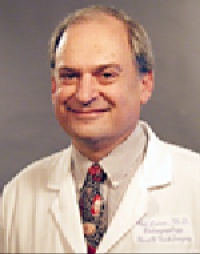 Paul A. Levine合作论文数Department of Otolaryngology, University of Virginia17James F. Reibel合作论文数14Mukherjee Sugoto合作论文数Department of Radiology, University of Virginia Health System13
 Daniel Gioeli合作论文数School of Medicine, University of Virginia13
 Amir Allak合作论文数12
 Edward B. Stelow合作论文数Department of Pathology, University of Virginia12Linnea E Taniguchi合作论文数11Christine E. Lehman合作论文数10Michael I Dougherty合作论文数Dept Otolaryngol Head & Neck Surg, Oregon Hlth & Sci Univ9
 Max Wintermark合作论文数Department of Neuroradiology, The University of Texas MD Anderson Cancer Center9
 Ashraf A. Khalil合作论文数Protein Technology;Mubarak City for Scientific Research;Mubarak City for Scientific Research9Prashant Raghavan合作论文数9
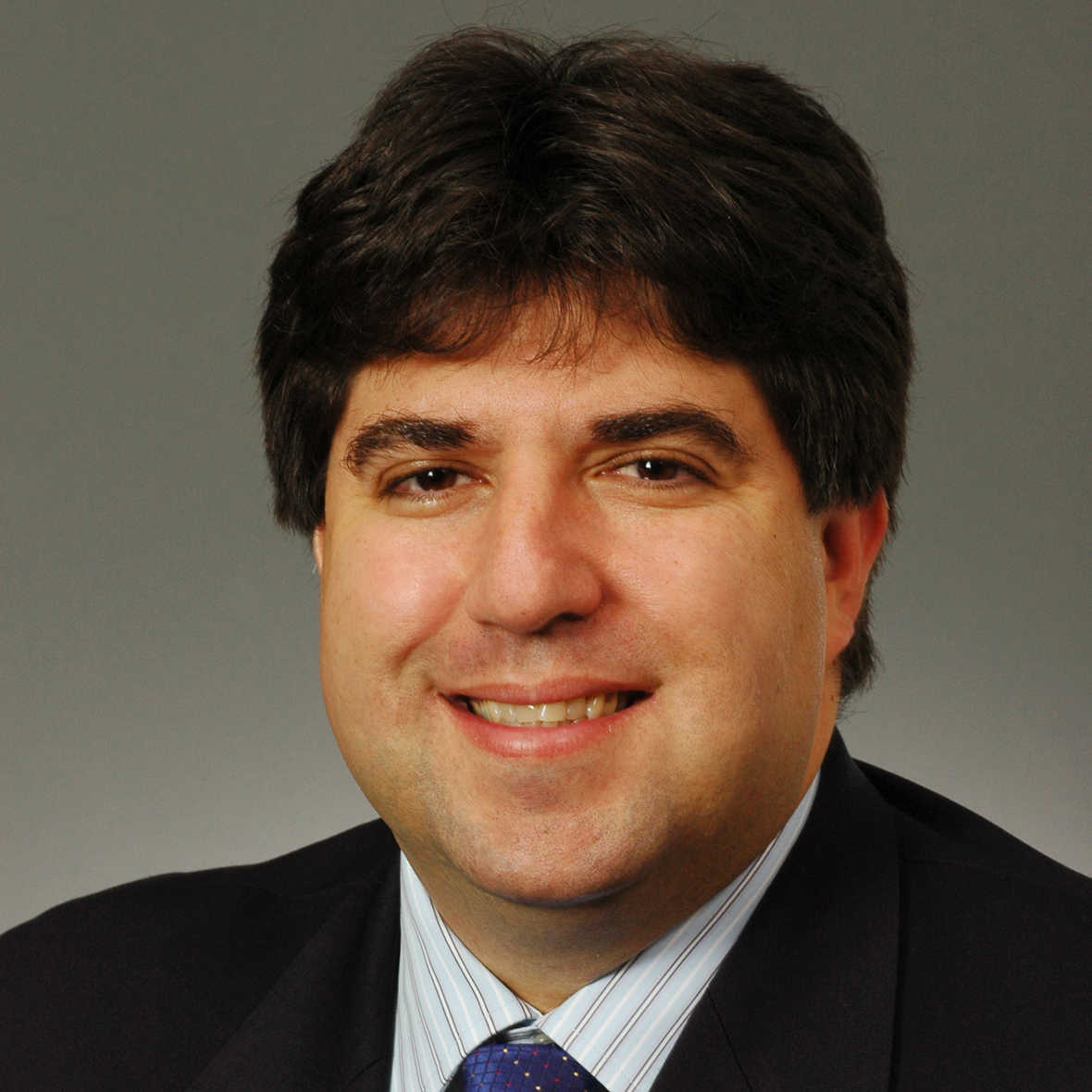 Emanuel F. Petricoin合作论文数School of Systems Biology, College of Science, George Mason University8Wilson David D合作论文数8Schoeff Stephen S合作论文数Department of Otolaryngology-Head and Neck Surgery, University of Virginia Health System8Asal N. Shoushtari合作论文数8Jeremy J P Shaw合作论文数7Christopher Thomas合作论文数7Hubbard Matthew A合作论文数7
 Khalil Ashraf合作论文数7Axelrod Mark J合作论文数7Alexandra Hickman合作论文数6Emily K. Venner合作论文数6T L Boyer合作论文数6
 Michael H Raymond合作论文数Department of Microbiology, Immunology, and Cancer Biology, University of Virginia6
 Costa-Pinheiro Pedro合作论文数Research Center, Portuguese Oncology Institute6Todd E. Fox合作论文数Department of Pharmacology, Penn State College of Medicine6Mark Kester合作论文数6Deepa Danan合作论文数5Anne K Maxwell合作论文数5Saylor Drew K合作论文数5
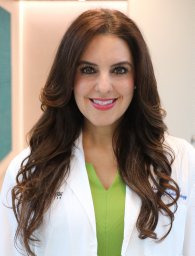 Rahimi Asal S合作论文数Department of Radiation Oncology, University of Texas Southwestern5
 Christopher A. Moskaluk合作论文数Department of Pathology, School of Medicine, University of Virginia5Edwin F Crandley合作论文数4Katherine L Fedder合作论文数4Austin Sim合作论文数4Veronica Bernacchi合作论文数4Abel P David合作论文数Department of Otolaryngology–Head and Neck Surgery, University of California4
 Gerry F. Funk合作论文数Otolaryngology (ENT), Grande Ronde Hospital4Julie Wulfkuhle合作论文数4Adam Spencer合作论文数4Julia D. Wulfkuhle合作论文数4
 Kenneth Y Tsai合作论文数3Jonathan Garneau合作论文数3Harrison G Bartels合作论文数3
 Robyn Alexis Panchaud合作论文数3




