OBJECTIVES:Women at midlife face a heightened risk of developing long-term health conditions. Perimenopause, a life phase covering the lead-up to and first 12 months after the final menstrual period, typically impacts women at midlife, creates unique challenges and influences on health-promoting behaviors. The aim of this study was to characterise perceived influences on health-promoting behaviors (sleep, physical activity, sedentary behavior, diet) among women navigating perimenopause. METHODS:A qualitative interview study with embedded photovoice. Semi-structured interviews were conducted with women aged 45-60 years in England who reported they were navigating perimenopause. The interview questions were informed by the Theoretical Domains Framework. Responses to questions were complemented by a discussion of photographs taken by participants in the week before their interview to capture personal experiences of factors influencing health-promoting behaviors. Interview transcripts and photographs were deductively coded to the Theoretical Domains Framework domains. RESULTS:Twenty-four women participated in interviews, and 20 (83.3%) women provided 118 photographs. Most participants were aged 45-49 years (54%), reported a White British background (81%), full-time work (54%), caring responsibilities (62%), and a quarter (27%) reported living in areas rated in the lowest 50% of indices of multiple deprivation. The four most prominent domains identified in the data were social and professional role and identity, environmental context and resources, beliefs about capabilities, and beliefs about consequences. CONCLUSIONS:Health-promoting behaviors among women navigating perimenopause were influenced predominantly by individual and environmental factors. Through identifying the factors that influence healthy eating, sleep, sedentary behavior, and physical activity, we can inform intervention development, guidelines, and practical strategies in the context of the unique challenges faced by women navigating perimenopause.
Physical activity (PA)-related health benefits are greatest for activity undertaken at higher intensities. However, individuals living with Chronic Obstructive Pulmonary Disease (COPD) often find engaging in higher-intensity PA challenging. Due to the lack of qualitative research on how those with COPD perceive PA intensity, this photovoice study explores how PA intensity is experienced in day-to-day living. Semi-structured interviews, enhanced by photovoice, were conducted with individuals with COPD and other comorbidities to explore their perceptions of PA intensity in daily life. Participants captured images over 7 days to illustrate how their conditions impact their PA. The participant-generated images were used in the interviews. Reflexive inductive thematic analysis was used to generate themes. Thirteen interviews were conducted (54
RATIONALE:Tuberculosis (TB) is a major worldwide cause of disability, with TB survivors experiencing a significant and often underrecognized burden, and approximately half going on to develop post-tuberculosis lung disease (PTLD). Pulmonary rehabilitation may offer effective disease management, but there is a lack of evidence in PTLD populations. OBJECTIVES:We aimed to determine the clinical and cost effectiveness of pulmonary rehabilitation for adults living with PTLD in Kyrgyzstan. METHODS:A single-blind randomized controlled trial, conducted March 2021 to June 2022 in Bishkek, Kyrgyzstan, compared supervised pulmonary rehabilitation to usual care for adults living with PTLD. Participants were randomized (1:1) to receive either usual care (control) or culturally adapted pulmonary rehabilitation (intervention), comprising individually prescribed and tailored exercise and self-management education. The primary outcome was change in maximal exercise capacity, measured by the incremental shuttle walking test (ISWT), from baseline to the end of 6 weeks of pulmonary rehabilitation, analyzed by intention-to-treat analysis. Secondary outcomes included health-related quality of life (HRQoL) and cost-effectiveness analysis. RESULTS:One hundred fourteen participants (mean ± SD, 43.3 ± 15.2 years; 57% male) received either supervised pulmonary rehabilitation or usual care. Compared with the control group, changes in exercise capacity and HRQoL from baseline were significantly greater in the intervention group (ISWT: 123.0 m [95% CI, 81.2-164.8 m], P <.001; EQ-5D-5L Visual Analogue Scale: 20.2 [95% CI 15.5-24.9], P <.0001). The intervention group saw a significant increase in quality-adjusted life-years (QALYs) over the control group (0.2 [95% CI, 0.1-0.2]). We calculated a total program cost of US$5686.5 (US$95 per patient who received pulmonary rehabilitation), giving a program cost, after adjusting for purchasing power, of US$2143.2 per QALY (95% CI, $1621.9-$2663.9). CONCLUSIONS:In adults with PTLD in Kyrgyzstan, a culturally adapted pulmonary rehabilitation program significantly improved exercise capacity and HRQoL compared with usual care and was both clinically and cost effective.
Purpose:Pulmonary rehabilitation (PR) is recommended internationally for individuals with chronic obstructive pulmonary disease (COPD), but there is limited evidence and practice of PR in Sri Lanka. Key challenges for PR such as poor accessibility, uptake and completion need to be addressed when designing and delivering new PR programmes. Accordingly, this study determined the feasibility and acceptability of culturally adapted PR for adults with COPD in Sri Lanka. Patients and Methods:A randomized controlled feasibility trial was conducted with 50 adults living with COPD in Colombo, Sri Lanka. A culturally adapted PR comprised a 6-week rolling programme with sessions conducted twice every week. Sessions involved endurance and resistance exercise training, education and cultural adaptations of nutritional support and group singing. The control group received usual care, which did not include any form of PR or exercise training. Feasibility was determined by uptake (≥60% of eligible participants consented) and completion (≥70% of recruited participants). Acceptability was explored by focus group discussions (FGDs) analysed thematically. Results:Seventy-nine eligible individuals (94% of screened) were referred in order to recruit 50 participants (63% uptake). The majority of participants in both intervention (72%, n=18) and control (64%, n=16) groups completed the study. Based on qualitative focus group discussions four themes emerged: (1) Increased knowledge following PR, including dispelling misbeliefs about COPD and improving medication adherence; (2) Perceived improvements in health following PR, including improved walking ability and reduced breathlessness (3) Enjoyment and benefits of cultural adaptations to PR, and (4) Challenges during PR, including adherence to exercise and travel requirements. Conclusion:Culturally adapted PR was feasible and acceptable to adults with COPD in Sri Lanka. A fully powered trial is warranted for evaluating clinical and cost-effectiveness of culturally adapted PR.
Background Music can enhance exercise performance, but its potential has not been well explored in pulmonary rehabilitation (PR). The aim was to explore the current music-related behaviours among PR service users with chronic respiratory diseases (CRDs) to inform future PR service interventions and explore the potential for music to facilitate exercise adherence in this context.Methods The cross-sectional survey was distributed among PR attendees at the University Hospitals of Leicester (UHL) NHS Trust in the United Kingdom, between November 2023 and August 2024. Participants completed a 25-item survey exploring (i) relevant technology ownership and music-related behaviours, (ii) preferred music genres and songs and (iii) anticipated benefits/concerns of exercising to music. Quantitative data were analysed descriptively. Free-text data were analysed using qualitative counting.Results We surveyed 109 people living with CRDs (51% male, 56% aged ≥70 year, 76% chronic obstructive pulmonary disease, 82% owned a smartphone). More than half had no prior experience of exercising to music (n=59, 54%). Despite this, almost half of participants listened to music at least once/day (n=54, 49%), primarily via the radio (n=83, 76%) and/or online music platforms (n=76, 70%). Pop (n=39, 36%) and Country (n=38, 35%) were the most popular music genres listened to, with the majority listening to music without headphones (n=64, 59%). The main concern about wearing headphones while exercising was that it might reduce their awareness of the surroundings (n=67, 61%). The perceived benefits of listening to music during exercise were to boost their mood (n=39, 36%) or help maintain their walking pace (n=19, 17%).Conclusion There is potential to use music as a tool to support exercise in PR. However, lack of prior experience exercising to music, diverse music preferences, safety considerations and the need to increase knowledge of the potential benefits of exercising to music are key challenges. These findings may help future PR services to implement music into their programmes and develop personalised music-based interventions to optimise exercise performance.
BACKGROUND:Post-TB lung disease (PTLD) causes significant disability in survivors of TB. Pulmonary rehabilitation (PR) may offer effective disease management but lacks high-quality evidence in this underrepresented population. RESEARCH QUESTION:Compared with usual care, does a 6-week PR program improve exercise capacity and health-related quality of life (HRQoL) cost-effectively in adults living with post-TB lung disease? STUDY DESIGN AND METHODS:We conducted a single-center randomized controlled trial with blinded outcome assessments, comparing PR vs usual care (UC) for adults in Kampala, Uganda with PTLD. Participants were randomized (1:1) to receive either PR or UC, with assessments at 6 weeks postintervention. The primary outcome was change in exercise capacity measured by the Incremental Shuttle Walk Test. Secondary outcomes included HRQoL, respiratory symptoms, psychological well-being, and cost-benefit analysis. A generalized linear mixed model was used for the primary efficacy analysis (intention-to-treat) and a difference-in-differences analysis for secondary outcomes (modified intention-to-treat). RESULTS:Between November 2020 and September 2022, 178 adults with PTLD were assessed for eligibility and 114 were randomized (mean age ± SD, 43.3 ± 15.2 years; 65 [57%] were male). The postintervention improvement in mean Incremental Shuttle Walk Test in the PR group was significantly greater than in the UC group, by 54.36 m (95% CI, 17.22-91.51 m; P = .004). We also observed significant improvements in HRQoL in PR compared with UC: COPD Assessment Test score, -3.6 (95% CI, -6.7 to -0.39; P = .015); and Clinical COPD Questionnaire total, -0.37 (95% CI, -0.68 to -0.06; P = .004). The EuroQol Visual Analog Scale and quality-adjusted life-years (QALYs) marginally improved in the PR group vs the UC group: 3.98 (95% CI, -2.05 to 10.02; P = .191) and 0.02 (95% CI, -0.02 to 0.05; P = .334), respectively. The average cost of PR was $6,468/QALY gained, equating to $20,000/QALY gained after adjusting for purchasing power (below the National Institute for Health and Care Excellence cost-effectiveness threshold). INTERPRETATION:In adults with PTLD, a 6-week PR program elicited clinically and statistically significant improvements in exercise capacity and HRQoL compared with UC, and was cost-effective. CLINICAL TRIAL REGISTRATION:ISRCTN Clinical Trial Registry; No.: ISRCTN18256843; URL: isrctn.com.
Objectives To describe age-related differences in the absolute and relative intensity of physical activity (PA) and associations with mortality. Methods UK Biobank participants with accelerometer-assessed PA (mg) and fitness data (N=11 463; age: 43-76 years) were included. The intensity distribution of PA was expressed in absolute and relative terms. The outcome was mortality. Results PA volume (average acceleration) and absolute intensity were lower with increasing age (similar to-0.03 to -0.04 SD of mean value across all ages per year; p<0.001) but differences in relative intensity by age were markedly smaller in women (-0.003 SD; p<0.184) and men (-0.012 SD; p<0.001). Absolute intensity was higher in men, but relative intensity higher in women (p<0.001). Over a median (IQR) follow-up of 8.1 (7.5-8.6) years, 121 (2.4 per 1000-person-years) deaths occurred in women and 203 (5.0 per 1000-person-years) in men. Lower risk of mortality was observed for increasing absolute or relative intensity in women, but for absolute intensity only in men. In men, the lowest risk (HR 0.62, 95% CI 0.43, 0.91) was observed in those with high absolute intensity (80th centile), but low relative intensity (20th centile). Conversely, in women, the lowest risk was associated with high levels (80th centile) of both absolute and relative intensity (HR 0.59, 95% CI 0.41, 0.86). Conclusion Absolute PA intensity dropped with age, while relative intensity was fairly stable. Associations between PA intensity and mortality suggest that prescribing intensity in absolute terms appears appropriate for men, while either absolute or relative terms may be appropriate for women.
Mahendra Thakor,1,* Vishal Singh,1,* James Manifield,2,3 Mark W Orme,2,3 Pankaj Bhardwaj,4 Nishant Kumar Chauhan,4 Amy C Barradell,2,3 Zahira Ahmed,2,3 Yashika Bhati,1 Jesse Matheson,5 Andy Barton,3 Arun Kumar Sharma,6 Sally J Singh2,3 1ICMR-National Institute for Implementation Research on Non-Communicable Diseases, Jodhpur, India; 2Centre for Exercise and Rehabilitation Science, Department of Respiratory Sciences, University of Leicester, Leicester, UK; 3Centre for Exercise and Rehabilitation Science, NIHR Leicester Biomedical Research Centre-Respiratory, University Hospitals of Leicester, Leicester, UK; 4All India Institute of Medical Sciences, Jodhpur, India; 5Department of Economics, University of Sheffield, Sheffield, UK; 6Department of Community Medicine, University College of Medical Sciences, New Delhi, India*These authors contributed equally to this workCorrespondence: Mahendra Thakor, ICMR-National Institute for Implementation Research on Non-Communicable Diseases, New Pali Road, Jodhpur, 342005, India, Email mahendra15519@gmail.com
Background Health inequalities can affect access and uptake to pulmonary rehabilitation (PR). An individual’s protected characteristics (age, disability, gender reassignment, marriage and civil partnership, pregnancy and maternity, race, religion or belief, sex and sexual orientation) may contribute to health inequalities. Healthcare professionals (HCPs) experiences of the inclusivity and representativeness of PR services and knowledge of protected characteristics are unknown, however are vital for the identification and resolution of health inequalities. This qualitative study explored HCPs understanding of protected characteristics and their perception of the inclusivity, representativeness and equitable benefit of their PR services. Methods Semi-structured qualitative interviews were conducted in person or via videoconferencing with HCPs involved in PR from two healthcare providers. Interviews were analysed using reflexive thematic analysis. Results 12 interviews were conducted with physiotherapists ( n = 6), occupational therapists ( n = 2), nurses ( n = 2) and exercise physiologists ( n = 2). Participants had a median (IRQ) age of 43 (13) and 75% ( n = 9) were female. Four themes were generated. 1: ‘I don’t really know as much as I should’ [about protected characteristics]; 2: It’s uncomfortable collecting protected characteristics…; 3: ‘I don’t think [service users] are as representative as they could be’; 4: A conventional rehabilitation programme does not meet the needs of all. Conclusions This study highlighted several challenges in HCPs understanding of protected characteristics and the representativeness of PR that must be addressed to ensure equity. Strategies, to understand barriers in accessing PR that limit representativeness should be explored.
ObjectivesTo determine the feasibility and acceptability of home-based pulmonary rehabilitation (HBPR) for individuals with idiopathic pulmonary fibrosis (IPF).MethodsIn this single-arm feasibility trial, individuals with IPF were recruited from Delhi, India, to a 6-weeks HBPR programme using a paper-based manual. Primary outcomes were feasibility (classified by ≥60% of eligible patients recruited and ≥70% of recruited patients completing the follow-up assessment) and intervention acceptability (semi-structured interviews).ResultsOut of 42 screened, 36 individuals were eligible (86% of screened), and 30 were recruited (83% of eligible, 71% of screened; 60 ± 13 years, 53% female), with 25 completing their follow-up assessment (83% of recruited). HBPR was generally well-accepted, with qualitative themes including: 'facilitators and barriers to HBPR' (family support and flexibility of home environment were facilitators whereas lack of supervision and inability to follow a routine were barriers), 'perceived changes from taking part in HBPR' (improved exercise capacity, breathlessness, and independency), and 'how to improve HBPR in the future' (translating the manual into various languages, and incorporating into a more hybrid approach).ConclusionHBPR using a paper-based manual was feasible and acceptable, potentially suitable for improving the uptake and completion of PR for individuals with IPF in Delhi, India.
Considering a huge burden of chronic respiratory diseases (CRDs) in India, there is a need for locally relevant Pulmonary rehabilitation (PR) services. This cross-sectional survey was aimed to explore the interest, needs and challenges among various stakeholders for PR in Pune city, India. At the outpatient respiratory medicine department of a multi-speciality hospital in Pune, India, 403 eligible people with CRDs were invited to participate in the survey, of which 370 (92%) responded and agreed to participate. (220 males, mean ± SD age 56 ± 15 years). Out of the 370, 323 (87%) people with CRDs were keen to attend PR. In a multiple selection question, there was inclination towards paper-based manuals home-based (70%) and web-based (84%) programs. 207 healthcare providers (HCPs), including physicians, pulmonologists and physiotherapists involved in the care of people living with CRDs across Pune city were invited to participate in the survey. Out of the 207, (80%) of the HCPs believed that PR was an effective management strategy and highlighted the lack of information on PR and need for better understanding of PR (48%) and its referral process. The surveyed stakeholders are ready to take up PR, identifying specific needs around further knowledge of PR, modes of delivery, and referral processes, that could potentially feed the development of relevant PR programs in the Indian healthcare settings.
Background: An individual's characteristics are reported to influence access, completion and outcomes of pulmonary rehabilitation and may contribute to health inequalities. Many countries have policies to promote equity among individuals’ characteristics, including the UK Equality Act 2010 which lists nine protected characteristics (age, disability, gender reassignment, marriage and civil partnership, pregnancy and maternity, race, religion or belief, sex and sexual orientation). Objectives: To describe the extent to which UK Equality Act 2010 protected characteristics have been collected and reported in UK studies and audits of pulmonary rehabilitation. Methods: A scoping review following the Preferred Reporting Items for Systematic Reviews and Meta-Analyses for Scoping Reviews guidelines was conducted using five databases. UK studies and audits collecting data on pulmonary rehabilitation from 1 October 2010 (date of Equality Act 2010 inception) were eligible. The protected characteristics collected and how they were reported were extracted. Results: Out of 45 included studies and audits (41 studies and four audits), 98% (k=44) reported age. Sex was reported in 40% (k=18), and 20% (k=9) reported gender with only male and female categories. Half (50%, k=2) of audits reported gender with male, female and transgender categories. Race was reported through ethnicity in 2% (k=1) of studies and 75% (k=3) of audits. No studies or audits explicitly reported disability, but all reported measures indicating disease severity (e.g. forced expiratory volume in 1 s % predicted: 67%, k=30). No studies or audits reported marriage and civil partnership, pregnancy and maternity, religion or belief or sexual orientation. Conclusions: Protected characteristics are not commonly reported or are inconsistently reported in UK pulmonary rehabilitation studies and audits. Without reporting these characteristics, health inequalities in pulmonary rehabilitation will remain unclear.
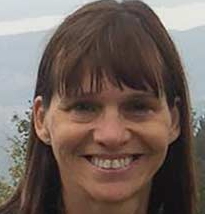 Sally Singh合作论文数Department of Respiratory Sciences, University of Leicester;School of Physiotherapy, Coventry University;University Hospitals of Leicester NHS Trust104
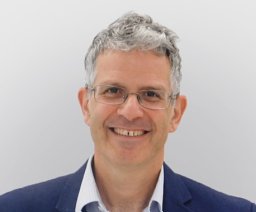 Michael C. Steiner合作论文数Department of Respiratory Medicine;Institute for Lung Health;University Hospitals of Leicester;NHS Trust;Glenfield Hospital;Institute for Lung Health, University Hospitals of Leicester43
 A. G. Barton合作论文数33
 Esliger Dale W合作论文数Sch Sport Exercise & Hlth Sci, Univ Loughborough25
 Lauren B. Sherar合作论文数College of Kinesiology, University of Saskatchewan21
 Andrew Kingsnorth合作论文数Diabetes Research Centre, University of Leicester18
 Amy V Jones合作论文数18
 Dominic Malcolm合作论文数Centre for Research into Sport and Society;University of Leicester;Centre for Research into Sport and Society, University of Leicester18Mike Morgan合作论文数16
 Neil Greening合作论文数Department of Respiratory Sciences, University of Leicester;Leicester’s Glenfield Hospital15
 Winceslaus Katagira合作论文数15Rupert Jones合作论文数14Ruhme B Miah合作论文数13Azamat Akylbekov合作论文数13
 Zainab K Yusuf合作论文数13
 Enya Daynes合作论文数Department of Respiratory Sciences, University of Leicester13
 Emma Jane Louise Chaplin合作论文数13
 Talant Maratbekovich. Sooronbaev合作论文数13
 Bruce James Kirenga合作论文数College of Health Sciences, Makerere University;Lung Institute, Makerere University;Department of Medicine, Makerere University12
 Maamed Mademilov合作论文数National Center for Cardiology and Internal Medicine11
 Akila Randika Jayamaha合作论文数KAATSU Int Univ11
 Rachael A Evans合作论文数11
 Jesse Matheson合作论文数Department of Economics, Faculty of Social Sciences, The University of Sheffield11Zahira Ahmed合作论文数10
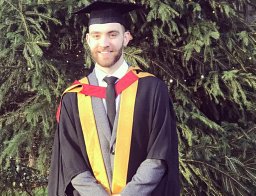 James Manifield合作论文数Dept Sport Exercise & Rehabil, Northumbria Univ10
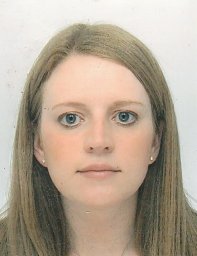 Linzy Houchen-Wolloff合作论文数Centre for Exercise and Rehabilitation Science, Glenfield Hospital10
 Maxine E Whelan合作论文数Centre for Intelligent Healthcare, Coventry University10Gulzada Mirzalieva合作论文数9
 Sundeep Salvi合作论文数Chest Research Foundation9
 Savithri Wimalasekera合作论文数Faculty of Medical Sciences, University of Sri Jayewardenepura8
 Ilaria Pina合作论文数School of Biomedical Sciences, University of Leeds8
 Amarasekara Amarasekara Appuhamillage Thamara Dilhani合作论文数Department of Allied Health Sciences, University of Sri Jayewardenepura8Theresa Harvey-Dunstan合作论文数7
 Amy Barradell合作论文数7Shruti Sahasrabudhe合作论文数Interdisciplinary Sch Hlth Sci, Savitribai Phule Pune Univ7Matthew Richardson合作论文数7
 Meenakshi Bhakare合作论文数6Rowlands Alex V合作论文数6
 Robert C Free合作论文数The Medical School, University of Leicester6Lisa Clinch合作论文数5Claire Bourne合作论文数5Adrian Manise合作论文数5
 Nikki Gardiner合作论文数5Sarah Ward合作论文数5Grace France合作论文数5
 Lucy Gardiner合作论文数School of Sport, Exercise and Rehabilitation Sciences, College of Life and Environmental Sciences, University of Birmingham5H. Drover合作论文数4Mahavir Modi合作论文数4Anthony Seneviratne合作论文数4




