BACKGROUND AND AIM:Advances in immunosuppression and surgical techniques in liver transplantation (LT) have significantly improved patient outcomes, but donor utilization and access to LT remain a challenge. The past decade has seen significant strides in donor pool expansion with acceptable clinical outcomes, while improved patient selection and advances in the management of chronic liver disease and post-LT complications have promoted better allograft health. This document aims to provide an evidence-based guideline on the management of graft complications, immunosuppression, graft rejection and recurrent disease in adult LT recipients. METHODS:A multidisciplinary writing group of experts (transplant hepatologists, surgeons, pathologist, and psychiatrist) was tasked to formulate clinical questions (in PICO format) that arise during routine management of adult LT recipients. The writing group reviewed the literature, generated guideline recommendations and rated the level of evidence for each recommendation based on the Oxford Center for Evidence-Based Medicine. The group categorized the strength of recommendations based on the level of evidence, risk -benefit ratio, and patient preferences. CONCLUSION:While robust clinical trial data provide strong guidance on some aspects of graft management in LT such as machine perfusion and immunosuppression efficacy and safety, a significant component of graft management is derived from retrospective cohort data, extrapolation of data from other solid organ transplants, or expert opinion, including the treatment of antibody-mediated rejection. Finally, further investigation is needed to truly optimize the management of the liver allograft, including the prevention of recurrent alcohol-associated, metabolic dysfunction-associated steatotic and immune-mediated liver diseases.
Background: Patient survival after liver transplantation is lower in donor-recipient race mismatched patients for indications other than primary sclerosing cholangitis. Objectives: To determine if survival is lower after liver transplantation in donor-recipient race mismatched recipients with primary sclerosing cholangitis. Methods: The Organ Procurement and Transplantation Network database was analyzed for deceased donor adult liver transplant recipients with primary sclerosing cholangitis. Graft and patient survival by donor-recipient race were estimated using Kaplan-Meier survival method and compared using the log-rank test. Multivariable analysis was performed using Cox regression. Results: From 2002 to 2018, 5-year patient survival in White (n = 2223) and Black recipients (n = 491), was 89.8% and 87.1%, respectively. Five-year patient survival for the donor-recipient pairs, White-White (n = 1622), Black-Black (n = 110), Black-White (n = 335), and White-Black (n = 314) was 90.8%, 91.1%, 87.1%, and 86.0%, respectively, p = 0.026. In multivariable analysis, 5-year patient mortality was higher in Black recipients of White donors [HR 1.69, 95% CI 1.16, 2.45], compared to White recipients of White donors. Conclusions: Five-year patient mortality after deceased donor liver transplantation for primary sclerosing cholangitis is higher in Black recipients who received livers from White donors compared to matched White donors and recipients.
BACKGROUND:Larsucosterol is a DNA methyltransferase inhibitor in development for alcohol-associated hepatitis (AH), a disease for which there is no approved therapy. METHODS:In this phase 2b trial, patients with severe AH were randomly assigned 1:1:1 to receive 30 mg or 90 mg of larsucosterol or placebo; a second dose was administered after 72 hours if the patient remained hospitalized. All patients received supportive care as determined by investigators. Patients in the placebo group, if prescribed, received 32 mg of methylprednisolone, while patients in the larsucosterol groups received matching placebo capsules. The primary end point was 90-day mortality or liver transplant (LT) rate. The key secondary end point was 90-day mortality. We prespecified the reporting of U.S. results separately. RESULTS:Among 307 enrolled patients, 301 received at least one treatment dose. The difference in 90-day mortality or LT between the 30-mg or 90-mg larsucosterol and placebo groups did not reach statistical significance. Ninety-day mortality in the placebo and the 30-mg and 90-mg groups was 25 out of 103, 15 out of 102, and 17 out of 102, respectively. Among U.S. patients (76% of all enrolled patients), there were 21 deaths and 4 LTs among 77 patients in the placebo group, 8 deaths and 5 LTs among 73 patients in the 30-mg larsucosterol group, and 10 deaths and 8 LTs among 77 patients in the 90-mg larsucosterol group. In patients who were treated within less than 10 days of hospitalization (75%), mortality in the placebo group was 20 out of 79 (U.S. patients 17/57), mortality in the 30-mg larsucosterol group was 7 out of 74 (U.S. patients 4/57), and mortality in the 90-mg larsucosterol group was 13 out of 77 (U.S. patients 9/66). Most adverse events arising during treatment were attributable to hepatic disease, and there was no imbalance in adverse events that could not be ascribed to liver disease. CONCLUSIONS:The trial did not meet the primary end point of showing a beneficial effect of larsucosterol on 90-day mortality or LT in patients with severe AH. Equipoise has been established for a further trial of larsucosterol on AH survival. (The trial was funded by the DURECT Corporation; its ClinicalTrials.gov number is NCT04563026.).
Alcohol, viral hepatitis, and metabolic dysfunction (characterized by any 1 of the following criteria: abdominal obesity, hypertension, elevated fasting serum glucose, elevated plasma triglycerides, and low plasma high-density-lipoprotein cholesterol; Figure 1) are the major etiologies for chronic liver diseases worldwide.1 Liver disease secondary to metabolic dysfunction is encountered in up to 30% of the world’s adult population, with a heterogeneous distribution in different countries based on the prevalence of metabolic risk factors, ethnicity, country income, diet, and lifestyle.
Background and AimsSeverity of fibrosis is the driver of liver-related outcomes in metabolic dysfunction-associated steatotic liver disease (MASLD), and non-invasive testing such as fibrosis-4 (FIB-4) score is utilized for risk stratification. We aimed to determine if primary care patients at risk for MASLD and advanced fibrosis were evaluated with subsequent testing. A secondary aim was to determine if at-risk patients with normal aminotransferases had advanced fibrosis.MethodsPrimary care patients at increased risk for MASLD with advanced fibrosis (n = 91,914) were identified using previously established criteria. Patients with known alternative/concomitant etiology of liver disease or cirrhosis were excluded. The study cohort included patients with calculated FIB-4 score in 2020 (n = 52,006), and stratified into low, indeterminate, and high likelihood of advanced fibrosis. Among those at indeterminate/high risk, rates of subsequent testing were measured.ResultsRisk stratification with FIB-4 characterized 77% (n = 40,026) as low risk, 17% (n = 8847) as indeterminate, and 6% (n = 3133) as high risk. Among indeterminate/high-risk patients (n = 11,980), 78.7% (n = 9433) had aminotransferases within normal limits, 0.95% (n = 114) had elastography, and 8.2% (n = 984) were referred for subspecialty evaluation.ConclusionIn this cohort of primary care patients at risk for MASLD with fibrosis, the FIB-4 score identified a substantial proportion of indeterminate/high-risk patients, the majority of which had normal aminotransferase levels. Low rates of subsequent testing were observed. These data suggest that a majority of patients at increased risk for liver-related outcomes remain unrecognized and highlight opportunities to facilitate their identification.
The requirements for eligibility and monitoring before and after liver transplantation for alcohol-associated liver disease (ALD) and metabolic dysfunction-associated steatotic liver disease (MASLD) are different and not as well defined for MASLD as they are for ALD. Two groups of patients with ALD considered for liver transplant (LT) include those with decompensated cirrhosis from alcohol and those with severe alcohol-associated hepatitis. Both groups are required to commit to lifelong abstinence from alcohol. Pretransplant eligibility criteria for LT in those with ALD varies between transplant centers, but generally, a period of alcohol abstinence with or without counseling is required to be considered for an LT, or the candidate must meet specific requirements. In contrast to ALD, the pre-LT requirements for patients with MASLD, such as weight loss goals or control of metabolic diseases, are not as well defined. Reviews and consensus statements on MASLD and LT discuss risk stratification and management for conditions associated with MASLD, but there are no consensus recommendations regarding obesity and metabolic disease goals before and after transplant. Candidates and recipients of LT may be held to more stringent requirements and monitoring for alcohol use compared to weight loss goals and metabolic parameters advised for patients with MASLD. Because of the disparities in requirements between ALD and MASLD, consensus recommendations should be developed for pre-LT and post-LT monitoring and requirements for candidates and recipients with MASLD.
This review discusses long-term complications from immunosuppressants after liver transplantation and the management of these complications. Common complications of calcineurin inhibitors include nephrotoxicity and metabolic diseases. Nephrotoxicity can be managed by targeting a lower drug level and/or adding an immunosuppressant of a different class. Metabolic disorders can be managed by treating the underlying condition and targeting a lower drug level. Gastrointestinal adverse effects and myelosuppression are common complications of antimetabolites that are initially managed with dose reduction or discontinuation if adverse events persist. Mammalian targets of rapamycin inhibitors are associated with myelosuppression, proteinuria, impaired wound healing, and stomatitis, which may require dose reduction or discontinuation. Induction agents and agents used for steroid-refractory rejection or antibody-mediated rejection are reviewed. Other rare complications of immunosuppressants are discussed as well.
Purpose of review To discuss the prognostic models for the cholestatic diseases focusing on primary sclerosing cholangitis and primary biliary cholangitis. Recent findings Noninvasive prognostic models that outperform alkaline phosphatase and Mayo Risk Score have been developed to predict clinically significant events, such as transplant free survival or hepatic decompensation. Models for primary sclerosing cholangitis (PSC) include UK-PSC, Primary Sclerosing Cholangitis Risk Estimate Tool, and Amsterdam Oxford models. Models for primary biliary cirrhosis (PBC) include UK-PBC, Global primary biliary cholangitis group score (GLOBE) and Paris II scores. Other models have incorporated elastography with or without findings on magnetic resonance imaging. Summary Noninvasive prognostic models can inform patients about their risk for clinical outcomes and serve as surrogate intermediate outcomes to determine efficacy of novel agents in clinical trials.
Surrogate endpoints are needed to estimate clinical outcomes in primary sclerosing cholangitis (PSC). Serum alkaline phosphatase was among the first markers studied, but there is substantial variability in alkaline phosphatase levels during the natural history of PSC without intervention. The Mayo risk score incorporates noninvasive variables and has served as a surrogate endpoint for survival for more than two decades. Newer models have better test performance than the Mayo risk score, including the primary sclerosing risk estimate tool (PREsTo) model and UK-PSC score that estimate hepatic decompensation and transplant free survival, respectively. The c-statistics for transplant-free survival for the Mayo risk model and the long-term UK-PSC model are 0.68 and 0.85, respectively. The c-statistics for hepatic decompensation for the Mayo risk model and PREsTo model are 0.85 and 0.90, respectively. The Amsterdam-Oxford model included patients with large duct and small duct PSC and patients with PSC-autoimmune hepatitis overlap and had a c-statistic of 0.68 for transplant-free survival. Other noninvasive tests that warrant further validation include magnetic resonance imaging, elastography and the enhanced liver fibrosis score. Prognostic models, noninvasive tests or a combination of these surrogate endpoints may not only serve to be useful in clinical trials of investigational agents, but also serve to inform our patients about their prognosis.
Introduction: Alcohol-associated liver disease (ALD) and nonalcoholic fatty liver disease (NAFLD) are among the most common indications for liver transplantation (LT). Requirements to prevent recidivism after LT for ALD and NAFLD vary. There is limited literature discussing the disparity in expectations after LT for NAFLD. Methods: In this single-center retrospective study, we reviewed 200 patients who underwent LT between 2016 and 2021 for NAFLD or ALD. All ALD patients underwent evaluation by an addiction psychiatrist and social worker. Patients were evaluated by a dietician before LT and were required to have a body mass index (BMI) < 45 kg/m2. Pre-LT characteristics and indices of post-LT recidivism were compared. We defined post-LT NAFLD recidivism as increased BMI greater than 1 kg/m2 at 1-year post-LT and alcoholic recidivism as any reported alcohol use or positive alcohol biomarkers post-LT. Results: A consecutive sample of 100 cases for each group was analyzed. ALD patients were younger (52.9 vs 56.3, P = .004) and more likely to be male (77% vs 52%, P < .001). For ALD, 90% underwent LT for alcohol-associated cirrhosis and 10% for alcoholic hepatitis. A higher prevalence of pre-LT obesity (66% vs 34%, P < .001) and pre-LT diabetes mellitus (40% vs 19%, P = .001) accompanied those with NAFLD. Mean pre-LT BMI was higher for NAFLD recipients at 32.8 kg/m2 versus 29.3 kg/m2 (P < .001). Differences in BMI persisted at 1-year post-LT with similar increases in BMI (NAFLD: 0.2 kg/m2, ALD: 0.5 kg/m2, P = .75). Pre-LT hemoglobin A1c levels among those with diabetes were similar between each group at transplant (P = .21) and at 1 year (P = .85). Most recipients had ascites before LT (NAFLD: 88%, ALD: 91%, P = .65). Pre-LT transaminases were similar between groups, but 1-year post-LT the NAFLD group had higher alanine aminotransferase (23.9 vs 17.0, P < .001). NAFLD patients had higher recidivism at 46% compared to the ALD group at 16% (P < .001). Conclusion: Patients undergoing LT for ALD may be required to undergo pre-LT evaluation for the treatment of alcohol use disorder, abstain from alcohol use, and undergo surveillance for alcohol use before and after LT. In contrast, NAFLD recipients may be required to lose weight, but are not required to achieve a normal BMI before or after LT. A standardized definition for recidivism in patients with NAFLD is needed in addition to equitable policies for transplant candidacy and post-LT monitoring for these 2 conditions (Table 1). Table 1. - Post-transplant findings at 1 year Variable NAFLD (n = 100) ALD (n = 100) P-value BMI, kg/m2, mean 33.0 29.8 <.001 Delta BMI, kg/m2, mean 0.2 0.5 .75 ALT, U/L, mean 23.9 17.0 <.001 HbA1c in patients with DM, %,mean 6.16 6.12 .85 New-onset DM,n, cumulative incidence 7 (11.7%) 5 (6.2%) .25 Immunosuppression Tacrolimus,n, % 89 (89%) 89 (89%) > .99 Mycophenolate Mofetil, n, % 25 (25%) 33 (33%) .28 1-year patient survival 96% 96% > .99 Recidivism, n, % 46 (46%) 16 (16%) <.001 BMI: Body mass index, Delta BMI: Change in BMI at 1 year, ALT: Alanine aminotransferase, HbA1c: Hemoglobin A1c, DM: Diabetes mellitus.
Primary sclerosing cholangitis is a progressive cholestatic liver disease that causes stricturing of the intra and extrahepatic bile ducts that can lead to cirrhosis and end stage liver disease. Effective medical therapy has been elusive, but a course of ursodeoxycholic acid may be prescribed at doses of 17-23 mg/kg/day for up to a year to determine if a reduction in serum alkaline phosphatase is observed. A number of drugs are under investigation, including FXR agonists with choleretic and antimicrobial properties. Liver transplantation for PSC has one of the highest survival rates, but recurrent PSC is seen in up to 25% of recipients.
Background: Recent data have demonstrated a lower incidence of cytomegalovirus (CMV) disease utilizing preemptive CMV treatment compared to universal prophylaxis in CMV seronegative liver transplant recipients who receive allografts from CMV seropositive donors (donor-positive [D+]recipient-negative [R-]). However, there are little data on the feasibility and outcomes after switching transplant center protocols from universal CMV prophylaxis to preemptive treatment. Methods: All D+R- adult liver transplant recipients underwent pharmacist-led weekly monitoring of World Health Organization standardized quantitative plasma CMV deoxyribonucleic acid (DNA) after transplant for 6 months. Valganciclovir was started when plasma CMV viral load (VL) reached 100 IU/mL. All patients who were at least 12 months post-liver transplant were retrospectively reviewed for incidence of CMV DNAemia and CMV disease in this cohort study. Results: Among 30 CMV D+R- liver transplant recipients, 23 (77%) developed target CMV DNAemia (>= 100 IU/mL) at a median of 26 (range: 10-37) days after transplant with a median peak CMV VL of 947 IU/mL. Valganciclovir was started promptly with a median lag time of 1 (range: 0-5) day. There were no differences in surgical or infectious complications and readmission rates between patients with and without CMV DNAemia. Two patients had possible CMV disease in the first 6 months. None developed CMV disease in 6-12 months posttransplant. Only two patients who developed CMV DNAemia had acute cellular rejection, and none had graft loss or death. Weekly CMV polymerase chain reaction (PCR) testing was late on only three occasions for all patients before reaching the target CMV VL (<4%). Among those who remained nonviremic, 85% of scheduled weekly CMV PCR testing was completed in the first 3 months. Conclusion: Preemptive CMV treatment in high-risk liver transplant recipients is feasible and safe. There was a low rate of CMV disease in the first 12 months post-liver transplant with a pharmacist-led protocol.
Background & Aims: Prior studies have indicated the presence of hepatic inflammation (as signified by elevated liver function test (LFT) values), as conferring an escalated risk toward adverse outcomes in patients admitted with COVID-19.In line with this hypothesis, we study the various thresholds of LFTs and its associated prognostic risks toward COVID-19 related hospital deaths Method: This was a single-center retrospective study involving patients admitted with COVID-19.Univariate Cox regression analysis identified the LFT variables significantly associated with our primary endpoint, in-hospital death.Subsequently, 500 iterations of thresholds were generated for each biomarker to estimate the prognostic relationship between biomarker and endpoint.Multivariate Cox regression and event-analyses were performed for each threshold to identify the minimal cutoffs at which the prognostic relationship was significant.Event curves were drawn for each significant relationship.Results: A total of 858 patients with COVID-19 were included with a median follow-up time of 5 days from admission.From the total, 90 patients passed away during admission (10.5%).The deceased cases were more likely to be older (66.2 vs 55.3y p<0.001); however, there was no difference in gender (male: 66 vs 56.2% p=0.11).Between the cases and controls (no-death), deceased cases had higher incidence of nonalcoholic fatty liver disease (7.78 vs 2.99% p=0.042),COPD (18.9 vs 7.80% p=0.001), lung cancer (4.44 vs 0.65% p= 0.009), ICU admissions (81.1 vs 26% p<0.001), and intubation events (84.4 vs 19.5% p<0.001), however there was no difference in alcohol use (21.1 vs 30.6% p=0.083) and alcoholic liver disease (5.56 vs 2.08% p=0.097).Upon univariate Cox analysis, the following LFT parameters were associated with in-hospital death: Bilirubin (p<0.001),AST (p<0.001),ALT (p<0.001).However, alkaline phosphatase (p=0.449) was not associated with the primary endpoint.The iterations of event regression analyses using 500 sequences of LFT thresholds showed the following cutoffs to be significantly associated with in-hospital death (minimally significant values): ALT (281.71IU/L), AST (120.94IU/L), bilirubin (2.615 mg/ dL).On the multivariate analysis, while controlling for demographics and cardiopulmonary/ medical comorbidities, the following adjusted hazard ratios were derived for each cutoff: ALT (aHR: 6.43 95%CI 1.85-22.40),AST (aHR: 3.35 95%CI 1.84-6.11),and bilirubin (aHR: 2.77 95%CI 1.15-6.65).Conclusion: The delineated cutoffs for AST, ALT, and bilirubin levels can serve as clinical benchmarks to help determine when a COVID-19 infection poses significant risk.Given this finding, the cutoffs can be used as part of a risk assessment for patients to support early preventative therapies and medical management.
The number of patients presenting with cirrhosis with kidney injury and the potential need for SLKT is increasing. In 2017, standardized criteria were implemented to identify candidates for SLKT as well as criteria for prioritizing LTA recipients for kidney transplant if they developed kidney failure, which is referred to as the 'safety net rule.' Goal of the safety net rule is to provide a pathway that provides increased priority to LTA recipients with renal failure who may have previously undergone SLKT. This article reviews the pros and cons of the safety net rule for liver transplant recipients who develop ESRD.
Introduction: Graft versus host disease (GVHD) after solid organ transplantation is a rare but serious complication with high mortality that typically occurs 1-8 weeks post liver transplantation (LT). Steroids are first line treatment and data on second line treatment are less widely available. Case Description/Methods: 54-years-old woman with history of alcohol-related cirrhosis went under LT with a positive cytomegalovirus (CMV) and HCV male donor. She was discharged home without any major complications. Immune suppression included tacrolimus, mycophenolate mofetil, (MMF) and prednisone taper. She was admitted to hospital 3 months later with diarrhea and acute kidney injury. C. difficile PCR was negative, CMV PCR was positive, and biopsies obtained during colonoscopy revealed severe CMV colitis. She was started on ganciclovir. Tacrolimus was reduced and MMF was discontinued. Fever and diarrhea were continued despite CMV treatment and later she developed a diffuse skin rash. This initially thought to be due to ganciclovir, but skin biopsy was concerning for GVHD. Gastric and colon biopsies and peripheral blood chimerism (donor T cell 81.3%; normal < 1%) confirmed GVHD. She was started on steroid therapy with minimal improvement in diarrhea as well as minimal improvement after the addition of topical budesonide and octreotide. Her course was complicated by posterior reversible encephalopathy syndrome and status epilepticus and was intubated. Tacrolimus was stopped. She then developed pancytopenia with severe neutropenia despite discontinuation of ganciclovir. Bone marrow biopsy showed 10.7% donor alleles. Infliximab was initiated. Stool output decreased and neutropenia resolved after 1 week. Seizures were controlled and she was extubated. Chimerism analysis of peripheral blood after 11 days showed significant reduction of donor T cells (58.5%). However, after 2 weeks, diarrhea worsened and donor T cells increased to 70.9% in blood. Ruxolitinib and cyclosporin were started in addition to infliximab but she developed septic shock and expired (Figure). Discussion: Persistent diarrhea and skin rash after liver transplantation may be signs of GVHD but these symptoms can also be seen in more common conditions such as C. difficile infection, drug reaction, and CMV colitis. Biopsy and chimerism analysis might both be needed for diagnosis of GVHD in patients with low pretest probability. Post LT GVHD that is refractory to steroid therapy may respond to infliximab. Sepsis is the most common cause of mortality in LT GVHD.Figure 1.: Sample micrographs from short tandem repeat (STR) testing (chimerism analysis) on isolated T cells from peripheral blood.
 Herbert L. Bonkovsky合作论文数University of North Carolina at Charlotte26
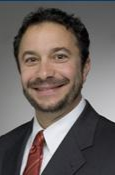 Robert S. Brown合作论文数Joan and Sanford I. Weill Department of Medicine, Weill Cornell Medicine, Cornell University22
 Roshan Shrestha合作论文数From the Departments of *Medicine and †Surgery, University of North Carolina School of Medicine21
 Michael W. Fried合作论文数Center for Gastrointestinal Biology and Disease, School of Medicine, The University of North Carolina;Division of Gastroenterology and Hepatology, Department of Medicine, The University of North Carolina;Target RWE Health Evidence Solutions16
 Ira M. Jacobson合作论文数15Delemos Andrew合作论文数14
 R. Stan Brown合作论文数Department of Chemistry, Queen's University14P. Zamor合作论文数13Schmeltzer Paul合作论文数12
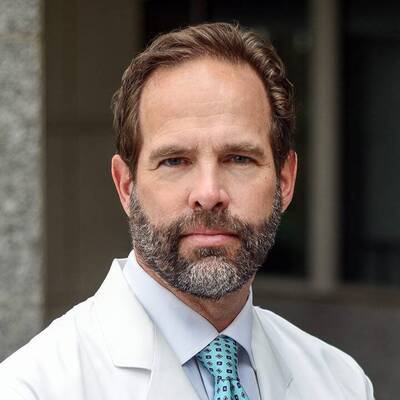 John B. Martinie合作论文数Atrium Health Levine Cancer Institute;Carolinas HealthCare System;School of Medicine, Wake Forest University12
 Robert John Fontana合作论文数Department of Internal Medicine, University of Michigan Medical School11David A. Iannitti合作论文数11Laura W. Schrum合作论文数9Sean Rudnick合作论文数9
 Paul B. Watkins合作论文数Institute for Drug Safety Sciences, Eshelman School of Pharmacy, The University of North Carolina at Chapel Hill;Schools of Medicine, The University of North Carolina at Chapel Hill;Division of Pharmacotherapy and Experimental Therapeutics, The University of North Carolina at Chapel Hill;Gillings School of Global Public Health, The University of North Carolina at Chapel Hill9Steven Zacks合作论文数9
 Milan Kinkhabwala合作论文数9Vincent Casingal合作论文数8william a ahrens合作论文数8Tarun Narang合作论文数8
 Iain Mckillop合作论文数Carolinas Med Ctr, Dept Gen Surg, Charlotte, NC 28203 USA8
 Jean C. Emond合作论文数Herbert Irving Comprehensive Cancer Center, Columbia University;Columbia University Irving Medical Center;NewYork-Presbyterian Westchester;NewYork-Presbyterian Hudson Valley Hospital;Weill Cornell Medical Center;Department of Surgery, Columbia University8Ryan Z. Swan合作论文数8
 Oren K. Fix合作论文数Division of Gastroenterology, University of California8Lon Eskind合作论文数7
 W. Carl Jacobs合作论文数6Krista Bossi合作论文数6Richa Bundy合作论文数6
 Ajay Dharod合作论文数Department of Internal Medicine, Wake Forest University School of Medicine6
 K. Rajender (Raj) Reddy合作论文数Department of Medicine, Perelman School of Medicine, University of Pennsylvania;Division of Gastroenterology, University of Pennsylvania6
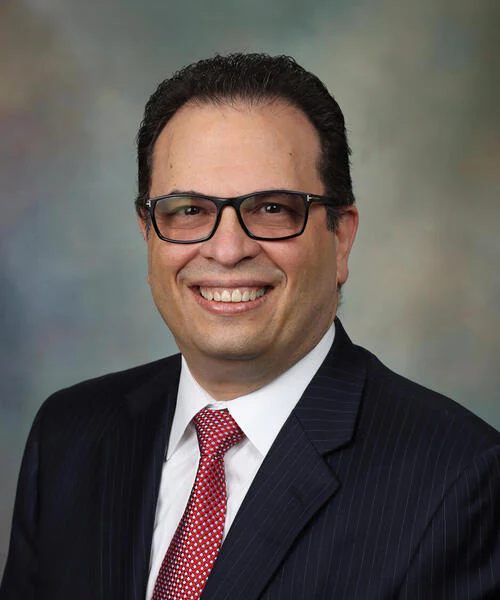 Hugo E. Vargas合作论文数Mayo Clinic6Jean C Emond合作论文数6
 Nury Steuerwald合作论文数6Sl Zacks合作论文数5DL Rudow合作论文数5Natasha Adlakha合作论文数5Jennifer H Benbow合作论文数5
 Shih-Hsiung Chou合作论文数Center for Outcomes Research and Evaluation (CORE)5Kevin Lamm合作论文数5Levitsky Josh合作论文数5McWilliams Andrew合作论文数5
 Naga P. Chalasani合作论文数School of Medicine, Indiana University5Anderson William合作论文数5
 Kimberly Brown合作论文数5
 Robert S. Sandler合作论文数Department of Medicine, Division of Gastroenterology and Hepatology5
 Sunil Hwang合作论文数Center for Vascular Biology, University of Connecticut Health Center5
 David Sindram合作论文数5
 Christoph Wald合作论文数Lahey Clinic5




