Learning in the mammalian brain is commonly modeled through changing synaptic connections in cortical networks. Dynamical brain models indicate that learning leads to the formation of limit cycle oscillations across cortical areas and that the oscillatory regimes re-emerge when the learnt input is presented to the system. In this work, learning is modeled using a graph-theoretical model, which captures salient characteristics of the learning process. We introduce a random graph that combines a torus with lattice edges and additional random edges, which have power law length distribution. On this graph, we consider bootstrap percolation with excitatory and inhibitory vertices. Theoretical and numerical studies indicate the presence of various dynamical regimes on these graphs. Here, the transitions between fixed-point and limit cycle attractors are analyzed. We link this transition to changes in cortical networks during category learning, which have been observed in animal experiments using electro-cortiograph (ECoG) arrays over sensory cortices. We discuss how learning leads to categorization and strategy formation, and how the theoretical modeling results can be used for designing learning and adaptation in computationally aware intelligent machines.
In this work, we describe operational principles of a pattern-based computing paradigm based on the neuropercolation model, which can be used as associative memory supporting sensory processing and pattern recognition. Neuropercolation extends the concept of phase transitions to interactive populations exhibiting frequent transients in their spatio-temporal dynamics, which can be viewed as manifestations of an asynchronous computer working with a sequence of meta-stable spatial patterns, in a bid to unravel the limitations of Turing computing principles. The model is motivated by the structural and dynamical properties of large-scale neural populations in the cerebral cortex and it implements basic building blocks of neurodynamics following the hierarchy of Freeman K-sets.The introduced mean-field approximation allows rigorous mathematical analysis of the emergent dynamics, which is the major novel contribution of this work. Specifically, we derive exact conditions for the onset of non-zero background activity, for the transition from steady state to narrow-band (limit cycle) oscillations, and for the transition from narrow-band to broad-band (chaotic) dynamics. We describe an array of connected oscillators, which exhibits transient synchronization episodes manifesting meta-stable collective states. The corresponding meta-stable spatial amplitude patterns are destabilized by inputs or spontaneously and jump to another pattern, yielding a sequence of transient patterns. These patterns are shaped by the connections between the nodes modifiable through learning. The sequence of patterns manifest the steps of the computation, which embody the meaning of the input data in the context of the system past experiences.
Mathematical approaches are reviewed to interpret intermittent singular space-time dynamics observed in brain imaging experiments. The following aspects of brain dynamics are considered: nonlinear dynamics (chaos), phase transitions, and criticality. Probabilistic cellular automata and random graph models are described, which develop equations for the probability distributions of macroscopic state variables as an alternative to differential equations. The introduced modular neuropercolation model is motivated by the multilayer structure and dynamical properties of the cortex, and it describes critical brain oscillations, including background activity, narrow-band oscillations in excitatory-inhibitory populations, and broadband oscillations in the cortex. Input-induced and spontaneous transitions between states with large-scale synchrony and without synchrony exhibit brief episodes with long-range spatial correlations as observed in experiments.
We analyze spatio-temporal dynamics of coupled neural oscillatory arrays. The interconnected oscillators can produce a wide range of dynamics, including quasi-periodic limit cycles, chaotic waveforms, and intermittent chaotic oscillations. We study the role of distributed input bias and develop methods for learning the input patterns. After learning, the coupled oscillators produce large-scale synchronized, narrow-band oscillations in response to the learned patterns. We study patterns of amplitude modulations that span the whole lattice graph. The presented results correspond to Freeman's 6th building block of neurodynamics.
Sites in an infinite d-dimensional lattice, open with probability greater or equal to 1/d, form an infinite open path.
Sensory information processing and cognition in brains are modeled using dynamic systems theory. The brain's dynamic state is described by a trajectory evolving in a high-dimensional state space. We introduce a hierarchy of random cellular automata as the mathematical tools to describe the spatio-temporal dynamics of the cortex. The corresponding brain model is called neuropercolation which has distinct advantages compared to traditional models using differential equations, especially in describing spatio-temporal discontinuities in the form of phase transitions. Phase transitions demarcate singularities in brain operations at critical conditions, which are viewed as hallmarks of higher cognition and awareness experience. The introduced Monte-Carlo simulations obtained by parallel computing point to the importance of computer implementations using very large-scale integration (VLSI) and analog platforms.
In site percolation, vertices (sites) of a graph are open with probability p, and there is critical p, for which open vertices form an open path the long way across a graph, so a vertex at the origin is a part of an infinite connected open vertex set. Smirnov found that for triangular lattice critical p is 0.5, but there is the traversal, from the origin upwards, so that an infinite connected open vertex set exists for critical p=0.3535.
I calculated the exact site and bond percolation probability on lattice-like graphs for given dimension d: site percolation probability is 1/d and bond percolation probability is 0.5(d-1)^{-1/2}
Criticality in the cortex emerges from the seemingly random interaction of microscopic components and produces higher cognitive functions at mesoscopic and macroscopic scales. Random graphs and percolation theory provide natural means to de- scribe critical regions in the behavior of the cortex and they are proposed here as novel mathematical tools helping us deciphering the language of the brain.
In this work we apply random graph theory approach to describe neural population dynamics. There are important advantages of using random graph theory approach in addition to ordinary and partial differential equations. The mathematical theory of large-scale random graphs provides an efficient tool to describe transitions between high- and low-dimensional spaces. Recent advances in studying neural correlates of higher cognition indicate the significance of sudden changes in space-time neurodynamics, which can be efficiently described as phase transitions in the neuropil medium. Phase transitions are rigorously defined mathematically on random graph sequences and they can be naturally generalized to a class of percolation processes called neuropercolation. In this work we employ mean-field graphs with given vertex degree distribution and edge strength distribution. We demonstrate the emergence of collective oscillations in the style of brains.
Critical properties of dynamic models of neural populations are studied. Based on the classical work of Erdős-Rényi on the evolution of random graphs and motivated by the properties of the cortical tissue, a new class of random cellular automata called neuropercolation has been introduced recently. This work analyzes the role of inhibitory populations in generating multistable dynamics near criticality. The results are interpreted in the context of experimentally observed meta-stable behavior in the cortex.
Geobacter sulfurreducens is a species from the bacterial family Geobacteraceae, members of which participate in bioenergy production and in environmental bioremediation. G. sulfurreducens pili are electrically conductive and are required for Fe(III) oxide reduction and for optimal current production in microbial fuel cells. PilR is an enhancer binding protein, which is an activator acting together with the alternative sigma factor, RpoN, in transcriptional regulation. Both RpoN and PilR are involved in regulation of expression of the pilA gene, whose product is pilin, a structural component of a pilus. Using bioinformatic approaches, we predicted G. sulfurreducens sequence elements that are likely to be regulated by PilR. The functional importance of the genome region containing a PilR binding site predicted upstream of the pilA gene was experimentally validated. The predicted G. sulfurreducens PilR binding sites are similar to PilR binding sites of Pseudomonas and Moraxella. While the number of predicted PilR-regulated sites did not deviate from that expected by chance, multiple sites were predicted upstream of genes with roles in biosynthesis and function of pili and flagella, in secretory pathways, and in cell wall biogenesis, suggesting the possible involvement of G. sulfurreducens PilR in regulation of production and assembly of pili and flagella.
Electroencephalographic and magnetoencephalographic potential generated by active brain reveals widespread coherent oscillations. The oscillations of multiple rhythms overlap in broad spectrum noise. Spectrum analysis of short segments reveals peaks in various frequency ranges. As the duration of segments chosen for analysis increases, the basic form to which spectra converge is the one of Brown noise. Any frequency can be modeled with probabilistic cellular automata. Coupled inhibitory and excitatory probabilistic cellular automata with appropriate topology and probabilistic rule governing the local interactions simulate an oscillator. Coupled oscillators create a model with the activation whose spectrum of long segments converges to a Brown noise.
Experiments conducted in brains by electroencephalographic and magnetoencephalographic techniques reveal widespread coherent oscillations. The oscillations over multiple frequency bands overlap and result in signals with broad spectra. Previous studies showed that various frequencies can be modeled by probabilistic cellular automata with coupled inhibitory and excitatory interactions. In this work we show that coupled oscillator layers can create broad-spectrum chaotic oscillations with power spectral densities over long times segments converging to Brown noise features. Models of cortical neurodynamics provide an interpretation of the observed phenomena.
BACKGROUND:The role of the RNA polymerase sigma factor RpoN in regulation of gene expression in Geobacter sulfurreducens was investigated to better understand transcriptional regulatory networks as part of an effort to develop regulatory modules for genome-scale in silico models, which can predict the physiological responses of Geobacter species during groundwater bioremediation or electricity production.RESULTS:An rpoN deletion mutant could not be obtained under all conditions tested. In order to investigate the regulon of the G. sulfurreducens RpoN, an RpoN over-expression strain was made in which an extra copy of the rpoN gene was under the control of a taclac promoter. Combining both the microarray transcriptome analysis and the computational prediction revealed that the G. sulfurreducens RpoN controls genes involved in a wide range of cellular functions. Most importantly, RpoN controls the expression of the dcuB gene encoding the fumarate/succinate exchanger, which is essential for cell growth with fumarate as the terminal electron acceptor in G. sulfurreducens. RpoN also controls genes, which encode enzymes for both pathways of ammonia assimilation that is predicted to be essential under all growth conditions in G. sulfurreducens. Other genes that were identified as part of the RpoN regulon using either the computational prediction or the microarray transcriptome analysis included genes involved in flagella biosynthesis, pili biosynthesis and genes involved in central metabolism enzymes and cytochromes involved in extracellular electron transfer to Fe(III), which are known to be important for growth in subsurface environment or electricity production in microbial fuel cells. The consensus sequence for the predicted RpoN-regulated promoter elements is TTGGCACGGTTTTTGCT.CONCLUSION:The G. sulfurreducens RpoN is an essential sigma factor and a global regulator involved in a complex transcriptional network controlling a variety of cellular processes.
Cognitive experiments indicate the presence of discontinuities in brain dynamics during high-level cognitive processing. Non-linear dynamic theory of brains pioneered by Freeman explains the experimental findings through the theory of metastability and edge-of-criticality in cognitive systems, which are key properties associated with robust operation and fast and reliable decision making. Recently, neuropercolation has been proposed to model such critical behavior. Neuropercolation is a family of probabilistic models based on the mathematical theory of bootstrap percolations on lattices and random graphs and motivated by structural and dynamical properties of neural populations in the cortex. Neuropercolation exhibits phase transitions and it provides a novel mathematical tool for studying spatio-temporal dynamics of multi-stable systems. The present work reviews the theory of cognitive phase transitions based on neuropercolation models and outlines the implications to decision making in brains and in artificial designs.
Geobacter sulfurreducens is a model organism within the delta-Proteobacterial family Geobacteraceae, members of which can participate in environmental bioremediation of metal and organic waste contaminants and in production of bioenergy. In this report, we describe a new, significantly expanded and updated, version 2 of the GSEL (Geobacter Sequence Elements) database (http://geobacter.org/research/gsel2/ and http://geobacter.org/refs/gsel2/) and its accompanying online query system, which compiles information on operon organization and regulatory sequence elements in the genome of G. sulfurreducens. It incorporates a new online graphical browser, provides novel search capabilities, and includes updated operon predictions along with new information on predicted and experimentally validated genome regulatory sites. The GSEL database and online search system provides a unique and comprehensive tool cataloging information about gene regulation in G. sulfurreducens, aiding in investigation of mechanisms that regulate its ability to generate electric power, bioremediate environmental waste, and adapt to environmental changes.
The delta-proteobacterium, Geobacter sulfurreducens, can obtain energy by coupling the oxidation of organic matter to the reduction of insoluble Fe(III) or the anode of a microbial fuel cell. Because Fe(III) oxide or the anode surface, in contrast to oxygen, nitrate, or sulfate, is not soluble nor can it be reduced readily, Geobacter species have developed mechanisms which allow electrons to be delivered across outer membrane to the cell surface. OmcB is an outer-membrane c-type cytochrome important for G. sulfurreducens Fe(III) respiration. In the absence of OmcB, cells lost the ability to reduce soluble or insoluble Fe(III). However, the omcB deletion mutant can slowly adapt to growth on soluble Fe(III) over prolonged incubation in the medium with acetate as the electron donor. We discuss available information about predicted or experimentally validated promoters and transcription regulatory sites identified upstream of operons with transcriptional expression significantly changed in the adapted omcB mutant. DNA sequences of upstream regions of coregulated operons in the adapted mutant are divergent, suggesting the presence of recognition sites for different transcriptional regulators and indicating that adaptation of the omcB mutant to growth on soluble Fe(III) has shifted the relevant expression networks involved to a more diverse molecular basis.
Dynamical properties of neural populations are studied using probabilistic cellular automata. Previous work demonstrated the emergence of critical behavior as the function of system noise and density of long-range axonal connections. Finite-size scaling theory identified critical properties, which were consistent with properties of a weak Ising universality class. The present work extends the studies to neural populations with excitatory and inhibitory interactions. It is shown that the populations can exhibit narrow-band oscillations when confined to a range of inhibition levels, with clear boundaries marking the parameter region of prominent oscillations. Phase diagrams have been constructed to characterize unimodal, bimodal, and quadromodal oscillatory states. The significance of these findings is discussed in the context of large-scale narrow-band oscillations in neural tissues, as observed in electroencephalographic and magnetoencephalographic measurements.
 Robert Kozma合作论文数Department of Mathematical Sciences, University of Memphis;Obuda University22
 Derek Lovley合作论文数Department of Microbiology, College of Natural Sciences, University of Massachusetts Amherst7
 Julia Krushkal合作论文数7
 Ronald M. Adkins合作论文数7
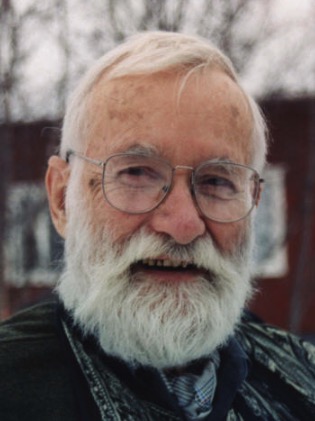 Walter J. Freeman合作论文数Department of Molecular and Cell Biology, University of California, Berkeley4Jose F. Barbe合作论文数Department of Preventive Medicine, University of Tennessee Health Science Center4
 Bin Yan (晏斌)合作论文数School of Biomedical Sciences,The University of Hong Kong3
 Barbara Methe合作论文数3
 Cinthia Ernestina Nuñez López合作论文数Departamento de Microbiología Molecular, Instituto de Biotecnología, Universidad Nacional Autónoma de México3Toshiyuki Ueki合作论文数3
 Yanhua Qu (屈延华)合作论文数Institute of Zoology, Chinese Academy of Sciences3
 Bela Bollobas合作论文数Faculty of Mathematics, University of Cambridge;Department of Mathematical Sciences, University of Memphis3
 Ching Leang合作论文数Department of Microbiology, University of Massachusetts3
 Katy Juarez-Lopez合作论文数Instituto de Biotecnología, Universidad Nacional Autónoma de México2Paul Balister合作论文数Department of Mathematical Sciences2Bradley Postier合作论文数2Laurie N. Didonato合作论文数2
 Gemma Reguera合作论文数Department of Plant, Soil and Microbial Sciences, College of Agriculture & Natural Resources, Michigan State University2
 Abraham Esteve-Nunez合作论文数1
 Yury Sokolov合作论文数1
 Leonid I. Perlovsky合作论文数Department of Psychology and Engineering, Peter the Great St. Petersburg Polytechnic University;Department of Psychology and Engineering, Northeastern University1
 Radhakrishnan Mahadevan合作论文数Laboratory for Metabolic Systems Engineering, Department of Chemical Engineering & Applied Chemistry, Faculty of Applied Science & Engineering, University of Toronto;Centre for Applied Bioscience and Bioengineering, Faculty of Applied Science & Engineering, University of Toronto1
 Peter Brown合作论文数1
 Raymond J Didonato合作论文数1
 Miklos Ruszinko合作论文数Rényi Institute of Mathematics, Hungarian Academy of Sciences;Pázmány Péter University1Regina A. O'Neil合作论文数1
 Enrique Merino合作论文数Institute of Biotechnology, National Autonomous University of Mexico1
 Ángel G. Andrade合作论文数Engineering School, Autonomous University of Baja California1
 Kelly Nevin合作论文数University of Massachusetts Amherst1Trevor L. Woodard合作论文数1
 Derek Wong合作论文数1




