Background: There is growing interest to integrate palliative care and its structures into the care of neurological patients. However, in Germany there is no comprehensive assessment tool capturing the symptoms of patients with advanced neurological diseases. Aim: To validate a newly developed palliative care measurement tool based on an extension of the validated core documentation system Hospice and Palliative Care Evaluation considering additional neurological issues (HOPE+). Design: Prospective, observational study using HOPE+ and as external criteria, the Eastern Cooperative Oncology Group (ECOG) performance status and the 12 months “surprise” question (12-SQ) in a neurological population, and assessment for its construct validity and diagnostic accuracy. Setting/participants: All newly admitted patients to the Department of Neurorehabilitation, Dr. Becker Rhein-Sieg-Clinic aged 18–100 years (#DRKS00010947). Results: Data from 263 patients (63 ± 14 years of age) were analyzed. HOPE+ revealed a moderately correlated six-factor structure ( r = –0.543–0.525). Correlation analysis to evaluate discriminant validity using ECOG as external criterion was high ( rs(261) = 0.724, p < 0.001) and confirmed for severely affected patients by adding the 12-SQ (“No”-group: 48.00 ± 14.92 vs “Yes”-group: 18.67 ± 7.57, p < 0.009). Operating characteristics show satisfactory diagnostic accuracy (area under the curve: 0.746 ± 0.049, 95% confidence interval = 0.650–0.842). Conclusion: HOPE+ demonstrates promising psychometric properties. It helps to assess palliative care issues of patients in neurological settings and, in combination with the 12-SQ, conceivably conditions when to initiate the palliative care approach in a population underrepresented in palliative care structures so far.
Patienten mit spastischem Syndrom sind – verglichen mit den therapeutischen Best-practice-Standards – definitiv unterversorgt. Gründe dafür liegen u. a. in strukturellen Defiziten wie Sektorengrenzen, einer fehlenden adäquaten Patientenunterstützung und Erstattungsproblemen. Hier müssen Verbesserungsvorschläge ansetzen, um die Versorgungssituation zu verbessern.
When used therapeutically, botulinum toxin (BT) has to be injected into its target tissues. All manufacturers warn not to do so in patients with oral anticoagulation to avoid haematoma. We wanted to study the haematoma frequency (HF) in patients with anticoagulation receiving BT therapy. 32 patients (16 females, 16 males, age 69.3 ± 10.0 years) with blepharospasm (n = 6), hemifacial spasm (n = 8), post-stroke spasticity (n = 16), and cervical dystonia (n = 2) received BT therapy (needle size 27G, post-injection tissue compression) whilst on anticoagulation (anticoagulation group, AG). 32 patients matched for disease, target muscles, age, and gender received identical BT therapy without anticoagulation (control group, CG). Anticoagulation was performed with phenprocoumon. International normalised ratio (INR) at the time of BT injection was in all patients within the recommended margins of 2.0 and 3.0 (mean 2.6 ± 0.27). Overall HF was 3.0% in AG and 1.8% in CG (not significant). All hematomas occurred in blepharospasm patients (AG 5.2%, CG 2.6%, not significant) and hemifacial spasm patients (AG 3.9%, CG 2.9%, not significant). In cervical dystonia and spasticity there were no haematomas. Throughout an observation period of 4 years, none of the haematomas was surgically relevant. Haematomas are a rare complication of BT therapy, mainly occurring in periocular injections. Anticoagulation only marginally increases HF, provided INR is controlled and appropriate injection techniques are used. Surgically relevant haematomas do not occur. Interruption of oral anticoagulation to perform BT therapy is not justified.
Spasticity is a symptom occurring in many neurological conditions including stroke, multiple sclerosis, hypoxic brain damage, traumatic brain injury, tumours and heredodegenerative diseases. It affects large numbers of patients and may cause major disability. So far, spasticity has merely been described as part of the upper motor neurone syndrome or defined in a narrowed neurophysiological sense. This consensus organised by IAB-Interdisciplinary Working Group Movement Disorders wants to provide a brief and practical new definition of spasticity-for the first time-based on its various forms of muscle hyperactivity as described in the current movement disorders terminology. We propose the following new definition system: Spasticity describes involuntary muscle hyperactivity in the presence of central paresis. The involuntary muscle hyperactivity can consist of various forms of muscle hyperactivity: spasticity sensu strictu describes involuntary muscle hyperactivity triggered by rapid passive joint movements, rigidity involuntary muscle hyperactivity triggered by slow passive joint movements, dystonia spontaneous involuntary muscle hyperactivity and spasms complex involuntary movements usually triggered by sensory or acoustic stimuli. Spasticity can be described by a documentation system grouped along clinical picture (axis 1), aetiology (axis 2), localisation (axis 3) and additional central nervous system deficits (axis 4). Our new definition allows distinction of spasticity components accessible to BT therapy and those inaccessible. The documentation sheet presented provides essential information for planning of BT therapy.
Deep brain stimulation (DBS) is a highly efficient, evidence-based therapy for a set of neurological and psychiatric conditions and especially movement disorders such as Parkinson's disease, essential tremor and dystonia. Recent developments have improved the DBS technology. However, no unequivocal algorithms for an optimized postoperative care exist so far. The aim of this review is to provide a synopsis of the current clinical practice and to propose guidelines for postoperative and rehabilitative care of patients who undergo DBS. A standardized work-up in the DBS centers adapted to each patient's clinical state and needs is important, including a meticulous evaluation of clinical improvement and residual symptoms with a definition of goals for neurorehabilitation. Efficient and complete information transfer to subsequent caregivers is essential. A coordinated therapy within a multidisciplinary team (trained in movement disorders and DBS) is needed to achieve the long-range maximal efficiency. An optimized postoperative framework might ultimately lead to more effective results of DBS.
Background: The 12-months “surprise” question (12-SQ) for estimating prognosis and the need for integrating palliative care (PC) services has not yet been investigated for neurological patients.Objective: Test the value of the 12-SQ on a sample of neurorehabilitation patients.Methods: All patients newly registered in the Department of Neurorehabilitation, Dr. Becker Rhein-Sieg-Clinic (8/2016-03/2017) were asked to participate. The treating neurorehabilitation physicians (NP) and an external consulting PC physician (PCP) independently estimated patients' prognosis using the 12-SQ; while symptom burden was independently assessed using the standardized palliative outcome measurement HOPE-SP-CL, a set of additional neurological issues, and ECOG. Follow-up with consenting patients 12 months later was via telephone. Descriptive and inferential statistics were utilized in data analysis.Results: Of 634 patients, 279 (44%) patients (male: 57.7%, female: 42.3%; mean age: 63 ± 14) (or, alternatively, their legal representative) consented and were assessed at baseline. Per patient NP and PCP both answered the 12-SQ with “Yes” (164), with “No” (42), or had different opinions (73). The “No” group displayed the highest symptom burden on all three measures for both disciplines. Overall, PCP scored higher (i.e., worse) than NP on all measures used. Follow-up was possible for 236 (drop-out: 15.4%) patients (deceased: 34 (14.4%), alive: 202 (85.6%)). Baseline scores on all measures were higher for deceased patients compared to those still living. Prognostic characteristics were: sensitivity: NP 50%, PCP 67.6%; specificity: NP 86.1%, PCP 70.3%, p < 0.001; positive predictive value: NP 37.8%, PCP 27.7%; negative predictive value: NP 91.1%, PCP 92.8%; area under the curve: NP 0.68, PCP 0.69; success rate: NP 80.9%, PCP 69.9%, p = 0.002. Regression analysis indicated that age, dysphagia and overburdening of family (NP answering the 12-SQ), dysphagia and rehabilitation phase (PCP answering the 12-SQ) were associated with increased likelihood of dying within 12 months. Without the 12-SQ as relevant predictor, age, dysphagia and ECOG were significant predictors (NP and PCP).Conclusion: Combining the 12-SQ with a measurement assessing PC and neurological issues could potentially improve the 12-SQ's predictive performance of 12-month survival and help to identify when to initiate the PC approach. Clinical experiences influence assessment and prognosis estimation.
Although patients with incurable neurological diseases suffer from a variety of distressing symptoms and may die from their neurological condition and associated complications, palliative and hospice care for these patients to date remains rare. First estimates envisage that on average 10% of all patients suffering from a neurological disease need palliative and hospice care. However, within German neurology departments, only few physicians (on average 1.3/department) and nurses (on average 2.2./department) are specialized in palliative and hospice care and only about 3% of patients cared for in palliative or hospice care structures suffer from neurological diseases (in contrast to patients suffering from oncological diseases, approximately 80%). Responsible for this rather low number is a just gradual increase in the awareness of palliative and hospice care needs for neurological patients and a currently predominant supply of oncological patients in palliative and hospice care structures which are primarily aimed at these patients. In line with this is that the special aspects of neurological patients are currently not adequately addressed in the palliative training curricula of health care professionals. Rather, patients with advanced neurological conditions are medically cared for by general practitioners and by the existing inpatient and outpatient neurological structures, which may also offer sub-specialty services. Consequently, adequate care for severely affected neurological patients becomes difficult as soon as these patients are hardly able to visit these structures since home-based specialist treatment is currently only limitedly carried out and financed. Novel yet to date rare approaches, mostly of international origin, suggest that these patients may benefit from specialized home based services, combining neurological and palliative care expertise. At present, data that characterize the situation of neuro-palliative care in Germany remain scarce. In addition to the already known supply gaps (e.g. low rate of neurologists trained in palliative medicine as well as of nurses working in neurology trained in palliative care, lacking consideration of the specific (care) needs of neurological patients in general and specialized palliative and hospice care structures, hardly available home-based outpatient specialists) research is a prerequisite to identify current gaps in palliative care of neurological patients in more detail and how these might be overcome in the future.
Affiliations 1 Department of Palliative Medicine, University Hospital of Cologne 2 Department of Neurology, University Hospital of Cologne 3 Cognitive Neurosciences, Institute of Neurosciences and Medicine (INM-3), Research Center Jülich 4 Department of Palliative Medicine, Faculty of Medicine of RWTH Aachen University 5 Institute of Nursing Science and Practice, Paracelsus Medical University, Salzburg, Austria 6 Department of Neurology and Palliative Medicine, Hospital Agatharied GmbH, Hausham 7 Department of Palliative Medicine, University Hospital of Munich LMU 8 Neurological rehabilitation center (NRZ) Bad Salzuflen, Bad Salzuflen 9 Department of Neurology, University Hospital, St. Josef Hospital, Faculty of Medicine, Ruhr University Bochum 10 NeuroMed Campus Hohenlind, Joint Practice of Neurology, Special Pain Therapy, Rehabilitation, Cologne 11 Department of Neurology, University Hospital of Giessen and Marburg, Marburg 12 Center for Integrated Oncology Cologne/Bonn (CIO), Cologne 13 Center for Clinical Studies, Cologne University Hospital (ZKS), Cologne 14 Center for Health Services Research, Faculty of Medicine, University of Cologne
ZusammenfassungObwohl Patienten mit unheilbar neurologischen Erkrankungen oftmals unter belastenden Symptomen leiden und an ihren Erkrankungen und damit einhergehenden Komplikationen versterben können, werden diese bislang noch zu selten unter palliativmedizinischen/hospizlichen Gesichtspunkten behandelt. Erste Schätzungen sehen bei durchschnittlich 10 % der neurologischen Patienten Bedarf für eine palliativmedizinische/hospizliche Versorgung. Gleichwohl gibt es innerhalb neurologischer Abteilungen nur wenige Ärzte (im Durchschnitt 1,3/Abteilung) bzw. Pflegekräfte (im Durchschnitt 2,2/Abteilung), die auf diesem Gebiet weitergebildet sind, und nur ca. 3 % der Patienten, die in spezialisierten palliativmedizinischen/hospizlichen Strukturen versorgt werden, leiden unter neurologischen Grunderkrankungen (im Gegensatz zu Patienten mit onkologischen Grunderkrankungen, ca. 80 %). Für diese niedrige Zahl verantwortlich ist neben einem erst allmählich wachsenden Bewusstsein für palliativmedizinische/hospizliche Bedarfe neurologisch Erkrankter eine derzeit überwiegende Versorgung onkologischer Patienten in Palliativ-/Hospizstrukturen, die entsprechend primär auf letztere Patienten ausgerichtet sind. Passend dazu werden die besonderen Aspekte der Palliativversorgung neurologischer Patienten in den palliativen Aus- und Weiterbildungscurricula der Gesundheitsberufe derzeit nicht ausreichend berücksichtigt. Fortgeschritten neurologisch erkrankte Patienten sind deswegen neben der hausärztlichen Grundversorgung oft darauf angewiesen, dass sie weiter fachärztlich, ggf. auch in Spezialsprechstunden/-kliniken versorgt werden. Eine bedarfsgerechte Versorgung schwer betroffener neurologischer Patienten wird hierdurch erschwert, insbesondere wenn sie nur schwerlich in der Lage sind, diese stationären und ambulanten Einrichtungen aufzusuchen, da häusliche fachärztliche Behandlung derzeit nur eingeschränkt durchgeführt und finanziert wird. Erste noch wenig beforschte Ansätze, zumeist internationaler Herkunft, legen nahe, dass gerade diese Patienten von einer spezialisierten, häuslich-orientierten neurologisch-palliativmedizinischen Versorgung profitieren könnten. In Deutschland gibt es hierzu jedoch bislang kaum Daten. Über die bislang bekannten Versorgungsdefizite (z. B. niedrige Rate an palliativmedizinisch weitergebildeten Neurologen oder Fachpflegekräften im neurologischen Bereich mit Palliative-Care-Weiterbildung, fehlende Berücksichtigung der spezifischen Versorgungsbedarfe und besonderen Bedürfnisse neuropalliativer Patienten in den Angeboten der allgemeinen und spezialisierten Palliativ- und Hospizversorgung, kaum vorhandene aufsuchende ambulante fachärztliche Tätigkeit) hinaus besteht ein hoher Forschungsbedarf, wie neurologische Patienten mit palliativen Bedarfen im deutschen Gesundheitssystem aktuell im Detail versorgt werden, welche Versorgungslücken bestehen und wie bedarfsgerechte, adäquate Versorgungsstrukturen für schwer betroffene neurologische Patienten geschaffen werden können.
Abstract Although patients with incurable neurological diseases suffer from a variety of distressing symptoms and may die from their neurological condition and associated complications, palliative and hospice care for these patients to date remains rare. Initial estimates indicate that on average 10% of all patients suffering from a neurological disease need palliative and hospice care. However, within German neurology departments, only few physicians (on average 1.3/department) and nurses (on average 2.2./department) are specialized in palliative and hospice care and only about 3% of patients cared for in palliative or hospice care structures suffer from neurological diseases (in contrast to the approximately 80% of patients suffering from oncological diseases). This rather low number is due to the gradual increase in the awareness of palliative and hospice care needs for neurological patients and a currently predominant supply of oncological patients in palliative and hospice care structures that are primarily aimed at these patients. Correspondingly, the special aspects of neurological patients are currently not adequately addressed in the palliative training curricula of healthcare professionals. Rather, patients with advanced neurological conditions are medically cared for by general practitioners and by the existing inpatient and outpatient neurology structures, which may also offer sub-specialty services. Consequently, adequate care for severely affected neurological patients becomes difficult as soon as these patients are hardly able to visit these structures because home-based specialist treatment is currently rendered and financed only to a limited degree. Novel yet to date rare approaches, mostly of international origin, suggest that these patients may benefit from specialized home-based services, combining neurological and palliative care expertise. At present, data that characterizes the situation of neuro-palliative care in Germany remains scarce. In addition to the already known supply gaps (e. g., low rate of neurologists trained in palliative medicine as well as of nurses working in neurology trained in palliative care, lack of consideration of the specific (care) needs of neurological patients in general and specialized palliative and hospice care structures, few available home-based outpatient specialists) research is a prerequisite to identify current gaps in palliative care of neurological patients in more detail and how these might be overcome in the future.
More than two decades ago, the mirror neuron system (MNS) was discovered in non-human primates: Single-cell recordings detected visuo-motor neurons that discharged not only when the monkey performed an action, but also when it observed conspecifics performing the same action. It has been proposed that a fronto-parietal circuitry constitutes the human homolog of the MNS. However, the functional role of a human MNS (i.e., whether it is functionally necessary for imitation or action understanding) to date remains controversial. We here examined how patients with left hemisphere (LH) stroke imitate, recognize, and comprehend intransitive meaningful limb actions. In particular, we investigated whether apraxic patients with lesions affecting key nodes of the putative human MNS show deficits in action imitation, action recognition, and action comprehension to a similar degree as predicted by the MNS hypothesis. Behavioral results showed that patients with apraxia (n = 18) indeed performed significantly worse in all three motor cognitive tasks compared to non-apraxic patients (n = 26) and healthy controls (n = 19), whose performance did not differ significantly. Lesions of the apraxic (compared to non-apraxic) patients with LH stroke affected more frequently key regions of the putative human MNS, i.e., the left inferior frontal, superior temporal, and supra marginal gyri as well as the inferior parietal lobe (p <.01, false discovery rate - FDR-corrected). Albeit largely overlapping, voxel-based lesion-symptom mapping (VLSM) revealed that deficits in gesture comprehension were mainly associated with lesions of more anterior parts of the MNS, whereas lesions located more posteriorly mainly resulted in gesture imitation deficits (p <.05, FDR-corrected). Our clinical data support key hypotheses derived from the notion of a human MNS: LH lesions to the MNS core regions affected critically and to a similar extent the imitation, recognition, and comprehension of meaningful actions. (C) 2017 Elsevier Ltd. All rights reserved.
Botulinum toxin (BT) therapy is an established treatment of spasticity due to stroke. For multiple sclerosis (MS) spasticity this is not the case. IAB-Interdisciplinary Working Group for Movement Disorders formed a task force to explore the use of BT therapy for treatment of MS spasticity. A formalised PubMed literature search produced 55 publications (3 randomised controlled trials, 3 interventional studies, 11 observational studies, 2 case studies, 35 reviews, 1 guideline) all unanimously favouring the use of BT therapy for MS spasticity. There is no reason to believe that BT should be less effective and safe in MS spasticity than it is in stroke spasticity. Recommendations include an update of the current prevalence of MS spasticity and its clinical features according to classifications used in movement disorders. Immunological data on MS patients already treated should be analysed with respect to frequencies of MS relapses and BT antibody formation. Registration authorities should expand registration of BT therapy for spasticity regardless of its aetiology. MS specialists should consider BT therapy for symptomatic treatment of spasticity.
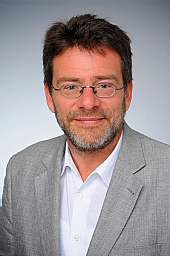 Raymond Voltz合作论文数Zentrum für Palliativmedizin, Universitätsklinikum Köln7
 Heidrun Golla合作论文数7
 Gereon Rudolf Fink合作论文数Institute Cognitive Neuroscience, Forschungszentrum Jülich GmbH;Department of Neurology, Cologne University Hospital & Institute of Neuroscience and Medicine, Cognitive Neuroscience, Research Centre Jülich5Thomas Montag合作论文数4
 Roman Rolke合作论文数4Stefan Lorenzl合作论文数4
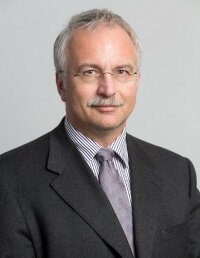 Ralf Gold合作论文数Department of Neurology, St Josef-Hospital, Ruhr-University Bochum;Neurological Clinic, Faculty of Medicine, Universitätsklinikum St. Josef-Hospital Bochum4
 Gereon Nelles合作论文数4Carsten Eggers合作论文数4
 Fereshte Adib Saberi合作论文数Department of Neurology, Klinikum Nord3Dirk Dressler合作论文数3Roongroj Bhidayasiri合作论文数2Sofia Timerbaeva合作论文数2José Alberto Sagástegui-Rodríguez合作论文数2Martin Katzenmeyer合作论文数2
 Serdar Kocer合作论文数Dept Rehabil, Hop Jura2Olga Orlova合作论文数2
 Gholamali Shahidi合作论文数Iran University of Medical Sciences2Jorg Wissel合作论文数2Walter Uwe合作论文数2Dillen Kim N H合作论文数2Becker Ingrid合作论文数2Ryuji Kaji合作论文数Department of Neurology, Graduate School of Medicine, Tokushima University2
 Federico Eduardo Micheli合作论文数2
 Raymond L Rosales合作论文数Department of Neurology and Psychiatry, Santo Tomas University Hospital2
 Andreas Koch合作论文数2
 Saeed Bohlega合作论文数Department of Neurosciences (MBC 76),, King Faisal Specialist Hospital & Research Centre2Petr Kaňovský合作论文数2Tae Mo Chung合作论文数2Zvezdan Pirtošek合作论文数2Sebastian Paus合作论文数2
 Maja Relja合作论文数Department of Neurology Medical School, Zagreb University2Julia Kroth合作论文数1Jochen Saliger合作论文数1Martin Strothjohann合作论文数1Bernd Frank合作论文数1Jun-Suk Kang合作论文数1
 Iris Reuter合作论文数1Martin Huber合作论文数1Herrmann Christoph合作论文数1Matthias Auf Dem Brinke合作论文数1Ulrich Jobst合作论文数1Astrid Scheschonka合作论文数1Birgit Flatau-Baqué合作论文数1O. Simon合作论文数1Abderrahmane Chahidi合作论文数1Tobias Leniger合作论文数1
 Johanna Quick合作论文数1
 Axel Schramm合作论文数1




