ABSTRACT Background Metabolic bariatric surgery (MBS) effectively reduces fat mass (FM), but how to best preserve muscle and bone mass after MBS is unknown. Objective This study aimed to evaluate the effect of aerobic, resistance and combined exercise regimens on body composition, bone mineral density (BMD) and physical function in adults following MBS. Methods Patients were randomized into aerobic, resistance, combined and control groups after undergoing MBS. Exercise groups completed a 26‐week supervised program (three sessions per week) with progressively increasing intensity. The primary outcome was the change in fat‐free mass (FFM) measured by dual‐energy X‐ray absorptiometry (DXA). Secondary outcomes included FM, hip, femoral neck and lumbar spine BMD, serum collagen type I C‐telopeptide (CTX) and physical function (e.g., 6‐min walk test and handgrip strength). Between‐group differences were assessed using Bayesian analysis of covariance (ANCOVA) adjusted for age, sex, surgery type and baseline body mass index, with credible differences inferred when the 95% credible interval of the standardized effect size excluded zero. Associations between outcomes were assessed using Pearson correlation. Results Of 443 eligible candidates, 58 participants (aged 18–65 years, 70% women, BMI 41.7 ± 4.4 kg/m2) were randomized to aerobic (n = 15), resistance (n = 13), combined (n = 14) or control (n = 16) groups, and 91.3% were included in the analysis. The combined exercise group preserved more FFM (−5.1 ± 2.8 kg vs. −7.7 ± 2.8 kg; ES 0.60 [0.41, 0.77]) and reduced more FM (−11.9% ± 5.7% vs. −10.1% ± 4.9%, ES −0.64 [−0.85, −0.40]) than control. Aerobic training most attenuated total hip BMD loss (−0.037 ± 0.033 g/cm2, −3.3%) compared with control (−0.058 ± 0.021 g/cm2, −5.4%; ES 0.69 [0.42, 0.92]) and modestly attenuated femoral neck BMD loss (ES 0.30 [0.11, 0.48]), with no differences at the lumbar spine. The relative increase in serum CTX was smaller in the aerobic (157.8%; ES −0.44 [−0.65, −0.18]) and combined groups (161.8%; ES −0.42 [−0.63, −0.17]) compared with control (196.4%). Physical function improved modestly, with aerobic training showing a greater improvement in walking distance than control (80.0 ± 56.4 m vs. 65.6 ± 39.2 m; ES 0.33 [0.08, 0.54]). Walking distance improvement correlated with weight loss. Handgrip strength was best preserved in the resistance group (ES 0.77 [0.47, 1.04]) and was positively correlated with protein intake. Conclusions Following MBS, combined aerobic and resistance training improved body composition by preserving FFM and reducing FM, while aerobic training most attenuated bone loss. Exercise was associated with modest improvements in physical function, supporting individualized exercise strategies to promote metabolic, musculoskeletal and functional health after MBS. Trial Registration ClinicalTrials.gov Identifier: NCT04777305.
BACKGROUND:Exercise training often produces less weight loss than expected, a phenomenon termed exercise-induced energy compensation, but the underlying mechanisms remain unclear. This study aimed to quantify metabolic and behavioral compensation to aerobic exercise training. METHODS:Sixteen sedentary adults with overweight completed a 12-week supervised aerobic walking intervention targeting an energy expenditure of 20 kcal/kg/week. Total daily energy expenditure was measured using doubly labeled water, and whole-room calorimetry was used to assess changes in resting and sleeping metabolic rate (RMR, SMR) and diet-induced thermogenesis (DIT). Volumes of highly metabolic organs were quantified by magnetic resonance imaging. Physical activity was monitored objectively, walking economy was assessed during standardized treadmill walking, and dietary intake was evaluated using self-report and intake-balance methods. A parallel mouse exercise model was used to explore tissue-level adaptations. RESULTS:Exercise training induces substantial energy compensation, resulting in minimal body weight loss despite improved body composition. Total daily energy expenditure increases, while RMR and SMR decrease, accounting for most of the compensatory response. Liver and kidney volumes decrease by 5%, while brain volume remains unchanged. Exercise improves walking economy and leads to smaller-than-expected increases in daily moderate-to-vigorous physical activity. Dietary intake and DIT remain unchanged. In mice, exercise is associated with increased cellular density and mitochondrial content in the liver, indicating structural and metabolic remodeling. CONCLUSIONS:Aerobic exercise training engages compensatory physiological and behavioral mechanisms that constrain energy expenditure. Reductions in basal metabolism, improved movement efficiency, and selective remodeling of metabolically active organs may collectively limit exercise-induced weight loss.
Objectives: The study aimed to examine the effects of exercise-induced muscle damage on running kinetics. Design: Twenty-six adult recreational male runners performed 60 min of downhill running (-10 %) at 65 % of maximal heart rate. Running gait changes, systemic and localized muscle damage markers were assessed pre - and post-exercise induced muscle damage protocol. Methods: Running gait was analyzed using a 3D treadmill at baseline, immediately post, 24 h, and 48 h to determine changes in running pressure sway and vertical ground reaction forces. Blood markers, subjective pain perception, and magnetic resonance imaging utilizing T-2 relaxation time of the thigh muscles assessed systemic and localized damage. Linear mixed-effects models examined changes over time. Results: Significant decreases were found in the left leg's first (-454.0 to -396.1, P < 0.05) and second (-532.8 to -498.2, P < 0.05) VGRF peaks across all time points compared to baseline. The right leg showed reductions in the first vertical ground reaction forced peak at immediately post (-348.4, P = 0.036) and the second peak at immediately post and 24 h (-467.4 and -396.8, P < 0.05). Creatine kinase increased significantly (P < 0.001) at 24 h and 48 h compared to baseline. The anterior thigh muscle compartment showed significant (P < 0.05) increases in mean T-2 values 1 h following exercise protocol remained elevated up to 48 h. Negative correlations were identified between running biomechanics to local and systemic muscle damage markers. Conclusions: Running biomechanics remained impaired for up to 48 h following exercise induced muscle damage and correlated with markers of muscle damage using magnetic resonance imaging. (c) 2025 Sports Medicine Australia. Published by Elsevier Ltd. All rights are reserved, including those for text and data mining, AI training, and similar technologies.
Purpose: Postexercise recovery rate is a vital component of designing personalized training protocols and rehabilitation plans. Tracking exercise-induced muscle damage and recovery requires sensitive tools that can probe the muscles' state and composition noninvasively. Methods: Twenty-four physically active males completed a running protocol consisting of a 60-min downhill run on a treadmill at -10% incline and 65% of maximal heart rate. Quantitative mapping of MRI T-2 was performed using the echo-modulation-curve algorithm before exercise, and at two time points: 1 h and 48 h after exercise. Results: T-2 values increased by 2%-4% following exercise in the primary mover muscles and exhibited further elevation of 1% after 48 h. For the antagonist muscles, T-2 values increased only at the 48-h time point (2%-3%). Statistically significant decrease in the SD of T-2 values was found following exercise for all tested muscles after 1 h (16%-21%), indicating a short-term decrease in the heterogeneity of the muscle tissue. Conclusion: MRI T-2 relaxation time constitutes a useful quantitative marker for microstructural muscle damage, enabling region-specific identification for short-term and long-term systemic processes, and sensitive assessment of muscle recovery following exercise-induced muscle damage. The variability in T-2 changes across different muscle groups can be attributed to their different role during downhill running, with immediate T-2 elevation occurring in primary movers, followed by delayed elevation in both primary and antagonist muscle groups, presumably due to secondary damage caused by systemic processes.
Supplementary Table from An Exercise-Induced Metabolic Shield in Distant Organs Blocks Cancer Progression and Metastatic Dissemination
Exercise-induced hypoxemia (EIH; fall in oxyhemoglobin saturation (SpO2) > 4% during exercise) is highly prevalent in endurance athletes during heavy-intensity exercise and is associated with impaired performance. Yet, the physiological consequences of EIH during prolonged exercise are not fully understood. PURPOSE: To determine whether endurance-trained athletes who develop EIH experience more pronounced increases in immune markers following a 30-min bout of heavy-intensity exercise compared to those without EIH. METHODS: Fourteen endurance-trained athletes (Females = 2, age = 28.8 ± 6.3 yr, weight = 64.3 ± 7.3 kg, VO2max = 60.3 ± 7.5 ml/kg/min) with normal resting pulmonary function completed a 30-min constant-speed run at half-marathon pace (TEMP). Heart rate, ventilatory measures, and SpO2 were measured throughout TEMP. Blood samples for immune markers were taken at baseline (BL), immediately- (IP), 30 min-, 120 min- and 24 hr-post (P) exercise. RESULTS: While speed and %VO2max during TEMP were similar in EIH (15.9 ± 1.1 km/h & 87 ± 5%, respectively) and Non-EIH (15.2 ± 2.2 km/h & 88 ± 4%, respectively), mean SpO2 during TEMP was significantly (p < 0.05) lower in the EIH group (n = 7, range: 92 ± 3% compared to the Non-EIH group (n = 7, 95 ± 1%). Multivariate analysis showed significant (p < 0.05) group effects for ventilation as % of maximal ventilation (VE/VEmax; F = 13.10) and ventilatory equivalents for CO2 production (VE/VCO2; F = 25.14) during TEMP (avg. difference between EIH & Non-EIH: 8 ± 1%, 3.3 ± 0.6 for VE/VEmax & VE/VCO2, respectively). There were significant (p < 0.05) time effects for lymphocytes (LYM), neutrophils (NEU), and monocytes (F = 6.56, 10.18, & 4.44, respectively), with no group effects. LYM peaked IP and were significantly (p < 0.05) higher IP than at all time-points thereafter within each group (∆0.7 – 1.3 103/μL). In EIH, LYM were significantly (p < 0.05) reduced below BL at 30 min-24 hr-P. NEU were higher (p < 0.05) at 120 min-P than BL, 30 min- and 24 hr-P TEMP within each group (∆1.7 – 3.37 103/μL). Monocytes in both groups reached a nadir at 30 min-P, and then significantly (p < 0.05) increased at 120 min-P (∆0.1 – 0.2 103/μL). CONCLUSION: Although experiencing desaturation for ~30 min, perturbations in immune markers were not greater in EIH athletes compared to athletes without EIH following TEMP protocol.
Previous investigations have demonstrated the therapeutic advantages of extremely low-frequency electromagnetic fields (ELF-EMFs) in mitigating inflammation and influencing biological processes. We aimed to shed light on the effects of ELF-EMF on recovery rate following high-intensity exercise. Nine male athletes (26.7 ± 6.0 years; 69.6 ± 7.7 kg, VO2peak 57.3 ± 6.8 mL/kg/min) completed five visits in a double-blinded crossover design, performing two consecutive testing days, following a ventilatory thresholds assessment. Following 62 min of high-intensity cycling, participants lay on an ELF-EMF mattress under active (A) and non-active (NA) conditions, immediately post protocol and during the night. Physical performance and blood markers were assessed at baseline and at 60 min (60 P) and 24 h (24 H) post-protocol. The A-condition demonstrated a notable reduction in interleukin-10 (IL-10) concentrations (mean difference = −88%, p = 0.032) and maximal isometric strength of the quadriceps muscles (mean difference = ~8%, p = 0.045) compared to the NA-condition between 60 P and 24 H. In a sensitivity analysis, the A-condition revealed that younger athletes who possessed lower fat mass experienced attenuated inflammation and biochemical responses and improved physical performance. In conclusion, ELF-EMF showed no significant overall effects on performance and inflammation after intense cycling among athletes. Post-hoc analysis revealed modest benefits of ELF-MLF, suggesting a context-dependent impact. Further research with a larger sample size and multiple sessions is needed to confirm the recovery potential of ELF-EMF.
The relationship between changes in the various biochemical, performance, biomechanical, and perceptual markers throughout the recovery period from an aerobic-based protocol causing exercise-induced muscle damage remains unclear. Objective: To explore the relationship between changes in biochemical, performance, perceptual and biomechanical indices immediately post and up to 48 h following an aerobic-based muscle damaging exercise. Methods: Recreationally active men (n = 28; 35 ± 10 y; 75.9 ± 11.2 kg; 474 ± 204 min/week of endurance training) completed 60-min downhill run (DHR) on a treadmill at -10% incline and at 60% of maximal heart rate. Blood markers of muscle damage (creatine kinase (CK) and lactate dehydrogenase (LDH), inflammation (interleukin (IL)-6, TNF-a), perception of muscle soreness using 1-15 visual analog scale (VAS), maximal isometric voluntary contraction (MVC) of the knee extensors, counter-movement jump (CMJ), running biomechanics [stride-length and cadence] were recorded at baseline, immediately-post, 30 min, 120 min, 24 h, and 48 h post DHR protocol. Correlations between markers, as percentage change relative to baseline, were evaluated using Pearson’s r. Results: First, elevated levels of CK at 24 h (∆335%) and 48 h (∆175%) post the DHR protocol were statistically correlated (p < 0.05) with the following at 24 h and 48 h: increases in VAS (r = 0.44 and 0.45, respectively), decreases in stride-length (r = -0.57 to -0.43, respectively), and increases in cadence (r = 0.55 to 0.45, respectively). Second, elevated levels of IL-6 at 48 h post the DHR (∆16%) were statistically correlated with reductions (∆ -14 to -24%) in MVC at all-time points (r = -0.62 to -0.74). Third, lower levels of the proinflammatory cytokine TNF-a at 48H (∆25%) were statistically correlated with reductions in CMJ at 30 min to 48 h (∆ -11 to -6%; r = -0.45 to -0.57). Conclusion: Biochemical perturbations are moderately to strongly correlated with heightened perception of muscle soreness, alternation in running biomechanics, and reductions in force production and jump height. Accordingly, these subjective, biomechanical and performance outcomes can be carefully used to assess the severity of muscle damage when invasive biochemical measures are unavailable.
Purpose: Compare recovery rates between active young (Y) and middle-aged (MA) males up to 48H post aerobically based, exercise-induced muscle damage (EIMD) protocol. A secondary aim was to explore the relationships between changes in indices associated with EIMD and recovery throughout this timeframe.Methods: Twenty-eight Y (n = 14, 26.1 ± 2.9y, 74.5 ± 9.3 kg) and MA (n = 14, 43.6 ± 4.1y, 77.3 ± 12.9 kg) physically active males, completed a 60-min downhill running (DHR) on a treadmill at −10% incline and at 65% of maximal heart rate (HR). Biochemical, biomechanical, psychological, force production and muscle integrity (using MRI diffusion tensor imaging) markers were measured at baseline, immediately-post, and up to 48H post DHR.Results: During the DHR, HR was lower (p < 0.05) in MA compared to Y, but running pace and distance covered were comparable between groups. No statistical or meaningful differences were observed between groups for any of the outcomes. Yet, Significant (p < 0.05) time-effects within each group were observed: markers of muscle damage, cadence and perception of pain increased, while TNF-a, isometric and dynamic force production and stride-length decreased. Creatine-kinase at 24H-post and 48H-post were correlated (p < 0.05, r range = −0.57 to 0.55) with pain perception, stride-length, and cadence at 24H-post and 48H-post. Significant (p < 0.05) correlations were observed between isometric force production at all time-points and IL-6 at 48H-post DHR (r range = −0.62 to (−0.74).Conclusion: Y and MA active male amateur athletes recover in a comparable manner following an EIMD downhill protocol. These results indicate that similar recovery strategies can be used by trainees from both age groups following an aerobic-based EIMD protocol.
Abstract Exercise prevents cancer incidence and recurrence, yet the underlying mechanism behind this relationship remains mostly unknown. Here we report that exercise induces the metabolic reprogramming of internal organs that increases nutrient demand and protects against metastatic colonization by limiting nutrient availability to the tumor, generating an exercise-induced metabolic shield. Proteomic and ex vivo metabolic capacity analyses of murine internal organs revealed that exercise induces catabolic processes, glucose uptake, mitochondrial activity, and GLUT expression. Proteomic analysis of routinely active human subject plasma demonstrated increased carbohydrate utilization following exercise. Epidemiologic data from a 20-year prospective study of a large human cohort of initially cancer-free participants revealed that exercise prior to cancer initiation had a modest impact on cancer incidence in low metastatic stages but significantly reduced the likelihood of highly metastatic cancer. In three models of melanoma in mice, exercise prior to cancer injection significantly protected against metastases in distant organs. The protective effects of exercise were dependent on mTOR activity, and inhibition of the mTOR pathway with rapamycin treatment ex vivo reversed the exercise-induced metabolic shield. Under limited glucose conditions, active stroma consumed significantly more glucose at the expense of the tumor. Collectively, these data suggest a clash between the metabolic plasticity of cancer and exercise-induced metabolic reprogramming of the stroma, raising an opportunity to block metastasis by challenging the metabolic needs of the tumor. Significance: Exercise protects against cancer progression and metastasis by inducing a high nutrient demand in internal organs, indicating that reducing nutrient availability to tumor cells represents a potential strategy to prevent metastasis. See related commentary by Zerhouni and Piskounova, p. 4124
There have been a multitude of reviews written on exercise-induced muscle damage (EIMD) and recovery. EIMD is a complex area of study as there are a host of factors such as sex, age, nutrition, fitness level, genetics and familiarity with exercise task, which influence the magnitude of performance decrement and the time course of recovery following EIMD. In addition, many reviews on recovery from exercise have ranged from the impact of nutritional strategies and recovery modalities, to complex mechanistic examination of various immune and endocrine signaling molecules. No one review can adequately address this broad array of study. Thus, in this present review, we aim to examine EIMD emanating from both endurance exercise and resistance exercise training in recreational and competitive athletes and shed light on nutritional strategies that can enhance and accelerate recovery following EIMD. In addition, the evaluation of EIMD and recovery from exercise is often complicated and conclusions often depend of the specific mode of assessment. As such, the focus of this review is also directed at the available techniques used to assess EIMD.
Background: Coronavirus disease 2019 (COVID-19) has forced adolescents to adapt rapidly to a new reality of physical and social distancing, while introducing a range of new sources of stress and adversity. Our primary aim was to study the relationship between adolescents’ resilience and their participation in online sports programs during the COVID-19 pandemic lockdown period. Our secondary aims were to assess the associations between the organized sports programs’ determinants and resilience. Methods: Online surveys designed to examine resilience, lifestyle, psychosocial health and characteristics of the organized sports programs were administered to 473 adolescents who were enrolled in organized sports programs before the COVID-19 pandemic. Results: Adolescents who continued to participate in online structured programs during the lockdown period were significantly more resilient and physically active, had higher self-related health, satisfaction with life, and ability to cope during the pandemic, compared to those who did not participate. Relationships with the adult instructor and levels of physical activity were the most important factors of the programs that were associated with resilience. Conclusions: Participation of adolescents in sports programs is an important resource associated with higher levels of resilience. Youth programs should continue their activities during globally challenging times, such as the COVID-19 pandemic.
Hoffman, JR, Marcus, I, Dubnov-Raz, G, and Gepner, Y. Ergogenic effects of 8 days of Sceletium tortuosum supplementation on mood, visual tracking, and reaction in recreationally trained men and women. J Strength Cond Res 34(9): 2476-2481, 2020-Sceletium tortuosum (ST) is a South African plant that has been reported to promote a sense of well-being in healthy individuals and used in treating people with anxiety, stress, or depression. These studies have been conducted in middle-aged and older adults, but no investigations have been performed in a healthy, young adult population. Thus, the purpose of this study was to examine the effect of 8 days of ST extract (25-mg) supplementation on changes in reactive agility, visual tracking, and mood. Sixty recreationally trained men (n = 48) and women (n = 12), between 20 and 35 years, were randomly assigned to 1 of 2 groups: ST or placebo (PL). Subjects were tested on 2 occasions: before supplementation and 2-hours after supplementation on day 8. Subjects completed a subjective questionnaire to assess alertness and energy using a visual analog scale (VAS). In addition, subjects completed the Profile of Mood States questionnaire and performed reactive agility and visual tracking assessments. Significant improvements were noted for ST in complex reactive performance that required subjects to respond to repeated visual stimuli with a cognitive load compared with PL. However, no significant changes were noted between the groups in either VAS or total mood score. In addition, no differences were observed in simple reaction assessments. The results of this study demonstrate an ergogenic benefit in complex reactive tasks that include a cognitive load. However, in this subject population studied, no benefits in mood were observed.
Post-exercise recovery rate is vital for planning training protocols, maintaining high-level performance, and preventing injuries. Notwithstanding the advancement of noninvasive imaging, there is still a lack in efficient tools for monitoring muscle state and post-exercise due to the relatively small changes in the muscles’ microarchitecture, and the high variability in recovery rate between and within participants. Here we utilized the echo-modulation-curve (EMC) algorithm, a highly accurate and precise tool for mapping T2 relaxation times, to track muscle damage and recovery following exercise. Results show that this approach provides new insights into the microstructural processes that occur following exercise.
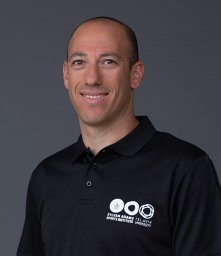 Gepner Yftach合作论文数13
 Keren Constantini合作论文数and Sylvan Adams Sports Institute, Tel-Aviv University8
 Nir Goldstein合作论文数4
 Dubnov-Raz Gal合作论文数Sheba Medical Center, Edmond and Lily Safra Children's Hospital4
 Noam Ben-Eliezer合作论文数Department of Chemical Physics, Weizmann Institute of Science4Stav Leibou合作论文数3Blumenfeld-Katzir Tamar合作论文数3Carmit Levy合作论文数Department of Biomedical Engineering, Technion-Israel Institute of Technology3
 Naama W Constantini合作论文数3Shahar Lev-Ari合作论文数2Guy Choshen合作论文数2Chen Solomon合作论文数2
 Ronen Brenner合作论文数2Elisa Stubbs合作论文数2Sapir Labes合作论文数2Gali Arad合作论文数2Evyatar Ohayon合作论文数2Paulee Manich合作论文数2Sapir Dahan合作论文数2Valentina Zemser-Werner合作论文数2Roma Parikh合作论文数Dept Human Serv, Max Stern Yezreel Valley Acad Coll2
 Gali Cohen合作论文数Sackler Fac Med, Tel Aviv Univ2Lior Bikovski合作论文数Myers Neurobehav Core Facil, Tel Aviv Univ2Danna Sheinboim合作论文数Tel Aviv Univ, Sackler Fac Med, Dept Human Genet & Biochem, IL-69978 Tel Aviv, Israel2
 Rachel E Bell合作论文数2Hila Doron合作论文数2
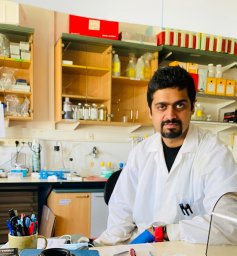 Shivang Parikh合作论文数Tel Aviv Univ, Dept Human Genet & Biochem, Sackler Fac Med, IL-69978 Tel Aviv, Israel2
 Aharon Helman合作论文数Robert H Smith Fac Agr Food & Environm, Hebrew Univ Jerusalem2
 Dennis Jensen合作论文数Department of Kinesiology and Physical Education, Faculty of Education, McGill University2
 Lital Keinan-Boker合作论文数2Mordechai Shimonov合作论文数2Vaknine Hananya合作论文数2
 Tamar Ziv合作论文数2
 Eran Nizri合作论文数Department of General Surgery, Tel-Aviv Sourasky Medical Center2
 Halperin Israel合作论文数School of Human Kinetics and Recreation, Memorial University of Newfoundland2Percik Ruth合作论文数2
 Jay R. Hoffman合作论文数Department of Physical Therapy, Ariel University2
 Sara Melisa Arciniegas Ruiz合作论文数Facultad de Medicina Veterinaria y Zootecnia, Universidad Nacional Autónoma de México2
 Ionescu Ariel合作论文数and the Sagol School of Neuroscience, Tel Aviv University2Shamgar Ben-Eliyahu合作论文数2
 Yariv Gerber合作论文数School of Public Health, Faculty of Medicine, Tel Aviv University;National Institutes of Health;School of Medicine, Mayo Clinic2
 Danny Ben-Zvi合作论文数Department of Molecular Genetics, Weizmann Institute of Science2
 Yuval Tabach合作论文数Department of Physics;Weizmann Institute of Science;Department of Physics, Weizmann Institute of Science2
 Eran Perlson合作论文数Department of Biological Chemistry, Weizmann Institute of Science2Tal Shimony合作论文数2
 Neta Erez合作论文数Department of Molecular Cell Biology, The Weizmann Institute of Science2
 Hagit Eldar Finkelman合作论文数Department of Human Molecular Genetics & Biochemistry, Sackler Faculty of Medicine, Tel Aviv University;Harvard Medical School2Tamar Geiger合作论文数Department of Biological Chemistry, The Hebrew University of Jerusalem2Mehdi Khaled合作论文数2




