Background Menthol inhalation (MI) relieves dyspnoea in healthy individuals and people with respiratory disorders, independent of changes in breathing patterns and respiratory muscle electromyography activity. Thus, the underlying working mechanism of MI is unknown. We tested whether MI reduces dyspnoea by attenuating the neural processing of afferent respiratory sensations, without altering respiratory patterns and the efferent neural drive to breathe. Methods Thirty healthy adults completed four 5-min trials of strong inspiratory resistive loaded breathing: two with MI and two with strawberry scent inhalation (SI; placebo control), in counterbalanced order. Paired inspiratory occlusions (150 ms) were randomly administered every 2–6 breaths to evoke respiratory-related evoked potentials (RREPs) in the electroencephalogram, reflecting neural processing of respiratory signals. Respiratory parameters were measured continuously, and neural drive to breathe was assessed via inspiratory occlusion pressure (P0.1). Dyspnoea intensity and unpleasantness were rated using the modified Borg scale, and five sensory dyspnoea qualities were rated using the Multidimensional Dyspnoea Profile. Results Dyspnoea intensity (Δ=−0.67 modified Borg units, p=0.003, d=−0.56), air hunger (p<0.001), and mental breathing effort (p=0.004) were lower with MI compared with SI. The RREP P2 mean amplitude was lower with MI (Δ=−1.51 µV, p=0.04, d=0.38), and exploratory analysis revealed an additional reduced “P3frontal” RREP component (p=0.04). Respiratory parameters and P0.1 showed only minor differences between conditions. Conclusions MI relieved dyspnoea with concurrent changes in the neural processing of respiratory sensations, in the absence of meaningful changes in respiratory patterns or neural drive to breathe. This suggests that MI relieves dyspnoea via a neural mechanism.
Purpose To develop a deep learning model for segmenting pectoralis muscle volume (PMV) at CT and evaluate the reproducibility, group differences, and associations of pectoralis muscle area (PMA) and PMV with chronic obstructive pulmonary disease (COPD)-related outcomes. Materials and Methods This study was a secondary analysis of the prospective Canadian Cohort Obstructive Lung Disease study (CanCOLD, data collected from November 2009 to July 2015). Randomly sampled CT scans from CanCOLD were used for model training, validation, and internal testing (n = 96, 16, and 32, respectively) and an external dataset for external testing (n = 32). A U-Net model was trained for PMV segmentation, and performance was assessed using the Dice similarity coefficient (DSC). PMA and PMV values were extracted from paired inspiration and expiration scans to assess segmentation reproducibility. Differences between individuals with or without COPD and associations with forced expiratory volume in 1 second (FEV1), diffusing capacity of the lungs for carbon monoxide (Dlco), and peak oxygen uptake during exercise (VO2) were reported. Results Individuals included those with (n = 634; mean age, 67.3 years ± 10.1 [SD]; 394 male participants) and without (n = 601; mean age, 65.8 years ± 9.6; 327 male participants) COPD. The model yielded DSCs of 0.94 ± 0.04, 0.93 ± 0.03, and 0.92 ± 0.04 in the training and validation, internal testing, and external testing datasets, respectively. Contrary to PMV (bias, 0.1 cm3; P = .77), PMA showed bias between inspiration and expiration (bias, -2.7 cm2; P < .001). Both PMA and PMV were reduced in patients with COPD (P < .05), but PMV was more strongly associated with FEV1 (adjusted R2 [Radj2], 0.609/0.598), Dlco (Radj2, 0.645/0.627), and VO2 (Radj2, 0.680/0.666). Conclusion An accurate and generalizable CT-based deep learning model for pectoralis muscle segmentation was developed. Compared with PMA, PMV showed better reproducibility and stronger associations with COPD outcomes. Keywords: CT, Thorax, Lung, Volume Analysis, Chronic Obstructive Pulmonary Disease, Segmentation ClinicalTrials.gov identifier no. NCT00920348 © RSNA, 2026 Supplemental material is available for this article.
Grounded in self-determination theory (SDT), a pilot randomised controlled trial was conducted to evaluate the feasibility of a physical activity intervention for adults with chronic obstructive pulmonary disease (COPD). Intervention participants (n = 8) received a physical activity behaviour change intervention. Control participants (n = 10) followed the exercise component of a standard home-based pulmonary rehabilitation programme for 8 weeks. Recruitment and process time, retention rate, and adherence rate assessed feasibility. Preliminary effectiveness was examined by questionnaire and functional assessments at baseline, post-intervention, and 4 weeks post-intervention. Twenty-three participants were recruited in 7 weeks. A 21.7% drop-out rate and adherence rate of >= 70% was reported. At post-intervention and follow-up, there were moderate to large effect sizes for relatedness, autonomy, and autonomous motivation, favouring the intervention group. Intervention participants showed small improvements in functional assessment at follow-up. The intervention resulted in changes in key outcomes while providing insight into modifications required to the intervention protocol.
BACKGROUND:While smoking and genetic predisposition are known to confer an increased risk of lung diseases, less is known about the socioeconomic determinants of respiratory health. Disadvantages experienced at the neighbourhood level may contribute to poor lung outcomes. Our objective was to quantify the impact of neighbourhood disadvantage on respiratory outcomes in a general population cohort. METHODS:1449 adults enrolled in the Canadian Cohort Obstructive Lung Disease (CanCOLD) study were followed for 3 years with repeat pulmonary function and cardiopulmonary exercise testing. Chest computed tomography (CT) imaging was obtained at baseline. The Material and Social Deprivation Index was used to measure neighbourhood disadvantage. Regression models were used to quantify the association between neighbourhood disadvantage and pulmonary function, peak exercise capacity, quantitative CT measures, respiratory symptom scores, respiratory-related exacerbation events and mortality. RESULTS:When compared to individuals residing in neighbourhoods with the highest privilege, those residing in the most materially and socially disadvantaged neighbourhoods had significantly worse forced expiratory volume in 1 s (FEV1), forced vital capacity (FVC), FEV1/FVC, air trapping, peak exercise oxygen consumption and respiratory symptoms (all p<0.05). Over a 3-year period, they also had significantly worse FEV1 (β= -20.960 mL·year-1, p=0.012) and FVC (β= -25.635 mL·year-1, p=0.042) decline. There were no significant relationships between neighbourhood disadvantage and quantitative CT measures, exacerbations or mortality. CONCLUSIONS:Residence in the most materially and socially disadvantaged neighbourhood is associated with worse lung function and exercise outcomes, highlighting a population particularly vulnerable to chronic airways diseases.
BACKGROUND:Leg discomfort, assessed with the Borg category-ratio 0-10 (Borg CR10) scale, is a primary reason for exercise cessation in both health and disease. However, interpretation during cardiopulmonary exercise testing (CPET) is limited by the absence of normative reference equations. PURPOSE:Develop normative reference equations for leg discomfort during CPET in relation to absolute and relative power output (W) and rate of oxygen uptake (V'O2). METHODS:This was a retrospective analysis of the Canadian Cohort Obstructive Lung Disease (CanCOLD) study. We included healthy males and females aged ≥40 years who completed symptom limited incremental cycle CPET. The probability of each Borg CR10 leg discomfort rating by W or V'O2 was predicted using multinomial logistic regression. Model performance was evaluated by fit, calibration, discrimination (c-statistic), and externally validated in an independent sample (n = 86) of healthy Canadian adults. RESULTS:In total, 156 participants (43% female) were included (mean age 64.8 years). The models demonstrated good discrimination in both internal and external validation (AUC 0.85-0.90), with similar performance across absolute and relative W and V'O2. An upper limit of normal ([ULN]; 95th percentile) could not be defined, as leg discomfort responses were highly clustered within the predicted normal range across exercise intensities. CONCLUSIONS:We present normative reference equations for leg discomfort during CPET. Although an ULN could not be established, these models enable grading and interpretation of leg discomfort relative to the predicted normal responses and facilitate comparisons across individuals and groups in both clinical and research settings.
INTRODUCTION:Breathlessness limits exercise training intensity in people with chronic lung disease (CLD). Stimulation of the trigeminal nerve via fan-to-face (F2F) therapy (facial airflow) can reduce exertional breathlessness and improve exercise endurance in CLD. This randomised controlled trial tested the hypothesis that adding F2F therapy to an exercise training programme could enhance the benefits of exercise training on exercise endurance time (EET) and exertional breathlessness in adults with CLD by allowing them to train at higher intensities. METHODS:23 participants with COPD (n=19) or interstitial lung disease (n=4) were randomised to 5 weeks of thrice weekly supervised exercise training with (F2F; n=12) or without (no fan (NF); n=11) facial airflow. Primary outcomes were baseline to post-exercise training change in EET and isotime breathlessness intensity ratings assessed using constant work-rate cardiopulmonary treadmill exercise testing. RESULTS:Cumulative exercise training volume over the 5-week exercise training programme was similar in the F2F and NF groups, whereas breathlessness intensity ratings were consistently lower across all exercise training sessions in the F2F group. Both the F2F and NF groups showed significant increases in EET (mean±sd 7.2±9.1 min, 95% CI 3.0-13.6 min, versus 8.6±8.5 min, 95% CI 6.3-9.0 min, respectively) and decreases in isotime breathlessness intensity ratings (-2.1±1.5 min, 95% CI 0.6-3.2 min, versus -1.5±1.1 min, 95% CI 0.8-4.0 min, respectively) from baseline to post-exercise training, with similar magnitudes of change observed between groups. CONCLUSION:F2F therapy (facial airflow) is a simple, feasible, low-cost, low-resource nonpharmacological approach to reduce exertional breathlessness during an exercise training programme in people with CLD.
BackgroundViral Respiratory Tract Infections (VRTIs) are a major public health threat. Early detection and preventive measures are key to controlling their spread. Current machine learning approaches often depend on symptom onset, costly equipment, trained personnel, and slow results. This study aims to evaluate whether a machine learning algorithm using physiological data from wearable biosensors during a constant-rate stair-stepping task (3-min test, 2-min recovery) can predict inflammation levels, and to identify the most predictive indicators of VRTI.Methods55 Healthy participants (27 males and 28 females) aged 18–59 years, were recruited and inoculated with a live influenza vaccine to induce an immune response, assessed via changes in circulating inflammatory biomarkers. Physiological markers, including breathing rate and heart rate, during a series of clinically controlled stair tests, were monitored by a wearable biosensor. These data were collected to develop a prediction model using gradient-boosting machine learning algorithms combined with hyperparameter tuning and a leave-one-subject-out method to train the models.ResultsThe study developed a predictive model that accurately estimates inflammation levels in individuals. Features from heart rate variability (HRV) showed the greatest potential, with 70% sensitivity and 77% specificity, and physiological markers from controlled stair tests correlated with VRTI-related inflammatory responses.ImpactThe prediction model linked to stair-stepping tests offers clinicians and the public a tool for self-monitoring and early intervention. Using machine learning and physiological markers, especially HRV features, it can help guide timely treatments and reduce the impact of future outbreaks.
Background:Exertional breathlessness is a common and disabling symptom for people with COPD and interstitial lung disease (ILD). Fan-to-face (F2F) therapy, which may stimulate trigeminal nerve afferents via cool facial airflow, is a promising intervention for breathlessness; however, its efficacy during standardised exercise is not well established. The objective was to investigate the acute effect of F2F therapy versus fan-to-leg (F2L) and no fan (NF) control conditions on breathlessness during a 4-min constant-work rate treadmill exercise test (4-min CWR-TT) among people with COPD or ILD. Methods:In a randomised crossover trial, 32 participants (COPD: n=27; ILD: n=5) completed three 4-min CWR-TTs with F2F, F2L or NF. Breathlessness intensity (primary outcome) and physiological variables were recorded throughout. Results:F2F reduced breathlessness intensity by 0.5 units on the Borg 0-10 scale, compared with NF, but did not reduce breathlessness intensity compared with F2L. F2F resulted in a lower facial skin temperature, but no differences were observed in ventilation, breathing pattern, heart rate or blood oxygen saturation. In an exploratory subgroup analysis of 20 participants with breathlessness intensity of ≥3 Borg units under NF, F2F decreased breathlessness intensity by 0.9 units during the 4-min CWR-TT, compared with NF, but not compared with F2L. Clinically meaningful reductions in exertional breathlessness intensity (≥1 Borg unit) were reported by 31% of the full sample and 45% of the exploratory subgroup under F2F versus NF, with similar proportions (31% and 40%) observed under F2L versus NF. Conclusion:Whether due to stimulation of trigeminal nerve afferents or placebo effects, F2F therapy should reasonably be considered as a potentially effective nonpharmacological intervention for exertional breathlessness, especially among adults with chronic lung disease who report more severe breathlessness on exertion.
Purpose: The 6-minute walk test (6MWT) assesses physical capacity in people with COPD. The distance walked during six minutes (6MWD) is the primary outcome. In clinical practice, 20-metre courses are often used instead of recommended 30-metre. This study aimed to investigate reproducibility of the 6MWT on a 20-metre course in community dwelling adults with COPD. Method: We analyzed 350 participants with COPD, who completed two 6MWTs. Agreement between tests was assessed using a Bland-Altman plot. Participants were divided into improvers and non-improvers based on the upper limit of the 20-metre course minimal important difference (MID) (47 metres). Logistic regression analyses were performed to identify factors affecting reproducibility of 6MWD. Results: Seventeen participants (5%) exceeded the upper limit of the MID in the second 6MWT and were considered improvers. Improvers were younger than non-improvers, had a higher 6MWD and 6-minute distance-saturation product, and a higher proportion had a normal BMI. The Bland-Altman plot showed that the 95% limits of agreement exceeded the MID. Only the presence of cancer as a comorbidity significantly influenced the likelihood of being an improver in 6MWD. Conclusion: This study showed the need to perform at least two 6MWTs on 20-metre courses to obtain a representative 6MWD.
Background/aim: Exertional breathlessness is a dominating symptom in cardiorespiratory disease, limiting exercise capacity. Multidimensional measurement has been proposed to capture breathlessness, but it is unknown whether it is useful to differentiate people with abnormal vs normal exertional breathlessness intensity. Methods: This was a secondary analysis of a randomized controlled trial of outpatients aged >= 18 years performing a symptom-limited cycle incremental exercise test (IET). Breathlessness sensations at end of IET were identified using the multidimensional dyspnea profile (MDP) 30-min post-exercise and compared between people with abnormally high breathlessness (Borg 0-10 rating > upper limit of normal [ULN]) and people within normal ranges (<= ULN) in relation to the percentage of predicted peak power output defined by normative reference equations. Results: Of 92 participants, 20 (22 %) had abnormally high breathlessness. Compared with those with normal breathlessness (n = 72 [78 %]), the abnormal group reported higher symptom intensity at peak exercise (7.9 +/- 1.7 vs 6.3 +/- 1.4 Borg units; p < 0.001) and had lower peak power output 129 +/- 52 W vs 167 +/- 55 W; p < 0.001). Differences between those with normal, and abnormal exertional breathlessness regarding MDP ratings were not statistically significant (all p > 0.05): overall unpleasantness, 4.1 +/- 2.3 vs 4.7 +/- 1.6; immediate perception, 10.9 +/- 2.8 vs 11.5 +/- 1.8; and emotional response, 4.1 +/- 7.6 vs 3.2 +/- 7.5. MDP ratings had no relation to peak power output. Conclusion: Breathlessness dimensions are similar at the peak of a standardized IET and cannot differentiate between people with normal and abnormally high exertional breathlessness.
BACKGROUND:Presymptomatic or asymptomatic immune system signals and subclinical physiological changes might provide a more objective measure of early viral upper respiratory tract infections (VRTIs) compared with symptom-based detection. We aimed to use multimodal wearable sensors, host-response biomarkers, and machine learning to predict systemic inflammation following controlled exposure to a live attenuated influenza vaccine, without relying on symptoms. METHODS:WE SENSE study is a single-centre (McGill University Health Center, Montreal, QC, Canada), prospective controlled trial that recruited healthy adults aged 18-59 years who had not received or were not planning to receive the seasonal influenza vaccine or any other vaccine during the study period. We excluded participants with any infectious symptoms within 7 days before screening. We collected physiological and activity data (eg, heart rate, breathing rate, and acceleration) through continuous monitoring with a smart ring (Oura ring Gen 2, Oura Oy, Finland), smart watch (Biobeat watch, Biobeat Technologies, Israel), and smart shirt (Astroskin-Hexoskin shirt, Hexoskin, Canada) along with high temporal resolution systemic inflammatory biomarker mapping over 12 days (7 days before inoculation and 5 days after). We frequently tested participants both before and after inoculation via PCR for respiratory pathogens, and monitored them via apps for symptoms and free-text annotations. Machine learning algorithms predicting systemic inflammatory surges were trained (35 participants), validated (ten participants), and tested (ten participants) using gradient-boosting techniques. FINDINGS:Between Dec 10, 2021, and Feb, 28, 2022, we enrolled 56 participants, of whom 55 had available data; all 55 participants continuously wore the Oura ring, 54 participants wore the Astroskin-Hexoskin shirt, and 50 wore the Biobeat watch. 27 (49%) participants were female and 28 (51%) were male; 31 (56%) participants were White, eight (15%) were Asian, four (7%) were Black, two (4%) were Latino or Hispanic, and ten (18%) did not disclose. We used model 2, which included handpicked features from the Oura ring night-time data, as the candidate model because it was built on the lowest number of features (more practical). This model predicted inflammatory surges with receiver operating characteristic area under the curve (ROC-AUC) of 0·73 (95% CI 0·71-0·74) for real-time prediction and 0·89 (0·87-0·90) for a 24-h tolerance prediction window (24h-tol) using night-time data from the Oura ring. Incorporating both night-time and daytime data from the Astroskin-Hexoskin shirt yielded ROC-AUC values of 0·73 (0·71-0·75) for real-time and 0·91 (0·90-0·92) for 24h-tol along with improved precision (ie, specificity [0·83, 0·79-0·87] and F1 score [0·65, 0·58-0·71]). The model based on symptoms alone had lower performance, with ROC-AUC values of 0·66 (0·63-0·68) for real-time and 0·79 (0·77-0·82) for 24h-tol. INTERPRETATION:Systemic inflammatory biomarkers coupled with physiological data from wearable biosensors provided rich and objective data from which to train machine learning algorithms to predict systemic inflammation from a low-grade influenza challenge. This approach outperformed symptom-based detection and has the potential to improve detection of VRTIs such as influenza and decrease time to detection, even among asymptomatic people. FUNDING:The Canadian Institutes of Health Research.
IntroductionCannabidiol (CBD) is a compound in the cannabis plant with psycho-physiological effects that may support athletes’ training and recovery. Although not banned by the World Anti-Doping Agency, CBD products may carry a risk of inadvertent anti-doping violations due to contamination with prohibited cannabinoids. The primary objective of this study was to characterize the use, rationale, and perceived benefits of CBD use by elite-level athletes in Canada. The secondary objectives were to (1) identify the sources of information that influence CBD use, (2) describe how athletes are using CBD, and (3) explore the barriers or deterrents to its use.DesignCross-sectional descriptive survey study.MethodsElite-level Canadian athletes completed an anonymous online survey on CBD use between October 2021–June 2023.Results80 athletes completed the survey. 38% (n = 30) had used CBD, with 30% (n = 9) of CBD users reporting active/current use. CBD users cumulatively agreed or strongly agreed that CBD is safe (96%); improved sleep (93%) and relaxation (90%); and reduced pain from training (77%). Friends (26%) and the internet (24%) were the most frequently reported first sources of information on CBD. Oral tincture/oil was the most commonly used (31%) form of CBD. The most reported reason for never using or discontinuing CBD was concern about an anti-doping rule violation (28%).DiscussionGiven the self-reported benefits of CBD among elite-level Canadian athletes, alongside concerns about inadvertent anti-doping violations, clinicians working with this population should provide evidence-based guidance on CBD use and support informed decision-making to minimize risk and optimize athlete safety.
Chronic obstructive pulmonary disease (COPD) is a heterogeneous chronic lung condition often accompanied by comorbidities and systemic manifestations that affect the person’s clinical condition and prognosis and often require specific treatment. Therefore, the management of COPD extends beyond treatment for the lungs per se. Pulmonary rehabilitation (PR) should be considered as part of person-centered management, and supervised exercise training is a core component of this intervention. PR exercise training parameters (e.g., frequency, intensity, time, and type) should be individualized to maximize each individual’s functional gains while targeting systemic manifestations and comorbidities. This manuscript presents evidence-based tailored recommendations for optimizing exercise interventions for people with COPD and comorbidities that significantly affect prognosis (e.g., mortality, hospitalizations) including cardiovascular disease (CVD) (e.g., chronic coronary syndrome, heart failure), CVD risk factors (e.g., type 2 diabetes mellitus [T2DM], hypertension), and sarcopenia. To achieve these goals, existing guidelines and evidence for exercise training in COPD, CVD, CVD risk factors, and sarcopenia have been reviewed to identify synergies between PR and cardiac rehabilitation, as well as the treatment of T2DM and sarcopenia. In addition, we provided clinical cases to illustrate how PR can be adapted to accommodate specific comorbidities. These examples offer practical guidance for tailoring exercise prescriptions within PR programs to address the unique needs of people with COPD and clinically relevant comorbidities, thereby enhancing overall treatment effectiveness and optimizing health outcomes.
RATIONALESpirometry tests that meet quality control criteria are essential for accurate interpretation; however, reviewing individual maneuvers for quality in large population-based studies introduces barriers to achieving this goal.OBJECTIVEThe objective of this study was to explore the use of a novel automated artificial intelligence software (ArtiQ.QC) to apply the 2019 American Thoracic Society/European Respiratory Society spirometry quality control criteria to data collected as part of the Canadian Longitudinal Study on Aging (CLSA).METHODSIndividual spirometry maneuvers (ie, flow-volume and time data) from the CLSA were imported into ArtiQ.QC. Each maneuver was evaluated for technical acceptability according to the ATS/ERS 2019 standard. Quality grades were compared between those provided by the spirometer software and the ArtiQ.QC grade.MEASUREMENTS AND MAIN RESULTSOf the 21,795 spirometry test sessions, 15,079 (69.2%) were technically acceptable and repeatable (Grade A, B or C) for both forced expiratory volume in 1 s (FEV1) and forced vital capacity (FVC). Of 67,908 maneuvers, 25,598 were deemed technically unacceptable, with 87.8% of these failing to meet end of forced expiration criteria. The proportion of individuals below the lower limit of normal for FEV1 and FVC was lower when ArtiQ.QC evaluation was applied compared with those provided by the software.CONCLUSIONAI-based quality control algorithms are a feasible and efficient way to ensure high quality spirometry data in research studies. JUSTIFICATIONLes tests de spirom & eacute;trie conformes aux crit & egrave;res de contr & ocirc;le de la qualit & eacute; sont essentiels & agrave; une interpr & eacute;tation pr & eacute;cise; toutefois, l'& eacute;valuation de la qualit & eacute; de chaque man oe uvre individuelle dans le cadre d'& eacute;tudes populationnelles de grande envergure constitue un obstacle & agrave; la r & eacute;alisation de cet objectif.OBJECTIFCette & eacute;tude visait & agrave; & eacute;valuer l'utilisation d'un nouveau logiciel automatis & eacute; d'intelligence artificielle (ArtiQ.QC) pour appliquer les crit & egrave;res de contr & ocirc;le de la qualit & eacute; en spirom & eacute;trie de l'American Thoracic Society et de l'European Respiratory Society (2019) aux donn & eacute;es recueillies dans le cadre de l'& Eacute;tude longitudinale canadienne sur le vieillissement.M & Eacute;THODESLes man oe uvres de spirom & eacute;trie individuelles (c.-& agrave;-d. les donn & eacute;es d & eacute;bit-volume et temporelles) issues de l'& Eacute;LCV ont & eacute;t & eacute; import & eacute;es dans ArtiQ.QC. L'acceptabilit & eacute; technique de chaque man oe uvre a & eacute;t & eacute; & eacute;valu & eacute;e selon la norme de 2019 de l'ATS/ERS. Les cotes de qualit & eacute; attribu & eacute;es aux man oe uvres individuelles par le logiciel du spirom & egrave;tre ont & eacute;t & eacute; compar & eacute;es & agrave; celles attribu & eacute;es par ArtiQ.QC.MESURES ET PRINCIPAUX R & Eacute;SULTATSSur les 21 795 s & eacute;ances de tests de spirom & eacute;trie, 15 079 (69,2 %) ont & eacute;t & eacute; jug & eacute;es techniquement acceptables et reproductibles (cotes A, B ou C) pour le volume expiratoire forc & eacute; en une seconde (VEMS) et la capacit & eacute; vitale forc & eacute;e (CVF). Parmi les 67 908 man oe uvres, 25 598 ont & eacute;t & eacute; jug & eacute;es techniquement inacceptables, dont 87,8 % en raison du non-respect des crit & egrave;res de fin d'expiration forc & eacute;e. La proportion d'individus se situant sous la limite inf & eacute;rieure de la normale pour le VEMS et la CVF & eacute;tait plus faible lorsque l'& eacute;valuation & eacute;tait effectu & eacute;e & agrave; l'aide d'ArtiQ.QC, comparativement & agrave; celle fournie par le logiciel du spirom & egrave;tre.CONCLUSIONLes algorithmes de contr & ocirc;le de la qualit & eacute; fond & eacute;s sur l'intelligence artificielle constituent une m & eacute;thode efficace et viable pour garantir la qualit & eacute; des donn & eacute;es de spirom & eacute;trie dans les & eacute;tudes scientifiques.
BACKGROUND:Exertional breathlessness is a cardinal symptom of people with chronic airflow limitation (CAL) and can be evaluated using cardiopulmonary exercise testing (CPET). RESEARCH QUESTION:Does abnormally high exertional breathlessness in relationship to the rate of oxygen uptake (V'O2) and minute ventilation (V'E) indicate different underlying pathophysiologic mechanisms and clinical characteristics in people with CAL? STUDY DESIGN AND METHODS:Analysis of people aged ≥ 40 years with CAL (FEV1 to FVC ratio after bronchodilation less than lower limit of normal) undergoing symptom-limited incremental cycle CPET in the Canadian Cohort Obstructive Lung Disease study. Using published normative references, breathlessness phenotypes at peak exercise were categorized as abnormal (Borg 0-10 scale intensity rating more than upper limit of normal) by V'O2 alone, abnormal by both V'O2 and V'E, or normal by both V'O2 and V'E. Exercise physiologic responses and clinical characteristics were compared between groups. RESULTS:We included 325 people (44% female) with CAL (mean [SD]) FEV1, 75.4 [17.5] % predicted). Compared with the normal by both V'O2 and V'E group (n = 237 [73%]), the abnormal by V'O2 only group (n = 29 [9%]) showed lower pulmonary diffusing capacity and greater exercise ventilatory inefficiency, whereas the abnormal by both V'O2 and V'E group (n = 50 [15%]) showed even worse lung function, dynamic critical inspiratory constraints, and exertional breathlessness along with greater symptom burden in daily life, lower physical activity, and worse health status. INTERPRETATION:Our results show that exertional breathlessness phenotyped in relationship to V'O2 and V'E using normative reference equations enables multivariable analyses of underlying symptom mechanisms and associated clinical characteristics.
 Jean Bourbeau合作论文数Division of Epidemiology, Biostatistics and Occupational Health, School of Population and Global Health, Faculty of Medicine and Health Sciences, McGill University64
 Denis O'Donnell合作论文数Department of Biomedical and Molecular Sciences, Faculty of Health Sciences, Queen's University;Respiratory Investigation Unit, Department of Medicine, School of Medicine, Faculty of Health Sciences, Queen's University59
 Hayley Lewthwaite合作论文数School of Environment & Life Sciences, The University of Newcastle41
 Wan-Cheng Tan合作论文数Department of Medicine, University of British Columbia;Centre for Heart Lung Innovation37
 Magnus P Ekstrom合作论文数Division of Respiratory Medicine &Lund University, Flinders University;Lund University, Flinders University32
 Jordan A. Guenette合作论文数Division of Respiratory Medicine, The University of British Columbia28
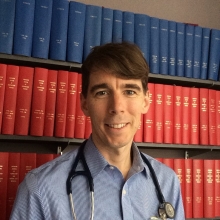 Benjamin Smith合作论文数Division of Epidemiology, Biostatistics and Occupational Health, School of Population and Global Health, Faculty of Medicine and Health Sciences, McGill University27
 Li Pei Z合作论文数23Katherine Webb合作论文数23
 Abdallah Sara J合作论文数Department of Biology, University of Ottawa22
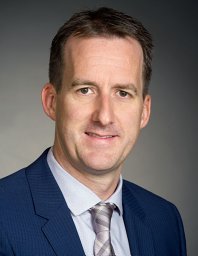 Michael Stickland合作论文数Division of Pulmonary Medicine, Department of Medicine, Faculty of Medicine & Dentistry, University of Alberta;G.F. MacDonald Centre for Lung Health, Covenant Health20
 Miranda Kirby合作论文数Department of Medical Biophysics, The University of Western Ontario19
 Michele R. Schaeffer合作论文数16
 J Alberto Neder合作论文数13
 François Maltais合作论文数Universite Laval;Centre De Pneumologie, Institut Universitaire De Cardiologie Et De Pneumologie De Quebec13
 Amany F. Elbehairy合作论文数Department of Medicine, Queen's University and Kingston General Hospital10Courtney Wilkinson-Maitland合作论文数9
 Von Leupoldt Andreas合作论文数Dept Psychol, Univ Hamburg9K. A. Webb合作论文数9
 Emilie Michalovic合作论文数Dept Kinesiol & Phys Educ, McGill Univ8Bridget M. Smith合作论文数Spinal Cord Injury (SCI) QUERI and Center for Management of Complex Chronic Care, Veterans Affairs Hospital8
 Cassandra T Mendonca合作论文数7
 Lauren Tracey合作论文数Clin Exercise & Resp Physiol Lab, McGill Univ7
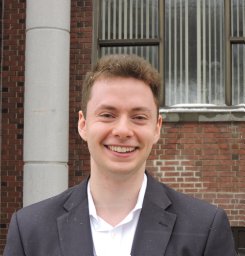 Adamo A Donovan合作论文数Div Resp Med, McGill Univ7
 Alex Jenkins合作论文数Nottingham Biomed Res Ctr Resp Theme, Univ Nottingham7
 Devin B Phillips合作论文数Resp Invest Unit, Queens Univ7
 Marciniuk Darcy D合作论文数Div Respirol Crit Care & Sleep Med, Univ Saskatchewan7Harvey O. Coxson合作论文数7
 Sanja Stanojevic合作论文数Institute of Child Health Portex Respiratory Unit, London, UK7Dany Doiron合作论文数7
 Shane Sweet合作论文数Rehabilitation Sciences Institute, Temerty Faculty of Medicine, University of Toronto6
 Don D. Sin合作论文数Department of Medicine, Faculty of Medicine, The University of British Columbia;Centre of Heart Lung Innovation, The University of British Columbia and St. Paul’s Hospital;Respiratory Medicine, Providence Health Care6
 Paul Hernandez合作论文数6
 Gregory A. L. Davies合作论文数Department of Obstetrics and Gynaecology, Faculty of Health Sciences, Queen's University6JA Neder合作论文数5
 Rachelle Isabel Aucoin合作论文数5
 Viktor Elmberg合作论文数5
 Sophie É Collins合作论文数Div Pulm Med, Univ Alberta5Nathalie Saad合作论文数5Ciavaglia Casey E合作论文数5
 Ramsook Andrew H合作论文数5Helene Perrault合作论文数5
 Amir Hadid合作论文数Tel Hashomer and the Sackler Faculty of Medicine, Tel Aviv University Heller Institute of Medical Research5Larry A. Wolfe合作论文数5LA Wolfe合作论文数4Jaycie Triandafilou合作论文数4Kaveh Gaynor-Sodeifi合作论文数4




