Predation shapes marine benthic communities and affects prey species population dynamics in tropic and temperate coastal systems. However, information on its magnitude in systematically understudied Arctic coastal habitats is scarce. To test predation effects on the diversity and structure of Arctic benthic communities, we conducted caging experiments in which consumers were excluded from plots at two intertidal sedimentary sites in Svalbard (Longyearbyen and Thiisbukta) for 2.5 months. Unmanipulated areas served as controls and partial (open) cages were used to estimate potential cage effects. At the end of the experiment, we took one sediment core from each plot and quantified total biomass and the number of each encountered taxon. At both sites, the experimental exclusion of predators slightly changed the species composition of communities and had negligible effects on biomass, total abundance, species richness, evenness, and Shannon Index. In addition, we found evidence for cage effects, and spatial variability in the intensity of the predation effects was identified. Our study suggests that predators have limited effects on the structure of the studied intertidal macrobenthic Arctic communities, which is different from coastal soft-bottom ecosystems at lower latitudes.
Past studies have revealed higher levels of biodiversity, total abundance, and size of individuals around offshore installations of renewable energy. This study investigated the effects of Lysekil wave power park (area 0.5 km(2)) on the abundance and carapace size of decapods at the Swedish west coast. For that purpose, decapods were caught with cages during four consecutive summers. Two types of cages were applied to catch a wide range of decapod species and sizes. The abundance and size of decapods were not significantly different within the wave power park and up to a distance of 360 m outside of it. The catch rate, i.e., number of decapods caught in 24 h, was not significantly different among sampling locations but revealed inter-annual variation for both cage types. The results suggest a limited role of the incidental no-take zone of the small Lysekil wave power park on the abundance and size of local decapods. However, neither were negative impacts, such as decreasing abundances or smaller carapace sizes, discovered. As an increase in the number of marine renewable energy production sites is foreseen, a scaled-up and larger study addressing MPA networks and other environmental interactions should be considered.
Expected lower sea-ice cover and increased storm frequency have led to projections of an increase in seaweed detritus in Arctic marine systems in the near future. To assess whether detached seaweed affects structural and functional traits of species assemblages in soft-bottom habitats, comparable experiments were run in two intertidal sites (Longyearbyen and Thiisbukta) on Svalbard. At each site, we fixed nets containing the locally dominating seaweeds Saccharina latissima and Desmarestia aculeata (Thiisbukta) or Fucus sp. (Longyearbyen) to intertidal mud flats. Empty nets were fixed as procedural controls at both sites. After 2.5 months, one sediment core was taken from each manipulated plot and the number of individuals, dry mass, and average length of each encountered animal taxon were recorded. The same measurements were taken from cores collected from unmanipulated areas at each site, both at the start and end of the experiment. Abundance data were used to calculate estimates of diversity (Shannon-index, evenness, and taxon richness), while initial and final average length measurements were used to estimate taxon-specific growth. Log response ratios of initial and final abundance in unmanipulated areas were used to estimate magnitude and direction of the effect of change in community traits over time, serving as a reference to log response ratios estimating manipulated seaweed effects. In Longyearbyen, the presence of detached seaweeds reduced abundance and dry mass by, on average, 46 and 70%, respectively, compared to unmanipulated benthic communities. In Thiisbukta, the presence of seaweeds enhanced evenness, on average by 16%, but reduced abundance and growth of benthic fauna by, on average, 31 and 86%, respectively. Seaweed effects were generally smaller in Thiisbukta than in Longyearbyen. At both sites, time effects were generally opposite in direction to those caused by the seaweed treatments, yet of similar or larger magnitude. Through reversing temporal dynamics of several of the tested community traits, detached seaweeds strongly modified the structure and functioning of soft-bottom species assemblages at both intertidal sites. We suggest that the detected effects possibly result from seaweed-induced changes in environmental conditions and/or physical disturbance as underlying processes.
On rocky substrata along shallow water cold-temperate and Arctic coastlines, large brown seaweeds ("kelps") form structure- and organism-rich habitats of vast ecological significance. The distribution of these ecosystem engineers is largely controlled by the prevailing temperature, light regime and substrate availability, but can also be influenced by biotic interactions within the kelp communities. In Kongsfjorden, right in the transition of an Arctic to an Atlantic fjord system, the aforementioned factors are likely to be altered as a consequence of regional and global environmental change. The drivers of change entail increasing surface irradiances of harmful ultraviolet B radiation due to stratospheric ozone depletion, and variations related to increased atmospheric carbon dioxide concentrations, such as increase in atmospheric and sea surface temperatures with their marked influence on sea ice formation and ocean acidification. Other factors potentially driving the Kongsfjorden system into change might be alterations of current and wind patterns resulting in the increased inflow of Atlantic waters into the bay (Atlantification), and increased precipitation, and terrestrial and glacial runoff, yielding an altered salinity regime and sediment discharge into the fjord with the potential impact of reducing light availability to marine photosynthesizers. Hence, this article is aiming to provide an overview on ecologically relevant abiotic and biotic factors influencing kelp distribution, and with the potential to eventually act as environmental stressors. We assess responses on different organisational levels of kelp by following the effects cascading from the initial sensing of the environment, signal transduction to gene expression, physiological reactions, changes in cellular ultrastructure and subsequent consequences for growth, reproduction and population biology for the different species of kelps present in Kongsfjorden. Results synthesized from more than 20 years of seaweed research in Kongsfjorden point to the overall large adaptability of most of the kelp species being present in the system. Such species are to be expected to cope with the levels of increased ultraviolet radiation and temperature predicted in climate scenarios. However, susceptibility largely differs among the various life history stages of kelps, with the microscopic reproductive stages responding sensitively. Manipulation experiments conducted at ecologically relevant amplitudes, however, do not point to an inhibition of kelp viability and reproduction under proceeding change. Still, there is the important exception of an Arctic endemic kelp species, Laminaria solidungula, which will largely suffer from temperature increase. Thus, changes in kelp community composition, but also system productivity are to be expected. Subsequent to the synthesis of seaweed responses, this review concludes by identifying the major research gaps and priority topics for future kelp studies in Kongsfjorden.
Ecological processes modulate ecosystem functioning and services. Foundation species are those exerting intense control on such processes as both their existence and loss have profound implications on the structure of ecological communities. For the distinction between random fluctuations and directional regime shifts in community composition, long-term records are of strategic need. In this study we present the monitoring of benthic hard-bottom communities over 11 years along seven stations in the SW Baltic Sea. Regional differences were found between the communities of Kiel and Lübeck bights, with the former area displaying signs of regime shift. The decline and near disappearance of the foundational species Mytilus edulis from settlement panels deployed in Kiel Bight correlated with three environmental variables: sea surface temperature, water current speed and chlorophyll a concentration. Thus, low spring temperatures, in some cases reinforced by local maxima of chlorophyll a, correlated with reduced recruitment of Mytilus. Moreover, regional differences of larval dispersal and population connectivity could explain the rapid recovery after disturbance of the mussel populations in Lübeck Bight in contrast to Kiel Bight. Our findings underscore the relevance of long-term monitoring programmes to detect the interactive impacts of global climatic and regional environmental drivers.
Knowledge on the causes and consequences that structure benthic communities is essential to understand and conserve Arctic ecosystems. This review aims to summarize the current knowledge on the effects of abiotic and biotic factors on species interactions and community traits, i.e. diversity, structure, and functioning of Arctic coastal hard- and soft-bottom habitats, with emphasis on Kongsfjorden (Svalbard). Current evidence indicates that descriptive and mensurative studies on the distribution of species prevail and few studies allow inferences on the underlying processes generating observed patterns. Furthermore, Arctic hard- and soft-bottom communities show some fundamental differences in their ecology. The recovery in hard-bottom communities from disturbance, for instance, takes exceptionally long (i.e. > decadal) due to slow growth and/or sporadic recruitment, while it is considerably shorter in soft-bottom communities. Also, Arctic hard-bottom communities display strong competitive hierarchies that appear negligible in communities populating sedimentary shores. This review concludes with a suggestion to shift the focus in Arctic benthos research from pattern to processes and the identification of major research gaps. These include (i) the apparent demarcation of studies being devoted to either rocky or to sedimentary shores, which hamper studies on habitat connectivity, (ii) the lack of studies addressing the effects of pathogens and diseases on community ecology, and (iii) the incomplete assessment of potentially significant drivers of community ecology, such as trophic interactions, recruitment success, and competition.
AbstractIn the course of the ongoing global intensification and diversification of human pressures, the study of variation patterns of biological traits along environmental gradients can provide relevant information on the performance of species under shifting conditions. The pronounced salinity gradient, co‐occurrence of multiple stressors, and accelerated rates of change make the Baltic Sea and its transition to North Sea a suitable region for this type of study. Focusing on the bladderwrack Fucus vesiculosus, one of the main foundation species on hard‐bottoms of the Baltic Sea, we analyzed the phenotypic variation among populations occurring along 2,000 km of coasts subjected to salinities from 4 to >30 and a variety of other stressors. Morphological and biochemical traits, including palatability for grazers, were recorded at 20 stations along the Baltic Sea and four stations in the North Sea. We evaluated in a common modeling framework the relative contribution of multiple environmental drivers to the observed trait patterns. Salinity was the main and, in some cases, the only environmental driver of the geographic trait variation in F. vesiculosus. The decrease in salinity from North Sea to Baltic Sea stations was accompanied by a decline in thallus size, photosynthetic pigments, and energy storage compounds, and affected the interaction of the alga with herbivores and epibiota. For some traits, drivers that vary locally such as wave exposure, light availability or nutrient enrichment were also important. The strong genetic population structure in this macroalgae might play a role in the generation and maintenance of phenotypic patterns across geographic scales. In light of our results, the desalination process projected for the Baltic Sea could have detrimental impacts on F. vesiculosus in areas close to its tolerance limit, affecting ecosystem functions such as habitat formation, primary production, and food supply.
Predator nonconsumptive effects (NCEs) on prey are ubiquitous in nature. In aquatic systems, such NCEs are often triggered by predator-released waterborne cues that are detected by prey. To minimize predation risk, prey exhibit immediate behavioural responses (e.g., cessation of feeding or moving away). However, the consequences of such responses for prey demography remain poorly understood. This knowledge gap is important to address because, ultimately, demography influences the impact of a species on its community. Therefore, we investigated predator NCEs on two key demographic variables for prey, recruitment and reproduction, through manipulative field experiments in rocky intertidal habitats from Nova Scotia, Canada. As model predator-prey systems, we used dogwhelks ( Nucella lapillus ) and their main prey, barnacles ( Semibalanus balanoides ) and blue mussels ( Mytilus spp.). We found that dogwhelk NCEs limited barnacle recruitment by limiting barnacle settlement, as barnacle larvae settled elsewhere when detecting dogwhelk cues, likely to reduce future predation risk as settled organisms grow to adults. The observed nonconsumptive limitation intensified with dogwhelk density but disappeared under high barnacle recruit density (favoured by phytoplanktonic food supply) or in the presence of adult barnacles, seemingly because chemical cues by barnacle recruits and adults are known to attract conspecific larvae seeking settlement. High water motion in wave-exposed environments also eliminated dogwhelk NCEs on barnacle recruitment, apparently through dogwhelk cue dilution. Furthermore, the months-long exposure of barnacle recruits to dogwhelk cues limited reproductive output once the recruits developed into adults. This was probably a result of a reduction of recruit feeding under dogwhelk cue exposure, as found previously in the lab. Our field experiments also showed that dogwhelk cues can also limit recruitment in blue mussels. However, this limitation was less intense than for barnacles, which may be explained by the fact that mussels remain mobile to some extent throughout their benthic life and can, thus, avoid predation more often than barnacles, which are fully sessile after settlement. Overall, our research shows that predator NCEs can affect prey demography by limiting prey recruitment and reproduction and that biotic and abiotic factors can modulate such NCEs.
Mechanistic knowledge on drivers of benthic community traits is key to predict the effects of global change, particularly for the Arctic, where climate change is paramount while its causalities on biota have been scarcely studied. Manipulative field experiments were conducted in two intertidal sedimentary sites (Thiisbukta and Longyearbyen) on Svalbard (Norway) from May to August 2017. At both sites, a complete randomized block design was used to assess the effects of detached seaweed presence on species composition, and biomass of soft-bottom communities. Species composition was significantly distinct between both sites, with the communities of Thiisbukta being more divers, more populated, and more productive in terms of biomass. Here, the presence of detached seaweeds had no effect on any of the tested community responses. In Longyearbyen, however, the number of individuals and biomass were both significantly lower in plots covered by detached seaweeds than in un-manipulated controls. We conclude that detached seaweeds may negatively affect the structure and productivity of Arctic soft-bottom communities, but this response is strongly site-dependent as the more diverse community appeared resistant to the experimental manipulations.
Recent studies have shown that predator chemical cues can limit prey demographic rates such as recruitment. For instance, barnacle pelagic larvae reduce settlement where predatory dogwhelk cues are detected, thereby limiting benthic recruitment. However, adult barnacles attract conspecific larvae through chemical and visual cues, aiding larvae to find suitable habitat for development. Thus, we tested the hypothesis that the presence of adult barnacles (Semibalanus balanoides) can neutralize dogwhelk (Nucella lapillus) nonconsumptive effects on barnacle recruitment. We did a field experiment in Atlantic Canada during the 2012 and 2013 barnacle recruitment seasons (May-June). We manipulated the presence of dogwhelks (without allowing them to physically contact barnacles) and adult barnacles in cages established in rocky intertidal habitats. At the end of both recruitment seasons, we measured barnacle recruit density on tiles kept inside the cages. Without adult barnacles, the nearby presence of dogwhelks limited barnacle recruitment by 51%. However, the presence of adult barnacles increased barnacle recruitment by 44% and neutralized dogwhelk nonconsumptive effects on barnacle recruitment, as recruit density was unaffected by dogwhelk presence. For species from several invertebrate phyla, benthic adult organisms attract conspecific pelagic larvae. Thus, adult prey might commonly constitute a key factor preventing negative predator nonconsumptive effects on prey recruitment.
Through a field experiment, we show that a predator has negative nonconsumptive effects (NCEs) on different life-history stages of the same prey species. Shortly before the recruitment season of the barnacle Semibalanus balanoides (May–June), we established experimental cages in rocky intertidal habitats in Nova Scotia, Canada. The cages were used to manipulate the presence and absence of dogwhelks, Nucella lapillus, the main predators of barnacles. At the centre of each cage, we installed a tile where barnacle pelagic larvae could settle and the resulting recruits grow. Mesh prevented caged dogwhelks from accessing the tiles, but allowed waterborne dogwhelk cues to reach the tiles. Results in May indicated that barnacle larvae settled preferentially on tiles from cages without dogwhelks. In November, at the end of the dogwhelk activity period and once the barnacle recruits had grown to adult size, barnacle body mass was lower in the presence of dogwhelks. This limitation may have resulted from a lower barnacle feeding activity with nearby dogwhelks, as found by a previous study. The observed larval and adult responses in barnacles are consistent with attempts to decrease predation risk. November data also indicated that dogwhelk cues limited barnacle reproductive output, a possible consequence of the limited growth of barnacles. Overall, this study suggests that a predator species might influence trait evolution in a prey species through NCEs on different life-history stages.
Biotic factors such as bioturbation and predation affect abundance and species composition of marine soft-bottom communities from tropical to temperate regions, but their impact has been rarely investigated in Arctic coastal systems. By conducting a factorial manipulative field experiment, we excluded the bioturbating lugworm Arenicola marina and predacious consumers from a sedimentary nearshore area in Kongsfjorden (Spitsbergen) for 70 days to explore their role in structuring the benthic community. The removal of A. marina caused an increase in average species number by 25 %, a doubling increase in the average number of individuals and an increase in dry mass of benthic organisms by, on average, 73 % in comparison with untreated areas. Additionally, community composition was significantly modified by lugworm exclusion resulting in higher average densities of the cumacean Lamprops fuscatus (4.2-fold), the polychaete worms Euchone analis (3.7-fold) and Pygospio cf. elegans (1.5-fold), the bivalve Crenella decussata (2.8-fold) and the amphipod Crassicorophium crassicorne (1.2-fold), which primarily contribute to the observed differences. Consumer exclusion, by contrast, showed no effects on the response variables. This result was independent from bioturbation due to missing interaction between both biotic factors. We conclude that present levels of bioturbation may considerably affect Arctic coastal soft-bottom communities. In contrast, predation by macro-epibenthic consumers currently seems to be of minor importance. This might change in a predicted warmer Arctic with assumed higher predator abundances and a northward expansion of boreal consumers.
The effects of biotic disturbances, like seaweed whiplash, on the diversity of benthic communities are well documented for temperate coastal systems, yet missing for Arctic benthos. In Arctic soft-bottom habitats, kelp thalli occur either continuously (e.g. trapped by sediment) or sporadically (by drifting on the sediment) after detachment from rocky shores. To explore whether a kelp thallus can disturb the structure and diversity of a coastal Arctic soft-bottom assemblage, we continuously fixed a single thallus of the kelp Saccharina latissima to or sporadically (i.e. biweekly) moved it on the sediment and compared treatment effects to unmanipulated plots (=controls). On 6 September 2013 (i.e. after 73 days of manipulation), one sediment core was taken from each of the 30 plots (n = 10), from which the number of individuals of each of the 45 encountered animal taxa was recorded. The continuous presence of an experimentally fixed kelp thallus significantly reduced the number of individuals on average by 27 %. This disturbance effect was even stronger, on average 49 %, where a kelp thallus was biweekly moved on the sediment. Likewise, taxon richness was lowered by an average of 19 and 36 % where a S. latissima thallus was continuously or sporadically present, respectively. While the composition of taxa was also significantly different among all treatment groups, evenness and biomass were unaffected by kelp treatments. We conclude that the presence and already movements of a single kelp thallus can promote small-scale patchiness in near-shore soft-bottom assemblage structure and diversity and exemplify a significant connection between rocky and sedimentary coastal habitats.
In many temperate regions, brown macroalgae fulfil essential ecosystem services such as the provision of structure, the fixation of nutrients and carbon, and the production of biomass and oxygen. Their populations in many regions around the globe have declined and/ or spatially shifted in recent decades. In this review we highlight the potential global and regional drives of these changes, describe the status of regionally particularly important brown macroalgal species, and describe the capacity of interactions among abiotic and biotic factors to amplify or buffer environmental pressure on brown macroalgae. We conclude with a consideration of possible management and restoration measures.
Grazing-induced plant defences that reduce palatability to herbivores are widespread in terrestrial plants and seaweeds, but they have not yet been reported in seagrasses. We investigated the ability of two seagrass species to induce defences in response to direct grazing by three associated mesograzers. Specifically, we conducted feeding-assayed induction experiments to examine how mesograzer-specific grazing impact affects seagrass induction of defences within the context of the optimal defence theory. We found that the amphipod Gammarus insensibilis and the isopod Idotea chelipes exerted a low-intensity grazing on older blades of the seagrass Cymodocea nodosa, which reflects a weak grazing impact that may explain the lack of inducible defences. The isopod Synischia hectica exerted the strongest grazing impact on C. nodosa via high-intensity feeding on young blades with a higher fitness value. This isopod grazing induced defences in C. nodosa as indicated by a consistently lower consumption of blades previously grazed for 5, 12 and 16 days. The lower consumption was maintained when offered tissues with no plant structure (agar-reconstituted food), but showing a reduced size of the previous grazing effect. This indicates that structural traits act in combination with chemical traits to reduce seagrass palatability to the isopod. Increase in total phenolics but not in C:N ratio and total nitrogen of grazed C. nodosa suggests chemical defences rather than a modified nutritional quality as primarily induced chemical traits. We detected no induction of defences in Zostera noltei, which showed the ability to replace moderate losses of young biomass to mesograzers via compensatory growth. Our study provides the first experimental evidence of induction of defences against meso-herbivory that reduce further consumption in seagrasses. It also emphasizes the relevance of grazer identity in determining the level of grazing impact triggering resistance and compensatory responses of different seagrass species.
We investigated the nonconsumptive effects (NCEs) of predatory dogwhelks (Nucella lapillus) on intertidal barnacle (Semibalanus balanoides) recruitment through field experiments on the Gulf of St. Lawrence coast and the Atlantic coast of Nova Scotia, Canada. We studied the recruitment seasons (May-June) of 2011 and 2013. In 2011, the Gulf coast had five times more nearshore phytoplankton (food for barnacle larvae and recruits) during the recruitment season and yielded a 58% higher barnacle recruit density than the Atlantic coast at the end of the recruitment season. In 2013, phytoplankton levels and barnacle recruit density were similar on both coasts and also lower than for the Gulf coast in 2011. Using the comparative-experimental method, the manipulation of dogwhelk presence (without allowing physical contact with prey) revealed that dogwhelk cues limited barnacle recruitment under moderate recruit densities (Atlantic 2011/2013 and Gulf 2013) but had no effect under a high recruit density (Gulf 2011). Barnacle recruits attract settling larvae through chemical cues. Thus, the highest recruit density appears to have neutralized dogwhelk effects. This study suggests that the predation risk perceived by settling larvae may decrease with increasing recruit density and that prey food supply may indirectly influence predator NCEs on prey recruitment.
Summary Environmental stress can influence species traits and performance considerably. Using a seaweed–snail system from NW (Nova Scotia) and NE (Helgoland) Atlantic rocky shores, we examined how physical stress (wave exposure) modulates traits in the seaweed Fucus vesiculosus and indirectly in its main consumer, the periwinkle Littorina obtusata. In both regions, algal tissue toughness increased with wave exposure. Reciprocal‐transplant experiments showed that tissue toughness adjusted plastically to the prevailing level of wave exposure. Choice experiments tested the feeding preference of snails from sheltered, exposed and very exposed habitats for algae from such wave exposures. Snails from exposed and very exposed habitats consumed algal tissues at similar rates irrespective of the exposure of origin of the algae. However, snails from sheltered habitats consumed less algal tissues from very exposed habitats than tissues from sheltered and exposed habitats. Choice assays using reconstituted algal food (triturated during preparation) identified high thallus toughness as the explanation for the low preference of snails from sheltered habitats for algae from very exposed habitats. Ultrastructural analyses of radulae indicated that rachidian teeth were longest and the number of cusps in lateral teeth (grazing‐relevant traits) was highest in snails from very exposed habitats, suggesting that radulae are best suited to rupture tough algal tissues in such snails. No‐choice feeding experiments revealed that these radular traits were also phenotypically plastic, as they adjusted to the toughness of the algal food. Synthesis. This study indicates that the observed plasticity in the feeding ability of snails is mediated by wave exposure through phenotypic plasticity in the tissue toughness of algae. Thus, plasticity in consumers and their resource species may reduce the potential effects of physical stress on their interaction.
All photographs by R. A. Scrosati Predators may have nonconsumptive effects (NCEs) on prey populations mediated by chemical cues detected by prey. We experimentally investigated dogwhelk (Nucella lapillus) NCEs on intertidal barnacle (Semibalanus balanoides) recruit density in Nova Scotia, Canada. Under a moderate abundance of coastal phytoplankton (food for barnacle larvae and recruits), barnacle recruitment was moderate and the nearby presence of dogwhelks limited barnacle recruit density at the end of the recruitment season. Under a high phytoplankton abundance, barnacle recruitment was high and neutralized dogwhelk NCEs on barnacle recruit density, likely through the chemical attraction that recruits exert on larvae seeking settlement. Barnacle recruits and predatory dogwhelks on the Atlantic coast of Nova Scotia, Canada. Photograph by R. A. Scrosati. Julius Ellrich and experimental cages used to study the nonconsumptive effects of predatory dogwhelks on barnacle recruitment. These photographs illustrate the article “Predator nonconsumptive effects on prey recruitment weaken with recruit density” by Julius A. Ellrich, Ricardo A. Scrosati, and Markus Molis, published in Ecology 96(3):611–616. http://dx.doi.org/10.1890/14-1856.1
 Martin Wahl合作论文数GEOMAR Helmholtz Centre for Ocean Research Kiel59
 Mark Lenz合作论文数IFM-GEOMAR24
 Nelson Valdivia合作论文数Universidad Católica del Norte;Facultad de Ciencia del Mar;Facultad de Ciencia del Mar, Universidad Católica del Norte23
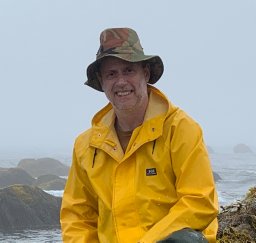 Ricardo A. Scrosati合作论文数Saint Francis Xavier University;Department of Biology;Department of Biology, Saint Francis Xavier University15
 Christian Wiencke合作论文数14
 Christian Buschbaum合作论文数Alfred Wegener Institute for Polar and Marine Research Wadden Sea Station13
 Martin Thiel合作论文数Department of Marine Biology, Universidad Catolica del Norte10
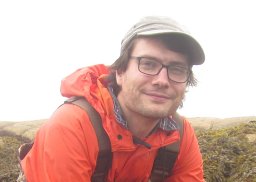 Julius A. Ellrich合作论文数Independent Researcher.8
 Ulf Karsten合作论文数Instituts fur Biowissenschaften, Universitat Rostock8Jeremy C. Thomason合作论文数8
 Stuart R. Jenkins合作论文数Marine Biological Association8Flöthe Carla R合作论文数7
 Jonne Kotta合作论文数Department of Marine Systems, Estonian Marine Institute, Faculty of Science and Technology, University of Tartu7
 Dominique Davoult合作论文数Station Biologique, CNRS7
 Patrik Kraufvelin合作论文数Environmental and Marine Biology, Åbo Akademi University7Hee Young Yun合作论文数6
 Anke Bender合作论文数6sina petrowski合作论文数6
 Fabio Bulleri合作论文数Dipartimento di Biologia, Universita di Pisa6Aline Migne合作论文数6
 Uwe John合作论文数Alfred Wegener Institute6
 Isabel Sousa Pinto合作论文数Ciimar - Interdisciplinary Centre for Marine and Environental Research Research Group Lead of the Coastal Biodiversity Lab;Department of Biology, Faculty of Sciences, University of Porto;GEO BON - Group on Earth Observation - Biodiversity Observation Network6
 Simonetta Fraschetti合作论文数Dipartimento di Scienze e Tecnologie Biologiche;Università del Salento;Dipartimento di Scienze e Tecnologie Biologiche, Università del Salento6
 Francisco Arenas合作论文数Centro Interdisciplinar de Investigac ¸a ˜o Marinha e Ambiental, CIIMAR6
 Rebecca Aspden合作论文数6
 Tasman P. Crowe合作论文数School of Biology and Environmental Science, University College Dublin6
 Alistair Hobday合作论文数CSIRO Environment6
 Katharina Zacher合作论文数Alfred Wegener Institute for Polar and Marine Research6
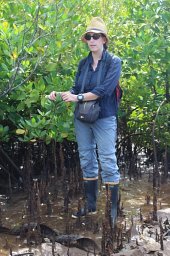 Claire Gollety合作论文数6
 Dieter Hanelt合作论文数Institut fur Pflanzenwissenschaften und Mikrobiologie, Fachbereich Biologie, Fakultat fur Mathematik, Informatik und Naturwissenschaften, Universitat Hamburg5
 Herkül Kristjan合作论文数Estonian Marine Inst, Univ Tartu5
 Manfred Josef Kaufmann合作论文数Faculty of Life Sciences, University of Madeira;MARE5
 Bernardo Antonio Perez Da Gama合作论文数Instituto de Biologia;Universidade Federal Fluminense;Instituto de Biologia, Universidade Federal Fluminense5
 Inken Kruse合作论文数Wegener, Alfred;Institute Foundation for Polar and Marine Research;Institute Foundation for Polar and Marine Research5
 Florian Weinberger合作论文数National Institute of Oceanography Israel Oceanographic & Limnological Research5Kai Bischof合作论文数Institute for Polar Ecology, University of Kiel5
 Michael Y. Roleda合作论文数Alfred Wegener Institute for Polar and Marine Research5Laure M.-L. J. Noël合作论文数5
 Mathieu Cusson合作论文数Département des Sciences Fondamentales, Université du Québec à Chicoutimi5
 Anna Fricke合作论文数5
 John N. Griffin合作论文数University College of Swansea, University of Wales5irvine davidson合作论文数4Stefano Vaselli合作论文数4Max Schwanitz合作论文数4
 Lars Lauterbach合作论文数4Wunderer Laura合作论文数4
 Mark Costello合作论文数Faculty of Biosciences and Aquaculture, Nord University4
 W. Hagen合作论文数Bremen Marine Ecology Centre for Research & Education Marine Zoology, University of Bremen4
 Sean Connell合作论文数Faculty of Sciences, Engineering and Technology, The University of Adelaide;School of Biological Sciences,The University of Adelaid4




