Introduction. DiGeorge syndrome, known also as 22q11.2 deletion syndrome, is a rare multisystemic disorder characterized by a wide range of clinical features and may include thymic aplasia and subsequent immunodeficiency, conotruncal cardiac anomalies, typical facial features, palatal abnormalities, and hypocalcemia due to hypoparathyroidism. Material and methods. Data were collected for 10 patients genetically confirmed with DiGeorge syndrome at the Institute of Mother and Child. This included general information, laboratory results, and clinical features. Results. The mean age at diagnosis was 74.6 months (3 months - 28 years). Most cases were sporadic, with only 2 patients having a history of DGS (n=1), or close relatives with cardiac malformations (n=1). The most common symptoms that led to diagnosis were congenital heart defects (90%), and facial dysmorphism (90%). Common clinical features included recurrent infections (40%) and ENT disorders (20%). Weight was within normal percentiles for the entire group, but a delay in height growth was noted. Regarding the immunological characteristics: lymphopenia was recorded in 20% of patients, and thrombocytopenia in 2 patients. Conclusions. Given the diverse array of symptoms associated with DiGeorge syndrome, physicians should be knowledgeable about both typical and less common characteristics of the syndrome to facilitate optimal treatment and potentially enable early diagnosis.
Introduction/Objective: Persistently elevated serum immunoglobulin M (IgM) is commonly interpreted as a marker of acute infection, autoimmune activity, or lymphoproliferation. Sustained IgM elevation may represent an underrecognized marker of underlying primary immunodeficiency disorders (PIDs), especially those associated with class-switch recombination defects or immune dysregulation. This article aims to highlight the diagnostic value of persistently elevated IgM levels in pediatric PIDs and to propose a practical clinical framework for the evaluation of children with unexplained IgM elevation. Methods: We performed a case-based narrative review of the literature on primary immunodeficiencies associated with elevated serum IgM, focusing on pathogenic mechanisms, clinical phenotypes, and diagnostic implications. The review was complemented by two pediatric cases from our practice in which persistent IgM elevation served as a clue to the diagnosis of distinct primary immunodeficiencies. Results: Persistently increased IgM levels in PIDs may reflect impaired class-switch recombination, impaired germinal center maturation, or chronic immune activation. The two presented cases, ataxiatelangiectasia with a hyper-IgM phenotype and BENTA disease, illustrate how elevated IgM associated with frequent and severe infections, lymphoproliferation, growth impairment, or syndromic features may guide clinicians toward immunological and genetic evaluation. Discussion: Persistent IgM elevation should be interpreted in its clinical context and should not be dismissed as a nonspecific laboratory abnormality. A structured diagnostic approach may help distinguish secondary causes, classic hyper-IgM syndromes, and hyper-IgM phenotypes. Conclusion: Persistently elevated serum IgM should not be dismissed as a transient abnormality in children with recurrent infections or immune dysregulation. When interpreted in its clinical context, it may serve as a practical indicator for further immunological investigation and diagnosis of PIDs.
ABSTRACT:Leukopoiesis is lethally arrested in mice lacking the master transcriptional regulator PU.1. Depending on the animal model, subtotal PU.1 loss either induces acute myeloid leukemia or arrests early B-cell and dendritic-cell development. Although humans with absolute PU.1 deficiency have not been reported, a small cadre of congenital agammaglobulinemia patients with sporadic, inborn PU.1 haploinsufficiency was recently described. To better estimate the penetrance, clinical complications, immunophenotypic features, and malignancy risks of PU.1-mutated agammaglobulinemia (PU.MA), a collection of 134 novel or rare PU.1 variants from publicly available databases, institutional cohorts, previously published reports, and unsolved agammaglobulinemia cases were functionally analyzed. In total, 25 loss-of-function (LOF) variants were identified in 33 heterozygous carriers from 21 kindreds across 13 nations. Of individuals harboring LOF PU.1 variants, 22 were agammaglobulinemic, 5 displayed antibody deficiencies, and 6 were unaffected, indicating an estimated disease penetrance of 81.8% with variable expressivity. In a cluster of patients, disease onset was delayed, sometimes into adulthood. All LOF variants conveyed effects via haploinsufficiency, either by destabilizing PU.1, impeding nuclear localization, or directly interfering with transcription. PU.MA patient immunophenotypes consistently demonstrated B-cell, conventional dendritic-cell, and plasmacytoid dendritic-cell deficiencies. Associated infectious and noninfectious symptoms hewed closely to X-linked agammaglobulinemia and not monogenic dendritic-cell deficiencies. No carriers of LOF PU.1 variants experienced hematologic malignancies. Collectively, in vitro and clinical data indicate heterozygous LOF PU.1 variants undermine humoral immunity but do not convey strong leukemic risks.
EDITORIAL article Front. Immunol., 13 June 2023Sec. Primary Immunodeficiencies Volume 14 - 2023 | https://doi.org/10.3389/fimmu.2023.1221137
Autosomal dominant mutations in the signal recognition particle (SRP) 54 gene were recently described in patients with severe congenital neutropenia (SCN). SRP54 deficiency cause a chronic and profound neutropenia with maturation arrest at the promyelocyte stage, occurring in the first months of life. Nearly all reported patients with SRP54 mutations had neutropenia without a cyclic pattern and showed a poor or no response to granulocyte colony-stimulating factor (G-CSF) therapy. We report here an 11-year-old female patient with cyclic neutropenia and recurrent heterozygous p.T117del (c.349_351del) in-frame deletion mutation in SRP54, who showed remarkable therapeutic response to G-CSF treatment. The diagnosis of cyclic pattern of neutropenia was established by acceptable standards. ELANE gene mutation was excluded by using various genetic approaches. The patient described here also had dolichocolon which has not been described before in association with SCN.
Introduction The J Project (JP) physician education and clinical research collaboration program was started in 2004 and includes by now 32 countries mostly in Eastern and Central Europe (ECE). Until the end of 2021, 344 inborn errors of immunity (IEI)-focused meetings were organized by the JP to raise awareness and facilitate the diagnosis and treatment of patients with IEI. Results In this study, meeting profiles and major diagnostic and treatment parameters were studied. JP center leaders reported patients’ data from 30 countries representing a total population of 506 567 565. Two countries reported patients from JP centers (Konya, Turkey and Cairo University, Egypt). Diagnostic criteria were based on the 2020 update of classification by the IUIS Expert Committee on IEI. The number of JP meetings increased from 6 per year in 2004 and 2005 to 44 and 63 in 2020 and 2021, respectively. The cumulative number of meetings per country varied from 1 to 59 in various countries reflecting partly but not entirely the population of the respective countries. Altogether, 24,879 patients were reported giving an average prevalence of 4.9. Most of the patients had predominantly antibody deficiency (46,32%) followed by patients with combined immunodeficiencies (14.3%). The percentages of patients with bone marrow failure and phenocopies of IEI were less than 1 each. The number of patients was remarkably higher that those reported to the ESID Registry in 13 countries. Immunoglobulin (IgG) substitution was provided to 7,572 patients (5,693 intravenously) and 1,480 patients received hematopoietic stem cell therapy (HSCT). Searching for basic diagnostic parameters revealed the availability of immunochemistry and flow cytometry in 27 and 28 countries, respectively, and targeted gene sequencing and new generation sequencing was available in 21 and 18 countries. The number of IEI centers and experts in the field were 260 and 690, respectively. We found high correlation between the number of IEI centers and patients treated with intravenous IgG (IVIG) (correlation coefficient, cc, 0,916) and with those who were treated with HSCT (cc, 0,905). Similar correlation was found when the number of experts was compared with those treated with HSCT. However, the number of patients treated with subcutaneous Ig (SCIG) only slightly correlated with the number of experts (cc, 0,489) and no correlation was found between the number of centers and patients on SCIG (cc, 0,174). Conclusions 1) this is the first study describing major diagnostic and treatment parameters of IEI care in countries of the JP; 2) the data suggest that the JP had tremendous impact on the development of IEI care in ECE; 3) our data help to define major future targets of JP activity in various countries; 4) we suggest that the number of IEI centers and IEI experts closely correlate to the most important treatment parameters; 5) we propose that specialist education among medical professionals plays pivotal role in increasing levels of diagnostics and adequate care of this vulnerable and still highly neglected patient population; 6) this study also provides the basis for further analysis of more specific aspects of IEI care including genetic diagnostics, disease specific prevalence, newborn screening and professional collaboration in JP countries.
Primary immunodeficiency diseases (PIDs) also referred to as inborn errors of immunity (IEI) have long been neglected as medical conditions but are now recognized as a worldwide health problem. The rapid progress of research in this field has widened the gap between cutting-edge medical care in more developed western countries and the lack of appropriate diagnosis and treatment of these conditions in most countries, especially in those with poor socioeconomic conditions [1, 2]. Being in development, both Albania and especially Kosovo are good examples. The J Project physician education and clinical research collaboration program, however, resulted in a remarkable change in PID education and treatment in our countries over the past years and opened the way to the development of this previously neglected area of clinical medicine.
ZIP7 deficiency is the most recently described congenital agammaglobulinemia with autosomal recessive inheritance. 1 ZIP7, en-coded by SLC39A7 , is an endoplasmic reticulum- to- cytoplasm Zn 2 + transporter. Developing B cells are sensitive to altered Zn 2 + distribution, which causes developmental blockade beyond the pre- B cell stage. 2 Complete loss of ZIP7 in cell lines causes a reduction in cytoplasmic Zn 2 + and an increase in endoplasmic reticulum Zn 2 + concentration. Since the original report in 2019, no additional cases of ZIP7 deficiency have been published. Here, we describe a patient evaluated for recurrent respiratory tract infections, meningitis, agammaglobulinemia, and B cell lymphopenia, ultimately found to carry a novel SLC39A7 variant. We describe his clinical characteristics, immunological findings, and genetic investigations. We also report on the impact of the J Project (JP) in improving primary immunodeficiency (PID) patient care and research in Eastern and Central Europe (ECE). records
Összefoglaló. Az új típusú koronavírus (SARS-CoV-2) okozta pandémia kezdetén a szakmai közvélemény általános vélekedése a Gaucher-kóros betegek fokozott érzékenységét vetítette elő, magas morbiditási és mortalitási mutatókkal. Meglepő módon azonban az eddigi, nagyszámú betegen, az Egyesült Államokban, Európában és Izraelben végzett klinikai tanulmányok azt mutatják, hogy ezen súlyos anyagcsere-betegségben sem a fertőzésnek kitett betegek morbiditási adatait, sem a ritkán kialakult fertőzések súlyosságát tekintve nem áll fenn csökkent immunvédekezés a SARS-CoV-2-vel szemben. Ezen immunológiai és infektológiai paradoxon lehetséges magyarázata, hogy a betegek makrofágjaiban és más sejtjeiben felhalmozódó glükocerebrozid gyulladásos állapotot tart fenn, amely hátrányos a kórokozó vírus intracelluláris túlélése szempontjából. A közleményben összefoglaljuk a témakörben eddig megjelent tanulmányok adatait, az általános prevencióval és a vakcinációval kapcsolatos ajánlásokat, és kitérünk az 1-es típusú interferonok (IFNα és IFNω) közelmúltban megismert szerepére a SARS-CoV-2-vel szembeni immunitásban. Orv Hetil. 2021; 162(24): 938–942. Summary. At the start of the pandemic caused by the novel coronavirus (SARS-CoV-2), the Gaucher disease community anticipated that infection with this emerging viral pathogen would be associated with high morbidity and mortality in individuals with this chronic metabolic disorder. Surprisingly, however, preliminary studies suggest that Gaucher disease does not confer a higher risk of severe, life-threatening effects of SARS-CoV-2 infection, and no severe cases have been reported in large cohorts of patients from the United States, Europe and Israel. It is thought that the accumulation of glucocerebroside in the cells of Gaucher patients may promote immune tolerance rather than inflammation on exposure to SARS-CoV-2. We review here the current concepts of Gaucher disease and SARS-CoV-2 infection, focusing particularly on general prevention and vaccination. We also discuss the susceptibility to COVID-19 of patients with inborn errors of type 1 interferon (IFNα and IFNω) immunity. Orv Hetil. 2021; 162(24): 938–942.
Professional celebrations are unique as they represent long-term completion of purposeful work, togetherness, and public spirit. The starting point is always challenging as the establishment of a joint program should be both vaticinal and inciting. The establishment of such a tradition usually follows the birth of a discipline for many decades. Immunology had been a well-established clinical and research discipline when the European Federation of Immunological Societies (EFIS) brought to life the Day of Immunology (DoI) to increase public awareness of this important branch of learning, on April 29, 2005 (https://www.dayofimmunology.org). Soon after this, the World Primary Immunodeficiency Week (WPIW) was established and dedicated to increasing global awareness on primary immunodeficiency disorders (PIDs) or inborn errors of immunity each year, since 2011 [1]. The ambition of the PID professional community to dedicate a week instead of a day could well be attributed to the underdevelopment of PID diagnostics and patient care compared to the other major fields of clinical immunology, allergy, and autoimmunity. These annual events are necessarily supplemented with even more challenging educational programs. At the turn of the millennium, it was realized that PIDs were remarkably underdiagnosed and in most of the Eastern- and Central European countries, the number of registered patients was less than 10 [2]. These dramatic statistics presented by the European Society for Immunodeficiencies (ESID) brought into action the ambitious physician education and clinical research collaboration program referred to as the J Project (JP) [2]. Launched in 2004, the project started to spread first in Central Europe, and from 2007 in Eastern Europe, resulting in a year-by-year increase of diagnosed and treated PID patients [3]. The key events of the Project have been educational meetings not only for physicians but also for other health care professionals, patients and families, in addition to establishing national and regional registries and working groups and starting joint clinical research [4]. The Project has been spreading to the east and reaching countries like those in Central Asia, and JP meetings are now extended to Russian Far East, Iran, and Turkey [5, 6]. By 2020 the Project has grown into a community of 32 countries and the number of JP meetings has reached an average of 3.6 per month (Figs. 1 and 2). JP meetings are organized all over the year, but April is a prominent month. April has always seen a higher number of JP Meetings attributable to the DoI and the WPIW. Still, the record number of 16 meetings this year is outstanding and unique. Although it was spontaneous, it would be hard not to attribute it to the 10th anniversary of the WPIW. This has been a silent celebration by the J Project community showing sensitively how traditions like the DoI and the WPIW may change our professional life and contribute to the progress of our wonderful discipline. Table 1 shows the list of 16 JP meetings and our “April heroes” organizing these events and celebrating the 10th WPIW in a fully professional way, on behalf of the whole JP community. The subjects discussed at the meetings varied from general diagnostics and treatment of patients, infectious and non-infectious manifestations of PID, through immunization practices, education of parents, students, and school teachers to recent understanding of the disease-related risks of COVID-19 in PID patients [7]. We have also reached the 300th JP meeting in this grandiose month and welcomed Montenegro, the youngest member country (Table 1). The J Project has always been changing ever since its creation in 2004, recognizing the increasing need for public and physician education in Central Europe, and then in Eastern Europe, and subsequently elsewhere, most recently in Central Asia and Far-East Russia [6]. This evolution, based on the recognition of professional needs has resulted in changes and rearrangements of the JP program throughout Eurasia. The prime focus of the collaboration has recently been shifted from clinical education to genetics education, thanks to the tremendous developments that have occurred in the field of PIDs. In 2019, we expressed our enthusiasm concerning the success of how the knowledge of next-generation sequencing technologies had been disseminated, making it possible to define the genetic basis of more PIDs [5, 7]. However, in 2020 events took an unexpected turn, forcing the world to face new challenges. The very existence of humanity has been threatened by a viral disease caused by severe acute respiratory syndrome coronavirus (SARS-CoV-2) [8]. Most research laboratories, centers, and institutions have changed direction and focused their research on studies of the mechanisms, prevention, and treatment of COVID-19 [9]. The JP has joined forces with the Casanova Lab at the Rockefeller University and Paris, which is involved in PID research and running the COVID-19 Human Genetic Effort, an international project spanning over 50 sequencing hubs around the world. We have decided to extend participation in the COVID-19 research and the JP is now playing an important role in this research by establishing participating centers all over Eurasia and increasing awareness of unusual COVID-19 cases at JP meetings (Table 1). It will contribute to the research of monogenic causes of COVID-19 and resistance to SARS-CoV-2 infection. We hope that this research will help to slow the coronavirus pandemic and, eventually, eradicate the disease, so that we are able to focus once again on long-term diseases, such as PIDs. It is hard to express the wonderful feeling throughout the year about the commitment of many colleagues in Eurasia to the shared mission of the JP in 2020, under unusually difficult circumstances. Most colleagues realized that in difficult times, we should be even stronger to carry on with our responsibility. Extending the scope of the traditional PID education program to PID-COVID-19 gave a unique strength to the JP and resulted in a new dynamic by organizing another record number of meetings (Fig. 2). The invitation of speakers to present cutting-edge research at several JP meetings gave a new aspect of our program. Pertinent to this, the discovery of type 1 interferon deficiency in severe COVID-19 was recently selected by Nature as one of the 10 most remarkable discoveries from 2020 across all fields of science[10, 11]. The first authors of these two publications presented their research at several JP meetings last year. We also took a remarkable step forward last year to a closer collaboration with ESID. This was achieved by the participation of ESID leaders as speakers at JP Meetings, and by the financial support of a number of meetings by ESID in addition to the Jeffrey Modell Foundation and other sponsors. The J Daughter Central Asia project reached new milestones by joining Uzbekistan and Kyrgyzstan [5, 6]. This year was also very successful in terms of publishing joint papers: one article on the Konya Declaration, one on the achievements of the J Siberia Project, both published in the PID-focused J Clin Immunol, as well as a remarkable set of 11 research articles in Front Immunol, from the Eastern and Central European J Project area [7]. These remarkable successes could only be achieved by the close collaboration of an orderly network with a shared vision and responsibility. It is timely to summarize various parameters of PID diagnosis and treatment in a comprehensive review showing the outcomes of the JP and companion programs to improve the complex patient care in the 32 countries. While we have been resilient and productive, we encourage our members to increase efforts to remain connected to each other, keep open doors to new regions and countries, and strengthen the connection with partner organizations and immunological societies like the EFIS and the ESID. Abolhassani, Hassan (Tehran, Iran); Avcin, Tadej (Ljubljana, Slovenia); Bahceciler, Nerin (Nicosia, North Cyprus); Bataneant, Mihaela (Timisoara, Romania); Belevtsev, Mikhail (Minsk, Belarus); Bernatowska, Ewa (Warsaw, Poland); Bolkov, Michail (Yekaterinburg, Russia); Bondarenko, Anastasia (Kiev, Ukraine); Boyarchuk, Oxana (Ternopil, Ukraine); Ciznar, Peter (Bratislava, Slovakia); Erdős, Melinda (Budapest, Hungary); Guseva, Marina (St. Petersburg, Russia); Haraszti, Katalin (Budapest, Hungary); Iritsyan, Sevan (Yerevan, Armenia); Keles, Sevgi (Konya, Turkey); Kostyuchenko, Larysa (Lviv, Ukraine); Kovzel, Elena (Nursultan, Kazakhstan); Kuli-Lito, Georgina (Tirana, Albania); Kurjane, Natalja (Riga, Latvia); Lázár, István (Debrecen, Hungary); Litzman, Jiri (Brno, Czech Republic); Miltner, Noémi (Debrecen, Hungary); Mironska, Kristina (Skopje, Rep. of Macedonia); Murdjeva, Marianna (Plovdiv, Bulgaria); Nasrullayeva, Gulnara (Baku, Azerbaijan); Naumova, Elissaveta (Sofia, Bulgaria); Orozbekova, Bubusaira (Bishkek, Kyrgyzstan); Pac, Malgorzata (Warsaw, Poland); Pagava, Karaman (Tbilisi, Georgia); Pocek, Lidija (Podgorica, Montenegro); Reisli, Ismail (Konya, Turkey); Rezaei, Nima (Tehran, Iran); Sciuca, Svetlana (Chisinau, Rep. of Moldova); Sediva, Anna (Prague, Czech Republic); Serban, Margit (Timisoara, Romania); Sharapova, Svetlana (Minsk, Belarus); Snimshchikova, Irina (Orel, Russia); Toplak, Natasa (Ljubljana, Slovenia); Tuzankina, Irina (Yekaterinburg, Russia); Tcyvkina, Galina (Vladivostok, Russia); Volokha, Alla (Kiev, Ukraine). The author declares no commercial or financial conflict of interest.
Signal transducer and activator of transcription 3 (STAT-3) gain-of-function (GOF) syndrome is an early-onset monogenic inborn error of immunity characterized by multi-organ autoimmune disorders, growth failure and lymphoproliferation. We describe that STAT-3 GOF syndrome may be presented with hypogammaglobulinemia and recurrent severe upper and lower respiratory tract infections. In addition, the patient had lymphoproliferation, short stature and interstitial lung disease. Chest computerized tomography examinations showed mild bronchiectasis with areas of non-fibrosing alveolar-interstitial disease and maldevelopment of bilateral first ribs. Using Sanger sequencing, we revealed a novel c.508G>C, p.D170H STAT-3 variant affecting the coiled coil domain of STAT-3. Functional studies confirmed that p.D170H was a GOF variant, as shown by increased phosphorylated STAT-3 (pSTAT-3) and STAT-3 transcriptional activity. Our observation suggests that STAT-3 GOF syndrome can manifest in early childhood with hypogammaglobulinemia and recurrent severe respiratory tract infections. We suggest that patients with lymphoproliferation, hypogammaglobulinemia and severe recurrent infections should be screened for STAT-3 variants, even if autoimmune manifestations are missing.
Chronic mucocutaneous candidiasis (CMC) characterized by persistent and recurrent Candida infection of the skin, nails, and the mucosa membranes has been proposed as the major infectious phenotype in patients with gain-of-function mutation of signal transducer and activator of transcription 1 (STAT1) 1. However, viral infections caused mostly by herpesviruses, and a broad range of autoimmune disorders may also be part of the clinical phenotype. We report here on a 31 years old female patient suffering from severe mucosal aphthous mucositis and ulcers and recurrent herpes simplex for decades. We found a previously unknown heterozygous sequence variant in STAT1 (c.1219C>G; L407V) affecting the DNA-binding domain of the protein in the patient and her 4 years old daughter. We found this mutation gain-of-function (GOF) by using immunoblot and luciferase assays. We detected low proportion of IL-17A-producing CD4+ T cell lymphocytes by using intracellular staining and flow cytometry. Candida-induced secretion of IL-17A and IL-22 by mononuclear cells from the patient was markedly decreased compared to controls. These data suggest that the novel mutant allele may result in impaired differentiation of CD4+ T cells to CD4+/IL-17+ cells. The clinical phenotype of the disease in this patient was unique as it was dominated primarily by severe aphthous stomatitis and ulcerative esophagitis and only partly by typical CMC resulting in diagnostic delay. We suggest that patients with severe recurrent aphthous stomatitis and esophagitis should be evaluated for STAT1 GOF mutation. Based on the broad clinical spectrum of the disease, we also suggest that CMC and CMC disease may not be an appropriate term to define clinically STAT1 GOF mutation.
AIM:To assess Ig20Gly tolerability in pediatric patients with primary immunodeficiencies.PATIENTS & METHODS:Infusion parameters and tolerability were analyzed in pediatric patients (aged 2-5 years [n = 6], 6-11 years [n = 22] and 12-17 years [n = 22]) receiving Ig20Gly in two Phase II/III trials.RESULTS:Of 2624 Ig20Gly infusions, >99% did not require any rate reduction, interruption or discontinuation due to adverse events (AEs). Median maximum infusion rates and volumes/site were higher in patients 12-17 years of age (30 ml/h/site; 30 ml/site) versus 6-11 years (20 ml/h/site; 15 ml/site) and 2-5 years (18 ml/h/site; 14 ml/site). Rates of causally related systemic and local AEs (0.009 and 0.063 AEs/infusion) were low.CONCLUSION:Ig20Gly infused at relatively high rates and volumes was well tolerated in children.
 Melinda Erdős合作论文数70
 Beata Toth合作论文数52
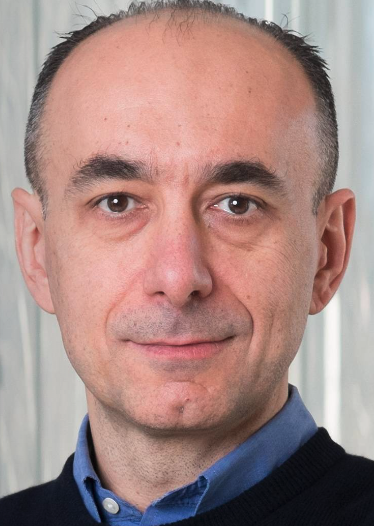 Jean-Laurent Casanova合作论文数St. Giles Laboratory of Human Genetics of Infectious Diseases, The Rockefeller University;Howard Hughes Medical Institute;Rockefeller University Hospital;Laboratory of Human Genetics of Infectious Diseases, Imagine Institute, Necker Hospital for Sick Children26
 Anne Puel合作论文数19
 Irina Kondratenko合作论文数16
 Eva Rakoczi合作论文数13
 Kaan Boztug合作论文数CeMM Research Center for Molecular Medicine, Austrian Academy of Sciences;Medical University of Vienna12
 Christoph Klein合作论文数Department of Pediatrics, Ludwig-Maximilians-University Munich;Gene Center Munich, Ludwig-Maximilians-University Munich12
 Capucine Picard合作论文数Centre d’Etude des Déficits Immunitaires, Hôpital Universitaire Necker12Vera Gulacsy合作论文数10Cypowyj Sophie合作论文数10Sonja Naundorf合作论文数10Mohamed Mahdi合作论文数9Taskó Szilvia合作论文数9Chrabieh Maya合作论文数8
 Christof von Kalle合作论文数Berlin Institute of Health, Charité – Universitätsmedizin Berlin;GeneWerk;Clinical Study Center, Charité – Universitätsmedizin Berlin8
 Laurent Abel合作论文数Imagine Institute;Inserm8L.I. Chernyshova合作论文数7Beáta Soltész合作论文数Fac Med, Univ Debrecen7
 Steven M. Holland合作论文数Laboratory of Clinical Immunology & Microbiology, National Institute of Allergy and Infectious Diseases, National Institutes of Health7Malgorzata Pac合作论文数Department of Immunology, The Children’s Memorial Health Institute7Srdjan Pasic合作论文数7Klaus Kuehlcke合作论文数7Gabriella Csorba合作论文数6Mihaela Bataneant合作论文数6
 Christoph Wanner合作论文数Department of Clinical Research and Epidemiology, University of Würzburg;Renal Research Unit, University Hospital of Würzburg;Medizinische Klinik I, Universitätsklinikum Würzburg6
 Miklos Garami合作论文数Dept Pediat 2, Semmelweis Univ6Ulrich Baumann合作论文数6Székely Annamária合作论文数6
 Andrew Issekutz合作论文数Division of Immunology, Dalhousie University;Department of Pediatrics, Faculty of Medicine, Dalhousie University6
 Waleed Al-Herz合作论文数Faculty of Medicine, Kuwait University6
 Larysa Kostyuchenko合作论文数Lviv Children's Hospital6
 Ewa Bernatowska合作论文数6
 Tadej Avcin合作论文数Department of Pediatrics, University of Ljubljana;Department of Allergology, Rheumatology and Clinical Immunology, Children's Hospital, University Medical Center Ljubljana6Anna Paruzynski合作论文数6Ben-Zion Garty合作论文数Pediatric Department B and Kipper Institute of Allergy and Immunology, Schneider Children's Medical Center, and the Faculty of Medicine, Tel-Aviv University6
 Carlos Rodriguez-Gallego合作论文数6Manfred Schmidt合作论文数6Bodo Grimbacher合作论文数6
 Sara Şebnem Kiliç Gülteki̇n合作论文数Bursa Uludağ University6
 Jacinta Bustamante合作论文数5Hanno Glimm合作论文数5Angela Dajnoki合作论文数5Júlia Vasconcelos合作论文数5Attila Kertész合作论文数Doctoral Sch Anim Sci, Univ Debrecen5A Ponyi合作论文数5
 Cheng-Lung Ku合作论文数5
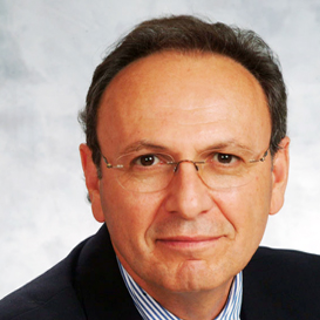 Chaim Roifman合作论文数Department of Immunology, Temerty Faculty of Medicine, University of Toronto;Immunology Service Laboratory, Division of Immunology/Allergy, The Hospital for Sick Children;Research Institute,The Hospital for Sick Children5
 Andrew Gennery合作论文数Faculty of Medical Sciences, Newcastle University;Institute of Translational and Clinical Research, Paediatric Immunology Department, Great North Children's Hospital5




