Sedimentary archives of faecal steroid biomarkers offer insights into human and animal presence and environmental impacts in past landscapes. However, interpretations of faecal stanol records, used to suggest early human arrivals in regions such as northern Alaska, are constrained by limited modern reference data and uncertainties associated with mixed stanol sources in wetlands. Here, we assess the sensitivity and validity of lacustrine faecal steroid reconstructions of human and animal presence within the landscape by combining analyses of modern faecal samples and a sediment archive from Chisholm Lake in central Alaska, where relative historical and archaeological population changes are well documented.Results from modern faecal samples reveal clear dietary signatures: herbivore steroid distributions are discrete from omnivores/carnivores, and multivariate analyses reveal differences between ruminant species and even herds, highlighting the influence of diet on steroid distributions. Comparisons of sedimentary 5β-stanols reconstructions with independent records of human activity show that large-magnitude population changes are reliably resolved, whereas small changes often are not, likely due to the signal-to-noise characteristics of the depositional systems. Bile acid detection was intermittent in this sedimentary archive, which limits characterisation of faecal sources and requires further taphonomic examination in lake sediments.Our findings caution against solely relying on 5β-stanol ratios to identify human faecal input in sedimentary archives because of overlapping distributions between humans and other omnivores/carnivores (e.g., Canidae, such as wolves and dogs) and mixed sources of sterol production and transformation in wetlands. Robust faecal steroid reconstructions of population change require multivariate analytical approaches that are integrated with archaeological evidence and expanded modern reference faecal steroid datasets.
Substantial amounts of mercury (Hg) are projected to be released into Arctic watersheds as permafrost thaws amid warmer and wetter conditions. This may have far-reaching consequences because the highly toxic methylated form of Hg biomagnifies rapidly in ecosystems. However, understanding how climate change affects Hg dynamics in permafrost regions is limited due to the lack of long-term Arctic Hg records. Using a 27-ka Hg sediment record from Burial Lake, northwestern Alaska, we examine how well-characterized temperature, precipitation, and vegetation shifts affected Hg mobilization in a catchment underlain by permafrost. During the Last Glacial Maximum (29.6–19.6 ka), Hg concentrations (63 ± 5 μg/kg) and Hg flux (8.6 ± 2.2 μg m−2 yr−1) remain relatively stable. Abrupt warming trends, starting at 17.6 ka, do not coincide with Hg levels. After 15 ka, the ecosystem transitions to shrub tundra, Hg concentrations (101.2 μg/kg) peak at 14.2 ka, while flux (5.3 ± 1.3 μg m−2 yr−1) declines and stabilizes. At ~11 ka, increased precipitation coincides with a 72 % rise in Hg concentrations and a 32 % increase in Hg flux compared to average Hg levels since 15 ka. These results suggest that summer rainfall was the primary driver of Hg mobilization from the catchment, while the vegetation shift influenced lake sediment Hg concentrations. At 1990 CE, peak Hg levels represent an 88 % increase in Hg concentrations (196.3 μg/kg) and a sixfold rise in Hg flux (38.1 μg m−2 yr−1) above background levels, underscoring the need for further research to understand Hg dynamics driven by anthropogenic Hg emissions and climate change.
Ecosystems are continuously responding to both natural and anthropogenic environmental change. Lake sediments preserve local and global evidence of these ecological transitions through time. This archived information can yield crucial insights through the reconstruction of past changes over hundreds to many thousands of years. This chapter provides an overview on what lake sedimentary DNA (sedDNA) is, which biological groups can be detected with this novel paleoecological proxy, and the workflow and analytical techniques currently employed in sedDNA research. Finally, the implications of lake sedDNA studies are illustrated through five topics, illustrating how sedDNA can reconstruct lake response to environmental change.
The stability of arctic permafrost and the carbon it contains are currently threatened by a rapidly warming climate. Burial Lake, situated in northwestern arctic Alaska, is underlain by continuous permafrost and has a uniquely rich set of paleoclimate proxy data that comprise a 40-ka record of climate and environmental change extending well into Marine Isotope Stage (MIS) 3. Here, we examine the relationship between erosion, subsurface hydrology, and primary productivity from the Burial Lake sediments to improve our understanding of the links between climate, hydrology, sediment transport, and carbon mobility. The record is developed with radiocarbon (14C) age-offsets from two independent methods used to date the lake sediments: 1) 14 C measurements on paired bulk sediment and plant macrofossils from the same stratigraphic layer of lake sediment and 2) ramped pyrolysis- oxidation (RPO) 14 C analysis that separates fractions of organic carbon (OC) from a single bulk sediment sample based on thermochemical differences through continuous heating. As lakes capture and archive OC transported from the watershed, changes in the amount and relative age of permafrost-derived OC mobilized during past climatic variations can be documented by examining how age-offsets change over time. The Burial Lake sediment revealed higher age-offsets during the cold Last Glacial Maximum (LGM; 29-17 ka) than the comparatively warmer post-glacial ( 17 ka-present) and the MIS 3 interstadial ( 40-29 ka) periods. The relatively warm, wet climate of the post-glacial period promoted both terrestrial and aquatic productivity, resulting in increased OC deposition, and it likely favored transport via subsurface flow of dissolved OC (DOC) sourced from soils. This resulted in a greater flux of contemporary OC relative to ancient OC into the lake sediment, lowering the average age offset to 2 ka. In contrast, the low-productivity conditions of the LGM resulted in slow soil accumulation rates, leaving ancient OC in a shallower position in the soil profile and allowing it to be easily eroded in the form of particulate OC (POC). Although the amount of total OC deposited in the lakebed during the LGM is small relative to post-glacial deposition, the majority is ancient, which leads to a relatively high average age offset of 9 ka. Finally, climate and environmental conditions of the MIS 3 interstadial were intermediate between those of the post-glacial and the LGM. As with post-glacial sediments, a relatively large amount of OC is present; however, the vast majority of it is ancient (more similar to the LGM), and it produces an average age offset of 6 ka. The Burial Lake radiocarbon record demonstrates the complexities of the thaw and mobilization of permafrost OC in arctic Alaska, including the balance between production, transport, deposition, remobilization, and preservation. This record highlights the importance of considering factors that both enhance and inhibit erosion (i.e. vegetation cover, lake level, precipitation) and the mechanisms of OC transport (i.e. subsurface flow or erosion) in predictions of future permafrost response to changes in climate.
Eastern Beringia (Alaska and western Yukon) is an extensive, high-latitude region of North America that remained largely unglaciated throughout the Quaternary. Consequently, its sedimentary deposits preserve long-term environmental records that have intrigued scientists for nearly a century. Recent advances in palaeoecological proxies and dating methods have proved critical in addressing long-standing questions about regional late Quaternary environmental change. At the same time, they have led to new and sometimes controversial hypotheses. This review covers recent discoveries and unresolved questions focused on the period 57,000–10,000 calendar years before C.E. 1950 (cal yr BP).The middle Wisconsin interstadial (57,000–30,000 cal yr BP) was a period of relative warmth in eastern Beringia, compared with the late Wisconsin (30,000–14,000 cal yr BP). Early in the interstadial occasional Picea woodland was present amongst widespread shrub tundra. Palaeoecological, sedimentary and isotopic data indicate that climate was cooler and drier than the Holocene, with high rates of aeolian activity. Megafauna typically associated with the ‘mammoth steppe’ ecosystem (woolly mammoth [Mammuthus primigenius], horse [Equus] and steppe-bison [Bison priscus]) were present in some abundance.The transition towards late Wisconsin cold-stage conditions (35,000–30,000 cal yr BP) coincided with the establishment of the Bering Land Bridge and featured expansion of spatially varied, herbaceous vegetation, sometimes associated with deep active layers. Sedimentary DNA (sedaDNA) and macrofossil evidence show vegetation was not a prairie-like grassland, and the term “steppe-tundra” is a better descriptor. Permafrost pore-ice isotopic (δ18O) records suggest a step change in one or more climate drivers ca. 30,000 cal yr BP, by which time steppe-tundra was established across eastern Beringia. It remains uncertain whether Picea survived cold-stage conditions within isolated refugia, or whether it recolonized from south of the Laurentide-Cordilleran ice sheets. Genetic data suggest that Picea probably survived in situ; however, there is no definitive fossil evidence to support this.The end-Pleistocene transition from steppe-tundra to shrub tundra began ca. 15,000 cal yr BP and took place within decades at local scales. The expansion of woody taxa coincided with rising sea levels, reduced sea-ice extent and an abrupt shift in atmospheric circulation that enhanced precipitation. During this time, Earth's orbital configuration caused high early-summer temperatures and strong seasonality, creating growing conditions very different from today. The vegetation consisted of Salix and Betula shrub tundra with open areas of herbs and graminoids. During the deglacial warming trend, the Younger Dryas oscillation (12,800–11,700 cal yr BP) was variably expressed. It is generally evident in records affected by adjacent oceans but can be absent at sites in continental areas.These past conditions and paleoenvironmental changes have implications for contemporary issues: hypotheses about Pleistocene mammalian extinction; sensitivity of eastern Beringia to major oceanic reorganizations and high-frequency climate variability; the nature of woody plant expansion with climate warming; grazing, hydroclimate and fire as controls over ecosystems; the efficacy of “Pleistocene rewilding” for carbon capture.
When tracing vegetation dynamics over long timescales, obtaining enough floristic information to gain a detailed understanding of past communities and their transitions can be challenging. The first high-resolution sedimentary DNA (sedaDNA) metabarcoding record from lake sediments in Alaska-reported here-covers nearly 15,000 years of change. It shows in unprecedented detail the composition of late-Pleistocene "steppe-tundra" vegetation of ice-free Alaska, part of an intriguing late-Quaternary "no-analogue" biome, and it covers the subsequent changes that led to the development of modern spruce-dominated boreal forest. The site (Chisholm Lake) lies close to key archaeological sites, and the record throws new light on the landscape and resources available to early humans. Initially, vegetation was dominated by forbs found in modern tundra and/or subarctic steppe vegetation (e.g., Potentilla, Draba, Eritrichium, Anemone patens), and graminoids (e.g., Bromus pumpellianus, Festuca, Calamagrostis, Puccinellia), with Salix the only prominent woody taxon. Predominantly xeric, warm-to-cold habitats are indicated, and we explain the mixed ecological preferences of the fossil assemblages as a topo-mosaic strongly affected by insolation load. At ca. 14,500 cal yr BP (calendar years before C.E. 1950), about the same time as well documented human arrivals and coincident with an increase in effective moisture, Betula expanded. Graminoids became less abundant, but many open-ground forb taxa persisted. This woody-herbaceous mosaic is compatible with the observed persistence of Pleistocene megafaunal species (animals weighing >= 44 kg)- important resources for early humans. The greatest taxonomic turnover, marking a transition to regional woodland and a further moisture increase, began ca. 11,000 cal yr BP when Populus expanded, along with new shrub taxa (e.g., Shepherdia, Eleagnus, Rubus, Viburnum). Picea then expanded ca. 9500 cal yr BP, along with shrub and forb taxa typical of evergreen boreal woodland (e.g., Spiraea, Cornus, Linnaea). We found no evidence for Picea in the late Pleistocene, however. Most taxa present today were established by ca. 5000 cal yr BP after almost complete taxonomic turnover since the start of the record (though Larix appeared only at ca. 1500 cal yr BP). Prominent fluctuations in aquatic communities ca. 14,000-9,500 cal yr BP are probably related to lake-level fluctuations prior to the lake reaching its high, near-modern depth ca. 8,000 cal yr BP.
The increasing similarity of plant species composition among distinct areas is leading to the homogenization of ecosystems globally. Human actions such as ecosystem modification, the introduction of non-native plant species and the extinction or extirpation of endemic and native plant species are considered the main drivers of this trend. However, little is known about when floristic homogenization began or about pre-human patterns of floristic similarity. Here we investigate vegetation trends during the past 5,000 years across the tropical, sub-tropical and warm temperate South Pacific using fossil pollen records from 15 sites on 13 islands within the biogeographical realm of Oceania. The site comparisons show that floristic homogenization has increased over the past 5,000 years. Pairwise Bray–Curtis similarity results also show that when two islands were settled by people in a given time interval, their floristic similarity is greater than when one or neither of the islands were settled. Importantly, higher elevation sites, which are less likely to have experienced human impacts, tended to show less floristic homogenization. While biotic homogenization is often referred to as a contemporary issue, we have identified a much earlier trend, likely driven by human colonization of the islands and subsequent impacts.
Introduction Islands of the Southwest Pacific are exposed to geologic and climate-related disturbances that occur on a range of timescales and which probably affect, to varying degrees, their terrestrial ecosystems. Over the past ∼1100 years we know of two major events in the region: the Kuwae eruption which is thought to have occurred ∼500 cal. years BP and a shift to drier conditions which began ∼1100 cal. years BP. Methods We investigated terrestrial and lacustrine ecosystem responses to these events and also to a changing fire regime, likely human-caused, using a multi-proxy (C/N, charcoal, chironomids, pollen, and tephra) record from Lake Emaotul, Efate, Vanuatu. Results Tephra from the Kuwae eruption was found across a 6 cm layer which our age-depth model suggests was deposited 650–510 cal. years BP (95% confidence). Forest and chironomid community turnover increased during the wet-dry shift 1100–1000 cal. years BP; subsequently, chironomid turnover rates decreased again within <135 years and vegetation had partially (but not fully) recovered after ∼80 years. Following Kuwae volcanic tephra deposition, vegetation turnover increased again, reflecting a reduction in small trees and shrubs and an increase in grasses. Subsequently, the forest vegetation did not regain its previous composition, whereas chironomid community composition remained fairly stable before and after tephra deposition. Within the last ∼90 years, enhanced local burning drove another increase in vegetation turnover. Discussion Terrestrial and freshwater ecosystems in Efate are sensitive to changes in hydroclimate, volcanism, and anthropogenic fires, although to different degrees; while recent human impacts are often obvious, volcanic eruptions and climatic shifts have also structured Pacific-island ecosystems and will continue to do so.
Abstract The DIMA Network (Developing Innovative Multi-proxy Analyses – in Siberia and the Russian Far East (SRFE)) started from a small nucleus of palaeoenvironmental researchers in the UK and SRFE at a workshop in 2008 and currently includes researchers from over 25 institutions. The mutual interest in creating long-term records of environmental change was rekindled during workshops in Magadan (2018), Tomsk (2018) and Southampton (2019). These events were organised to connect researchers from the UK and SRFE with these aims: (1) provide training in new techniques and methods, (2) facilitate knowledge transfer about local sites and conditions, (3) stimulate large-scale collaborative projects across SRFE and (4) inspire a new generation of palaeoenvironmental researchers.
Cabo Verde remained uninhabited until 1460 CE, when European sailors founded a settlement in Santiago, and soon after in Fogo island. The degree to which different island ecosystems in Cabo Verde have been transformed by humans remains uncertain because of a scarcity of historical information and archaeological evidence. Disentangling these processes from natural ones is complicated in islands with a history of volcanic impacts and other natural hazards. In this paper, we apply microfossil (pollen, non-pollen palynomorphs and phytoliths) and sedimentological analyses (granulometry, X-ray diffraction, loss on ignition and tephrostratigraphy) to a 2-m sediment sequence deposited in a scoria cone from 4100 cal year BP (calibrated years before 1950 CE) to the present. The organic-rich basal sediments indicate that between 4100 and 2600 cal year BP the pre-settlement landscape of Fogo was an open grassland, where fire was infrequent and/or small-scale. An increase in volcanic glass deposition after 2600 cal year BP, peaking ca. 1200 cal year BP, suggests that there was a progressive activation of Fogo’s volcanic activity, contemporaneous with increased fire frequency and erosion pulses, but with little impact on local grassland vegetation. While dating uncertainty is high, the first evidence of intensive local land use by early settlers was in the form of cultivation of Zea mays, abundant spores of coprophilous fungi (i.e. Sporormiella), and peaks in charcoal concentrations between 800 and 400 cal year BP. This was followed by large increases in pollen from pigeon pea ( Cajanus), a diverse array of exotic trees ( Cupressus, Grevillea), and invasive shrubs ( Lantana). The introduction of these taxa is part of recent human effort to ‘tame’ this steep, dry and hazardous island by reducing erosion and providing firewood. An important outcome of these efforts, however, is a loss of fragile native biodiversity.
Human-mediated changes in island vegetation are, among others, largely caused by the introduction and establishment of non-native species. However, data on past changes in non-native plant species abundance that predate historical documentation and censuses are scarce. Islands are among the few places where we can track human arrival in natural systems allowing us to reveal changes in vegetation dynamics with the arrival of non-native species. We matched fossil pollen data with botanical status information (native, non-native), and quantified the timing, trajectories and magnitude of non-native plant vegetational change on 29 islands over the past 5000 years. We recorded a proportional increase in pollen of non-native plant taxa within the last 1000 years. Individual island trajectories are context-dependent and linked to island settlement histories. Our data show that non-native plant introductions have a longer and more dynamic history than is generally recognized, with critical implications for biodiversity baselines and invasion biology.
Internal and external factors regulating the past composition of plant communities are difficult to identify in palaeo-vegetation records. Here, we develop an index of relative entropy of community assembly, which applies to changes in the composition of a community over time, measuring disorder in its assembly relative to disassembly. Historical periods of relatively ordered assembly (negative index values) are characteristic of a community undergoing endogenous self-organisation, in contrast to relatively disordered assembly (positive values) characterising periods of exogenous abiotic forcing. We quantified the relative entropy index for a 22,000-year time-series of tundra vegetation obtained in the Polar Urals, based on sedimentary DNA. We find it most positive during the Late Pleistocene characterized by persistent taxa, and most negative during the post-glacial Holocene characterized by more ephemeral floras. Changes in relative entropy coincide with changes in regional temperature as reconstructed from stable oxygen composition of an Arctic ice-core. Our results suggest that temperature strongly influenced community assembly in the Polar Urals until about 9000 years before present, after which endogenous community self-organization prevailed through to the present. We conclude that time-series of community composition can reveal changes in the balance between internal and external influences on taxonomic turnover and resulting diversity.
Here, we investigate Mid- to Late-Holocene vegetation changes in low-lying coastal areas in Tonga and how changing sea levels and recurrent volcanic eruptions have influenced vegetation dynamics on four islands of the Tongan archipelago (South Pacific). To investigate past vegetation and environmental change at Ngofe Marsh ('Uta Vava'u), we examined palynomorphs (pollen and spores), charcoal (fire), and sediment characteristics (volcanic activity) from a 6.7-m-long sediment core. Radiocarbon dating indicated the sediments were deposited over the last 7700 years. We integrated the Ngofe Marsh data with similar previously published data from Avai'o'vuna Swamp on Pangaimotu Island, Lotofoa Swamp on Foa Island, and Finemui Swamp on Ha'afeva Island. Plant taxa were categorized as littoral, mangrove, rainforest, successional/ disturbance, and wetland groups, and linear models were used to examine relationships between vegetation, relative sea level change, and volcanic eruptions (tephra). We found that relative sea level change has impacted vegetation on three of the four islands investigated. Volcanic eruptions were not identified as a driver of vegetation change. Rainforest decline does not appear to be driven by sea level changes or volcanic eruptions. From all sites analyzed, vegetation at Finemui Swamp was most sensitive to changes in relative sea level. While vegetation on low-lying Pacific islands is sensitive to changing sea levels, island characteristics, such as area and elevation, are also likely to be important factors that mediate specific island responses to drivers of change.
ABSTRACT A submillennial‐resolution record of lake water oxygen isotope composition (δ 18 O) from chironomid head capsules is presented from Burial Lake, northwest Alaska. The record spans the Last Glacial Maximum (LGM; ~20–16k cal a bp ) to the present and shows a series of large lake δ 18 O shifts (~5‰). Relatively low δ 18 O values occurred during a period covering the LGM, when the lake was a shallow, closed‐basin pond. Higher values characterize deglaciation (~16–11.5k cal a bp ) when the lake was still closed but lake levels were higher. A rapid decline between ~11 and 10.5k cal a bp indicates that lake levels rose to overflowing. Lake δ 18 O values are interpreted to reflect the combined effects of changes in lake hydrology, growing season temperature and meteoric source water as well as large‐scale environmental changes impacting this site, including opening of the Bering Strait and shifts in atmospheric circulation patterns related to ice‐sheet dynamics. The results indicate significant shifts in precipitation minus evaporation across the late Pleistocene to early Holocene transition, which are consistent with temporal patterns of vegetation change and paludification. This study provides new perspectives on the paleohydrology of eastern Beringia concomitant with human migration and major turnover in megafaunal assemblages.
Human beings are an active component of every terrestrial ecosystem on Earth. Although our local impact on the evolution of these ecosystems has been undeniable and extensively documented, it remains unclear precisely how our activities are altering them, in part because ecosystems are dynamic systems structured by complex, non-linear feedback processes and cascading effects. We argue that it is only by studying human–environment interactions over timescales that greatly exceed the lifespan of any individual human (i.e., the deep past or longue durée), we can hope to fully understand such processes and their implications. In this article, we identify some of the key challenges faced in integrating long-term datasets with those of other areas of sustainability science, and suggest some useful ways forward. Specifically, we (a) highlight the potential of the historical sciences for sustainability science, (b) stress the need to integrate theoretical frameworks wherein humans are seen as inherently entangled with the environment, and (c) propose formal computational modelling as the ideal platform to overcome the challenges of transdisciplinary work across large, and multiple, geographical and temporal scales. Our goal is to provide a manifesto for an integrated scientific approach to the study of socio-ecological systems over the long term.
During the last glacial–interglacial cycle, Arctic biotas experienced substantial climatic changes, yet the nature, extent and rate of their responses are not fully understood 1 – 8 . Here we report a large-scale environmental DNA metagenomic study of ancient plant and mammal communities, analysing 535 permafrost and lake sediment samples from across the Arctic spanning the past 50,000 years. Furthermore, we present 1,541 contemporary plant genome assemblies that were generated as reference sequences. Our study provides several insights into the long-term dynamics of the Arctic biota at the circumpolar and regional scales. Our key findings include: (1) a relatively homogeneous steppe–tundra flora dominated the Arctic during the Last Glacial Maximum, followed by regional divergence of vegetation during the Holocene epoch; (2) certain grazing animals consistently co-occurred in space and time; (3) humans appear to have been a minor factor in driving animal distributions; (4) higher effective precipitation, as well as an increase in the proportion of wetland plants, show negative effects on animal diversity; (5) the persistence of the steppe–tundra vegetation in northern Siberia enabled the late survival of several now-extinct megafauna species, including the woolly mammoth until 3.9 ± 0.2 thousand years ago (ka) and the woolly rhinoceros until 9.8 ± 0.2 ka; and (6) phylogenetic analysis of mammoth environmental DNA reveals a previously unsampled mitochondrial lineage. Our findings highlight the power of ancient environmental metagenomics analyses to advance understanding of population histories and long-term ecological dynamics.
ABSTRACTA detailed, well‐dated record of pollen and sedimentary ancient DNA (sedaDNA) for the period 15 000–9500 cal a bp describes changes at Lake Bolshoye Shchuchye in the Polar Ural Mountains, located far east of the classical Lateglacial sites in western Europe. Arctic tundra rapidly changed to lusher vegetation, possibly including both dwarf (Betula nana) and tree birch (B. pubescens), dated in our record to take place 14 565 cal a bp, coincident with the onset of the Bølling in western Europe; this was paralleled by increased summer temperatures. A striking feature is an early decline in Betula pollen and sedaDNA reads 300 years before the onset of the Younger Dryas (YD) in western Europe. Given the solid site chronology, this could indicate that the YD cooling started in Siberia and propagated westwards, or that the vegetation reacted to the inter‐Allerød cooling at 13 100 cal a bp and did not recover during the late Allerød. During the YD, increases in steppe taxa such as Artemisia and Chenopodiaceae suggest drier conditions. At the onset of the Holocene, the vegetation around the lake reacted fast to the warmer conditions, as seen in the increase of arboreal taxa, especially Betula, and a decrease in herbs such as Artemisia and Cyperaceae.
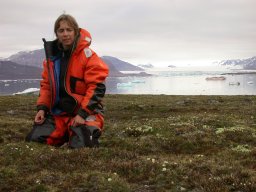 Inger Greve Alsos合作论文数Tromsø University Museum, University of Tromsø34
 Nancy H. Bigelow合作论文数Department of Anthropology;University of Alaska;Alaska Quaternary Center;University of Alaska, University of Alaska22
 Patricia Anderson合作论文数Department of Earth and Space Sciences, College of the Environment, University of Washington21
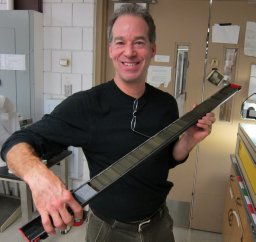 Bruce P. Finney合作论文数Institute of Marine Science;University of Alaska;Institute of Marine Science, University of Alaska20
 Patrick J. Bartlein合作论文数Department of Geography, College of Arts and Sciences, University of Oregon17
 W. Scott Armbruster合作论文数Department of Biology, Faculty of Natural Sciences, Norwegian University of Science and Technology;Institute of Arctic Biology, University of Alaska Fairbanks;Univeresity of Portsmouth16
 Peter G Langdon合作论文数School of Geography and Environmental Science, University of Southampton16
 Ludovic Gielly合作论文数Laboratoire d'Ecologie Alpine UMR 5553 UJF/CNRS, France16
 Charlotte L. Clarke合作论文数The Palaeolab., Geography and Environmental Science, University of Southampton15Youri Lammers合作论文数14
 Eric Coissac合作论文数INRIA-Rhône Alpes projet HELIX14
 Eske Willerslev合作论文数Department of Zoology, University of Cambridge13
 James Haile合作论文数Natural History Museum and Institute of Biology, University of Copenhagen13
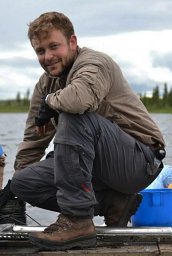 Maarten Van Hardenbroek合作论文数Institute of Environmental Biology, Utrecht University Palaeoecology12Heather Binney合作论文数12
 Pierre Taberlet合作论文数Laboratoire d'Ecologie Alpine, University Joseph Fourier;Centre National De La Recherche Scientifique11
 Christian Brochmann合作论文数Department of Research and Collections, Natural History Museum, University of Oslo11
 Sandy Harrison合作论文数Department of Geography and Environmental Science, University of Reading11
 N G Yoccoz合作论文数Department of Arctic and Marine Biology, UiT The Arctic University of Norway11
 Tomasz Edward Goslar合作论文数Geochronology Research Unit, Faculty of Geographical and Geological Sciences, School of Natural Sciences, Adam Mickiewicz University in Poznań;POznan Radiocarbon Laboratory, Foundation of the Adam Mickiewicz University11
 Sandra Nogué合作论文数Southampton Marine and Maritime Institute, Faculty of Engineering and Physical Sciences, University of Southampton11Linda Brubaker合作论文数School of Environmental and Forest Sciences, College of the Environment, University of Washington10
 Tony Brown合作论文数University of Tromsø Museum10
 Guido Grosse合作论文数Permafrost Research Section, Alfred Wegener Institute Helmholtz Centre for Polar and Marine Research;Institute of Geosciences, University of Potsdam10
 Peter D Heintzman合作论文数Dept Ecol & Evolutionary Biol, Univ Calif Santa Cruz9Duane G. Froese合作论文数9Lesleigh Anderson合作论文数Department of Geosciences, University of Massachusetts Amherst9Anatoly V. Lozhkin合作论文数9
 Mark B Abbott合作论文数Department of Geology and Planetary Science, University of Pittsburgh9
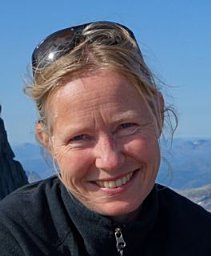 Kari Anne Brathen合作论文数Department of Biology, University of Tromsø9Anatoly Lozhkin合作论文数9
 Kurt H. Kjær合作论文数Globe Institute, Faculty of Health and Medical Sciences, University of Copenhagen8
 Alvaro Castilla合作论文数Institute for Biodiversity and Ecosystem Dynamics, University of Amsterdam, Science Park 904, 1098XH Amsterdam, The Netherlands8
 Ludovic Orlando合作论文数Centre for Anthropobiology & Genomics of Toulouse, Université Paul Sabatier Toulouse II;CNRS8
 Glen Sproul dit MacDonald合作论文数Department of Geography, University of California, Los Angeles;Institute of the Environment and Sustainability, University of California, Los Angeles8
 Colin Prentice合作论文数Department of Life Sciences, Faculty of Natural Sciences, Imperial College London;Georgina Mace Centre for the Living Planet, Imperial College London8
 Andrei A. Andreev合作论文数8Torbjørn Alm合作论文数8
 Sanne Boessenkool合作论文数Department of Zoology, University of Otago8catherine langdon合作论文数7
 Alistair J. Monteath合作论文数Corresponding author.7
 Julian Murton合作论文数Department of Geography, School of Global Studies, University of Sussex7
 Jan Mangerud合作论文数Department of Earth Science, University of Bergen7
 John P. Smol合作论文数Department of Biology, Queen’s University7
 Lea De Nascimento合作论文数Island Ecology and Biogeography Group;Instituto Universitario de Enfermedades Tropicales y Salud Pública de Canarias (IUETSPC),, Universidad de La Laguna (ULL);Canary;Instituto Universitario de Enfermedades Tropicales y Salud Pública de Canarias (IUETSPC),, Universidad de La Laguna (ULL);7
 Katey Walter Anthony合作论文数Water & Environm Res Ctr, Univ Alaska Fairbanks7
 John Inge Svendsen合作论文数Department of Earth Science, Faculty of Science and Technology, University of Bergen7
 Morten Arendt Rasmussen合作论文数Department of Food Science, Faculty of Science, University of Copenhagen6
 Nichola Ann Strandberg合作论文数Sch Geog & Environm Sci, Univ Southampton6




