This paper assesses the local economic impact of pelagic Sargassum seaweed washed ashore in tourism-heavy coastal zones in the Mexican State of Quintana Roo. The study relies on a carefully designed Geographic Information Systems (GIS) dataset of monthly observations from 2016 to 2019 for 157 beach segments. The dataset comprises an innovate measure of Sargassum seaweed presence, remotely sensed nighttime light intensity as a proxy of economic growth, as well as information on key infrastructure, sociodemographic and beach characteristics. We apply a fixed-effects regression model that controls for general time trends and unobserved, time-invariant differences across observations. We estimate that the presence of Sargassum in a beach segment reduces nighttime light intensity by 17.5%, representing an approximate 11.6% decrease in gross local product. Considering that impacts of Sargassum on local economic activity may be delayed due to reputational effects, our analysis finds that significant lagged effects can be detected up until 12 months after Sargassum was detected on the shoreline. These effect sizes range between a 5.9 and a 9.9% reduction in gross local product. Various robustness checks, including an adjusted measurement of Sargassum and the consideration of potential spatial correlation across beach segments, indicate that estimated impacts are consistently significant and negative across numerous specifications. For one of most tourism-dependent regions in the world, the recurrent influx is one of the most threatening manifestations of climate change. Our research is the first to robustly quantify the economic impact of Sargassum, and highlights the extent to which economic activity is negatively affected by the accumulation of seaweed and how these effects persist over time. The next important step is for both public and private sectors to invest in forecasting systems and containment strategies as well as engage in cleanup efforts to mitigate severe accumulations, inducing economic resilience in coastal communities.
National governments and multilateral institutions face difficult challenges reconciling biodiversity, climate, and economic development goals. We integrated spatial biophysical and economic data with optimization methods to develop sustainable landscape efficiency frontiers that show maximally feasible combinations of biodiversity conservation, land-based climate mitigation, and net economic value from agricultural crops, livestock, and forestry production. We applied this approach in 146 countries and found large potential gains in biodiversity, climate, and economic development from improved land use and land management. Summing national-level results shows the potential to increase climate mitigation by more than 200 billion metric tons of CO2 equivalents (>20% increase) or net economic value by more than US$350 billion (>80% increase), without loss in other objectives.
This document outlines the activities and results of the Belize pilot project under the Regional Technical Cooperation (TC), “Transforming Policy and Investment Through Mainstreaming Rapid Approaches for Natural Capital Assessment and Accounting.” This TC was funded by the Global Environmental Facility (GEF), implemented by the Inter-American Development Bank (IDB), and executed by Stanford University. The main beneficiaries and co-designers of this TC are Belize's Ministry of Blue Economy and Marine Conservation, the Belize Blue Bond Finance Permanence Unit, and the Ministry of Economic Transformation, and the technical work was led by the Natural Capital Project team (Stanford University). This project also received support from the Gordon and Betty Moore and a National Science Foundation grant. Belize has long been a leader in integrating natural capital approaches quantifying natures benefits to people into policy and finance to support its coastal and ocean-based, or “blue” economy. However, like most countries, Belize currently lacks the comprehensive tools and institutional systems needed to measure and report on progress towards the social and environmental goals outlined in these results based finance instruments. Without a clearly defined KPI framework and a science-based Measurement, Reporting and Verification (MRV) system, it is challenging to track progress, demonstrate results, and attract additional investment (see Glossary for terms). Addressing this gap is critical for Belize to fulfill its commitments under the Blue Bond and Project Finance for Permanence (PFP). This pilot brought together a transdisciplinary team, including local government agencies (the Blue Bond Finance Permanent Unit and the Ministry of Economic Transformation), WWF-Belize, the Inter-American Development Bank (IDB), and Stanford's Natural Capital Project (NatCap). Together, the worked to equip Belizean leaders with: i) a KPI framework linking nature finance to socioeconomic outcomes, ii) a monitoring tool (the Blue Economy Jobs survey) to track people-positive KPIs associated with Belize's blue economy, and iii) a plan for creating a central platform (a “dashboard”) for monitoring and haring progress on KPIs from across Belize's blue economy sectors, in order to inform national policy and finance decision-making.
This document outlines the activities and results of the Belize pilot project under the Regional Technical Cooperation (TC), “Transforming Policy and Investment through Mainstreaming Rapid Approaches for Natural Capital Assessment and Accounting.” This TC was funded by the Global Environmental Facility (GEF), implemented by the Inter-American Development Bank (IDB), and executed by Stanford University. The main beneficiaries and co-designers of this TC are Belize's Ministry of Blue Economy and Marine Conservation, the Belize Blue Bond Finance Permanence Unit, and the Ministry of Economic Transformation, and the technical work was led by the Natural Capital Project team (Stanford University), with WWF-Belize as a key collaborator. This work also received funding from the Gordon and Betty Moore and a National Science Foundation grant. This pilot project in Belize conducted cross-sectoral engagement to co-develop a key performance indicator framework linking nature finance with socio-economic outcomes. The team also designed a Blue Economy Jobs monitoring survey tool and laid out plans for a centralized dashboard to track progress of those KPIs while strengthening capacity to use these tools and approaches through workshops and virtual meetings. This work is informing a number of results-based finance mechanisms that support both nature and people in Belize.
Marine ecosystems support human wellbeing, through blue economy, food security, mental health, and supporting identities. The lens of ecosystem services can shed light on nature's contributions to people׳s wellbeing. We discuss the importance of assessing ecosystem services to inform more inclusive decisions in coastal and marine systems. We explore methods for mapping, modeling, and valuing marine ecosystem services and outline new approaches to incorporate land-sea interactions. We also highlight key challenges and emerging technologies to advance our capabilities to model marine ecosystem services. Last, we introduce four case-studies that demonstrate applications of these concepts. Ultimately, modeling marine services can help society preserve the flows of benefits from oceans and coasts and incorporate multiple values into planning decisions to build a more equitable and sustainable future.
Blue food systems are crucial for meeting global social and environmental goals. Both small-scale marine fisheries (SSFs) and aquaculture contribute to these goals, with SSFs supporting hundreds of millions of people and aquaculture currently expanding in the marine environment. Here we examine the interactions between SSFs and aquaculture, and the possible combined benefits and trade-offs of these interactions, along three pathways: (1) resource access and rights allocation; (2) markets and supply chains; and (3) exposure to and management of risks. Analysis of 46 diverse case studies showcase positive and negative interaction outcomes, often through competition for space or in the marketplace, which are context-dependent and determined by multiple factors, as further corroborated by qualitative modeling. Results of our mixed methods approach underscore the need to anticipate and manage interactions between SSFs and aquaculture deliberately to avoid negative socio-economic and environmental outcomes, promote synergies to enhance food production and other benefits, and ensure equitable benefit distribution.
Establishes that nature provides essential inputs for human life, health, and prosperity, thus supporting humanity in innumerable ways. People depend on nature for food, medicines, and materials. They depend on functioning ecosystems to filter pollutants, provide clean air and water, regulate flows of water and nutrients, modulate climate, and provide protection from storms. Nature also provides inspiration and meaning, adding richness to human culture. Because nature provides these essential inputs for human life, health, and prosperity, economists treat it as an asset, or natural capital. Natural capital continues to decline at an unprecedented rate, however, in the form of diminishing land fertility, lost flood protection benefits, reduced water filtration, and an increased risk of zoonotic diseases such as COVID-19. Misaligned incentives prove largely to blame for this decline. Reversing this decline and using natural capital more efficiently remain opportunities to dramatically increase both economic productivity and environmental benefits such as health, carbon sequestration, and biodiversity, with limited trade-offs.
The large-scale loss of ecosystem assets around the world, and the resultant reduction in the provision of nature's benefits to people, underscores the urgent need for better metrics of ecological performance as well as their integration into decision-making. Gross ecosystem product (GEP) is a measure of the aggregate monetary value of final ecosystem-related goods and services in a specific area and for a given accounting period. GEP accounting captures the use of many ecosystem services in production processes across the economy, which are then valued in terms of their benefits to society. GEP has five key elements that make it transparent, trackable, and readily understandable: (1) a focus on nature's contributions to people; (2) the measurement of ecosystem assets as stocks and ecosystem services as flows; (3) the quantification of ecosystem service use; (4) an understanding of ecosystem service supply chains through value realization; and (5) the disaggregation of benefits across groups. Correspondingly, a series of innovative policies based on GEP have been designed and implemented in China. The theoretical and practical lessons provided by these experiences can support continued policy innovation for green and inclusive development around the world.
Presents the results of the landscape efficiency analysis, which showed income status and region prove poor predictors of landscape efficiency. Instead, a typology of countries to categorize and explain why some countries perform better than others in terms of marketed production efficiency (agriculture, grazing, and forestry), and nonmarketed production efficiency (greenhouse gas storage and biodiversity) shows that through more efficient use of landscapes, an increase in greenhouse gas (GHG) storage of 85.6 billion metric tons of carbon dioxide equivalent (CO2eq) remains achievable without reducing the economic production of the land or biodiversity—a quantity equivalent to 1.7 years of global emissions. Alternatively, scenarios that increase the efficiency of landscapes can also result in an increase in production value of US$329 billion per year, while maintaining current biodiversity and GHG storage levels. These results imply that significant opportunities exist to increase economic growth and meet growing food security challenges without further encroaching on the environment and ecosystem services.
Provides several examples of how the tools developed in this report can guide country strategies that enhance sustainability. The countries under the spotlight include Azerbaijan, the Lao People's Democratic Republic (Lao PDR), and Liberia. Additional examples include an application of the landscape approach in China and an application of the efficiency frontiers for air pollution in the Arab Republic of Egypt. Each country proves distinctive, and the differences among countries illustrate the pathways available to enhancing efficiency and productivity, the shifts needed to realize these gains, and the policies that could incentivize and catalyze these changes. These factors will vary by type of country, as well as by country-specific characteristics. The country spotlights also illustrate that some changes prove far-reaching and will take time, as do all significant reforms. These examples suggest merit in gradualism when it permits course corrections and adaptive adjustments of policies. These foundational criteria can guide decision-makers on the trade-offs between alternative policy packages.
No AccessJun 2023Back Matter: AppendixAuthors/Editors: Richard Damania, Stephen Polasky, Mary Ruckelshaus, Jason Russ, Markus Amann, Rebecca Chaplin-Kramer, James Gerber, Peter Hawthorne, Martin Heger, Saleh Mamun, Giovanni Ruta, Rafael Schmitt, Jeffrey Smith, Adrian Vogl, Fabian Wagner, and Esha ZaveriRichard DamaniaSearch for more papers by this author, Stephen PolaskySearch for more papers by this author, Mary RuckelshausSearch for more papers by this author, Jason RussSearch for more papers by this author, Markus AmannSearch for more papers by this author, Rebecca Chaplin-KramerSearch for more papers by this author, James GerberSearch for more papers by this author, Peter HawthorneSearch for more papers by this author, Martin HegerSearch for more papers by this author, Saleh MamunSearch for more papers by this author, Giovanni RutaSearch for more papers by this author, Rafael SchmittSearch for more papers by this author, Jeffrey SmithSearch for more papers by this author, Adrian VoglSearch for more papers by this author, Fabian WagnerSearch for more papers by this author, and Esha ZaveriSearch for more papers by this authorhttps://doi.org/10.1596/978-1-4648-1923-0_bmAboutView ChaptersPDF (0.4 MB) ToolsAdd to favoritesDownload CitationsTrack Citations ShareFacebookTwitterLinked In Abstract: Provides a table showing the measures of efficiency by country for 146 countries recognized by the World Bank that have a land surface area greater than 10,000 square kilometers for which data remains available, including (1) the landscape efficiency score (%); (2) the geometric mean of individual Pareto scores (%); (3) the arithmetic mean of individual Pareto scores (%); and (4) environmental (carbon and biodiversity) Pareto geometric mean (%). Previous chapter FiguresreferencesRecommendeddetails View Published: June 2023ISBN: 978-1-4648-1923-0 Copyright & Permissions Related TopicsEnvironmentMacroeconomics and Economic Growth KeywordsENVIRONMENTAL CONCERNSLAND-USE POLICYCARBON DIOXIDE CONCENTRATIONCLIMATE RISK MANAGEMENTLAND MANAGEMENTAGRICULTURAL PRODUCTIVITYBIODIVERSITYSUSTAINABILITY PDF DownloadLoading ...
We present two case studies in which coastal vulnerability modeling was used to quantify the role those coastal ecosystems play in reducing risk to coastal communities now and with future sea-level rise. These analyses were used to inform post-disaster reconstruction and coastal resilience building efforts as well as climate change adaptation strategies. Our goal is to quantify the role that coastal habitat plays in reducing risk to people and shoreline under current conditions and with future sea level rise (SLR). With SLR, we find that the extent of shoreline most exposed to coastal hazards would more than double, and the total population would nearly triple in The Bahamas. Similarly, the population living along high-risk shorelines increases by over 10x if habitat is lost and sea level rise is accounted for in the Mesoamerican Reef.
Stresses that outdoor air pollution claims over 4 million lives annually and causes a host of other health-related problems that spill over into the economy. On average, improving the efficiency of air pollution policies and spending remains a remarkably cost-effective way to save lives—less than $40,000 per life saved. Although richer countries prove more efficient in their air pollution spending and control, there remains high variation within country income groups. Implementing policies for reducing air pollution more efficiently would produce a 60 percent cost saving, while delivering the same health benefits. Alternatively, had countries spent the same amount of money to abate fine particulate matter (PM2.5), but implemented the most efficient policies, they would have prevented an additional 366,000 premature deaths each year. Inefficiencies often arise because (1) the wrong pollutant has been targeted; (2) the use of inappropriate technology; (3) policies prove permissive; or (4) sources of pollution that cost less to abate remain overlooked.
Synthesis research in ecology and environmental science improves understanding, advances theory, identifies research priorities, and supports management strategies by linking data, ideas, and tools. Accelerating environmental challenges increases the need to focus synthesis science on the most pressing questions. To leverage input from the broader research community, we convened a virtual workshop with participants from many countries and disciplines to examine how and where synthesis can address key questions and themes in ecology and environmental science in the coming decade. Seven priority research topics emerged: (1) diversity, equity, inclusion, and justice (DEIJ), (2) human and natural systems, (3) actionable and use-inspired science, (4) scale, (5) generality, (6) complexity and resilience, and (7) predictability. Additionally, two issues regarding the general practice of synthesis emerged: the need for increased participant diversity and inclusive research practices; and increased and improved data flow, access, and skill-building. These topics and practices provide a strategic vision for future synthesis in ecology and environmental science.
We lack an understanding of how diverse policymakers interact to govern biodiversity. Taking Colombia as a focal case, we examined six decades of biodiversity governance (1959–2018). Here we analysed the composition of the policy mix, and how it has evolved over time, how policies differ among lead actors and ecosystems, and whether the policy mix addresses the primary threats to biodiversity. We identified 186 biodiversity-related policies that govern multiple ecosystems, use different instruments and address the main threats to biodiversity (that is, agriculture and aquaculture, and biological resource use). We found policy gaps in the governance of invasive species and wildlife trade. Biodiversity policy integration into some sectoral policies, such as climate change, poverty and pollution, has become more common in the past decade. Our results point to an increased need for effective coordination across sectors and actors, as new ones influence and implement the policy mix.
Provides a nontechnical overview of the data and techniques used to develop sustainable resource efficiency frontiers. This process requires bridging two disciplines—ecology and economics. Understanding how natural resources and earth systems generate life-supporting services proves a central concern in ecology. The efficient allocation of natural resources remains a central concern in economics. Using insights from both disciplines to construct sustainable resource efficiency frontiers, new data applied to state-of-the-art models can describe biophysical processes. This information, when then fed into economic models, quantifies impacts on land-based production systems, including (1) net production value of marketed outputs; (2) net greenhouse gas sequestered; and (3) biodiversity. Comparing potential outputs on the efficiency frontier with actual outputs produced in a country provides an indication of the magnitude of inefficiencies (that is, feasible Pareto improvements), allows identification of trade-offs, and can inform the broad contours of policies aimed at enhancing sustainability and efficiency.
The magnitude and pace of global climate change demand ambitious and effective implementation of nationally determined contributions (NDCs). Nature-based solutions present an efficient approach to achieving mitigation, adaptation and resilience goals. Yet few nations have quantified the diverse benefits of nature-based solutions to evaluate and select ecosystem targets for their NDCs. Here we report on Belize’s pursuit of innovative, evidence-based target setting by accounting for multiple benefits of blue carbon strategies. Through quantification of carbon storage and sequestration and optimization of co-benefits, we explore time-bound targets and prioritize locations for mangrove protection and restoration. We find increases in carbon benefits with larger mangrove investments, while fisheries, tourism and coastal risk-reduction co-benefits grow initially and then plateau. We identify locations, currently lacking protected status, where prioritizing blue carbon strategies would provide the greatest delivery of co-benefits to communities. These findings informed Belize’s updated NDCs to include an additional 12,000 ha of mangrove protection and 4,000 ha of mangrove restoration, respectively, by 2030. Our study serves as an example for the more than 150 other countries that have the opportunity to enhance greenhouse gas sequestration and climate adaptation by incorporating blue carbon strategies that provide multiple societal benefits into their NDCs.
No AccessEnvironment and Development27 Jun 2023Nature's Frontiers: Achieving Sustainability, Efficiency, and Prosperity with Natural CapitalAuthors/Editors: Richard Damania, Stephen Polasky, Mary Ruckelshaus, Jason Russ, Markus Amann, Rebecca Chaplin-Kramer, James Gerber, Peter Hawthorne, Martin Philipp Heger, Saleh Mamun, Giovanni Ruta, Rafael Schmitt, Jeffrey Smith, Adrian Vogl, Fabian Wagner, and Esha ZaveriRichard Damania, Stephen Polasky, Mary Ruckelshaus, Jason Russ, Markus Amann, Rebecca Chaplin-Kramer, James Gerber, Peter Hawthorne, Martin Philipp Heger, Saleh Mamun, Giovanni Ruta, Rafael Schmitt, Jeffrey Smith, Adrian Vogl, Fabian Wagner, and Esha Zaverihttps://doi.org/10.1596/978-1-4648-1923-0AboutView ChaptersPDF (5.9 MB) ToolsAdd to favoritesDownload CitationsTrack Citations ShareFacebookTwitterLinked In Abstract: The great expansion of economic activity since the end of World War II has caused an unprecedented rise in living standards, but it has also caused rapid changes in earth systems. Nearly all types of natural capital—the world's stock of resources and services provided by nature—are in decline. Clean air, abundant and clean water, fertile soils, productive fisheries, dense forests, and healthy oceans are critical for healthy lives and healthy economies. Mounting pressures, however, suggest that the trend of declining natural capital may cast a long shadow into the future. "Nature's Frontiers: Achieving Sustainability, Efficiency, and Prosperity with Natural Capital" presents a novel approach to address these foundational challenges of sustainability. A methodology combining innovative science, new data sources, and cutting-edge biophysical and economic models builds sustainable resource efficiency frontiers to assess how countries can sustainably use their natural capital more efficiently. The analysis provides recommendations on how countries can better use their natural capital to achieve their economic and environ mental goals. The report indicates that significant efficiency gaps exist in nearly every country. Closing these gaps can address many of the world's pressing economic and environmental problems—economic productivity, health, food and water security, and climate change. Although the approach outlined in this report will entail demanding policy reforms, the costs of inaction will be far higher. Previous book FiguresreferencesRecommendeddetails View Published: June 2023ISBN: 978-1-4648-1923-0 Copyright & Permissions Related TopicsAgricultureEnvironmentMacroeconomics and Economic Growth KeywordsNATURAL CAPITALNATURAL RESOURCESEFFICIENCYAGRICULTURECLIMATE CHANGECARBON SEQUESTRATIONAIR POLLUTIONENVIRONMENTTRADEOFFSPRODUCTION POSSIBILITY FRONTIERBIODIVERSITYSUSTAINABLE DEVELOPMENT GOALS PDF DownloadLoading ...
 Anne D. Guerry合作论文数Nat Capital Project, Stanford Univ29
 Katie Arkema合作论文数Nat Capital Project, Stanford Univ25
 Steve Polasky合作论文数Department of Applied Economics, University of Minnesota;Department of Ecology, Evolution, and Behavior, University of Minnesota23
 Peter Kareiva合作论文数Institute of the Environment and Sustainability, University of California, Los Angeles20
 Ben Halpern合作论文数Bren School of Environmental Science & Management, University of California, Santa Barbara;National Center for Ecological Analysis and Synthesis, University of California, Santa Barbara15
 Gretchen C. Daily合作论文数Center for Conservation Biology, Stanford University;Department of Biology, Stanford University;Woods Institute for the Environment, Stanford University15
 Heather Tallis合作论文数Department of Zoology, Oregon State University14
 Zhiyun Ouyang (欧阳志云)合作论文数Research Center for Eco-Environmental Sciences, Chinese Academy of Sciences13
 Rebecca Chaplin-Kramer合作论文数Woods Institute for the Environment, Stanford University;Woods Institute for the Environment, Stanford University12
 Gregory M Verutes合作论文数The Natural Capital Project, Stanford University;The Natural Capital Project, Stanford University12
 Phillip Levin合作论文数School of Marine and Environmental Affairs, College of the Environment, University of Washington12
 Adrian L. Vogl合作论文数Department of Biology, Texas State University10
 Peter Hawthorne合作论文数South Australian Research and Development Institute (Aquatic Sciences),10
 Giovanni Ruta合作论文数9
 Greg Guannel合作论文数9
 Rafael Schmitt合作论文数Woods Inst Environm, Stanford Univ9Jason Russ合作论文数World Bank9
 Esha Zaveri合作论文数Stanford Univ, Dept Earth Syst Sci, Stanford, CA 94305 USA9
 Saleh Mamun合作论文数University of Minnesota9Jodie Toft合作论文数9Robert Griffin合作论文数8
 Hua Zheng (郑华)合作论文数Research Center for Eco-Environmental Sciences, Chinese Academy of Sciences;Institute of Urban Environment, Chinese Academy of Sciences8
 Spencer Wood合作论文数eScience Institute, University of Washington8Amann Markus合作论文数8Plummer Mark L合作论文数8Jessica M. Silver合作论文数7Francis Chan合作论文数7
 Sarah E. Lester合作论文数Marine Science Institute, University of California7
 Shuzhuo Li (李树茁)合作论文数School of Public Policy and Administration, Xi'an Jiaotong University7Karen L. Mcleod合作论文数7
 Martin Philipp Heger合作论文数World Bank6
 James Gerber合作论文数Institute on the Environment, University of Minnesota;Global Landscapes Initiative, University of Minnesota6Kim C K合作论文数6
 Steve Gaines合作论文数Bren School of Environmental Science & Management, University of California, Santa Barbara6
 Hugh Possingham合作论文数Centre for Biodiversity and Conservation Science, Faculty of Science, The University of Queensland;Accounting for Nature Ltd6
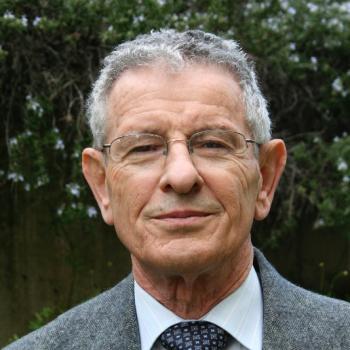 Marcus W. Feldman合作论文数Department of Biological Sciences, Stanford University;Center for Complexity Studies, Xi’an Jiaotong University6
 Jane Lubchenco合作论文数Department of Integrative Biology, College of Science, Oregon State University6Paul Mcelhany合作论文数6Richard Damania合作论文数6
 Tim Beechie合作论文数Northwest Fisheries Science Center, National Oceanic and Atmospheric Administration, U.S. Department of Commerce6
 Sandy Andelman合作论文数6Fabian Wagner合作论文数5Bartz Krista K合作论文数5
 Ian J. Bateman合作论文数Department of Economics, Business School, University of Exeter5
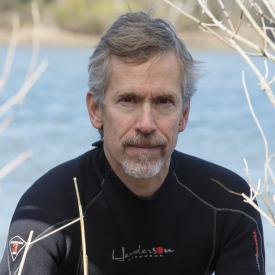 J. Emmett Duffy (Emmett Duffy)合作论文数Tennenbaum Marine Observatories Network, Smithsonian Institution5
 Jeffrey Robert Smith合作论文数Stanford Univ.5
 Scott Doney合作论文数Scott Doney Computational Biogeochemistry Lab, Department of Environmental Sciences, University of Virginia5
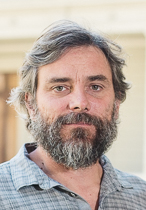 Stefan Gelcich合作论文数Facultad de Ciencias Biológicas, Pontificia Universidad Católica de Chile5Katherine H. Wyatt合作论文数4




