Psychology has systematically appropriated knowledge from Communities of Color while erasing their contributions to foundational theories and practices. This article examines historical patterns of intellectual colonialism, from Maslow's uncredited use of Blackfoot Nation wisdom to contemporary extractive research practices. Drawing on documented examples, including Ancient Egyptian dream interpretation that preceded Freudian theory, Indigenous healing circles that informed group therapy, and African American music innovations, this analysis reveals how psychology built itself on appropriated wisdom while positioning Communities of Color as beneficiaries rather than originators of healing knowledge. The Connecting to Ancestral Wisdom Framework proposes transformation through interconnected processes: Recognition (acknowledging community origins), Restoration (returning power and resources), Relationship (moving from extraction to collaboration), and Renewal (creating sustainable systems preventing future appropriation). This framework offers concrete strategies for transforming psychology from a field that exploits community wisdom into one that honors and credits the ancestral knowledge upon which it was built.
In 2021, the American Psychological Association offered an apology to people of color for harms, actions, and inactions and accepted responsibility for contributing to systemic inequities. The field of psychology has a complicated and long history of contributing to American racism and the belief in human hierarchy. This article illustrates the strategy the American Psychological Association followed to issue an apology at a scale that incorporated the voices and perspectives of the association's senior leaders and racial equity experts. The authors shed light on the organizational changes that were necessary to approve the apology and the changes that followed the apology to create long-term, institutional, and sustainable change and advance racial equity within psychology and society. (PsycInfo Database Record (c) 2024 APA, all rights reserved).
Abstract There has been renewed and increasing interest for parents and caretakers regarding how to initiate and have conversations about race with children. Guidance around this topic has most often focused on discussions with older children and adolescents. The present chapter uses a developmental approach to helping caretakers navigate necessary discussions about the realities of race and race-related stressors that youth are exposed to at early ages and across their life span. The chapter will also provide strategies to promote the positive development of children’s racial identities, which serve to buffer them from the negative race-related experiences they will encounter or witness in the larger society.
Advancing research methodologies grounded in critical theories and fostering scientific knowledge conscious of racism require thoughtfulness, integrity, rigor, and an unwavering commitment to racial justice. It demands that we, as researchers, pause and reflect-that we consider the multitude of ways that our racial socialization, biases, and all levels of racism (e.g., systemic, interpersonal, internalized) influence the entire research process. This article advocates for qualitative researchers to take a deliberate pause and engage in thoughtful reflection about racism, racial identity, power, and bias, as well as the importance and ethics of questioning methodologies to help prevent the creation of racially oppressive scholarship. To achieve this goal, we present the racism-conscious reflexivity in research (RCR) framework, which invites researchers to actively pay attention to how (a) racial identity schemas, (b) racialized cognitive and emotional biases, (c) information processing strategies, and (d) social interactions between and among research team members shape all aspects of a research study. The RCR framework also considers how these four areas influence how researchers respond to and think about racism, its influence on people's experiences, and its operations in research methodologies. Coding scenarios are used to illustrate the application of the RCR framework in the analysis and interpretation process of qualitative research. Methodological guidance is provided.
Dr. Janet E. Helms's use of psychological science to engage the field of psychology in radical progressive debates about race and identity is unprecedented. Her scholarship transformed prevailing paradigms in identity development theory and cognitive ability testing in psychology, to name a few. However, mainstream psychology often ignores, dismisses, and minimizes the importance of Dr. Helms's scientific contributions. Despite the numerous systemic barriers she encounters as a Black woman in psychology, Dr. Helms has persisted and made immeasurable contributions to the field and society. The intellectual gifts she has provided have shaped psychology for decades and will undoubtedly continue to do so for centuries to come. This article aims to provide an overview of Dr. Helms's lifetime contributions to psychology and the social sciences. To achieve this goal, we provide a brief narrative of Dr. Helms's life as a prelude to describing her foundational contributions to psychological science and practice in four domains, including (a) racial identity theories, (b) racially conscious and culturally responsive praxis, (c) womanist identity, and (d) racial biases in cognitive ability tests and measurement. The article concludes with a summary of Dr. Helms's legacy as an exceptional psychologist who offers the quintessential blueprint for envisioning and creating a more humane psychological science, theory, and practice anchored in liberation for all. (PsycInfo Database Record (c) 2023 APA, all rights reserved).
Objective This mixed-methods study investigated Black girls' (N=15) definitions of health and reports on socio-ecological factors that influenced health attitudes, beliefs, and behaviors. Participants were surveyed about their emotional health, body image, experiences of discrimination, and eating patterns. Methods Directed content analysis was used to identify themes, categories, and capture the depth of information conveyed. The study also used the Nominal Group Technique to elicit recommendations about intervention content, structure, and facilitation of a healthy lifestyle program targeting Black girls. Participants represented various ethnic backgrounds, ranged in age from 14 to 17years (M=16), and were in the ninth and 10th grades. Participants also represented a specific sample of Black adolescent girls who are medically categorized as obese. Results Findings indicated that Black girls use an intersectional (race-gender) lens to frame their definitions of health and inform health-related behaviors. Recommendations for obesity interventions targeting Black girls include leveraging time during school to deliver services, intentional selection of program facilitators to include race-gender similarities, and professionals trained to work with adolescents. Additionally, considerations for provider-patient interactions include the use of nonstigmatizing language and direct communication. Conclusion Findings serve to address the paucity of culturally responsive interventions targeting Black girls' health. Implications include enhancement of program retention and sustained engagement to facilitate effective treatment outcomes and address the disparity in the prevalence of obesity. In doing so, there is a potential to reduce health disparities associated with increased weight as Black girls' transition into adulthood.
The psychological literature on AfroLatinidad is sparse. The absence of Blackness in Latinx Psychology is due in part to Mestizaje Racial Ideologies (MRIs), or the belief that all people of Latinx descent are racially mixed and therefore skin-color and phenotypical differences do not matter. This colonial and anti-Blackness ideology has been so deeply rooted in the Latinx ethos that its implications and manifestations are seldomly interrogated. In turn, we default to a praxis that often studies, describes, and conceptualizes Latinidad through racially homogenous and color-blind paradigms. Put succinctly, we produce and reproduce scientific knowledge that fails to capture the unique racialized experiences of Black Latinxs. To this end, the goal of this paper is to provide action guidelines that will help acknowledge and integrate Blackness into the field of Latinx Psychology and disrupt the pervasive raceless narrative of MRIs. To achieve this goal, a brief history of Blackness and antiBlackness in Latin America are outlined, followed by a discussion on the invisibility of Blackness in Latinx Psychology. Drawing on theory of intersectionality, the Centering Racial and Ethnic Identity for Latinxs (C-REIL) framework, which underscores the role of race, ethnicity, racism and ethnocentrism in the study of Latinxs, is introduced as a prelude to five guidelines that include: (a) anchoring AfroLatinidad in historical knowledge, (b) dismantling anti-Blackness, (c) acknowledging and including the role of Blackness in Latinx Psychology research and practice, (d) valuing Blackness as a political stance, and (e) practicing Latinx Psychology without the White gaze.
The prevalence of overweight and obesity among Black adolescent girls has continued to increase significantly since the 1980s, which indicates that Black girls are disproportionately affected by the obesity health crisis. In addition to risks for negative physical health outcomes, Black girls face the poor psychosocial and emotional consequences of increased weight. Yet, they are less likely to have access to or seek effective treatment. Mixed-methods methodologies were used to examine focus-group responses (N = 15) of Black girls' perceptions of their health and the factors that they believe influence wellness. Participants cited conflicting information from medical providers and lack of health knowledge as barriers to a healthy lifestyle. They also indicated that their families and communities either promoted or deterred their health outcomes. The unique social experiences of Black girls that facilitate the types of health-compromising behaviors that result in increased weight are highlighted. Recommendations for mental health providers, families, and schools are offered.
The prevalence of overweight and obesity among Black adolescent girls has continued to increase significantly since the 1980s, which indicates that Black girls are disproportionately affected by the obesity health crisis. In addition to risks for negative physical health outcomes, Black girls face the poor psychosocial and emotional consequences of increased weight. Yet, they are less likely to have access to or seek effective treatment. Mixed-methods methodologies were used to examine focus-group responses (N = 15) of Black girls' perceptions of their health and the factors that they believe influence wellness. Participants cited conflicting information from medical providers and lack of health knowledge as barriers to a healthy lifestyle. They also indicated that their families and communities either promoted or deterred their health outcomes. The unique social experiences of Black girls that facilitate the types of health-compromising behaviors that result in increased weight are highlighted. Recommendations for mental health providers, families, and schools are offered.
Objectives: Despite the abundance of research aimed at quantifying the impact of racism on the mental and physical health of African Americans. results remain inconclusive largely because of challenges with operationalization. as well as conflation with the concept of racial discrimination, which may be more readily assessed. The purpose of the current study was to: (a) determine whether racial discrimination had an impact on the degree of alcohol use and binge drinking among African American emerging adults, and if so, (b) determine whether perceived stress linked to racially discriminatory experiences moderated these associations. Method: We used a series of hierarchical regressions to examine associations among racial discrimination, perceived stress, and degree of alcohol consumption in a sample of African American emerging adults in the southeast (n = 235). Results: We found that the association between racial discrimination and degree of alcohol consumption (alcohol use and binge drinking) was strongest among individuals who reported greater levels of perceived stress linked to racial discrimination experiences. This association, however, was not significant for individuals who reported lower levels of perceived stress in response to racial discrimination. Conclusions: African Americans who experience a high degree of perceived stress in response to experiences with racial discrimination may be at greater risk for problem drinking than their peers with less perceived stress. These findings highlight the need for novel intervention efforts aimed at mitigating the effects of stress and racial discrimination on health outcomes.
Discrimination is related to depression and poor self-esteem among Black men. Poorer self-esteem is also associated with depression. However, there is limited research identifying how self-esteem may mediate the associations between discrimination and depressive symptoms for disparate ethnic groups of Black men. The purpose of this study was to examine ethnic groups as a moderator of the mediating effects of self-esteem on the relationship between discrimination and depressive symptoms among a nationally representative sample of African American (n = 1201) and Afro-Caribbean American men (n = 545) in the National Survey of American Life. Due to cultural socialization differences, we hypothesized that self-esteem would mediate the associations between discrimination and depressive symptoms only for African American men, but not Afro-Caribbean American men. Moderated-mediation regression analyses indicated that the conditional indirect effects of discrimination on depressive symptoms through self-esteem were significant for African American men, but not for Afro-Caribbean men. Our results highlight important ethnic differences among Black men.
Childhood obesity is a complex and multifaceted health problem linked to elevated risk for chronic diseases, such as diabetes, cancer, hypertension, and cardiovascular disease.1,2 Although research has increased dramatically in the past 2 decades, questions regarding factors driving overweight and obesity remain, particularly among youth of color who experience disproportionate rates of obesity and comorbid health conditions.3 Adolescence is a critical period in the developmental trajectory,4 in part because overweight and obese adolescents are more likely to remain overweight and/or obese in adulthood.3 Overweight and obesity have been associated with adverse symptoms and intra- and interpersonal psychological, social, and emotional issues that continue into adulthood, including depression and anxiety, social withdrawal, feeling worthless, lower self-esteem, and behavioral problems.5–7 Poor mental health may lead to increases in weight due to fluctuations in appetite, obesogenic behaviors (eg, overeating) to cope with negative mood, sedentary behavior, and increased isolation.8 Chronic stress or experiences of discrimination may also influence physiology and behaviors that affect weight gain.9 On the other hand, increased body mass index (BMI) could result in adverse emotional outcomes over time due to weight-based stigma, bullying, or poor self-esteem.5,6 The few longitudinal studies that have examined the association between emotional health and physical health outcomes have primarily taken a narrow focus of mental health symptoms (e.g., only examining depression)10 or behavioral concerns (e.g., conduct).11 Physical outcomes, including BMI, were often collected by self-report12 and/or retrospectively.13 Furthermore, they have been limited to predominantly White samples of older adolescents or adults.12,13 Persistent racial and ethnic disparities in overweight and obesity further complicate research as well as clinical prevention and intervention efforts. Black and Latino youth experience disproportionate levels of overweight and obesity beginning as early as preschool and are more likely to remain obese as adults compared with Whites.14 Blacks and Latinos also are at disproportionate risk for multiple negative health conditions associated with overweight and obesity, such as diabetes.14,15 Reasons for such disparities remain poorly understood and understudied. Although emotional health has been associated with weight in both adults and youth,16 prior research has been limited to cross-sectional studies.17 Longitudinal, prospective designs are critical to explicate the association between emotional health and BMI among Black and Latino youth. The primary objective of this study is to examine whether negative emotional symptoms prospectively predict increases in BMI z-scores (BMI-z) across 2 years among a sample of predominantly Black and Latino, urban youth. We hypothesize that more negative emotional symptoms measured at baseline (grades 5 and 6) would predict increases in BMI-z scores 2 years later. Results can inform programs and interventions aimed at reducing obesity in youth of color.
Janet E. Helms has been nominated by her peers as influential in the field of counseling psychology and beyond. She is the recipient of numerous awards and honors based on her contributions to multicultural issues, specifically race and culture. She is well known for her exceptional mentoring to next generation of counseling psychologists. Helms’ People of Color and White Racial Identity Theories continue to inspire and influence generations of researchers. Helms’ scholarship has encouraged investigation of the impact of race and racial identity on a variety of areas such as assessment, counseling, career, teaching and training, education, health, trauma, gender, and legal issues.
Janet E. Helms has been nominated by her peers as influential in the field of counseling psychology and beyond. She is the recipient of numerous awards and honors based on her contributions to multicultural issues, specifically race and culture. She is well known for her exceptional mentoring to next generation of counseling psychologists. Helms' People of Color and White Racial Identity Theories continue to inspire and influence generations of researchers. Helms' scholarship has encouraged investigation of the impact of race and racial identity on a variety of areas such as assessment, counseling, career, teaching and training, education, health, trauma, gender, and legal issues.
Despite continued efforts, racial trauma receives limited clinical attention within the field of psychology and social sciences. Consequently, racial trauma in the lives of Black children and adolescents is rarely, if ever, acknowledged by researchers, scholars, and practitioners. Schools, a common context for Black youths, are a consistent source of individual and systemic experiences of racism for Black youths. The authors use a developmental perspective to discuss the assessment and treatment of Black children and adolescents who inevitably experience racial trauma in their lives. The complexity of racial trauma is illustrated using case examples. Providers are encouraged to recognize the importance of assessment models and treatment interventions that incorporate the racial experiences of Black youths as an essential component of treatment.
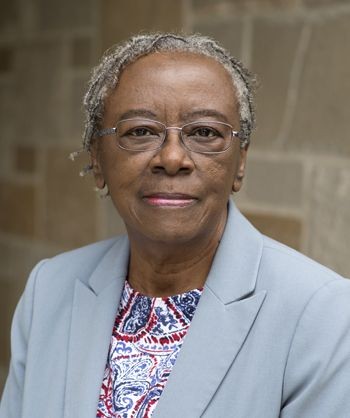 Janet E. Helms合作论文数Department of Counseling, Developmental, & Educational Psychology, Carolyn A. and Peter S. Lynch School of Education and Human Development, Boston College9
 Carlton Everett Green合作论文数4
 Leyla Perez-Gualdron合作论文数4
 David L. Blustein合作论文数Department of Counseling, Developmental,and Educational Psychology, Boston College3
 Kevin T. Henze合作论文数3
 Chavez-Dueñas Nayeli Y合作论文数The Chicago School of Professional Psychology3
 Adames Hector Y合作论文数The Chicago School of Professional Psychology3
 Maureen Kenny合作论文数School of Education and Human Development, Boston College3
 Angela M. Desilva合作论文数3Erin Forquer合作论文数2elizabeth sparks合作论文数2Cynthia Chen合作论文数2Carlton Green合作论文数2Christian Cho合作论文数2Terry L. Sass合作论文数2
 David O. Scanlon合作论文数School of Chemistry, University of Birmingham2Jackquelyn Mascher合作论文数2
 Leyla M. Perez-Gualdron合作论文数2Marcia Liu合作论文数2Kathleen Flaherty合作论文数2Sandra L. Shullman合作论文数1Jessica Henderson Daniel合作论文数1
 Tiarney D. Ritchwood合作论文数School of Medicine, Wake Forest University1
 Riana Elyse Anderson合作论文数Department of Health Behavior and Health Education, School of Public Health, University of Michigan-Ann Arbor1Kelly Jennifer F合作论文数1
 Ethan H. Mereish合作论文数Dept Hlth Studies, Amer Univ1Urbano Alessandra合作论文数1Koepke Margaret合作论文数1Castañeda Tani合作论文数1
 Salami Temilola K合作论文数Department of Clinical Psychology, University of Georgia1
 Lisa Rosenthal合作论文数1
 Amy Carroll-Scott合作论文数1Ickovics Jeanette R合作论文数1McCaslin Catherine合作论文数1
 Carter Sierra E合作论文数Department of Psychology, The University of Georgia.1
 Isha Metzger合作论文数University of South Carolina1
 Susan Elizabeth Peters合作论文数Harvard T.H. Chan School of Public Health, Harvard University1
 Nicolas Guerda合作论文数University of Miami1Bettina M Beech合作论文数1Kerri A. Murphy合作论文数1Adrienne Skrzypek合作论文数1Ophera Davis合作论文数1A Methodological Perspective合作论文数1Theresa Sass合作论文数1
 Colleen A Halliday-Boykins合作论文数1Marie Land合作论文数1
 Cathy Faye合作论文数York University1




