The persistent shortage of human organs for transplantation has intensified efforts to develop alternative sources, specifically xenotransplantation and exogenesis. Xenotransplantation uses genetically engineered pigs to provide organs, tissues, and cells for clinical use. Significant progress has occurred in developing multigene-modified pigs that lack glycan xenoantigens while expressing human complement and coagulation regulators. These modifications have successfully mitigated hyperacute, antibody-mediated, and cellular rejection in preclinical nonhuman primate models. Recent compassionate-use cases in humans have demonstrated the feasibility of heart, kidney, and liver xenotransplantation, although achieving long-term survival remains a challenge. Complementing this approach, exogenesis aims to generate human-compatible organs within animal hosts through interspecies chimerism. Although advances in establishing organ niches and overcoming xeno-barriers have yielded preliminary success in heart, pancreas, and muscle development, formidable immune and developmental hurdles remain. Together, these approaches offer promising strategies to expand the donor organ pool and address the growing global demand for transplantation. Further advances in genetic engineering, immune modulation, and developmental biology, supported by rigorous preclinical and clinical evaluation, will be critical for widespread translation. This review outlines the current progress, major challenges, and future directions in xenogeneic and exogenic organ generation.
Organ shortage remains a major challenge in transplantation medicine. Interspecies blastocyst complementation offers a promising strategy to generate human organs in livestock. However, efficient xenogeneic donor cell engraftment remains challenging. Here, we identify an innate immune barrier wherein host macrophages selectively eliminate viable xenogeneic donor cells, a process we term xenophagocytosis. Mechanistically, xenogeneic cells display elevated phosphatidylserine, an "eat-me" signal recognized by host macrophages through phagocytic receptor Axl. We demonstrate three orthogonal strategies for xenophagocytosis blockade: genetic ablation of macrophages or the Axl receptor in the host embryo or overexpression of the "don't-eat-me" signal CD47 or the phosphatidylserine-regulating flippase ATP11C in donor cells. Xenophagocytosis blockade enhances rat and human donor chimerism in mouse embryos and improves interspecies pancreas complementation efficiency. These findings reveal a previously unrecognized innate immune barrier that safeguards species integrity during early embryogenesis and provide mechanistic insights to enhance xenogeneic chimerism for generating human organs in livestock.
Intercellular transmission of messenger RNA (mRNA) is being explored in mammalian species using immortal cell lines. Here, we uncover an intercellular mRNA transfer phenomenon that allows for the adaptation and reprogramming of human primed pluripotent stem cells (hPSCs). This process is induced by the direct cell contact-mediated coculture with mouse embryonic stem cells under the condition impermissible for primed hPSC culture. Mouse-derived mRNA contents are transmitted into adapted hPSCs only in the coculture. Transfer-specific mRNA analysis shows the enrichment for divergent biological pathways involving transcription/translational machinery and stress-coping mechanisms, wherein such transfer is diminished when direct cell contacts are lost. After 5 d of coculture with mouse embryonic stem cells, surface marker analysis and global gene profiling confirmed that mRNA transfer-prone hPSC efficiently gains a naïve-like state. Furthermore, transfer-specific knockdown experiments targeting mouse-specific transcription factor-coding mRNAs in hPSC show that mouse-derived Tfcp2l1, Tfap2c, and Klf4 are indispensable for human naïve-like conversion. Thus, interspecies mRNA transfer triggers cellular reprogramming in mammalian cells. Our results support that episodic mRNA transfer can occur in cell cooperative and competitive processes, which provides a fresh perspective on understanding the roles of mRNA mobility for intra- and interspecies cellular communications.
The generation of human organs in animals through blastocyst complementation offers a promising solution to the shortage of transplantable organs. While human pluripotent stem cells (hPSCs) can contribute to interspecies chimaeric embryos when injected into preimplantation embryos of mice, pigs, or monkeys, their integration is often limited due to low chimaerism and segregation from host tissues, significantly impeding progress toward exogenic organ generation. Here, we demonstrate that co-overexpression of the anti-apoptotic gene BCL2 and the proto-oncogene MYCL , along with various cell cycle regulators significantly enhances human cell chimaerism by promoting cell proliferation. This strategy facilitates the generation of viable mouse pups containing hPSC-derived tissues without tumorigenesis. scRNA-seq analysis revealed that hPSCs already exit pluripotent by early post-implantation stage yet hPSCs with enhanced proliferation were able to integrate effectively into the cardiomyocytes and vasculature of both embryonic and extraembryonic tissues with gene expression profiles reflecting their structural integration. These findings highlight the critical role of cell cycle regulation in overcoming xenogeneic barriers. Our findings offer new insights into strategies for enhancing interspecies organogenesis and advancing the field of regenerative medicine. Highlight ### Competing Interest Statement H.S., N.M., H.M, and H.N., are inventors on a patent relating to the approach of enchanting donor cell contribution in interspecies chimaeras human by Institute of Science Tokyo. H.N. H.N. is a co-founder, shareholder and CEO of PorMedTec Co.,Ltd. H.N is a co-founder, shareholder and a member of scientific advisory board of Megakaryon Corp, Qihan Biotech and RenewalBIO. Japan Science and Technology Agency, JPMJFR214Y, JPMJFR235J Japan Society for the Promotion of Science, 22K07886, 21K07837, 20H03170, 23H02401 Japan Agency for Medical Research and Development, JP22bm1004002, JP23bm1123041 Fondation Leducq, https://ror.org/01czwga19 Ludwig Foundation
Naive pluripotent stem cells (PSCs) are counterparts of early epiblast in the mammalian embryo. Mouse and human naive PSCs differ in self-renewal requirements and extraembryonic lineage potency. Here, we investigated the generation of chimpanzee naive PSCs. Colonies generated by resetting or reprogramming failed to propagate. We discovered that self-renewal is enabled by inhibition of Polycomb repressive complex 2 (PRC2). Expanded cells show global transcriptome proximity to human naive PSCs and embryo pre-implantation epiblast, with shared expression of a subset of pluripotency transcription factors. Chimpanzee naive PSCs can transition to multilineage competence or can differentiate into trophectoderm and hypoblast, forming tri-lineage blastoids. They thus provide a higher primate comparative model for studying pluripotency and early embryogenesis. Genetic deletions confirm that PRC2 mediates growth arrest. Further, inhibition of PRC2 overcomes a roadblock to feeder-free propagation of human naive PSCs. Therefore, excess deposition of chromatin modification H3K27me3 is an unexpected barrier to naive PSC self-renewal.
The tumor microenvironment (TME) is deeply involved in cancer progression and treatment resistance. Although humanized mouse models have been developed by transplanting human cells into immunodeficient mice, they fail to fully reconstitute the TME. Blastocyst complementation using Flk-1 (Vegfr2, Kdr) knockout hosts offers a potential solution. However, the generation of interspecies human-mouse chimeras using blastocyst complementation has not yet been successful. As a foundational step, this study aims to demonstrate that donor-derived TME can be constructed using this method in intraspecies chimeric mice. We generated chimeric mice by injecting Azami-Green (AG)-positive C57BL/6 (B6) mouse-derived embryonic stem cells (ESCs) into ICR Flk-1 knockout embryos. We observed that vascular endothelial cells (VECs), hematopoietic cells, and tissue-resident macrophages were derived from the injected AG-positive ESCs. We engrafted B6-derived tumor cells into the chimeras and identified tumor-infiltrating lymphocytes, tumor-associated macrophages, and VECs derived from donor cells. Moreover, tumor-infiltrating CD8+ T cells in these chimeric mice showed cytotoxic activity comparable to that in wild-type mice. We anticipate that this intraspecies chimeric mouse model can serve as a valuable tool for basic research. Furthermore, future humanized tumor models generated via blastocyst complementation have the potential to significantly advance anticancer drug development in the preclinical phase.
The only curative therapy for end-stage heart failure is orthotopic allogeneic heart transplantation. This therapy has extended the survival of patients worldwide but is limited due to the scarcity of donor organs. Potential alternative donor sources of organs for transplantation include genetically-modified (GM) large animal donors (ie, xenografts) and human organs developed in large animal hosts. These strategies utilize gene editing and somatic cell nuclear transfer technologies to engineer partially or completely humanized organs. Preclinical xenotransplantation studies of GM pig hearts into baboons have already provided an important clinical foundation, as two patients have received cardiac xenografts from GM pigs and have survived for up to 2 months. Additional issues need to be addressed in order for patients to survive more than 1 year, which would make these strategies clinically applicable. Thus, in combination with immunosuppression agents, xenogeneic and exogenic organ sources hold tremendous promise for an unlimited and transformative supply of organs for transplantation.
Recently, several studies using cultures of human embryos together with single-cell RNA-seq analyses have revealed differences between humans and mice, necessitating the study of human embryos 1 – 8 . Despite the importance of human embryology, ethical and legal restrictions have limited post-implantation-stage studies. Thus, recent efforts have focused on developing in vitro self-organizing models using human stem cells 9 – 17 . Here, we report genetic and non-genetic approaches to generate authentic hypoblast cells (naive hPSC-derived hypoblast-like cells (nHyCs))—known to give rise to one of the two extraembryonic tissues essential for embryonic development—from naive human pluripotent stem cells (hPSCs). Our nHyCs spontaneously assemble with naive hPSCs to form a three-dimensional bilaminar structure (bilaminoids) with a pro-amniotic-like cavity. In the presence of additional naive hPSC-derived analogues of the second extraembryonic tissue, the trophectoderm, the efficiency of bilaminoid formation increases from 20% to 40%, and the epiblast within the bilaminoids continues to develop in response to trophectoderm-secreted IL-6. Furthermore, we show that bilaminoids robustly recapitulate the patterning of the anterior–posterior axis and the formation of cells reflecting the pregastrula stage, the emergence of which can be shaped by genetically manipulating the DKK1/OTX2 hypoblast-like domain. We have therefore successfully modelled and identified the mechanisms by which the two extraembryonic tissues efficiently guide the stage-specific growth and progression of the epiblast as it establishes the post-implantation landmarks of human embryogenesis.
Autologous skin grafting is a standard treatment for skin defects such as burns. No artificial skin substitutes are functionally equivalent to autologous skin grafts. The cultured epidermis lacks the dermis and does not engraft deep wounds. Although reconstituted skin, which consists of cultured epidermal cells on a synthetic dermal substitute, can engraft deep wounds, it requires the wound bed to be well-vascularized and lacks skin appendages. In this study, we successfully generate complete skin grafts with pluripotent stem cell-derived epidermis with appendages on p63 knockout embryos' dermis. Donor pluripotent stem cell-derived keratinocytes encroach the embryos' dermis by eliminating p63 knockout keratinocytes based on cell-extracellular matrix adhesion mediated cell competition. Although the chimeric skin contains allogenic dermis, it is engraftable as long as autologous grafts. Furthermore, we could generate semi-humanized skin segments by human keratinocytes injection into the amnionic cavity of p63 knockout mice embryos. Niche encroachment opens the possibility of human skin graft production in livestock animals. Skin substitutes generated by tissue engineering have limited properties. Here, authors established niche encroachment method. Cell competition enabled skin organogenesis from allogeneic and xenogeneic stem cells on p63 knockout embryos, resulting in a complete skin graft on dermis with hair.
Patients with permanent hypoparathyroidism require lifelong replacement therapy to avoid life-threatening complications, The benefits of conventional treatment are limited, however. Transplanting a functional parathyroid gland (PTG) would yield better results. Parathyroid gland cells generated from pluripotent stem cells in vitro to date cannot mimic the physiological responses to extracellular calcium that are essential for calcium homeostasis. We thus hypothesized that blastocyst complementation (BC) could be a better strategy for generating functional PTG cells and compensating loss of parathyroid function. We here describe generation of fully functional PTGs from mouse embryonic stem cells (mESCs) with single-step BC. Using CRISPR-Cas9 knockout of Glial cells missing2 (Gcm2), we efficiently produced aparathyroid embryos for BC. In these embryos, mESCs differentiated into endocrinologically mature PTGs that rescued Gcm2-/- mice from neonatal death. The mESC-derived PTGs responded to extracellular calcium, restoring calcium homeostasis on transplantation into mice surgically rendered hypoparathyroid. We also successfully generated functional interspecies PTGs in Gcm2-/- rat neonates, an accomplishment with potential for future human PTG therapy using xenogeneic animal BC. Our results demonstrate that BC can produce functional endocrine organs and constitute a concept in treatment of hypoparathyroidism.
Blastocyst complementation is an intriguing way of generating humanized animals for organ preparation in regenerative medicine and establishing novel models for drug development. Confirming that complemented organs and cells work normally in chimeric animals is critical to demonstrating the feasibility of blastocyst complementation. Here, we generated thymus-complemented chimeric mice, assessed the efficacy of anti-PD-L1 antibody in tumor-bearing chimeric mice, and then investigated T-cell function. Thymus-complemented chimeric mice were generated by injecting C57BL/6 (B6) embryonic stem cells into Foxn1 nu / nu morulae or blastocysts. Flow cytometry data showed that the chimeric mouse thymic epithelial cells (TECs) were derived from the B6 cells. T cells appeared outside the thymi. Single-cell RNA-sequencing analysis revealed that the TEC gene-expression profile was comparable to that in B6 mice. Splenic T cells of chimeric mice responded very well to anti-CD3 stimulation in vitro; CD4 + and CD8 + T cells proliferated and produced IFNγ, IL-2, and granzyme B, as in B6 mice. Anti-PD-L1 antibody treatment inhibited MC38 tumor growth in chimeric mice. Moreover, in the chimeras, anti-PD-L1 antibody restored T-cell activation by significantly decreasing PD-1 expression on T cells and increasing IFNγ-producing T cells in the draining lymph nodes and tumors. T cells produced by complemented thymi thus functioned normally in vitro and in vivo. To successfully generate humanized animals by blastocyst complementation, both verification of the function and gene expression profiling of complemented organs/cells in interspecific chimeras will be important in the near future.
Pancreas (and islet) transplantation is the only curative treatment for type 1 diabetes patients whose β-cell functions have been abolished. However, the lack of donor organs has been the major hurdle to save a large number of patients. Therefore, transplantation of animal organs is expected to be an alternative method to solve the serious shortage of donor organs. More recently, a method to generate organs from pluripotent stem cells inside the body of other species has been developed. This interspecies organ generation using blastocyst complementation (BC) is expected to be the next-generation regenerative medicine. Here, we describe the recent advances and future prospects for these two approaches.
ABSTRACT Despite four decades of effort, robust propagation of pluripotent stem cells from livestock animals remains challenging. The requirements for self-renewal are unclear and the relationship of cultured stem cells to pluripotent cells resident in the embryo uncertain. Here, we avoided using feeder cells or serum factors to provide a defined culture microenvironment. We show that the combination of activin A, fibroblast growth factor and the Wnt inhibitor XAV939 (AFX) supports establishment and continuous expansion of pluripotent stem cell lines from porcine, ovine and bovine embryos. Germ layer differentiation was evident in teratomas and readily induced in vitro. Global transcriptome analyses highlighted commonality in transcription factor expression across the three species, while global comparison with porcine embryo stages showed proximity to bilaminar disc epiblast. Clonal genetic manipulation and gene targeting were exemplified in porcine stem cells. We further demonstrated that genetically modified AFX stem cells gave rise to cloned porcine foetuses by nuclear transfer. In summary, for major livestock mammals, pluripotent stem cells related to the formative embryonic disc are reliably established using a common and defined signalling environment. This article has an associated ‘The people behind the papers’ interview.
Clinically relevant human induced pluripotent stem cell (hiPSC) derivatives require efficient protocols to differentiate hiPSCs into specific lineages. Here we developed a fully defined xeno-free strategy to direct hiPSCs toward osteoblasts within 21 days. The strategy successfully achieved the osteogenic induction of four independently derived hiPSC lines by a sequential use of combinations of small-molecule inducers. The induction first generated mesodermal cells, which subsequently recapitulated the developmental expression pattern of major osteoblast genes and proteins. Importantly, Col2.3-Cherry hiPSCs subjected to this strategy strongly expressed the cherry fluorescence that has been observed in bone-forming osteoblasts in vivo. Moreover, the protocol combined with a three-dimensional (3D) scaffold was suitable for the generation of a xeno-free 3D osteogenic system. Thus, our strategy offers a platform with significant advantages for bone biology studies and it will also contribute to clinical applications of hiPSCs to skeletal regenerative medicine.
We have previously established a concept of developing exogenic pancreas in a genetically modified pig fetus with an apancreatic trait, thereby proposing the possibility of in vivo generation of functional human organs in xenogenic large animals. In this study, we aimed to demonstrate a further proof-of-concept of the compensation for disabled organogeneses in pig, including pancreatogenesis, nephrogenesis, hepatogenesis, and vasculogenesis. These dysorganogenetic phenotypes could be efficiently induced via genome editing of the cloned pigs. Induced dysorganogenetic traits could also be compensated by allogenic blastocyst complementation, thereby proving the extended concept of organ regeneration from exogenous pluripotent cells in empty niches during various organogeneses. These results suggest that the feasibility of blastocyst complementation using genome-edited cloned embryos permits experimentation toward the in vivo organ generation in pigs from xenogenic pluripotent cells.
Two genetic diseases, Gorlin syndrome and McCune-Albright syndrome (MAS), show completely opposite symptoms in terms of bone mineral density and hedgehog (Hh) activity. In this study, we utilized human induced pluripotent stem cell (iPSC)-based models of the two diseases to understand the roles of Hh signaling in osteogenesis. Gorlin syndrome-derived iPSCs showed increased osteoblastogen-esis and mineralization with Hh signaling activation and upregulation of a set of transcription factors in an osteogenic culture, compared with the isogenic control. MAS-specific iPSCs showed poor mineralization with low Hh signaling activity in the osteogenic culture; impaired osteoblastogenesis was restored to the normal level by treatment with an Hh signaling-activating small molecule. These data suggest that Hh signaling is a key controller for differentiation of osteoblasts from precursors. This study may pave a path to new drug therapies for genetic abnormalities in calcification caused by dysregulation of Hh signaling.
Regeneration of human kidneys in animal models would help combat the severe shortage of donors in transplantation therapy. Previously, we demonstrated by interspecific blastocyst complementation between mouse and rats, generation of pluripotent stem cell (PSC)-derived functional pancreas, in apancreatic Pdx1 mutant mice. We, however, were unable to obtain rat PSC-derived kidneys in anephric Sall1 mutant mice, likely due to the poor contribution of rat PSCs to the mouse metanephric mesenchyme, a nephron progenitor. Here, conversely, we show that mouse PSCs can efficiently differentiate into the metanephric mesenchyme in rat, allowing the generation of mouse PSC-derived kidney in anephric Sall1 mutant rat. Glomerular epithelium and renal tubules in the kidneys are entirely composed of mouse PSC-derived cells expressing key functional markers. Importantly, the ureter-bladder junction is normally formed. These data provide proof-of-principle for interspecific blastocyst complementation as a viable approach for kidney generation.
A simple induction protocol to differentiate chondrocytes from pluripotent stem cells (PSCs) using small-molecule compounds is beneficial for cartilage regenerative medicine and mechanistic studies of chondrogenesis. Here, we demonstrate that chondrocytes are robustly induced from human PSCs by simple combination of two compounds, CHIR99021, a glycogen synthase kinase 3 inhibitor, and TTNPB, a retinoic acid receptor (RAR) agonist, under serum- and feeder-free conditions within 5-9 days. An excellent differentiation efficiency and potential to form hyaline cartilaginous tissues in vivo were demonstrated. Comprehensive gene expression and open chromatin analyses at each protocol stage revealed step-by-step differentiation toward chondrocytes. Genome-wide analysis of RAR and beta-catenin association with DNA showed that retinoic acid and Wnt/beta-catenin signaling collaboratively regulated the key marker genes at each differentiation stage. This method provides a promising cell source for regenerative medicine and, as an in vitro model, may facilitate elucidation of the molecular mechanisms underlying chondrocyte differentiation.
To study development of the conceptus in xenogeneic environments, we assessed interspecies chimera formation as well as tetraploid complementation between mouse and rat. Overall contribution of donor PSC-derived cells was lower in interspecies chimeras than in intraspecies chimeras, and high donor chimerism was associated with anomalies or embryonic death. Organ to organ variation in donor chimerism was greater in interspecies chimeras than in intraspecies chimeras, suggesting species-specific affinity differences among interacting molecules necessary for organogenesis. In interspecies tetraploid complementation, embryo development was near normal until the stage of placental formation, after which no embryos survived.
 Hiromitsu (Hiro) Nakauchi合作论文数Department of Genetics, Stanford University33
 Tomoyuki Yamaguchi合作论文数Institute of Medical Science, University of Tokyo18
 Hideyuki Sato合作论文数18Naoaki Mizuno合作论文数12Sanae Hamanaka合作论文数10
 Toshihiro Kobayashi合作论文数Japan Science Technology Agency, ERATO10
 Ayaka Yanagida合作论文数9Umino Ayumi合作论文数9Kato-Itoh Megumi合作论文数8
 Masumi Hirabayashi合作论文数7shunichi takahashi合作论文数6Makoto Otsu合作论文数6Satoshi Yamazaki合作论文数6Kazuhiro Sakurada合作论文数6
 Hayama Tomonari合作论文数Institute of Medical Science, University of Tokyo5Tetsuya Ishikawa合作论文数RIKEN Harima Institute5Ung-il Chung合作论文数4Ayuko Uchikura合作论文数4Eiji Mizutani合作论文数4Mariko Kasai合作论文数4
 Hiroshi Nagashima合作论文数4Watanabe Motoo合作论文数4
 Fabian Suchy合作论文数Center for Eukaryotic Structural Genomics, University of Wisconsin-Madison4
 Taku Saito合作论文数4
 Shinsuke Ohba合作论文数Faculty of Medicine, The University of Tokyo4Makoto Sanbo合作论文数4
 Hironori Hojo (北條宏徳)合作论文数Center for Disease Biology and Integrative Medicine, University of Tokyo;Department of Bioengineering, School of Engineering, University of Tokyo4Hideyuki Murayama合作论文数3Mayuko Kano合作论文数3Mami Kawarai合作论文数3Youn-Su Lee合作论文数3Hiromitsu Nakauchi合作论文数3Hiromitsu Nakauchi合作论文数3Motohito Okabe合作论文数The Institute of Medical Science, The University of Tokyo3
 Hiromasa Hara合作论文数3Teppei Goto合作论文数Graduate School of Bioagricultural Sciences and3
 Sakae Tanaka合作论文数Department of Orthopaedic Surgery and Spinal Surgery, Medical Support Center, The University of Tokyo Hospital;Department of Orthopaedic Surgery, The University of Tokyo3Kanke Kosuke合作论文数3Hiroyuki Ide合作论文数3
 Austin Smith合作论文数Living Systems Institute, University of Exeter3Kazuto Yamazaki合作论文数3Hitomi Matsunari合作论文数3
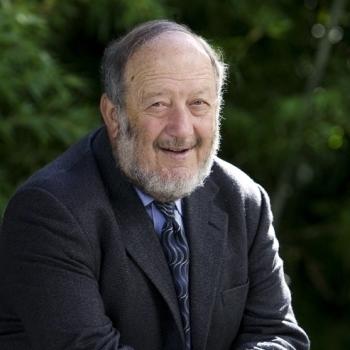 Irving Weissman合作论文数Department of Developmental Biology, Stanford University;Department of Biology and Neurosurgery, Stanford University;Department of Pathology, Stanford University3Beiyuan Fu合作论文数2Daniel Spindlow合作论文数2Chihiro Tamura合作论文数2James Bussell合作论文数2Yuta Ishizuka合作论文数2Zhexin Zhu合作论文数2




