6504 Background: Hypomethylating agents (HMAs; azacitidine/decitabine) plus venetoclax (VEN) are standard for newly diagnosed acute myeloid leukemia (AML) unfit for intensive chemotherapy; however FMS-like tyrosine kinase-3 internal tandem duplication ( FLT3-ITD ) confers resistance and poor overall survival (OS). Addition of quizartinib (QUIZ), a potent FLT3 inhibitor, may improve outcomes. Methods: Phase I/II study of QUIZ+decitabine+VEN in two cohorts: newly diagnosed FLT3-ITD AML pts unfit for intensive chemotherapy and relapsed/refractory (R/R) FLT3-ITD AML pts. Primary endpoints were maximum tolerated dose (MTD) and overall response rate (ORR). Results: Eighty-eight patients (pts) were enrolled (frontline N=42; R/R N=46). QUIZ 26.5mg/day was selected as the recommended phase II dose (RP2D). In the frontline cohort, median age was 70y (62–85); 15 pts (36%) were ≥75y; 25 (60%), 12 (N=28%), and 5 (12%) had de novo, secondary, and therapy-related AML, respectively. DNMT3A (43%), NPM1 (33%), and RUNX1 (31%) were the most common co-mutations. Complete remission (CR), CR with incomplete count recovery (CRi), morphologic leukemia-free state (MLFS), end-of-cycle-1 (EOC1) measurable residual disease (MRD) negativity by multicolor flow cytometry (MFC; 0.01%), and next-generation sequencing (NGS) FLT3-ITD negativity (5×10⁻⁵) were 72% (N=29), 17% (N=7), 2% (N=1), 58% (19/32), and 27% (5/18), respectively; 2 pts in cycle 1 were not evaluable. Best MRD negativity by MFC and FLT3-NGS were 68% (23/34) and 83% (15/18). Median time to absolute neutrophil count (ANC) >500, ANC >1000, and platelets >50K were 40 (19–72), 41 (14–72), and 35 (16–71) days, respectively. The median relapse-free survival (RFS) and OS were 24.7 and 36.5mo. Fifteen pts (36%) proceeded to allogeneic stem cell transplant (ASCT) in CR1, with OS not reached vs 36.6mo without ASCT (p=0.65, landmark analysis). Median 3 cycles (1–39) were delivered; 11 pts remain on study. Thirty-one pts discontinued protocol due to ASCT (N=15), relapse (N=9), physician/pt choice (N=3), induction death (N=1), death in CR (N=1), death with disease (N=1), or hospice (N=1). Grade ≥3 non-hematologic adverse events (>5%) included febrile neutropenia (37%), pneumonia (33%), infections (17%), pain (10%), ALT increase (10%), fracture (10%), sepsis (9%), hypertension (7%), hypotension (7%), hyponatremia (7%), gait disturbance (7%), oral mucositis (7%), and pleural effusion (7%). In the R/R cohort, CR/CRi was 28% (N=13) with 33% (N=15) MLFS; 37% (N=17) proceeded to ASCT; median OS was 6.3mo (further data will be provided at the time of presentation). Conclusions: QUIZ+decitabine+VEN combination resulted in high CR/CRi, deep MRD responses, and encouraging survival in older pts with newly diagnosed FLT3-ITD AML. Clinical trial information: NCT03661307 .
Therapeutic phlebotomy maintains hematocrit (Hct) <45% in patients with polycythemia vera (PV) and reduces thrombotic risks. However, frequent phlebotomy can induce iron deficiency. Ropeginterferon alfa-2b (ropeg) is a new-generation interferon therapy that induces durable complete hematologic and molecular responses through reduction of the Janus kinase 2 (JAK2)-mutated clone. Two dosing regimens have been investigated: the FDA-approved slow-titration regimen and a higher initial dose and accelerated titration (HIDAT) regimen. A cross-analysis of three prospective trials showed that ropeg achieved sustained Hct control and reduction of phlebotomy dependence in PV patients, including high-risk and hydroxyurea-resistant/intolerant patients. In exploratory cross-study comparisons, the HIDAT regimen was associated with more rapid phlebotomy-free Hct response rates, lower mean annualized phlebotomy frequency, higher overall hematologic response rates and deeper JAK2V617F allele burden reduction than slow titration. Both regimens were safe and well tolerated. Ropeg treatment provides durable Hct control and phlebotomy-independence in a broad PV population, including high-risk patients.
6576 Background: Patients with essential thrombocythemia (ET) have limited disease-modifying options. This integrated analysis of 182 ET patients from 2 trials evaluated consistency the efficacy of ropeginterferon alfa-2b (ropeg, BESREMi) across treatment lines and examined the impact of ethnicity and molecular subtype on outcomes. Methods: Data were pooled from the phase 3 randomized SURPASS-ET study (ropeg vs anagrelide [ANA] in HU-resistant/intolerant high-risk ET) and the phase 2b single-arm EXCEED-ET study enrolling both treatment-naïve and previously treated patients in North America. Endpoints included durable modified ELN response, hematologic and molecular responses, thrombotic events, and safety. Results: In SURPASS-ET, ropeg achieved a significantly higher durable modified ELN response at months 9 and 12 than ANA (42.9% vs 6.0%; p<0.0001), with superior platelet and WBC control, greater JAK2 V617F allelic burden reduction, and fewer major thrombotic events. In EXCEED-ET, durable objective modified ELN responses reached 60.2%, with ELN2009 molecular response rates of 35.0% for JAK2 V617F, 16.0% for CALR , and 25.0% for MPL, demonstrating consistent efficacy across treatment lines and mutation subtypes (Table 1). Safety profiles were comparable between studies, with mostly low-grade, manageable AEs. In the integrated analysis across studies, grade ≥3 TEAEs occurred in 28.6% of ropeg recipients and 33.8% of ANA. TEAEs leading to discontinuation (8.8% vs 20.0%) and serious AEs (12.6% vs 30.0%) were less frequent in the ropeg group. Fatal AEs occurred only in the ANA group (3.8%). Conclusions: Across the two studies, consistent molecular and hematologic efficacy with a favorable and manageable safety profile was demonstrated in treatment-naïve and pretreated ET populations, across ethnicities and disease drivers. These findings support ropeg as a disease-modifying treatment option with a favorable benefit–risk profile for all ET patients regardless of ethnicity, treatment line, driver mutation status, and mutational complexity. Clinical trial information: NCT04285086 , NCT05482971 . Key efficacy outcomes from both trials. Outcome SURPASS-ET EXCEED-ET RopegN=91 ANAN=83 RopegN=91 Durable modified ELN response, % Subgroup analysis by race, % (n)CaucasianAsianAfrican AmericanHispanicOther 42.920 (1/5)44.2 (38/86)--- 6.00 (0/2)6.2 (5/81)--- 60.257.2 (41/71)53.0 (4/7)100.0 (5/5)66.7 (2/3)100.0 (5/5) Platelet control ≤400×10⁹/L, % 56.0 21.7 48.4 WBC normalization, % 73.6 13.3 48.4 Molecular response*, % (n) JAK2 V617F 30.6 (19/62) 0 (0/42) 35.0 (7/20) CALR 30.0 (3/10) 0 (0/4) 16.0 (4/25) MPL 0 (0/1) 0 (0/1) 25.0 (2/8) Major thrombotic events, % 1.1 10.0 1.1 *The molecular response per the 2009 ELN criteria includes complete and partial responses.
Venetoclax-based low-intensity regimens have improved the outcomes of older or unfit patients with acute myeloid leukemia (AML). This phase II study investigated the combination of cladribine plus low-dose cytarabine and venetoclax alternating with azacitidine plus venetoclax for older or unfit patients with newly diagnosed AML. A total of 190 patients were included; the median age was 68 years (range, 47-84 years; 13% ≥ 75 years). By the European LeukemiaNet 2022 classification, 16%, 20%, and 64% were stratified as favorable, intermediate, and adverse risk, respectively. The rates of complete remission (CR)/CR with incomplete blood count recovery (CRi) and minimal residual disease (MRD) negative CR/CRi were 84% and 75% overall and 91% and 77% among patients with TP53-wild type AML, respectively. The 4- and 8-week mortality rates were 1% and 3%, respectively. Among responders, 44% proceeded to allogeneic hematopoietic stem cell transplantation. The median overall survival (OS) and event free survival (EFS) were 52 and 50 months, respectively. The 2- and 5-year OS rates were 60% and 45%, respectively. The 2-and 5-year EFS rates were 56% and 43%, respectively. Patients achieving MRD-negative CR had a median OS not reached and a 2-year OS rate of 70%. The median time to absolute neutrophil count recovery (> 1 × 10⁹/L) and platelet count recovery (> 100 × 109/L) after induction was 27 and 24 days, respectively. Overall, the treatment was safe and most grade 3 and 4 adverse events were infectious complications. The combination produced a high rate of remissions, translating into favorable outcomes for older patients with newly diagnosed AML. Trial Registration: ClinicalTrials.gov idetifier: NCT03586609.
Background:Ropeginterferon alfa-2b-njft (ropeg), a mono-PEGylated interferon-α, showed efficacy and safety in patients with hydroxyurea-intolerant/resistant essential thrombocythemia (ET) in the phase 3 SURPASS-ET largely conducted in Asia. Here we report the results from the EXCEED-ET study, which evaluated ropeg in both treatment-naïve and hydroxyurea pre-treated ET in North America. Methods:The single-arm, multicentre, phase 2b trial EXCEED-ET was conducted at 28 centers in the United States and Canada. Patients with ET enrolled were required to have a platelet count >450 × 109/L at screening. Patients were eligible regardless of prior cytoreductive therapy status and included both treatment-naïve and hydroxyurea-pretreated patients. Ropeg was subcutaneously administered in an accelerated titration schedule at 250 μg at Week 0, 350 μg at Week 2, and 500 μg from Week 4 and beyond. The primary endpoint was durable, modified European LeukemiaNet (ELN) response at both Months 10 and 13 (ClinicalTrials.gov identifier: NCT05482971). Findings:Between January 17, 2023, and May 15, 2025, 106 patients were screened and 91 were enrolled. At baseline, participant median age was 57 years (range, 22-84) with 57/91 (62.6%) being female and 71/91 (78.0%) being White. Among 91 patients enrolled, durable modified ELN response rate was 60.2% (95% CI, 49.0-71.4). The median time to hematologic response was only 8.4 weeks (95% CI: 8.1-11.9). Splenomegaly and symptom improvement or non progression occurred in 90/91 (98.9%) and 71/91 (78.0%), respectively. Seven of 91 (7.7%) patients with palpable spleen at baseline and all had an improvement in disease-related signs. The rates of molecular response for driver mutations at Month 13 as defined by ELN2009 criteria were 35.0% (7/20) for patients with JAK2V617F, 16.0% (4/25) for CALR, and 25.0% (2/8) for MPL mutations. One (1/1) TP53 mutation-positive patient showed a complete molecular response. Thrombosis and progression occurred in 3.4% (3/91) and 1.1% (1/91), respectively. Most treatment-emergent adverse events were mild, including fatigue (60%) and reversible transaminase elevations (58%). There was no grade 5 TEAE and one (1.1%) grade 4 TEAE (hepatitis toxic) which recovered without sequelae. Grade ≥3 TEAEs occurred in 27.5% (25/91) of the participants, most commonly with alanine aminotransferase and aspartate aminotransferase increases (4.4%; 4/91), neutrophil count decrease (4.4%; 4/91), fatigue (3.3%; 3/91) and lymphocyte count decrease (3.3%; 3/91). Treatment-related serious adverse events occurred in 5.5% (5/91) of patients. Pneumonia was the most common SAE, occurring in 2/91 (2.2%) patients. Ropeg-related discontinuations occurred in 9/91 (9.9%) patients. Interpretation:Ropeg showed efficacy and substantial molecular responses with good overall tolerability across a broad ET population. Funding:PharmaEssentia.
Monotherapy with JAK2 inhibitors reduces splenomegaly and symptom burden but has limited effect on natural progression of myelofibrosis. We conducted a phase 2 clinical trial evaluating the combination of azacitidine (AZA) and ruxolitinib (RUX) in myelofibrosis. The interim analysis with 46 patients (median follow-up 28 months) demonstrated a response rate of 72%. We now report the final results of this clinical trial. The study primary endpoint was objective response rate by the International Working Group-Myeloproliferative Neoplasms Research and Treatment (IWG-MRT) criteria. From 3/2013 to 10/2021, 61 patients were treated (median age 66 years; range, 46-87 years). By baseline blast count, 54 patients had chronic phase disease (.
INTRODUCTION:Ropeginterferon alfa-2b-njft (ropeg) was approved and recommended as a preferred cytoreductive treatment for polycythemia vera (PV). The approved regimen requires an initial dose of 100 μg or 50 μg if transitioning from hydroxyurea (HU) and up-titrations of 50 μg every 2 weeks to 500 μg maximumly. The time to achieve the plateau dose takes approximately 20 weeks. This study compares the approved regimen with a higher initial dose and accelerated dose titration (HIDAT) regimen. METHODS:ECLIPSE-PV is a randomized, open-label, multicenter trial in patients with PV in the USA and Canada. Patients received ropeg either per the approved dosing schema or HIDAT regimen, i.e., 250 μg on day 0, 350 μg at week 2, and 500 μg from week 4 thereafter if tolerable. The primary endpoint is complete hematologic response (CHR) rate at week 24. CHR is defined as hematocrit <45%, white blood cells <10 × 109/L, platelets ≤400 × 109/L without phlebotomy in the previous 12 weeks. Secondary endpoints include molecular response, safety, tolerability, and quality of life. CONCLUSION:A total of 111 patients were randomized and the last patient was enrolled on June 21, 2024. As of November 12, 2024, the discontinuation rate was 14.4%, and 16 patients (14.4%) completed the study. The study is expected to be completed in the summer of 2025. This is the first prospective trial comparing two dosing regimens of ropeg. The results will inform the optimal treatment strategy for patients with PV.
Supplementary protocol for "Phase Ib/II Investigator Initiated Study of the IDH1-mutant inhibitor ivosidenib (AG120) with the BCL2 inhibitor venetoclax +/- azacitidine in IDH1-mutated hematologic malignancies"
Background: Splenomegaly due to extramedullary hematopoiesis (EMH) is a hallmark of myelofibrosis (MF). Previous studies of splenectomized MF patients highlight the distinct pathological changes found in MF spleen, including nodular vs diffuse tri-lineage hematopoiesis, clusters of atypical megakaryocytes (MKs), and variable reticulin/collagen fibrosis. Recently, we and others have shown that mesenchymal stromal cells (MSCs) and clonally-derived fibrocytes contribute to BM stromal remodeling in MF; however, the role of fibrocytes/MSCs in MF splenic EMH/remodeling, and correlation with clinical outcome, has not been evaluated. We performed multiplexed imaging along with targeted mutational profiling on a large, unpublished cohort of MF spleen samples to investigate fibrocyte/MSC abundance and correlation with clinicopathological outcomes, including in response to JAK inhibitor (JAKi) therapy. Methods: Spleens from N=31 MF patients who underwent splenectomy at MD Anderson (1989–2015), along with matched BM (N=22), were compared with healthy donor BM/spleens (N=7/N=8; commercially obtained). Liver biopsies were also available on a subset of MF patients (N=12). Standard H&E, Gomori silver, and Masson's trichrome stains were performed on all samples. Fibrocyte (CD45⁺/CD68⁺/Procollagen-I⁺) and MSC (CD90⁺/CD105⁺) numbers, along with reticulin/collagen density, were determined using a 7-color Opal multiplex immunofluoresscence assay and quantitation performed using deep-learning software (Visiopharm) trained on red/white pulp spleen parenchyma. Matched targeted mutational profiling of 26 MF-associated genes on both BM and spleen was available for all patients. Results: Primary MF (N=23), post-PV (N=4), and post-ET (N=4) patients were included in this cohort. BM fibrosis grade at time of splenectomy included MF-1 (N=4), MF-2 (N=6), and MF-3 (N=19). Driver mutations included JAK2V617F (N=20), CALR (N=6), MPL (N=1), and triple-negative (N=4) MF. Review of spleen histology confirmed prominent EMH within red pulp in all patients, with diffuse tri-lineage hematopoiesis, focal erythroid–myeloid nodules (N=3) and/or dysplastic MK clusters (N=6) among a subset of individuals as observed with previous studies. Expanded CD34⁺ immature blast populations were also seen in N=3 patients. In paired samples, JAK2V617F variant allele fraction (VAF) was 1.4-fold higher in BM than in spleen (65.4% vs 47.4%; p=0.008). Surprisingly, and in contrast to what we previously observed in BM, both fibrocyte (26.4 vs. 85.8 cells/mm²; p=0.002) and MSC frequencies (77.2 vs 120.7 cells/mm²; p=0.03) were significantly reduced in MF spleen compared to healthy controls. Similarly, quantification of reticulin fibers as determined by Visiopharm showed no significant difference in overall reticulin (6.0% vs 6.1%) or collagen (1.3% vs 0.9%) density within spleen parenchyma despite dense EMH. In contrast, fibrocytes were inversely increased in matched BM (193.8 vs 28.5 cells/mm²; p=0.001) and correlated with increased BM reticulin fibrosis (3.9% vs 0.5%; p<0.001). Liver biopsies, not previously evaluated in MF, also demonstrated greater fibrocyte fractions (13.9 vs 3.9 cells/mm²; p=0.034) and collagen fibrosis (4.5% vs 0.8%; p=0.004) compared to healthy liver. While absolute fibrocyte numbers were reduced in spleen, their presence still strongly correlated with BM reticulin fibrosis grade (p<0.05) and other markers of advanced disease, including transfusion dependence, leukocytosis, and increased circulating blasts. We then evaluated spleen histology in response to JAKi. Of 31 patients, 9 (29%) had received a JAKi for at least 12mo prior to splenectomy. All demonstrated persistent/progressive splenomegaly despite therapy. Significant reductions in spleen parenchyma reticulin fiber density (6.9% vs 3.7%; p<0.001) were observed in patients who had received JAKi compared to those who had not. Interestingly, however, absolute fibrocyte numbers in these patients were significantly increased, suggesting that while splenic fibrocytes may not contribute substantially to stromal remodeling, they may influence spleen response with JAKi.Conclusions: MF spleens display reduced fibrocyte/MSC numbers compared to healthy spleen, in contrast to what we observe in BM and liver. Splenic fibrocyte numbers correlate with advanced MF and are increased following JAKi exposure. Additional studies are needed to better understand the cell types contributing to splenic stromal remodeling in MF.
AIM:To perform an indirect treatment comparison of safety and anemia outcomes between the Janus kinase (JAK) inhibitors momelotinib and pacritinib in patients with myelofibrosis. METHODS:Treatment-emergent adverse events (AEs) and anemia outcomes were compared in a pooled population of JAK inhibitor - experienced and - naive patients treated with momelotinib (SIMPLIFY-1/SIMPLIFY-2/MOMENTUM) or pacritinib (PERSIST-2/PAC203). RESULTS:Momelotinib had statistically significantly lower odds and risk for all grades of diarrhea, nausea, peripheral edema, and vomiting as well as grade 3/4 and serious AEs vs pacritinib. Momelotinib-treated patients also had greater odds/possibility of hemoglobin improvement of ≥ 1 g/dL and clinical improvement in hemoglobin. CONCLUSIONS:Momelotinib provides a more favorable safety profile and a higher chance for hemoglobin improvement vs pacritinib.
AIM:To perform an indirect treatment comparison of safety outcomes between the Janus kinase (JAK) inhibitors momelotinib and fedratinib in patients with myelofibrosis. METHODS:Adverse events (AEs) for JAK inhibitor - naive and - experienced populations occurring in ≥ 10% of patients treated with momelotinib (SIMPLIFY-1/SIMPLIFY-2/MOMENTUM) or fedratinib (JAKARTA/JAKARTA-2) in phase 2/3 trials were evaluated using matching-adjusted indirect comparisons. RESULTS:Risk of any-grade or grade 3/4 anemia, diarrhea, nausea, and treatment-emergent AEs leading to dose reductions was lower with momelotinib in both populations; any-grade thrombocytopenia was also significantly less likely in JAK inhibitor - naive patients. CONCLUSIONS:Momelotinib showed a favorable safety profile vs fedratinib, including significantly lower risks of key hematologic and gastrointestinal AEs - such as anemia, diarrhea, and nausea - over 24 weeks.
BACKGROUND:The initial therapy for high-risk essential thrombocythaemia is usually hydroxyurea, but about a third of patients develop intolerance or resistance. A standard second-line agent has been anagrelide. Ropeginterferon alfa-2b, a new-generation interferon-based therapy, is approved for polycythaemia vera. We aimed to assess efficacy and safety of ropeginterferon alfa-2b compared with anagrelide in patients with essential thrombocythaemia with leukocytosis who are intolerant or resistant to hydroxyurea. METHODS:The SURPASS ET open-label, randomised, active-controlled, phase 3 trial was done at 55 clinical sites across China, Japan, Taiwan, Hong Kong, South Korea, the USA, Singapore, and Canada and enrolled patients aged 18 years and older with high-risk (age >60 years with JAK2 Val617Phe or a history of disease-related thrombosis or haemorrhage), hydroxyurea-intolerant or hydroxyurea-resistant essential thrombocythaemia and white blood cell (WBC) count greater than 10 × 109 cells/L. Patients were randomly assigned (1:1) to ropeginterferon alfa-2b or anagrelide, stratified by platelet count, symptom score, and country. Ropeginterferon alfa-2b was subcutaneously dosed every 2 weeks, initially at 250 μg, then titrated to 350 μg at week 2, and to 500 μg from week 4 onward. Anagrelide was orally dosed according to the US Food and Drug Administration-approved prescribing information. The primary endpoint was the rate of response at months 9 and 12, as per modified European LeukemiaNet (ELN) criteria. The main planned analysis for the study was done in the intention-to-treat population. The trial is registered at ClinicalTrials.gov, NCT04285086 and is completed, and an extension study for collecting long-term data is ongoing. FINDINGS:Between Aug 25, 2020, and Nov 12, 2024, 245 patients were screened and 174 were randomly assigned (91 to ropeginterferon alfa-2b and 83 to anagrelide). The median follow-up was 12·5 months (IQR 11·5-12·9). At baseline, 47 (52%) of 91 participants in the ropeginterferon alfa-2b group and 44 (53%) of 83 participants in the anagrelide group were female. 167 (96%) of 174 participants were Asian and seven (4%) were White. The trial met its primary endpoint, with 39 (43%) of 91 participants in the ropeginterferon alfa-2b group showing durable modified ELN criteria responses at months 9 and 12, compared with five (6%) of 83 participants in the anagrelide group. This difference (36·5%, 95% CI 25·4-47·7) was significant (p=0·0001). Grade 3 or worse treatment-emergent adverse events occurred in 27 (34%) of 80 patients in the anagrelide group and 21 (23%) of 91 patients in the ropeginterferon alfa-2b group. In the ropeginterferon alfa-2b group, the most common grade 3 or worse adverse events were infections and infestations, occurring eight (9%) of 91 patients, compared with five (6%) of 80 patients in the anagrelide group. In the anagrelide group, the most frequent grade 3 or worse adverse events were nervous system disorders, occurring in six (8%) of 80 patients, compared with one (1%) of 91 patients with ropeginterferon alfa-2b. Serious adverse events occurred in 24 (30%) of 80 participants in the anagrelide group and 13 (14%) of 91 participants in the ropeginterferon alfa-2b group). The most common serious adverse event was cerebral infarction, which occurred in four (5%) of 80 patients in the anagrelide group but was not observed in the ropeginterferon alfa-2b group. There were no treatment-related deaths in either study group. INTERPRETATION:Our findings suggest that ropeginterferon alfa-2b could be considered as a second-line treatment option for patients with essential thrombocythaemia and leukocytosis. FUNDING:PharmaEssentia.
The advent of JAK inhibitors (JAKi) inaugurated a novel era in the treatment of myelofibrosis (MF), a myeloproliferative neoplasm with heterogeneous clinical manifestations. Four JAKi have been approved for intermediate or high-risk MF, in the US. Regulatory approval of the first JAK1/2 inhibitor, ruxolitinib, in 2011 transformed the landscape of MF by markedly controlling splenomegaly and constitutional symptoms, improving patients' lives, and prolonging survival. Fedratinib, the second approved JAKi, is preferred in the second-line setting. Ruxolitinib and fedratinib can cause myelosuppression and are recommended for patients with myeloproliferative MF. Approval of 2 less myelosuppressive JAKi, pacritinib and momelotinib, provided essential treatment options for patients with severe thrombocytopenia and anemia, respectively. Pacritinib and momelotinib are potent ACVR1 inhibitors, resulting in significant anemia benefits. Transfusion independence was achieved with momelotinib in severely anemic patients, and association of transfusion independence with prolonged overall survival was demonstrated. Judicious treatment decisions of JAKi can be made with in-depth understanding of the pivotal clinical trials on JAKi and their therapeutic attributes and should be guided by the dominant clinical manifestations and the type/degree of cytopenia(s). This article reviews our clinical approach to treatment with JAKi and their sequencing in MF patients by presenting 3 clinical vignettes.
Background: The outcome of patients (pts) with R/R AML or MDS after failing HMA and/or BCL-2 inhibitor combinations is poor and lacks effective treatment options. CPX-351 (Vyxeos™) is a liposomal formulation of cytarabine and daunorubicin approved for therapy-related AML and AML with myelodysplasia-related changes. Gemtuzumab ozogamicin (Mylotarg™) a CD33-targeted antibody-drug conjugate, is approved in both frontline and R/R AML. We hypothesized that combining CPX-351 and GO (CPX-GO) may offer synergistic efficacy in patients with CD33+ R/R myeloid malignancies. Methods: Here we present updated results of this single-arm, pilot study (NCT03672539) evaluating CPX-GO in patients with CD33+ R/R AML or post-HMA failure HR-MDS (>10% blasts). Induction consisted of CPX-351 (daunorubicin 44 mg/m² + cytarabine 100 mg/m² IV on days 1, 3, 5) plus GO 3 mg/m² (capped at 4.5 mg) IV on day 1. Patients not achieving complete remission (CR) or CR with incomplete count recovery (CRi) after cycle 1 (C1) could receive re-induction (CPX D1, 3 + GO D1). Responders could receive up to 2 consolidation cycles (CPX 29/65 mg/m² D1, 3), with GO added in cycle 2 only if measurable residual disease (MRD) was present. GO maintenance (D1 every 6 weeks) was allowed in MRD-positive patients. Responses were assessed by ELN 2017 (AML) and IWG 2018 (MDS). Overall survival (OS) was calculated from the start of treatment to the date of death or last follow up. Progression-free survival (PFS) was defined as the time from treatment initiation to disease progression, change in therapy, or death from any cause. Results: From Nov 2018 to Jul 2025, 51 patients were treated (median age 68 [21–77]; 68% male). Among 50 patients included in this analysis, diagnoses included R/R AML (46) and HR-MDS (4). Median prior therapies: 2 (range 1–6); 41 patients (82%) had received prior Venetoclax in combinations with HMA's and/or chemotherapy and 9 patients had prior stem cell transplant (SCT). Complex karyotype was present in 18 (36%), 4 (8%) pts had MECOM rearrangement (r), and 3 pts had KMT2Ar, 1 pt had multiply relapsed core-binding factor AML with additional cytogenetic changes. Most frequent molecular mutations were RUNX1 found in 14 patients (28%), ASXL1 in 13 (26%), TET2 and NRAS were both found in 12 patients (24.5%) and TP53 in 9 (18%). Patients received a median of 1 cycle (range 1–6) with 3 pts receiving GO maintenance therapy. One patient did not complete the induction cycle and was not included in the assessment. We observed an overall response rate (ORR) of 30% (n=15), including CR (n=6), CRi (n=7), PR (n=1) and MLFS 1. All responding patients were TP53 wild type. The median overall survival for the cohort is 4.8 months (95% CI approximately 4.1–5.3 months). Among the responders (CR, CRi, PR, MLFS), the median overall survival was 9.7 months (95% CI, 7.2–12.4 months), median PFS was 3.6 months (95% CI, 2.8–4.9 months). Among responders, the median time to ANC >0.5 x10⁹/L was 43 days (Range 28-81) and PLT >50 x109/L was 36.5 days (Range 11-76). At data cutoff 5 pts are alive, with one still on trial therapy. Thirty-day mortality was 8% (n=4); 60 days mortality rate was 20% (n=10), all grade 5 events were unrelated to therapy. Febrile neutropenia was the most common grade ≥3 event, in 24 pts (48%), followed by sepsis-bacteremia in 20 pts (40%) and pneumonia in 10 pts (20%). There was no treatment-related grade ≥3 non-hematological toxicity. Conclusion: The combination of CPX-351 and GO is feasible and shows modest activity. OS was meaningful in responders, considering multiple prior lines of therapy. The combination showed a tolerable safety profile with minimal treatment-related toxicity. Infections stood out as the most common serious complications.
 Hagop M. Kantarjian合作论文数Department of Leukemia, Division of Cancer Medicine, The University of Texas MD Anderson Cancer Center152
 Naval G. Daver合作论文数Department of Leukemia, Division of Cancer Medicine, The University of Texas MD Anderson Cancer Center123
 Naveen Pemmaraju合作论文数Department of Leukemia, The University of Texas MD Anderson Cancer Center118
 Guillermo Garcia-Manero合作论文数Section of Myelodysplastic Syndromes, Department of Leukemia, Division of Cancer Medicine, The University of Texas MD Anderson Cancer Center;UTHealth Houston Graduate School of Biomedical Sciences105
 Tapan M. Kadia合作论文数Department of Leukemia, Division of Cancer Medicine, M.D. Anderson Cancer Center105
 Elias Jabbour合作论文数Department of Leukemia, Division of Cancer Medicine, MD Anderson Cancer Center, University of Texas104
 Prithviraj Bose合作论文数102
 Srdan Verstovsek合作论文数Department of Leukemia, Division of Cancer Medicine, University of Texas MD Anderson Cancer Center101
 Gautam Borthakur合作论文数Department of Leukemia, Division of Cancer Medicine, The University of Texas MD Anderson Cancer Center96
 Farhad Ravandi-Kashani合作论文数Section of Developmental Therapeutics, Department of Leukemia, The University of Texas MD Anderson Cancer Center;Division of Cancer Medicine, The University of Texas MD Anderson Cancer Center93
 Courtney DiNardo合作论文数Department of Leukemia, The University of Texas MD Anderson Cancer Center87
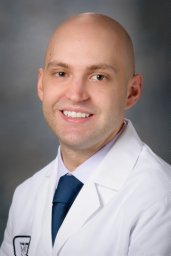 Nicholas Short合作论文数Department of Cellular and Structural Biology, University of Texas Health Science Center at San Antonio83
 Koji Sasaki合作论文数67
 Stephanie Pierce合作论文数Western Governors University65
 Marina Konopleva合作论文数Department of Oncology, Albert Einstein College of Medicine;Department of Molecular Pharmacology, Albert Einstein College of Medicine60
 Yesid Alvarado合作论文数56
 Musa Yilmaz合作论文数Department of Leukemia, MD Anderson Cancer Center56
 Ghayas C Issa合作论文数54
 Koichi Takahashi合作论文数50
 Nitin Jain合作论文数Qorvo, Inc.49
 Zeev Estrov合作论文数Department of Leukemia, Division of Cancer Medicine, The University of Texas MD Anderson Cancer Center49
 Jorge Cortes合作论文数Georgia Cancer Center, Augusta University;Department of Medicine, Medical College of Georgia, Augusta University;The Graduate School, Augusta University;Latin America Leukemia Net Lalnet47
 Maiti Abhishek合作论文数Department of Critical Care Medicine, West Bank Hospital44Guillermo Montalban Bravo合作论文数43
 Steven M. Kornblau合作论文数Department of Leukemia, Division of Cancer Medicine, University of Texas MD Anderson Cancer Center;Department of Stem Cell Transplantation, Division of Cancer Medicine, The University of Texas MD Anderson Cancer Center42
 Michael Andreeff合作论文数Department of Leukemia, Division of Cancer Medicine, The University of Texas MD Anderson Cancer Center;Bone Marrow Aspiration Clinic, Department of Hematology, The University of Texas MD Anderson Cancer Center38
 Loghavi Sanam合作论文数Dept Hematopathol, Univ Texas MD Anderson Canc Ctr33Ohanian Maro合作论文数30Zhou Lingsha合作论文数27
 Keyur P. Patel合作论文数Department of Hematopathology, Division of Pathology/Lab Medicine, The University of Texas MD Anderson Cancer Center;Department of Molecular Diagnostics Laboratory, Division of Pathology/Lab Medicine, The University of Texas MD Anderson Cancer Center25Kelly S Chien合作论文数24Qiao Wei合作论文数23Ruben A. Mesa合作论文数21Alessandra Ferrajoli合作论文数20Taghi Manshouri合作论文数18Naqvi Kiran合作论文数18
 Kapil N. Bhalla合作论文数Department of Leukemia, Division of Cancer Medicine, The University of Texas MD Anderson Cancer Center17
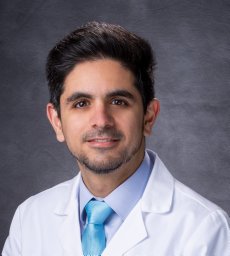 Fadi G Haddad合作论文数Dept Leukemia, Univ Texas MD Anderson Canc Ctr17
 Albert Qin合作论文数16Danielle Hammond合作论文数16
 Jan Burger合作论文数Department of Leukemia, Division of Cancer Medicine, The University of Texas MD Anderson Cancer Center;Graduate School of Biomedical Sciences, University of Texas-Houston Health Science Center;School of Medicine, Albert-Ludwigs University16Caitlin R Rausch合作论文数15
 Rashmi Kanagal Shamanna合作论文数Molecular Diagnostic Laboratory, Department of Hematopathology, Division of Pathology and Laboratory Medicine, The University of Texas MD Anderson Cancer Center;Leukemia Planning Clinic, Department of Hematopathology, Division of Pathology and Laboratory Medicine, The University of Texas MD Anderson Cancer Center15
 Kate Newberry合作论文数15Warren Fiskus合作论文数15
 Joseph D. Khoury合作论文数Department of Pathology, Microbiology and Immunology, College of Medicine, University of Nebraska Medical Center14
 Alexandre Bazinet合作论文数13Sa Wang合作论文数13




