This survey evaluated hypnosis practice in French centres in June 2020. The survey was sent via email to different rhythmology centres in France and responses from cardiologists and nurses were obtained. We present here the preliminary results of this survey. Hypnosis was used on a regular basis in 7.5% of the centres and 13% of the participants received education on hypnosis. 75% of the participants were interested to have an education of hypnosis. The survey points the different possibilities of improvement of management of patients while having the different procedures.
Background. - The first European Cardiac Resynchronization Therapy (CRT) Survey, conducted in 2008-2009, showed considerable variations in guideline adherence and implantation practice. A second prospective survey (CRT Survey II) was then performed to describe contemporary clinical practice regarding CRT among 42 European countries. Aim. - To compare the characteristics of French CRT recipients with the overall population of CRT Survey II. Methods. - Demographic and procedural data from French centres recruiting all consecutive patients undergoing either de novo CRT implantation or an upgrade to a CRT system were collected and compared with data from the European population. Results. - A total of 11,088 patients were enrolled in CRT Survey II, 754 of whom were recruited in France. French patients were older (44.7% aged >= 75 years vs 31.1% in the European group), had less severe heart failure symptoms, a higher baseline left ventricular ejection fraction and fewer co-morbidities. Additionally, French patients had a shorter intrinsic QRS duration (19.1% had a QRS < 130 ms vs 12.3% in the European cohort). Successful implantation rates were similar, but procedural and fluoroscopy times were shorter in France. French patients were more likely to receive a CRT pacemaker than European patients overall. Of note, antibiotic prophylaxis was reported to be administered less frequently in France, and a higher rate of early device-related infection was observed. Importantly, French patients were less likely to receive optimal drugs for treating heart failure at hospital discharge. Conclusion. - This study highlights contemporary clinical practice in France, and describes sub- stantial differences in patient selection, implantation procedure and outcomes compared with the other European countries participating in CRT Survey II. (C) 2019 Published by Elsevier Masson SAS.
Background Little data are available about radiation exposure during cardiac electrical device implantation, and no dose reference levels have been published. This multicenter, prospective, observational study assesses patient and staff radiation exposure during cardiac device implantations, and aims at defining dose reference levels. Methods Patient demographic, procedural, and radiation data were obtained for 657 procedures from nine institutions. Physician and staff exposure were measured using real-time dosimeters worn beneath and above lead apron. Statistical analysis included fluoroscopy time (FT), dose-area product (DAP), and DAP adjusted for FT and body mass index. Results Pacemakers and cardioverter defibrillators were implanted in 481 and 176 patients, respectively. Of these, 152 were treated with cardiac resynchronization therapy (CRT). Median FTs were 837s (interquartile range [IQR]: 480-1323), 117s (IQR: 69-209), and 101s (IQR: 58-162), and median DAPs were 1410 (IQR: 807-2601), 150 (IQR: 72-338), and 129 (IQR: 72-332) cGy.cm(2) for biventricular, dual chamber, and ventricular device implantation, respectively. Dose reference levels correspond to the third quartile values. During CRT, higher exposure was observed with four X-ray systems than with the two newer and customizable ones (adjusted DAP of 0.90 [IQR: 0.26-1.01] and 0.29 [IQR: 0.23-0.39], respectively; P < .001). Conclusion Based on real-life measurements, this multicenter registry provides dose reference levels and may help centers assess radiation exposure. Although biventricular device implantation was responsible for the highest radiation exposure, FT was meaningfully shortened compared to previously reported values. For a same FT, the use of new generators and custom settings has significantly reduced DAP.
Few data exist about radiation exposure during implantation of cardiac electrical device. No dose reference levels (DRLs) were reported. Purpose to define DRLs and to analyze factors related to an increased radiation dose delivered to patients and medical staff. Methods the Raypace study is a multicenter, prospective observational registry. Using a national database, patient demographic, procedural and radiation data were collected. Fluoroscopy time (FT) and dose-area product (DAP) were registered. Physician/staff exposure was measured using 2 real-time personal dosimeters, one worn under the lead apron and the other one worn outside the apron. Statistical analysis used log-transformation of DAP, FT and DAP/FT ratio. A total of 657 procedures from 9 institutions were reviewed. Pacemaker (PM) and cardioverter-defibrillator (ICD) implantation was performed in 481 and 176 patients, respectively. A cardiac resynchronization device was implanted in 153 patients. Fluoroscopy time was similar for PM and ICD implantations. Median fluoroscopy time was 836, 117 and 101 second and median DAP was 1410, 150 and 129 cGy.cm2 for biventricular, dual chamber and ventricular device implantation, respectively. LAO projection, in addition to AP projection, was used in 47% of the procedures. Five centers out of 9 used collimation. The median Hp (10) effective dose measured outside the lead apron was 4.6 µSv and 0.1 µSv under the lead apron. Regarding CRT implant procedures, four systems out of 6 were responsible for an increased exposure (p<0.001). DRLs were 2600, 338 and 332 cGy.cm2 for biventricular, dual chamber and ventricular device implantation, respectively. DAP reduction was improved with the use of latest generators but needed customized settings. Biventricular device implantation was responsible for the highest radiation exposure. However, radiation exposure during those procedures have decreased as compared to previously reported values.
Objectives. - CT-coronary angiography (CTCA) and myocardial perfusion scintigraphy (MPS) have both high negative predictive values in detecting coronary artery disease (CAD) but suboptimal predictive positive values, leading to unnecessary invasive coronary angiography (ICA) in case of equivocal findings. Combining these two tests may obviate their inherent limitations.Patients and methods. - Sixty-seven patients at mostly intermediate risk of CAD were subjected to either CTCA (45 patients) or MPS (22 patients) at first test, followed by the second test because of equivocal results of the first test. A discordant defect between the two tests was considered as false positive, hence likely to exclude CAD, and a concordant defect as true positive, likely to confirm CAD. All patients with concordant defects were referred to subsequent ICA. All patients with discordant defects (except for seven of them who underwent ICA too) were subjected to a mean follow-up of 730 +/- 377 days.Results. - Discordant findings between CTCA and MPS were found in 41 patients, from whose 7/7 had no significant stenosis at the invasive angiography and 34/34 had no major cardiac event during follow-up. Concordant findings were found in 26 patients. Invasive coronary angiography revealed significant stenoses in 14/26 patients; 9/14 of them needed revascularization.Conclusion. - A strategy combining CTCA and MPS may safely reduce referral to ICA in patients with equivocal findings at a single examination. (c) 2012 Published by Elsevier Masson SAS.
The prognosis of patients over 75 years old receiving a pacemaker in the context of sinus-node dysfunction is unclear. This study sought to evaluate the incidences of atrial fibrillation (AF), heart failure (HF) and death in this population and the role of the pacing mode in their prognosis. This was a retrospective study on 102 patients over 75 years old (mean 82.2 ± 8.6 years) who received a pacemaker in the context of sinus-node dysfunction. During the follow-up period (mean: 806 days), 36 patients (35.3%) experienced HF and 47 patients (46.1%) an episode of paroxysmal AF, 19 patients (18.6%) progressed to chronic AF, and 29 (28.4%) died, the fatal event being sudden death or of cardiac origin in almost half these patients (44.8%). Patients assigned to dual-chamber minimal ventricular pacing showed a significantly lower rate of HF episodes (p = 0.023), and a lower all-cause mortality (p<0.001) than those assigned to conventional dual-chamber pacing. In contrast, the two groups did not differ with regard to either paroxysmal or chronic AF, regardless of whether or not the algorithms designed to prevent AF were activated. In patients with a high risk of mortality and morbidity, the use of dual-chamber pacemakers incorporating an algorithm minimizing ventricular pacing seems to decrease the number of HF episodes and mortality. On the basis of this finding, the implantation of such devices even in this age group seems justifiable.
La scintigraphie myocardique de stress constitue depuis près de trente ans un examen clé pour la recherche de l’ischémie. Elle cible les processus cellulaires et les événements physiopathologiques initiaux de la cascade ischémique (fig. 1). Plus de 11 millions de scintigraphies myocardiques de stress sont pratiquées par an aux États-Unis. Depuis l’avènement du 201thallium dans les années 1970, elle a connu des progrès continuels. La tomoscintigraphie SPECT (single photon emission computed tomography) a remplacé les images planaires dans les années 1980, les traceurs technétiés ont amélioré la qualité d’image et ont conduit à des protocoles plus souples à partir des années 1990 ; plus récemment, la synchronisation à l’ECG (Gated-SPECT) a permis l’évaluation concomitante de la fonction ventriculaire. Ce chapitre dresse l’état de l’art de la scintigraphie myocardique conventionnelle tout en pointant ses limites, et annonce les progrès attendus avec l’imagerie hybride, les caméras à semi-conducteurs et le PET/CT.
Background. - The prognosis for patients aged over 75 years who receive a pacemaker in the context of sinus node dysfunction is unclear.Aims. - We sought to evaluate the incidences of atrial fibrillation, heart failure and death in such patients, and the role of the pacing mode in their prognosis.Methods. - This was a retrospective study of 102 patients aged over 75 years (mean 82.2 +/- 4.4 years) who received a pacemaker in the context of sinus node dysfunction.Results. - During the follow-up period (mean 806 days), 36 patients (35.3%) experienced heart failure, 47 patients (46.1%) had an episode of paroxysmal atrial fibrillation, 19 patients (18.6%) progressed to chronic atrial fibrillation and 29 (28.4%) died, the fatal event being sudden death or of cardiac origin in almost half of these patients (44.8%). Patients assigned to dual-chamber minimal ventricular pacing showed significantly lower rates of heart failure episodes (P=0.023) and all-cause mortality (P<0.001) than those assigned to conventional dual-chamber pacing. In contrast, the two groups did not differ with regard to either paroxysmal or chronic atrial fibrillation.Conclusion. - In patients aged over 75 years, the use of dual-chamber pacemakers incorporating an algorithm minimizing ventricular pacing for sinus node dysfunction seems to decrease the number of heart failure episodes and mortality. On the basis of this finding, the implantation of such devices seems justifiable, even in this age group. (C) 2010 Elsevier Masson SAS. All rights reserved.
 j l demangeat合作论文数4Pascal Sagnol合作论文数3Taieb Jérôme合作论文数3Bru Paul合作论文数3
 Walid Amara合作论文数3Christian Montagnier合作论文数2François Bronner合作论文数2Babe Bakouboula合作论文数2a didonponcelet合作论文数2Antoine Dompnier合作论文数2Marie-Pierre Douchet合作论文数2Michel Chauvin合作论文数2
 Georges E Haddad合作论文数Department of Physiology;Howard University;Department of Physiology, Howard University2
 Jerome Horvilleur合作论文数1A Da Costa合作论文数1
 Serge Boveda合作论文数1Véronique Waisblat合作论文数1Alexandre Pfeffer合作论文数1Salem Younsi合作论文数1Nicolas Reynaud合作论文数1Vincent Galand合作论文数CHU Rennes, Univ Rennes1Moubarak Ghassan合作论文数1
 Cecilia Linde合作论文数Department of Medicine, Karolinska Institutet1
 Christophe Leclercq合作论文数CHU de Rennes1
 Camilla Normand合作论文数Stavanger University Hospital1
 Kenneth Dickstein合作论文数Department of Clinical Science, University of Bergen;Coronary Care Unit, Stavanger University Hospital1Cheggour Saida合作论文数1Stéphane Fromentin合作论文数1
 Pascal Defaye合作论文数Centre Hospitalier Universitaire de Grenoble1
 Jacques Mansourati合作论文数University Hospital of Brest;Université de Bretagne Occidentale1
 Eloi Marijon合作论文数Faculté de Santé - Université Paris Cité1Michel Hanssen合作论文数1Nicolas Lellouche合作论文数1Antoine Milhem合作论文数1
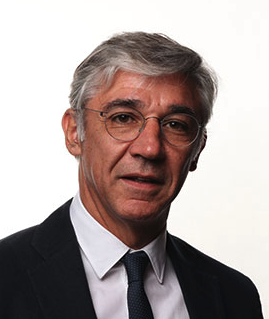 Jean-Claude Deharo合作论文数Arrhythmia Department, La Timone University Hospital of Marseilles;Department of Cardiology, Marseilles Medical School, Aix Marseille Université1




