BACKGROUND:Complete coronary-artery revascularization is recommended in patients with ST-segment elevation myocardial infarction (STEMI) and multivessel disease, but the preferred strategy for identifying nonculprit lesions that warrant treatment remains uncertain. METHODS:In this international, randomized trial, we assigned patients with STEMI and multivessel disease in whom the culprit lesion had been successfully treated to undergo complete coronary-artery revascularization guided by functional coronary angiography (physiology-guided group) or by conventional angiography (angiography-guided group). The primary outcome was a composite of death from any cause, myocardial infarction, cerebrovascular accident (stroke or transient ischemic attack), or ischemia-driven revascularization, assessed in a time-to-event analysis. The primary safety outcome was a composite of contrast-associated acute kidney injury or major bleeding. RESULTS:A total of 1823 patients underwent randomization; 913 were assigned to the physiology-guided group and 910 assigned to the angiography-guided group. The median age of the patients was 66 years (interquartile range, 58 to 76), and 24% were women. At a median follow-up of 17.9 months, a primary-outcome event had occurred in 81 patients (8.9%) in the physiology-guided group and in 125 patients (13.7%) in the angiography-guided group (hazard ratio, 0.62; 95% confidence interval [CI], 0.47 to 0.83; P<0.001). A primary-safety-outcome event occurred in 42 patients (4.6%) in the physiology-guided group and in 65 patients (7.1%) in the angiography-guided group (hazard ratio, 0.63; 95% CI, 0.43 to 0.93; P = 0.02). CONCLUSIONS:In patients with STEMI and multivessel coronary artery disease, a strategy of complete coronary-artery revascularization guided by functional coronary angiography resulted in a lower risk of a primary-outcome event (death, myocardial infarction, cerebrovascular accident, or ischemia-driven revascularization) than a strategy guided by conventional angiography. (Funded by the Italian Health Ministry and others; AIR-STEMI ClinicalTrials.gov number, NCT05818475.).
BACKGROUND:The number of older patients admitted with myocardial infarction (MI) is increasing, and their clinical profiles range from very fit to frail and functionally impaired. OBJECTIVES:To evaluate whether the benefits of complete revascularization are consistent across subpopulations of older MI patients stratified by the Clinical Frailty Scale (CFS). METHODS:In the FIRE trial, 1445 patients aged ≥75 years with MI and multivessel disease were randomized to either complete or culprit-only revascularization. Overall, 1010 patients (70%) were stratified according to CFS (scores 1-3 non-frail, 4 pre-frail, 5-9 frail). The primary endpoint was a 3-year composite of death, MI, stroke, or ischemia-driven revascularization. RESULTS:Of the stratified cohort, 523 (52%) were non-frail, 304 (30%) pre-frail, and 183 (18%) frail. Increasing frailty was significantly associated with a higher risk of the primary endpoint (HR 1.62, 95% CI 1.19-2.20; P = .002). Complete revascularization reduced the primary endpoint with no significant interaction between revascularization strategy and CFS category (p for interaction = 0.769). The benefit of complete versus culprit-only revascularization remained consistent across the full range of CFS scores. Similar findings were observed for secondary endpoints, and no significant interaction emerged for safety outcomes. CONCLUSIONS:Frailty, as assessed by the CFS, was independently associated with adverse outcomes. Complete revascularization was effective regardless of frailty status and should be considered in all older MI patients with multivessel disease undergoing an invasive strategy. TRIAL REGISTRATION:ClinicalTrials.gov Identifier: NCT03772743.
Introduction: Palpitations are one of the most common cardiovascular complaints, affecting approximately 6% to 11% of the general population. Since palpitations often occur sporadically and resolve before medical evaluation, diagnosing the underlying rhythm disturbance requires documentation via an electrocardiogram (ECG) recorded during the symptomatic episode. The standard tool for this purpose has long been the 24-h Holter monitor, which has significant limitations, with diagnostic yields as low as 10% to 15%. Objective: This study aims to evaluate the feasibility and diagnostic yield of single-lead ECG recordings from smartwatches in patients presenting with palpitations. Methods: From 1 May 2023 to 1 May 2025, we conducted a prospective, real-world cohort study among consecutive adults referred to the University Hospital of Ferrara-based arrhythmia outpatient clinics for evaluation of palpitations. Eligibility required patients to be ≥21 years of age, report palpitations for which ambulatory documentation was clinically indicated, and already own a compatible smartwatch capable of single-lead ECG. Participants were trained to record a 30-s single-lead ECG at the onset of symptoms. Tracings were transmitted securely and independently reviewed by two blinded electrophysiologists. Results: Fifty-nine patients were enrolled (mean age 52 years, 64% male). Thirty-one patients (52%) transmitted at least one smartwatch-derived electrocardiographic tracing. Seventy-seven smartwatch tracings were received. Of these, 73 (95%) were interpretable; 57 (78%) showed an arrhythmia, whereas 16 (22%) demonstrated normal sinus rhythm. Four recordings (5%) were non-interpretable. From the 57 arrhythmic tracings, 44 distinct arrhythmic diagnoses were identified. Paroxysmal atrial fibrillation (AF) accounted for 16 episodes. Other diagnosed arrhythmias included atrial flutter (n = 6), paroxysmal supraventricular tachycardia (PSVT) (n = 4), premature atrial complexes (PAC) (n = 6), premature ventricular complexes (PVC) (n = 9), inappropriate sinus tachycardia (n = 12), and second-degree atrioventricular (AV) block type I (n = 4). Conclusions: Smartwatch-based ECG monitoring in symptomatic patients is feasible and provides a high diagnostic yield for a broad spectrum of arrhythmias. Unlike large-scale population screening approaches, which generate vast datasets with limited clinical benefit, a symptom-driven strategy applied to carefully selected, educated, and motivated patients proves both clinically valuable and organizationally sustainable. Indeed, the mean number of tracings transmitted per patient was low (1.3), confirming the clinical and operational sustainability of this patient-triggered, real-world approach.
Abstract Background In patients with myocardial infarction (MI) and multivessel disease, diabetes mellitus is associated with more diffuse coronary atherosclerosis and worse clinical outcomes, often influencing revascularization decisions. The Functional Assessment in Elderly MI Patients with Multivessel Disease (FIRE) trial demonstrated the superiority of physiology-guided complete revascularization in older patients with MI. Whether this benefit is preserved in patients with diabetes remains uncertain. Methods In FIRE, 1445 patients aged ≥ 75 years with MI and multivessel disease were randomized to culprit-only or physiology-guided complete revascularization. In this prespecified analysis, outcomes were assessed according to diabetes status. The primary endpoint was a composite of death, MI, stroke, or revascularization at 3 years. The key secondary endpoint was cardiovascular death or MI. The safety endpoint included contrast-associated acute kidney injury, stroke, or Bleeding Academic Research Consortium type 3–5 bleeding. Results Among 1445 patients, 463 (32%) had diabetes. After adjustment for baseline characteristics, diabetes was independently associated with a higher risk of the primary endpoint (hazard ratio [HR] 1.26, 95% confidence interval [CI] 1.02–1.56) and heart failure (HR 1.35, 95% CI 1.01–1.83) at 3 years. Physiology-guided complete revascularization reduced the primary outcome in both patients with diabetes (HR 0.70, 95% CI 0.50–0.97) and without diabetes (HR 0.75, 95% CI 0.58–0.97), with no evidence of effect modification by diabetes status (p for interaction = 0.712). Similar consistency was observed for the key secondary and safety endpoints. Conclusions In older patients with MI and multivessel disease, physiology-guided complete revascularization reduces ischemic events irrespective of diabetes status, supporting its use in elderly diabetic patients. Trial registration ClinicalTrials.gov Identifier NCT03772743.
BACKGROUND:The GRACE score is a well established tool for predicting mortality outcomes in patients with myocardial infarction (MI). However, its prognostic role and interaction with revascularization strategies in older patients with MI remain unclear. This study aimed to assess whether the GRACE score was predictive of adverse events in the FIRE trial cohort and whether the benefits of complete revascularization were consistent across the spectrum of the GRACE score. METHODS:The FIRE trial randomized 1445 patients aged 75 years or older with MI and multivessel coronary artery disease to receive either culprit-only or complete revascularization. In this subanalysis, patients were stratified according to GRACE score tertiles: the first tertile (GRACE 92.6-128.0), the second tertile (GRACE 128.1-146.5), and the third tertile (GRACE 146.6-236.0). The primary endpoint was all-cause mortality at 1 year. Other key endpoints included cardiovascular death and a composite of cardiovascular death or MI at 1 year. RESULTS:According to GRACE score tertiles, 487 patients were in the first tertile (33.7%), 477 in the second tertile (33.0%), and 481 in the third tertile (33.3%). Patients in the third tertile were more compromised in terms of cardiovascular risk factors and comorbidities. At 1 year, all-cause mortality was significantly higher in the third tertile (P < 0.0001), as well as cardiovascular death (P < 0.0001) and the composite of cardiovascular death or MI (P < 0.0001). However, the effect of physiology-guided revascularization did not differ across GRACE score tertiles (P for interaction > 0.05 for all the outcomes of interest). Survival analysis confirmed that the GRACE score was significantly associated with increased all-cause mortality [hazard ratio 1.027, 95% confidence interval (95% CI) 1.021-1.033, P < 0.001], cardiovascular death (hazard ratio 1.031, 95% CI 1.023-1.039, P < 0.001), and the composite of cardiovascular death or MI (hazard ratio 1.020, 95% CI 1.013-1.026, P < 0.001). Again, no interaction was found between revascularization strategy and GRACE score (all P for interaction > 0.05). The best discriminative value of the GRACE score for all-cause mortality at 1 year was 137. CONCLUSION:The GRACE score was confirmed to be predictive of adverse outcomes even in older MI patients. Physiology-guided complete revascularization was associated with benefit across the GRACE spectrum, suggesting that the GRACE score alone should not preclude this strategy in older patients with MI.
Complete revascularization in older patients with myocardial infarction (MI) and multivessel disease has been shown to reduce cardiovascular death and MI at 1 year. However, the durability of this benefit over longer follow-up periods has been questioned by recent studies. To determine whether the benefit of physiology-guided complete treatment, compared with culprit-only treatment, is sustained at 3 years in older patients with MI and multivessel disease. This randomized clinical trial, Functional Assessment in Elderly MI Patients With Multivessel Disease (FIRE), was an investigator-initiated, multicenter, prospective, superiority trial conducted at 34 centers across 3 countries from July 18, 2019, to October 25, 2021. Participants were patients with MI (either ST segment or non–ST segment elevated) and multivessel disease who were hospitalized after successful treatment of the culprit lesion. Major exclusion criteria included a nonculprit lesion in the left main coronary artery and unclear identification of the culprit lesion. Data analysis was performed from March to May 2025. Culprit-only treatment or physiology-guided complete revascularization of nonculprit lesions. The primary outcome was a patient-oriented composite end point of death, MI, stroke, or ischemia-driven revascularization. Secondary end points included a composite of cardiovascular death or MI and rate of heart failure hospitalizations. Among 1445 patients enrolled in the trial, the median (IQR) age was 80 (77-84) years; 917 patients were male (63.5%) and 528 female (36.5%). At 3 years, the primary outcome occurred in 165 patients (22.9%) in the physiology-guided complete revascularization group and 216 patients (29.8%) in the culprit-only group (hazard ratio [HR], 0.72; 95% CI, 0.58-0.88; P = .002). The key secondary outcome of cardiovascular death or MI occurred in a significantly lower number of patients in the physiology-guided complete revascularization group (92 patients [12.8%]) compared with the culprit-only group (132 patients [18.2%]; HR, 0.66; 95% CI, 0.50-0.88; P = .004). Hospitalizations for heart failure were more frequent in the culprit-only group compared with the physiology-guided complete group (143 [19.7%] vs 103 [14.3%]; HR, 0.73; 95% CI, 0.54-0.97; P = .03). In patients 75 years or older with MI and multivessel disease, the benefit of physiology-guided complete revascularization over culprit-lesion–only treatment was sustained at 3 years. ClinicalTrials.gov Identifier: NCT03772743
RESUMEN Introducción y objetivos: Existen datos limitados sobre el impacto a muy largo plazo del vaso culpable después de un infarto de miocardio con elevación del segmento ST (IAMCEST). El objetivo fue analizar el efecto de la arteria descendente anterior (DA) como vaso culpable en el IAMCEST en los resultados a muy largo plazo. Métodos: Se analizaron los pacientes incluidos en el estudio EXAMINATION-EXTEND (NCT04462315) que recibieron stents liberadores de everolimus o stents metálicos después de un IAMCEST (1.498 pacientes) y se estratificaron según el vaso culpable (DA frente a otros vasos). El objetivo primario fue el objetivo combinado orientado al paciente (POCE) que incluyó muerte por cualquier causa, infarto agudo de miocardio (IAM) o revascularización a los 10 años. Los objetivos secundarios fueron los componentes individuales del POCE, el evento compuesto orientado al dispositivo y sus componentes individuales, así como la trombosis del stent. Se realizaron análisis de puntos de referencia a 1 y 5 años. Todos los objetivos fueron ajustados mediante modelos de regresión de Cox multivariantes. Resultados: De los 1.498 pacientes, la DA fue el vaso culpable en 631 (42%). El grupo IAMCEST-DA mostró mayor proporción de fumadores, una clase Killip más avanzada y una peor fracción de eyección del ventrículo izquierdo. En cambio, el grupo sin IAMCEST-DA mostró mayor prevalencia de enfermedad vascular periférica, IAM previo y angioplastia coronaria previa. A los 10 años no se observaron diferencias entre los grupos para el POCE (34,9 frente a 35,4%; hazard ratio, 0,95; intervalo de confianza del 95%, 0,79-1,13; p = 0,56) ni para otros objetivos. Hubo una mayor mortalidad por cualquier causa en el grupo IAMCEST-DA (p = 0,041) al primer año. Conclusiones: En una cohorte contemporánea de pacientes con IAMCEST no hubo diferencias en cuanto al POCE entre la DA como vaso culpable en el IAMCEST y los otros vasos a los 10 años de seguimiento. Sin embargo, en el primer año después del IAMCEST, la mortalidad por cualquier causa fue más común en el grupo IAMCEST-DA.
BACKGROUND:The clinical benefit of routine coronary computed tomography angiography (CCTA) after percutaneous coronary intervention (PCI) for unprotected left main (LM) disease is uncertain. OBJECTIVES:The authors evaluated whether CCTA-guided follow-up improves clinical outcomes vs symptoms- or ischemia-driven care after LM PCI. METHODS:PULSE was a prospective, multicenter, open-label randomized trial. A total of 606 patients treated with second-generation drug-eluting stents were enrolled (October 2019 to September 2024) and randomized 1:1 to CCTA at 6 months (experimental) or standard care (control). The primary endpoint was a composite of all-cause death, spontaneous myocardial infarction (MI), unstable angina, or definite or probable stent thrombosis at 18 months. Secondary endpoints included target-lesion revascularization (TLR) and each primary endpoint component. RESULTS:CCTA was completed in 272/303 experimental patients (89.8%) after a median of 200 days (IQR: 181-270 days). The primary endpoint occurred in 36/303 experimental patients vs 38/303 control patients (11.9% vs 12.5%; HR: 0.97; 95% CI: 0.76-1.23; P = 0.80). Compared with the control arm, the CCTA arm showed a reduced risk of spontaneous MI (0.9% vs 4.9%; HR: 0.26; 95% CI: 0.07-0.91; P = 0.004) and an increased risk of imaging-triggered TLR (4.9% vs 0.3%; HR: 7.7; 95% CI: 1.70-33.7; P = 0.001), whereas clinically driven TLR rates were similar (5.3% vs 7.2%; HR: 0.74; 95% CI: 0.38-1.41; P = 0.32). CONCLUSIONS:Routine CCTA after LM PCI did not reduce the composite primary endpoint, but was associated with fewer spontaneous MIs and more imaging-triggered revascularizations. Future trials to clarify its value in complex anatomic subsets appear to be warranted. (Angiographic Control vs Ischemia-Driven Management of Patients Treated With PCI on Left Main With Drug-Eluting Stents [PULSE; NCT04144881]).
Importance:Complete revascularization in older patients with myocardial infarction (MI) and multivessel disease has been shown to reduce cardiovascular death and MI at 1 year. However, the durability of this benefit over longer follow-up periods has been questioned by recent studies. Objective:To determine whether the benefit of physiology-guided complete treatment, compared with culprit-only treatment, is sustained at 3 years in older patients with MI and multivessel disease. Design, Setting, and Participants:This randomized clinical trial, Functional Assessment in Elderly MI Patients With Multivessel Disease (FIRE), was an investigator-initiated, multicenter, prospective, superiority trial conducted at 34 centers across 3 countries from July 18, 2019, to October 25, 2021. Participants were patients with MI (either ST segment or non-ST segment elevated) and multivessel disease who were hospitalized after successful treatment of the culprit lesion. Major exclusion criteria included a nonculprit lesion in the left main coronary artery and unclear identification of the culprit lesion. Data analysis was performed from March to May 2025. Interventions:Culprit-only treatment or physiology-guided complete revascularization of nonculprit lesions. Main Outcomes and Measures:The primary outcome was a patient-oriented composite end point of death, MI, stroke, or ischemia-driven revascularization. Secondary end points included a composite of cardiovascular death or MI and rate of heart failure hospitalizations. Results:Among 1445 patients enrolled in the trial, the median (IQR) age was 80 (77-84) years; 917 patients were male (63.5%) and 528 female (36.5%). At 3 years, the primary outcome occurred in 165 patients (22.9%) in the physiology-guided complete revascularization group and 216 patients (29.8%) in the culprit-only group (hazard ratio [HR], 0.72; 95% CI, 0.58-0.88; P = .002). The key secondary outcome of cardiovascular death or MI occurred in a significantly lower number of patients in the physiology-guided complete revascularization group (92 patients [12.8%]) compared with the culprit-only group (132 patients [18.2%]; HR, 0.66; 95% CI, 0.50-0.88; P = .004). Hospitalizations for heart failure were more frequent in the culprit-only group compared with the physiology-guided complete group (143 [19.7%] vs 103 [14.3%]; HR, 0.73; 95% CI, 0.54-0.97; P = .03). Conclusions and Relevance:In patients 75 years or older with MI and multivessel disease, the benefit of physiology-guided complete revascularization over culprit-lesion-only treatment was sustained at 3 years. Trial Registration:ClinicalTrials.gov Identifier: NCT03772743.
Introduction and objectives: There is limited data on the impact of the culprit vessel on very long-term outcomes after ST-elevation myocardial infarction (STEMI). The aim was to analyze the impact of the left anterior descending coronary artery (LAD) as the culprit vessel of STEMI on very long-term outcomes. Methods: We analyzed patients included in the EXAMINATION-EXTEND study (NCT04462315) treated with everolimus-eluting stents or bare-metal stents after STEMI (1498 patients) and stratified according to the culprit vessel (LAD vs other vessels). The primary endpoint was the patient-oriented composite endpoint (POCE), including all-cause mortality, myocardial infarction (MI) or revascularization at 10 years. Secondary endpoints were individual components of POCE, device-oriented composite endpoint and its individual components and stent thrombosis. We performed landmark analyses at 1 and 5 years. All endpoints were adjusted with multivariable Cox regression models. Results: The LAD was the culprit vessel in 631 (42%) out of 1498 patients. The LAD-STEMI group had more smokers, advanced Killip class and worse left ventricular ejection fraction. Conversely, non-LAD-STEMI group showed more peripheral vascular disease, previous MI, or previous PCI. At 10 years, no differences were observed between groups regarding POCE (34.9% vs 35.4%; adjusted hazard ratio [HR], 0.95; 95% confidence interval [95%CI], 0.79-1.13; P = . 56) or other endpoints. The all-cause mortality rate was higher in the LAD-STEMI group ( P = . 041) at 1-year. Conclusions: In a contemporary cohort of STEMI patients, there were no differences in POCE between LAD as the STEMI-related culprit vessel and other vessels at 10 years follow-up. However, all-cause mortality was more common in the LAD-STEMI group within the first year after STEMI.
Background Complete revascularization has been shown to be superior to culprit-only treatment in patients with ST- segment elevation myocardial infarction (STEMI) and multivessel disease. However, it remains unclear whether complete revascularization should be guided by coronary physiology or conventional angiography. Angiography-derived physiology may allow functional assessment and procedural guidance using angiograms from primary percutaneous coronary intervention (PCI), potentially maximizing the benefits of a physiology-guided approach. We present the design of a dedicated study that will address this research gap. Methods and Design The Functional Coronary Angiography to Indicate and Guide Revascularization in STEMI Patients with Multivessel Disease (AIR-STEMI) trial is a prospective, randomized, international, multicenter, open-label study with blinded adjudicated evaluation of outcomes. After successful treatment of the culprit lesion, patients will be randomized to receive PCI of the nonculprit lesions guided by conventional angiography or by angiography-derived fractional flow reserve (FFR). The primary endpoint is the composite endpoint of all-cause death, any myocardial infarction (MI), any cerebrovascular accident, or any revascularization. It will be censored once the last enrolled patient reaches 1-year follow-up. The secondary endpoint will be the composite of cardiovascular death or MI and each single component of the primary endpoint. All endpoints will be tested also at 3 and 5 years. The sample size for the study is a minimum of 1,800 patients. Implications The AIR-STEMI trial will provide novel evidence on whether a specific complete revascularization strategy should be applied to patients with STEMI and multivessel disease to improve their clinical outcomes. Trial Registration ClinicalTrials.gov NCT05818475. (Am HeartJ 2025;284:71-80.)
In patients on oral anticoagulant (OAC) therapy undergoing percutaneous coronary intervention (PCI) with stent, international guidelines endorse the use of direct oral anticoagulants (DOAC) rather than vitamin K antagonists (VKA) and dual antithrombotic therapy (DAT) rather than triple antithrombotic therapy (TAT). The aim of this study was to evaluate contemporary real-world data on antithrombotic regimens and outcome in patients on OAC undergoing PCI with stent. Consecutive patients on OAC undergoing PCI were enrolled in the multicenter, prospective, observational PERSEO registry (NCT03392948). Primary end point was net adverse clinical events (NACE) with VKA versus DOAC, whereas a secondary prespecified end point was NACE with DAT versus TAT both at 1-year follow-up. From February 2018 to February 2022; in total, 1234 consecutive patients were included. The main indication for OAC was atrial fibrillation (86%), and the mean CHA2DS2VASc and HAS-BLED scores were 4 +/- 2 and 3.6 +/- 1, respectively. Of the 1228 patients discharged alive, 222 (18%) were on VKA and 1006 (82%) on DOAC (P < 0.01). DAT was employed in 197 patients whereas TAT in 1028. At follow-up, NACE rate was significantly higher than VKA compared with DOAC (23% vs. 16%, P = 0.013) and confirmed after propensity score adjustment. TAT and DAT did not differ as regards NACE rate (17% vs. 19%, P = 0.864) although, compared with TAT, DAT was associated with less major bleedings (2% vs. 5%, P= 0.014), confirmed after propensity score adjustment. In conclusion, in patients on OAC undergoing PCI, DOAC, compared with VKA, was associated with a significantly lower occurrence of NACE and DAT reduced bleedings compared with TAT.
Introduction and objectives: After ST -segment myocardial infarction (STEMI), the impact of different adverse events on prognosis remains unknown. We aimed to assess very long-term predictors of patientoriented composite endpoints (POCE) and investigate whether the occurrence of target vessel failure (TVF) vs a non-TVF event as the first event could potentially influence subsequent outcomes. Methods: The EXAMINATION-EXTEND trial randomized STEMI patients to receive either an everolimuseluting stent or a bare -metal stent. The follow-up period was 10 years. Predictors of POCE (a composite of all-cause death, any myocardial infarction, or any revascularization) were evaluated in the overall study population. The patients were stratified based on the type of first event (TVF-first vs non-TVF-first) and were compared in terms of subsequent POCE. TVF was defined as a composite of cardiac death, TV myocardial infarction, or TV revascularization. Results: Out of the 1498 enrolled patients, 529 (35.3%) experienced a POCE during the 10-year follow-up. Independent predictors of POCE were age, diabetes mellitus, previous myocardial infarction, peripheral arterial disease, and multivessel coronary disease. The first event was a TVF in 296 patients and was a non-TVF in 233 patients. No significant differences were observed between TVF-first and non-TVF-first patients in terms of subsequent POCE (21.7% vs 39.3%, time ratio 1.79; 95%CI, 0.87-3.67; P = .12) or its individual components. Conclusions: At the 10-year follow-up, approximately one-third of STEMI patients had experienced at least 1 POCE. Independent predictors of these events were age, diabetes, and more extensive atherosclerotic disease. The occurrence of a TVF or a non-TVF as the first event did not seem to influence subsequent outcomes. Trial registration number: NCT04462315. (c) 2023 Sociedad Espanola de Cardiologia. Published by Elsevier Espana, S.L.U. All rights reserved.
BACKGROUND:The FIRE trial (Functional Assessment in Elderly Myocardial Infarction Patients With Multivessel Disease) enrolled 1445 older (aged >= 75 years) patients with myocardial infarction and multivessel disease in Italy, Spain, and Poland. Patients were randomized to physiology-guided complete revascularization or treatment of the only culprit lesion. Physiology-guided complete revascularization significantly reduced ischemic adverse events at 1 year. This prespecified analysis investigated the changes between the 2 study groups in angina status, quality of life, physical performance, and frailty.METHODS:Patients underwent validated scales at hospital discharge (baseline) and 1 year later. Angina status was evaluated using the Seattle Angina Questionnaire, health-related quality of life by EQ visual analog scale, physical performance by short physical performance battery, and frailty by the clinical frailty scale. Mixed models for repeated measures analysis were used to study the association between the treatment arms, time, and scales.RESULTS:Baseline and 1-year Seattle Angina Questionnaire, EQ visual analog scale, short physical performance battery, and clinical frailty scale were collected in around two-thirds of the entire FIRE study population. The mean age was 80.9 +/- 4.6 years (female sex, 35.9%). Overall, 35.3% were admitted for ST-segment-elevation myocardial infarction, whereas the others were admitted for non-ST-segment-elevation myocardial infarction. Physiology-guided complete revascularization, compared with culprit-only revascularization, was associated with greater improvement in terms of angina status (Seattle Angina Questionnaire summary score, 7.3 [95% CI, 6.1-8.6] points), health-related quality of life (EQ visual analog scale, 6.2 [95% CI, 4.4-8.1] points), and physical performance (short physical performance battery, 1.1 [95% CI, 0.9-1.3] points). After 1 year, patients randomized to culprit-only revascularization experienced a deterioration in frailty status (clinical frailty scale, 0.2 [95% CI, 0.1-0.3] points), which was not observed in patients randomized to physiology-guided complete revascularization.CONCLUSIONS:The present analysis suggested that a physiology-guided complete revascularization is associated with consistent benefits in terms of angina status, quality of life, physical performance, and the absence of further deterioration of the frailty status.REGISTRATION:URL: https://www.clinicaltrials.gov; Unique identifier: NCT03772743.
ImportancePatients with high bleeding risk (HBR) have a poor prognosis, and it is not known if they may benefit from complete revascularization after myocardial infarction (MI).ObjectiveTo investigate the benefit of physiology-guided complete revascularization vs a culprit-only strategy in patients with HBR, MI, and multivessel disease.Design, Setting, and ParticipantsThis was a prespecified analysis of the Functional Assessment in Elderly MI Patients With Multivessel Disease (FIRE) randomized clinical trial data. FIRE was an investigator-initiated, open-label, multicenter trial. Patients 75 years or older with MI and multivessel disease were enrolled at 34 European centers from July 2019 through October 2021. Physiology treatment was performed either by angiography- or wire-based assessment. Patients were divided into HBR or non-HBR categories in accordance with the Academic Research Consortium HBR document.InterventionsPatients were randomized to either physiology-guided complete revascularization or culprit-only strategy.Main Outcomes and MeasuresThe primary outcome comprised a composite of death, MI, stroke, or revascularization at 1 year. Secondary outcomes included a composite of cardiovascular death or MI and Bleeding Academic Research Consortium (BARC) types 3 to 5.ResultsAmong 1445 patients (mean [SD] age, 81 [5] years; 917 male [63%]), 1025 (71%) met HBR criteria. Patients with HBR were at higher risk for the primary end point (hazard ratio [HR], 2.01; 95% CI, 1.47-2.76), cardiovascular death or MI (HR, 1.89; 95% CI, 1.26-2.83), and BARC types 3 to 5 (HR, 3.28; 95% CI, 1.40-7.64). The primary end point was significantly reduced with physiology-guided complete revascularization as compared with culprit-only strategy in patients with HBR (HR, 0.73; 95% CI, 0.55-0.96). No indication of interaction was noted between revascularization strategy and HBR status for primary and secondary end points.Conclusions and RelevanceHBR status is prevalent among older patients with MI, significantly increasing the likelihood of adverse events. Physiology-guided complete revascularization emerges as an effective strategy, in comparison with culprit-only revascularization, for mitigating ischemic adverse events, including cardiovascular death and MI.Trial RegistrationClinicalTrials.gov Identifier: NCT03772743
BACKGROUND: The underlying mechanisms responsible for the clinical benefits following coronary sinus narrowing and pressure elevation remain unclear. The present study aims to investigate whether coronary sinus narrowing improves the indexes of coronary microcirculatory function. METHODS: Patients with refractory angina who had a clinical indication for reducer implantation underwent invasive physiological assessments before and 4 months after the procedure. The primary outcome was the change in the values of the index of microcirculatory resistance. Secondary end points included changes in coronary flow reserve and the resistive resistance ratio values. Angina status was assessed with the Canadian Cardiology Society class and the Seattle Angina Questionnaire. RESULTS: Twenty-four patients with a history of obstructive coronary artery disease and prior coronary revascularization (surgical and percutaneous) treated with reducer implantation were enrolled, and 21 of them (87%) underwent repeated invasive coronary physiological assessment after 4 months. The index of microcirculatory resistance values decreased from 33.35±19.88 at baseline to 15.42±11.36 at 4-month follow-up ( P <0.001; mean difference, −17.90 [95% CI, −26.16 to −9.64]). A significant (≥20% from baseline) reduction of the index of microcirculatory resistance was observed in 15 (71.4% [95% CI, 47.8%–88.7%]) patients. The number of patients with abnormal index of microcirculatory resistance (≥25) decreased from 12 (57%) to 4 (19%; P =0.016). Coronary flow reserve increased from 2.46±1.52 to 4.20±2.52 (mean difference, 1.73 [95% CI, 0.51–2.96]). Similar findings were observed for resistive resistance ratio values. Overall, 16 patients (76.1%) had an improvement of 1 Canadian Cardiology Society class. Seattle Angina Questionnaire summary score increase of around 3 points (3.01 [95% CI, 1.39–4.61]). CONCLUSIONS: Coronary sinus reduction implantation is associated with a significant improvement in the parameters of coronary microcirculatory function. These findings provide insights into the improvement of angina symptoms and may have implications for the treatment of coronary microvascular dysfunction. REGISTRATION: URL: https://www.clinicaltrials.gov ; Unique identifier: NCT05174572.
The risk of vessel-oriented cardiac adverse events (VOCE) in patients with diabetes mellitus (DM) undergoing intracoronary physiology-guided coronary revascularization is poorly defined. The purpose of this work is to evaluate the risk of VOCE in patients with and without DM in whom percutaneous coronary intervention (PCI) was performed or deferred based on pressure-wire functional assessment. This is a retrospective analysis of a multicenter registry of patients evaluated with fractional flow reserve (FFR) and/or non-hyperaemic pressure ratio (NHPR). Primary endpoint was a composite of VOCE including cardiac death, vessel-related myocardial infarction (MI), and ischemia-driven target vessel revascularization (TVR). A large cohort of 2828 patients with 3353 coronary lesions was analysed to assess the risk of VOCE at long-term follow-up (23 [14–36] months). Non-insulin-dependent-DM (NIDDM) was not associated with the primary endpoint in the overall cohort (adjusted Hazard Ratio [aHR] 1.18, 95
BACKGROUND:Post-percutaneous coronary intervention (PCI) quantitative flow ratio (QFR) values ≥0.90 are associated with a low incidence of adverse events. OBJECTIVES:The AQVA (Angio-based Quantitative Flow Ratio Virtual PCI Versus Conventional Angio-guided PCI in the Achievement of an Optimal Post-PCI QFR) trial aims to test whether a QFR-based virtual percutaneous coronary intervention (PCI) is superior to a conventional angiography-based PCI at obtaining optimal post-PCI QFR results. METHODS:The AQVA trial is an investigator-initiated, randomized, controlled, parallel-group clinical trial. A total of 300 patients (356 study vessels) undergoing PCI were randomized 1:1 to receive either QFR-based virtual PCI or angiography-based PCI (standard of care). The primary outcome was the rate of study vessels with a suboptimal post-PCI QFR value, which was defined as <0.90. Secondary outcomes were procedure duration, stent length/lesion, and stent number/patient. RESULTS:Overall, 38 (10.7%) study vessels missed the prespecified optimal post-PCI QFR target. The primary outcome occurred significantly more frequently in the angiography-based group (n = 26, 15.1%) compared with the QFR-based virtual PCI group (n = 12 [6.6%]; absolute difference = 8.5%; relative difference = 57%; P = 0.009). The main cause of a suboptimal result in the angiography-based group is the underestimation of a diseased segment outside the stented one. There were no significant differences among secondary endpoints, although stent length/lesion and stent number/patient were numerically lower in the virtual PCI group (P = 0.06 and P = 0.08, respectively), whereas procedure length was higher in the virtual PCI group (P = 0.06). CONCLUSIONS:The AQVA trial demonstrated the superiority of QFR-based virtual PCI over angiography-based PCI with regard to post-PCI optimal physiological results. Future larger randomized clinical trials that demonstrate the superiority of this approach in terms of clinical outcomes are warranted. (Angio-based Quantitative Flow Ratio Virtual PCI Versus Conventional Angio-guided PCI in the Achievement of an Optimal Post-PCI QFR [AQVA]; NCT04664140).
The present study investigates the prognostic value of the Syntax Score II 2020 corrected for flow-limiting lesions and its ability to better address treatment by benefit prediction among patients with left main or multivessel disease. We analyzed 1274 patients from the HALE-BOPP cohort and integrated the Syntax Score II 2020 with the result of the fractional flow reserve (FFR) evaluation. Absolute risk difference (ARD) between surgical and percutaneous revascularization was calculated for anatomic and functional Syntax Score II 2020 predicted mortality. The ARD allowed to stratify the population into two large categories: “coronary artery bypass graft (CABG) better” with ARD ≥ 4.5% and “CABG–percutaneous coronary intervention (PCI) equipoise” with ARD < 4.5%. The mean global anatomical Syntax Score was 15.5 ± 9.2, whereas the functional one was 9.5 ± 10 (p < 0.01). Using the anatomic Syntax Score II 2020, 881 patients had a CABG-PCI equipoise. This number increased to 1041 after considering only flow-limiting lesions by FFR (p < 0.001); therefore, 40% of CABG better patients were reclassified within the CABG-PCI equipoise category. Kaplan–Maier curves showed similar actual survival rates for patients originally with CABG-PCI equipoise and those reclassified, in both cases higher than those from CABG better patients (p < 0.01). The integration between Syntax Score II 2020 and physiology is feasible, and merging clinical, anatomic and functional data allows for better risk prediction and therapeutic guidance.
Background: Recently, questions around the efficacy and effectiveness of Fractional Flow Reserve (FFR) have arisen in various clinical settings. Methods: The Clinical Outcome of FFR-guided Revascularization Strategy of Coronary Lesions (HALE-BOPP) study is an investigator-initiated, multicentre, international prospective study enrolling patients who underwent FFR measurement on at least one vessel. In accordance with the decision-making workflow and treatment, the vessels were classified in three subgroups: (i) angio-revascularized, (ii) FFR-revascularized, (iii) FFR-deferred. The primary endpoint was the occurrence of target vessel failure (TVF, cardiac death, target vessel myocardial infarction and ischemia-driven target vessel revascularization). The analysis was carried out at vessel-and patient-level. Results: 1305 patients with 2422 diseased vessels fulfilled the criteria for the present analysis. Wire-related pitfalls and transient adenosine-related side effects occurred in 0.8% (95% CI: 0.4%-1.4%) and 3.3% (95% CI: 2.5%-4.3%) of cases, respectively. In FFR-deferred vessels, the overall incidence rate of TVF was 0.024 (95% CI: 0.019-0.031) lesion/year. After a median follow-up of 3.6 years, the occurrence of TVF was 6%, 7% and 11.7% in FFR-deferred, FFR-revascularized and angio-revascularized vessels, respectively. Compared to angio-revascularized vessels, FFR-guided vessels (both FFR-revascularized and FFR-deferred vessels) showed a lower TVF incidence rate lesion/year (0.029, 95% CI: 0.024-0.034 vs. 0.049, 95% CI: 0.040-0.061 respectively, p = 0.0001). The result was consistent after correction for confounding factors and across subgroups of clinical interest. The patient-level analysis confirmed the lower occurrence of TVF in negative-FFR vs. positive-FFR subgroups. Conclusions: In a large prospective observational study, an FFR-based strategy for the deferral of coronary lesions is a reliable and safe tool, associated with good outcomes. Clinical Trial Registration: NCT03079739.
 Gianluca Campo合作论文数Institute of Cardiology, University of Ferrara102
 Biscaglia Simone合作论文数73
 Marco Valgimigli合作论文数Faculty of Biomedical Sciences, Università della Svizzera italiana;Cardiology Department, Cardiocentro Ticino39
 Roberto Ferrari合作论文数Dipartimento di Medicina Clinica e Sperimentale, University of Ferrara;Medical Trials Analysis33
 Pavasini Rita合作论文数Cardiovasc Inst, Azienda Osped Univ Ferrara29
 Andrea Erriquez合作论文数Cardiovascular Institute, Azienda Ospedaliero-Universitaria di Ferrara26
 Tumscitz Carlo合作论文数Cardiology Department, University of Ferrara25
 Alfonso Ielasi合作论文数Cardiology Division, Ospedale Galeazzi - Sant'Ambrogio22
 Francesco Gallo合作论文数17
 Salvatore Brugaletta合作论文数16
 Pascal Vranckx合作论文数15
 Javier Escaned合作论文数Hospital Clinico San Carlos;Complutense University14
 Vincenzo Guiducci合作论文数Ospedale S. Maria Nuova Unità Operativa di Cardiologia Interventistica Reggio Emilia14
 Matteo Serenelli合作论文数13
 Cerrato Enrico合作论文数13
 Maurizio Tespili合作论文数13
 Emanuele Barbato合作论文数Dipartimento Di Medicina Clinica E Molecolare, Sapienza University of Rome13
 Giovanni Parrinello合作论文数12
 Antonella Scala合作论文数11
 Graziella Pompei合作论文数11Caterina Cavazza合作论文数11
 Luca Fileti合作论文数10
 Roberto Scarsini合作论文数10Andrea Marrone合作论文数10
 Patrick Serruys合作论文数CORRIB Research Centre for Advanced Imaging and Core Laboratory, University of Galway;National University of Ireland10Antonio Silvestro合作论文数10Jlenia Marchesini合作论文数10Nieves Gonzalo合作论文数9
 Jaume maristany daunert合作论文数9Giosafat Spitaleri合作论文数9
 Gomez-Lara Josep合作论文数Erasmus MC, Thoraxctr9
 Joan Antoni Gomez-Hospital合作论文数9Jiménez-Quevedo Pilar合作论文数9Penzo Carlo合作论文数9
 Manel Sabaté合作论文数Department of Cardiology, Clínic Barcelona;Cardiovascular Institute, Hospital Clínic de Barcelona;Universitat de Barcelona9
 Antonio Maria Leone合作论文数Diagnostic and Interventional Cardiology Unit, UTIC;Center of Excellence in Cardiovascular Sciences Center of Excellence in Cardiovascular Sciences of the Ospedale Isola Tiberina Gemelli Isola;Università Cattolica del Sacro Cuore9Mattie Lenzen合作论文数Erasmus MC9Pascual Bordes合作论文数9Alberto Menozzi合作论文数9
 Roberto Diletti合作论文数Thoraxcenter Erasmus MC9
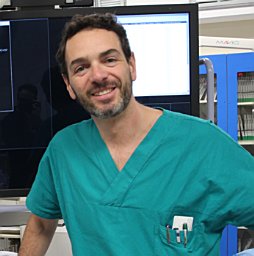 Bernardo Cortese合作论文数Ospedale della Misericordia Interventional Cardiology9
 Andrés Íñiguez合作论文数Department of Cardiology, Hospital Álvaro Cunqueiro9
 Andrea Santarelli合作论文数Unità Operativa di Cardiologia, Ospedale degli Infermi, Rimini, Italy9Filippo Maria Verardi合作论文数8Paolo Cimaglia合作论文数8
 Elisabetta Tonet合作论文数8Giulia Passarini合作论文数8
 Luis G. Ortega-Paz合作论文数8
 Francesco Giannini合作论文数SAILab, Department of Information Engineering and Mathematics, University of Siena8




