We present power spectra of the cosmic microwave background (CMB) anisotropy in temperature and polarization, measured from the Data Release 6 maps made from Atacama Cosmology Telescope (ACT) data. These cover 19,000 deg(2) of sky in bands centered at 98, 150 and 220 GHz, with white noise levels three times lower than Planck in polarization. We find that the ACT angular power spectra estimated over 10,000 deg(2), and measured to arcminute scales in TT, TE and EE, are well fit by the sum of CMB and foregrounds, where the CMB spectra are described by the Lambda CDM model. Combining ACT with larger-scale Planck data, the joint P-ACT dataset provides tight limits on the ingredients, expansion rate, and initial conditions of the universe. We find similar constraining power, and consistent results, from either the Planck power spectra or from ACT combined with WMAP data, as well as from either temperature or polarization in the joint P-ACT dataset. When combined with CMB lensing from ACT and Planck, and baryon acoustic oscillation data from the Dark Energy Spectroscopic Instrument (DESI DR1), we measure a baryon density of Omega(b)h(2) = 0.0226 +/- 0.0001, a cold dark matter density of Omega(c)h(2) = 0.118 +/- 0.001, a Hubble constant of H-0 = 68.22 +/- 0.36 km/s/Mpc, a spectral index of n(s) = 0.974 +/- 0.003, and an amplitude of density fluctuations of sigma(8) = 0.813 +/- 0.005. Including the DESI DR2 data tightens the Hubble constant to H-0 = 68.43 +/- 0.27 km/s/Mpc; Lambda CDM parameters agree between the P-ACT and DESI DR2 data at the 1.6 sigma level. We find no evidence for excess lensing in the power spectrum, and no departure from spatial flatness. The contribution from Sunyaev-Zel'dovich (SZ) anisotropy is detected at high significance; we find evidence for a tilt with suppressed small-scale power compared to our baseline SZ template spectrum, consistent with hydrodynamical simulations with feedback.
We investigate the impact of beam chromaticity, i.e., the frequency dependence of the beam window function, on cosmological and astrophysical parameter constraints from CMB power spectrum observations. We show that for future high-resolution CMB measurements it is necessary to include a color-corrected beam for each sky component with a distinct spectral energy distribution. We introduce a formalism able to easily implement the beam chromaticity in CMB power spectrum likelihood analyses and run a case study using a Simons Observatory Large Aperture Telescope-like experimental setup and within the public SO software stack. To quantify the impact, we assume that beam chromaticity is present in simulated spectra but omitted in the likelihood analysis. We find that, for passbands of fractional width Delta nu/nu similar to 0.2, neglecting this effect leads to significant biases, with astrophysical foreground parameters shifting by more than 2 sigma and cosmological parameters by significant fractions of the error.
We conduct a systematic search for astrophysical transients using data from the Atacama Cosmology Telescope. The data were taken from 2017 to 2022 in three frequency bands spanning 77 to 277 GHz. In this paper, we present a pipeline for transient detection using single-observation maps where each pixel of a map contains one observation with an integration time of approximately 4 minutes. We detect 34 transient events at 27 unique locations. All but two of the transients are associated with Galactic stars and exhibit a wide range of properties. We also detect an event coincident with the classical nova YZ Ret and one event consistent with a flaring active galactic nucleus. We notably do not detect any reverse shock emission from gamma-ray bursts, a nondetection that may be in tension with current models.
We present Atacama Cosmology Telescope (ACT) Data Release 6 (DR6) maps of the Cosmic Microwave Background temperature and polarization anisotropy at arcminute resolution over three frequency bands centered on 98, 150 and 220 GHz. The maps are based on data collected with the AdvancedACT camera over the period 2017-2022 and cover 19,000 square degrees with a median combined depth of 10 mu K arcmin. We describe the instrument, mapmaking and map properties and illustrate them with a number of figures and tables. The ACT DR6 maps and derived products are available on LAMBDA at https://lambda.gsfc.nasa.gov/product/act/actadv_prod_table.html. We also provide an interactive web atlas at https://phy-act1.princeton.edu/public/snaess/actpol/dr6/atlas and HiPS data sets in Aladin (e.g. https://alasky.cds.unistra.fr/ACT/DR4DR6/color_CMB).
Using data from the first flight of Spider and from the Planck High Frequency Instrument, we probe the properties of polarized emission from interstellar dust in the Spider observing region. Component-separation algorithms operating in both the spatial and harmonic domains are applied to probe their consistency and to quantify modeling errors associated with their assumptions. Analyses of diffuse Galactic dust emission spanning the full Spider region demonstrate (i) a spectral energy distribution that is broadly consistent with a modified-blackbody (MBB) model with a spectral index of β d = 1.45 ± 0.05 (1.47 ± 0.06) for E ( B )-mode polarization, slightly lower than that reported by Planck for the full sky; (ii) an angular power spectrum broadly consistent with a power law; and (iii) no significant detection of line-of-sight polarization decorrelation. Tests of several modeling uncertainties find only a modest impact (∼10% in σ r ) on Spider ’s sensitivity to the cosmological tensor-to-scalar ratio. The size of the Spider region further allows for a statistically meaningful analysis of the variation in foreground properties within it. Assuming a fixed dust temperature T d = 19.6 K, an analysis of two independent subregions of that field results in inferred values of β d = 1.52 ± 0.06 and β d = 1.09 ± 0.09, which are inconsistent at the 3.9 σ level. Furthermore, a joint analysis of Spider and Planck 217 and 353 GHz data within one subregion is inconsistent with a simple MBB at more than 3 σ , assuming a common morphology of polarized dust emission over the full range of frequencies. This evidence of variation may inform the component-separation approaches of future cosmic microwave background polarization experiments.
We use new cosmic microwave background (CMB) primary temperature and polarization anisotropy measurements from the Atacama Cosmology Telescope (ACT) Data Release 6 (DR6) to test foundational assumptions of the standard cosmological model, Lambda CDM, and set constraints on extensions to it. We derive constraints from the ACT DR6 power spectra alone, as well as in combination with legacy data from the Planck mission. To break geometric degeneracies, we include ACT and Planck CMB lensing data and baryon acoustic oscillation data from DESI Year-1. To test the dependence of our results on non-ACT data, we also explore combinations replacing Planck with WMAP and DESI with BOSS, and further add supernovae measurements from Pantheon+ for models that affect the late-time expansion history. We verify the near-scale-invariance (running of the spectral index dn(s)/d ln k = 0.0062 +/- 0.0052) and adiabaticity of the primordial perturbations. Neutrino properties are consistent with Standard Model predictions: we find no evidence for new light, relativistic species that are free-streaming (N-eff = 2.86 +/- 0.13, which combined with astrophysical measurements of primordial helium and deuterium abundances becomes N-eff = 2.89 +/- 0.11), for non-zero neutrino masses (Sigma m(nu) < 0.089 eV at 95% CL), or for neutrino self-interactions. We also find no evidence for self-interacting dark radiation (N-idr < 0.134), or for early-universe variation of fundamental constants, including the fine-structure constant (alpha(EM)/alpha(EM,0) = 1.0043 +/- 0.0017) and the electron mass (m(e)/m(e,0) = 1.0063 +/- 0.0056). Our data are consistent with standard big bang nucleosynthesis (we find Y-p = 0.2312 +/- 0.0092), the COBE/FIRAS-inferred CMB temperature (we find T-CMB = 2.698 +/- 0.016 K), a dark matter component that is collisionless and with only a small fraction allowed as axion-like particles, a cosmological constant (w = -0.986 +/- 0.025), and the late-time growth rate predicted by general relativity (gamma = 0.663 +/- 0.052). We find no statistically significant preference for a departure from the baseline Lambda CDM model. In fits to models invoking early dark energy, primordial magnetic fields, or an arbitrary modified recombination history, we find H-0 = 69.9(-1.5)(+0.8), 69.1 +/- 0.5, or 69.6 +/- 1.0 km/s/Mpc, respectively; using BOSS instead of DESI BAO data reduces the central values of these constraints by 1-1.5 km/s/Mpc while only slightly increasing the error bars. In general, models introduced to increase the Hubble constant or to decrease the amplitude of density fluctuations inferred from the primary CMB are not favored over Lambda CDM by our data.
We use time-domain simulations of Jupiter observations to test and develop a beam reconstruction pipeline for the Simons Observatory Small Aperture Telescopes. The method relies on a mapmaker that estimates and subtracts correlated atmospheric noise and a beam fitting code designed to compensate for the bias caused by the mapmaker. We test our reconstruction performance for four different frequency bands against various algorithmic parameters, atmospheric conditions, and input beams. We additionally show the reconstruction quality as a function of the number of available observations and investigate how different calibration strategies affect the beam uncertainty. For all of the cases considered, we find good agreement between the fitted results and the input beam model within an similar to 1.5% error for a multipole range l = 30-700 and an similar to 0.5% error for a multipole range l = 50-200. We conclude by using a harmonic-domain component separation algorithm to verify that the beam reconstruction errors and biases observed in our analysis do not significantly bias the Simons Observatory r-measurement
The Simons Observatory (SO) is a next-generation ground-based telescope located in the Atacama Desert in Chile, designed to map the cosmic microwave background (CMB) with unprecedented precision. The observatory consists of three small aperture telescopes (SATs) and one large aperture telescope (LAT), each optimized for distinct but complementary scientific goals. To achieve these goals, optimized scan strategies have been defined for both the SATs and LAT. This paper describes a software system deployed in SO that effectively translates high-level scan strategies into realistic observing scripts executable by the telescope, taking into account realistic observational constraints. The data volume of SO also necessitates a scalable software infrastructure to support its daily data processing needs. This paper also outlines an automated workflow system for managing data packaging and daily data reduction at the site.
We present an estimate of the Atacama Cosmology Telescope (ACT) detector polarization angle systematic uncertainty from optics perturbation analysis using polarization-sensitive ray tracing in CODE V optical design software. Uncertainties in polarization angle calibration in CMB measurements can limit constraints on cosmic birefringence and other cosmological parameters sensitive to polarization leakage. Our framework estimates the angle calibration systematic uncertainties from possible displacements in lens positions and orientations, and anti-reflection coating (ARC) thicknesses and refractive indices. With millimeter displacements in lens positions and percent-level perturbations in ARC thicknesses and indices from design, we find the total systematic uncertainty for three ACT detector arrays operating between 90--220 GHz to be at the tenth of degree scale. Reduced lens position and orientation uncertainties from physical measurements could lead to a reduction in the systematic uncertainty estimated with the framework presented here. This optical modeling may inform polarization angle systematic uncertainties for current and future microwave polarimeters, such as the CCAT Observatory, Simons Observatory, and CMB-S4.
Observations of the millimeter sky contain valuable information on a number of signals, including the blackbody cosmic microwave background (CMB), Galactic emissions, and the Compton-$y$ distortion due to the thermal Sunyaev-Zel'dovich (tSZ) effect. Extracting new insight into cosmological and astrophysical questions often requires combining multi-wavelength observations to spectrally isolate one component. In this work, we present a new arcminute-resolution Compton-$y$ map, which traces out the line-of-sight-integrated electron pressure, as well as maps of the CMB in intensity and E-mode polarization, across a third of the sky (around 13,000 sq.~deg.). We produce these through a joint analysis of data from the Atacama Cosmology Telescope (ACT) Data Release 4 and 6 at frequencies of roughly 93, 148, and 225 GHz, together with data from the \textit{Planck} satellite at frequencies between 30 GHz and 545 GHz. We present detailed verification of an internal linear combination pipeline implemented in a needlet frame that allows us to efficiently suppress Galactic contamination and account for spatial variations in the ACT instrument noise. These maps provide a significant advance, in noise levels and resolution, over the existing \textit{Planck} component-separated maps and will enable a host of science goals including studies of cluster and galaxy astrophysics, inferences of the cosmic velocity field, primordial non-Gaussianity searches, and gravitational lensing reconstruction of the CMB.
The Simons Observatory (SO) is a cosmic microwave background (CMB) observatory consisting of three small aperture telescopes and one large aperture telescope. SO is located in the Atacama Desert in Chile at an elevation of 5180m. Distributed among the four telescopes are over 60,000 transition-edge sensor (TES) bolometers across six spectral bands centered between 27 and 280 GHz. A large collection of ancillary hardware devices which produce lower rate `housekeeping' data are used to support the detector data collection. We developed a distributed control system, which we call the observatory control system (ocs), to coordinate data collection among all systems within the observatory. ocs is a core component of the deployed site software, interfacing with all on-site hardware. Alongside ocs we utilize a combination of internally and externally developed open source projects to enable remote monitoring, data management, observation coordination, and data processing. Deployment of a majority of the software is done using Docker containers. The deployment of software packages is partially done via automated Ansible scripts, utilizing a GitOps based approach for updating infrastructure on site. We describe an overview of the software and computing systems deployed within SO, including how those systems are deployed and interact with each other. We also discuss the timing distribution system and its configuration as well as lessons learned during the deployment process and where we plan to make future improvements.
We present cosmological constraints from a gravitational lensing mass map covering 9400 sq. deg. reconstructed from CMB measurements made by the Atacama Cosmology Telescope (ACT) from 2017 to 2021. In combination with BAO measurements (from SDSS and 6dF), we obtain the amplitude of matter fluctuations $\sigma_8 = 0.819 \pm 0.015$ at 1.8% precision, $S_8\equiv\sigma_8({\Omega_{\rm m}}/0.3)^{0.5}=0.840\pm0.028$ and the Hubble constant $H_0= (68.3 \pm 1.1)\, \text{km}\,\text{s}^{-1}\,\text{Mpc}^{-1}$ at 1.6% precision. A joint constraint with CMB lensing measured by the Planck satellite yields even more precise values: $\sigma_8 = 0.812 \pm 0.013$, $S_8\equiv\sigma_8({\Omega_{\rm m}}/0.3)^{0.5}=0.831\pm0.023$ and $H_0= (68.1 \pm 1.0)\, \text{km}\,\text{s}^{-1}\,\text{Mpc}^{-1}$. These measurements agree well with $\Lambda$CDM-model extrapolations from the CMB anisotropies measured by Planck. To compare these constraints to those from the KiDS, DES, and HSC galaxy surveys, we revisit those data sets with a uniform set of assumptions, and find $S_8$ from all three surveys are lower than that from ACT+Planck lensing by varying levels ranging from 1.7-2.1$\sigma$. These results motivate further measurements and comparison, not just between the CMB anisotropies and galaxy lensing, but also between CMB lensing probing $z\sim 0.5-5$ on mostly-linear scales and galaxy lensing at $z\sim 0.5$ on smaller scales. We combine our CMB lensing measurements with CMB anisotropies to constrain extensions of $\Lambda$CDM, limiting the sum of the neutrino masses to $\sum m_{\nu}<0.12$ eV (95% c.l.), for example. Our results provide independent confirmation that the universe is spatially flat, conforms with general relativity, and is described remarkably well by the $\Lambda$CDM model, while paving a promising path for neutrino physics with gravitational lensing from upcoming ground-based CMB surveys.
SPIDER is a balloon-borne instrument designed to map the cosmic microwave background at degree-angular scales in the presence of Galactic foregrounds. SPIDER has mapped a large sky area in the Southern Hemisphere using more than 2000 transition-edge sensors (TESs) during two NASA Long Duration Balloon flights above the Antarctic continent. During its first flight in January 2015, SPIDER observed in the 95 GHz and 150 GHz frequency bands, setting constraints on the B-mode signature of primordial gravitational waves. Its second flight in the 2022-23 season added new receivers at 280 GHz, each using an array of TESs coupled to the sky through feedhorns formed from stacks of silicon wafers. These receivers are optimized to produce deep maps of polarized Galactic dust emission over a large sky area, providing a unique data set with lasting value to the field. In this work, we describe the instrument's performance during SPIDER's second flight.
The Simons Observatory (SO) is a Cosmic Microwave Background experiment located in the Atacama Desert in Chile. SO consists of three small aperture telescopes (SATs) and one large aperture telescope (LAT) with a total of 60,000 detectors in six frequency bands.(1) As an observatory, SO encompasses hundreds of hardware components simultaneously running at different readout rates-all separate from its 60,000 detectors on-sky and their metadata. We provide an overview of commissioning SO's data acquisition software system for SAT-MF1, the first SAT deployed to the Atacama site. Additionally, we share insights from deploying data access software for all four telescopes, detailing how performance limitations affected data loading and quality investigations, which led to site-compatible software improvements.
We present new measurements of cosmic microwave background (CMB) lensing over $9400$ sq. deg. of the sky. These lensing measurements are derived from the Atacama Cosmology Telescope (ACT) Data Release 6 (DR6) CMB dataset, which consists of five seasons of ACT CMB temperature and polarization observations. We determine the amplitude of the CMB lensing power spectrum at $2.3\%$ precision ($43\sigma$ significance) using a novel pipeline that minimizes sensitivity to foregrounds and to noise properties. To ensure our results are robust, we analyze an extensive set of null tests, consistency tests, and systematic error estimates and employ a blinded analysis framework. The baseline spectrum is well fit by a lensing amplitude of $A_{\mathrm{lens}}=1.013\pm0.023$ relative to the Planck 2018 CMB power spectra best-fit $\Lambda$CDM model and $A_{\mathrm{lens}}=1.005\pm0.023$ relative to the $\text{ACT DR4} + \text{WMAP}$ best-fit model. From our lensing power spectrum measurement, we derive constraints on the parameter combination $S^{\mathrm{CMBL}}_8 \equiv \sigma_8 \left({\Omega_m}/{0.3}\right)^{0.25}$ of $S^{\mathrm{CMBL}}_8= 0.818\pm0.022$ from ACT DR6 CMB lensing alone and $S^{\mathrm{CMBL}}_8= 0.813\pm0.018$ when combining ACT DR6 and Planck NPIPE CMB lensing power spectra. These results are in excellent agreement with $\Lambda$CDM model constraints from Planck or $\text{ACT DR4} + \text{WMAP}$ CMB power spectrum measurements. Our lensing measurements from redshifts $z\sim0.5$--$5$ are thus fully consistent with $\Lambda$CDM structure growth predictions based on CMB anisotropies probing primarily $z\sim1100$. We find no evidence for a suppression of the amplitude of cosmic structure at low redshifts
Fluctuating atmospheric emission is a dominant source of noise for ground-based millimeter-wave observations of the CMB temperature anisotropy at angular scales $\gtrsim 0.5^{\circ}$. We present a model of the atmosphere as a discrete set of emissive turbulent layers that move with respect to the observer with a horizontal wind velocity. After introducing a statistic derived from the time-lag dependent correlation function for detector pairs in an array, referred to as the pair-lag, we use this model to estimate the aggregate angular motion of the atmosphere derived from time-ordered data from the Atacama Cosmology Telescope (ACT). We find that estimates derived from ACT's CMB observations alone agree with those derived from satellite weather data that additionally include a height-dependent horizontal wind velocity and water vapor density. We also explore the dependence of the measured atmospheric noise spectrum on the relative angle between the wind velocity and the telescope scan direction. In particular, we find that varying the scan velocity changes the noise spectrum in a predictable way. Computing the pair-lag statistic opens up new avenues for understanding how atmospheric fluctuations impact measurements of the CMB anisotropy.
This Snowmass 2021 White Paper describes the Cosmic Microwave Background Stage 4 project CMB-S4, which is designed to cross critical thresholds in our understanding of the origin and evolution of the Universe, from the highest energies at the dawn of time through the growth of structure to the present day. We provide an overview of the science case, the technical design, and project plan.
We describe the measurement and treatment of the telescope beams for the Atacama Cosmology Telescope's fourth data release, DR4. Observations of Uranus are used to measure the central portion (< 12 ') of the beams to roughly -40 dB of the peak. Such planet maps in intensity are used to construct azimuthally averaged beam profiles, which are fit with a physically motivated model before being transformed into Fourier space. We investigate and quantify a number of percent-level corrections to the beams, all of which are important for precision cosmology. Uranus maps in polarization are used to measure the temperature-to-polarization leakage in the main part of the beams, which is. 1% (2.5%) at 150 GHz (98 GHz). The beams also have polarized sidelobes, which are measured with observations of Saturn and deprojected from the ACT time-ordered data. Notable changes relative to past ACT beam analyses include an improved subtraction of the atmospheric effects from Uranus calibration maps, incorporation of a scattering term in the beam profile model, and refinements to the beam model uncertainties and the main temperature-to-polarization leakage terms in the ACT power spectrum analysis.
The Simons Observatory (SO) is a ground-based cosmic microwave background survey experiment that consists of three 0.5 m small-aperture telescopes and one 6 m large-aperture telescope, sited at an elevation of 5200 m in the Atacama Desert in Chile. SO will study the polarization and temperature anisotropies of the Cosmic Microwave Background (CMB). The observatory will require well-understood telescope pointing and scanning. Good antenna control will allow us to execute the scan strategy devised to optimize sensitivity to our scientific goals, calibrate the system with celestial targets, and make maps. To achieve this, we integrate the data acquisition and control of the telescopes' Antenna Control Units (ACUs) within the software framework of the SO Observatory Control System (OCS). We present here the current status of the software integration for the ACUs, as well as measurements of the Small Aperture Telescope platforms' responsiveness to software commanding in the factory, plans for in situ measurements, and prospects for implementation on the Large Aperture Telescope.
CMB-HD is a proposed millimeter-wave survey over half the sky that would be ultra-deep (0.5 uK-arcmin) and have unprecedented resolution (15 arcseconds at 150 GHz). Such a survey would answer many outstanding questions about the fundamental physics of the Universe. Major advances would be 1.) the use of gravitational lensing of the primordial microwave background to map the distribution of matter on small scales (k~10 h Mpc^(-1)), which probes dark matter particle properties. It will also allow 2.) measurements of the thermal and kinetic Sunyaev-Zel'dovich effects on small scales to map the gas density and velocity, another probe of cosmic structure. In addition, CMB-HD would allow us to cross critical thresholds: 3.) ruling out or detecting any new, light (<0.1 eV) particles that were in thermal equilibrium with known particles in the early Universe, 4.) testing a wide class of multi-field models that could explain an epoch of inflation in the early Universe, and 5.) ruling out or detecting inflationary magnetic fields. CMB-HD would also provide world-leading constraints on 6.) axion-like particles, 7.) cosmic birefringence, 8.) the sum of the neutrino masses, and 9.) the dark energy equation of state. The CMB-HD survey would be delivered in 7.5 years of observing 20,000 square degrees of sky, using two new 30-meter-class off-axis crossed Dragone telescopes to be located at Cerro Toco in the Atacama Desert. Each telescope would field 800,000 detectors (200,000 pixels), for a total of 1.6 million detectors.
 Michael D. Niemack合作论文数Department of Physics, The College of Arts & Sciences, Cornell University/Astronomy Department, Cornell University108
 Kent Irwin合作论文数Physics Department, School of Humanities and Sciences, Stanford University;Hansen Experimental Physics Laboratory, Stanford University107
 Mark Halpern合作论文数Department of Physics & Astronomy, Faculty of Science, The University of British Columbia103
 J. Richard Bond合作论文数Department of Physics, University of Toronto;Canadian Institute for Theoretical Astrophysics, University of Toronto97
 Suzanne T. Staggs合作论文数Department of Physics, Princeton University96
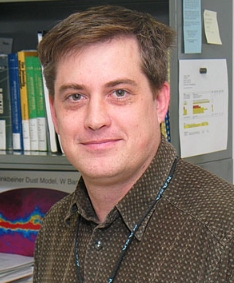 Edward J Wollack合作论文数Goddard Space Flight Center, National Aeronautics and Space Administration96
 Mark Devlin合作论文数Department of Physics and Astronomy, School of Arts & Sciences, University of Pennsylvania94
 Gene Hilton合作论文数Zanvyl Krieger School of Arts & Sciences, Johns Hopkins University;National Institute of Standards and Technology90
 Arthur Kosowsky合作论文数Department of Physics and Astronomy, University of Pittsburgh78
 Neelima Sehgal合作论文数Department of Physics and Astronomy, College of Arts and Sciences, Stony Brook University75
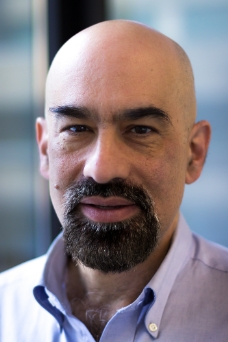 David Spergel合作论文数Center for Computational Astrophysics, Flatiron Institute;Department of Astrophysical Sciences, Princeton University,73
 Kavilan Moodley合作论文数Centre for Mathematical Sciences;University of Cambridge;Centre for Mathematical Sciences, University of Cambridge73
 Adam D. Hincks合作论文数Department of Astronomy & Astrophysics, Faculty of Arts and Science, University of Toronto/St. Michael’s College, University of Toronto71
 Jo Dunkley合作论文数Department of Astrophysical Sciences, Princeton University71
 M. Amiri合作论文数Department of Physics and Astronomy;University of British Columbia;Department of Physics and Astronomy, University of British Columbia70
 Renee Hlozek合作论文数David A. Dunlap Department of Astronomy and Astrophysics, University of Toronto68
 Bruce Partridge合作论文数Haverford College67
 John P. (Jack) Hughes合作论文数Department of Physics and Astronomy, School of Arts and Sciences, Rutgers University66
 Rolando Dunner合作论文数66
 Lyman A. Page Jr.合作论文数Department of Physics, Princeton University61
 Blake D. Sherwin合作论文数Department of Applied Mathematics and Theoretical Physics, University of Cambridge57
 Kevin Huffenberger合作论文数Department of Physics & Astronomy, College of Arts & Sciences, Texas A&M University56
 Robert Thornton合作论文数Dept Phys & Astron, Univ Penn55
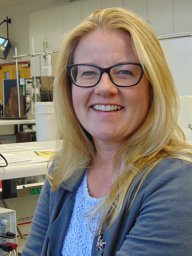 C. Tucker合作论文数School of Physics and Astronomy;Cardiff University;School of Physics and Astronomy, Cardiff University54
 Matt Hilton合作论文数Astrophysics Research Institute;Liverpool John Moores University;Astrophysics Research Institute, Liverpool John Moores University54
 Erminia Calabrese合作论文数53Patricio A. Gallardo合作论文数Dept Phys, Cornell Univ52
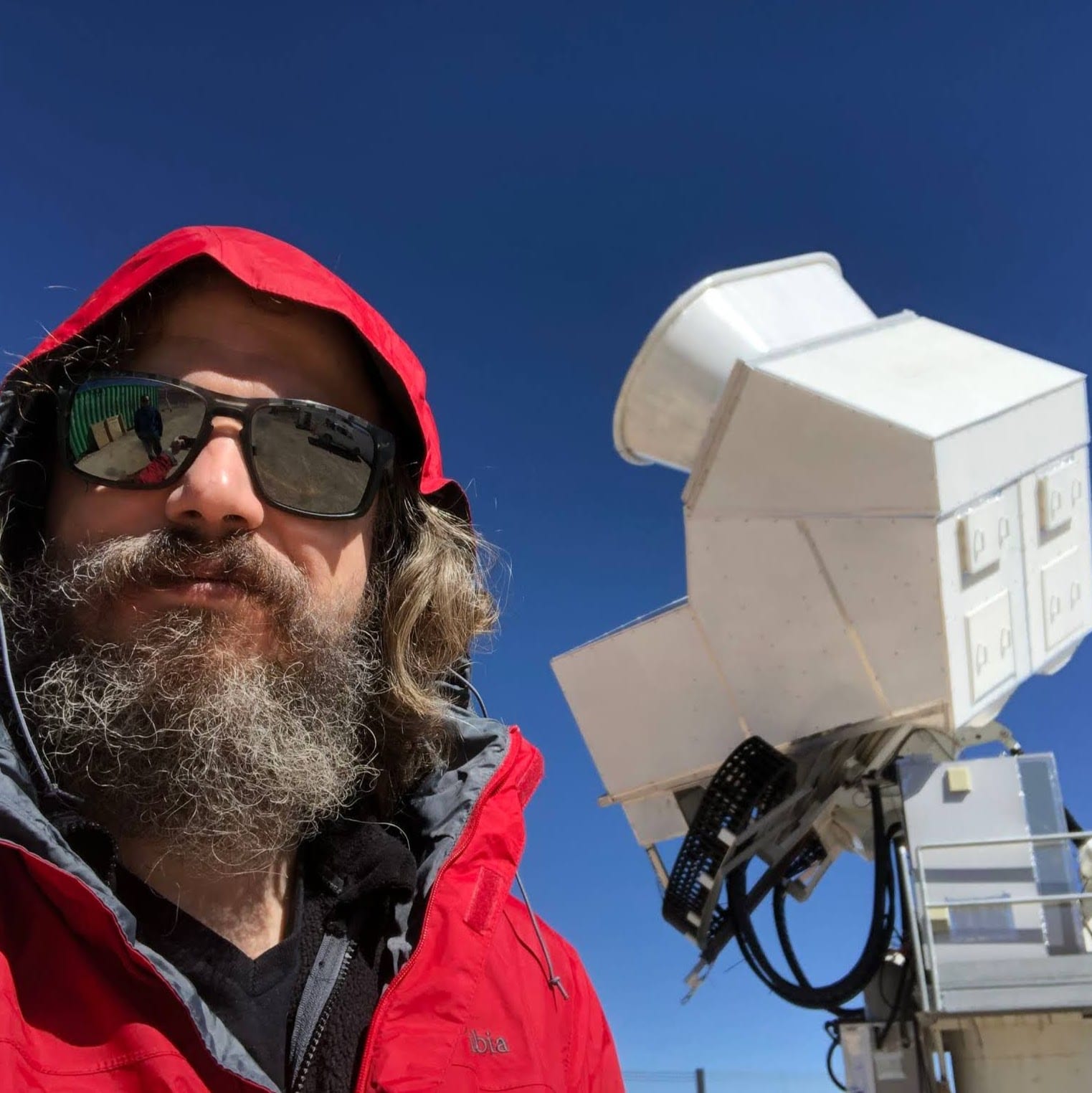 Tobias Marriage合作论文数Department of Physics & Astronomy, Krieger School of Arts & Sciences, Johns Hopkins University51Naess Sigurd合作论文数Sub-Department of Astrophysics, University of Oxford49Jeff McMahon合作论文数Dept Phys, Univ Chicago48
 Brian Koopman合作论文数Department of Physics, Yale University47Laura Newburgh合作论文数Department of Astronomy, Yale University47
 Mathew Syriac Madhavacheril合作论文数Department of Physics & Astronomy, University of Pennsylvania46Eric R. Switzer合作论文数Department of Physics;Princeton University;Department of Physics, Princeton University46
 Johannes Hubmayr合作论文数Quantum Electromagnetics Division, National Institute of Standards and Technology46Louis Thibaut合作论文数Sub-Department of Astrophysics, University of Oxford45C. B. Netterfield合作论文数44
 Steve K Choi合作论文数Dept Astron, Cornell Univ44
 Felipe Menanteau合作论文数Department of Astronomy, College of Liberal Arts & Sciences, University of Illinois Urbana-Champaign;National Center for Supercomputing Applications, University of Illinois Urbana-Champaign44
 Chao-Lin Kuo合作论文数Department of Physics, Stanford University;Kavli Institute for Particle Astrophysics and Cosmology, Stanford University;SLAC National Accelerator Laboratory43
 James J. (Jamie) Bock合作论文数The Division of Physics, Mathematics and Astronomy, California Institute of Technology;Jet Propulsion Laboratory, California Institute of Technology43
 Thomas Essinger-Hileman合作论文数NASA Goddard Space Flight Center40
 Peter Ade合作论文数39
 Jeffrey P Filippini合作论文数Department of Astronomy, College of Liberal Arts and Sciences, University of Illinois at Urbana-Champaign39
 Alexander Van Engelen合作论文数Canadian Inst Theoret Astrophys, Univ Toronto39
 J. Colin Hill合作论文数Department of Physics, Columbia University39Cristóbal Sifón合作论文数37Joseph W. Fowler合作论文数Laboratories of Physics;Department of Physics;University of Rome;Canadian Institute for Theoretical Astrophysics;Department of Physics and Astronomy;University of Pittsburgh;NASA / Goddard Space Flight Center;Berkeley Center for Cosmological Physics;Department of , Physics;University of California;University of Pennsylvania;Quantum Devices Group;Department of Astrophysics;Oxford University;University of Pennsylvania, Oxford University37




