Sequencing of bulk tumor populations has improved genetic classification and risk assessment of B-ALL, but does not directly examine intratumor heterogeneity or infer leukemia cellular origins. We profiled 89 B-ALL samples by single-cell RNA-seq (scRNA-seq) and compared them to a reference map of normal human B-cell development established using both functional and molecular assays. Intra-sample heterogeneity was driven by cell cycle, metabolism, differentiation, and inflammation transcriptional programs. By inference of B lineage developmental state composition, nearly all samples possessed a high abundance of pro-B cells, with variation between samples mainly driven by sub-populations. However, ZNF384- r and DUX4- r B-ALL showed composition enrichment of hematopoietic stem cells, BCR::ABL1 and KMT2A -r ALL of Early Lymphoid progenitors, MEF2D -r and TCF3::PBX1 of Pre-B cells. Enrichment of Early Lymphoid progenitors correlated with high-risk clinical features. Understanding variation in transcriptional programs and developmental states of B-ALL by scRNA-seq refines existing clinical and genomic classifications and improves prediction of treatment outcome.
I.I., A.G.X.Z, Q.G., L.G.P.: co-first authors; J.E.D., C.G.M.: co-senior authors Introduction: Genomic analyses of bulk ALL samples have improved our understanding of the genetic basis and risk stratification of B-ALL, but do not directly examine intratumor heterogeneity or enable inference of leukemia developmental state and cell of origin. Methods: We profiled 89 B-ALL samples by single-cell RNA-seq (scRNA-seq) (10X Genomics 5'v2) and compared them to a scRNA-seq reference map of normal human B-cell development. Results: Analysis of heterogeneity of inferred DNA copy number alterations at single cell level showed that aneuploid ALL with near haploidy and hyperdiploid harbor chromosomal losses or gains in all blasts, consistent with early, synchronous origin rather than sequential accumulation. A subset of TCF3::PBX1 samples harbored clones with progressive overexpression of genes surrounding PBX1 which scWGS confirmed caused by accumulation of DNA gains. Extensive intra-sample heterogeneity was observed by non-negative matrix factorization and driven by five consensus gene expression signatures: cell cycle (S; G2/M), metabolism, differentiation and inflammation. Signature composition refined leukemic subtyping; for example, within DUX4-r B-ALL two groups were discerned: one with higher inflammation score, expression of stem cell genes and worse outcome and one with lower inflammation score and expression of Pro-B related genes. To understand variation in developmental states among B-ALL blasts, we first developed an atlas of human B cell development. Marker genes elucidated from bulk RNA-seq on purified human HSC, MPP, LMPP, MLP, CLP, Pre-Pro-B, Pro-B, Pre-B, and B populations guided the development of a new scRNA-seq atlas of human B cell development comprising 130,085 cells spanning 90 fetal, pediatric, and adult samples from 8 studies (Fig 1A). Unexpectedly, we found that human CLPs retain transcriptional programs governed by CEBPA; in vitro and in vivo functional assays validated the capacity of CLPs for extensive myeloid differentiation prior to lineage restriction at the Pro-B stage. We next mapped our 89 B-ALL sc samples to precise cellular states along B cell development and clustered samples by leukemia cell composition. As expected, most samples exhibited similarity of GEP to that of pro-B cells, and this was most pronounced among hyperdiploid samples. High pre-B abundance was observed in MEF2D-r and TCF3::PBX1, while an HSC/MPP/LMPP enriched cluster encompassed ZNF384-r and a subset of DUX4-r B-ALL. Notably, one ZNF384-r B-ALL patient with LMPP involvement at diagnosis retained these LMPP-like cells at relapse despite a lineage switch to AML. Finally, we identified a group of patients with high early lymphoid (MLP, CLP, Pre-Pro-B) abundance representing a subset of Ph+ and KMT2A-r samples (Fig. 1B). We next utilized marker genes from each B-ALL cell state to estimate their relative abundance within a bulk RNA-seq cohort of 2046 B-ALL patients. In addition to validating these associations between genomic class and leukemia cell state, we identified age-dependent patterns of B-ALL state involvement wherein early lymphoid involvement is highest in infancy and adulthood while Pro-B involvement is highest in childhood. In childhood, high-risk disease is associated with higher early lymphoid ( P=4.9e-12) and lower Pro-B ( P=0.0085) abundance. Further, patients with residual disease (RD) levels above 1% are enriched for higher upfront early lymphoid abundance ( P=1e-7) and lower Pro-B ( P=4.1e-5) and Pre-B ( P=2.2e-11) abundance compared to patients with RD < 0.01%. Finally, B-ALL cell state improved resolution of previously reported transcriptional heterogeneity within defined genomic classes. Early lymphoid abundance discerns between two subtypes within Ph+ (Kim Nat Gen 2023) with AUC=0.953 ( P=2.4e-9), as well as two subtypes within KMT2A-r (Brady Nat Gen 2022) with AUC=0.996 ( P=1.1e-6). Notably we find that KMT2A::AFF1 fusions produce early lymphoid-enriched disease compared to KMT2A::MLLT3 ( P=0.0024) and KMT2A::MLLT10 ( P=0.0037), wherein the latter two fusions exhibit Pre-B enrichment ( P=0.025 and P=0.0037, respectively). Conclusions: Understanding variation in transcriptional programs and developmental states of B-ALL blasts by sc transcriptome refines existing clinical and genomic classifications and provides novel prognostic markers.
Background Over 50% of childhood cancer survivors are exercise intolerant, with maximal aerobic capacities comparable to individuals decades older, suggesting early physiologic ageing. In addition, 36% of survivors are obese. Optimal exercise capacity provides a foundation to support daily function and healthy body habitus and is associated with benefits to cognition, cardiovascular health, and longevity. Cellular senescence and inflammation are key mechanisms that drive age-related disease, quantifiable as biomarkers in peripheral blood. Aims This study aimed to evaluate associations between p16INKa, a biomarker of cellular senescence, and inflammation and exercise capacity among adult survivors of childhood cancer. Materials and methods Eligible survivors were recruited from the St. Jude Lifetime (SJLIFE) Cohort Study. Exercise capacity was assessed by maximal oxygen uptake (VO2, ml/kg/min) obtained via cardiopulmonary exercise testing using a modified Bruce protocol. Body fat (%) was determined from dual energy x-ray absorptiometry (DEXA). Peripheral blood samples were used to evaluate log2 p16INK4a mRNA expression, a biomarker of cellular senescence, and inflammation with high sensitivity C-reactive protein (hs-CRP) levels. Multivariable regression evaluated associations between p16INK4a, hs-CRP, body fat, and exercise capacity. Results Participants included 185 five-year childhood cancer survivors (mean age 36.6 [range 20.1 - 55.7] years, 44% male, 77% non-Hispanic white, 53% leukemia/lymphoma). Compared to males, females had lower peak VO2 (mean ± SD, 22.5 ± 8.2 vs. 28.8 ± 7.7 ml/kg/min, p<0.01), higher p16INK4a expression (9.6 ± 1.2 vs. 9.2 ± 1.2 fold, p=0.02), and hs-CRP concentration (5.9 ± 8.4 vs. 3.3 ± 3.9 mg/L, p=0.01). Among females (n=103), hs-CRP concentration (β -0.2, 95% CI -0.34 to -0.05, p=0.01) and p16INK4a expression (β-5.32, 95% CI 10.42 to -0.22, p=0.04) were inversely associated and statistically significant with peak exercise capacity, with a significant interaction between p16INK4a expression and body fat (β 0.15, 95% CI 0.02 to 0.28, p=0.03). Among males (n=82), p16INK4a expression (β -1.01, 95% CI -2.14 to 0.12, p=0.08), and body fat (β -0.54, 95% CI -0.70 to -0.38, p<0.01) were inversely associated with peak exercise capacity. Conclusion Inflammation and p16INK4a expression, a biomarker of cellular senescence, are associated with lower exercise capacity in childhood cancer survivors, suggesting potential targets or outcome measures for interventions designed to prevent or remediate accelerated physiologic ageing in this population.
Nearly one-third of children with medulloblastoma, a malignant embryonal tumor of the cerebellum, succumb to their disease. Conventional response monitoring by imaging and cerebrospinal fluid (CSF) cytology remains challenging, and a marker for measurable residual disease (MRD) is lacking. Here, we show the clinical utility of CSF-derived cell-free DNA (cfDNA) as a biomarker of MRD in serial samples collected from children with medulloblastoma (123 patients, 476 samples) enrolled on a prospective trial. Using low-coverage whole-genome sequencing, tumor-associated copy-number variations in CSF-derived cfDNA are investigated as an MRD surrogate. MRD is detected at baseline in 85% and 54% of patients with metastatic and localized disease, respectively. The number of MRD-positive patients declines with therapy, yet those with persistent MRD have significantly higher risk of progression. Importantly, MRD detection precedes radiographic progression in half who relapse. Our findings advocate for the prospective assessment of CSF-derived liquid biopsies in future trials for medulloblastoma.
Abstract Effective data sharing is key to accelerating research to improve diagnostic precision, treatment efficacy, and long-term survival in pediatric cancer and other childhood catastrophic diseases. We present St. Jude Cloud (https://www.stjude.cloud), a cloud-based data-sharing ecosystem for accessing, analyzing, and visualizing genomic data from >10,000 pediatric patients with cancer and long-term survivors, and >800 pediatric sickle cell patients. Harmonized genomic data totaling 1.25 petabytes are freely available, including 12,104 whole genomes, 7,697 whole exomes, and 2,202 transcriptomes. The resource is expanding rapidly, with regular data uploads from St. Jude's prospective clinical genomics programs. Three interconnected apps within the ecosystem—Genomics Platform, Pediatric Cancer Knowledgebase, and Visualization Community—enable simultaneously performing advanced data analysis in the cloud and enhancing the Pediatric Cancer knowledgebase. We demonstrate the value of the ecosystem through use cases that classify 135 pediatric cancer subtypes by gene expression profiling and map mutational signatures across 35 pediatric cancer subtypes. Significance: To advance research and treatment of pediatric cancer, we developed St. Jude Cloud, a data-sharing ecosystem for accessing >1.2 petabytes of raw genomic data from >10,000 pediatric patients and survivors, innovative analysis workflows, integrative multiomics visualizations, and a knowledgebase of published data contributed by the global pediatric cancer community. This article is highlighted in the In This Issue feature, p. 995
Purpose To estimate the absolute number of adult survivors of childhood cancer in the U.S. population who carry a pathogenic or likely pathogenic variant in a cancer predisposition gene. Methods Using the Surveillance, Epidemiology, and End Results (SEER) Program, we estimated the number of childhood cancer survivors on December 31, 2016 for each childhood cancer diagnosis, multiplied this by the proportion of carriers of pathogenic/likely pathogenic variants in the St. Jude Lifetime Cohort (SJLIFE) study, and projected the resulting number onto the U.S. population. Results Based on genome sequence data, 11.8% of 2450 SJLIFE participants carry a pathogenic/likely pathogenic variant in one of 156 cancer predisposition genes. Given this information, we estimate that 21 800 adult survivors of childhood cancer in the United States carry a pathogenic/likely pathogenic variant in one of these genes. The highest estimated absolute number of variant carriers are among survivors of central nervous system tumors (n = 4300), particularly astrocytoma (n = 1800) and other gliomas (n = 1700), acute lymphoblastic leukemia (n = 4300), and retinoblastoma (n = 3500). The most frequently mutated genes are RB1 (n = 3000), NF1 (n = 2300), and BRCA2 (n = 800). Conclusion Given the increasing number of childhood cancer survivors in the United States, clinicians should counsel survivors regarding their potential genetic risk, consider referral for genetic counseling and testing, and, as appropriate, implement syndrome-specific cancer surveillance or risk-reducing measures.
Purpose Childhood cancer survivors are at increased risk of subsequent neoplasms (SNs), but the germline genetic contribution is largely unknown. We assessed the contribution of pathogenic/likely pathogenic (P/LP) mutations in cancer predisposition genes to their SN risk. Patients and Methods Whole-genome sequencing (30-fold) was performed on samples from childhood cancer survivors who were ≥ 5 years since initial cancer diagnosis and participants in the St Jude Lifetime Cohort Study, a retrospective hospital-based study with prospective clinical follow-up. Germline mutations in 60 genes known to be associated with autosomal dominant cancer predisposition syndromes with moderate to high penetrance were classified by their pathogenicity according to the American College of Medical Genetics and Genomics guidelines. Relative rates (RRs) and 95% CIs of SN occurrence by mutation status were estimated using multivariable piecewise exponential regression stratified by radiation exposure. Results Participants were 3,006 survivors (53% male; median age, 35.8 years [range, 7.1 to 69.8 years]; 56% received radiotherapy), 1,120 SNs were diagnosed among 439 survivors (14.6%), and 175 P/LP mutations were identified in 5.8% (95% CI, 5.0% to 6.7%) of survivors. Mutations were associated with significantly increased rates of breast cancer (RR, 13.9; 95% CI, 6.0 to 32.2) and sarcoma (RR, 10.6; 95% CI, 4.3 to 26.3) among irradiated survivors and with increased rates of developing any SN (RR, 4.7; 95% CI, 2.4 to 9.3), breast cancer (RR, 7.7; 95% CI, 2.4 to 24.4), nonmelanoma skin cancer (RR, 11.0; 95% CI, 2.9 to 41.4), and two or more histologically distinct SNs (RR, 18.6; 95% CI, 3.5 to 99.3) among nonirradiated survivors. Conclusion The findings support referral of all survivors for genetic counseling for potential clinical genetic testing, which should be prioritized for nonirradiated survivors with any SN and for those with breast cancer or sarcoma in the field of prior irradiation.
Abstract Childhood cancer survivors are at increased risk of subsequent neoplasms (SN), largely considered to be therapy-related. Studies of cancer predisposition genes (CPGs) and risk of SN among long-term survivors are lacking. We characterized germline mutations in CPGs in childhood cancer survivors to determine their contribution to SN risk. Whole genome (30x) and exome (100x) sequencing was performed for 2988 5+ year survivors of childhood cancer (1629 leukemia/lymphoma, 332 CNS, 1027 other solid tumors, 53% male, median follow-up 28 [range 6-55] years). Survivors underwent a comprehensive clinical assessment, treatment exposures were abstracted from medical records, and SN were validated by pathology reports. Germline mutations in 63 CPGs were classified using the American College of Medical Genetics and Genomics guidelines as previously described (Zhang et al. NEJM 2015). Logistic regression, adjusting for age, sex and race, was used to evaluate associations between mutation status, cancer therapy and the SN risk. 1062 SNs were diagnosed in 437 survivors, of whom 98 developed ≥2 histologically distinct SNs. Median age at SN and time to first SN was 38.2 (range 3.3-67.4) and 29.2 (0.9-48.4) years, respectively. Common SNs were basal cell carcinoma (542 in 153 survivors), meningioma (201 in 100), thyroid (64 in 64), and breast cancer (58 in 50). Cumulative incidence of SN at age 45 was 25.5% (95% CI: 22.9-27.9). 169 survivors (5.7%) had a pathogenic/likely pathogenic (P/LP) mutation in a CPG, consisting of 97 single nucleotide variations, 63 insertion/deletions and 9 copy number alterations (49% of mutations not in ClinVar). Frequently mutated genes were: RB1 (n=41), NF1 (n=22), BRCA2 (n=13), BRCA1 (n=12) and TP53 (n=10). Our data confirmed known associations between CPG mutations and specific primary diagnoses including RB1 mutations in 32 of 41 (78%) of bilateral and 7 of 57 (12%) of unilateral retinoblastoma survivors, 22 NF1 (20 of 332 CNS survivors), 4 SUFU (all in medulloblastoma survivors) and 5 WT1 mutations (all in Wilms’ tumor survivors). Analyses revealed novel associations between CPG mutations and SN risk. Among 1326 survivors not exposed to radiation therapy (non-RT), 62 SNs developed in 54 survivors, of which 15 (24.2%) occurred in P/LP mutation carriers. Non-RT exposed survivors with a P/LP mutation had an increased risk of SN (OR=5.6, 95% CI=2.6-12.0, P<0.001) and the odds of developing ≥2 distinct histologic types of SNs was increased by 23.6-fold (95% CI=5.4-102.7, P<0.001). In 1662 RT exposed survivors, P/LP-mutation carriers had an odds ratio of 2.3 (95% CI=0.9-6.0, P=0.08) for developing ≥2 distinct histologic types of SNs. Our findings indicate that a substantial proportion of non-RT exposed childhood cancer survivors who develop one or more SN carry a CPG mutation, and should be referred to genetic testing and counseling services. Citation Format: Zhaoming Wang, Carmen L. Wilson, John Easton, Dale Hedges, Qi Liu, Gang Wu, Michael Rusch, Michael Edmonson, Shawn Levy, Jennifer Q. Lanctot, Eric Caron, Kyla Shelton, Kelsey Currie, Matthew Lear, Heather L. Mulder, Donald Yergeau, Celeste Rosencrance, Bhavin Vadodaria, Yadav Sapkota, Russell J. Brooke, Wonjong Moon, Evadnie Rampersaud, Xiaotu Ma, Shuoguo Wang, Ti-Cheng Chang, Stephen Rice, Andrew Thrasher, Aman Patel, Cynthia Pepper, Xin Zhou, Xiang Chen, Wenan Chen, Angela Jones, Braden Boone, Deo Kumar Srivastava, Chimene A. Kesserwan, Kim E. Nichols, James R. Downing, Melissa M. Hudson, Yutaka Yasui, Leslie L. Robison, Jinghui Zhang. Germline mutations in cancer predisposition genes and risk for subsequent neoplasms among long-term survivors of childhood cancer in the St. Jude Lifetime Cohort [abstract]. In: Proceedings of the American Association for Cancer Research Annual Meeting 2017; 2017 Apr 1-5; Washington, DC. Philadelphia (PA): AACR; Cancer Res 2017;77(13 Suppl):Abstract nr 3001. doi:10.1158/1538-7445.AM2017-3001
Abstract Background: Childhood cancer survivors treated with chest radiotherapy have substantially elevated risk for developing breast cancer. Although numerous breast cancer susceptibility variants have been established, genetic predisposition for breast cancer after childhood cancer remains poorly understood. Methods: We conducted the first genome-wide association study of subsequent breast cancer in female childhood cancer survivors within two large-scale cohorts with detailed treatment data and systematic, long-term follow-up: the Childhood Cancer Survivor Study [CCSS; 178 breast cancer cases, 2200 controls (survivors without subsequent neoplasm) of European descent] and the St. Jude Lifetime Cohort (SJLIFE; 29 cases, 574 controls). Genotyping on the Illumina HumanOmni5MExome (CCSS) or Affymetrix 6.0 (SJLIFE) array and imputation based on the 1000 Genomes Project yielded >16 million high quality genotyped or imputed variants available in both studies. Assuming an additive genetic model, we used multivariate Cox regression to quantify the effect of each variant in the overall population and stratified by receipt of ≥10 Gray (Gy) or <10 Gy radiation exposure to the chest. Results: We identified two loci associated with breast cancer risk among children who received ≥10 Gy radiation to the chest (131 cases, 493 controls): one at 1q41 [rs4342822, risk allele frequency (RAF) = 0.46 in controls, pooled per allele hazard ratio (HR) = 1.94, 95% confidence interval (CI) = 1.50-2.51, Pexact = 1.20×10⁻⁸] and another at 11q23 (rs74949440, RAF = 0.02 in controls, HR = 3.71, 95%CI = 2.18-6.32, Pexact = 2.00×10⁻⁹). Neither locus was associated with breast cancer risk among children who received <10 Gy radiation to the chest (69 cases, 2144 controls; rs4342822: HR = 1.03, 95%CI = 0.75-1.44; rs74949440: HR = 1.21, 0.41-3.54). Results were consistent in the two studies, and the associations did not appear to be related to type of first primary childhood cancer. Both loci fall in or near biologically plausible candidate genes: the variant rs4342822 lies near PROX1, which is amplified in >10% of breast cancers in The Cancer Genome Atlas data. The variant rs74949440 is intronic to TAGLN, whose expression levels have been associated with breast cancer prognosis and altered cell death resistance following irradiation in human carcinoma cell lines. Conclusion: These findings represent the first evidence outside of identified high-risk cancer susceptibility genes that certain individuals are genetically predisposed to developing breast cancer after radiotherapy and suggest that radiation exposure may interact with germline genetics to modify breast cancer risk. Citation Format: Lindsay M. Morton, Joshua N. Sampson, Gregory T. Armstrong, Ting-Huei Chen, Melissa Hudson, Eric Karlins, Casey L. Dagnall, Shenchao Li, Carmen L. Wilson, Kumar Srivastava, Wei Liu, Guolian Kang, Kevin Oeffinger, Tara O. Henderson, Chaya S. Moskowitz, Todd M. Gibson, Diana M. Merino, Jeannette R. Wong, Sue Hammond, Joseph P. Neglia, Lucie M. Turcotte, Jeremy Miller, Laura Bowen, William A. Wheeler, Wendy M. Leisenring, John A. Whitton, Laurie Burdette, Belynda D. Hicks, Mitchell J. Machiela, Aurelie Vogt, Zhaoming Wang, Meredith Yeager, Geoffrey Neale, Matthew Lear, Louise C. Strong, Yutaka Yasui, Marilyn Stovall, Rita E. Weathers, Susan A. Smith, Rebecca Howell, Stella M. Davies, Gretchen A. Radloff, Amy Berrington de González, Peter D. Inskip, Preetha Rajaraman, Joseph F. Fraumeni, Smita Bhatia, Stephen J. Chanock, Margaret A. Tucker, Leslie L. Robison. Genome-wide association study identifies two susceptibility loci that modify radiation-related risk for breast cancer after childhood cancer: A report from the Childhood Cancer Survivor Study and St. Jude Lifetime Cohort. [abstract]. In: Proceedings of the 107th Annual Meeting of the American Association for Cancer Research; 2016 Apr 16-20; New Orleans, LA. Philadelphia (PA): AACR; Cancer Res 2016;76(14 Suppl):Abstract nr 2691.
 Wang Zhaoming合作论文数7
 Leslie L. Robison合作论文数Department of Epidemiology and Cancer Control, St. Jude Children’s Research Hospital;St. Jude Comprehensive Cancer Center, St. Jude Children’s Research Hospital7Carmen L. Wilson合作论文数6
 Yutaka Yasui合作论文数Department of Epidemiology and Cancer Control, St. Jude Children's Research Hospital;School of Public Health, University of Alberta6Ti-Cheng Chang合作论文数5
 Shuoguo Wang合作论文数St Jude Childrens Res Hosp, Dept Computat Biol, 332 N Lauderdale St, Memphis, TN 38105 USA5Michael N Edmonson合作论文数St Jude Childrens Res Hosp, Dept Computat Biol, Memphis, TN 38105 USA5
 Aman Patel合作论文数St Jude Childrens Res Hosp, 332 N Lauderdale St, Memphis, TN 38105 USA5
 Michael Rusch合作论文数Dept Computat Biol, St Jude Childrens Res Hosp5
 Kim E. Nichols合作论文数Cancer Predisposition Division, St Jude Children's Research Hospital;Department of Oncology, St Jude Children's Research Hospital5
 Melissa M. Hudson合作论文数Cancer Survivorship Division, Department of Oncology, St. Jude Children's Research Hospital;Department of Epidemiology and Cancer Control, St. Jude Children's Research Hospital;Comprehensive Cancer Center, St. Jude Children's Research Hospital5
 Jinghui Zhang (张京慧)合作论文数Central South University4
 Gang Wu (武刚)合作论文数Department of Energy, Environmental & Chemical Engineering, McKelvey School of Engineering, Washington University in St. Louis4
 Greg Armstrong合作论文数Department of Epidemiology and Cancer Control, St. Jude Children's Research Hospital;Division of Neuro-Oncology, St. Jude Children's Research Hospital;Department of Pediatrics, University of Tennessee Health Science Center4
 John Dick合作论文数Department of Molecular Genetics, Temerty Faculty of Medicine, University of Toronto4
 Deo Kumar Srivastava合作论文数Department of Biostatistics, St. Jude Children's Research Hospital;Comprehensive Cancer Center, St. Jude Children's Research Hospital;St. Jude Faculty, St. Jude Children's Research Hospital4
 James R. Downing合作论文数St. Jude Children’s Research Hospital4
 Andrew Thrasher合作论文数Department of Computer Science and Engineering, University of Notre Dame4
 Xiaotu Ma合作论文数Department of Computational Biology, St. Jude Children's Research Hospital;Comprehensive Cancer Center, St. Jude Children's Research Hospital4Russell J. Brooke合作论文数3Kelsey Currie合作论文数3Wonjong Moon合作论文数3
 Shawn Levy合作论文数HudsonAlpha Institute for Biotechnology3
 Charles G. Mullighan合作论文数Department of Pathology, St. Jude Children's Research Hospital;Comprehensive Cancer Center, St. Jude Children's Research Hospital3
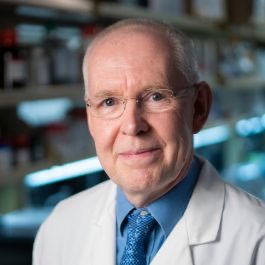 David W. Ellison合作论文数Department of Pathology, St. Jude Children's Research Hospital;Comprehensive Cancer Center, St. Jude Children's Research Hospital3
 Kesserwan Chimene合作论文数National Human Genome Research Institute, National Institutes of Health3
 Jennifer Lanctot合作论文数3
 Yadav Sapkota合作论文数3Liu Qi合作论文数3
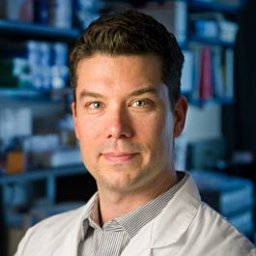 Orr Brent A合作论文数Department of Pathology, Johns Hopkins University School of Medicine3Mulder Heather合作论文数3
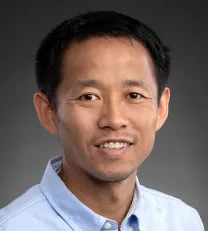 Xin Zhou合作论文数Department of Computational Biology, St. Jude Graduate School of Biomedical Sciences, St. Jude Children's Research Hospital3Wenan Chen合作论文数Department of Computer Science, Virginia Commonwealth University3Dale J. Hedges合作论文数Department of Biological Sciences;Biological Computation and Visualization Center;Louisiana State University;Biological Computation and Visualization Center, Louisiana State University3
 Mark R Wilkinson合作论文数2Darrell Gentry合作论文数2Andrew Frantz合作论文数2Braden E Boone合作论文数2Jobin Sunny合作论文数2Rahul Mudunuri合作论文数2Bob Davidson合作论文数2Naina Thangaraj合作论文数2Ed Suh合作论文数2Leigh Tanner合作论文数2Geralyn Miller合作论文数2Eric Caron合作论文数2Kirby Birch合作论文数2Scott G. Foy合作论文数2Singer Ma合作论文数2




