Hepatic artery thrombosis is a concerning complication of orthotopic liver transplantation, and it most often occurs early in the posttransplant period. However, on rare occasions it can occur at a time remote from transplant. We present a case of ischemic cholangiopathy complicated by stricture and anastomotic bile leak from chronic hepatic artery thrombosis that occurred 11 years after the transplant. The initial biliary stenting helped with the resolution of the leak but she was found to have stones, sludge and copious pus at the time of stent exchange. Hepatic arteriography demonstrated complete occlusion of the transplant hepatic artery with periportal collaterals reconstituting intrahepatic hepatic arterial branches. The patient was subsequently referred for repeat liver transplantation.
Purpose: To evaluate the effectiveness and safety of yttrium-90 transarterial radioembolization (TARE) for the treatment of primary and metastatic soft tissue sarcoma (STS) of the liver. Materials and Methods: A retrospective review of 39 patients with primary (n = 2) and metastatic (n = 37) hepatic STS treated with TARE at 4 institutions was performed. Fourteen STS subtypes were included, with leiomyosarcoma being the most common (51%). TARE with glass (22 patients) or resin (17 patients) microspheres was performed, with single lobe (17 patients) or bilobar treatment (22 patients) based on disease burden. Adverse events of treatment, overall survival (OS), and tumor response at 3, 6, and 12 months after TARE were assessed per the Response Evaluation Criteria in Solid Tumors. Results: Fourteen patients demonstrated either partial or complete response to therapy, with an objective response rate of 36%. Thirty patients (77%) demonstrated disease control (DC)-either stable disease or response to treatment. Median OS was 30 months (95% confidence interval 12-43 months) for all patients. DC at 3 months was associated with an increased median OS (44 months) compared with progressive disease (PD) (7.5 months; P < .0001). Patients with DC at 6 months also demonstrated an increased median OS (38 months) compared to patients with PD (17 months; P = .0443). Substantial adverse events included 1 liver abscess, I gastric ulceration, and 1 pneumonitis. Conclusions: Patients with hepatic STS treated with TARE demonstrated a high rate of DC and a median OS of 30 months, which suggests a role for TARE in the palliation of hepatic STS.
Purpose To determine the frequency of hepatobiliary infections after transarterial radioembolization (TARE) with yttrium 90 (90Y) in patients with liver malignancy and a history of biliary intervention. Materials and Methods For this retrospective study, records of all consecutive patients with liver malignancy and history of biliary intervention treated with TARE at 14 centers between 2005 and 2015 were reviewed. Data regarding liver function, 90Y dosimetry, antibiotic prophylaxis, and bowel preparation prophylaxis were collected. Primary outcome was development of hepatobiliary infection. Results One hundred twenty-six patients (84 men, 42 women; mean age, 68.8 years) with primary (n = 39) or metastatic (n = 87) liver malignancy and history of biliary intervention underwent 180 procedures with glass (92 procedures) or resin (88 procedures) microspheres. Hepatobiliary infections (liver abscesses in nine patients, cholangitis in five patients) developed in 10 of the 126 patients (7.9%) after 11 of the 180 procedures (6.1%; nine of those procedures were performed with glass microspheres). All patients required hospitalization (median stay, 12 days; range, 2-113 days). Ten patients required percutaneous abscess drainage, three patients underwent endoscopic stent placement and stone removal, and one patient needed insertion of percutaneous biliary drains. Infections resolved in five patients, four patients died (two from infection and two from cancer progression while infection was being treated), and one patient continued to receive suppressive antibiotics. Use of glass microspheres (P = .02), previous liver resection or ablation (P = .02), and younger age (P = .003) were independently predictive of higher infection risk. Conclusion Infectious complications such as liver abscess and cholangitis are uncommon but serious complications of transarterial radioembolization with 90Y in patients with liver malignancy and a history of biliary intervention.
Purpose: To characterize the unique experiences, values, and perspectives of interventional radiology (IR) fellows.Materials and Methods: Sixteen fellows from 4 US vascular and IR programs were interviewed within 2 months of beginning and 2-3 months following their 2015-2016 fellowships about patient interactions, training experiences, and views of IR and other specialties. Interviews were systematically analyzed for dominant themes by using constructivist grounded theory. Four interviews with 2015-2016 interventional cardiology fellows,. 16 interviews with IR attending physicians, and online descriptions of IR were also analyzed for context. Themes were compared qualitatively and quantitatively.Results: Interobserver agreement was good for interview themes (kappa = 0.70; P < .0001). IR fellows' professional identity emerged primarily from radiologic and surgical interests, with distinct emphasis On-being "innovators," "thinking differently," and "needing to adapt and advertise abilities to survive." Fellows' descriptions of patient care were more clinically focused than past interviews-with attending physicians (P = .05), but clinical interests common in medical specialties were limited, and descriptions of "nonprocedural patient care" were primarily periprocedural (81%). Descriptions of the future of the field conveyed competing pressures, loose role definition, and disconnect between academic and private-practice IR.Conclusions: IR fellows share professional interests, views of their field and others, and descriptions of patient care, but there is uncertainty regarding future roles of the specialty and a need for more specific and unified definitions of nonprocedural patient care in TR.
The treatment approach for hepatocellular carcinoma (HCC) depends on the stage and extent of disease, the severity of the underlying liver disease, and the overall performance status of the patient. Treatment consists of 4 main strategies: surgery (eg, resection and liver transplant), locoregional procedures (eg, ablation and transarterial embolization), systemic therapies, and best supportive care. For patients with early-stage tumors, surgical treatment or ablation can be curative. Patients with intermediate-stage disease can be candidates for embolization, administered as either transarterial chemoembolization (TACE) or transarterial radioembolization (TARE). Systemic therapy is reserved for patients with advanced or unresectable disease. For the past decade, the multitargeted kinase inhibitor sorafenib has been the only agent approved for unresectable HCC. This approval was followed by several clinical trials investigating other multitargeted kinase inhibitors, but none showed any benefit over single-agent sorafenib. Most patients progress after treatment with first-line sorafenib. In April 2017, the US Food and Drug Administration approved regorafenib for patients with HCC who have been previously treated with sorafenib. In a phase 3 trial, regorafenib significantly improved overall survival vs placebo. A consideration with systemic treatments is the proactive management of adverse events, including toxicities associated with the drugs and progression of liver disease.
PurposeTo determine prevalence of hepatobiliary infections following Yttrium-90 (Y-90) radioembolization in patients with liver malignancy and a history of biliary instrumentation.MaterialsRecords of 80 patients (median age 64 years, 50 men) with primary (n=28) or metastatic (n=52) cancer of the liver and a history of biliary-enteric anastomosis (n=34), sphincterotomy (n=13), or indwelling biliary stent (n=28) or drain (n=2) across the ampula of Vater, who underwent 110 Y-90 radioembolization procedures with resin or glass microspheres at 10 high-volume centers between 2005 and 2015 were retrospectively reviewed. Data regarding previous liver-directed and systemic therapy, performance status, liver function, Y-90 dosimetry, antibiotic and bowel preparation prophylaxis were collected. The primary outcome was development of hepatobiliary infection. Univariate and multivariate analyses were performed using generalized estimating equation method.ResultsHepatobiliary infections (liver abscesses in 8 patients, cholangitis in 4 patients) developed following 9 (8.2%) radioembolization procedures in 9 (11%) patients. Eight patients required at least one hospitalization (range 1-7 per patient), spent a median of 13 days (range 2-113 days) in a hospital for treatment of the infection, and required invasive treatments including percutaneous abscess drainage (n=7), endoscopic retrograde cholangiography with stenting and removal of stones (n=3), or insertion of percutaneous biliary drains (n=1). Infections resolved in 4 patients, 2 patients died as a result of the infection, and 3 patients are continuing to receive broad-spectrum antibiotic therapy. Younger age (p=0.01), higher baseline aspartate aminotransferase (AST) level (p=0.04), larger target liver volume (p=0.02), and a higher delivered Y-90 activity (p=0.03) were associated with a higher risk of infection. Antibiotic prophylaxis and bowel preparation were not protective against infection.ConclusionsLiver abscess and cholangitis are uncommon but morbid and difficult to manage complications of Y-90 radioembolization in patients with a history of biliary instrumentation. PurposeTo determine prevalence of hepatobiliary infections following Yttrium-90 (Y-90) radioembolization in patients with liver malignancy and a history of biliary instrumentation. To determine prevalence of hepatobiliary infections following Yttrium-90 (Y-90) radioembolization in patients with liver malignancy and a history of biliary instrumentation. MaterialsRecords of 80 patients (median age 64 years, 50 men) with primary (n=28) or metastatic (n=52) cancer of the liver and a history of biliary-enteric anastomosis (n=34), sphincterotomy (n=13), or indwelling biliary stent (n=28) or drain (n=2) across the ampula of Vater, who underwent 110 Y-90 radioembolization procedures with resin or glass microspheres at 10 high-volume centers between 2005 and 2015 were retrospectively reviewed. Data regarding previous liver-directed and systemic therapy, performance status, liver function, Y-90 dosimetry, antibiotic and bowel preparation prophylaxis were collected. The primary outcome was development of hepatobiliary infection. Univariate and multivariate analyses were performed using generalized estimating equation method. Records of 80 patients (median age 64 years, 50 men) with primary (n=28) or metastatic (n=52) cancer of the liver and a history of biliary-enteric anastomosis (n=34), sphincterotomy (n=13), or indwelling biliary stent (n=28) or drain (n=2) across the ampula of Vater, who underwent 110 Y-90 radioembolization procedures with resin or glass microspheres at 10 high-volume centers between 2005 and 2015 were retrospectively reviewed. Data regarding previous liver-directed and systemic therapy, performance status, liver function, Y-90 dosimetry, antibiotic and bowel preparation prophylaxis were collected. The primary outcome was development of hepatobiliary infection. Univariate and multivariate analyses were performed using generalized estimating equation method. ResultsHepatobiliary infections (liver abscesses in 8 patients, cholangitis in 4 patients) developed following 9 (8.2%) radioembolization procedures in 9 (11%) patients. Eight patients required at least one hospitalization (range 1-7 per patient), spent a median of 13 days (range 2-113 days) in a hospital for treatment of the infection, and required invasive treatments including percutaneous abscess drainage (n=7), endoscopic retrograde cholangiography with stenting and removal of stones (n=3), or insertion of percutaneous biliary drains (n=1). Infections resolved in 4 patients, 2 patients died as a result of the infection, and 3 patients are continuing to receive broad-spectrum antibiotic therapy. Younger age (p=0.01), higher baseline aspartate aminotransferase (AST) level (p=0.04), larger target liver volume (p=0.02), and a higher delivered Y-90 activity (p=0.03) were associated with a higher risk of infection. Antibiotic prophylaxis and bowel preparation were not protective against infection. Hepatobiliary infections (liver abscesses in 8 patients, cholangitis in 4 patients) developed following 9 (8.2%) radioembolization procedures in 9 (11%) patients. Eight patients required at least one hospitalization (range 1-7 per patient), spent a median of 13 days (range 2-113 days) in a hospital for treatment of the infection, and required invasive treatments including percutaneous abscess drainage (n=7), endoscopic retrograde cholangiography with stenting and removal of stones (n=3), or insertion of percutaneous biliary drains (n=1). Infections resolved in 4 patients, 2 patients died as a result of the infection, and 3 patients are continuing to receive broad-spectrum antibiotic therapy. Younger age (p=0.01), higher baseline aspartate aminotransferase (AST) level (p=0.04), larger target liver volume (p=0.02), and a higher delivered Y-90 activity (p=0.03) were associated with a higher risk of infection. Antibiotic prophylaxis and bowel preparation were not protective against infection. ConclusionsLiver abscess and cholangitis are uncommon but morbid and difficult to manage complications of Y-90 radioembolization in patients with a history of biliary instrumentation. Liver abscess and cholangitis are uncommon but morbid and difficult to manage complications of Y-90 radioembolization in patients with a history of biliary instrumentation.
transfusions, 1 with Von Willdebrand disease having a pseudoaneurysm coiled 6 days after cryoablation, and 3 given 2 unit RBC transfusions (mean Hg drop 3.2 g/dL) with no prolonged hospital stay. Of 35 patients with at least 3 month followup, 26 showed no recurrent mass and 2 showed local recurrence. Conclusion: Embolization prior to cryoablation is a safe means of mitigating potential bleeding in high risk patients undergoing planned cryoablation, particularly for large renal masses in patients with underlying comorbidities and no other treatment option.
Objective:The objectives of this analysis were to compare the outcomes of bile duct injuries by specialist over time and the role of management timing and biliary stents. Background:Postoperative bile duct injuries require multidisciplinary management. In recent years, advancements have occurred in patient evaluation and in timing and type of therapy. Methods:A multidisciplinary team managed 528 patients over 18 years. Mean age was 52 years; 69% were women and 95% had a cholecystectomy and/or bile duct exploration. Patients were classified by the Strasberg system as having bile leaks (type A, n = 239, 45%) or bile duct injuries (types B-E, n = 289, 55%). Injury outcomes from 1993 to 2003 (n = 132) were compared with those from 2004 to 2010 (n = 157). A successful outcome was defined as no need for further intervention after the initial 12 months of therapy. Standard statistical methods were employed. Results:Patients with bile leaks were managed almost exclusively by endoscopists (96%) with a 96% success rate. Patients with bile duct injuries were managed most often by endoscopists (N = 115, 40%) followed by surgeons (N = 104, 36%) and interventional radiologists (N = 70, 24%). Overall success rates were best for surgery (88%, P < 0.05) followed by endoscopy (76%) and interventional radiology (50%) and improved over time (78% vs 69%). Outcomes were best for surgery in recent years (95% vs 80%, P < 0.05) and for patients stented for more than 6 months (P < 0.01). Conclusions:Almost all bile leaks and many bile duct injuries can be managed successfully by endoscopists. Selected proximal injuries can be treated by interventional radiologists with modest success. Outcomes of bile duct injuries are best with surgical management and in patients who are stented for more than 6 months.
Background: Intrahepatic stones are very uncommon in Western societies. In comparison, hepatolithiasis occurs more frequently in Southeast Asia because of the high prevalence of congenital biliary cysts and hepatobiliary parasites. Many Asian patients present with advanced disease which is usually managed with left hepatectomy. In North America both the underlying biliary pathology and the timing of presentation differ, but management has not been standardized, in part, because of the rarity of the disease. This analysis documents the etiology, presentation and outcomes of a transhepatic team approach for management of hepatolithiasis at a Western referral center. Methods: The records of patients with hepatolithiasis managed by interventional radiologists (IR) and surgeons from 2002 through 2012 were reviewed. Surgery was undertaken when required to repair the biliary pathology and/ or when the stone burden was extensive. All but one patient were managed with 20F transhepatic stent(s) placed either percutaneously or during surgery. Choledochoscopy was performed in almost all patients either percutaneously or intraoperatively to assist with stone removal. Laser lithotripsy and balloon dilation were undertaken for difficult stones and strictures. Transhepatic stents were removed when patients were stone and stricture free. A successful outcome was defined as stent removal without symptoms requiring more procedures. Results: Seventy-four patients were managed by IR alone (66%) or by IR and surgery (34%). The mean age was 55.6 years, and 51.4% were women. The majority of patients were Caucasian (80%), and only five (7%) were Asian. Underlying biliary pathology included benign strictures (55%), choledocholithiasis (22%), sclerosing cholangitis (12%), choledochal cysts (10%), and biliary parasites (1%). Twenty patients (27%) had biliary cirrhosis, and 17 of these patients developed hepatolithiasis after undergoing orthotopic liver transplantation. Fifteen additional patients (20%) had a prior biliary-enteric anastomosis. Upper abdominal pain (65%), cholangitis (47%) and jaundice (34%) were the most common presenting symptoms. The median number of IR procedures was 11, and choledochoscopy (88%) laser lithotripsy (68%) and balloon dilation (47%) were performed frequently. Surgical management included cholangioor hepatico-jejunostomy in 22 patients (88%) and hepatectomy in one (4%). Recurrent stone and stricture rates were both 26% and were managed with further biliary stenting. None of the patients have developed a cholangiocarcinoma with a median follow-up of 29 months. Conclusions: A combined interventional radiologic and surgical approach employing large bore transhepatic stents is a safe, but labor intensive, method for managing hepatolithiasis. This approach preserves hepatic parenchyma and prevents malignant degeneration.
PurposeUnited States Nuclear Regulatory Commission (NRC) regulations for patient release following administration of radioactive materials state that release without instructions is permissible if the total effective dose equivalent (TEDE) to the maximally exposed person is less than 1 mSv. Preliminary data suggested that patients treated with 90Y radioembolization should be below this threshold. This multicenter study collected data on measured emitted patient dose following radioembolization to support these initial findings.Materials and MethodsActivity data was obtained from 6 institutions, comprising 804 administrations of 90Y microspheres: 514 resin (SIR-Sphere; Sirtex Medical) and 290 glass (Therasphere; Nordion). Exposure rates were measured at various distances from the patient immediately after infusion. The TEDE to the maximally exposed individual was calculated based on the total-body residence time and exposure rate at 1 meter. This value was then compared to the NRC release criteria to determine whether instructions were required.ResultsMean administered activity for all treatments was 1.67 ± 1.20 GBq (0.07 - 7.96 GBq): 1.18 ± 0.62 GBq (0.07 - 3.43 GBq) for resin and 2.52 ± 1.47 GBq (0.34 - 7.96 GBq) for glass. Following treatment, the mean measured dose rate at 1 m for all treatments was 1.8 ± 2.0 μSv/h (0.009 - 16 μSv/h): 1.8 ± 2.0 μSv/h (0.009-16 μSv/h) for resin, and 1.9 ± 2.1 μSv/h (0.009-12 μSv/h) for glass. The mean TEDE to the maximally exposed contact for all treatments was 0.04 ± 0.04 mSv (0.0002 - 0.37 mSv): 0.04 ± 0.04 mSv (0.0002 - 0.37 mSv) for resin and 0.04 ± 0.05 mSv (0.0002 - 0.27 mSv) for glass. No patients exceeded the 1mSv threshold of the NRC.ConclusionApplying the NRC regulations for patient release without instructions, the mean and maximum TEDE following all 804 radioembolization infusions were well within the 1 mSv threshold up to a maximum administered activity of 7.96 GBq. Given that the highest TEDE value was 0.37 mSv, it is highly likely that release without instructions would be acceptable for much higher administered activity as clinically appropriate. PurposeUnited States Nuclear Regulatory Commission (NRC) regulations for patient release following administration of radioactive materials state that release without instructions is permissible if the total effective dose equivalent (TEDE) to the maximally exposed person is less than 1 mSv. Preliminary data suggested that patients treated with 90Y radioembolization should be below this threshold. This multicenter study collected data on measured emitted patient dose following radioembolization to support these initial findings. United States Nuclear Regulatory Commission (NRC) regulations for patient release following administration of radioactive materials state that release without instructions is permissible if the total effective dose equivalent (TEDE) to the maximally exposed person is less than 1 mSv. Preliminary data suggested that patients treated with 90Y radioembolization should be below this threshold. This multicenter study collected data on measured emitted patient dose following radioembolization to support these initial findings. Materials and MethodsActivity data was obtained from 6 institutions, comprising 804 administrations of 90Y microspheres: 514 resin (SIR-Sphere; Sirtex Medical) and 290 glass (Therasphere; Nordion). Exposure rates were measured at various distances from the patient immediately after infusion. The TEDE to the maximally exposed individual was calculated based on the total-body residence time and exposure rate at 1 meter. This value was then compared to the NRC release criteria to determine whether instructions were required. Activity data was obtained from 6 institutions, comprising 804 administrations of 90Y microspheres: 514 resin (SIR-Sphere; Sirtex Medical) and 290 glass (Therasphere; Nordion). Exposure rates were measured at various distances from the patient immediately after infusion. The TEDE to the maximally exposed individual was calculated based on the total-body residence time and exposure rate at 1 meter. This value was then compared to the NRC release criteria to determine whether instructions were required. ResultsMean administered activity for all treatments was 1.67 ± 1.20 GBq (0.07 - 7.96 GBq): 1.18 ± 0.62 GBq (0.07 - 3.43 GBq) for resin and 2.52 ± 1.47 GBq (0.34 - 7.96 GBq) for glass. Following treatment, the mean measured dose rate at 1 m for all treatments was 1.8 ± 2.0 μSv/h (0.009 - 16 μSv/h): 1.8 ± 2.0 μSv/h (0.009-16 μSv/h) for resin, and 1.9 ± 2.1 μSv/h (0.009-12 μSv/h) for glass. The mean TEDE to the maximally exposed contact for all treatments was 0.04 ± 0.04 mSv (0.0002 - 0.37 mSv): 0.04 ± 0.04 mSv (0.0002 - 0.37 mSv) for resin and 0.04 ± 0.05 mSv (0.0002 - 0.27 mSv) for glass. No patients exceeded the 1mSv threshold of the NRC. Mean administered activity for all treatments was 1.67 ± 1.20 GBq (0.07 - 7.96 GBq): 1.18 ± 0.62 GBq (0.07 - 3.43 GBq) for resin and 2.52 ± 1.47 GBq (0.34 - 7.96 GBq) for glass. Following treatment, the mean measured dose rate at 1 m for all treatments was 1.8 ± 2.0 μSv/h (0.009 - 16 μSv/h): 1.8 ± 2.0 μSv/h (0.009-16 μSv/h) for resin, and 1.9 ± 2.1 μSv/h (0.009-12 μSv/h) for glass. The mean TEDE to the maximally exposed contact for all treatments was 0.04 ± 0.04 mSv (0.0002 - 0.37 mSv): 0.04 ± 0.04 mSv (0.0002 - 0.37 mSv) for resin and 0.04 ± 0.05 mSv (0.0002 - 0.27 mSv) for glass. No patients exceeded the 1mSv threshold of the NRC. ConclusionApplying the NRC regulations for patient release without instructions, the mean and maximum TEDE following all 804 radioembolization infusions were well within the 1 mSv threshold up to a maximum administered activity of 7.96 GBq. Given that the highest TEDE value was 0.37 mSv, it is highly likely that release without instructions would be acceptable for much higher administered activity as clinically appropriate. Applying the NRC regulations for patient release without instructions, the mean and maximum TEDE following all 804 radioembolization infusions were well within the 1 mSv threshold up to a maximum administered activity of 7.96 GBq. Given that the highest TEDE value was 0.37 mSv, it is highly likely that release without instructions would be acceptable for much higher administered activity as clinically appropriate.
Introduction:Oxidative stress plays an important role in the pathogenesis of many liver diseases. Investigators often measure markers of oxidative stress in peripheral veins as a reflection of hepatic oxidative stress as it is not always feasible to measure oxidative stress in liver tissue. However, it is unknown whether markers of oxidative stress measured from peripheral sites accurately reflect hepatic tissue oxidative stress. The aim of this study is to examine the relationship of oxidative stress marker among hepatic tissue, hepatic and peripheral veins and urine. Methods:Malondialdehyde (MDA), a marker of oxidative stress was measured in hepatic vein, peripheral vein and urine samples from 26 consecutive patients undergoing transjugular liver procedures. In 19 patients undergoing liver biopsies, we measured MDA by immunohistochemical staining of paraffin-embedded liver tissue. Results:Peripheral venous MDA levels showed significant correlation with hepatic venous MDA levels (r = 0.62, P = 0.02), but they did not correlate with hepatic tissue MDA content (r = 0.22, P = 0.4). Hepatic venous MDA levels did not correlate with hepatic tissue MDA content (r = −0.01, P = 0.9). Subgroup analysis of patients without portal hypertension showed a positive correlation between hepatic venous and hepatic tissue MDA levels, but this was not statistically significant (r = 0.45, P = 0.22). Urinary MDA did not correlate with MDA from any other sampling location. Conclusion:Oxidative stress measured from the peripheral venous samples is poorly reflective of hepatic tissue oxidative stress. Hepatic venous sampling might be suitable for assessing hepatic tissue oxidative stress in patients without portal hypertension, but a larger study is needed to examine this possibility.
Background: Current imaging modalities may not be able to detect endoleaks, differentiate between type II and type III, or localize inflow and outflow sources. We describe a new technique that can characterize endoleaks to guide secondary intervention.Methods: One hundred four patients with Zenith (Cook, Inc.) endograft repair of abdominal aortic aneurysms (AAAs) were monitored by serial computed tomographic angiography (CTA). Endoleaks were evaluated with a dynamic CTA using a stationary table position, 24-mm beam collimation, and continuous scanning over 30 to 40 seconds to create a cine.Results: Twelve patients (12%) had endoleaks that persisted or appeared more than 30 days post-deployment. Five patients in whom the standard CT surveillance protocol could not differentiate type II versus type III endoleaks underwent dynamic CTA. This technique accurately characterized the endoleaks and localized inflow and outflow branches to guide the subsequent successful secondary interventions.Conclusions: Dynamic CTA is a useful technique to evaluate endoleaks for characterization and precise localization to guide secondary interventional therapy. (C) 2004 Excerpta Medica, Inc. All rights reserved.
Endovascular Repair of Abdominal Aortic AneurysmsAssessment with Multislice CTJonas Rydberg1, Kenyon K. Kopecky1, Matthew S. Johnson1, Nilesh H. Patel1, Scott A. Persohn1 and Stephen G. Lalka2Audio Available | Share
PURPOSE:To determine the incidence and significance of arterial emboli resulting from surgical thrombectomy/revision of hemodialysis grafts. This information may help in determining the significance and management of similar emboli resulting from percutaneous hemodialysis graft thrombolysis.PATIENTS AND METHODS:Patients undergoing surgical thrombectomy/revision of clotted hemodialysis grafts are studied with postoperative fistulography per institutional protocol whenever possible. For this retrospective study, all postoperative fistulograms from a 1-year period were reviewed for the presence of arterial emboli. Patients with documented arterial emboli were examined for evidence of hand/digital ischemia; only those patients with signs or symptoms of ischemia were treated. At clinical follow-up, repeated evaluation for hand/digital ischemia was performed.RESULTS:Ninety-one thrombectomy/revision procedures were performed during the study period. Postoperative fistulograms were obtained after 67 of these procedures in 32 patients. One patient complained of hand pain during dialysis prior to acquisition of the postoperative fistulogram. Arterial emboli were documented in eight patients (12%; brachial, n = 3; radial, n = 2; ulnar, n = 2; radial/ulnar, n = 1). The single symptomatic brachial embolus was percutaneously removed; no intervention was undertaken in the remainder. At mean follow-up of 14 months, no patient had developed hand or digital ischemia. Subsequent fistulograms demonstrated partial (n = 2) or complete (n = 2) resolution of the untreated emboli.CONCLUSION:Arterial emboli are a relatively common occurrence with surgical thrombectomy/revision. Conservative management appears to be indicated in asymptomatic patients.
 Brown Daniel合作论文数3
 Daniel Sze合作论文数Department of Radiology, Stanford University School of Medicine3
 Charles Nutting合作论文数2Matthew Miller合作论文数2Stuart Sherman合作论文数2
 David Liu合作论文数Department of Radiology and SBME, The University of British Columbia;School of Biomedical Engineering, Faculty of Applied Science, The University of British Columbia;School of Biomedical Engineering, Faculty of Medicine, The University of British Columbia2
 Scott O. Trerotola合作论文数Department of Radiology, Hospital of the University of Pennsylvania2Lokken R Peter合作论文数Department of Radiology, Division of Abdominal Imaging and Intervention, Brigham and Women's Hospital, 75 Francis St, Boston, MA 02115, USA. rlokken@partners.org2Kwan Sharon W合作论文数2Pennycooke Kevin合作论文数2Farsad Khashayar合作论文数1 Dotter Interventional Institute, Oregon Health and Science University2
 James Morrison合作论文数2
 Henry A. Pitt合作论文数Rutgers Cancer Institute of New Jersey;Robert Wood Johnson University Hospital;Rutgers Robert Wood Johnson Medical School, Rutgers University2
 Stephen Lalka合作论文数2Raj Vuppalanchi合作论文数School of Medicine, Indiana University2David M. Agarwal合作论文数2Nicholas Fidelman合作论文数2S. Rose合作论文数1K. Devulapalli合作论文数1
 Sarah B. White合作论文数1Thomas Casciani合作论文数1R. Gaba合作论文数1janak a parikh合作论文数1Sabah Butty合作论文数1Paul Haste合作论文数1Katherine McGee合作论文数1Edward Krajicek合作论文数1Jacob W Fleming合作论文数1Rs Filo合作论文数1Ergin Aralar合作论文数1SA Persohn合作论文数1Eric Addo合作论文数1Nh Patel合作论文数1J Rydberg合作论文数1J. Bui合作论文数1Philani Mpofu合作论文数Dept Biostat, Indiana Univ1
 Shoaib Shafique合作论文数1J Namyslowski合作论文数1
 Robert L Vogelzang合作论文数Department of Radiology, Feinberg School of Medicine, Northwestern University1
 Scott A Resnick合作论文数Department of Radiology, Feinberg School of Medicine, Northwestern University1
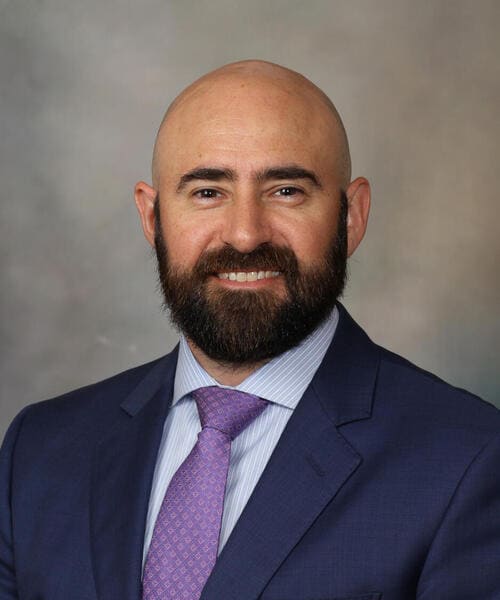 Jeremy D Collins合作论文数Feinberg School of Medicine, Northwestern University;Department of Radiology, Mayo Clinic1
 Robert J Lewandowski合作论文数Hematology and Oncologys, Department of Medicine, Feinberg School of Medicine, Northwestern University1
 Larry E Antonuk合作论文数Physics Division, Department of Radiation Oncology, School of Medicine, University of Michigan;Biomedical Engineering Department, College of Engineering, University of Michigan1
 Paul A Bottomley合作论文数Department of Radiology, School of Medicine, Johns Hopkins University1
 Michael C. Soulen合作论文数Department of Radiology, Perelman School of Medicine, University of Pennsylvania1
 James E Klaunig合作论文数School of Public Health, Indiana University Bloomington1Gaba Ron C合作论文数Div Intervent Radiol, Univ Illinois Hosp & Hlth Sci Syst1Kerlan Robert K合作论文数1Beane Joal D合作论文数Department of Surgery, Indiana University School of Medicine1




