Few studies have established the influence of different aspects of early childhood development and education (ECDE) quality on children’s outcomes in low-resourced settings in sub-Saharan Africa. We examined the impact of different aspects of ECDE quality on school readiness in a low-income context. The current study is a cross-sectional sub-study of the Tayari preschool pilot program evaluation. Baseline data were collected from public ECDE centers. Multiple linear regression analysis was used to establish predictors of school readiness, that is, 4-6-year-old children being mentally, physically, socially and emotionally ready to start and succeed in primary school. Teaching experience, availability of textbooks and school facilities were significant predictors; learners’ school readiness scores decreased with each additional year of teachers’ experience, and were higher where school facilities were better, and in schools where textbooks were available. On the other hand, school enrolment, classroom resources, head teacher support, educational attainment and teacher training did not predict school readiness. Promoting quality preschool programs has important implications for policy as it can lead to improved school readiness and later success for children in disadvantaged settings.
Africa could benefit from the demographic dividend by identifying strategies for investing in the massive youthful workforce. The current study employs the social cognitive career theory perspective to assess Technical Vocational Education and Training (TVET) institutions' curriculum coverage of various skills in Kenya. We further examine the relevance of the curricula to the labour market and barriers affecting institutions' capacity to implement practical-oriented and demand-driven curricula. A cross-sectional research design was adopted using a mixed-method approach to gather and analyse data. Findings revealed different levels of coverage of soft and technical skills in the curriculum. Inadequate resources, lack of modern equipment and technology, and minimal adoption of practical components in the curriculum were identified as barriers to acquiring skills, consequently affecting TVET students' capacity to secure employment. To promote requisite skills acquisition and accelerate youth employability, we recommend a partnership between TVET institutions and the industry. Assessing how the competencies acquired align with labour market demands is also critical. Evidence gathered from this assessment will inform the improvement of existing on-the-job training, enable institutions to scale-up successful models and foster the development of human capital that is more adaptable to the dynamic world of work.
This article focuses on the teaching styles and active teaching in East Africa in an attempt to examine what accounts for differences in performance between schools, and provide some lessons for sub-Saharan Africa. It uses data collected from 428 teachers in primary schools in Kenya; and 157 teachers in primary schools in Uganda. Assessment and classroom lesson video recordings of 436 lessons in math are used to generate evidence on patterns of teaching styles and active teaching. Results show that teaching practice in math is inclined towards the command and task styles that do not promote critical thinking among learners. The dominant teaching activity in math lessons was individual seat work in Kenya; and whole class chorus in Uganda. Overall, active teaching accounted for about half of the lesson time, with the other half being used in activities that do not directly enhance learning opportunities. After accounting for country-specific effects and the grade the teacher was teaching, teaching styles did not explain student performance in math, perhaps due to their ineffectiveness. The implications of these findings to the education systems in sub-Saharan Africa countries is the need to reinvigorate teaching practices; furthermore, any efforts to increase daily learning hours will be counterproductive as almost half of the lesson time is inefficiently utilized inside the classroom.
MOOCs is slowly gaining traction in the education provisioning in SSA. Much of this is attributed to governmental and institutional aim of providing quality and affordable universal education to all learners. This chapter explores how MOOCs is affecting access to learning in SSA, with particular bias to urban education context. Evidence adduced in this chapter was adduced from secondary sources, involving review of relevant literature available from internet sources. In the internet sources visited, key search terms that were used in obtaining the relevant resources included but not limited to: ‘MOOCs and education’, ‘MOOCs in Africa’, ‘Education technologies AND MOOCs in Africa’, ‘MOOCs, OERs adoption and adaptability in Africa’, and ‘MOOCs’ challenges in Africa’ among others. It emerged that while MOOCs is gaining the needed traction in the SSA education space, the pace of its development is slow and calls for a more concerted effort from concerned education stakeholders.
IntroductionThe Nurturing Care Framework (NCF) describes “nurturing care” as the ability of nations and communities to support caregivers and provide an environment that ensures children's good health and nutrition, protects them from threats, and provides opportunities for early learning through responsive and emotionally supportive interaction. We assessed the extent to which Kenyan government policies address the components of the NCF and explored policy/decision makers' views on policy gaps and emerging issues.MethodsA search strategy was formulated to identify policy documents focusing on early childhood development (ECD), health and nutrition, responsive caregiving, opportunities for early learning and security and safety, which are key components of the NCF. We limited the search to policy documents published since 2010 when the Kenya constitution was promulgated and ECD functions devolved to county governments. Policy/decision-maker interviews were also conducted to clarify emerging gaps from policy data. Data was extracted, coded and analyzed based on the components of the NCF. Framework analysis was used for interview data with NCF being the main framework of analysis. The Jaccard's similarity coefficient was used to assess similarities between the themes being compared to further understand the challenges, successes and future plans of policy and implementation under each of the NCF domains.Results127 policy documents were retrieved from government e-repository and county websites. Of these, n = 91 were assessed against the inclusion criteria, and n = 66 were included in final analysis. The 66 documents included 47 County Integrated Development Plans (CIDPs) and 19 national policy documents. Twenty policy/decision-maker interviews were conducted. Analysis of both policy and interview data reveal that, while areas of health and nutrition have been considered in policies and county level plans (coefficients >0.5), the domains of early learning, responsive caregiving and safety and security face significant policy and implementation gaps (coefficients ≤ 0.5), particularly for the 0–3 year age group. Inconsistencies were noted between county level implementation plans and national policies in areas such as support for children with disabilities and allocation of budget to early learning and nutrition domains.ConclusionFindings indicate a strong focus on nutrition and health with limited coverage of responsive caregiving and opportunities for early learning domains. Therefore, if nurturing care goals are to be achieved in Kenya, policies are needed to support current gaps identified with urgent need for policies of minimum standards that provide support for improvements across all Nurturing Care Framework domains.
In sub-Saharan Africa (SSA), rapid urbanisation coupled with the high prevalence of infant and young child (IYC) undernutrition in low-income settings means that interventions to support IYC nutrition are a priority. Little is known about how urbanisation influences IYC feeding (IYCF) practices, and evidence-based interventions to improve IYC health/nutrition in the urban poor are lacking. Therefore, this research aimed to (a) systematically review evidence on interventions for improving the nutritional status of IYC aged 6-23 months living in urban poor areas (PROSPERO CRD42018091265) and (b) engage stakeholders to identify the highest ranking evidence gaps for improving IYCF programmes/policies. First, a rapid systematic review was conducted. This focused on the literature published regarding nutrition-specific and nutrition-sensitive complementary feeding interventions in urban poor areas, specifically low-income informal settlements, in low- and middle-income countries (LMICs). Six intervention studies met the review inclusion criteria. Intervention adherence was generally high, and indicators of maternal knowledge and IYC nutritional intake typically increased because of the interventions, but the impact on anthropometric status was small. Second, stakeholders working across SSA were engaged via a Delphi-based approach to identify priority areas for future intervention. Stakeholders reported that a situational analysis was required to better understand IYCF in urban poor areas, particularly the causes of IYC undernutrition, and highlighted the need to involve local communities in defining how future work should proceed. Together, these findings indicate a need for more evidence regarding IYCF and the factors that drive it in urban poor areas across LMIC settings, but particularly in SSA.
Introduction: Urbanization is a double-edged sword, while it is transforming the world, it is also creating spaces that pose threats to its benefits. In sub-Saharan Africa, urbanization is occurring amidst slowed economic growth and into spaces that are already strained. This is resulting in the growth of urban poverty and possibly increasing inequalities. It is thus imperative to understand the effects of urbanization in realizing inclusive and equitable education for all. Objective: We examine inequalities in enrolment of schooling going children aged 6–17 years living in urban areas using the latest Demographic and Health Surveys data from 24 SSA countries. Methods: We utilize three measures of inequality: Rate difference, rate ratio, and relative concentration index to examine inequalities in education access. Using wealth status as the key inequality indicator, we compute and compare school enrollment of children living in urban poor households with that of those living in urban rich households for each measure of inequality. Where appropriate, we stratify the results by country, age, and gender. Results: The results show high levels of inequalities in education access in urban settings. Across all the measures of inequality, in most countries, children from urban poor households were significantly less likely to be in school compared to those from the richest ranked households. The degree of inequality varied considerably between countries and the age groups. Among children aged 6–11 years, Tanzania, Burundi, Nigeria, and Uganda had the highest degree of inequality favouring the urban rich. We also find intriguing results in few countries such as Ethiopia, Benin, Senegal and Mali, which the urban poor had, better school enrolments than the urban rich. We do not find a clear pattern to suggest girls from poor households are overly disadvantaged than boys from similar households. Conclusion: Our study shows a high level of inequalities in education access in an urban setting, with children age in urban poor settings hugely disadvantaged. There is a need for strategic efforts in terms of deliberate interventions and policy frameworks to combat the apparent inequalities that disadvantage children from poor families from accessing education.
Introduction: The integration of an informative and inclusive monitoring, evaluation and learning process which requires appropriate tools and methods is crucial to the effective implementation of early childhood interventions. Most of the child development assessment tools that have been constructed for use in sub-Saharan Africa consider the need to be affordable and feasibly administered by those with limited previous experience. These tools include the Kilifi Developmental Inventory (KDI), the A-not-B task, the Developmental Milestones Checklist, and the Profile for Socio-Emotional Development (PSED) which each use different approaches such as direct child assessment, observation, and parental reports. Whereas these tools have demonstrated good psychometric properties, each of them focusses either on only one or two child developmental domains, does not adequately measure all aspects of the different domains that are theoretically affected by a risk factor or intervention, or is not in sufficient depth. We therefore constructed a tool that combined these separate measures into one assessment schedule – the Protocol for Child Monitoring – Infant/Toddler version (PCM-IT). We subjected the combined tool to a process of pilot testing and validation to establish its psychometric properties, the feasibility of administration and acceptability.Method: The framework of five aspirations (inclusive, informative, people-centered, dynamic and interactive) that guide effective intervention delivery mechanisms was used to structure the evaluation of the PCM-IT. The piloting of the administration of the PCM-IT was based on a proof-of-concept study with a multi-arm pre-post design in Kibera and Kangemi, while the validation study was carried out in Mathare. The three areas are informal settlements in Nairobi. The results of the pilot study informed the selection of items that were included in the validation study.Results: The timed items were too difficult for the children included in the study and were therefore excluded. Overall, the PCM-IT had excellent reliability levels. Children’s raw sub-scale and overall developmental scores were normally distributed. There were weak to moderate correlations across the different domains. Speed and fluency of administration of items among the assessment team improved with practice and familiarity. The tool was perceived as providing holistic information about a child’s performance. Conclusion: The aspirations of Measurement for Change including the need for a tool development and administration process to be inclusive, informative, people-centered, and dynamic were met to a large extent. The aspiration of being interactive would be better met through an exploration of the use of the tool to engage with families to strengthen the quality of their nurturing care practices.
Indulgence in risky behavior is a reason for low academic performance. We hypothesized that four constructs including academic aspiration, self-confidence, interest in schooling, and peer influence mediate the relationship between risky behavior and academic performance. Data are from 1256 school-going girls in urban slums who came from the lowest 40% of poor households. Results show that indulgence in risky behavior leads to low aspiration, low self-confidence, and low interest in schooling. The constructs mediate between risky behavior and academic performance even after accounting for covariates. The results imply that education practitioners can focus on soft-skills to enhance academic achievement.
This article examines why poor urban households utilize low-fee private schools despite the government's pro-poor free primary education program in Kenya. Cross-sectional data collected in 2010 through a demographic surveillance survey is analyzed. Students' parents responded to questions concerning their perceptions of the quality of schooling after the introduction of free primary education. In total, 6,660 students living in 4,220 households are included in the analysis. A structural equation model was estimated to investigate how perceived quality of schooling, direct schooling costs, and distance to school affected the household's choice of school. Results show that poor households utilize low-fee private schools because of physical convenience, rather than quality of education and/or low-fees charged. We conclude that enhanced accessibility to government schools among poor urban households and provision of capitation grants targeting children from these households rather than the schools are urgently needed.
Research shows that children living with two biological parents outperform those raised in other family structures. A growing number of children do not live with two biological parents in sub-Saharan Africa, but few studies have examined the consequences. In this article, data from the African Population and Health Research Center collected in the slums of Nairobi are fitted to a logistic regression model to test the hypothesis that two-parent families are most favorable to schooling outcomes in Kenya. After controlling for socioeconomic variables, the effect of family structure on educational attainment of children persists. Children in two-parent households were 40% (unadjusted odds ratio [UOR] = 1.40, p = .01) and 16% (adjusted odds ratio [AOR] = 1.16, p = .1) more likely to be in the right age for grade compared with children in one-parent households. The study calls for strengthening single-parent households to achieve better educational outcomes for the children.
ABSTRACT The paper examines the link between school effectiveness and academic performance among primary schools in Nairobi city, Kenya. Data are from 1120 teachers spread in 89 primary schools. Using multivariate regression analysis, the school effectiveness correlates and school academic performance are investigated. Results show existence of a latent variable that strongly explains academic performance even after accounting for covariates. This implies that poor parents in urban poor neighbourhoods choose to enrol their children in schools perceived to be effective; and, investment on strategies that enhance school effectiveness could go a long way to improve school academic performance.
Malnutrition remains a universal problem, with at least one in three people experiencing it. It is linked, either directly or indirectly, to the major causes of death and disability. Although the amounts of certain nutrients required by the body vary somewhat depending on the stage of life, human beings generally require the same nutrients throughout their life cycle. In response to the rapid anabolic activity, infancy, childhood, adolescence, pregnancy and lactation are periods of life for special consideration. In Africa, more than one-third of children under the age of 5 are stunted, while close to half of the women are underweight. In particular the urban poor settings in sub-Saharan Africa are experiencing the problem of a double burden of malnutrition, with undernutrition coexisting within the same community or households with overnutrition. There is, however, no single personalized approach toward solving the high malnutrition rates; rather separate uncoordinated efforts of various nutrition-specific and nutrition-sensitive interventions. Emphasis now should be given and efforts directed to the implementation of highly effective nutrition-specific and nutrition-sensitive interventions to reduce the costs of malnutrition.
This paper examines a procedure measuring student competencies in numeracy using school-based assessments, and demonstrates how the procedure informs the school system on quality improvement. The sample consisted of 7648 students, attending three different types of urban schools including government, formal private and low cost private in poor informal settlements in Kenya. The numeracy tool measures six curriculum outcome areas. Each outcome area is defined by 2-11 measured items based on the emphasis given to an area in the curriculum. Within each of the outcome areas, items are also hypothesised to measure categories of the cognitive domain of learning. Using the Rasch, we examine the item difficulties, person location and differential item functioning. The paper provides important implications to provision of evidence to inform teaching in poor urban informal settlements in Kenya and this can also be replicated in other sub-Saharan African countries.
Research evidence has established the importance of mothers’ education and their children’s educational achievement. However, little has been done to establish the association between mothers’ education with girls’ literacy and numeracy scores, while linking it with self-efficacy. Using baseline data collected in Kibera informal settlement in 2015 as part of the Adolescent Girls Initiative–Kenya (AGI-K), this article tests the mother–child education achievement hypothesis while taking into account girls’ self-efficacy. Results show a significant association between parental education and numeracy and cognitive scores at the bivariate level. In addition, interaction effects of mother’s and father’s education showed that girls whose mothers had at least some secondary education significantly performed better in numeracy, while the performance increased even more with increased father’s level of education. Findings also show that on average, girls’ numeracy and cognitive scores significantly increased by half of a standard deviation for a unit increment in self-efficacy. One policy implication is that investments into the secondary education of mothers in support of their daughter’s education need to strengthen individual attributes of girls in self-efficacy.
A well-established empirical association exists between family background and children's educational attainment. Studies have shown the importance of parental education for not just children's educational outcomes but also other behavioral, and health outcomes. In this paper, data collected by African Population and Health Research Center in 2012 across Nairobi's slums are fitted to a logistic regression to estimate the likelihood of secondary school completion. Even after controlling for influential covariates such as socioeconomic status; parental survivorship; slum area of residence and duration of stay; marital status; and substance abuse the effect of parental education on secondary school completion persists. Among female adolescents compared to male adolescents, parental presence, drug abuse, and migration into the slum compared to birth in the slum were associated with lower school completion. Overall, the study confirms the importance of parental education for adolescent secondary school completion but extends its effects beyond that reported in the literature on SSA, which is that mother's and father's education affect the acquisition of literacy and numeracy, math achievement, age for grade, and cognitive development.
Child mortality in Kenya is often associated with individual level factors including socio-economic status, nutritional status, and poor access to health services. Geographical factors are less documented as important predictors of child mortality in the country. Using a Bayesian geo-additive survival model, this paper examines the factors associated with child mortality in two Nairobi slums, Korogocho and Viwandani, accounting for spatial random effects. It uses longitudinal data for the period 2006-2011 involving 30339 children aged below five years from the Nairobi Urban Health and Demographic Surveillance System implemented in the two slums. In addition to determinants such as mother’s education and age, size of the household and ethnicity, our findings show a certain spatial structure in child mortality risk, with differences between some villages in Viwandani, while no spatial variations were observed in Korogocho. The results call for specific efforts from policymakers to refine child health interventions in Nairobi’s urban slums
The objective of the paper is to examine the challenges of girls’ education in a poor urban context in Nairobi. This paper is motivated by the need to identify challenges affecting girls’ education in poor urban context in Nairobi. These challenges are identified from the lens of the community gatekeepers and the parents, who are key stakeholders in education at the local level. Data come from a qualitative component of the baseline study conducted in Korogocho and Viwandani, in Nairobi, collected in June and July 2013 using in-depth interviews and focus group discussions (FGDs). One of the most striking finding was role modelling to their daughters. This was evident from those households that had single parents. The study emphasizes that children should be better raised with the support of the whole community. This would enable parents to provide effective support to girls’ education and hence realize their full potential.
 Moses Ngware合作论文数34
 Moses Oketch合作论文数Faculty of Education and Society, University College London;Institute of Education, University College London;Centre for Education and International Development, University College London22
 Benta A. Abuya合作论文数9
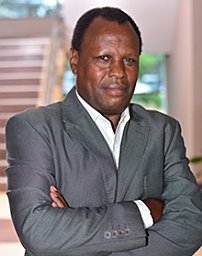 Njora Hungi合作论文数Flinders University Adelaide8
 Milka Nyariro合作论文数African Populat & Hlth Res Ctr, APHRC Campus6
 Alex Chika Ezeh合作论文数Department of Community Health and Prevention, Dornsife School of Public Health, Drexel University6
 peter musyoka合作论文数Kenyatta Univ5Kabiru Caroline W合作论文数5
 Gerald Mahuro合作论文数African Populat & Hlth Res Ctr, APHRC Campus4James Ciera合作论文数3jackline sagwe合作论文数3
 Ngianga-Bakwin Kandala合作论文数Div Hlth Sci, Univ Warwick3kassahun admassu合作论文数2
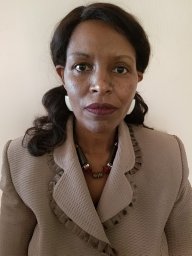 Elizabeth Mwaniki合作论文数Dept Hlth Syst Management & Publ Hlth, Tech Univ Kenya2
 Vollan O Ochieng合作论文数Human Development Theme, African Population and Health Research Centre2Patricia Kitsao-Wekulo合作论文数2Epari Ejakait合作论文数2Kenneth Okelo合作论文数African Population and Health Research Center2Elungata Patricia合作论文数2Benedict Orindi合作论文数2
 Eliya Msiyaphazi Zulu合作论文数2
 Emma Haycraft合作论文数School of Psychology, University of Birmingham2
 Jacques Emina合作论文数2
 Elizabeth Kimani-Murage合作论文数Nutrition and Food Systems Unit, African Population and Health Research Center2
 Paula Louise Griffiths合作论文数School of Sport, Exercise and Health Sciences, Loughborough University2Charles Epari合作论文数2Yazoume Ye合作论文数2Robert C Hughes合作论文数1
 Linda Oloo合作论文数1
 Caroline Wainaina合作论文数1
 Eva Kamande合作论文数1Teresia Macharia合作论文数1
 Peter Muriuki合作论文数1Donatien Beguy合作论文数1Penny Holding合作论文数1Khadija Nanga合作论文数1Patrick Amboka合作论文数1
 Caroline Nyambura Thiong'o合作论文数1Ruth Muendo合作论文数1
 John Muchira合作论文数1
 Francis Kiroro合作论文数1
 Alejandra Abufhele合作论文数Campus San Joaquin1
 George Evans Owino合作论文数Dept Sociol Gender & Dev Studies, Kenyatta Univ1
 Cheikh Faye合作论文数UFR Sci & Technol, Assane Seck Univ Ziguinchor1Carolyn Kemunto Nyamasege合作论文数1
 Ivy Chumo合作论文数APHRC Campus, African Populat & Hlth Res Ctr APHRC1
 Mary Abboah-Offei合作论文数Sch Hlth & Life Sci, Univ West Scotland1
 Jere R. Behrman合作论文数Department of Economics, School of Arts & Sciences, University of Pennsylvania1




