Examine the relationship between the inter-superior vena cava (SVC) distance and pulmonary blood flow (PBF) splitting, post-Fontan outcomes, hemodynamics, Fontan geometry, and pulmonary artery (PA) growth in bilateral bidirectional Glenn (BBDG) patients compared to unilateral bidirectional Glenn (BDG) patients. A single center retrospective cohort study comparing demographic, hemodynamic, and post-Fontan outcome variables between BBDG patients and a randomized cohort of BDG patients was conducted. A simple linear regression model was created to evaluate the relationship between Fontan geometry and PBF splitting. Cardiac magnetic resonance images were segmented using Slicer 5.6.2 and center line distance between the right and left SVC was calculated using an in-house code. The relationship between SVC distance and PBF was examined. The Nakata index was compared for BBDG and BDG patients. 42 patients (21 BBDG and 21 BDG) were included. Demographics, post-Fontan complications, and hemodynamics between groups were not different. PBF flow splitting increased as a function of inter-SVC distance. Patients with BBDG experienced a decrease in PA size over time with the mean difference in Nakata index between groups of 128.5 ± 23.73 (95
BACKGROUND:Endothelin-1 (ET1) is a potent vasoconstrictor and stimulator of pulmonary artery smooth muscle cell proliferation. We previously demonstrated that failure to suppress ET1 is associated with morbidity in infants with single ventricle heart disease (SVHD) undergoing stage 2 palliation. OBJECTIVES:The aim of this study is to evaluate whether persistent failure to suppress ET1 is associated with impaired recovery among children with SVHD undergoing the stage 3 (Fontan) operation. METHODS:A prospective cohort study that includes 84 children with SVHD undergoing stage 3 palliation and 50 controls. Samples for ET1 analysis were collected at preoperation (systemic and pulmonary vein), 2, 24, and 48 hours postoperation for SVHD cases and a single timepoint for controls. Primary outcomes were Fontan pressure and systemic oxygen saturation at 24 hours postoperation. RESULTS:SVHD cases showed higher ET1 in the systemic vein than pulmonary vein (1.0 vs 0.7 pg/mL, P < 0.001) and lower systemic vein levels than controls (1.0 vs 1.4 pg/mL, P = 0.001). Among cases, ET1 concentration peaked at 2 hours postoperation, decreased by 24 hours, and was stable but not back to baseline by 48 hours. Adjusting for clinical covariates, higher preoperative ET1 was associated with higher 24-hour Fontan pressure. Higher 24-hour postoperative ET1 was associated with lower systemic oxygen saturation at 24 hours postoperation, higher 24-hour Fontan pressure, more pleural drainage, and longer length of stay. CONCLUSIONS:SVHD children with higher peri-operative ET1 experience more post-stage 3 morbidity. Failure to suppress ET1 may be a modifiable risk factor for intolerance of SVHD palliation.
BACKGROUND:Infants with single ventricle heart disease (SVHD) suffer morbidity from insufficient pulmonary blood flow, which may be related to impaired arginine metabolism. No prior study has reported quantitative mapping of arginine metabolites to evaluate the relationship between circulating metabolite levels and outcomes. METHODS:Prospective cohort study of 75 SVHD cases peri-Stage 2 and 50 healthy controls. We targeted pre- and post-op absolute serum quantification of 9 key members of the arginine metabolism pathway by tandem mass spectrometry. Primary outcomes were length of stay (LOS) and post-Stage 2 hypoxemia. RESULTS:Pre-op cases showed alteration in 6 metabolites including decreased arginine and increased asymmetric dimethyl arginine (ADMA) levels compared to controls. Post-op cases demonstrated decreased arginine and citrulline levels persisting through 48 h. Adjusting for clinical variables, lower pre-op and 2 h post-op concentrations of multiple metabolites, including arginine and citrulline, were associated with longer post-op LOS (p < 0.01). Increased ADMA at 24 h was associated with greater post-op hypoxemia burden (p < 0.05). CONCLUSION:Arginine metabolism is impaired in interstage SVHD infants and is further deranged following Stage 2 palliation. Patients with greater metabolite alterations experience greater post-op morbidity. Decreased arginine metabolism may be an important driver of pathology in SVHD. IMPACT:Interstage infants with SVHD have significantly altered arginine-nitric oxide metabolism compared to healthy children with deficiency of multiple pathway intermediates persisting through 48 h post-Stage 2 palliation. After controlling for clinical covariates and classic catheterization-derived predictors of Stage 2 readiness, both lower pre-operation and lower post-operation circulating metabolite levels were associated with longer post-Stage 2 LOS while increased post-Stage 2 ADMA concentration was associated with greater post-op hypoxemia. Arginine metabolism mapping offers potential for development using personalized medicine strategies as a biomarker of Stage 2 readiness and therapeutic target to improve pulmonary vascular health in infants with SVHD.
Evaluate the use of coronary CTA as an initial assessment for determining Right Ventricle Dependent Coronary Circulation (RVDCC) in neonates with Pulmonary Atresia with Intact Ventricular Septum (PA IVS). Retrospective review of cases with coronary CTA and compare with available catheter angiography, pathology, surgical reports, and outcomes from Mar 2015 to May 2022. In our cohort of 16 patients, 3 were positive for RVDCC, confirmed by pathologic evaluation, and there was concordance for presence or absence of RVDCC with catheter angiography in 5 patients (4 negatives for RVDCC, 1 positive). Clinical follow up for the 8 patients that underwent RV decompression had no clinical evidence of myocardial ischemia. Our findings suggest that coronary CTA is reliable as first-line imaging for determination of RVDCC in neonates with PA IVS. These findings, if supported by further prospective study, may reserve invasive coronary angiography for cases with diagnostic uncertainty or at the time of necessary transcatheter interventions.
BACKGROUND:Repair is preferable for children with mitral valve disease, but mitral valve replacement (MVR) is occasionally necessary. This report presents the results of a multiinstitutional Investigational Device Exemption trial of the 15-mm St Jude (SJM) mechanical mitral valve (Abbott Structural Heart). METHODS:From May 2015 to March 2017, 23 children aged 0.4 to 27.4 months (mean, 7.8 months; 85% <1 year) weighing 2.9 to 10.9 kg (mean, 5.5 kg) at 15 centers underwent MVR with a 15-mm SJM mechanical mitral valve (intraannular, 45%; supraannular, 55%). A total of 21 (91%) of the children had undergone previous cardiac operations. Follow-up until death, valve explantation, or 5 years postoperatively was 100% complete. RESULTS:There were 6 deaths, all in the first 12 months; no death was valve related. Four patients required a pacemaker (2 supraannular, 2 intraannular). Three patients had thrombosis requiring valve explantation at 13, 21, and 35 days postoperatively. Two of these 3 patients were receiving low-molecular-weight heparin for anticoagulation, and the third had factor V Leiden deficiency. There were 5 nonfatal bleeding complications within 4 months of MVR (1-year freedom from bleeding, 71.0%). The 1- and 5-year freedom from death or valve explantation was 71.0%. CONCLUSIONS:In small children with severe mitral valve disease requiring MVR, the 15-mm SJM mechanical mitral valve provides satisfactory hemodynamics. Mortality and complications in these patients are not trivial. Low-molecular-weight heparin likely should be avoided as primary anticoagulation. Eventual valve replacement is inevitable.
BACKGROUND Aortic arch measurements provide a framework for surgical decision-making in neonatal aortic coarctation, specifically in the determination of approach for arch repair by lateral thoracotomy vs median sternotomy. The purpose of this study was to evaluate our experience with transthoracic echocardiography (TTE) and computed tomography angiography (CTA) in the preoperative evaluation of infants with aortic coarctation, specifically comparing arch dimensions as a function of imaging modality. METHODS Imaging data were reviewed for all infants undergoing surgical repair of aortic coarctation at our institution from 2012 to 2022. Infants with both TTE and CTA evaluations were included. Aortic measurements were compared at predefined anatomic regions including ascending aorta, proximal arch, distal arch, and isthmus. RESULTS During the study period, 372 infants underwent surgical coarctation repair; 72 (19.4%) infants had TTE and CTA arch evaluations preoperatively. Significant discrepancies between imaging modalities were defined by poor correlation coefficients and absolute measurement differences and were most prominent in the proximal aortic arch (R2 = 0.23 [-4.4 to 3.2 mm]) and isthmus regions (R2 = 0.11 [-4.2 to 1.7 mm]). Improved correlation was demonstrated in the ascending aorta (R2 = 0.63) and distal aortic arch (R2 = 0.54). CONCLUSIONS Significant variability exists between TTE- and CTA-derived aortic measurements in infants with coarctation, with proximal arch measurements demonstrating the poorest correlation. This anatomic location represents a commonly used arch region for the determination of approach for repair of neonatal aortic coarctation. Thus, these findings have important implications for current preoperative surgical decision-making paradigms and future prospective study to minimize the risk of residual or recurrent arch obstruction.
The purpose of this study was to investigate neo-aortic curvature and diameter variation using the principal component analysis in patients who underwent a Norwood procedure for hypoplastic left heart syndrome. We further assessed whether neo-aortic curvature and diameter features are associated with clinical outcomes, single right ventricle function and flow hemodynamic patterns derived by 4D-Flow MRI. 55 patients with Fontan circulation who underwent a Norwood procedure in infancy underwent cardiac MRI as part of surveillance of their Fontan circulation. Neo-aortic models segmented from the MRI angiography were subjected to principal component analysis. Principal component (PC) score values representing curvature and diameter variability were compared between patients with and without composite clinical event and correlated with standard cardiac hemodynamics. Fourteen patients experienced composite adverse clinical events. The PCs describing the variations in aortic curvature were not associated with cardiac MRI hemodynamics or clinical events. The diameter-based 2nd PC describing the degree of aortic tapering was significantly associated with the end-systolic volume index (R = 0.34, P = 0.011), ejection fraction (R = -0.44, P = 0.001), and viscous energy loss measured in the ascending aorta (R = 0.45, P = 0.009). High 2nd PC score values describing abrupt diameter changes were also associated with worse freedom from clinical events (P = 0.042). Neo-aortic shape variation described by gradual diameter tapering is strongly linked to better clinical and hemodynamic outcomes. Neo-aortic curvature and luminal trajectory seems to have less impact on the overall hemodynamics and long-term outcomes.
ABO-incompatible (ABOi) heart transplantation (HT) has increased organ availability for infants with end-stage heart failure. Despite increasing adoption of ABOi listing for HT, data remain limited regarding pre- and post-HT immunologic profiles to guide listing practices and post-HT follow-up. Thus, the purpose of this study was to evaluate post-HT outcomes at a single center employing inclusive ABOi listing irrespective of pre-HT isohemagglutinin titers. All HT recipients listed at less than 24 months of age at our institution from 2010–2020 were included. Pre- and post-operative variables were compared for ABOi and ABO-compatible (ABOc) recipients. Separate iso-IgG and iso-IgM titers were monitored pre- and post-HT. Primary outcomes were compared between ABOi versus ABOc groups at mid-term follow-up. 51 HTs were performed on 50 patients from 2010–2020 (ABOi, N = 13; ABOc, N = 38). Six ABOi recipients received intra-operative plasma exchange for elevated titers (greater than 1:8 for IgG or IgM or reverse type greater than 2 +). Treated rejection, DSA, CAV, primary graft failure, need for re-HT, and survival were comparable between ABOi and ABOc groups at mid-term follow-up. An inclusive approach to ABOi HT listing for infants less than 24 months of age results in comparable post-transplant rejection-free survival, CAV, and prevalence of DSA at mid-term follow-up. These data define a potential role for specific IgM and IgG testing to promote understanding of risk stratification in pediatric ABOi listing, and support an inclusive strategy irrespective of high pre-HT titers to expand the number of available donor hearts for infants and older children awaiting HT.
AbstractPreliminary evidence suggests perturbations of the kynurenine pathway (KP) of tryptophan metabolism in infants with single ventricle heart disease (SVHD). In 72 infants with SVHD undergoing stage 2 palliation (S2P) and 41 controls, we quantified serum KP metabolite concentrations via tandem mass spectroscopy pre‐S2P and post‐S2P at 2, 24, and 48 h and assessed metabolite relationships with post‐S2P outcomes (length of stay, hypoxemia burden, and intubation duration). Pre‐S2P, SVHD infants had lower tryptophan and serotonin levels and higher kynurenic acid, 3‐hydroxykynurenine, and picolinic acid levels than controls. Post‐S2P, metabolites peaked at 2 h, with return to baseline by 48 h for all except kynurenic acid, which remained elevated. Metabolite concentrations pre‐S2P were poorly associated with outcomes. A lower serotonin peak 2 h post‐S2P was associated with longer length of stay and intubation duration. Multiple metabolites at 24 and 48 h correlated with outcomes; notably, elevated kynurenic acid was associated with worse results for all three outcomes. Our results confirm that interstage SVHD infants have altered KP activity compared to controls. Further, the link between outcomes and KP metabolites post‐S2P—but not at baseline—demonstrates that acute, perioperative changes in tryptophan catabolism may be more important to tolerating S2P physiology than chronic interstage changes.
During the coronavirus 2019 (COVID-19) pandemic, children suffered severe lung injury resulting in acute respiratory distress syndrome requiring support with extracorporeal membrane oxygenation (ECMO). In this case series, we described our center's experience employing a rehabilitation-focused ECMO strategy including extubation during ECMO support in four pediatric patients with acute COVID-19 pneumonia hospitalized from September 2021 to January 2022. All four patients tolerated extubation within 30 days of ECMO initiation and achieved mobility while on ECMO support. Duration of ECMO support was 35-152 days and hospital lengths of stay were 52-167 days. Three of four patients survived. Two of three survivors had normal functional status at discharge except for ongoing respiratory support. The third survivor had significant motor deficits due to critical illness polyneuropathy and was supported with daytime oxygen and nocturnal noninvasive support. Overall, these patients demonstrated good outcomes and tolerance of a rehabilitation-focused ECMO strategy.
There is an urgent need for non-invasive imaging-based biomarkers suitable for diagnostic surveillance of cardiac allograft vasculopathy (CAV) in pediatric heart transplant (PHT) patients. The purpose of this study was to comprehensively investigate left ventricular (LV) myocardial deformation in conjunction with electromechanical discoordination in PHT. PHT patients with and without CAV were evaluated for echocardiography derived global longitudinal strain (GLS) and electromechanical discoordination indices including systolic stretch fraction (SSF) and diastolic relaxation fraction (DRF). SSF was increased in CAV(+) patients at the time of CAV diagnosis (median CAV(+) 5.0 vs. median CAV(-) 0.0, P = 0.008) and in the echocardiogram preceding the CAV diagnosis (median CAV(+) 29.0 vs. median CAV(-) 0.0, P < 0.001). DRF was also increased in the echocardiogram that preceded CAV diagnosis in CAV(+) patients (0.31 ± 0.08 vs. 0.25 ± 0.05, P = 0.008). The final model using indices 6–12 months prior to CAV diagnosis included GLS, SSF, and DRF providing AUC of 0.94 with sensitivity 98.5
Objective: Prior studies suggest that prolonged donor heart warm ischemia time increases heart transplant mortality. Patients with single-ventricle heart disease requiring transplant with concomitant aortic arch or central pulmonary artery reconstruction present technical challenges that extend donor warm ischemia time using conventional techniques. Studies in larger pediatric and adult patients with single-ventricle anatomy have described the use of prosthetic material for concomitant great vessel reconstruction. We have used donor free arterial grafts to simplify concomitant great vessel reconstructions and reduce warm donor ischemia time in small patients with single-ventricle physiology undergoing heart transplant. The purpose of this study is to review our results in these patients. Methods: Children with single-ventricle heart disease who underwent free donor arterial graft great vessel reconstruction at heart transplant were identified, divided into aortic arch and central pulmonary artery groups, and retrospectively reviewed. Warm and total ischemia times were recorded contemporaneously at transplant. Results: Fifteen pediatric patients with single-ventricle physiology underwent donor free arterial graft great vessel reconstructions (9 aortic arch, 6 pulmonary artery). Mean donor warm and total ischemia times for the entire cohort were 52.8 +/- 10.7 and 341.7 +/- 41.2 minutes. Two patients required postoperative extracorporeal membrane oxygenation. Hospital survival was 94% (1 death). There were no late deaths, and 2 patients had late retransplant. There were no early or late aortic or pulmonary artery obstructions, reinterventions, or complications at median follow-up of 14.2 years (interquartile range, 4.2-16.3 years). Conclusions: Donor free arterial grafts for concomitant great vessel reconstruction during heart transplant in small, single-ventricle patients reduces warm ischemia time, simplifies technical demands, and preserves growth potential. (JTCVS Techniques 2024;28:132-8)
Recent advances in available percutaneous device technology require accurate measurements and quantification of relationships between right ventricular outflow tract (RVOT) structures in children with and without congenital heart disease to determine device suitability. To date, no population study has described normal reference ranges of these measurements by computed tomography (CT). We aimed to establish normative values for four CT-derived measurements between RVOT structures from a heterogeneous population without heart disease and develop z scores useful for clinical practice. Patients without heart disease who underwent cardiac CT between April 2014 and February 2021 at Children’s Hospital Colorado were included. Distance between the right ventricular (RV) apex to pulmonary valve (PV), PV to pulmonary trunk bifurcation, and bifurcation to the right and left pulmonary artery was measured. Previously validated models were used to normalize the measurements and calculate Z scores. Each measurement was plotted against BSA and Z scores distributions were used as reference lines. Three-hundred and sixty-four healthy patients with a mean age of 8.8 years (range 1–21), 58% male, and BSA of 1 m 2 (range 0.4–2.1) were analyzed. The Haycock formula was used to present data as predicted values for a given BSA and within equations relating each measurement to BSA. Predicted values and Z-score boundaries for all measurements are presented.We report CT-derived normative data for four measurements between RVOT structures from a heterogeneous cohort of healthy children. Knowledge of this normative data will be useful in both determining device fit and customizing future devices to accommodate the diverse pediatric size range.
Children with single ventricle heart disease (SVHD) experience morbidity due to inadequate pulmonary blood flow. Using proteomic screening, our group previously identified members of the matrix metalloproteinase (MMP), tissue inhibitor of metalloproteinase (TIMP), and fibroblast growth factor (FGF) families as potentially dysregulated in SVHD. No prior study has taken a targeted approach to mapping circulating levels of these protein families or their relationship to pulmonary vascular outcomes in SVHD. We performed a prospective cohort study of 70 SVHD infants pre-Stage 2 palliation and 24 healthy controls. We report targeted serum quantification of 39 proteins in the MMP, TIMP, and FGF families using the SomaScan platform. Clinical variables were extracted from the medical record. Twenty of 39 tested proteins (7/14 MMPs, 2/4 TIMPs, and 11/21 FGFs) differed between cases and controls. On single variable testing, 6 proteins and no clinical covariates were associated with both post-Stage 2 hypoxemia and length of stay. Multiple-protein modeling identified increased circulating MMP 7 and MMP 17, and decreased circulating MMP 8 and FGFR2 as most associated with post-Stage 2 hypoxemia; increased MMP 7 and TIMP 4 and decreased circulating MMP 1 and MMP 8 were most associated with post-operation length of stay. The MMP, TIMP, and FGF families are altered in SVHD. Pre-Stage 2 imbalance of extracellular matrix (ECM) proteins-increased MMP 7 and decreased MMP 8-was associated with multiple adverse post-operation outcomes. Maintenance of the ECM may be an important pathophysiologic driver of Stage 2 readiness in SVHD.
Myocardial deformation analysis by cardiac MRI (CMR) yielding global circumferential and longitudinal strain (GCS and GLS) is an increasingly utilized method to accurately quantify systolic function and predict clinical events in patients with Fontan circulation. The purpose of this study was to use principal component analysis (PCA) to investigate myocardial temporal deformation patterns derived from strain–time curves to learn about latent strain features beyond peak values. We conducted the study with specific attention to dominant single left or right ventricle (SLV and SRV) morphologies. Methods and Results: Patients remote from Fontan operation who underwent follow-up CMR were analyzed for standard volumetric and function hemodynamics including myocardial deformation parameters including GCS and GLS. We applied PCA to investigate in an unbiased fashion the strain–time curve morphology and to calculate patient specific shape scores. All variables were subjected to single variable Cox regression analysis to detect composite clinical outcome including death, heart transplant, protein losing enteropathy and plastic bronchitis. A total of 122 patients, (SLV = 67, SRV = 55) with a mean age of 12.7 years underwent comprehensive CMR analysis. The PCA revealed 3 primary modes of strain-curve variation regardless of single ventricle morphology and type of strain investigated. Principle components (PCs) described changes in (1) strain–time curve amplitude, (2) time-to-peak strain, and (3) post-systolic slope of the strain–time curve. Considering only SLV patients, GCS was only CMR variable predictive of clinical events (HR 1.46, p = 0.020). In the SRV group, significant CMR predictors of clinical events were derived indexed end-diastolic (HR 1.02, p = 0.023) and end-systolic ( HR 1.03, p = 0.022) volumes, GCS ( HR 1.91, p = 0.003) and its related first component score (HR 1.20, p = 0.005), GLS (HR 1.32, p = 0.029) and its third component score (HR 1.58, p = 0.017). CMR derived global strain measures are sensitive markers of clinical outcomes in patients with Fontan circulation, particularly in patients with the SRV morphology. Myocardial strain–time curve morphology specific to SLV and SRV patients inspired by unbiased PCA technique can further aid with predicting clinical outcomes.
IntroductionChildren with single ventricle heart disease (SVHD) experience significant morbidity across systems and time, with 70% of patients experiencing acute kidney injury, 33% neurodevelopmental impairment, 14% growth failure, and 5.5% of patients suffering necrotizing enterocolitis. Proteomics is a method to identify new biomarkers and mechanisms of injury in complex physiologic states.MethodsInfants with SVHD in the interstage period were compared to similar-age healthy controls. Serum samples were collected, stored at −80°C, and run on a panel of 1,500 proteins in single batch analysis (Somalogic Inc., CO). Partial Least Squares-Discriminant Analysis (PLS-DA) was used to compare the proteomic profile of cases and controls and t-tests to detect differences in individual proteins (FDR <0.05). Protein network analysis with functional enrichment was performed in STRING and Cytoscape.ResultsPLS-DA readily discriminated between SVHD cases (n = 33) and controls (n = 24) based on their proteomic pattern alone (Accuracy = 0.96, R2 = 0.97, Q2 = 0.80). 568 proteins differed between groups (FDR <0.05). We identified 25 up-regulated functional clusters and 13 down-regulated. Active biological systems fell into six key groups: angiogenesis and cell proliferation/turnover, immune system activation and inflammation, altered metabolism, neural development, gastrointestinal system, and cardiac physiology and development.ConclusionsWe report a clear differentiation in the circulating proteome of patients with SVHD and healthy controls with >500 circulating proteins distinguishing the groups. These proteomic data identify widespread protein dysregulation across multiple biologic systems with promising biological plausibility as drivers of SVHD morbidity.
Background: We developed an automated rapid anastomotic device for HeartMate 3 (HM3) standard apical cuff to Left Ventricle (AC-LV) anastomosis. Tissue anchors and compression plates axially compress the apical cuff sewing skirt to the myocardium. A low-profile delivery tool with integrated targeting system deploys all tissue anchors synchronously. The fixation mechanism minimizes myocardial impact because it confines tissue engagement to the area under the apical cuff sewing skirt. In acute bovine experiments (n=5), HM3 AC-LV anastomoses took less than 1 minute and had excellent hemostasis that was maintained at inotrope-induced supraphysiologic stresses (LV pressures 210-247 mmHg). The purpose of this study was to demonstrate HM3 AC-LV anastomotic durability in chronic bovine implants. Methods: Three calves (weight range 105-123 Kg) underwent HM3 AC-LV anastomosis on the beating heart by lower partial sternotomy with our anastomotic device. Thereafter, cardiopulmonary bypass (CPB) was initiated (ACT >400 seconds), 2 cm. diameter full-thickness LV cores were removed using an Abbott coring tool, and a custom-made sintered titanium plug was inserted to occlude the apical cuff. CPB was weaned, and AC-LV anastomotic hemostasis was assessed qualitatively by Likert Scale (1=unacceptable, 2 = poor, 3 = average, 4 = good, 5 = excellent). Pericardial and bilateral pleural chest tubes (CT) were placed. Serial hematocrit (HCT) and CT outputs were recorded. Anticoagulation was IV heparin at 12 hours, then warfarin through necropsy. Necropsies (gross and microscopic) were done at 56, 57, and 62 days by an experienced independent pathologist. Tissue anchor and compression plate position stability were assessed by acute vs. chronic photograph comparisons. Results: Implants times were 17, 20, and 17 sec. CPB time range was 6-9 min. Acute hemostasis was Likert Scale 5 (excellent) in all cases. At 24 hours, HCT exceeded intra-operative baseline in all animals (range: +2% - +3%) and remained stable. Forty-eight-hour CT output range was 514-760ml. There were no transfusions. In all cases necropsy demonstrated minimal pericardial/pleural adhesions; dense fibrous implant incorporation; stable tissue anchor/compression plate positions; no pseudoaneurysms; concentric smooth fibrous scar at the core site epicardial surface to AC junction (see figure); and implant site histology comparable to manual anastomosis. Conclusion: Rapid automated HM3 AC – LV anastomosis was hemostatic and durable. Additional advantages are greatly reduced operative time; uniform implant technique; precise apical cuff implant site targeting; guaranteed clearance for HM3 pump coupling; facilitates minimal access implant; and minimized myocardial impact (facilitates implant in smaller hearts/ potential to improve recovery). With modifications other LVADs Apical Cuffs can be accommodated, and derivative access ports can facilitate intracardiac device delivery.Figure 1. Concentric smooth fibrous scar at core site epicardial-apical cuff junction
BACKGROUND:Infants with SVHD experience morbidity related to pulmonary vascular inadequacy. Metabolomic analysis involves a systems biology approach to identifying novel biomarkers and pathways in complex diseases. The metabolome of infants with SVHD is not well understood and no prior study has evaluated the relationship between serum metabolite patterns and pulmonary vascular readiness for staged SVHD palliation.OBJECTIVES:The purpose of this study was to evaluate the circulating metabolome of interstage infants with single ventricle heart disease (SVHD) and determine whether metabolite levels were associated with pulmonary vascular inadequacy.METHODS:This was a prospective cohort study of 52 infants with SVHD undergoing Stage 2 palliation and 48 healthy infants. Targeted metabolomic phenotyping (175 metabolites) was performed by tandem mass spectrometry on SVHD pre-Stage 2, post-Stage 2, and control serum samples. Clinical variables were extracted from the medical record.RESULTS:Random forest analysis readily distinguished between cases and controls and preoperative and postoperative samples. Seventy-four of 175 metabolites differed between SVHD and controls. Twenty-seven of 39 metabolic pathways were altered including pentose phosphate and arginine metabolism. Seventy-one metabolites differed in SVHD patients between timepoints. Thirty-three of 39 pathways were altered postoperatively including arginine and tryptophan metabolism. We found trends toward increased preoperative methionine metabolites in patients with higher pulmonary vascular resistance and higher postoperative tryptophan metabolites in patients with greater postoperative hypoxemia.CONCLUSIONS:The circulating metabolome of interstage SVHD infants differs significantly from controls and is further disrupted after Stage 2. Several metabolites showed trends toward association with adverse outcomes. Metabolic dysregulation may be an important factor in early SVHD pathobiology.
Background: Infants with single ventricle heart disease (SVHD) have perturbed kynurenine pathway (KP) function prior to stage 2 palliation. Buildup of kynurenic acid—a byproduct of this pathway—is linked to worse outcomes post stage 2. To date, perturbations along the entire KP have not been delineated in SVHD infants at the time of stage 2 operation. Methods: This is a single center prospective cohort study of 75 infants with SVHD undergoing stage 2 palliation and 50 controls. Targeted analysis of KP metabolites was performed on serum samples via tandem mass spectroscopy prior to stage 2 (baseline) and post-operatively at 2, 24, and 48 hours. Results: Of the 9 KP metabolites, 7 were different between controls and SVHD at baseline (Figure 1A). SVHD infants had lower tryptophan and serotonin; and higher kynurenic acid, 3-hydroxykynurenine, anthranilic acid, picolinic acid, and 3-hydroxyanthranilic acid. After stage 2, there were time related changes in all KP metabolites except tryptophan (Figure 1B). Metabolite concentrations at baseline and 2 hours post-op were poorly correlated with outcomes. At 24 hours, decreases in tryptophan and serotonin along with elevations in kynurenine, kynurenic acid, 3-hydroxykynurine, and quinolinic acid concentrations correlated with outcomes (Figure 1C). At 48 hours, kynurenic acid remained positively correlated with all 3 outcomes (length of stay, hypoxia burden, and intubation length). Conclusions: We demonstrated numerous perturbations in the KP pathway at baseline in SVHD infants compared to controls. We also profiled the trajectory of each metabolite over the 48 hours post stage 2. The link between KP intermediates and poor outcomes post-operatively—but not at baseline—demonstrates that the acute, peri-operative changes in tryptophan catabolism in response to cardiopulmonary bypass are more important to tolerating new stage 2 physiology than chronic changes during the interstage period.
VA-ECMO can be lifesaving in cardiogenic shock in children. While surgical vascular repair is the current standard of care for decannulation, it comes with notable risks. We present a series of eight patients who underwent decannulation with a collagen plug-based vascular closure device (MANTA) for the common femoral artery. Seven of the patients were successfully decannulated without access site-related vascular complications. One required conversion to surgical cut-down with arterial repair due to device failure. This series demonstrates the successful use of the MANTA device in percutaneous VA-ECMO decannulation in the pediatric population, while highlighting potential technical challenges for success.
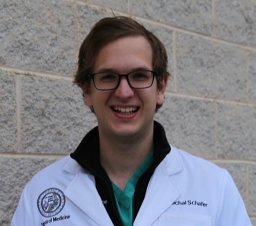 Michal Schäfer合作论文数Childrens Hosp Colorado, Univ Colorado Denver48
 James Jaggers合作论文数44
 Dunbar Ivy合作论文数Department of Pediatrics-Cardiology, University of Colorado School of Medicine;Children’s Hospital Colorado43David N. Campbell合作论文数43
 Benjamin Frank合作论文数1335Gareth J Morgan合作论文数28Browne Lorna P合作论文数27
 Alex Barker合作论文数Department of Radiology & Bioengineering, School of Medicine, University of Colorado;Department of Radiology, Feinberg School of Medicine, Northwestern University;Children's Hospital Colorado27Matthew L Stone合作论文数25von Alvensleben Johannes合作论文数20DiMaria Michael合作论文数17
 Di Maria Michael V合作论文数The Cardiac Center, The Children's Hospital of Philadelphia;The Perelman School of Medicine, The University of Pennsylvania;The Perelman School of Medicine, The University of Pennsylvania17
 Davidson Jesse合作论文数Children's Hospital Colorado, University of Colorado School of Medicine16
 Mark Twite合作论文数15
 Kendall Hunter合作论文数Department of Bioengineering, School of Medicine, University of Colorado Anschutz Medical Campus;Children's Hospital Colorado14
 Ludmila Khailova合作论文数14Shelley D. Miyamoto合作论文数The Children’s Hospital, University of Colorado Denver Health Sciences Center13Truong Uyen T合作论文数12Gareth Morgan合作论文数10
 Eduardo da Cruz合作论文数10
 Brian M Fonseca合作论文数University of Colorado10Jelena Klawitter合作论文数10Younoszai Adel K合作论文数9Neil Wilson合作论文数8Roni M. Jacobsen合作论文数7Kathryn K. Collins合作论文数7Lori Silveira合作论文数6
 David R Clarke合作论文数6Steven P. Goldberg合作论文数6
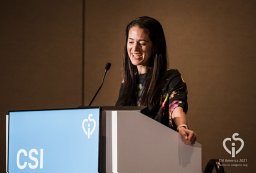 Jenny E Zablah合作论文数Heart Inst, Univ Colorado Denver5
 Francois G Lacour-Gayet合作论文数5Pietra Biagio A合作论文数5Malone Ladonna J合作论文数5Caitlin Brateng合作论文数4Sierra Niemiec合作论文数4
 Alex J Barker合作论文数4John Iguidbashian合作论文数4
 Kathryn C Chatfield合作论文数Pediatric Cardiology, Children's Hospital of Colorado, University of Colorado School of Medicine, Aurora, CO, USA4
 Melanie D Everitt合作论文数4
 Brett Fenster合作论文数4
 Sunil P Malhotra合作论文数Department of Cardiothoracic Surgery, Stanford University School of Medicine4
 Steven Abman合作论文数Pediatric Heart Lung Center, Department of Pediatrics, School of Medicine, University of Colorado;Children's Hospital Colorado4F Lacourgayet合作论文数4
 Cecile Tissot合作论文数4Scott R. Auerbach合作论文数3Jeffrey R. Darst合作论文数3Courtney Cassidy合作论文数3Shannon Buckvold合作论文数3Karlise Lewis合作论文数3




