The nontuberculous mycobacteria (NTM) are now more frequently encountered in the laboratory compared to 20-30 years ago. New media and molecular assays have been introduced for the accurate detection and identification of an increased number of new NTM species. Furthermore, antimicrobial drug resistance genes have been characterized for the detection of macrolide and aminoglycoside resistance. NTM are often involved in nosocomial outbreaks where water sources are often the culprit. The authors of this 3-part publication aimed to provide an update on current clinical diagnostics for NTM as well as information about testing water or environmental samples for NTM, since this is often requested of the clinical laboratory. For an NTM disease to develop, a trifecta of elements/forces are in play: host characteristics, the NTM, and the environment.
BACKGROUND:Nontuberculous mycobacteria (NTM) cause pulmonary and extrapulmonary infections. Although isolation of NTM from clinical specimens has increased nationally, few studies delineated the molecular characteristics of extrapulmonary NTM. METHODS:Extrapulmonary isolates were collected by 4 Emerging Infections Program sites from October 2019 to March 2020 and underwent laboratory characterization, including matrix-assisted laser desorption ionization-time of flight mass spectrometry, Sanger DNA sequencing, and whole genome sequencing. Bioinformatics analyses were employed to identify species, sequence types (STs), antimicrobial resistance (AR), and virulence genes; isolates were further characterized by phylogenetic analyses. RESULTS:Among 45 isolates, the predominant species were Mycobacterium avium (n = 20, 44%), Mycobacterium chelonae (n = 7, 16%), and Mycobacterium fortuitum (n = 6, 13%). The collection represented 31 STs across 10 species; the most common ST was ST11 (M. avium, n = 7). M. fortuitum and Mycobacterium abscessus isolates harbored multiple genes conferring resistance to aminoglycosides, β-lactams, and macrolides. No known AR mutations were detected in rpoB, 16S, or 23S rRNAs. Slow-growing NTM species harbored multiple virulence genes, including type VII secretion components, adhesion factors, and phospholipase C. CONCLUSIONS:Continued active laboratory- and population-based surveillance will further inform the prevalence of NTM species and STs, monitor emerging clones, and allow AR characterization.
The nontuberculous mycobacteria (NTM) are now more frequently encountered in the laboratory compared to 20-30 years ago. New media and molecular assays have been introduced for the accurate detection and identification of an increased number of new NTM species. Furthermore, antimicrobial drug resistance genes have been characterized for the detection of macrolide and aminoglycoside resistance. NTM are often involved in nosocomial outbreaks where water sources are often the culprit. The authors of this 3-part publication aimed to provide an update on current clinical diagnostics for NTM as well as information about testing water or environmental samples for NTM, since this is often requested of the clinical laboratory. For an NTM disease to develop, a trifecta of elements/forces are in play: host characteristics, the NTM, and the environment.
The nontuberculous mycobacteria (NTM) are now more frequently encountered in the laboratory compared to 20–30 years ago. New media and molecular assays have been introduced for the accurate detection and identification of an increased number of new NTM species. Furthermore, antimicrobial drug resistance genes have been characterized for the detection of macrolide and aminoglycoside resistance. NTM are often involved in nosocomial outbreaks where water sources are often the culprit. The authors of this 3-part publication aimed to provide an update on current clinical diagnostics for NTM as well as information about testing water or environmental samples for NTM, since this is often requested of the clinical laboratory. For an NTM disease to develop, a trifecta of elements/forces are in play: host characteristics, the NTM, and the environment.
Surveillance for nontuberculous mycobacteria (NTM) infections is necessary to better define the disease burden, patient characteristics, and factors associated with infections. We piloted active, laboratory- and population-based surveillance for pulmonary and extrapulmonary NTM infections in 4 geographic areas. Background Nontuberculous mycobacteria (NTM) cause pulmonary (PNTM) and extrapulmonary (ENTM) disease. Infections are difficult to diagnose and treat, and exposures occur in healthcare and community settings. In the United States, NTM epidemiology has been described largely through analyses of microbiology data from health departments, electronic health records, and administrative data. We describe findings from a multisite pilot of active, laboratory- and population-based NTM surveillance. Methods The Centers for Disease Control and Prevention's Emerging Infections Program conducted NTM surveillance at 4 sites (Colorado, 5 counties; Minnesota, 2 counties; New York, 2 counties; and Oregon, 3 counties [PNTM] and statewide [ENTM]) from 1 October 2019 through 31 March 2020. PNTM cases were defined using published microbiologic criteria. ENTM cases required NTM isolation from a nonpulmonary specimen, excluding stool and rectal swabs. Patient data were collected via medical record review. Results Overall, 299 NTM cases were reported (PNTM: 231, 77%); Mycobacterium avium complex was the most common species group. Annualized prevalence was 7.5/100 000 population (PNTM: 6.1/100 000; ENTM: 1.4/100 000). Most patients had signs or symptoms in the 14 days before positive specimen collection (ENTM: 62, 91.2%; PNTM: 201, 87.0%). Of PNTM cases, 145 (62.8%) were female and 168 (72.7%) had underlying chronic lung disease. Among ENTM cases, 29 (42.6%) were female, 21 (30.9%) did not have documented underlying conditions, and 26 (38.2%) had infection at the site of a medical device or procedure. Conclusions Active, population-based NTM surveillance will provide data for monitoring the burden of disease and characterize affected populations to inform interventions.
The National Institute of Allergy and Infectious Diseases organized a symposium in June 2022, to facilitate discussion of the environmental risks for nontuberculous mycobacteria exposure and disease. The expert researchers presented recent studies and identified numerous research gaps. This report summarizes the discussion and identifies six major areas of future research related to culture-based and culture independent laboratory methods, alternate culture media and culturing conditions, frameworks for standardized laboratory methods, improved environmental sampling strategies, validation of exposure measures, and availability of high-quality spatiotemporal data.
Abstract Antimicrobial susceptibility testing should be performed on each patient's initial Mycobacterium tuberculosis complex isolate, in relapse or retreatment cases and when acquired drug resistance is suspected. The modified agar proportion method is used to determine the susceptibility of M. tuberculosis complex, indirectly from a pure culture. Quadrant plates are used that contain either Middlebrook 7H10 agar without antimicrobial agents or 7H10 agar with antimicrobial agents at various concentrations. Agar proportion testing compares the growth of an isolate on solid agar medium with and without antimycobacterial drug. The concentrations of the drugs tested are based on the recommendations of the CLSI. The agar proportion method also allows the determination of the proportion or percentage of resistance among the tested isolates. This chapter covers proper quality control principles for analytical tests. With analytical considerations, it provides attention to common test limitations, interpretive challenges, and results reporting.
ABSTRACT Macrolides, such as clarithromycin, are crucial in the treatment of nontuberculous mycobacteria (NTM). NTM are notoriously innately drug resistant, which has made the dependence on macrolides for their treatment even more important. Not surprisingly, resistance to macrolides has been documented in some NTM, including Mycobacterium avium and Mycobacterium abscessus , which are the two NTM species most often identified in clinical isolates. Resistance is mediated by point mutations in the 23S ribosomal RNA or by methylation of the rRNA by a methylase (encoded by an erm gene). Chromosomally encoded erm genes have been identified in many of the macrolide-resistant isolates, but not in Mycobacterium chelonae . Now, Brown-Elliott et al. (J Clin Microbiol 61:e00428-23, 2023, https://doi.org/10.1128/JCM.00428-23 ) describe the identification of a new erm variant, erm (55) , which was found either on the chromosome or on a plasmid in highly macrolide-resistant clinical isolates of M. chelonae . The chromosomal erm (55) gene appears to be associated with mobile elements; one gene is within a putative transposon and the second is in a large (37 kb) insertion/deletion. The plasmid carrying erm (55) also encodes type IV and type VII secretion systems, which are often linked on large mycobacterial plasmids and are hypothesized to mediate plasmid transfer. While the conjugative transfer of the erm (55)-containing plasmid between NTM has yet to be demonstrated, the inferences are clear, as evidenced by the dissemination of plasmid-mediated drug resistance in other medically important bacteria. Here, we discuss the findings of Brown-Elliott et al. , and the potential ramifications on treatment of NTM infections.
Nontuberculous mycobacteria (NTM) are ubiquitous in the environment. Some species of NTM are pathogenic and cause lung disease in susceptible persons. Epidemiologic studies of environmental NTM infection risk rely on both culture-dependent and culture-independent techniques for NTM isolation and identification. In this review, we summarized current methods used to isolate and identify NTM from the environment. We searched PubMed, Embase, Scopus, Web of Science: Core Collection, and Global Health (CAB Direct) for peer-reviewed studies from the last 12 years. We identified 1685 unique citations and 110 studies met our inclusion and exclusion criteria. Approximately half (55%) of the studies identified in this review used a combination of culture-independent and culture-dependent methods. The most common environmental substrate analyzed was water (n = 90). Identification of current, common methods for the isolation and identification of NTM from environmental samples may contribute to the development of standard methodological practices in the future. The choice of isolation method is based on the research question, environment, and species. A summary of common methods may contribute to the development of standard practices for isolation and identification of NTM from environmental samples, which may lead to more robust and comparable results.
MOTIVATION Short-read whole genome sequencing (WGS) is a vital tool for clinical applications and basic research. Genetic divergence from the reference genome, repetitive sequences, and sequencing bias reduce the performance of variant calling using short-read alignment, but the loss in recall and specificity has not been adequately characterized. To benchmark short-read variant calling, we used 36 diverse clinical Mycobacterium tuberculosis (Mtb) isolates dually sequenced with Illumina short-reads and PacBio long-reads. We systematically studied the short-read variant calling accuracy and the influence of sequence uniqueness, reference bias, and GC content. RESULTS Reference based Illumina variant calling demonstrated a maximum recall of 89.0% and minimum precision of 98.5% across parameters evaluated. The approach that maximized variant recall while still maintaining high precision (<99%) was tuning the mapping quality (MQ) filtering threshold, i.e. confidence of the read mapping (recall = 85.8%, precision = 99.1%, MQ ≥ 40). Additional masking of repetitive sequence content is an alternative conservative approach to variant calling that increases precision at cost to recall (recall = 70.2%, precision = 99.6%, MQ ≥ 40). Of the genomic positions typically excluded for Mtb, 68% are accurately called using Illumina WGS including 52/168 PE/PPE genes (34.5%). From these results we present a refined list of low confidence regions across the Mtb genome, which we found to frequently overlap with regions with structural variation, low sequence uniqueness, and low sequencing coverage. Our benchmarking results have broad implications for the use of WGS in the study of Mtb biology, inference of transmission in public health surveillance systems, and more generally for WGS applications in other organisms. AVAILABILITY All relevant code is available at https://github.com/farhat-lab/mtb-illumina-wgs-evaluation. SUPPLEMENTARY INFORMATION Supplementary data are available at Bioinformatics online.
NTM-infected CF patients may be at risk of being underdiagnosed or inappropriately treated when relying on culture and susceptibility results from non-specialized laboratories. Since this was a small study with convenience samples, a larger study needs to be carried out. If our findings are confirmed, the drivers should be elucidated for the discrepant results. Given the increasing prevalence of NTM in the population at large and not in the CF community alone[[13]](#ref-0013), elucidating any differences in testing to ensure the correct identification, including subspeciation and antimicrobial susceptibilities should be paramount
TYPE: Abstract TOPIC: Chest Infections PURPOSE: The increase in prevalence of NTM in our pediatric CF center is worrisome, and thus, correct laboratory diagnosis is important. Our goal was to ascertain the reliability of diagnostic tests in a teaching hospital (A) and a referral commercial laboratory (B), and compare their results obtained to a specialized laboratory for NTM (C). METHODS: We obtained 19 samples (bronchoalveolar lavage [BAL] and/or sputum) for acid-fast bacilli (AFB) from patients with suspected or known NTM. Identical samples were contemporaneously sent to A and/or B, and all sent to C. All cultures were followed for up to 56 days. One sample was lost in shipping to C and removed from analysis. RESULTS: Eight of 18 samples grew NTM in at least one laboratory. Fifty percent of the positive samples for NTM had discrepancies. Two samples (11.1% of total) sent to A or B failed to grow NTM when compared to C, and 2 samples (11.1% of total) had growth at both B and C but revealed different species. Additionally, B failed to report antimicrobial susceptibility testing (AST) results in three/four of its positive samples. CONCLUSIONS: We found discrepancies in 22.2% of AFB culture results from CF-patients when comparing duplicate BAL or sputum samples between A and/or B and C. Final speciation for Mycobacterium avium complex and subspeciation of Mycobacterium abscessus are recommended by professional societies. CLINICAL IMPLICATIONS: NTM infected CF-patients may be at risk of being underdiagnosed or being inappropriately treated when relying on culture and AST results from non-specialized laboratories. DISCLOSURE: Nothing to declare. KEYWORD: Cystic Fibrosis
Inappropriately high breakpoints have resulted in systematic false-susceptible AST results to anti-TB drugs. MIC, PK/PD and clinical outcome data should be combined when setting breakpoints to minimise the emergence and spread of antimicrobial resistance.https://bit.ly/3i43wb6
AbstractMotivationShort-read whole-genome sequencing (WGS) is a vital tool for clinical applications and basic research. Genetic divergence from the reference genome, repetitive sequences and sequencing bias reduces the performance of variant calling using short-read alignment, but the loss in recall and specificity has not been adequately characterized. To benchmark short-read variant calling, we used 36 diverse clinical Mycobacterium tuberculosis (Mtb) isolates dually sequenced with Illumina short-reads and PacBio long-reads. We systematically studied the short-read variant calling accuracy and the influence of sequence uniqueness, reference bias and GC content.ResultsReference-based Illumina variant calling demonstrated a maximum recall of 89.0% and minimum precision of 98.5% across parameters evaluated. The approach that maximized variant recall while still maintaining high precision (<99%) was tuning the mapping quality filtering threshold, i.e. confidence of the read mapping (recall = 85.8%, precision = 99.1%, MQ ≥ 40). Additional masking of repetitive sequence content is an alternative conservative approach to variant calling that increases precision at cost to recall (recall = 70.2%, precision = 99.6%, MQ ≥ 40). Of the genomic positions typically excluded for Mtb, 68% are accurately called using Illumina WGS including 52/168 PE/PPE genes (34.5%). From these results, we present a refined list of low confidence regions across the Mtb genome, which we found to frequently overlap with regions with structural variation, low sequence uniqueness and low sequencing coverage. Our benchmarking results have broad implications for the use of WGS in the study of Mtb biology, inference of transmission in public health surveillance systems and more generally for WGS applications in other organisms.Availability and implementationAll relevant code is available at https://github.com/farhat-lab/mtb-illumina-wgs-evaluation.Supplementary informationSupplementary data are available at Bioinformatics online.
Background Whole-genome sequencing (WGS) of Mycobacterium tuberculosis complex has become an important tool in diagnosis and management of drug-resistant tuberculosis. However, data correlating resistance genotype with quantitative phenotypic antimicrobial susceptibility testing (AST) are scarce. Methods In a prospective multicentre observational study, 900 clinical M tuberculosis complex isolates were collected from adults with drug-resistant tuberculosis in five high-endemic tuberculosis settings around the world (Georgia, Moldova, Peru, South Africa, and Viet Nam) between Dec 5, 2014, and Dec 12, 2017. Minimum inhibitory concentrations (MICs) and resulting binary phenotypic AST results for up to nine antituberculosis drugs were determined and correlated with resistance-conferring mutations identified by WGS. Findings Considering WHO-endorsed critical concentrations as reference, WGS had high accuracy for prediction of resistance to isoniazid (sensitivity 98.8% [95% CI 98.5-99.0]; specificity 96.6% [95% CI 95.2-97.9]), levofloxacin (sensitivity 94.8% [93.3-97.6]; specificity 97.1% [96.7-97.6]), kanamycin (sensitivity 96.1% [95.4-96.8]; specificity 95.0% [94.4-95.7]), amikacin (sensitivity 97.2% [96.4-98.1]; specificity 98.6% [98.3-98.9]), and capreomycin (sensitivity 93.1% [90.0-96.3]; specificity 98.3% [98.0-98.7]). For rifampicin, pyrazinamide, and ethambutol, the specificity of resistance prediction was suboptimal (64.0% [61.0-67.1], 83.8% [81.0-86.5], and 40.1% [37.4-42.9], respectively). Specificity for rifampicin increased to 83.9% when borderline mutations with MICs overlapping with the critical concentration were excluded. Consequently, we highlighted mutations in M tuberculosis complex isolates that are often falsely identified as susceptible by phenotypic AST, and we identified potential novel resistanceconferring mutations. Interpretation The combined analysis of mutations and quantitative phenotypes shows the potential of WGS to produce a refined interpretation of resistance, which is needed for individualised therapy, and eventually could allow differential drug dosing. However, variability of MIC data for some M tuberculosis complex isolates carrying identical mutations also reveals limitations of our understanding of the genotype and phenotype relationships (eg, including epistasis and strain genetic background).
 Akos Somoskovi合作论文数29
 Elaine Epperson合作论文数Dept Cell & Dev Biol, Univ Colorado22
 Jerry A. Nick合作论文数Department of Medicine;Division of Pulmonary Sciences and Critical Care Medicine;Health Sciences Center, University of Colorado;Health Sciences Center, University of Colorado17Michael Strong合作论文数16
 Charles L. Daley合作论文数Department of Medicine, National Jewish Health16
 Rebecca Davidson合作论文数Department of Bioagricultural Sciences and Pest Management and Program in Plant Molecular Biology, Colorado State University14linda m parsons合作论文数11N. A. Hasan合作论文数9R. R. Rodger合作论文数7David Durbin合作论文数7Roger Vargas合作论文数Mathematics and Statistics, Williams College, Williamstown, MA 01267, United States7
 Nabeeh A. Hasan合作论文数Department of Biology, New Mexico State University7Martiniano Stacey L合作论文数Children's Hospital Colorado, University of Colorado Denver School of Medicine7Jillian Dormandy合作论文数7
 Maha Farhat合作论文数Blavatnik Institute, Harvard Medical School;Massachusetts General Hospital7
 S. M. Kammlade合作论文数Ctr Genes Environm & Hlth, Natl Jewish Hlth6Maximillian Marin合作论文数Dept Syst Biol, Harvard Med Sch6Sagel Scott D合作论文数6Zelazny Adrian M合作论文数6Hale Y M合作论文数6Lm Parsons合作论文数5Barbara A Brown-Elliott合作论文数5
 Nicole M. Parrish合作论文数Department of Otolaryngology-Head and Neck Surgery, School of Medicine, Johns Hopkins University5Prevots D Rebecca合作论文数Epidemiol Unit, NIH5Köser Claudio U合作论文数Dept Genet, Univ Cambridge5Kafader F M合作论文数5
 Sven Hoffner合作论文数Department of Global Public Health, Karolinska Institutet5
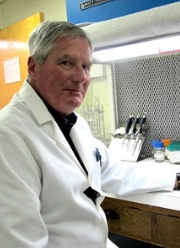 Joseph Falkinham合作论文数Department of Biological Sciences, Virginia Polytechnic Institute and State University5
 Rachael Rodger合作论文数4Janet E. Stout合作论文数4Musser Kimberlee A合作论文数Bacteriol Lab, New York State Dept Hlth4Wengenack Nancy L合作论文数4
 Valeriu Crudu合作论文数Microbiology & Morphology of Laboratory of Phthisiopneumology, Institute from Moldova;Center PAS4
 Mario Raviglione合作论文数Centre Multidisciplinary Research in Health Science, University of Milan;Queen Mary University of London4Jeffrey Driscoll合作论文数4Leonid Heifets合作论文数4
 Erik C. Böttger合作论文数Institut fur Medizinische Mikrobiologie, University of Zurich4Thomas M. Shinnick合作论文数4Armand Van Deun合作论文数4John C. Ridderhof合作论文数4Jamie L. Marola合作论文数4R K Hoop合作论文数3
 Giovanni Battista Migliori合作论文数Maugeri3Nadege Charles Toney合作论文数3Laura Tourdot合作论文数3G. E. Pfyffer合作论文数3Cheri Grigg合作论文数3Devra Barter合作论文数3




