Highly sensitive and reproducible analysis of samples containing low amounts of protein is restricted by sample loss and the introduction of contaminants during processing. Here, we report an All-in-One digital microfluidic (DMF) pipeline for proteomic sample reduction, alkylation, digestion, isotopic labeling and analysis. The system features end-to-end automation, with integrated thermal control for digestion, optimized droplet additives for sample manipulation and analysis, and an automated interface to liquid chromatography with tandem mass spectrometry (HPLC-MS/MS). Dimethyl labeling was integrated into the pipeline to allow for relative quantification of the trace samples at the nanogram level, and the new pipeline was applied to evaluating cancer cell lines and cancer tissue samples. Several known proteins (including HSP90AB1, HSPB1, LDHA, ENO1, PGK1, KRT18, and AKR1C2) and pathways were observed between model breast cancer cell lines related to hormone response, cell metabolism, and cell morphology. Furthermore, differentially quantified proteins (such as PGS2, UGDH, ASPN, LUM, COEA1, and PRELP) were found in comparisons of healthy and cancer breast tissues, suggesting potential utility of the All-in-One pipeline for the emerging application of proteomic cancer sub-typing. In sum, the All-in-One pipeline represents a powerful new tool for automated proteome processing and analysis, with the potential to be useful for evaluating mass-limited samples for a wide range of applications.
We introduce Digital microfluidic Isolation of Single Cells for -Omics (DISCO), a platform that allows users to select particular cells of interest from a limited initial sample size and connects single-cell sequencing data to their immunofluorescence-based phenotypes. Specifically, DISCO combines digital microfluidics, laser cell lysis, and artificial intelligence-driven image processing to collect the contents of single cells from heterogeneous populations, followed by analysis of single-cell genomes and transcriptomes by next-generation sequencing, and proteomes by nanoflow liquid chromatography and tandem mass spectrometry. The results described herein confirm the utility of DISCO for sequencing at levels that are equivalent to or enhanced relative to the state of the art, capable of identifying features at the level of single nucleotide variations. The unique levels of selectivity, context, and accountability of DISCO suggest potential utility for deep analysis of any rare cell population with contextual dependencies.
Three new manganese complexes trans-[Mn(P-NH-NH-P)(CO)(2)][Br], (14) P-NH-NH-P = (S,S)-PPh2CH2CH2NH-CHPhCHPhNHCH2CH2PPh2), fac-[Mn(P'-NH-NH2)(CO)(3)][Br], (15) P'-NH-NH2 = (S,S)-PPh2 (C6H4)NHCHPhCHPhNH2, and syn-mer-Mn(P-NH-NH2) (CO)(2) Br, (16) P-NH-NH2 = (S,S)PPh2CH2CH2NHCHPhCHPhNH2 were synthesized and tested for the asymmetric transfer hydrogenation (ATH) of acetophenone in 2-PrOH. The ligands have stereogenic centers derived from the starting diamine, (S,S)-DPEN. Complex 16 was shown by NOE NMR experiments to have Mn-Br syn to the N-H of the secondary amine. Only the precatalyst 16, upon reaction with potassium tert-butoxide ((KOBu)-Bu-t) in 2-PrOH, generated an active system at 80 degrees C for the ATH of acetophenone to 1-phenylethanol in an enantiomeric excess (ee) of 42% and thus was selected for further investigation into the mechanism of transfer hydrogenation. The corresponding amido complex Mn(P-N-NH2)(CO)(2) (17), a borohydride complex syn-mer-Mn(P-NH-NH2)(CO)(2) (BH4) (18), and an ethoxide complex anti-mer-Mn(P-NH-NH2)(CO)(2) (OEt) (19') were independently synthesized and tested in the ATH of acetophenone. The amido complex 17 and the borohydride complex 18 displayed similar activity to 16 activated in basic 2-PrOH, but the anti NH OEt complex 19' was completely inactive. This result suggested that the NH effect, as described by Noyori, was required to obtain catalytic activity. The syn NH BH4 manganese complex is one of the most active manganese ATH catalysts to date and can hydrogenate a variety of aromatic ketones, including base-sensitive substrates such as p-acetylbenzoate ethyl ester.
An entry from the Cambridge Structural Database, the world’s repository for small molecule crystal structures. The entry contains experimental data from a crystal diffraction study. The deposited dataset for this entry is freely available from the CCDC and typically includes 3D coordinates, cell parameters, space group, experimental conditions and quality measures.
A palladium-catalyzed, norbornene-mediated ortho- and ipso-C-N bond-forming Catellani reaction is reported. This reaction proceeds through a sequential intermolecular amination followed by intramolecular cyclization of a tethered amide. The products, ortho-aminated dihydroquinolinones, were generated in moderate to good yields and are present in bioactive molecules. This work highlights the challenge of competing intra- vs intermolecular palladium-catalyzed processes.
 Calvin Chan合作论文数2
 Andrew Whyte合作论文数Davenport Res Labs, Univ Toronto2
 Alexandros A Sklavounos合作论文数Univ Toronto, Dept Chem, 80 St George St, Toronto, ON M5S 3H6, Canada2
 Erica Y Scott合作论文数Institute of Biomedical Engineering, University of Toronto2
 Aaron Wheeler合作论文数Institute of Biomedical Engineering, Faculty of Applied Science & Engineering, University of Toronto2
 Peng Jiaxi合作论文数2
 Michael Dean Chamberlain合作论文数2Bingyu B Li合作论文数1Vigneshwar Rajesh合作论文数1Charis Lam合作论文数1
 Zhang Shen合作论文数1Adam Lee合作论文数1
 Harrison Edwards合作论文数OpenAI1
 Julian Lamanna合作论文数Univ Toronto, Dept Chem, 80 St George St, Toronto, ON M5S 3H6, Canada1Yechen Hu合作论文数Chinese Acad Sci, Dalian Inst Chem Phys, CAS Key Lab Separat Sci Analyt Chem, Dalian 116023, Peoples R China1
 Austin Heffernan合作论文数Univ Hlth Network, Toronto Rehabil Inst, Sleep Res Lab, Toronto, ON M5G 2A2, Canada1
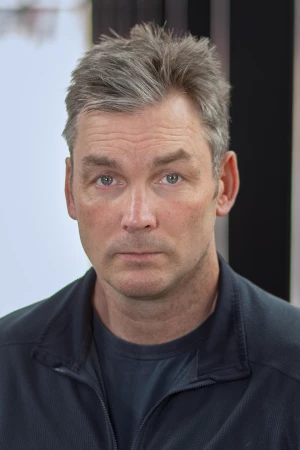 Jason Moffat合作论文数Department of Molecular Genetics, University of Toronto;The Hospital for Sick Children1
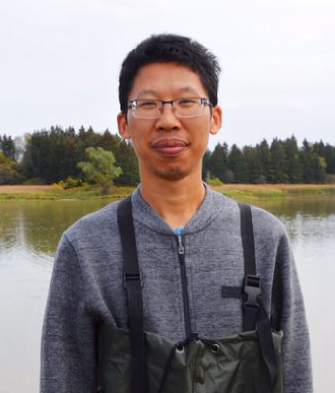 Hui Peng合作论文数Department of Chemistry, Faculty of Arts and Science, University of Toronto1
 Mark Lautens合作论文数Department of Chemistry, Faculty of Arts & Science, University of Toronto;Trinity College, University of Toronto1
 Barbara Mair合作论文数CeMM Research Center for Molecular Medicine, the Austrian Academy of Sciences1Demmans Karl Z合作论文数1Dryden Michael D M合作论文数Department of Chemistry, University of Toronto1
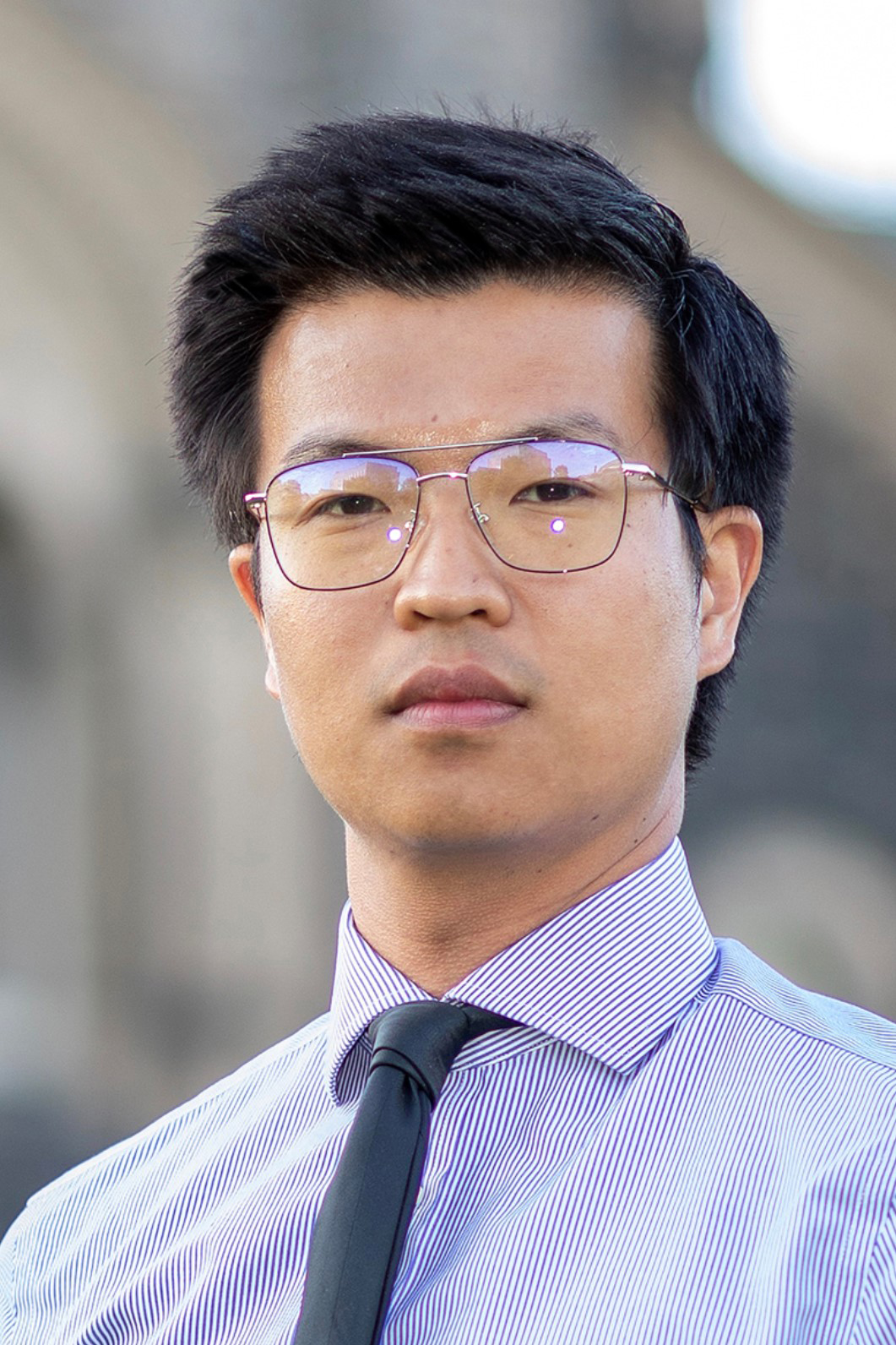 Shuailong Zhang (张帅龙)合作论文数School of Mechatronics Engineering, Beijing Institute of Technology1
 Robert Morris合作论文数Department of Chemistry, Faculty of Arts & Science, University of Toronto1




