Microhemorrhages are an underestimated aspect in the pathophysiology of vulnerable plaques and aneurysms. Erythrocyte liberation within hemorrhages leads to extracellular hemoglobin accumulation and iron-containing hemin generation. Hemin induces platelet activation, thrombosis, and ferroptosis-mediated destruction of platelet membranes through GPVI/CLEC-2 signaling. Hemin-toxicity results in destruction of platelet membranes, which is caused by ferroptosis, a non-apoptotic cell death. Antiplatelet drugs have limited effect on hemin-induced activation. We evaluated the effect of hemin on platelet function using light transmission aggregometry and multipanel flow cytometry. We found that P2Y12 and COX-1 inhibition attenuates hemin-induced aggregation only at low hemin concentrations (3.1/6.25 μM), whereas at higher concentrations (12.5/25 μM) no substantial inhibition was found. High hemin concentrations enhance phosphatidylserine exposure, procoagulant and microvesicle formation as well as ferroptosis, which was not attenuated in the presence of Src-inhibitors, indicating that membrane-disintegration is not primarily mediated via GPVI/CLEC-2 receptor-dependent ITAM-signaling. In contrast, iron chelation by deferoxamine significantly reduced microvesicle and ROS generation, loss of mitochondrial membrane potential and lipid peroxidation. Soluble recombinant Fc-GPVI scavenging of hemin protects against hemin-induced platelet activation, plasma membrane disintegration and microvesicle formation. High hemin concentrations lead to plasma membrane disintegration and ferroptosis, inhibited by iron chelation and hemin scavenging via soluble Fc-GPVI, but not by GPVI/CLEC-2 receptor-mediated ITAM signaling. We speculate that iron overload enables receptor-independent ferroptosis induction by hemin and may represent a therapeutic target to prevent platelet-driven thrombosis in microhemorrhages.
Hemin, which gets released during erythrocyte lysis, induces concentration-dependent platelet activation, aggregation, and thrombus formation as well as plasma membrane destruction and cytoskeleton reorganization. Classical platelet antagonists do not inhibit the plasma membrane destruction induced by high concentrations of hemin. Both cyclic guanosine monophosphate (cGMP) and adenosine 3':5' -cyclic monophosphate (cAMP) are key endogenous inhibitors of platelet activation. Thus, we investigated whether they inhibit hemin-induced plasma membrane destruction, both individually and in combination.In addition to standard platelet assays, we performed cGMP and cAMP ELISAs, immunoblot analysis of vasodilator-stimulated phosphoprotein (VASP) and immunofluorescence staining. We found that pharmacological modulation of these pathways via NO donors (DEA/NO), soluble guanylyl cyclase (sGC) stimulators (riociguat) or IP receptor agonists (PGE1), and phosphodiesterase (PDE) inhibitors (PDE-5 inhibitor: sildenafil, PDE-3 inhibitor: ibudilast), phosphorylate the downstream vasodilator-stimulated phosphoprotein (VASP) and inhibit hemin-induced platelet activation and degranulation. In particular, synergistically modulation of cGMP and cAMP and the resulted phosphorylation of VASP at Ser239 and Ser157 significantly attenuates platelet aggregation and plasma membrane destruction induced by high concentrations of hemin. Further, the riociguat NO-induced cGMP synthesis was significantly reduced in the presence of hemin. In comparison, the PGE1-induced cAMP synthesis was enhanced in the presence of hemin. In conclusion, high concentrations of hemin change the cGMP and cAMP synthesis induced by their associated stimulators, while promoting plasma membrane destruction, which can be significantly inhibited by the simultaneous administration of riociguat DEA/NO and PGE1.
Current understanding of C-X-C chemokine receptor type 4 (CXCR4) activation relies on many crystal structures, which mostly represent a small fraction of this receptor’s conformational landscape. We performed extensive MD simulations of CXCR4 receptor to elucidate its dynamical behaviour. We updated previous CXCR4 activation model that shows H294 7.45 conformational rearrangement was not consistent with its role determined experimental mutagenesis by comparing the dynamical behaviour of two different models of CXCR4’s binding site, with H294 7.45 simulations either neutral or positively charged states. Positively charged H294 7.45 recovers the sodium binding site conformation observed in CXCR4 experimental structures and shows better agreement with in silico mutations than its neutral counterpart.
BACKGROUND:Risk stratification in non-ischemic cardiomyopathies (NICM) remains challenging despite guideline-based phenotypic classification using multimodal diagnostics including endomyocardial biopsy (EMB). We aimed to identify EMB-derived histological and molecular markers that improve phenotypic characterization and long-term risk stratification in patients with NICM. METHODS:In this prospective cohort study, 703 consecutive patients with symptomatic NICM underwent standardized multimodal evaluation, including clinical assessment, cardiac imaging, and endomyocardial biopsy. Biopsy specimens were analyzed using histology, immunohistochemistry, and targeted myocardial mRNA profiling. Associations between endomyocardial markers, and fibroinflammatory remodeling, imaging parameters, and molecular signatures were assessed cross-sectionally. Long-term prognostic relevance was evaluated using survival and multivariable prediction analyses during follow-up of up to fifteen years for all-cause mortality, cardiovascular mortality, implantable cardioverter-defibrillator (ICD) implantation, and appropriate ICD discharge. RESULTS:Elevated myocardial Gremlin-1 expression was associated with increased fibrosis, adverse cardiac remodelling, reduced left ventricular function, and enrichment of pro-fibrotic and inflammatory mRNA signalling pathways. Myocardial and circulating Gremlin-1 expression was independently associated with all-cause and cardiovascular mortality, and ICD implantation and discharge. Machine learning-based phenotyping using histological EMB data identified Gremlin-1 as a key predictive feature of poor prognosis. Incorporation of Gremlin-1 into predictive models significantly improved long-term cardiovascular risk stratification in NICM patients. CONCLUSION:Our results unveil that Gremlin-1 is associated with inflammation and cardiac remodelling in patients with NICM, and patients with Gremlin-1+ EMB and high plasmatic Gremlin-1 concentrations are at elevated risk to develop adverse cardiovascular events. Thus, the histological evaluation of Gremlin-1 may help to improve risk discrimination and management of NICM and HF patients.
Atherosclerosis is the underlying cause of myocardial infarction and ischemic stroke. It is a lipid-triggered and cytokine/chemokine-driven arterial inflammatory condition. We identify D-dopachrome tautomerase/macrophage migration-inhibitory factor-2 (MIF-2), a paralog of the cytokine MIF, as an atypical chemokine promoting both atherosclerosis and hepatic lipid accumulation. In hyperlipidemic Apoe-/- mice, Mif-2-deficiency and pharmacological MIF-2-blockade protect against lesion formation and vascular inflammation in early and advanced atherogenesis. MIF-2 promotes leukocyte migration, endothelial arrest, and foam-cell formation, and we identify CXCR4 as a receptor for MIF-2. Mif-2-deficiency in Apoe-/- mice leads to decreased plasma lipid levels and suppressed hepatic lipid accumulation, characterized by reductions in lipogenesis-related pathways, tri-/diacylglycerides, and cholesterol-esters, as revealed by hepatic transcriptomics/lipidomics. Hepatocyte cultures and FLIM-FRET-microscopy suggest that MIF-2 activates SREBP-driven lipogenic genes, mechanistically involving MIF-2-inducible CD74/CXCR4 complexes and PI3K/AKT but not AMPK signaling. MIF-2 is upregulated in unstable carotid plaques from atherosclerotic patients and its plasma concentration correlates with disease severity in patients with coronary artery disease. These findings establish MIF-2 as an atypical chemokine linking vascular inflammation to metabolic dysfunction in atherosclerosis.
Patients with coronary artery disease (CAD) are at increased risk of developing ischemic events and contemporary antiplatelet therapy often leads to bleeding events following percutaneous coronary intervention (PCI). Glycoprotein VI (GPVI) is the key receptor of collagen-dependent thrombus formation and crucial for platelet homeostasis. We analysed the influence of GPVI inhibition with revacept in a randomized double-blinded trial enrolling 334 patients with CAD undergoing elective PCI. Ex vivo platelet function analyses were assessed alongside plasma chemokine concentrations. We then elucidate changes of GPVI-dependent chemokine concentrations in patients with bleeding events during the 30-day clinical follow-up. Changes in platelet function occur in patients with revacept treatment and are associated with a characteristic alteration of circulating chemokine concentrations. Further, patients with adverse bleeding events share a distinct fingerprint of chemokines that is associated with modulation of in vitro platelet functions. In addition, assessment of GPVI-associated changes in chemokine signalling and platelet functions demonstrated an increased diagnostic value in patients with CAD and might improve early risk discrimination for bleeding events. The composition of platelet-derived chemokines correlated with platelet functions following antiplatelet treatment. Thus, assessment of chemokines may offer the perspective to identify patients at increased risk for bleeding events. Likewise, modulation of platelet chemokines in patients with revacept treatment contributes to the efficacy of antiplatelet treatment and might attenuate pathophysiological cascades leading to haemorrhagic diathesis in patients with CAD. Study design and rationale: patients with coronary artery disease (CAD) undergoing elective percutaneous coronary intervention (PCI) and the impact of treatment with soluble GPVI inhibitor revacept. Changes in ex vivo platelet function and plasma chemokine concentrations were associated with an increased bleeding risk during the clinical follow-up. Further, GPVI-associated changes in chemokine signalling might attenuate pathophysiological cascades leading to haemorrhagic diathesis and improve early risk discrimination for bleeding events
Background: Thromboangiitis obliterans (TAO) is a rare but threatening disease associated with significant morbidity and mortality. The pathophysiology is poorly understood, the diagnosis is often obscure and causal treatment options are limited. In the current study, we aimed to identify distinct TAO patient clusters that differed in clinical presentation and prognosis. Patients and methods: We retrospectively analysed a cohort of 48 patients with the working diagnosis TAO who were assessed for clinical presentation at hospital admission. We applied hierarchical clustering to divide patients into clinically meaningful subgroups. Results: Patients were followed-up for a median of 95 months. We found that cluster analyses including a variety of demographic and diagnostic parameters were valuable to identify patient subgroups with similar clinical presentation, but with different clinical course of the disease, including the individual risk for mortality and major amputation. Patients treated with statins showed a significantly better survival, which may allow us to hypothesize that a conventional secondary prevention strategy, which is recommended for atherosclerotic artery diseases, may be of benefit also in patients that present with TAO. Conclusions: The current data may help to develop strategies to identify high-risk TAO patients. Furthermore, statins may serve as a readily available therapeutic option to this rare but serious disease.
Untargeted lipidomics by ultra-high-performance liquid chromatography (UHPLC) hyphenated with tandem mass spectrometry using data-independent acquisition (DIA) is a technique with increasing popularity for generating new hypotheses in support of clinical research. Its strength is its data comprehensiveness on both MS and MS/MS level. However, especially when applying SWATH acquisition for large-scale analysis, e.g. clinical studies with over 1000 s to 10,000 s of samples, simultaneous processing of acquired data in multiple batches over longer period of time may be challenging due to retention time and mass shifts as well as huge bulk of data, particularly when computer power is limited. This problem can be alleviated by a batchwise data processing strategy by inter-batch feature alignment of separately processed sample batches. After batchwise automated data processing in MS-DIAL, feature lists can be combined by aligning identical features from different batches attributed to similarity in precursor m/z and retention time, with the intention to generate a representative reference peak list for targeted data extraction. The workflow was established with detected features from three batches of platelet lipid extracts of coronary artery disease (CAD) patients (n = 120) and then applied on a clinical cohort with 1057 CAD patients measured in 22 batches. As a result, the lipidome coverage was significantly increased when several batches were used to create the target feature list compared to a single batch and the increase of annotated features levelled off with 7-8 batches. Further, the lipid identification was improved in terms of number of structurally annotated features.
BACKGROUND:Transcatheter edge-to-edge repair (TEER) has been shown to be an effective treatment option for patients experiencing cardiogenic shock (CS) with concomitant high-grade mitral valve regurgitation. However, haemodynamic changes following M-TEER have not been thoroughly investigated. Afterload mismatch, leading to the deterioration of haemodynamics subsequent to mitral regurgitation correction, could potentially occur and adversely impact prognosis. Our objective was to analyse the effect of TEER on haemodynamic and echocardiographic parameters in patients with CS. METHODS AND RESULTS:We conducted a retrospective study of patients undergoing TEER for mitral valve regurgitation in the setting of CS. Haemodynamic and echocardiographic parameters before and after TEER were systematically analysed. A total of 25 patients underwent TEER in the context of CS. All patients were successfully treated with at least of one grade reduction in mitral regurgitation. The median left atrial mean pressure decreased from 23 mmHg (IQR 17-30) to 16 mmHg (IQR 11-20, P < 0.01), and the V-wave decreased from 36 mmHg (IQR 27-44) to 21 mmHg (IQR 14-25, P < 0.01) following the procedure. The stroke volume index and cardiac index increased from 25 mL/m2 (IQR 18-29) to 34 mL/m2 (IQR 25-44, P < 0.01) and from 1.90 L/min/m2 (IQR 1.41-2.30) to 2.50 L/min/m2 (IQR 1.99-2.86, P < 0.01), respectively. We did not observe any worsening of the ejection fraction after the procedure. Ten patients (40%) died during their hospital stay. CONCLUSIONS:Our study demonstrates that TEER leads to favourable haemodynamic changes in patients with CS. We observed a significant reduction in left atrial pressure, V-wave, and an elevation in cardiac index. Importantly, we did not observe any deterioration in left ventricular function following the procedure. This supports the concept of haemodynamic stabilization with TEER in patients with CS and high-grade mitral regurgitation.
Purpose:Patients with metabolic syndrome and coronary artery disease (CAD) are at increased risk of metabolic dysfunction-associated steatotic liver disease (MASLD), which can progress to steatohepatitis, cirrhosis, and hepatocellular carcinoma. MASLD is the most common liver disease and a significant contributor to cardiovascular morbidity. Enhanced platelet aggregation is linked to steatohepatitis, and antiplatelet therapy has been suggested as a potential treatment. Patients and Methods:In a prospective study of 51 patients with type 2 diabetes mellitus and/or obesity (BMI≥30), we evaluated the impact of antiplatelet therapy on hepatic fat content, liver volume, and iron deposition using magnetic resonance imaging (MRI) at baseline and six months. Ex vivo platelet function testing and plasma levels of proinflammatory chemotactic cytokines were measured to characterize thromboinflammatory mechanisms underlying MASLD. Results:Increased platelet reactivity correlated with greater hepatic fat, iron deposition, and liver volume. Antiplatelet therapy was associated with reductions in hepatic volume and iron accumulation. Progression of steatosis was linked to dyslipidemia, platelet hyperreactivity, and elevated plasma levels of profibrotic, inflammatory, and apoptotic chemokines/cytokines. A distinct systemic cytokine profile corresponded with morphological features of progressive MASLD. Conclusion:Reduced platelet aggregation is associated with attenuation of MASLD features. Antiplatelet therapy correlates with decreased pro-inflammatory and pro-fibrotic chemokine signaling linked to the morphological characteristics of MASLD. Assessment of platelet reactivity and specific chemokines may enhance understanding of MASLD pathophysiology and support the development of novel therapeutic strategies.
Differentiation of cardiac fibroblasts (CFs) into myofibroblasts (CMFs) is considered a critical event in response to the maladaptive cardiac remodeling triggered by angiotensin II (Ang II). Active CMFs are proliferative and contribute to the production of extracellular matrix and matricellular proteins such as periostin, to myocardial fibrosis, and thus to muscle stiffness. Although previous studies provided substantial evidence for the antifibrotic signaling elicited by NO/NP-cGMP-cGKI, the role of this axis in modulating CMF function(s) in vivo remains unclear. To address this, Ang II was delivered through osmotic minipumps into tamoxifen-induced CMF-specific cGKI knockout (cmfKO) and littermate control (CTR) male mice. CMF-restricted Cre activity in periostin+ cells resulted in an effective depletion of the cGKI protein observed in myocardial sections and in primary CF/CMF protein lysates obtained from Ang II- and tamoxifen-treated cmfKO. Although both genotypes responded identically to Ang II in terms of blood pressure (BP) and cardiac enlargement, cmfKO hearts showed significantly increased cardiomyocyte cross-sectional areas and developed a marked increase in myocardial fibrosis. Moreover, non-invasive echocardiography revealed a structure-related distortion of global systolic function and longitudinal deformation capacity in cmfKO versus CTR. Consistent with the results obtained in vivo, we observed a higher proliferation rate of CF/CMF derived from Ang II-treated cmfKO hearts compared with respective CTR cells, as well as an increase in cardiomyocyte apoptosis in the absence of cGKI in periostin+ CMF. Our data confirm that endogenous cGKI function in periostin+ CMFs counteracts the Ang II-induced morphologic and structural changes that impair cardiomyocyte survival ultimately causing loss of heart function in mice.
Abstract Aims Heart failure (HF) patients may lack improvement of left ventricular (LV) ejection fraction (LVEF) despite optimal HF medication comprising an angiotensin receptor–neprilysin inhibitor (ARNI). Therefore, we aimed to identify key predictors for LV functional enhancement and prognostic reverse cardiac remodelling in HF patients on ARNI treatment. Methods We retrospectively analysed 294 consecutive patients with HF with reduced (HFrEF) or mildly reduced (HFmrEF) ejection fraction in our ‘EnTruth’ patient registry. LVEF was determined by echocardiography at initiation of ARNI and at 12 months of follow‐up. We assessed the predictive value of clinically relevant patient‐, HF‐ and treatment‐related parameters in regard to changes in LVEF and all‐cause mortality using medoid clustering and the XGBoost machine learning algorithm. Results Cluster analysis integrating clinically relevant patient characteristics unveiled four characteristic sub‐phenotypes of patients with HFrEF and HFmrEF, respectively. Distinct clusters exhibit a strong (P < 0.05) therapeutic response to ARNI treatment and enhanced LV function. Key patient criteria, such as duration and aetiology of HF, renal function and de novo ARNI treatment, were significantly (P < 0.05) associated with change of LVEF and independently predicted cardiac remodelling. By training various machine learning models on relevant clinical parameters, stratification of LVEF improvement by XGBoost resulted in a high prediction accuracy. The stratification of patients with HFrEF [area under the receiver operating characteristic curve (AUC) = 0.77] and HFmrEF (AUC = 0.70) led to an increased diagnostic accuracy of LVEF improvement in the validation cohort. Using machine learning, the likelihood of cardiac remodelling following ARNI treatment, as indicated by our newly established EnTruth score, was directly associated with absolute LVEF improvement in both HFrEF (r = 0.51, P < 0.0001) and HFmrEF (r = 0.42, P = 0.001). Ultimately, patients with HFrEF and a high EnTruth score have a lower risk of all‐cause mortality (P < 0.05 in survival analysis). Conclusions Recognition of essential clinical factors by integrating machine learning and cluster analyses may help to identify HF patients benefiting from improvement of LVEF following ARNI treatment. Early identification of those patients with a high response to ARNI treatment may allow a more refined selection of patients benefiting from an early escalation of HF treatment or interventional therapy.
Phosphodiesterase enzymes (PDEs) play a pivotal role in regulating platelet activity by modulating intracellular levels of cAMP and cGMP. Modulation of PDE-2, -3 and -5 activity by suitable inhibitors has been found to reduce platelet activity, and thus thrombus formation.Our aim was to study Ibudilast effects on platelet activation, degranulation and aggregation. Therefore, we used the nonspecific PDE inhibitors IBMX as well as the PDE-5 inhibitor Sildenafil as controls. Platelet agonists collagen-related peptide (CRP-A), adenosine diphosphate (ADP) and thrombin receptor activator peptide (TRAP6) were used to induce distinct activation pathways. PDE inhibition was quantified by western blot analysis. Platelet activity was assessed using flow cytometry, light transmission aggregometry and in vitro thrombus formation.Inhibition of all platelet PDEs by IBMX substantially reduced platelet activation and aggregation in response to all tested platelet agonists. Ibudilast preferentially inhibits PDE-3 in platelets. Ibudilast decreased platelet activation and aggregation induced by ADP and TRAP, but not CRP-A. Sildenafil alone induced no reduction in PDE activity, platelet activation or aggregation. However, the combination of Sildenafil and Ibudilast had an additive effect on platelet activation. Interestingly, all tested PDE inhibitors demonstrated a significant effect on platelet-dependent thrombus formation.In conclusion, the effect of PDE inhibitors on platelet function is influenced by two primary factors: the pharmacological target of the inhibitor and the cAMP/cGMP interaction with the activation pathways induced. Platelet activation by ADP via P2Y12 and TRAP via PAR1 showed a greater response to PDE inhibitors than platelet activation by CRP via GPVI.
Herz-Kreislauf-Erkrankungen sind voraussichtlich bis 2050 die Krankheitsbilder mit der höchsten Morbidität und Mortalität und stellen die Versorger vor neue Herausforderungen. Auf diesem Hintergrund wird der teilstationären Versorgung eine zunehmende Bedeutung zukommen. Die Mitglieder der Ordinarienkonferenz Kardiologie e. V. haben sich 2023 und 2024 in Arbeitstreffen mit der zukünftigen Ausrichtung von universitären Kliniken für Kardiologie befasst. Hierauf aufbauend wurde ein Konsensuspapier verfasst, das die strategischen Eckpfeiler, Spezifika und Herausforderungen der universitären Kardiologie zusammenfasst und sich an die Vorstände der Universitätsklinika, den Verband der Universitätsklinika Deutschlands e. V. (VUD), den Gemeinsamen Bundesausschuss (G-BA), Kostenträger und die Entscheidungsträger der Ministerien für Gesundheit, Wissenschaft und Finanzen der jeweiligen Bundesländer sowie im Bund richtet. Die Inhalte dieses Konsensuspapiers werden im vorliegenden Beitrag skizziert.
 Tobias Geisler合作论文数Medizinische Klinik III, Kardiologie und Kreislauferkrankungen, Eberhard-Karls-Universität Tübingen270
 Peter Seizer合作论文数167Oliver Borst合作论文数Medizinische Klinik, Universitätsklinikum Tübingen156
 Andreas E May合作论文数134
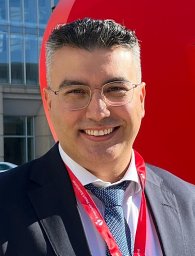 Konstantinos Stellos合作论文数Medizinische Klinik III, Kardiologie und Kreislauferkrankungen, Eberhard Karls Universität112
 Florian Lang合作论文数Institute of Physiology, Universitat Tubingen;Department of Physiology, University of Tübingen107Rath Dominik合作论文数100Harald Langer合作论文数98
 Christine S Zuern合作论文数University Hospital Basel;Department of Internal Medicine, Medical Faculty, University of Tübingen70
 Karin Muller合作论文数69Bigalke Boris合作论文数68
 Suzanne Fateh-Moghadam合作论文数65
 Steffen Massberg合作论文数Department of Cardiology, University Clinic Munich, Ludwig-Maximilian-University Munich;Department of Medicine I, University Hospital Munich, Medical Faculty, Ludwig-Maximilian-University Munich61
 Madhumita Chatterjee合作论文数Department of Cardiology and Cardiovascular Diseases, Eberhard Karls University Tübingen58Stephan Lindemann合作论文数55
 Michal Droppa合作论文数50
 Albert W. Schömig合作论文数Fakultät für Medizin, Technische Universitat Munchen50Karin Klingel合作论文数50Wolfgang Bocksch合作论文数49Fj Neumann合作论文数48
 Patrick Munzer合作论文数48Boris Bigalke合作论文数44Tanja Schonberger合作论文数42
 Christian Eick合作论文数41Juergen Schreieck合作论文数40Patrik Htun合作论文数37
 Reinhard Kandolf合作论文数Department of Molecular Pathology, University Hospital Tübingen;University of Tübingen36Martin Ungerer合作论文数34
 Rezo Jorbenadze合作论文数33
 Simon Greulich合作论文数33H. Langer合作论文数32Anne-Katrin Rohlfing合作论文数32Jurgen Schreieck合作论文数32
 Patrick Krumm合作论文数29Heinzmann David合作论文数29
 Matthias Schwab合作论文数Faculty of Medicine, University of Tübingen;Dr. Margarete Fischer-Bosch Institute of Clinical Pharmacology29Tatsiana Castor合作论文数27Vogel Sebastian合作论文数Department of Cardiology and Cardiovascular Diseases, Eberhard Karls University Tübingen27
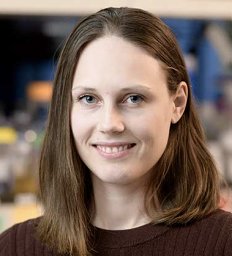 Iris Muller合作论文数Memorial Sloan-Kettering Cancer Center26Karin Mueller合作论文数25Patzelt Johannes合作论文数25
 Evi Schmid合作论文数Department of Physiology, University of Tübingen25I Ott合作论文数23Stimpfle Fabian合作论文数23Christian Herdeg合作论文数23
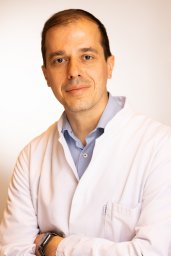 Konstantinos D Rizas合作论文数Department of Surgery, St.Lukes-Roosevelt Hospital22Martin Schaller合作论文数22
 Michael Lämmerhofer合作论文数Department of Pharmacy and Biochemistry, Faculty of Science, Eberhard Karls Universität Tübingen22




