More effective methods are needed for breast reconstruction after breast-conserving surgery for breast cancer. The aim of this clinical study was to assess the perioperative and long-term outcomes of adipose-derived regenerative cell (ADRC)-enriched autologous fat grafting.
In 2001, researchers at the University of California, Los Angeles, described the isolation of a new population of adult stem cells from liposuctioned adipose tissue that they initially termed Processed Lipoaspirate Cells or PLA cells. Since then, these stem cells have been renamed as Adipose-derived Stem Cells or ASCs and have gone on to become one of the most popular adult stem cells populations in the fields of stem cell research and regenerative medicine. Thousands of articles now describe the use of ASCs in a variety of regenerative animal models, including bone regeneration, peripheral nerve repair and cardiovascular engineering. Recent articles have begun to describe the myriad of uses for ASCs in the clinic. The protocol shown in this article outlines the basic procedure for manually and enzymatically isolating ASCs from large amounts of lipoaspirates obtained from cosmetic procedures. This protocol can easily be scaled up or down to accommodate the volume of lipoaspirate and can be adapted to isolate ASCs from fat tissue obtained through abdominoplasties and other similar procedures.
The popularity of nonhematopoietic, adult tissue-derived stem and progenitor cells for use as a cellular research tool, and ultimately as a clinical therapeutic, has increased exponentially over the past decade. Almost all adult-derived stem/progenitor cells (autologous and allogeneic), with one exception, require at least some ex vivo expansion or further manipulation prior to use to satisfy efficacy and safety requirements for preclinical or clinical use. The principal reason is the relatively low frequency of these therapeutically valuable cells within any given adult tissue, except for adipose tissue, which has been shown to have at least two log greater concentrations of these progenitor cells. Therefore, use of autologous adipose-derived cells as both a research tool and cell therapeutic is feasible and has been shown to be both safe and efficacious in preclinical and clinical models of injury and disease. The development and utilization of automated processes and instrumentation such as Cytori Therapeutics' Celution® System to reduce variability and increase quality of the recovered cells is requisite for clinical use and preferred by basic researchers. Here, use of an automated, closed processing platform for isolation and concentration of adipose-derived stem and regenerative cells is described, including a profile of the isolated cells immediately prior to use, and commonly used methods to quantify and qualitatively assess the recovered cells.
As the frequency of fat grafting to the breast has increased, some investigators have raised the possibility that this procedure may potentially increase the risks associated with breast cancer. Their concerns included not only interference with cancer detection, but also promotion of tumor formation or recurrence mediated by mechanisms such as aromatase expression, angiogenesis, and tumor stromal cells. However, published clinical studies describing outcomes of fat grafting to the breast in more than 2000 patients have not reported any increase in new or recurrent cancers. The reason for this apparent disconnect may lie in the small sample sizes and relatively short follow-up, but it may also reside in the considerable gap between laboratory studies or theoretical considerations suggesting potential risks and the actual clinical practice. This review discusses potential risks of current and novel approaches to autologous fat grafting to the breast within the context of both the underlying science and clinical practice.
Background: Our Nurse Without Borders program started in January, 2006 to see all heart failure patients in the hospital for education, verifying CHF core measures, screening for depression and sleep apnea. We have used the Cardiocom scale for telehealth management of frequent CHF readmissions for the past 10 years. A nurse phones patients at home within 30 days of discharge. Our hospital has the lowest CHF readmission 21.2% for the state vs 24.9% for the nation. We utilize a multidisciplinary outpatient heart failure clinic however we still needed to improve. Using H2H (Hospital to Home) initiative started by American College of Cardiology, we want to be even more aggressive in decreasing our CHF readmissions.
Introduction: Adipose tissue has been known for some time to contain regenerative cells. These regenerative cells are able to differentiate into a nucleus pulposus-like phenotype when exposed to environmental factors similar to disc. In an effort to develop a clinical option for cell placement and assess the response of the cells to the post-surgical milieu, adipose-derived cells were collected, concentrated, and transplanted under fluoroscopic guidance directly into a surgically damaged disc in a dog model. Methods: After IACUC approval 12 dogs, 2 years of age, were obtained. Adipose cells were harvested from the super-scapular region of the neck (scruff) and adherent cells separated, collected, and labeled with DAPI. Three lumbar intervertebral disc levels in each dog underwent a partial nucleotomy; other levels served as non-operated controls. Levels of intervention as well as the regimen of treatment were dually randomized. Three interventions were used in this study; adipose-derived cells in hyaluronic acid (HA) carrier, HA alone, or no intervention. All deliveries were guided by fluoroscopy. The dogs were radiographed, received MRI scans and then euthanized by 12 months. The disc tissue was harvested from the lumbar spine in each dog. Cells labeled with DAPI prior to implantation were evident in the tissue. Matrix composition was assessed for aggrecan, Types I and II collagen by both RT-PCR (Table I) and ELISA (Table II) to assess and compare matrix regeneration. mRNA and protein from each level are presented with respect to normal values defined as the 100 percent expression. Results: The results can be summarized as: the regenerative cells are viable following implantation. supplementing adipose cells following injury supports regeneration. morphology was maintained. intervertebral disc height was not lost. MRI signal remained similar to native control. hyaluronic acid was insufficient to prevent disc degeneration or desiccation. lack of intervention resulted in progressive degeneration. Discussion: This study provides evidence that adipose derived cells might offer a reliable source of regenerative potential capable of bio-restitution. The span of this study was sufficient to show that freshly isolated adipose-derived cells can be transplanted percutaneously and will survive the trauma associated with post-surgical inflammation to remain viable and produce appropriate, tissue-specific matrix.
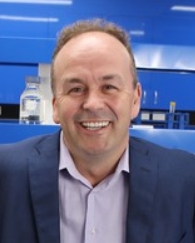 John Fraser合作论文数Prince Charles Hospital Northside Clinical Unit, Faculty of Medicine, The University of Queensland;The Prince Charles Hospital;School of Medicine, Griffith University;School of Medicine, Bond University47
 Benhaim P合作论文数31H Peter Lorenz合作论文数21Min Zhu合作论文数19
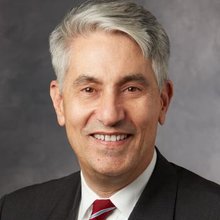 Michael T. Longaker合作论文数Department of Materials Science & Engineering, Stanford University15
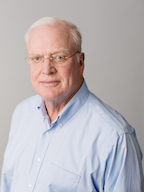 Michael Harrison合作论文数School of Medicine, University of California, San Francisco13
 Patricia Zuk合作论文数13
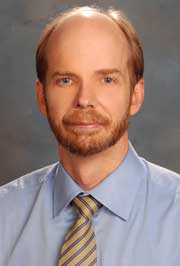 Alan W. Flake合作论文数Children’s Hospital of Philadelphia10Peter Ashjian合作论文数9Eric Daniels合作论文数9HE RICE合作论文数9PA Zuk合作论文数9Ronda Schreiber合作论文数9
 Adam J Katz合作论文数9susan lynn riley合作论文数8
 N. Scott Adzick合作论文数Department of Surgery, The Children's Hospital of Philadelphia;Richard D. Wood Jr. Center for Fetal Diagnosis and Treatment, The Children's Hospital of Philadelphia;Perelman School of Medicine, University of Pennsylvania7
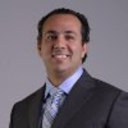 Amir S Elbarbary合作论文数Department of Plastic and Reconstructive Surgery, Ain-Shams University7SR Beanes合作论文数7Esmail D. Zanjani合作论文数7DA De Ugarte合作论文数6Brian M Strem合作论文数6Isabella Wulur合作论文数6
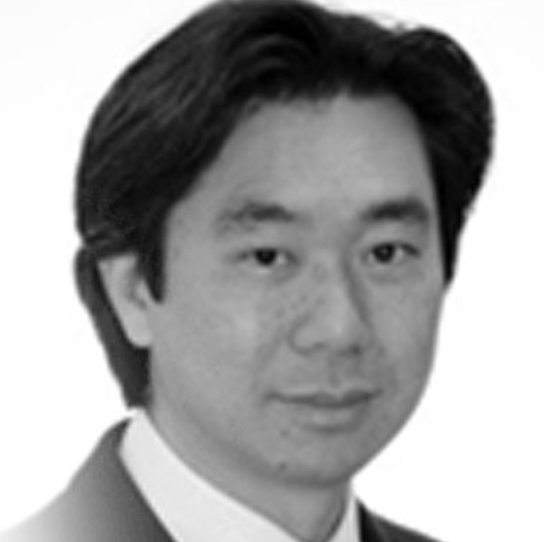 Kang Ting合作论文数Department of Bioengineering, School of Engineering, University of California, Los Angeles6
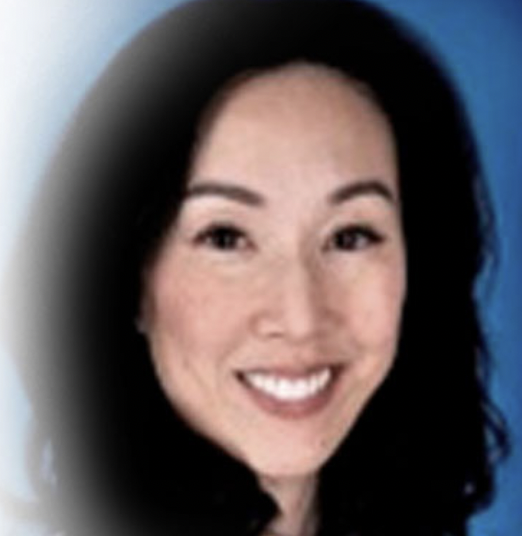 Chia Soo合作论文数Department of Bioengineering, School of Engineering, University of California, Los Angeles6J William Futrell合作论文数6joseph tai合作论文数5Dragoo Jason L合作论文数5Alfonso Z合作论文数5
 Jay R. Lieberman合作论文数Department of Orthopaedic Surgery, Keck School of Medicine, University of Southern California;Institute of Orthopaedics, Keck Medical Center, University of Southern California5
 Ramon Llull合作论文数Robert Wood Johnson Medical School, Cooper Hospital/University Medical Center5grace carlson合作论文数4michael j schulzki合作论文数4bobby byrnes合作论文数4
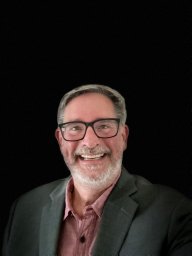 Kevin C. Hicok合作论文数Endogeny Bio Corporation4Fei-Ya Hu合作论文数4Zeni Alfonso合作论文数3JK Fraser合作论文数3AW FLAKE合作论文数3Jerry Huang合作论文数3
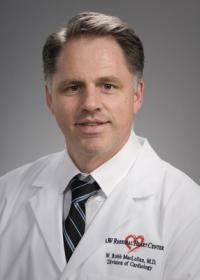 W. Robb MacLellan合作论文数Medicine Heart Institute, University of Washington;University of Washington Medical Center3Chang James合作论文数3
 Hiroshi Mizuno合作论文数3John F. Bealer合作论文数3Kouki Morizono合作论文数3
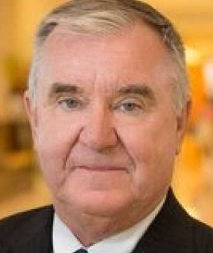 James Atkinson合作论文数University of California, Los Angeles Hospital System3James M. Estes合作论文数3W Hutton合作论文数2L Troutman合作论文数2R Moen合作论文数2




